
Building strong bones naturally
05/06/2026
Understanding Bone Health
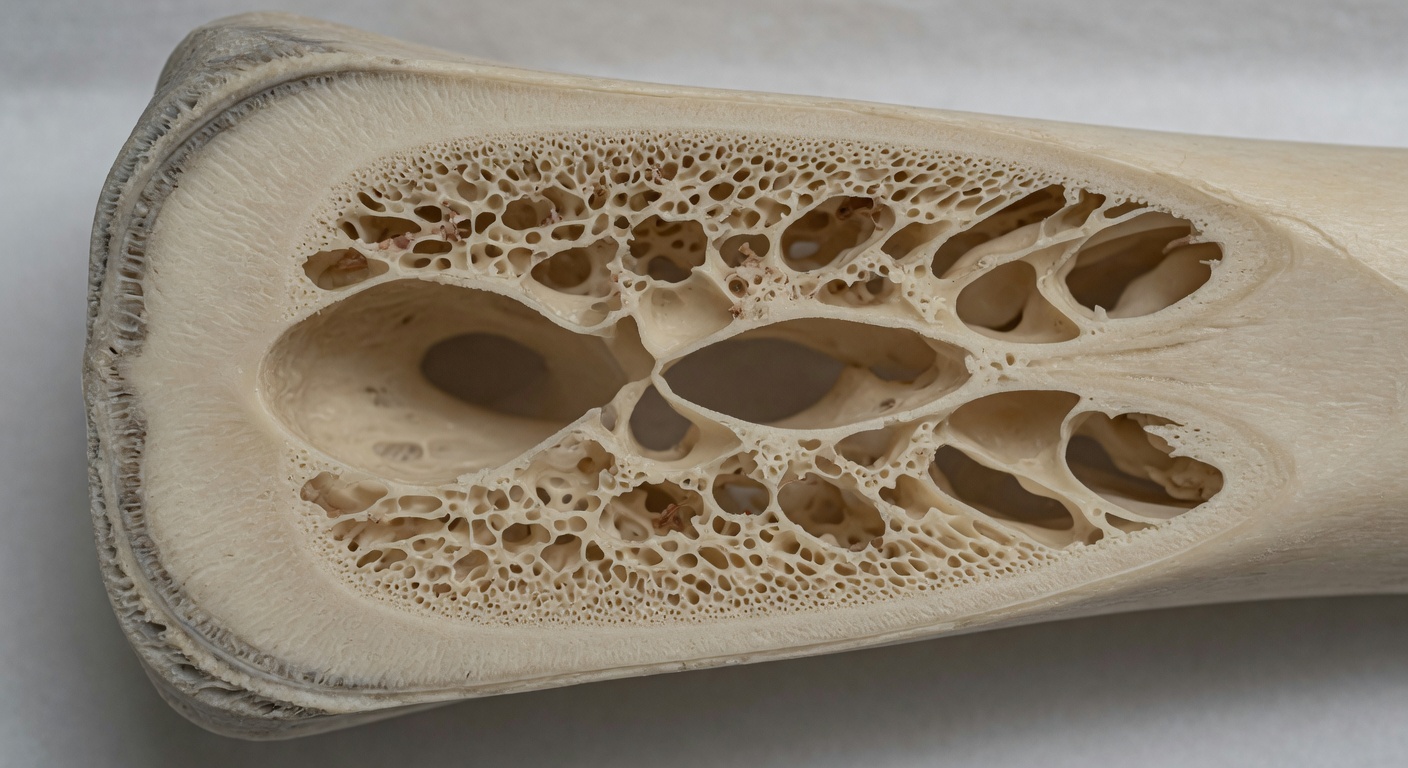
The human skeletal system is a marvel of natural engineering, providing structure, support, and protection to the body. At the core of this system is bone health, a crucial aspect that ensures our bones remain strong and functional throughout life. Bones are composed of a dense matrix made up of collagen fibers and minerals, primarily calcium and phosphate, which together form the bone structure. This combination not only gives bones their hardness but also a degree of flexibility to withstand everyday stresses.
Bone density is one of the key indicators of bone health. It refers to the amount of mineral matter packed into a certain volume of bone and is directly related to the strength and durability of the bones. Healthy bones maintain a balance between the breakdown of old bone and the formation of new bone tissue, a process called remodeling. This dynamic process ensures that bone density does not degrade over time, which is essential for preventing fractures and diseases such as osteoporosis.
Maintaining bone health is vital for overall wellbeing because bones provide the framework that supports the body’s shape and protect vital organs like the heart and lungs. Strong bones also enable mobility by anchoring muscles, allowing for movement and physical activity. Furthermore, good bone health contributes to maintaining proper posture and balance, reducing the risk of falls and related injuries, especially as we age.
Factors that impact bone health include diet, physical activity, genetics, and lifestyle choices. Ensuring an adequate intake of nutrients such as calcium and vitamin D, engaging in regular weight-bearing exercises, and avoiding harmful habits like smoking and excessive alcohol consumption all play a role in sustaining bone density and strength. By understanding the structure of bones and the importance of maintaining bone health, individuals can take proactive steps to support their skeletal system, ultimately enhancing quality of life and longevity.
The Role of Calcium and Vitamin D
Calcium and vitamin D are essential bone nutrients that play a crucial role in maintaining and building strong bones naturally. Calcium is the primary mineral found in bones, providing the necessary hardness and structure. When calcium intake is sufficient, it helps to replenish bone loss that naturally occurs as part of the aging process, reducing the risk of fractures and osteoporosis.
Vitamin D complements calcium by enhancing its absorption in the intestines. Without adequate vitamin D levels, the body struggles to absorb calcium efficiently, leading to weaker bones over time. Natural sources of vitamin D include exposure to sunlight, which triggers vitamin D synthesis in the skin, and consuming foods such as fatty fish, egg yolks, and fortified dairy products.
To optimize the natural absorption of these vital bone nutrients, it is important to maintain a balanced diet rich in calcium, including options like leafy green vegetables, nuts, and dairy. Pairing these dietary sources with regular, moderate sun exposure ensures sufficient vitamin D production, promoting optimal calcium utilization. Together, calcium and vitamin D form a powerful duo in supporting bone density and overall skeletal health, reducing the risk of bone-related diseases naturally.
Common Bone Health Issues
Bone health problems are widespread and can significantly affect quality of life. One of the most prevalent disorders is osteoporosis, a condition characterized by weakened bones that become fragile and more prone to fractures. Osteoporosis often progresses silently until a bone fracture occurs, commonly in the hip, spine, or wrist. These fractures can cause severe pain, mobility issues, and long-term disability, especially in older adults.
Bone fractures resulting from weakened bones are not only painful but also lead to a loss of independence and increased healthcare needs. Recovery times can be extensive, and repeated fractures may further deteriorate bone strength. This cycle of fractures and declining bone health highlights the importance of early detection and prevention strategies to minimize the risk of injury.
In addition to osteoporosis, various bone diseases such as osteoarthritis, Paget’s disease, and bone infections also impact bone integrity. These conditions can result in chronic pain, stiffness, and deformities, further reducing a person’s ability to perform everyday activities. The combined effect of these bone health issues often leads to reduced mobility, psychological distress, and a decline in overall quality of life.
Addressing these common bone health issues through lifestyle changes, adequate nutrition, and medical interventions is crucial for maintaining strong bones and preserving an active, fulfilling life. Understanding the impact of bone diseases emphasizes the need for awareness and proactive bone care.
Natural Ways to Strengthen Bones

Strengthening your bones naturally involves a holistic approach that combines the right diet, lifestyle changes, and targeted bone exercises. These elements work synergistically to enhance bone density, promote bone health, and reduce the risk of osteoporosis and fractures.
One of the most effective natural bone strengthening methods is maintaining a nutrient-rich diet. Essential nutrients like calcium, vitamin D, magnesium, and phosphorus play a crucial role in bone formation and maintenance. Dairy products, leafy green vegetables, almonds, and fortified foods are excellent sources of calcium. Vitamin D, which helps the body absorb calcium, can be obtained through safe sun exposure and foods like fatty fish, egg yolks, and fortified cereals.
In addition to calcium and vitamin D, ensure your diet includes foods rich in magnesium—such as nuts, seeds, and whole grains—as magnesium aids in converting vitamin D into its active form. Phosphorus is another mineral important for bone health and can be found in protein-rich foods like meat, poultry, and fish. A balanced diet that incorporates these nutrients supports natural bone strengthening effectively.
Lifestyle changes also play a fundamental role in promoting strong bones. Avoiding smoking and limiting alcohol consumption are critical steps as both can interfere with the body’s ability to absorb calcium. Regular weight-bearing activities stimulate bone growth and density, so incorporating routine exercise into your lifestyle is essential.
Bone exercises such as walking, jogging, climbing stairs, and resistance training are excellent for building and maintaining bone strength. Weight-bearing exercises force your body to work against gravity, which encourages bone cells to grow stronger. Resistance training, including lifting weights or using resistance bands, not only strengthens muscles but also places healthy stress on bones, further promoting their resilience.
Combining these natural bone strengthening strategies — a nutrient-dense diet, beneficial lifestyle modifications, and regular bone exercises — creates a comprehensive foundation for preserving and enhancing your bone health over time. By adopting these habits, you support your skeletal system naturally and reduce the risk of bone-related health issues.
Weight-Bearing and Resistance Exercises
Engaging in regular physical activity is crucial for maintaining and enhancing bone density naturally. Weight-bearing exercises, which involve working against gravity while staying upright, play a significant role in strengthening bones. Activities such as walking, jogging, hiking, and climbing stairs place stress on the bones, signaling the body to increase bone-forming cells and improve bone density over time. These exercises are especially effective because they target the skeleton directly, stimulating bone remodeling and growth.
In addition to weight-bearing exercises, resistance training is another powerful approach to bone strengthening workouts. Resistance training involves using weights, resistance bands, or body weight to exert force on muscles and bones. This kind of exercise not only enhances muscle strength but also places additional mechanical load on bones, which encourages bone tissue to become denser and stronger. Popular resistance training exercises include weight lifting, squats, lunges, and push-ups.
Incorporating a combination of weight-bearing exercises and resistance training into your fitness routine is an effective strategy to build and preserve strong bones naturally. Aim for at least 30 minutes of these bone-strengthening workouts most days of the week to promote optimal bone health and reduce the risk of osteoporosis and fractures as you age. Remember, consistency and gradual progression in intensity are key to maximizing the benefits of these exercises for your skeletal system.
Dietary Sources for Bone Health
- Calcium-rich foods: Dairy products such as milk, cheese, and yogurt are excellent sources of calcium, which is essential for building and maintaining strong bones. Leafy green vegetables like kale and broccoli also provide substantial amounts of calcium for bone health.
- Vitamin D foods: Foods like fatty fish (salmon, mackerel, sardines) and fortified products such as orange juice and cereals are rich in vitamin D, which helps the body absorb calcium effectively, promoting bone strength and growth.
- Bone healthy foods with magnesium and potassium: Nuts, seeds, and whole grains contain magnesium, another key mineral that supports bone density. Fruits like bananas and potatoes, rich in potassium, help reduce bone loss by neutralizing acids that remove calcium from the body.
- Protein sources: Lean meats, eggs, and legumes provide protein needed for bone repair and renewal, supporting overall skeletal health.
- Foods rich in vitamin K: Leafy greens such as spinach and Swiss chard contribute vitamin K, which plays a crucial role in bone mineralization and reducing fracture risk.
Incorporating a variety of these bone healthy foods ensures a balanced intake of vital nutrients like calcium and vitamin D foods that work synergistically to maintain and enhance bone density and strength throughout life.
Lifestyle Habits to Maintain Strong Bones

Maintaining healthy bones throughout your life requires more than just calcium and vitamin D intake; it involves consistent lifestyle habits that promote bone maintenance and reduce bone loss. Integrating these habits into your daily routine can significantly enhance your bone strength and overall skeletal health.
First and foremost, regular weight-bearing and resistance exercises are vital. Activities such as walking, jogging, dancing, and lifting weights stimulate bone formation and slow down bone density reduction. Exercise also improves balance and coordination, reducing the risk of falls and fractures.
Nutrition plays an integral role in supporting strong bones. A diet rich in calcium, vitamin D, magnesium, and protein provides the essential building blocks for bone health. Incorporating dairy products, leafy green vegetables, nuts, and fortified foods while limiting excessive caffeine and salt intake helps ensure your bones receive proper nourishment.
Beyond diet and exercise, certain lifestyle habits are crucial for bone maintenance. Avoid smoking, as it has been shown to decrease bone density and delay healing. Similarly, limit alcohol consumption, since excessive drinking can interfere with the body’s calcium balance and increase the risk of osteoporosis.
Ensuring adequate sun exposure or supplementing vitamin D can also aid in calcium absorption and bone mineralization. Additionally, managing body weight is important; being underweight can increase the risk of bone loss, while maintaining a healthy weight supports steady bone turnover and strength.
Lastly, regular health check-ups to monitor bone density, especially for those at higher risk of osteoporosis, help in early detection and intervention. Lifestyle habits combined with proactive health management ensure your bones stay strong and resilient well into later years.
Avoiding Bone-Damaging Factors
Maintaining strong bones requires not only good nutrition and exercise but also the avoidance of harmful habits and environmental factors that can increase bone health risk factors. Smoking and bones do not mix well; smoking has been shown to decrease bone density, interfere with calcium absorption, and slow down bone healing processes. Quitting smoking is one of the most effective steps you can take to protect your skeletal system and prevent osteoporosis later in life.
Another major bone health risk factor is excessive alcohol consumption. Alcohol effects on bones include disruption of the balance between bone formation and resorption, which ultimately results in weaker bones and a greater chance of fractures. Chronic heavy drinking may also reduce the body’s ability to absorb essential nutrients like vitamin D and calcium, both crucial for bone strength. Limiting alcohol intake or avoiding it altogether can significantly contribute to bone preservation.
Environmental factors such as prolonged exposure to certain chemicals and pollutants may also negatively affect bone health. For example, excessive caffeine intake and high salt consumption can lead to increased calcium loss from bones. Reducing these harmful exposures, alongside avoiding smoking and limiting alcohol, creates a supportive environment for your bones to remain strong and healthy naturally over time.
Importance of Regular Health Screenings
Regular health screenings, including bone density tests, play a crucial role in maintaining strong and healthy bones. These routine checkups allow healthcare providers to identify potential bone issues before they become severe. Early detection through bone checkups can prevent fractures, osteoporosis, and other bone-related diseases by enabling timely intervention and treatment.
Bone density tests are particularly valuable as they measure the strength and density of bones, providing important information about bone health. By understanding your bone density, your doctor can assess the risk of bone loss and recommend lifestyle changes, supplements, or medications that help promote bone strength. These tests are simple, non-invasive, and provide peace of mind by ensuring your bones are in good condition.
Incorporating regular health screenings into your healthcare routine also fosters a proactive approach to wellness. It encourages you to monitor not only your bones but overall health, ensuring that any underlying issues are addressed promptly. Regular bone checkups combined with medical evaluations help you maintain a strong skeletal system, especially as you age, reducing the risk of debilitating bone conditions and enhancing your quality of life.

Having spent the last decade navigating the ups and downs of strength training and mindful living, I am passionate about sharing practical strategies for holistic male wellness. My focus is on balancing physical resilience with mental clarity, drawing from personal experience to help men lead more purposeful lives.