
Preventing prostate problems
10/06/2026
Beyond diet and exercise, incorporating other healthy habits can further enhance prevention. Limiting alcohol consumption and quitting smoking are essential steps, as both can negatively affect prostate health. Drinking plenty of water daily also helps flush out toxins and maintain urinary tract health, which is closely related to prostate function.
In summary, prevention tips for prostate problems center around a holistic approach to a healthy lifestyle. Emphasize a balanced diet rich in fruits, vegetables, and healthy fats while minimizing processed and high-fat foods. Combine this with regular physical activity and other positive habits like avoiding tobacco and managing alcohol intake. These lifestyle changes not only reduce the risk of prostate problems but also promote overall well-being.
Diet and Nutrition for Prostate Health
Maintaining a prostate-friendly diet plays a crucial role in supporting prostate health and reducing the risk of prostate problems. Focusing on foods rich in antioxidants, such as tomatoes, berries, and leafy greens, can help protect prostate cells from oxidative damage. Lycopene, a powerful antioxidant found in tomatoes, is particularly noted for its potential to lower the risk of prostate issues.
A low-fat diet that emphasizes healthy fats like those found in nuts, olive oil, and fatty fish contributes to overall prostate wellness by reducing inflammation. Minimizing the intake of saturated fats and avoiding processed meats can also help lower the risk of prostate enlargement and other complications.
Incorporating nutrients such as zinc, selenium, and vitamin D is essential for maintaining prostate function. Foods like pumpkin seeds, Brazil nuts, and fortified dairy products are rich sources that support prostate health. Additionally, maintaining a balanced diet abundant in fruits, vegetables, and whole grains ensures a good intake of fiber and other vital nutrients.
Overall, a diet focused on these prostate-friendly foods and nutrients, combined with a low-fat approach, can significantly impact prostate health. It helps manage risk factors and promotes long-term well-being, making nutritional choices a key component in preventing prostate problems.
Exercise and Physical Activity
Regular exercise and physical activity play a vital role in maintaining prostate health and reducing inflammation. Engaging in consistent physical activity helps improve blood circulation, which can aid in the efficient functioning of the prostate gland. Furthermore, exercise benefits extend beyond just prostate health—it also supports overall well-being and can reduce the risk of chronic diseases.
One of the key benefits of exercise is its impact on weight management. Excess body weight is linked to increased inflammation and a higher risk of prostate problems, including benign prostatic hyperplasia (BPH) and prostate cancer. By maintaining a healthy weight through regular physical activity, men can reduce this inflammation and promote a healthier prostate environment.
Physical activity influences the body’s hormone levels, immune function, and inflammation markers, all of which are crucial in maintaining prostate health. Activities such as walking, swimming, cycling, or strength training performed regularly can lower inflammation and oxidative stress, two factors closely associated with prostate issues.
Incorporating exercise into daily routines is a proactive approach to support prostate health. Even moderate-intensity exercise performed for at least 30 minutes a day can provide significant benefits. Prioritizing physical activity is a natural and effective strategy to help keep the prostate healthy and reduce inflammation.
Regular Screening and Medical Prevention
Regular medical checkups are essential in maintaining prostate health and preventing potential prostate problems. Scheduling consistent doctor visits allows healthcare professionals to monitor your prostate and overall health closely, ensuring any unusual signs or symptoms are detected early. Early detection is crucial because prostate issues, including prostate cancer, are often more manageable and treatable when identified at an early stage.
One of the most common methods for prostate screening is the PSA test, which measures the level of prostate-specific antigen in the blood. Elevated PSA levels can indicate inflammation, infection, enlargement, or cancer. While the PSA test is not a definitive diagnosis tool, it serves as an important screening test that can prompt further diagnostic examinations if necessary. Regular prostate screening using PSA tests can catch changes before symptoms develop, significantly improving outcomes.
Attending regular doctor visits also provides an opportunity for doctors to perform physical examinations like the digital rectal exam (DRE). This hands-on screening method can help detect abnormalities or growths on the prostate that may not raise PSA levels. Combining the PSA test with DRE during routine checkups enhances the chances of early detection and prevention of serious prostate conditions.
Moreover, early detection strategies go beyond tests—they include awareness of personal risk factors such as age, family history, and race. Men over 50 or those with a family history of prostate problems should be particularly vigilant with their medical screening schedules. Preventive healthcare is not only about reacting to problems but also proactively seeking evaluations and understanding the importance of screening.
In summary, prioritizing regular medical checkups, utilizing prostate screening tools like the PSA test, and embracing early detection strategies through frequent doctor visits are vital steps in preventing prostate problems. By doing so, men can ensure timely intervention and maintain better prostate health throughout their lives.
Types of Prostate Screening Tests
Prostate screening is crucial for early diagnosis of potential prostate problems, improving treatment outcomes. Two common screening methods are the PSA test and the digital rectal exam (DRE). The PSA test measures the level of prostate-specific antigen in the blood. Elevated PSA levels may indicate inflammation, enlargement, or prostate cancer, prompting further investigation. While the PSA test is a simple blood draw, it is not definitive and must be interpreted alongside other factors.
The digital rectal exam involves a healthcare provider physically examining the prostate through the rectum to feel for abnormalities such as lumps or hard areas. Although this method may cause some discomfort, it is an important complement to the PSA test for detecting irregularities that may not affect PSA levels.
Both screening methods play a significant role in the early diagnosis of prostate problems, allowing for timely intervention. Regular screenings, especially for men over 50 or those with a family history of prostate issues, can help identify concerns before symptoms develop. Combining PSA testing and the digital rectal exam provides a comprehensive approach, increasing the accuracy of prostate health assessments.
Understanding these screening methods and their significance empowers men to take proactive steps in maintaining prostate health and preventing serious complications.
When to See a Doctor
Recognizing the right time to consult a doctor is crucial for preventing and managing prostate problems effectively. Pay close attention to symptoms to watch, such as difficulty urinating, a weak urine stream, frequent urination, especially at night, pain or burning during urination, and any blood in the urine or semen. These signs can indicate underlying prostate issues that require prompt medical advice.
It is important not to ignore these symptoms, even if they seem mild or intermittent. Early doctor consultation can lead to timely diagnosis and treatment, potentially avoiding more serious complications. Men over the age of 50, or those with a family history of prostate disease, should consider regular prostate checkups as part of their routine health care.
In addition to symptoms, any persistent discomfort in the pelvic area, unexplained pain, or changes in urinary habits should prompt immediate medical advice. Remember, early detection through professional evaluation is key to managing prostate health effectively. If you experience any of these warning signs, schedule a prostate checkup with your healthcare provider without delay.
Understanding Prostate Health
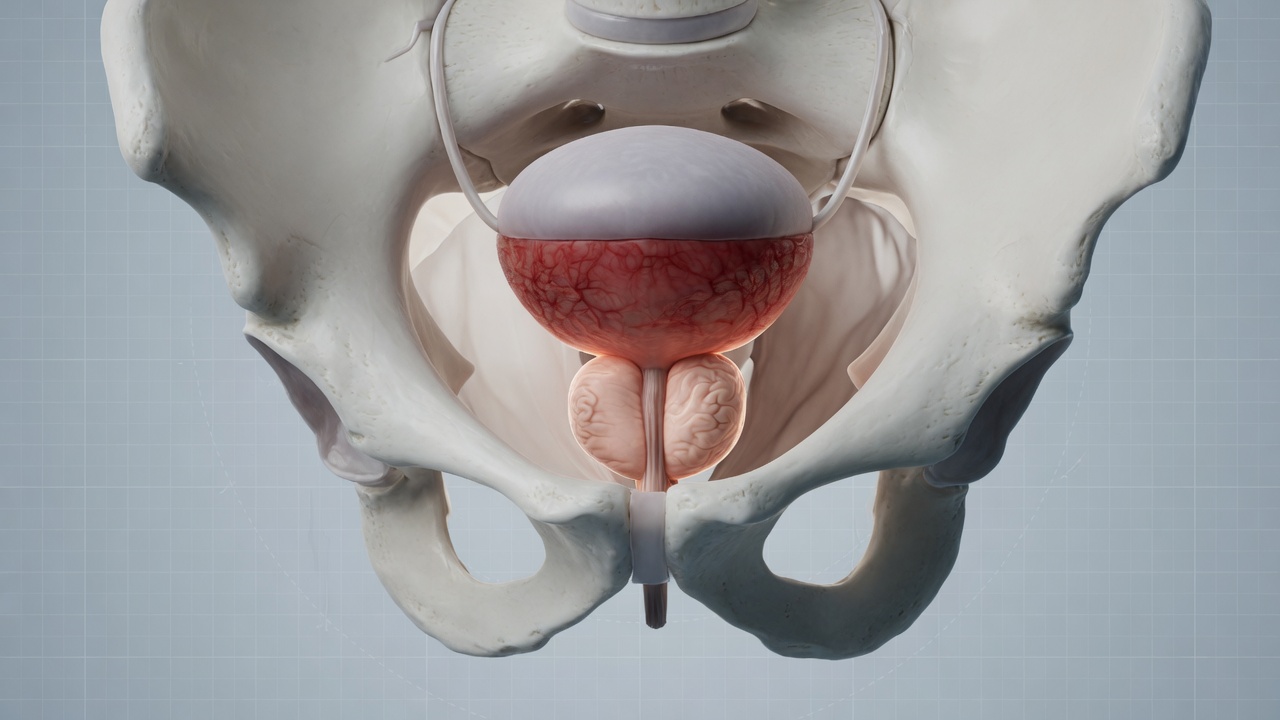
The prostate is a small, walnut-sized gland located just below the bladder in men, surrounding the urethra. Understanding prostate health is integral to overall men’s health, as the prostate plays a significant role in the male reproductive system. Its primary function is to produce seminal fluid, which nourishes and transports sperm during ejaculation. The gland’s health impacts urinary function and sexual health, making awareness and care essential for prevention of prostate problems.
Common prostate problems include prostatitis, benign prostatic hyperplasia (BPH), and prostate cancer. Prostatitis is inflammation of the prostate often caused by infection, leading to symptoms such as pain, difficulty urinating, and sometimes flu-like feeling. BPH refers to the non-cancerous enlargement of the prostate gland that can restrict urine flow, causing urinary urgency, frequent urination, and discomfort. Prostate cancer, a more serious condition, develops when abnormal cells in the prostate grow uncontrollably and can spread to other parts of the body if untreated. Early detection and management are crucial to the successful treatment of prostate cancer.
Maintaining prostate health is essential for ensuring optimal prostate function and quality of life. A healthy prostate supports the urinary system and sexual function, which are vital aspects of men’s health. Neglecting prostate health can lead to discomfort, compromised urinary function, and severe health conditions. Simple lifestyle choices such as a balanced diet, regular exercise, maintaining a healthy weight, and avoiding excessive alcohol and smoking contribute greatly to prostate well-being.
Regular screening and check-ups with a healthcare professional play an important role in preventing prostate problems or detecting them in their early stages. Men are encouraged to discuss prostate health with their doctors, especially after the age of 50 or earlier if they have a family history of prostate issues. By understanding the anatomy, function, and potential diseases of the prostate, men can take proactive steps toward safeguarding their prostate health and overall well-being.
Common Prostate Issues
There are several common prostate conditions that men should be aware of, including benign prostatic hyperplasia (BPH), prostatitis, and prostate cancer. Each condition presents with distinct symptoms and risk factors, making early detection and understanding crucial.
Benign prostatic hyperplasia, or BPH, is a non-cancerous enlargement of the prostate gland that often affects men as they age. Symptoms typically include frequent urination, difficulty starting urination, weak urine stream, and the feeling of incomplete bladder emptying. Risk factors for BPH include aging, family history, and lifestyle factors such as obesity.
Prostatitis refers to inflammation of the prostate and can be either bacterial or chronic. Men with prostatitis may experience pelvic pain, painful urination, difficulty urinating, and sometimes flu-like symptoms. The causes can include infection, immune system disorders, or nerve damage, and the condition affects men of all ages.
Prostate cancer is one of the most common cancers in men. Early stages often have no symptoms, but advanced cases can cause difficulty urinating, blood in urine or semen, and pelvic discomfort. Risk factors for prostate cancer include age (most common in men over 50), family history, race (higher risk in African American men), and certain genetic changes.
Recognizing the symptoms and understanding risk factors for these prostate conditions is essential for timely medical consultation and effective management.
Risk Factors for Prostate Problems
Several key risk factors can increase the chances of developing prostate conditions. Age is one of the most significant factors, as the risk of prostate problems tends to rise as men get older, particularly after the age of 50. Family history also plays a crucial role; men with close relatives who have experienced prostate issues are at a higher risk themselves, suggesting a genetic predisposition.
Diet and lifestyle choices are additional contributors to prostate health. A diet high in red meat and processed foods, coupled with low consumption of fruits and vegetables, may elevate the risk of prostate problems. Conversely, a balanced diet rich in antioxidants and healthy fats can support prostate health. Similarly, lifestyle factors such as physical inactivity and obesity are associated with a higher likelihood of developing prostate conditions. Maintaining regular exercise and a healthy weight can help mitigate these risks.
Understanding these risk factors — age, family history, diet, and lifestyle — is essential for early detection and prevention. Awareness allows men to make informed choices about their health, engage in regular screenings, and adopt healthier habits to reduce their risk of prostate problems over time.
Lifestyle Changes to Prevent Prostate Problems

Adopting a healthy lifestyle is one of the most effective prevention tips to lower the risk of prostate problems. Small but consistent changes in your daily habits, especially concerning diet and exercise, can have a significant impact on prostate health. The key lies in balanced nutrition and regular physical activity.
Diet plays a crucial role in maintaining prostate health. Incorporate a variety of fruits and vegetables into your meals, as they are rich in antioxidants and vitamins that support cell function and reduce inflammation. Focus on foods high in lycopene, such as tomatoes and watermelon, which have been linked to a lower risk of prostate issues. Additionally, consuming healthy fats from sources like olive oil, nuts, and fatty fish can benefit your prostate, while reducing intake of saturated fats found in red meat and processed foods is advisable.
Another vital element of a healthy lifestyle is regular exercise. Engaging in moderate physical activity such as brisk walking, swimming, or cycling for at least 30 minutes most days of the week helps improve circulation and hormone balance, both important for prostate health. Exercise also aids in maintaining a healthy weight, lowering the risk of obesity-related prostate problems.
Beyond diet and exercise, incorporating other healthy habits can further enhance prevention. Limiting alcohol consumption and quitting smoking are essential steps, as both can negatively affect prostate health. Drinking plenty of water daily also helps flush out toxins and maintain urinary tract health, which is closely related to prostate function.
In summary, prevention tips for prostate problems center around a holistic approach to a healthy lifestyle. Emphasize a balanced diet rich in fruits, vegetables, and healthy fats while minimizing processed and high-fat foods. Combine this with regular physical activity and other positive habits like avoiding tobacco and managing alcohol intake. These lifestyle changes not only reduce the risk of prostate problems but also promote overall well-being.
Diet and Nutrition for Prostate Health
Maintaining a prostate-friendly diet plays a crucial role in supporting prostate health and reducing the risk of prostate problems. Focusing on foods rich in antioxidants, such as tomatoes, berries, and leafy greens, can help protect prostate cells from oxidative damage. Lycopene, a powerful antioxidant found in tomatoes, is particularly noted for its potential to lower the risk of prostate issues.
A low-fat diet that emphasizes healthy fats like those found in nuts, olive oil, and fatty fish contributes to overall prostate wellness by reducing inflammation. Minimizing the intake of saturated fats and avoiding processed meats can also help lower the risk of prostate enlargement and other complications.
Incorporating nutrients such as zinc, selenium, and vitamin D is essential for maintaining prostate function. Foods like pumpkin seeds, Brazil nuts, and fortified dairy products are rich sources that support prostate health. Additionally, maintaining a balanced diet abundant in fruits, vegetables, and whole grains ensures a good intake of fiber and other vital nutrients.
Overall, a diet focused on these prostate-friendly foods and nutrients, combined with a low-fat approach, can significantly impact prostate health. It helps manage risk factors and promotes long-term well-being, making nutritional choices a key component in preventing prostate problems.
Exercise and Physical Activity
Regular exercise and physical activity play a vital role in maintaining prostate health and reducing inflammation. Engaging in consistent physical activity helps improve blood circulation, which can aid in the efficient functioning of the prostate gland. Furthermore, exercise benefits extend beyond just prostate health—it also supports overall well-being and can reduce the risk of chronic diseases.
One of the key benefits of exercise is its impact on weight management. Excess body weight is linked to increased inflammation and a higher risk of prostate problems, including benign prostatic hyperplasia (BPH) and prostate cancer. By maintaining a healthy weight through regular physical activity, men can reduce this inflammation and promote a healthier prostate environment.
Physical activity influences the body’s hormone levels, immune function, and inflammation markers, all of which are crucial in maintaining prostate health. Activities such as walking, swimming, cycling, or strength training performed regularly can lower inflammation and oxidative stress, two factors closely associated with prostate issues.
Incorporating exercise into daily routines is a proactive approach to support prostate health. Even moderate-intensity exercise performed for at least 30 minutes a day can provide significant benefits. Prioritizing physical activity is a natural and effective strategy to help keep the prostate healthy and reduce inflammation.
Regular Screening and Medical Prevention
Regular medical checkups are essential in maintaining prostate health and preventing potential prostate problems. Scheduling consistent doctor visits allows healthcare professionals to monitor your prostate and overall health closely, ensuring any unusual signs or symptoms are detected early. Early detection is crucial because prostate issues, including prostate cancer, are often more manageable and treatable when identified at an early stage.
One of the most common methods for prostate screening is the PSA test, which measures the level of prostate-specific antigen in the blood. Elevated PSA levels can indicate inflammation, infection, enlargement, or cancer. While the PSA test is not a definitive diagnosis tool, it serves as an important screening test that can prompt further diagnostic examinations if necessary. Regular prostate screening using PSA tests can catch changes before symptoms develop, significantly improving outcomes.
Attending regular doctor visits also provides an opportunity for doctors to perform physical examinations like the digital rectal exam (DRE). This hands-on screening method can help detect abnormalities or growths on the prostate that may not raise PSA levels. Combining the PSA test with DRE during routine checkups enhances the chances of early detection and prevention of serious prostate conditions.
Moreover, early detection strategies go beyond tests—they include awareness of personal risk factors such as age, family history, and race. Men over 50 or those with a family history of prostate problems should be particularly vigilant with their medical screening schedules. Preventive healthcare is not only about reacting to problems but also proactively seeking evaluations and understanding the importance of screening.
In summary, prioritizing regular medical checkups, utilizing prostate screening tools like the PSA test, and embracing early detection strategies through frequent doctor visits are vital steps in preventing prostate problems. By doing so, men can ensure timely intervention and maintain better prostate health throughout their lives.
Types of Prostate Screening Tests
Prostate screening is crucial for early diagnosis of potential prostate problems, improving treatment outcomes. Two common screening methods are the PSA test and the digital rectal exam (DRE). The PSA test measures the level of prostate-specific antigen in the blood. Elevated PSA levels may indicate inflammation, enlargement, or prostate cancer, prompting further investigation. While the PSA test is a simple blood draw, it is not definitive and must be interpreted alongside other factors.
The digital rectal exam involves a healthcare provider physically examining the prostate through the rectum to feel for abnormalities such as lumps or hard areas. Although this method may cause some discomfort, it is an important complement to the PSA test for detecting irregularities that may not affect PSA levels.
Both screening methods play a significant role in the early diagnosis of prostate problems, allowing for timely intervention. Regular screenings, especially for men over 50 or those with a family history of prostate issues, can help identify concerns before symptoms develop. Combining PSA testing and the digital rectal exam provides a comprehensive approach, increasing the accuracy of prostate health assessments.
Understanding these screening methods and their significance empowers men to take proactive steps in maintaining prostate health and preventing serious complications.
When to See a Doctor
Recognizing the right time to consult a doctor is crucial for preventing and managing prostate problems effectively. Pay close attention to symptoms to watch, such as difficulty urinating, a weak urine stream, frequent urination, especially at night, pain or burning during urination, and any blood in the urine or semen. These signs can indicate underlying prostate issues that require prompt medical advice.
It is important not to ignore these symptoms, even if they seem mild or intermittent. Early doctor consultation can lead to timely diagnosis and treatment, potentially avoiding more serious complications. Men over the age of 50, or those with a family history of prostate disease, should consider regular prostate checkups as part of their routine health care.
In addition to symptoms, any persistent discomfort in the pelvic area, unexplained pain, or changes in urinary habits should prompt immediate medical advice. Remember, early detection through professional evaluation is key to managing prostate health effectively. If you experience any of these warning signs, schedule a prostate checkup with your healthcare provider without delay.

Having spent the last decade navigating the ups and downs of strength training and mindful living, I am passionate about sharing practical strategies for holistic male wellness. My focus is on balancing physical resilience with mental clarity, drawing from personal experience to help men lead more purposeful lives.