
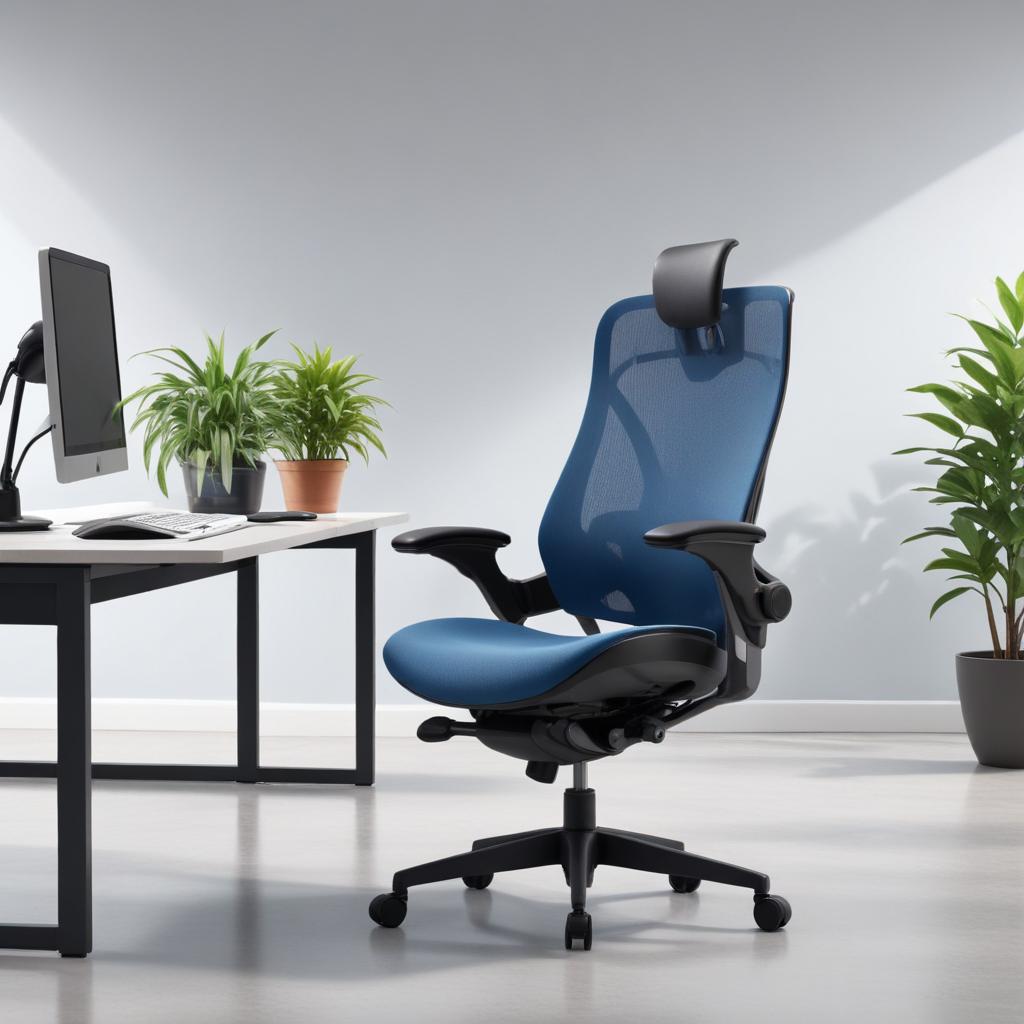
Healthy posture habits
18/12/2025
Understanding Healthy Posture
Healthy posture means aligning your body correctly to minimize stress on your muscles, ligaments, and joints while standing, sitting, or moving. This involves arranging your body in a way that preserves the spine’s natural curves, which aids in evenly distributing weight throughout your skeletal system. Embracing good posture goes beyond merely standing straight; it encompasses creating a balanced alignment that enhances your physical health in all your activities.
The importance of healthy posture goes beyond just looking good. Maintaining proper body alignment is essential for overall health, as it helps lower the chances of musculoskeletal issues like back pain, neck strain, and joint discomfort. With correct posture, your muscles operate more effectively, leading to less fatigue and a reduced risk of injury. Additionally, good posture promotes improved breathing and circulation, optimizing your body’s performance throughout the day.
Grasping the significance of posture is essential for recognizing how everyday habits affect your well-being. Bad posture, frequently caused by extended sitting, inadequate workstation arrangements, or repetitive actions, can result in persistent pain and reduced mobility. In comparison, upholding the right alignment ensures that bones and joints are positioned correctly, allowing muscles to function as intended. This equilibrium helps avoid unnecessary stress and tension, enabling your body to stay comfortable and effective for a lifetime.
The advantages of adopting a healthy posture are substantial. In addition to alleviating pain and discomfort, proper posture can elevate your confidence, enhance digestion, and even uplift your mood. With your body properly aligned, your nervous system operates at its best, which can raise your energy levels and lessen feelings of tiredness. Developing habits that promote posture wellness—like conscious sitting, frequent movement breaks, and ergonomic modifications—can significantly enhance your overall quality of life.
To sum up, good posture involves keeping your body aligned in a way that supports the natural framework of your spine and overall body. Acknowledging the significance of posture and taking steps to enhance it offers numerous advantages, such as reducing discomfort and boosting general wellness. Prioritizing posture is a vital measure for achieving lasting health.
Common Posture Problems
Bad posture is a prevalent problem that impacts numerous individuals throughout their daily routines. A frequent posture concern is slouching, characterized by hunched shoulders and a rounded upper back when either sitting or standing. This behavior typically arises from extended periods spent at desks, engaging with electronic devices, or standing without mindfulness. Slouching not only detracts from your appearance but also places undue stress on the spine and nearby muscles.
A common issue with posture is forward head posture. This happens when the head extends forward past the body’s central vertical line, causing excessive strain on the neck and upper back. Forward head posture often arises from looking down at screens or having inadequate ergonomic arrangements. Over time, this misalignment may result in persistent neck pain, headaches, and potentially decreased lung capacity because of pressure on the chest region.
Slouching and an excessively forward head position lead to fatigue, muscle imbalances, and lower productivity. Additionally, they heighten the chances of acquiring chronic musculoskeletal conditions. It is crucial to tackle these postural problems using correction methods like ergonomic modifications, specific exercises, and mindfulness techniques to support spine health and overall wellness. Embracing good posture habits early on can avert the adverse effects typically associated with poor posture.
Benefits of Maintaining Good Posture
Upholding proper posture provides a variety of benefits that go beyond merely appearing self-assured. A key health benefit is the alleviation of pain, especially in regions like the neck, shoulders, and lower back. Correct alignment reduces stress on muscles and ligaments, lowering the chances of persistent pain and injury. In the long run, this can enhance mobility and contribute to an improved quality of life.
Proper posture also positively impacts your energy levels. When your body is properly aligned, your muscles function more effectively, needing less energy to keep balance and provide support. This leads to reduced fatigue and boosts overall stamina, making you feel more awake and productive during the day. Moreover, improved posture promotes better breathing, enabling your lungs to expand fully, which boosts oxygen circulation and further contributes to heightened energy levels.
Maintaining proper posture also has a positive impact on mental health. Holding an upright position can encourage a more optimistic outlook and reduce feelings of stress or anxiety. The straightforward practice of standing or sitting straight has been associated with higher self-esteem and confidence, which supports a healthier mental condition. To sum up, the advantages of good posture encompass pain relief, increased energy, and improved mental wellness, establishing proper posture as a key element of overall health.
Daily Habits to Improve Posture

Staying mindful of Maintaining healthy posture habits during your day is crucial for maintaining overall health and avoiding pain or injury. Adding posture exercises and ergonomic advice to your daily routine can greatly enhance your posture and minimize stress on your muscles and joints.
Begin with basic posture exercises each morning to engage the muscles that stabilize your spine. For instance, try shoulder blade squeezes by drawing your shoulder blades together and maintaining the position for 5 seconds before releasing. Do this 10 times to enhance your upper back strength and combat slouching.
Another beneficial posture exercise is the chin tuck. Whether seated or standing, maintain an upright position and gently draw your chin in without lowering your head, holding this position for 5 seconds. This exercise aids in properly aligning your neck and helps avoid the frequent forward head posture that results from extended screen use.
During the day, implement ergonomic strategies to foster natural good posture. While seated at your desk, make sure your computer monitor is positioned at eye level to prevent hunching forward. Maintain your feet flat on the ground and choose a chair that accommodates the natural curve of your lower back. Modify your workspace as necessary to enhance comfort and alignment.
Establish a routine of taking brief breaks from sitting every 30 to 60 minutes. Rise from your seat, perform stretches targeting the hip flexors and chest, and take a short walk. These minor activities can reduce muscle tension that leads to bad posture habits.
While standing, balance your weight equally on both feet and refrain from locking your knees. Gently activate your core muscles to help stabilize your spine and keep your pelvis in a neutral alignment.
For individuals who often use smartphones, try to hold your device at eye level instead of tilting your neck down. This straightforward ergonomic advice can help avoid neck discomfort and promote better posture throughout the day.
Incorporating these posture exercises and ergonomic advice into your everyday life will enhance the muscles needed for sustaining correct alignment. Gradually, these beneficial posture practices will become instinctive, allowing you to stand and sit with assurance and ease on a daily basis.
Ergonomic Adjustments for Work and Home
Establishing a workstation that prioritizes ergonomics is crucial for sustaining a healthy posture and minimizing strain while you work or study. No matter if you’re at home or in a corporate environment, paying attention to ergonomic principles can help avert discomfort and potential long-term injuries.
Begin with chair support. Select a chair that offers adjustable height, lumbar support, and a cozy seat. Your feet ought to be flat on the ground, and your knees should align closely with your hips. Adequate chair support aids in preserving the natural curve of your spine and discourages slouching.
Next, modify your desk setup. The height of your desk should enable your forearms to lie flat against the surface or have a slight downward angle while typing or operating a mouse. Ensure your elbows are near your torso and your wrists remain in a neutral stance to prevent discomfort. The upper edge of your monitor ought to be at eye level to avoid leaning forward or looking downward, which can lead to tension in your neck and shoulders.
Utilize ergonomic guidelines by placing commonly used items within convenient access. Steer clear of excessive stretching or twisting of your body. Additionally, think about incorporating tools such as a footrest, wrist supports, or an ergonomic keyboard and mouse to enhance your posture even more.
Making these ergonomic modifications allows you to establish a comfortable and efficient work environment that promotes healthy posture, minimizes physical discomfort, and boosts overall productivity in your work or study activities.
Effective Stretching and Strengthening Exercises
To uphold proper posture, it is essential to regularly focus on both strengthening and stretching the primary muscle groups that stabilize the spine and pelvis. Integrating exercises that target stretching tight muscles while enhancing strength in underdeveloped areas can greatly enhance overall alignment. Stretching routines like chest openers and upper back stretches are effective in alleviating tension in the pectoral and trapezius muscles, which frequently become tight due to extended periods of sitting or slouching.
Strength training workouts are vital for improving core stability, which is important for maintaining a strong and upright posture. Focusing on muscles such as the deep abdominal muscles, lower back, and glutes contributes to a well-rounded support system for the spine. Exercises like planks and bridges serve as outstanding examples of posture workouts that boost core stability by effectively engaging these essential muscle groups.
Furthermore, adding exercises that encourage shoulder blade retraction, like rows or reverse flies, can enhance the strength of the upper back muscles, helping to correct the forward shoulder posture prevalent in many people. Consistently engaging in these specific stretching and strength training routines not only enhances posture but also alleviates discomfort linked to muscle imbalances and extended periods of static positioning.
To fully reap the rewards, it is essential to engage in these posture exercises regularly, emphasizing precise technique to prevent injuries. An effective regimen that integrates both stretching and strengthening will support good posture by enhancing flexibility, muscle stamina, and core stability.
Mindful Posture Awareness Techniques
Cultivating mindful posture habits starts with enhancing body awareness during everyday tasks. A useful approach is to take breaks at intervals to assess your posture. Pay attention to the sensations in your shoulders, neck, and spine. Are you leaning forward or carrying extra tension? Using reminders on your phone or computer can assist in prompting these frequent posture assessments, solidifying body awareness as a continuous practice.
An additional effective strategy is to integrate posture reminders into your daily activities. For instance, while seated at a desk, make sure your feet are flat on the ground, your back is properly supported, and your monitor is at eye height. When walking or standing, activate your core and keep a neutral spine. By intentionally aligning your body during everyday movements, you help your mind to identify and adjust bad posture instinctively.
Establishing habits depends on regularity and rewarding experiences. Begin by concentrating on a single posture habit initially and progressively expand from that point. Utilize visual cues like sticky notes or posture tracking applications to promote awareness of your posture during the day. Linking posture evaluations with established habits—like after you brush your teeth or prior to eating—can help integrate these practices seamlessly into your daily routine.
In the end, merging mindful awareness of posture with consistent reminders can incorporate healthy posture into your daily routine. As you maintain this focus, your body awareness improves, making ideal posture instinctive and supporting lasting musculoskeletal well-being.
Preventing Posture-Related Health Issues
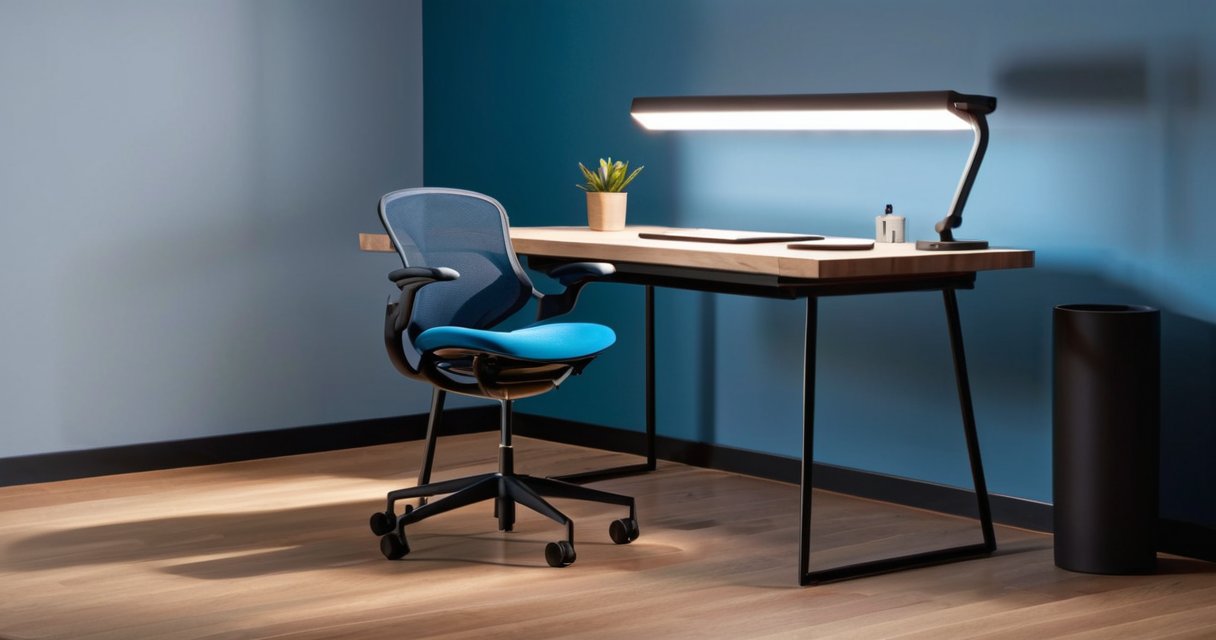
Suboptimal posture can result in various health risks related to posture that affect overall wellness and life quality. Maintaining the body in misaligned positions for extended periods exerts undue stress on muscles, ligaments, and joints. This misalignment frequently leads to persistent pain, especially in the neck, shoulders, and lower back. As time goes by, improper posture compromises spinal health, raising the chances of developing serious issues like herniated discs and nerve compression.
Ongoing pain resulting from improper posture can be both crippling and difficult to manage. For example, hunching or bending forward for long durations puts pressure on the spine and muscles, which decreases blood flow and results in tightness and pain. Furthermore, bad posture can lead to tiredness since the body uses extra energy to stay upright. If not dealt with, these problems can significantly impact everyday tasks and lower overall efficiency.
Injury prevention is essential for preserving spinal health. Bad posture heightens the likelihood of strains, sprains, and repetitive stress injuries, particularly for those engaged in repetitive tasks or sitting for extended periods. Making ergonomic changes in the workplace, like using appropriately positioned chairs and desks, can lower the risk of injuries. Additionally, being aware of posture during physical activities safeguards the spine and adjacent muscles from unexpected injuries.
Maintaining proper posture is the best way to avoid these health issues. This involves keeping a neutral spine alignment while sitting, standing, or in motion. Taking regular breaks from sitting to stretch and move can help reduce muscle tension and enhance circulation. Adding strength and flexibility exercises to daily activities supports good posture by strengthening the muscles that stabilize the spine. Furthermore, being mindful and aware of your body throughout the day promotes healthier posture habits.
If you’re dealing with ongoing discomfort related to posture, seeking advice from a healthcare provider like a physical therapist or chiropractor can offer tailored recommendations. These professionals can evaluate the risks associated with your posture and suggest corrective exercises, ergonomic adjustments, or therapeutic treatments. Addressing posture problems early is crucial to avoid lasting complications and to promote healthy spinal alignment.
To sum up, avoiding health problems linked to posture demands an active strategy focused on ongoing care and mindfulness. By identifying the dangers tied to improper posture, tackling persistent pain promptly, and applying prevention techniques for injuries, people can preserve spinal health and enhance their general wellness.
Recognizing Early Signs of Posture Problems
Understanding the signs of posture issues is essential for identifying potential problems early. Frequently, our bodies communicate through subtle cues suggesting that our posture might not be ideal. Spotting these indicators promptly can assist in avoiding more intense posture-related pain and prolonged discomfort.
Typical initial signs consist of slight discomfort and rigidity in the neck, shoulders, and lower back. You may also experience recurrent headaches, muscle tiredness, or a sensation of tightness after being seated or standing for extended durations. These early warnings frequently go overlooked, yet they are crucial signs that your posture requires correction.
Additional physical indicators consist of imbalanced shoulders or hips, a protruding head stance, or challenges in keeping an upright posture without deliberate focus. If you notice yourself frequently slumping or experiencing discomfort while seated for brief periods, these are important signs of poor posture that need prompt attention.
Promptly identifying and addressing these posture issues can greatly lower the chances of experiencing chronic posture-related pain. Adopting mindful practices like consistent stretching, making ergonomic modifications to your workspace, and engaging in core-strengthening exercises can help uphold proper posture. Paying attention to your body’s cues and consulting with a professional when necessary will help tackle posture concerns swiftly before they worsen.
When to Seek Professional Help
Establishing good posture habits is important, but there are moments when professional assessment and treatment are required to prevent lasting issues. Understanding when to consult a healthcare provider can ensure you get the appropriate care and enhance your posture successfully.
Should you encounter ongoing pain, tingling sensations, or restricted movement in your back, neck, or shoulders even after maintaining proper posture, seeking professional advice is crucial. Furthermore, any visible abnormalities or abrupt shifts in your posture should prompt a medical assessment.
- Posture Therapy: Specialists in posture therapy can create personalized plans targeting muscle imbalances and postural corrections to restore proper alignment and reduce discomfort.
- Physical Therapy: Physical therapists apply exercises and manual techniques to strengthen supporting muscles, improve flexibility, and alleviate pain caused by poor posture.
- Chiropractic Care: Chiropractors focus on spinal alignment and may use adjustments to relieve tension, improve joint function, and enhance your overall posture.
- Medical Advice: Seeking advice from a healthcare provider is crucial if you notice neurological symptoms, chronic pain, or if your postural problems stem from underlying medical conditions.
Prompt action from these specialists can stop posture problems from escalating and support a healthy, pain-free life. Make sure to get the appropriate help whenever it is required.

Having spent the last decade navigating the ups and downs of strength training and mindful living, I am passionate about sharing practical strategies for holistic male wellness. My focus is on balancing physical resilience with mental clarity, drawing from personal experience to help men lead more purposeful lives.