
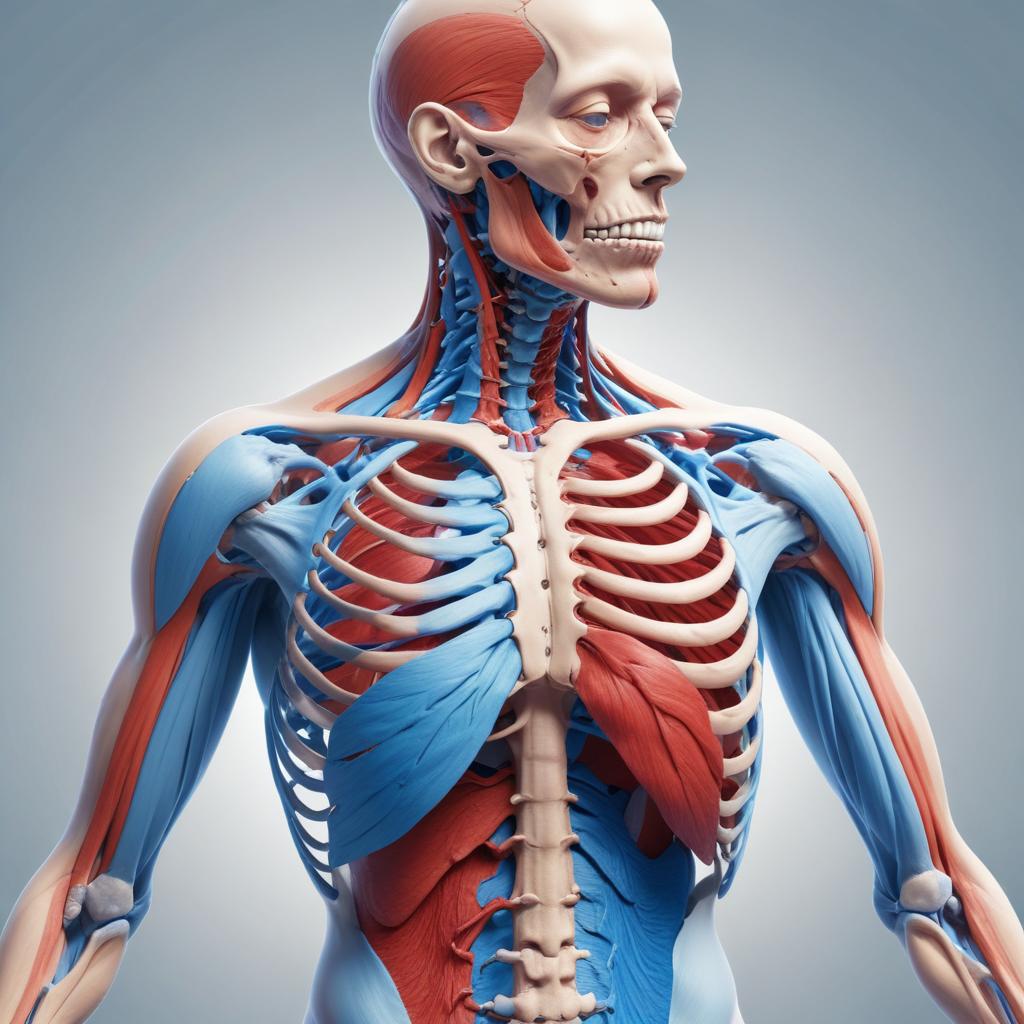
Healthy breathing posture
14/03/2026
Understanding Healthy Breathing Posture
Keeping a proper breathing posture is crucial for optimal lung function and overall health. When the body’s alignment is right, the lungs can fully expand, promoting efficient oxygen uptake and carbon dioxide expulsion. This proper alignment aids the natural movement of the diaphragm and other essential breathing muscles, improving the efficacy of different breathing methods.
Posture basics play a crucial role in supporting healthy breathing. The ideal posture involves aligning the head, neck, and spine in a neutral position. This alignment reduces unnecessary tension in the chest and abdominal muscles, facilitating better lung expansion. Slouching or hunching over compresses the thoracic cavity, limiting lung capacity and leading to shallow breathing.
The diaphragm is the primary muscle responsible for breathing. It contracts and flattens during inhalation, creating a vacuum that draws air into the lungs. However, other muscles such as the intercostal muscles between the ribs and the muscles of the abdomen also play supporting roles. When the body is aligned properly, these muscles can work harmoniously to promote deep, relaxed breathing and reducing the risk of respiratory strain or fatigue.
Adopting a healthy breathing posture not only improves oxygen exchange but also influences posture-related health issues such as neck pain, back pain, and even stress. Proper body alignment encourages a more open chest and upright back, aiding in the natural mechanics of breathing techniques. Whether practicing meditation, yoga, or simply sitting at a desk, being mindful of your posture can significantly enhance your breathing efficiency and overall vitality.
In summary, understanding the importance of healthy breathing posture involves recognizing how posture basics and body alignment impact breathing muscles and techniques. By maintaining good posture, you support optimal respiratory function, improve energy levels, and promote better health with every breath you take.
The Anatomy of Breathing Posture
Understanding the breathing anatomy is essential for maintaining an effective breathing posture. Central to this process is the diaphragm, a dome-shaped muscle that plays a crucial role in respiration. When you inhale, the diaphragm contracts and moves downward, creating more space in the chest cavity and allowing the lungs to expand. This movement also influences the ribcage, which lifts and expands outward to accommodate the inflated lungs. Proper ribcage movement ensures optimal air intake and efficient oxygen exchange.
Apart from the diaphragm and ribcage, posture muscles significantly support breathing mechanics. These muscles include the intercostals between the ribs, which assist ribcage expansion, and muscles around the shoulders and upper back that maintain spinal alignment. When these posture muscles are strong and correctly engaged, they help preserve an open chest and upright stance, facilitating unrestricted diaphragm movement and unhindered breathing.
In contrast, poor posture compresses the ribcage and restricts the diaphragm’s range of motion, reducing lung capacity and leading to shallow, inefficient breaths. By focusing on the anatomy of breathing and ensuring the diaphragm, ribcage, and posture muscles work harmoniously, you can cultivate a breathing posture that optimizes respiratory function and supports overall well-being.
Common Posture Mistakes Affecting Breathing
Frequent posture mistakes can significantly disrupt breathing efficiency and overall respiratory health. One of the most common errors is slouching, which compresses the chest cavity and limits lung expansion. This slouching effect reduces oxygen intake and can lead to chronic breathing problems if not corrected. Poor alignment of the spine also plays a crucial role in impairing proper breathing mechanics. When the spine is out of alignment, it restricts the diaphragm’s ability to move freely, resulting in shallow breaths and increased respiratory effort.
Another prevalent posture mistake is forward head posture, where the head juts forward beyond the body’s ideal alignment. This position strains the neck and upper back muscles, decreasing lung capacity and causing inefficient breathing patterns. Additionally, sitting or standing with rounded shoulders further exacerbates breathing issues by tightening the muscles around the rib cage, limiting their mobility. These posture mistakes not only affect breathing but also promote fatigue and reduce overall well-being due to inadequate oxygen supply.
To maintain optimal respiratory health, it is essential to recognize and avoid these posture mistakes. Encouraging good posture with a straight spine, open chest, and properly aligned head helps maximize lung function. This allows for deep, fuller breaths that support oxygenation and overall physical health, minimizing the risk of breathing problems related to poor alignment and posture.
How to Achieve and Maintain Healthy Breathing Posture

Achieving a healthy breathing posture is essential for improving overall well-being. By combining posture improvement techniques, breathing exercises, and mindful habits, you can correct your posture and enhance your respiratory function. Follow these practical steps to maintain an optimal breathing posture daily.
- Become Aware of Your Current Posture: Start by observing how you sit and stand during your daily activities. Notice whether your shoulders are rounded or slumped and if your chest appears collapsed. Awareness is the first step toward posture correction and mindful breathing improvement.
- Practice Deep Diaphragmatic Breathing: Lie on your back or sit comfortably. Place one hand on your chest and the other on your abdomen. Breathe deeply through your nose, ensuring your abdomen rises more than your chest. This breathing exercise encourages healthy lung expansion and strengthens muscles that support posture improvement.
- Engage in Posture Correction Exercises: Incorporate exercises that promote spinal alignment and open up the chest area. For example, perform shoulder blade squeezes, wall angels, or chest stretches regularly. These help counteract the effects of slouched positions, fostering better posture and breathing capacity.
- Use Reminders for Mindful Breathing: Set reminders throughout the day to check your posture and practice mindful breathing. Taking brief moments to realign your spine and engage in slow, controlled breaths reinforces healthy habits that support posture improvement and respiratory health.
- Maintain Ergonomic Workspace Setup: Adjust your chair, desk, and computer height to encourage an upright sitting position. Keep your feet flat on the floor and your screen at eye level. An ergonomic environment reduces strain on your body and facilitates easier, natural breathing patterns.
- Incorporate Regular Movement Breaks: Prolonged sitting can negatively affect your posture and breathing. Stand, stretch, or walk every hour to relieve muscle tension, promote circulation, and reset your posture. Movement stimulates better lung function and supports ongoing posture correction.
- End Your Day with Relaxing Breathing Practices: Wind down with calming breathing exercises before bedtime. Techniques like 4-7-8 breathing or guided breath awareness help release tension in your chest and shoulders, promoting relaxation and preparing your body for rest with a healthy breathing posture.
Simple Exercises to Improve Breathing Posture
Improving your breathing posture can be achieved with some straightforward breathing exercises and posture exercises designed to strengthen the muscles involved. Here are a few simple exercises that target the key muscles to enhance your breathing mechanics.
Start with diaphragmatic breathing, which encourages deep breaths by using the diaphragm instead of shallow chest breathing. Lie down or sit upright, place one hand on your chest and the other on your abdomen, and focus on breathing deeply so that the hand on your abdomen rises more than the one on your chest. Repeat this for 5-10 minutes daily to stretch and strengthen your breathing muscles.
Next, incorporate posture exercises like shoulder blade squeezes to strengthen upper back muscles. Sit or stand with your arms by your sides, then squeeze your shoulder blades together and hold for 5 seconds before releasing. Repeat this 10-15 times to build strength and improve posture alignment, which supports better breathing.
Additionally, stretching exercises such as chest openers help to release tightness in the front body. Clasp your hands behind your back and gently lift your chest while pulling your shoulders back. Hold the stretch for 20-30 seconds and repeat a few times to increase flexibility and improve your breathing capacity.
By regularly practicing these breathing and posture exercises, you’ll steadily strengthen your posture muscles and enhance your overall breathing mechanics, leading to improved respiratory health and better oxygen flow throughout your body.
Daily Habits for Sustaining Healthy Posture
Maintaining optimal breathing posture requires consistent attention to daily habits that support spinal alignment and chest openness. Start by cultivating mindfulness throughout your day—regularly check in with your body to ensure your shoulders are relaxed, your back is straight, and your head is aligned over your spine. This simple awareness helps prevent slouching and encourages natural, deep breathing.
Incorporate ergonomics into your everyday environment. Adjust your workstation so that your computer screen is at eye level and your chair supports the natural curve of your lower back. When sitting, keep your feet flat on the floor and avoid crossing your legs, which can disrupt posture and breathing patterns. These adjustments create a supportive setup that promotes healthy posture effortlessly throughout your workday.
Forming posture-friendly habits also means integrating small movements and stretches during breaks. Stand up and roll your shoulders, stretch your chest, or practice a few deep breaths to reset tension and realign your body. Repeating these actions daily builds a routine that reinforces good posture as a natural habit over time.
By combining habit formation, mindfulness, and ergonomic principles, you create a sustainable approach to daily posture tips that supports optimal breathing. These consistent efforts not only enhance your posture but also improve overall well-being, energy levels, and respiratory health.
Health Benefits of Maintaining Healthy Breathing Posture

Maintaining a healthy breathing posture offers numerous health benefits that positively impact both physical and mental well-being. Proper posture allows for optimal expansion of the lungs, which directly improves oxygen intake. Increased oxygen intake means that the body’s cells receive more oxygen, enhancing energy production, supporting vital organ functions, and promoting overall vitality.
One of the most immediate advantages of a good breathing posture is the enhancement of respiratory health. When the posture is aligned correctly, the diaphragm can move freely and fully during each breath cycle. This prevents shallow breathing, reduces the risk of respiratory ailments, and supports efficient lung function. Additionally, it helps to clear carbon dioxide from the body more effectively, maintaining a healthy balance of gases essential for metabolism and pH regulation.
Apart from the physical benefits, a healthy breathing posture plays a crucial role in stress reduction. Slouched or constrained postures often lead to poor breathing patterns, which can trigger the body’s stress response, resulting in tension and anxiety. In contrast, adopting an upright posture encourages deeper, slower breaths that activate the parasympathetic nervous system, promoting calmness and relaxation. This effect can improve mood, enhance focus, and reduce feelings of stress.
Regular practice of mindful breathing with a healthy posture can also support cardiovascular health by lowering blood pressure and heart rate. The improved oxygen exchange supports better circulation, which contributes to sustained endurance and resilience against fatigue. Furthermore, good posture facilitates better alignment of the spine and reduces muscle strain, which can alleviate discomfort and improve physical performance.
In summary, adopting and maintaining a healthy breathing posture is a simple yet powerful habit that boosts respiratory function, increases oxygen delivery, lowers stress levels, and promotes overall physical and mental health. Making conscious adjustments to ensure proper posture during daily activities can lead to lasting improvements in well-being and quality of life.
Improved Oxygen Intake and Energy Levels
Maintaining a good breathing posture significantly enhances breathing efficiency, allowing for increased oxygen intake with each breath. Proper alignment of the spine and open chest cavity ensures that the lungs can expand fully, optimizing respiratory function. When oxygen flow is maximized, the body’s cells receive more of this vital element, which is essential for producing energy at a cellular level.
This improved oxygen delivery leads to a noticeable energy boost throughout the day. As oxygen fuels the mitochondria within cells, better oxygen intake supports higher stamina and reduced feelings of fatigue. Additionally, efficient breathing reduces the workload on the respiratory muscles, further conserving energy for other bodily functions.
Incorporating good breathing posture into your daily routine can thus have a profound impact on overall vitality. Increased oxygen supply not only supports physical performance but also enhances mental clarity and focus, making it easier to tackle daily tasks with sustained energy. Prioritizing posture while breathing is a simple yet effective way to improve both your respiratory function and your energy levels naturally.
Reduction of Stress and Anxiety
Maintaining a proper breathing posture plays a crucial role in stress reduction and anxiety relief. When you breathe with the correct posture, it helps activate the body’s relaxation responses, which can calm the nervous system and reduce feelings of tension. This calming breathing technique encourages a deeper, slower intake of air, which signals the brain to shift from a state of heightened alertness to a more restful and peaceful state.
Proper breathing posture allows the diaphragm to move freely, promoting more efficient oxygen exchange and encouraging mental wellness. As a result, the body releases fewer stress hormones, and the mind feels more centered and grounded. This process is not just about physical benefits; it also addresses emotional well-being by helping to diminish anxiety symptoms.
By consistently practicing calming breathing with the right posture, individuals can enhance their ability to manage stress throughout daily life. This natural method of anxiety relief can be easily incorporated into mindfulness routines, exercise regimes, or quiet moments during the day, offering a simple yet effective way to nurture a calmer mind and improve overall mental wellness.

Having spent the last decade navigating the ups and downs of strength training and mindful living, I am passionate about sharing practical strategies for holistic male wellness. My focus is on balancing physical resilience with mental clarity, drawing from personal experience to help men lead more purposeful lives.