
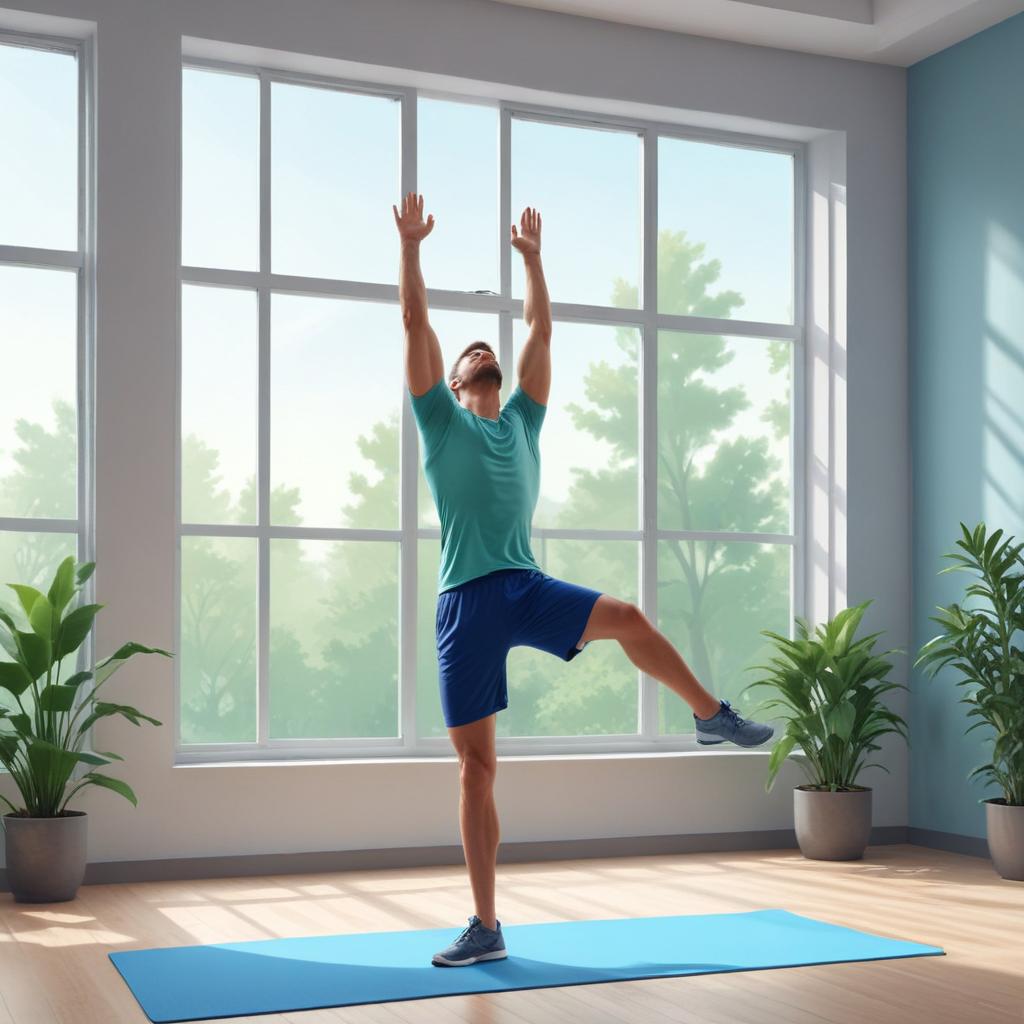
Daily stretching routine for men
22/12/2025
Besides reducing the risk of injuries, stretching plays a crucial role in muscle recovery. After engaging in physical exercise, muscles can become tight and sore due to microtears and lactic acid buildup. Stretching encourages better blood circulation and oxygen delivery to these muscles, aiding in faster recovery and minimizing post-workout discomfort. This improved blood flow also aids in the removal of metabolic waste, which can prolong muscle soreness.
The benefits of stretching also play a crucial role in maintaining optimal muscle function and flexibility. When muscles remain loose and relaxed, their performance enhances, and the chances of imbalances that increase the risk of injury decrease. Incorporating stretching into your daily routine boosts strength in both muscles and connective tissues, lowering your vulnerability to cramps and injuries caused by overuse.
Consistently adding stretching to your regimen not only helps prevent injuries but also enhances muscle recovery, enabling men to stay active with fewer disruptions. Prioritizing stretching can lead to better performance, less discomfort, and a stronger, more flexible body—making it a crucial component of any fitness plan geared towards lasting health.
Essential Stretches to Include in Your Daily Routine
Incorporating essential stretches into your daily stretching routine for men can greatly improve flexibility, alleviate muscle tension, and enhance overall flexibility. Focusing on major muscle groups through effective stretching exercises promotes good posture and aids in injury prevention. The list below highlights crucial stretches for key muscle regions, emphasizing proper technique and outlining their unique benefits.
- Hamstring Stretch: Sit on the floor with one leg extended and the other bent inward. Reach toward the toes of your extended leg while keeping your back straight. This stretch focuses on the hamstrings, improving flexibility and reducing lower back tightness. Proper form includes avoiding rounding the back and holding the stretch for 20-30 seconds.
- Chest Opener: Stand tall and clasp your hands behind your back. Gently lift your arms while squeezing your shoulder blades together. This stretch targets the chest and anterior shoulder muscles, helping to counteract the effects of prolonged sitting and promoting better posture.
- Hip Flexor Stretch: Step into a lunge position with one foot forward and the opposite knee resting on the ground. Push your hips forward while keeping your torso upright. This stretch relieves tightness in the hip flexors, which is especially beneficial for men who spend much time sitting.
- Triceps Stretch: Raise one arm overhead, bending the elbow to reach your hand down your back. Use the opposite hand to gently push the elbow backward. This targets the triceps muscles, improving arm flexibility and reducing muscle tightness.
- Quadriceps Stretch: While standing, pull one foot towards your buttocks with your hand, keeping your knees close together. This stretch focuses on the quadriceps, enhancing knee mobility and preventing muscle imbalances.
- Lower Back Stretch: Lie on your back with your knees bent and feet flat on the floor. Slowly lower your knees to one side while keeping your shoulders grounded. This stretch gently loosens the lower back muscles, aiding in stress relief and preventing stiffness.
- Shoulder Stretch: Extend one arm across your body and use the opposite hand to press the arm gently towards your chest. This stretch improves flexibility in the shoulder joint and upper back muscles.
Integrating these essential stretches into your daily routine helps you effectively engage all major muscle groups. Maintaining proper form with each stretch enhances the benefits and helps prevent strain or injury. Developing a consistent habit of daily stretches for men establishes a solid foundation for improved physical health, greater mobility, and overall well-being.
Upper Body Stretching Exercises
Incorporating an upper body stretch into your daily routine is essential for improving flexibility and mobility, especially for men who often engage in strength training or activities that involve reaching overhead. Focused shoulder stretches can help reduce tension and increase your range of motion, which in turn decreases the chances of injury. One popular shoulder stretch involves crossing one arm across the chest and gently pulling it closer to your body with the opposite arm. Hold this position for 20-30 seconds on each side to effectively activate the shoulder muscles.
Chest stretching exercises play a crucial role in improving upper body flexibility. For a simple yet effective chest stretch, stand in a doorway and place your forearms against the sides of the frame, then gently lean forward. You should feel a gentle stretch across your chest and the front part of your shoulders. Hold this position for 20-30 seconds to relieve tension in muscles that might have tightened from extended sitting or poor posture.
Additionally, arm stretches help boost flexibility and enhance blood flow in the upper limbs. Triceps stretches are particularly beneficial; raise one arm overhead, bend the elbow to touch your back, and gently press down on the elbow with the opposite hand. This stretch targets the back of the arm and shoulder, promoting muscle length and flexibility.
Regularly performing these upper body stretches, including shoulder stretches, different types of chest stretches, and arm stretches, will enhance overall flexibility in the upper body, reduce muscle tightness, and enhance your performance in daily activities and workouts. Aim to include these exercises in your daily stretching routine to maintain a healthy and flexible upper body.
Lower Body Stretching Exercises
Incorporating a consistent lower body stretching routine is essential for enhancing overall mobility and minimizing the likelihood of injuries. To enhance flexibility, focus on key areas such as the hamstrings, quadriceps, calves, and hips. These muscle groups play a critical role in daily activities as well as athletic performance.
Begin with a classic hamstring stretch by positioning yourself on the floor with one leg extended straight and the other leg bent toward your body. Reach forward to grasp the toes of the outstretched leg, holding this position for 20 to 30 seconds. This stretch for the lower body helps alleviate tension in tight hamstrings, which may become rigid from prolonged sitting.
Next, target the quadriceps by performing a standing quad stretch. Stand on one leg while reaching back to grab the ankle of the opposite leg, gently pulling it towards your glutes. Keep your knees aligned closely and maintain this stretch for 20 seconds. This exercise improves flexibility in the front thigh muscles, which is essential for balance and promoting knee health.
To stretch your calves, try a wall calf stretch. Place both hands on a wall, extend one leg back while keeping the heel flat on the ground, and lean slightly forward. Hold this position for 20-30 seconds, then switch to the opposite leg. Improving calf flexibility contributes to better ankle mobility and reduces the risk of strains.
To conclude, enhance your hip flexibility by doing a seated butterfly stretch. Sit with the soles of your feet together and gently press your knees down toward the floor. Maintain this stretch for about 30 seconds, feeling the release in your inner thighs and hips. This stretch is excellent for increasing hip mobility, allowing for a wider range of motion in the lower body.
Full Body Stretches for Overall Flexibility
Incorporating a full-body stretch into your flexibility routine is essential for men aiming to maintain overall mobility and prepare their muscles for daily activities. Engaging in dynamic stretches that target multiple muscle groups simultaneously improves blood flow, increases range of motion, and reduces the risk of injury throughout the day.
Kick off your routine with dynamic full-body stretches such as arm circles combined with leg swings. Begin by swinging one leg forward and backward while rotating your arms in fluid circles, which will effectively warm up both your shoulders and hips simultaneously. This method enhances flexibility and activates your core.
Another effective exercise is the walking lunge paired with a torso twist. As you lunge forward, rotate your torso toward your front leg. This dynamic stretch targets the hips, thighs, and spine, making it an important part of any flexibility routine designed to improve overall mobility.
The inchworm stretch is an excellent method for stretching your whole body. Start by standing tall, then hinge at the hips and move your hands forward until you achieve a plank position. After that, walk your feet back towards your hands. This movement is great for stretching the hamstrings, calves, and shoulders, while also engaging the core muscles.
Incorporating these lively full-body stretches into your daily flexibility routine primes your muscles for activity and enhances your overall mobility. Consistent engagement in these stretches promotes lasting joint health and muscle suppleness, enabling you to move smoothly during your day.
Tips for Creating an Effective Daily Stretching Routine
Establishing an effective daily stretching routine is crucial for men aiming to improve flexibility, reduce injury risk, and promote overall health. To ensure your stretching program is as effective as possible, consistency is key. Incorporating stretching into your daily schedule, even on busy days, enables your muscles to gradually adapt and improve mobility over time, leading to lasting benefits.
Start by setting aside a specific time each day for your stretching exercises. This could be in the morning, during a break at work, or right before bedtime; having a consistent time makes it easier to remember and lowers the likelihood of skipping it. You may also link your stretching to another daily habit, like brushing your teeth or completing your workout, which encourages regularity without needing extra effort.
Next, pay attention to how long you hold your stretches. For the best results, keep each stretch for at least 20 to 30 seconds. This duration helps the muscles to relax and lengthen properly, rather than just doing a quick bend that offers little benefit. Performing stretches two to three times for each muscle group will enhance flexibility and encourage muscle relaxation.
Incorporate a variety of stretches into your routine to target all major muscle groups, including hamstrings, calves, hips, back, shoulders, and neck. A comprehensive approach aids in avoiding muscle imbalances and supports overall flexibility. You can shift your focus areas daily to keep the regimen engaging and reduce the likelihood of overstretching any particular muscle group.
Incorporate mindful breathing and proper posture into your stretching regimen. Deep, intentional breaths help oxygenate your muscles and improve relaxation. Avoid bouncing or forcing your stretches, as this can result in injury. Instead, stretch to your comfortable limit and hold that position to encourage safe muscle elongation.
In the end, monitor your progress to sustain your motivation. Use a journal or a mobile app to track the enhancements in your flexibility over the weeks and months. Witnessing tangible results reinforces the value of your stretching routine and encourages persistence. Remember, the best stretching tips are those you can consistently apply—making stretching a permanent part of your healthy lifestyle is the key goal.
Optimal Time and Frequency for Stretching
Considering the best moments to stretch, it’s important to listen to your body’s natural rhythm and daily habits. For men aiming to improve flexibility while minimizing the risk of muscle strain, the frequency of stretching should strike a balance between consistency and recovery. Ideally, incorporating stretching into your routine at least 4 to 5 times weekly offers significant flexibility benefits without increasing the likelihood of overuse injuries.
The best time to stretch largely depends on your schedule and individual taste. Many individuals find that morning stretching helps to loosen tight muscles and increases circulation after waking, setting a positive tone for the day. Conversely, stretching post-workout utilizes the warmth of the muscles to enhance flexibility effectively. Furthermore, evening stretching can relieve the stress accumulated throughout the day, promoting relaxation and enhancing sleep quality.
The duration of your stretching routine is crucial for seeing improvements. Holding each stretch for 20 to 30 seconds allows the muscle to slowly elongate and adapt. Aim to allocate about 10 to 20 minutes for a comprehensive session, focusing on all key muscle groups. Avoid bouncing or pushing too hard into the stretch, as this could lead to injury.
Ultimately, adhering to a consistent stretching regimen and timing it wisely enables men to steadily enhance their flexibility. By regularly stretching and choosing optimal times—like in the morning, after exercise, or in the evening—muscle wellness is maintained and the risk of injury from excessive strain is minimized.
Proper Techniques and Common Mistakes to Avoid
Mastering effective stretching techniques is essential for maximizing benefits and minimizing the risk of injury. When stretching, it is important to move slowly and deliberately, maintaining each stretch without bouncing. Bouncing can lead to muscle strains and undermine safe stretching methods. Always focus on maintaining proper posture and take deep breaths to help relax your muscles.
Below are common mistakes that men often face with their stretching routines, along with tips on how to avoid these issues for safer and more effective stretching techniques:
- Skipping Warm-Up: Stretching cold muscles increases injury risk. Always warm up with light activity before stretching.
- Overstretching: Pushing muscles too far can cause strains. Stretch to a point of mild tension, not pain.
- Bouncing Movements: Using jerky motions can damage muscle fibers. Hold each stretch steadily for 15–30 seconds.
- Ignoring Pain Signals: Discomfort is normal, but sharp pain is not. Stop immediately if pain occurs.
- Neglecting Balanced Stretching: Focus on all major muscle groups to prevent imbalances and maintain flexibility.
- Short or Insufficient Holds: Holding stretches too briefly reduces effectiveness. Aim for at least 15 seconds per stretch.
- Forgetting to Breathe: Holding your breath limits oxygen flow. Breathe consistently and naturally while stretching.
- Using Incorrect Form: Poor alignment reduces stretch benefits and can cause injury. Follow guides or videos for correct positioning.
Utilizing appropriate stretching techniques while avoiding common mistakes ensures a safe stretching routine that effectively enhances flexibility and reduces the risk of injuries.
Benefits of a Daily Stretching Routine for Men
Incorporating a daily stretching routine offers numerous benefits tailored to improve men’s health. Regular stretching improves flexibility, which is essential for maintaining an active lifestyle and preventing stiffness as men age. Increased flexibility allows muscles and joints to operate more freely, reducing the risk of strains, sprains, and other injuries during exercise or everyday activities.
A significant advantage of sticking to a consistent daily routine is injury prevention. Stretching helps to elongate muscles and tendons, improves blood flow, and prepares the body for more rigorous workouts. This practice can significantly lower the risk of muscle strains and joint injuries, especially for men participating in sports or weightlifting. Moreover, regular stretching can help correct postural imbalances that often result from long hours of sitting or repetitive movements, which can further reduce pain and discomfort in the back, shoulders, and neck.
Alongside its physical benefits, a consistent stretching routine can also boost mental well-being. Stretching reduces muscle tension and fosters relaxation, acting as an effective remedy for stress. Many individuals juggle demanding careers and personal responsibilities, and dedicating a few minutes daily to stretch can provide a calming pause to ease mental fatigue and boost mood. This simple practice enhances mindfulness and body awareness, cultivating a deeper connection between the mind and body that supports overall health.
The benefits of stretching encompass better circulation, which aids in the effective transport of oxygen and nutrients to tissues throughout the body. Improved blood flow can accelerate recovery after workouts and reduce muscle soreness. Additionally, the increased flexibility gained from consistent stretching enhances coordination and balance, both vital for injury prevention and supporting daily activities.
To sum up, adding a daily stretching regimen can greatly enhance men’s health by increasing flexibility, reducing the likelihood of injuries, and relieving stress. This combination of physical and mental benefits positions stretching as an essential element of any fitness or wellness strategy. By dedicating only a few minutes each day to stretching, men can improve their quality of life, improve athletic performance, and develop a more robust and resilient body and mind.
Improved Flexibility and Mobility
Incorporating a daily stretching regimen is essential for men looking to improve their flexibility and mobility. Regular stretching exercises target muscles and joints, helping to progressively increase the range of motion. This improved range of motion leads to more fluid and less constrained movements, allowing men to perform everyday tasks with greater ease and diminished discomfort.
When muscles remain flexible, they are less prone to stiffness and tightness, which can often lead to strains or injuries. Consistent stretching aids in keeping muscles supple, boosting blood flow and reducing muscle tension. This directly contributes to better joint mobility, allowing joints like the hips, shoulders, and knees to function efficiently during daily activities.
As men age, improved flexibility and mobility become more crucial due to the natural decrease in activity and the wear and tear on their bodies that can limit movement. Dedicating just a few minutes each day to targeted stretches can help men maintain or even improve their functional mobility, which supports better posture and balance. This results in actions such as bending, reaching, and twisting being easier and safer.
Ultimately, a consistent stretching routine promotes an active lifestyle by preserving the health of muscles and joints, enhancing flexibility, and increasing overall mobility. This foundation facilitates participation in physical activities, be it sports or daily routines, making them simpler and more efficient, which fosters long-term wellness for men.
Injury Prevention and Muscle Recovery
Incorporating a daily stretching routine offers significant benefits in preventing injuries for men who participate in physical activities. Regular stretching helps reduce muscle tightness, which is a common factor leading to strains and sprains during workouts or daily movements. By elongating the muscles and improving flexibility, stretching prepares the body for physical exertion and decreases the risk of muscle tears and joint injuries.
Along with reducing the risk of injuries, stretching plays a crucial role in muscle recovery. After engaging in physical activity, muscles can feel tight and sore due to microtears and the build-up of lactic acid. Stretching helps boost blood circulation and oxygen delivery to these muscle fibers, aiding in faster recovery and reducing post-exercise discomfort. Improved blood flow also helps remove metabolic waste, which can prolong muscle soreness.
The benefits of stretching extend beyond mere flexibility; they also support optimal muscle performance and enhance your range of motion. Muscles that are flexible and relaxed generally operate more effectively and are less prone to imbalances that increase the likelihood of injury. Incorporating stretching into your daily routine boosts the resilience of your muscles and connective tissues, lowering your chances of experiencing cramps and injuries due to overexertion.
Consistently adding stretching to your routine not only helps prevent injuries but also enhances muscle recovery, enabling men to stay active with fewer disruptions. Prioritizing stretching can lead to better performance, less pain, and a stronger, more flexible body—making it a crucial part of any fitness plan focused on lasting health.
Essential Stretches to Include in Your Daily Routine
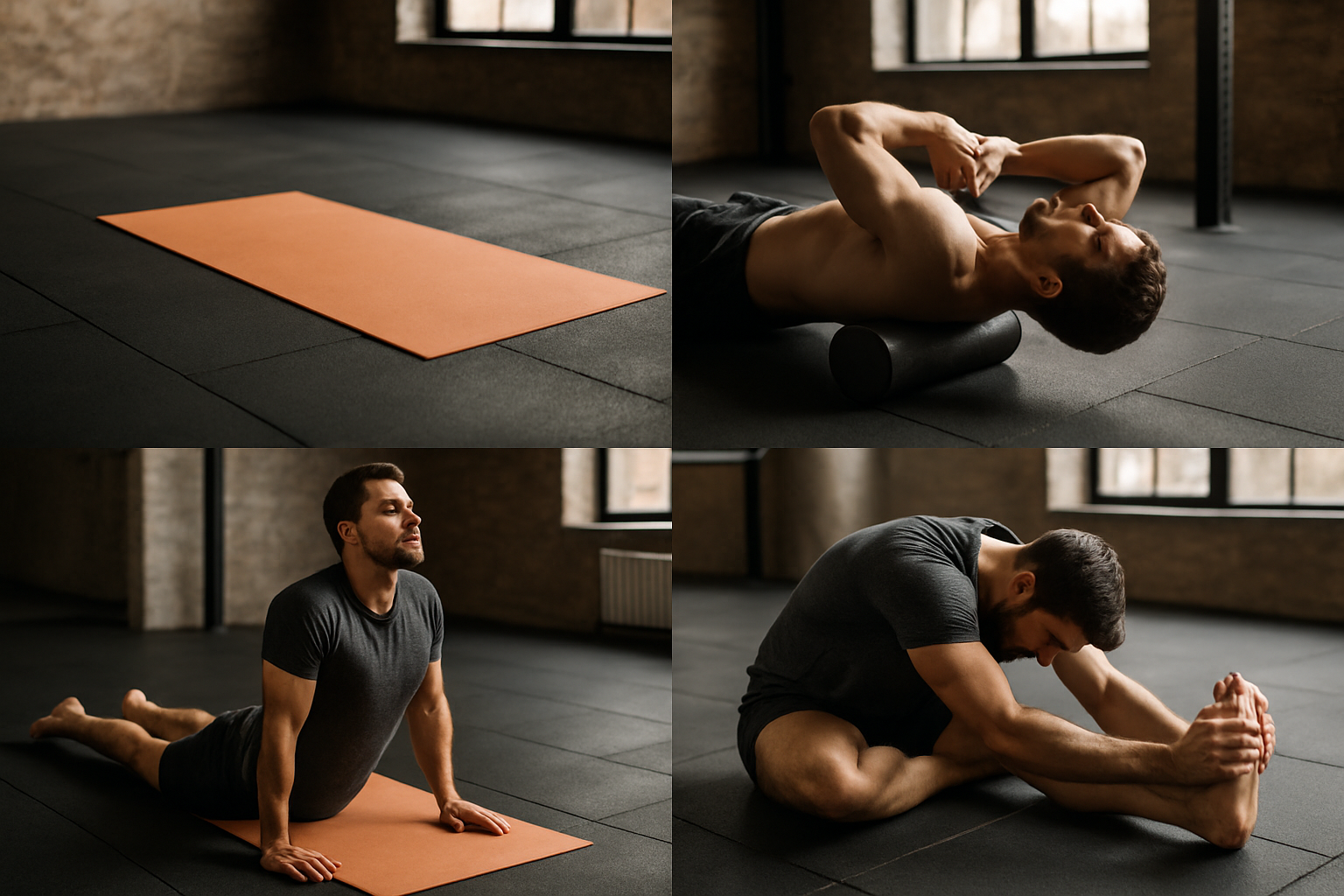
Incorporating essential movements into your everyday stretching routine for men can significantly improve flexibility, reduce tension, and enhance overall flexibility. Focusing on major muscle groups through effective stretching methods encourages proper alignment and helps prevent injuries. The upcoming list of vital stretches targets key muscle regions, highlighting correct techniques and outlining their individual benefits.
- Hamstring Stretch: Sit on the floor with one leg extended and the other bent inward. Reach toward the toes of your extended leg while keeping your back straight. This stretch focuses on the hamstrings, improving flexibility and reducing lower back tightness. Proper form includes avoiding rounding the back and holding the stretch for 20-30 seconds.
- Chest Opener: Stand tall and clasp your hands behind your back. Gently lift your arms while squeezing your shoulder blades together. This stretch targets the chest and anterior shoulder muscles, helping to counteract the effects of prolonged sitting and promoting better posture.
- Hip Flexor Stretch: Step into a lunge position with one foot forward and the opposite knee resting on the ground. Push your hips forward while keeping your torso upright. This stretch relieves tightness in the hip flexors, which is especially beneficial for men who spend much time sitting.
- Triceps Stretch: Raise one arm overhead, bending the elbow to reach your hand down your back. Use the opposite hand to gently push the elbow backward. This targets the triceps muscles, improving arm flexibility and reducing muscle tightness.
- Quadriceps Stretch: While standing, pull one foot towards your buttocks with your hand, keeping your knees close together. This stretch focuses on the quadriceps, enhancing knee mobility and preventing muscle imbalances.
- Lower Back Stretch: Lie on your back with your knees bent and feet flat on the floor. Slowly lower your knees to one side while keeping your shoulders grounded. This stretch gently loosens the lower back muscles, aiding in stress relief and preventing stiffness.
- Shoulder Stretch: Extend one arm across your body and use the opposite hand to press the arm gently towards your chest. This stretch improves flexibility in the shoulder joint and upper back muscles.
Integrating these essential stretches into your daily routine guarantees that all major muscle groups are effectively addressed. Maintaining proper form as stretching enhances the benefits and helps reduce the risk of strain or injury. Establishing a consistent habit of daily stretches for men creates a solid foundation for improved physical health, greater mobility, and overall well-being.
Upper Body Stretching Exercises
Incorporating an upper body stretch into your daily routine is essential for improving flexibility and mobility, especially for men who often engage in strength training or overhead activities. Effective shoulder stretches can help relieve tension and increase your range of motion, reducing the risk of injury. A popular shoulder stretch involves crossing one arm across the chest and using the other arm to gently pull it closer to the body. Hold this position for 20-30 seconds on each side to thoroughly activate the shoulder muscles.
Chest stretching exercises play a crucial role in improving flexibility in the upper body. To execute a simple yet effective chest stretch, stand in a doorway with your forearms pressed against the frame on both sides, then slowly step forward. This movement will produce a gentle stretch across your chest and the front of your shoulders. Hold this stretch for 20-30 seconds to alleviate tightness in muscles caused by prolonged sitting or poor posture.
Additionally, arm stretches enhance flexibility and boost circulation in the upper limbs. Triceps stretches are particularly beneficial; raise one arm above your head, bend the elbow to touch your back, and use the other hand to softly push the elbow down. This stretch targets the back of the arm and shoulder, encouraging improved muscle length and flexibility.
Regularly integrating upper body stretches like shoulder stretches, different chest stretch variations, and arm stretches will enhance your upper body flexibility, reduce muscle tightness, and elevate your performance in daily activities and workouts. Aim to include these exercises in your daily stretching regimen to maintain a healthy and flexible upper body.
Lower Body Stretching Exercises
Incorporating a consistent lower body stretching routine is essential for enhancing overall mobility and preventing injuries. To increase flexibility, focus on key areas such as the hamstrings, quadriceps, calves, and hips. These muscle groups play a significant role in daily activities and athletic performance.
Begin with a classic hamstring stretch by sitting on the floor with one leg extended straight and the other leg bent inward. Reach forward to touch the toes of the extended leg, holding this position for 20 to 30 seconds. This lower body stretch helps alleviate tension in tight hamstrings, which can stiffen after long durations of sitting.
Next, target the quadriceps with a standing quad stretch. Stand on one leg while reaching behind to grab the ankle of your opposite leg, then gently pull it toward your glutes. Keep your knees aligned and hold this stretch for 20 seconds. This exercise improves flexibility in the front thigh muscles, which is essential for maintaining balance and promoting knee health.
For calf stretching, try a wall calf stretch. Place both hands on a wall, stretch one leg back while keeping the heel on the ground, and lean forward softly. Hold this position for 20-30 seconds before alternating to the opposite leg. Improving calf flexibility aids in enhancing ankle mobility and reduces the risk of strains.
For better hip flexibility, consider the seated butterfly stretch. Sit with the soles of your feet together and gently push your knees toward the floor. Maintain this stance for about 30 seconds, which will help you experience a loosening in your inner thighs and hips. This stretch is particularly effective for improving hip mobility, contributing to an increased range of motion in the lower body.
Full Body Stretches for Overall Flexibility
Incorporating a thorough full body stretch into your flexibility routine is essential for men aiming to maintain overall mobility and prepare their muscles for daily activities. Practicing dynamic stretches that engage multiple muscle groups simultaneously improves blood flow, increases flexibility, and reduces the risk of injuries throughout the day.
Kick off your routine with dynamic full-body stretches such as arm circles combined with leg swings. Begin by swinging one leg forward and backward while simultaneously rotating your arms in fluid circles, which effectively warms up both your shoulders and hips together. This combination not only enhances flexibility but also activates your core.
Another advantageous exercise is the walking lunge paired with a torso twist. As you lunge forward, rotate your torso toward your front leg. This dynamic stretch activates the hips, thighs, and spine, making it an essential part of any flexibility routine designed to improve overall mobility.
The inchworm stretch is an excellent full-body stretch. Start in a standing position, hinge at the hips, and extend your hands forward into a plank position, then walk your feet back toward your hands. This movement effectively stretches the hamstrings, calves, and shoulders while engaging the core muscles.
Incorporating these dynamic full body stretches into your daily flexibility routine primes your muscles for movement and enhances your overall range of motion. Consistently engaging in these stretches promotes enduring joint health and muscle flexibility, allowing you to move comfortably throughout the day.
Tips for Creating an Effective Daily Stretching Routine
Establishing an effective daily stretching routine is crucial for men who want to improve flexibility, reduce the risk of injuries, and enhance overall physical health. To fully reap the rewards of your stretching practice, it is important to stay consistent. By weaving stretching into your daily schedule, even amidst busy periods, you enable your muscles to gradually adapt and improve mobility over time, leading to lasting benefits.
Start by setting aside a particular time each day for your stretching exercises. Whether it’s first thing in the morning, during a break at work, or right before bedtime, having a regular schedule makes it easier to remember and lowers the likelihood of overlooking it. You could also link your stretching routine to another daily task, like brushing your teeth or completing your workout, which encourages consistency with little extra effort.
Next, pay attention to how long you hold your stretches. For the best outcomes, keep each stretch for at least 20 to 30 seconds. This duration enables the muscles to properly relax and extend, as opposed to just doing a quick bend that offers little benefit. Doing each stretch two to three times for each muscle group will enhance flexibility and support muscle relaxation even more.
Integrate a varied stretching routine that targets all major muscle groups, including hamstrings, calves, hips, back, shoulders, and neck. A comprehensive approach aids in preventing muscle imbalances and supports overall flexibility. You may want to alter your focus areas daily to keep the routine engaging and reduce the likelihood of over-stretching particular muscle groups.
Incorporate mindful breathing and proper alignment throughout your stretching exercises. Engaging in deep, intentional breaths improves oxygen flow to your muscles and encourages relaxation. Avoid bouncing or forcing your stretches, as this may result in injuries. Rather, reach your comfortable limit and hold that position to support safe muscle elongation.
In the end, track your progress to stay motivated. Use a journal or a mobile app to record your flexibility improvements over the weeks and months. Seeing tangible results enhances the significance of your stretching routine and encourages commitment. Remember, the best stretching tips are those you can consistently apply—making stretching a sustainable healthy habit is the ultimate goal.
Optimal Time and Frequency for Stretching
To identify the best times for stretching, it’s important to consider your body’s natural rhythms and everyday habits. For men aiming to improve flexibility while reducing the risk of muscle injuries, the frequency of stretching should strike a balance between consistency and recovery. Ideally, incorporating stretching into your routine at least 4 to 5 times weekly offers significant flexibility benefits without increasing the likelihood of overuse injuries.
The perfect time to stretch largely depends on your personal schedule and what feels comfortable for you. Many individuals find that morning stretching helps to loosen tight muscles and boost circulation following a night’s sleep, providing a refreshing beginning to the day. Conversely, stretching post-workout utilizes warmed muscles to significantly improve flexibility. Furthermore, evening stretches can be beneficial for reducing the stress accumulated throughout the day, promoting relaxation and better sleep.
The duration of your stretching sessions is crucial for attaining the best outcomes. Holding each stretch for 20 to 30 seconds allows the muscles to slowly elongate and adapt. Aim to allocate around 10 to 20 minutes for a complete routine, making sure to focus on all key muscle groups. Avoid bouncing or forcing stretches, as this could lead to injury.
Ultimately, sticking to a consistent stretching routine with mindful timing enables men to gradually enhance their flexibility. By weaving stretching into their daily routine—be it in the morning, post-exercise, or during the evening—they can protect muscle health and lower the risk of overexertion.
Proper Techniques and Common Mistakes to Avoid
Mastering effective stretching techniques is essential for maximizing benefits and minimizing the risk of injury. As you perform stretches, it’s important to move gradually and purposefully, holding each position firmly without bouncing. Bouncing can lead to muscle strains and jeopardize the safety of your stretching practice. Always focus on maintaining correct posture and taking deep breaths to help relax your muscles.
Below are common mistakes that men often face in their stretching routines, along with tips on how to avoid these pitfalls for safer and more effective stretching practices:
- Skipping Warm-Up: Stretching cold muscles increases injury risk. Always warm up with light activity before stretching.
- Overstretching: Pushing muscles too far can cause strains. Stretch to a point of mild tension, not pain.
- Bouncing Movements: Using jerky motions can damage muscle fibers. Hold each stretch steadily for 15–30 seconds.
- Ignoring Pain Signals: Discomfort is normal, but sharp pain is not. Stop immediately if pain occurs.
- Neglecting Balanced Stretching: Focus on all major muscle groups to prevent imbalances and maintain flexibility.
- Short or Insufficient Holds: Holding stretches too briefly reduces effectiveness. Aim for at least 15 seconds per stretch.
- Forgetting to Breathe: Holding your breath limits oxygen flow. Breathe consistently and naturally while stretching.
- Using Incorrect Form: Poor alignment reduces stretch benefits and can cause injury. Follow guides or videos for correct positioning.
Utilizing appropriate stretching techniques while avoiding common mistakes ensures a safe stretching routine that effectively enhances flexibility and reduces the risk of injuries.

Having spent the last decade navigating the ups and downs of strength training and mindful living, I am passionate about sharing practical strategies for holistic male wellness. My focus is on balancing physical resilience with mental clarity, drawing from personal experience to help men lead more purposeful lives.