
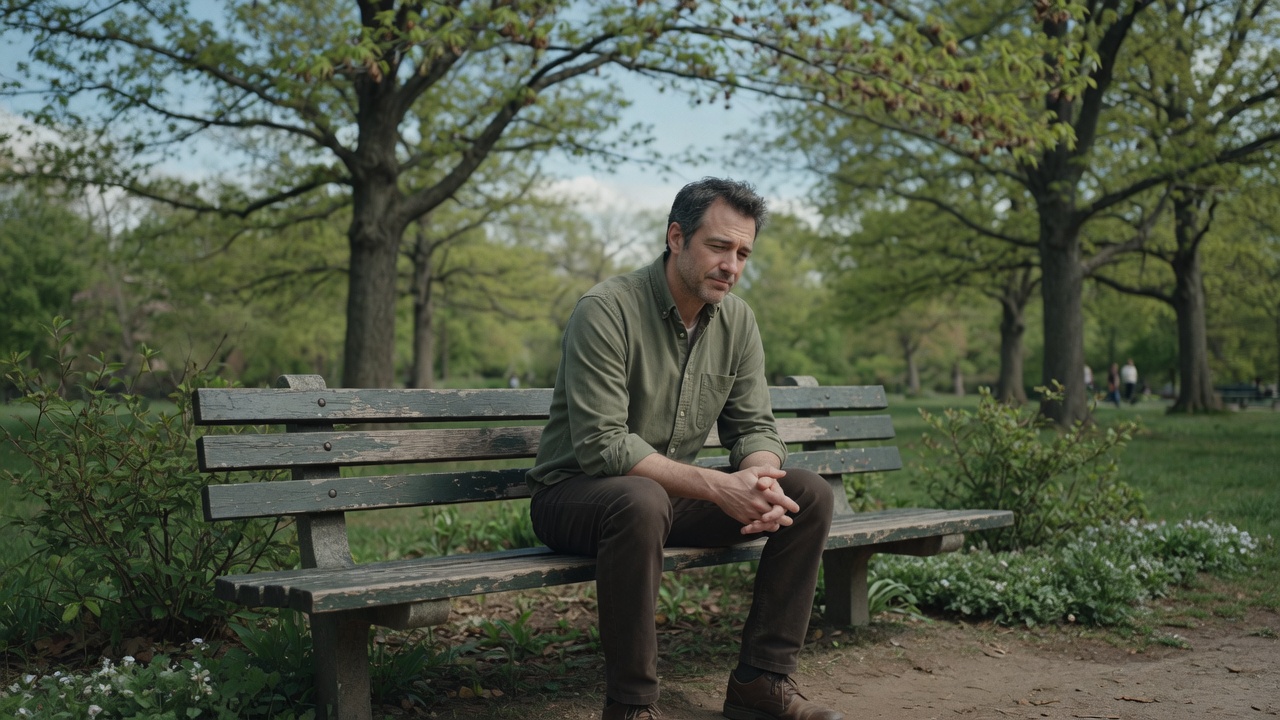
Men’s mental health support resources
11/06/2026
Community mental health initiatives often extend beyond traditional therapy, embracing peer-led support systems that emphasize inclusion and dialogue over judgment. Many organizations offer specialized men’s support groups that cater to various needs, such as coping with stress, managing anxiety, or dealing with grief. These safe spaces empower men to express vulnerability without fear, helping to dismantle stigma around mental health challenges.
Whether through in-person meetings or virtual platforms, peer counseling fosters a sense of belonging that is essential for mental wellness. Online communities are particularly beneficial for those who may lack access to local resources or prefer a more anonymous setting. In these spaces, shared stories and collective encouragement contribute to ongoing healing processes and personal growth. By participating in men’s support groups and community mental health efforts, men can take a significant step toward recovery and overall well-being.
Digital and Self-Help Resources
In today’s digital age, mental health support is more accessible than ever through a variety of digital and self-help resources. Mental health apps have become invaluable tools for many, offering features such as mood tracking, guided meditation, and cognitive-behavioral therapy exercises. These apps provide users with immediate access to coping strategies and mental wellness practices, allowing for personalized support anytime, anywhere.
Online therapy platforms have also revolutionized how men can seek professional help. These platforms connect users with licensed therapists via video, chat, or phone sessions, removing traditional barriers such as geographical location and scheduling conflicts. The convenience and privacy afforded by online therapy make it an appealing option for men who might otherwise hesitate to pursue face-to-face counseling.
Alongside these options, a wide range of self-help tools and educational materials are available to support mental wellness. These resources include articles, e-books, and interactive courses that empower men to understand and manage their mental health proactively. By combining mental health apps, online therapy platforms, and self-help tools, individuals can create a comprehensive and flexible approach to their mental wellness journey.
How to Encourage Men to Seek Help

Encouraging help-seeking among men is essential for promoting mental wellness and reducing stigma surrounding mental health issues. Families, friends, and communities play a pivotal role in creating an environment where men feel safe and supported in reaching out for help.
One of the most effective strategies is to openly communicate about mental health in a non-judgmental and empathetic manner. When families and friends engage in honest conversations, it helps normalize mental health challenges and encourages men to speak up without fear of being stigmatized. Using men’s mental wellness tips learned from experts, such as focusing on emotional expression and active listening, can make these dialogues more impactful.
Another important approach is to educate communities about the realities of men’s mental health struggles through awareness campaigns and community programs. Reducing stigma at a broader social level requires dismantling stereotypes that portray men as needing to be tough or self-reliant at all costs. Emphasizing that seeking help is a sign of strength rather than weakness can shift cultural perceptions over time.
Families and friends can support men by being patient and persistent in offering support. Sometimes men may resist help initially due to fear or pride, but continuous gentle encouragement combined with genuine care can make a difference. Simple actions like accompanying them to a mental health appointment or helping them find resources can lower barriers to seeking professional assistance.
Establishing secure, inclusive settings where men can openly talk about their emotions with friends or support groups is equally valuable. Community groups can set up peer‑run support networks that foster solidarity and comprehension. Such spaces allow men to discuss mental health without judgment and receive practical guidance from those who have faced similar challenges.
Ultimately, encouraging help-seeking among men requires a multifaceted approach that addresses individual, relational, and societal factors. By promoting open dialogue, reducing stigma, and providing consistent support, families, friends, and communities can empower men to take proactive steps toward mental wellness.
Promoting Open Communication
Building safe spaces for mental‑health dialogue is crucial for supporting men’s emotional wellbeing. To make discussing mental illness feel natural and free of judgment, begin by listening attentively without interrupting or jumping to solutions. When men feel encouraged to express their emotions, showing empathy and acknowledging their experiences helps lower stigma and fear.
Another tip is to use open-ended questions that invite deeper reflection and dialogue, such as “How have you been feeling lately?” or “What’s been on your mind?” This approach helps men express emotions they might otherwise suppress. It’s also valuable to normalize discussions around mental health by integrating them into everyday conversations rather than treating them as taboo or exceptional topics.
Creating a non-judgmental atmosphere involves respecting privacy, maintaining confidentiality, and being patient as men may need time to open up. Offering reassurance that seeking help is a sign of strength, not weakness, can encourage more honest discussions. Additionally, promoting educational resources and support groups can provide further encouragement and understanding for men managing mental health challenges.
By prioritizing these strategies, we can build supportive environments where mental health conversations thrive, ultimately improving men’s emotional health and well-being.
Building Supportive Environments
Creating supportive mental health environments is crucial for promoting wellness in men. Family and friends play a key role by fostering open communication, showing empathy, and encouraging men to express their feelings without judgment. This supportive atmosphere helps break down stigma and empowers men to seek help when needed. Simple actions like actively listening and providing consistent reassurance can significantly impact mental health.
Workplaces also have a vital responsibility in creating a culture that supports men’s mental well-being. Employers can implement mental health programs, offer flexible work arrangements, and train managers to recognize signs of mental distress. By prioritizing workplace mental health, organizations cultivate environments where men feel valued and safe to discuss challenges. This leads to increased productivity, reduced absenteeism, and overall job satisfaction.
Moreover, family support combined with a positive workplace culture creates a comprehensive network of care for men. Encouraging a balance between work, social, and personal life helps reduce stress and build resilience. Together, these strategies contribute to robust supportive mental health environments that nurture men’s emotional strength and promote long-term mental wellness.
Understanding Men’s Mental Health
Men’s mental health is an essential but often overlooked aspect of overall well-being. Recognizing mental health issues specifically in men is crucial because men experience unique challenges and social pressures that can significantly impact their emotional wellness. Despite the growing awareness of mental health in society, many men still face stigma that prevents them from seeking help or openly discussing their struggles.
One of the primary barriers to addressing men’s mental health is the persistent social stigma surrounding emotional expression among men. Traditional gender roles frequently encourage men to be stoic, strong, and self-reliant. As a result, many men feel pressured to suppress their feelings and avoid appearing vulnerable, even when they are struggling mentally. This stigma not only delays diagnosis and treatment but can also exacerbate feelings of isolation, anxiety, and depression.
Common challenges men face in relation to mental health include higher rates of substance abuse, suicide, and untreated depression compared to women. These issues are compounded by societal expectations that discourage men from talking about their problems or seeking emotional support. Understanding these challenges is crucial for fostering mental health awareness and creating supportive environments where men feel safe to express their emotions.
Promoting men’s emotional wellness requires breaking down stereotypes and encouraging open conversations about mental health. When men are empowered to acknowledge and address their mental health needs without judgment, they can access the resources and support necessary for recovery and resilience. Ultimately, increasing mental health awareness among men benefits not only individual men but also their families and communities as a whole.
Common Mental Health Issues Among Men
Men often face unique challenges when it comes to mental health, with several common mental disorders disproportionately affecting them. Depression in men can manifest differently than in women, sometimes appearing as irritability, aggression, or an increased risk-taking behavior rather than typical sadness. This can make it harder to recognize and diagnose effectively.
Anxiety in men is another prevalent condition, often triggered by external pressures such as work stress, societal expectations, and personal relationships. Men may feel reluctant to express their fears or seek help due to stigma, which can exacerbate symptoms. Physical symptoms like muscle tension, fatigue, and rapid heartbeat often accompany anxiety, making daily functioning challenging.
Stress-related disorders, including post-traumatic stress disorder (PTSD) and chronic stress, also commonly impact men. These can arise from various life experiences, including trauma, workplace stress, or significant life changes. Chronic stress can lead to serious health consequences, both mentally and physically, if not addressed appropriately. Increased awareness and support for men’s mental disorders are crucial to promote early intervention and better health outcomes.
Barriers to Seeking Mental Health Support
Mental health stigma remains one of the most significant barriers preventing men from seeking the support they need. Societal expectations often pressure men to appear strong, self-reliant, and emotionally resilient, which can discourage open conversations about mental health challenges. This stigma leads many men to feel ashamed or embarrassed about experiencing mental health issues, further deepening help-seeking barriers. Misconceptions about therapy, such as the belief that seeking help is a sign of weakness, also contribute to the reluctance men face when considering mental health care.
In many cultures, traditional gender roles emphasize toughness and stoicism, reinforcing the idea that men should manage emotional struggles independently. This cultural messaging not only isolates men but can also make it difficult for them to recognize the importance of mental health support. As a result, men may delay or avoid therapy altogether, leading to worsening symptoms and decreased quality of life. Addressing these social and cultural barriers is vital to improving men’s mental health outcomes, as it encourages earlier intervention and fosters healthier attitudes towards seeking help.
Efforts to reduce mental health stigma must include education campaigns that normalize conversations about emotions and mental health. By challenging outdated stereotypes and promoting the message that therapy is a valuable tool for everyone, society can reduce the help-seeking barriers men face. Creating supportive environments both in communities and workplaces encourages men to access the mental health resources they need without fear of judgment or discrimination.
Available Support Resources for Men
Men’s mental health resources have become increasingly diverse and accessible, providing essential support tailored to different needs. One of the primary options available is professional counseling. Licensed therapists and counselors specialize in addressing mental health challenges men may face, such as stress, anxiety, depression, and trauma. Therapy options include in-person sessions, teletherapy, and even specialized programs focusing on men’s issues. These services offer a safe space for men to express their feelings, learn coping strategies, and work towards mental well-being.
Support groups are another valuable resource for men seeking connection and understanding. These groups, often facilitated by trained professionals or peers, provide a confidential environment where men can share experiences and gain encouragement from others facing similar challenges. Many communities have support groups focused on specific topics such as grief, addiction recovery, or fatherhood, helping participants feel less isolated.
In addition to traditional support groups, online communities and forums offer men a convenient and often anonymous way to connect. These platforms provide access to advice, peer support, and encouragement around the clock. Men can participate in chat rooms, discussion boards, or social media groups dedicated to mental health topics, fostering a sense of belonging and understanding without geographic limitations.
Online tools and apps are rapidly becoming popular resources for men’s mental health. From meditation and mindfulness apps to platforms that connect users with licensed therapists, technology offers a range of options suited to varied preferences and budgets. Digital programs often include self-help modules, mood tracking, and cognitive behavioral therapy exercises designed to empower men to take an active role in their mental well-being.
Overall, men have access to a growing variety of support groups, therapy options, and digital resources that can significantly enhance their journey toward mental health recovery and resilience. Utilizing these available men’s mental health resources encourages open dialogue, reduces stigma, and promotes healthier lives.
Professional Mental Health Services
When seeking support for men’s mental health, professional services play a critical role. Therapists for men, including licensed counselors and psychologists, provide specialized counseling services tailored to the unique experiences and challenges men face. These professionals create safe, non-judgmental environments where men can openly discuss issues such as stress, anxiety, depression, and relationship difficulties.
Psychologists focus on therapeutic techniques that help men understand and manage their emotions, develop coping skills, and improve their overall mental wellness. Licensed counselors often provide talk therapy and practical guidance in overcoming everyday struggles. These professionals are trained to address the stigmas that men may encounter around mental health, encouraging vulnerability and healing.
In some cases, psychiatric support might be necessary when mental health conditions require medical intervention. Psychiatrists can diagnose complex conditions, prescribe medication, and monitor treatment progress, offering a comprehensive approach to mental health care. Combining therapy with psychiatric support is often effective in helping men achieve better outcomes.
Finding the right professional mental health services designed for men can make a significant difference in their journey towards recovery and resilience. Whether through counseling services or psychiatric support, these resources empower men to prioritize their mental well-being and lead healthier, more balanced lives.
Community and Peer Support
Men’s support groups play a vital role in fostering a safe environment where individuals can openly share their experiences and challenges related to mental health. These groups, both local and online, provide invaluable peer counseling opportunities that encourage mutual understanding and healing. By engaging with others who face similar struggles, men can break free from isolation, gain new perspectives, and build lasting connections rooted in empathy and trust.

Having spent the last decade navigating the ups and downs of strength training and mindful living, I am passionate about sharing practical strategies for holistic male wellness. My focus is on balancing physical resilience with mental clarity, drawing from personal experience to help men lead more purposeful lives.