

Men’s nutrition for muscle gain
11/08/2026
For men aiming to build muscle, balanced meal planning is crucial, as it determines how well the body repairs tissue and stores energy. A diet that aligns with male physiology, supports prostate health, and supplies the calories needed for growth can turn a casual gym routine into a serious transformation. By focusing on nutrient timing, selecting foods that deliver high‑quality protein, and avoiding hidden pitfalls like excess sugars or inflammatory fats, you create an environment where muscle fibers thrive. The following sections break down each component of an effective muscle‑gain plan, offering concrete guidelines that fit into a busy lifestyle while respecting the specific health concerns men face.
Balancing macronutrients for optimal muscle synthesis
Caloric surplus is the foundation of any muscle‑building strategy, but the source of those calories matters as much as the total amount. Research shows that men who aim for a surplus of 250 to 500 calories per day while maintaining a protein intake of 1.6 to 2.2 grams per kilogram of body weight see the most consistent gains, provided the extra calories come from a mix of complex carbohydrates and healthy fats. Carbohydrates replenish glycogen stores depleted during resistance training, while fats supply essential fatty acids that aid in hormone production, including testosterone, which directly influences muscle growth.
When planning meals, aim for a ratio of roughly 40 percent protein, 40 percent carbohydrates, and 20 percent fats, adjusting each component based on activity level and body composition goals. For example, a 85‑kilogram man targeting a 2,500‑calorie diet would allocate about 200 grams of protein, 250 grams of carbs, and 55 grams of fat. This balance ensures that muscles receive a steady flow of amino acids, energy for intense lifts, and the hormonal support needed for recovery, all while keeping blood sugar stable and avoiding excess visceral fat that can impair cardiovascular health.
Choosing high‑quality protein and mastering timing
Protein quality hinges on the presence of all essential amino acids, especially leucine, which triggers muscle‑protein synthesis. Animal sources such as lean beef, chicken breast, turkey, and fish provide complete amino acid profiles and are particularly effective for men seeking rapid gains. Plant‑based proteins like lentils, quinoa, and soy can also meet requirements when combined to cover the full spectrum of amino acids, though men may need slightly larger portions to achieve the same leucine dose.
Timing protein intake around workouts maximizes its anabolic impact. Consuming 20 to 30 grams of protein within a two‑hour window before training supplies amino acids for intra‑workout repair, while a similar dose shortly after exercise replenishes depleted stores and jump‑starts recovery. Including a fast‑digesting source such as whey protein immediately post‑session, followed by a slower‑digesting option like casein before bed, extends the muscle‑building signal throughout the night, a period critical for growth in men of all ages.
Carbohydrate strategies that fuel performance and recovery
Complex carbohydrates, including whole grains, sweet potatoes, and legumes, deliver a steady release of glucose that sustains energy during prolonged weight sessions. Men who consume 3 to 5 grams of carbohydrate per kilogram of body weight each day report higher training volumes and reduced fatigue, allowing them to lift heavier and more frequently. Simple carbs, such as fruit or honey, are valuable immediately after a workout when glycogen stores are most receptive to rapid replenishment.
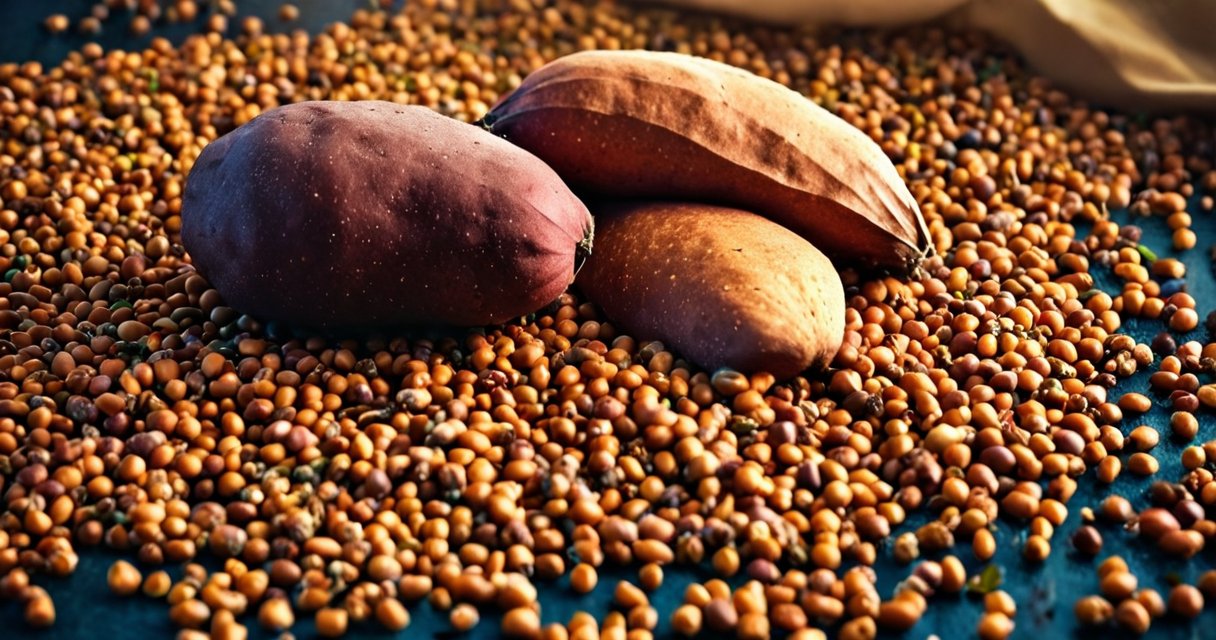
Strategically placing carbohydrate portions before and after training can enhance muscle‑building outcomes. A pre‑workout snack containing 30 to 40 grams of carbs, like oatmeal with berries, raises blood glucose just enough to improve performance without causing a crash. Post‑exercise, pairing 0.5 to 0.7 grams of carbs per kilogram of body weight with protein accelerates glycogen restoration and supports the insulin surge that drives nutrients into muscle cells, a synergy that benefits men aiming for lean mass while preserving metabolic health.
Incorporating healthy fats to support hormone balance
Fats often receive a bad reputation, yet they are indispensable for testosterone production, a hormone central to muscle development in men. Sources rich in omega‑3 fatty acids, such as salmon, mackerel, and flaxseed, reduce inflammation and improve recovery time, allowing more frequent training sessions. Monounsaturated fats found in olive oil, avocados, and almonds also contribute to a favorable hormonal environment while supplying energy for longer workouts.
To maintain optimal health, men should focus on their daily healthy fat intake, aiming for about 0.8 to 1 gram per kilogram of body weight. Including a handful of nuts or a drizzle of extra‑virgin olive oil in meals not only adds flavor but also delivers the cholesterol precursors necessary for optimal hormone synthesis. Balancing fat intake prevents the pitfall of low‑fat diets that can inadvertently lower testosterone levels, undermining muscle‑gain efforts.
Micronutrients and prostate‑friendly foods for sustainable growth
Vitamins and minerals play a subtle yet vital role in muscle function and overall male health. Zinc, for instance, supports testosterone production and immune function; foods like pumpkin seeds, oysters, and lean beef provide ample zinc without excessive calories. Magnesium, abundant in leafy greens, nuts, and whole grains, aids muscle contraction and recovery, reducing cramping during heavy lifts.

Prostate health is a particular concern for men, and certain nutrients can simultaneously promote muscle gain and protect the gland. Lycopene‑rich tomatoes have been linked to reduced prostate inflammation and can be incorporated into sauces or salads for an antioxidant boost. Cruciferous vegetables such as broccoli and cauliflower contain sulforaphane, which may lower the risk of prostate issues while supplying fiber that stabilizes blood sugar, a factor that indirectly supports lean muscle accrual.
Supplement considerations tailored to male muscle building
While whole foods should form the cornerstone of any diet, targeted supplements can fill gaps and accelerate progress. Creatine monohydrate, one of the most studied ergogenic aids, increases phosphocreatine stores in muscle, enabling higher power output during short, intense lifts. A daily dose of 3 to 5 grams is sufficient for most men, and loading phases are unnecessary, simplifying the regimen.
Beyond creatine, vitamin D supplementation is advisable for men who train indoors or live at higher latitudes, as adequate vitamin D levels correlate with both muscle strength and prostate health. Additionally, a high‑quality whey protein isolate can serve as a convenient post‑workout protein source, while a multivitamin containing zinc, magnesium, and selenium ensures that micronutrient needs are met without excess. Before introducing new supplements, men should consult a healthcare professional, especially to follow blood sugar management tips and avoid complications.

Having spent the last decade navigating the ups and downs of strength training and mindful living, I am passionate about sharing practical strategies for holistic male wellness. My focus is on balancing physical resilience with mental clarity, drawing from personal experience to help men lead more purposeful lives.