

Nutrition for men with high blood pressure
19/07/2026
High blood pressure, or hypertension, is a common health issue that affects many men, particularly as they age. This condition can lead to serious complications such as heart disease, stroke, and kidney damage. While medication can help manage blood pressure, nutrition plays a pivotal role in controlling and potentially reducing hypertension. By adopting a diet rich in specific nutrients, men can significantly improve their cardiovascular health and overall well-being. This article explores essential dietary strategies for men dealing with high blood pressure.
The Importance of a Heart-Healthy Diet
A heart-healthy diet is crucial for men with high blood pressure. The right foods can help lower blood pressure levels, improve heart health, and reduce the risk of related diseases. The Dietary Approaches to Stop Hypertension (DASH) diet is one of the most recommended eating plans for managing hypertension. The DASH diet emphasizes fruits, vegetables, whole grains, lean proteins, and low-fat dairy products while limiting saturated fats, cholesterol, and sodium. Men who follow this dietary pattern may experience a significant reduction in blood pressure, making it a practical choice for long-term health.
Research shows that adhering to a heart-healthy diet can lower systolic blood pressure by about 8 to 14 mmHg. This reduction can be life-changing, as even small decreases in blood pressure can significantly lower the risk of heart disease and stroke. Men should focus on incorporating a variety of nutrient-dense foods that provide essential vitamins and minerals, particularly potassium, magnesium, and calcium, which are known to support healthy blood pressure levels.
Fruits and Vegetables: Nature’s Medicine
Fruits and vegetables are packed with vitamins, minerals, and antioxidants that contribute to heart health. They are low in calories and high in fiber, making them an excellent choice for managing weight, which is another critical factor in controlling blood pressure. Foods like bananas, oranges, spinach, and sweet potatoes are particularly beneficial due to their high potassium content. Potassium helps balance sodium levels in the body, which can lead to lower blood pressure.
Men should aim to fill half their plate with fruits and vegetables at every meal. This not only provides necessary nutrients but also helps in reducing overall caloric intake. A study found that men who consumed a diet rich in fruits and vegetables had a 30% lower risk of developing hypertension compared to those with lower consumption. Incorporating a variety of colors and types can also ensure a broader range of nutrients, enhancing overall health.
The Role of Whole Grains in Blood Pressure Management
Whole grains are an essential component of a diet aimed at managing high blood pressure. Unlike refined grains, whole grains retain their bran and germ, which contain valuable nutrients and fiber. Foods such as brown rice, quinoa, oats, and whole grain bread can help improve heart health by lowering cholesterol levels and promoting healthy blood pressure.
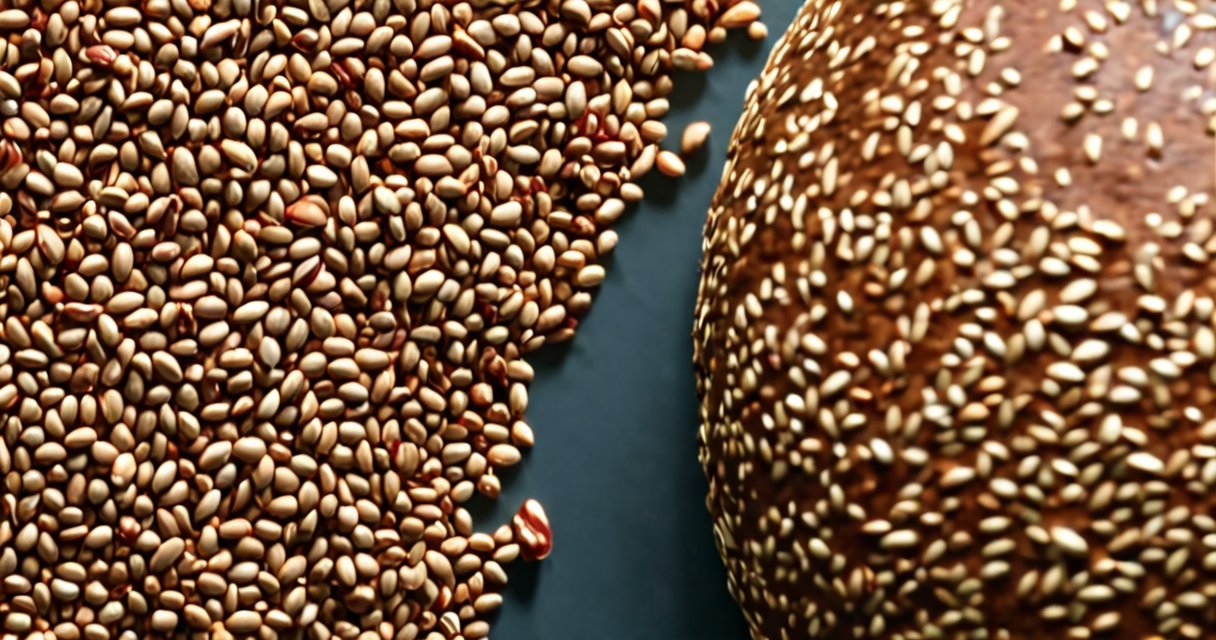
Studies indicate that men who consume whole grains regularly experience better blood pressure control. The fiber in whole grains can also aid in weight management, another important factor for men with hypertension. Aiming for at least three servings of whole grains per day can provide the necessary fiber and nutrients to support cardiovascular health while satisfying hunger and reducing cravings.
Lean Proteins: Building Blocks for Heart Health
Incorporating lean proteins into the diet is fundamental for men managing high blood pressure. Options such as skinless poultry, fish, beans, and legumes provide essential amino acids without the saturated fat found in red meats. Fish, particularly fatty fish like salmon and mackerel, is rich in omega-3 fatty acids, which are known to reduce inflammation and lower blood pressure.
Replacing red meat with plant-based proteins, such as beans and lentils, can be especially beneficial. Studies have shown that diets high in legumes can reduce blood pressure by up to 5 mmHg. Beans are also a good source of fiber and potassium, making them an ideal food choice for men looking to improve their heart health.
Limiting Sodium Intake for Better Blood Pressure Control
One of the most critical dietary adjustments for men with high blood pressure is reducing sodium intake. High sodium levels can lead to water retention, increasing blood volume and, consequently, blood pressure. The American Heart Association recommends limiting sodium intake to no more than 2,300 mg per day, with an ideal limit of 1,500 mg for those with hypertension.
Processed and packaged foods are often high in sodium, so it is essential to read labels carefully and choose low-sodium options whenever possible. Cooking at home using fresh ingredients allows men to control the amount of salt in their meals. Incorporating herbs and spices as flavor substitutes can enhance the taste of dishes without adding sodium, contributing to better blood pressure management.
Healthy Fats: Choosing the Right Types
Not all fats are created equal. For men with high blood pressure, focusing on healthy fats is vital. Monounsaturated and polyunsaturated fats found in olive oil, avocados, and nuts can promote heart health while providing necessary energy. These fats help lower bad cholesterol levels and reduce the risk of heart disease.

On the other hand, trans fats and excessive saturated fats found in fried foods and certain baked goods should be avoided. A diet high in unhealthy fats can lead to weight gain and increased blood pressure. Incorporating sources of healthy fats in moderation can enhance overall health and support blood pressure management.
The Impact of Alcohol and Caffeine on Blood Pressure
For men managing high blood pressure, monitoring alcohol and caffeine intake is essential. While moderate alcohol consumption may have some heart benefits, excessive drinking can lead to increased blood pressure. The American Heart Association suggests that men limit alcohol to two drinks per day to minimize risks. This moderation can help maintain a healthy blood pressure level while enjoying social occasions.
Caffeine can also have varying effects on blood pressure. While some studies suggest that moderate caffeine consumption does not significantly affect long-term blood pressure, others indicate a temporary spike in blood pressure levels after consumption. Men should be mindful of their caffeine intake, particularly if they are sensitive to its effects or consume it in large quantities. Opting for decaffeinated beverages or limiting coffee intake can be a practical approach for those concerned about their blood pressure.

Having spent the last decade navigating the ups and downs of strength training and mindful living, I am passionate about sharing practical strategies for holistic male wellness. My focus is on balancing physical resilience with mental clarity, drawing from personal experience to help men lead more purposeful lives.