

Reducing inflammation through diet
16/06/2026
Understanding Inflammation and Its Impact on Health
Inflammation is a natural biological process that serves as the body’s defense mechanism against harmful stimuli such as pathogens, damaged cells, or irritants. When the immune system detects these threats, it triggers an inflammatory response designed to eliminate the cause of injury, clear out damaged cells, and initiate tissue repair. This process is crucial for maintaining health and healing wounds efficiently.
There are two primary types of inflammation: acute and chronic. Acute inflammation is the immediate and short-term reaction to injury or infection. It typically presents with redness, heat, swelling, pain, and loss of function in the affected area. This response is essential for protecting the body and restoring tissue health. Once the threat is neutralized, the inflammation subsides, and the healing process continues to completion.
Chronic inflammation, on the other hand, is a prolonged and often harmful state of inflammation that can persist for months or even years. It occurs when the inflammatory response fails to resolve or when the immune system is continuously activated by low-grade irritants or autoimmune reactions. Unlike acute inflammation, chronic inflammation may not exhibit obvious symptoms but can silently damage tissues and organs over time.
The health impact of chronic inflammation is significant and wide-ranging. It is linked to the development and progression of various chronic diseases, including cardiovascular disease, diabetes, arthritis, and some cancers. Chronic inflammation disrupts normal cellular function and interferes with the body’s ability to repair itself, leading to tissue damage and increased vulnerability to illnesses. Furthermore, it can contribute to persistent pain, fatigue, and reduced overall quality of life.
Understanding the differences between acute and chronic inflammation and recognizing the health impact of sustained inflammatory responses is crucial. By managing chronic inflammation through lifestyle choices such as diet, exercise, and stress reduction, individuals can support their immune system and promote long-term health and well-being.
Types of Inflammation: Acute vs Chronic
Inflammation is a critical part of the body’s immune response to injury or infection. It occurs in two main forms: acute inflammation and chronic inflammation, each with distinct causes and symptoms. Acute inflammation is the body’s immediate reaction to harmful stimuli, such as pathogens, damaged cells, or irritants. This type of inflammation is usually short-lived and serves the purpose of eliminating the initial cause of cell injury, clearing out dead cells, and initiating tissue repair. Common causes of acute inflammation include cuts, burns, or infections. Typical symptoms include redness, heat, swelling, pain, and sometimes loss of function in the affected area, which are all signs of the immune system actively fighting to restore health.
Chronic inflammation, on the other hand, can persist for months or even years and occurs when the immune response remains active for an extended period. This prolonged inflammation can result from an unresolved acute inflammation, autoimmune disorders, or continuous exposure to irritants like industrial chemicals or polluted air. Unlike acute inflammation, chronic inflammation often causes subtle symptoms such as fatigue, body pain, and low-grade fever. Over time, it can lead to tissue damage and contribute to various diseases, including heart disease, diabetes, and certain cancers. While both acute and chronic inflammation are part of the immune response, understanding their differences is key to managing their impact through lifestyle and dietary choices.
Health Risks Associated with Chronic Inflammation
Chronic inflammation poses significant long-term health risks, as it is closely linked to a variety of serious diseases. When the body’s inflammatory response remains activated over extended periods, it can contribute to the development and progression of multiple health conditions, highlighting the critical importance of managing inflammation through diet and lifestyle.
One of the most well-established chronic inflammation risks is heart disease. Persistent inflammation can damage the inner lining of blood vessels, promoting the buildup of plaques that narrow arteries and increase the likelihood of heart attacks and strokes. This connection illustrates how ongoing inflammation directly impacts cardiovascular health.
Arthritis, particularly rheumatoid arthritis, is another condition strongly tied to chronic inflammation. In this autoimmune disorder, the immune system mistakenly attacks joint tissues, leading to pain, swelling, and decreased mobility. The disease connection with sustained inflammation means that controlling inflammatory processes is essential to managing symptoms and preventing joint damage.
Diabetes, especially type 2, also shows a clear disease connection with chronic inflammation. Inflammatory molecules can interfere with insulin function, impairing the body’s ability to regulate blood sugar levels efficiently. This disruption increases the risk of developing diabetes and complicates disease management for those already diagnosed.
Overall, long-term health is significantly affected by chronic inflammation, which acts as a common thread linking these and other conditions. Understanding these chronic inflammation risks underscores why adopting anti-inflammatory dietary choices can play a crucial role in disease prevention and health maintenance.
Anti-Inflammatory Foods to Include in Your Diet
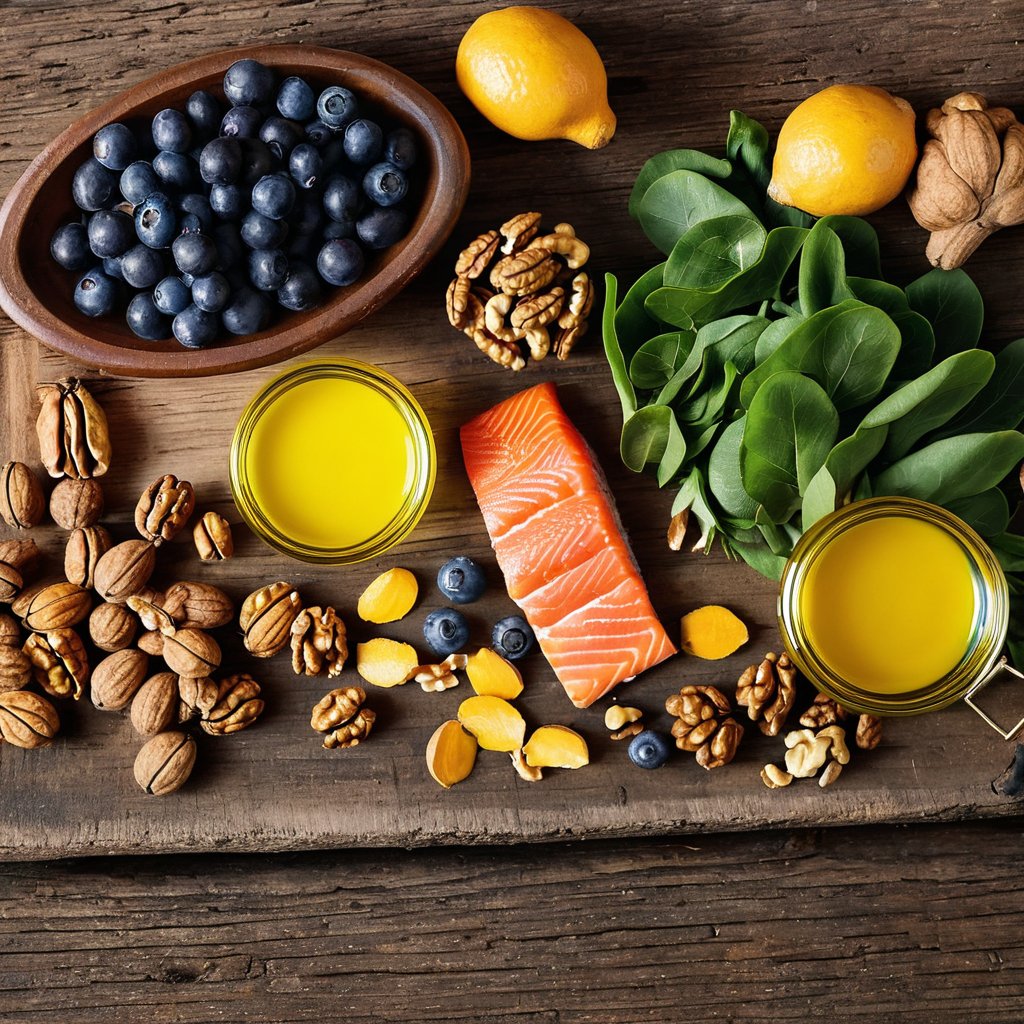
Incorporating anti-inflammatory foods into your diet is essential for promoting overall health and reducing chronic inflammation. These foods contain nutrients and compounds that help combat inflammation, support your immune system, and foster healthy eating habits. Here is a list of key anti-inflammatory foods to include in your nutrition plan:
- Fatty Fish: Salmon, mackerel, sardines, and trout are rich in omega-3 fatty acids, which have potent anti-inflammatory effects. Omega-3s help reduce the production of inflammatory molecules and support cardiovascular health.
- Leafy Green Vegetables: Spinach, kale, and Swiss chard are packed with antioxidants such as vitamin E, which helps protect cells from oxidative stress and lowers inflammation.
- Berries: Blueberries, strawberries, and raspberries contain anthocyanins, powerful antioxidants that help decrease inflammation and protect against cell damage.
- Nuts: Almonds and walnuts offer healthy fats, fiber, and vitamin E—all of which contribute to reducing inflammation and promoting heart health.
- Olive Oil: Extra virgin olive oil is rich in monounsaturated fats and polyphenols. These compounds have strong anti-inflammatory properties and support a balanced diet.
- Tomatoes: Tomatoes are high in vitamin C, potassium, and lycopene. Lycopene is an antioxidant known for its inflammation-reducing effects, especially in cardiovascular and skin health.
- Turmeric: This bright yellow spice contains curcumin, a compound renowned for its powerful anti-inflammatory and antioxidant benefits. Adding turmeric to your meals can help reduce joint and muscle inflammation.
- Green Tea: Green tea is loaded with polyphenols and antioxidants that combat inflammation and improve overall nutrition.
- Whole Grains: Oats, brown rice, and quinoa are excellent sources of fiber, which helps lower levels of inflammatory markers and supports digestive health.
By including these anti-inflammatory foods in your diet, you enhance your body’s ability to fight inflammation and maintain good health. Prioritizing such nutrition leads to a balanced, healthy eating routine that benefits both mind and body.
Fruits and Vegetables Rich in Antioxidants
Antioxidants play a crucial role in combating inflammation by neutralizing harmful free radicals that can damage cells. Including a variety of fruits and vegetables rich in antioxidants in your diet is an effective strategy to reduce inflammation and support overall health.
| Fruits and Vegetables | Key Antioxidants | Inflammation Benefits |
|---|---|---|
| Berries (blueberries, strawberries, raspberries) | Flavonoids, Vitamin C, Anthocyanins | Reduce oxidative stress and inhibit inflammatory pathways |
| Leafy Greens (spinach, kale, Swiss chard) | Vitamin E, Vitamin C, Carotenoids | Protect cells from damage and decrease inflammatory markers |
| Broccoli and Brussels Sprouts | Sulforaphane, Vitamin C, Kaempferol | Support the body’s detoxification processes and reduce inflammation |
| Tomatoes | Vitamin C, Lycopene | Lower levels of pro-inflammatory compounds in the body |
| Oranges and Citrus Fruits | Vitamin C, Flavonoids | Boost immune function and minimize inflammatory response |
Consistently consuming a diverse range of fruits and vegetables high in antioxidants, such as berries and leafy greens, helps balance oxidative stress and inflammation. This dietary approach supports cellular health, reduces the risk of chronic inflammation-related diseases, and promotes overall wellness.
Omega-3 Fatty Acids and Their Role
Omega-3 fatty acids are essential fats that play a crucial role in maintaining overall health, particularly in reducing inflammation. These fatty acids are predominantly found in fish oil, derived from fatty fish like salmon, mackerel, and sardines, as well as in plant sources such as flaxseeds, chia seeds, and walnuts. Incorporating omega-3s into the diet helps balance the inflammatory processes in the body, which can reduce the risk of chronic diseases associated with inflammation.
Fish oil is a rich source of two types of omega-3 fatty acids, EPA (eicosapentaenoic acid) and DHA (docosahexaenoic acid), both of which have potent anti-inflammatory properties. These compounds work by interfering with inflammatory pathways and reducing the production of inflammatory cytokines and eicosanoids. This makes omega-3 fatty acids highly effective in managing conditions like arthritis, cardiovascular disease, and other inflammation-related ailments.
Plant-based omega-3s primarily provide ALA (alpha-linolenic acid), which the body partially converts into EPA and DHA. While this conversion is limited, plant sources still contribute to inflammation reduction and overall health. Regular consumption of a diet rich in omega-3 fatty acids, whether from fish oil supplements or plant-based sources, supports the body’s natural defense against inflammation and promotes long-term wellness.
Herbs and Spices That Fight Inflammation
Incorporating anti-inflammatory herbs and spices into your daily diet can be a powerful natural remedy for reducing inflammation. Turmeric is one of the most studied herbs known for its potent anti-inflammatory properties, largely due to its active compound curcumin. Adding turmeric to curries, soups, or smoothies can boost your meal’s inflammation-fighting potential. Similarly, ginger is another spice celebrated for its ability to reduce inflammation and ease digestive discomfort. Fresh ginger can be grated into teas, stir-fries, or salad dressings for a zesty, healthful punch.
Beyond turmeric and ginger, several other herbs act as natural remedies against inflammation. For example, garlic contains compounds that help decrease inflammatory markers, making it a great addition to almost any savory dish. Rosemary and cinnamon are also known for their anti-inflammatory benefits and can be sprinkled on roasted vegetables, added to stews, or infused in teas. Using a variety of these herbs and spices not only diversifies your meals but also enhances their health-boosting capacity.
To maximize the anti-inflammatory effects, try to incorporate these herbs and spices in fresh or lightly cooked forms, as overcooking can diminish their potency. Regularly seasoning your dishes with these natural ingredients is an easy and tasty way to support your body’s fight against inflammation while enriching your meals with diverse flavors.
Foods to Avoid for Reducing Inflammation

When aiming to reduce inflammation through diet, it’s crucial to be aware of certain pro-inflammatory foods that can exacerbate inflammation and undermine your efforts. Understanding these inflammation triggers and avoiding common diet mistakes can significantly improve your overall health and help manage chronic inflammation effectively.
One of the primary culprits to limit is refined carbohydrates, such as white bread, pastries, and other processed foods made with white flour. These foods can spike blood sugar levels, activating inflammatory pathways in the body. Similarly, sugary beverages and snacks that are high in added sugars also contribute to chronic inflammation and should be minimized.
Another key group of pro-inflammatory foods to avoid includes unhealthy fats, particularly trans fats and certain saturated fats. Trans fats, commonly found in margarine, fried foods, and many packaged snacks, promote systemic inflammation and increase the risk of heart disease. Saturated fats, found in fatty cuts of meat and full-fat dairy products, can also trigger inflammation if consumed in excess.
Processed and red meats are often linked to higher inflammation levels. These meats contain advanced glycation end products (AGEs) and other compounds formed during high-temperature cooking, which can worsen inflammatory responses. It’s advisable to reduce intake and opt for leaner protein sources like fish, poultry, or plant-based options instead.
Excessive alcohol consumption is another common mistake in diet when trying to reduce inflammation. While moderate alcohol intake may have some benefits, overconsumption can disrupt the immune system and increase inflammatory markers. It’s best to limit alcohol or avoid it altogether if inflammation is a concern.
Lastly, many people overlook the impact of additives and preservatives found in processed foods. Ingredients such as artificial sweeteners, flavor enhancers, and certain food colorings can act as hidden inflammation triggers. Sticking to whole, minimally processed foods with natural ingredients is a safer approach to keep inflammation in check.
In summary, avoiding pro-inflammatory foods like refined carbs, unhealthy fats, processed meats, excessive alcohol, and additives can help you avoid common diet mistakes and reduce inflammation effectively. Focus on a balanced diet rich in anti-inflammatory foods to foster improved health and well-being.
Processed and Sugary Foods
High consumption of processed foods and sugar plays a significant role in promoting inflammation within the body. Processed foods often contain unhealthy fats, additives, and preservatives that trigger inflammatory pathways. These foods can alter immune responses, leading to chronic low-grade inflammation that contributes to various health problems.
Sugar, especially in its refined forms, is a key driver of inflammation effects. Excess sugar intake causes a spike in blood glucose levels, resulting in the release of inflammatory cytokines. This process can disrupt normal cellular function and amplify oxidative stress, further exacerbating inflammation.
The diet impact of frequent consumption of processed foods and sugar is profound, increasing the risk of developing chronic diseases such as heart disease, diabetes, and obesity. Inflammatory damage caused by these dietary elements can impair cardiovascular health, hinder metabolic processes, and undermine overall immune function.
Reducing intake of processed and sugary foods is crucial to mitigating inflammation and supporting long-term health. Choosing whole, nutrient-dense foods helps to balance inflammatory responses and promotes healing, highlighting the importance of diet impact when managing inflammation through dietary choices.
Refined Carbohydrates and Trans Fats
Refined carbs and trans fats are well-known contributors to inflammation increase within the body, posing significant diet risks that should not be overlooked. Refined carbohydrates, such as those found in white bread, pastries, and sugary snacks, cause rapid spikes in blood sugar levels. This sudden increase triggers the release of inflammatory markers, which can exacerbate chronic inflammation and related health issues. Similarly, trans fats, commonly present in processed foods, margarine, and fried items, have been shown to interfere with the body’s natural inflammatory response in a harmful way.
Consuming a diet high in refined carbs and trans fats promotes an environment where inflammation is consistently elevated, increasing the risk of chronic diseases such as heart disease, diabetes, and obesity. These diet risks underline the importance of minimizing intake of these substances to help maintain healthier inflammatory processes. Instead of refined carbs, whole grains, fruits, and vegetables should be prioritized to provide essential nutrients and fiber that support anti-inflammatory benefits.
Reducing trans fats involves avoiding foods labeled with partially hydrogenated oils and opting for healthier fats like those found in nuts, seeds, and olive oil. Through conscious dietary choices that limit refined carbs and trans fats, inflammation can be better controlled, improving overall health and reducing the risk of inflammation-related conditions. Understanding these risks and moderating consumption is key to supporting the body’s natural balance and preventing diet-induced inflammation increase.

Having spent the last decade navigating the ups and downs of strength training and mindful living, I am passionate about sharing practical strategies for holistic male wellness. My focus is on balancing physical resilience with mental clarity, drawing from personal experience to help men lead more purposeful lives.