
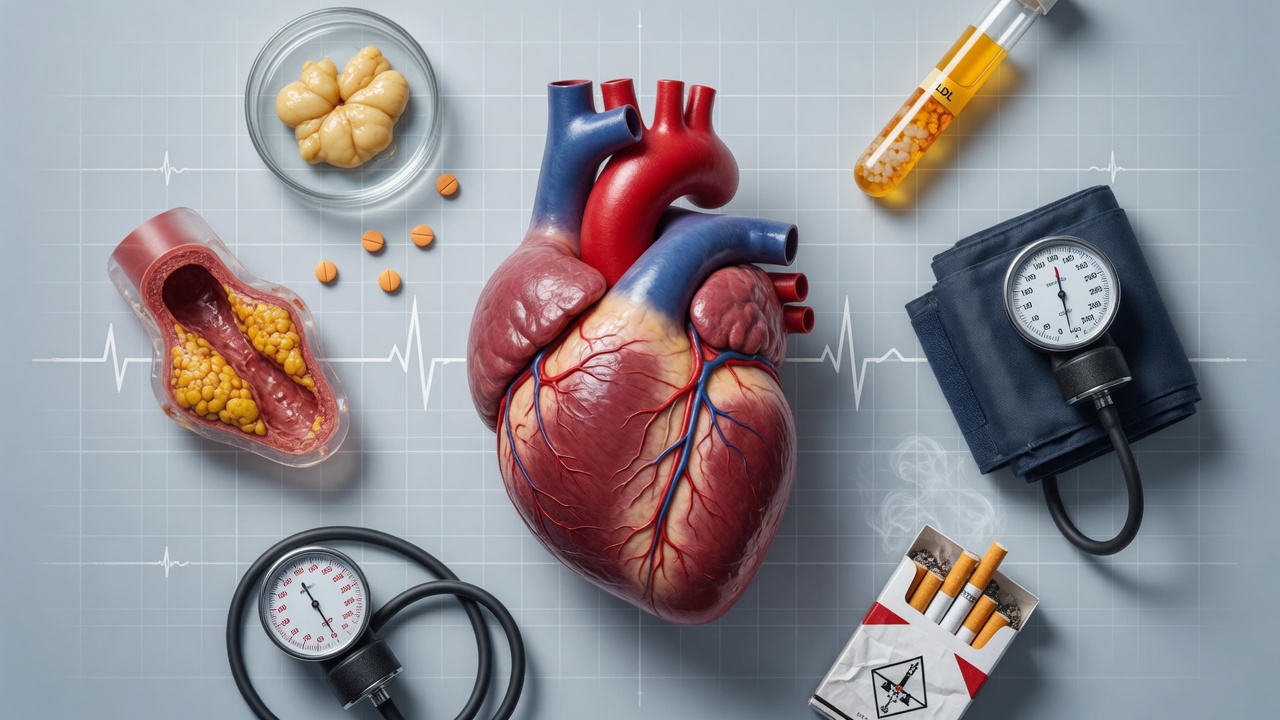
Men’s cardiovascular risk factors
08/06/2026
Understanding Men’s Cardiovascular Risk Factors
Cardiovascular risk factors refer to a range of conditions, behaviors, and biological traits that increase the likelihood of developing heart disease. These factors play a crucial role in determining men’s heart health, as they can influence the onset and progression of cardiovascular diseases, which remain one of the leading causes of death among men worldwide. Understanding these risk factors is essential in helping men make informed decisions about their lifestyle and healthcare to reduce their heart disease risk.
Men are often susceptible to unique cardiovascular risk factors, partly due to differences in genetics, hormone levels, and lifestyle habits compared to women. For example, men tend to develop heart disease at a younger age, and their risk is influenced strongly by behaviors such as smoking, excessive alcohol consumption, and dietary choices that contribute to high cholesterol and blood pressure. Additionally, men may be less likely to seek preventative healthcare, which increases their risk of undiagnosed or untreated conditions affecting heart health.
The primary cardiovascular risk factors affecting men include high blood pressure (hypertension), elevated cholesterol levels, smoking, obesity, physical inactivity, and diabetes. Each of these factors individually increases heart disease risk, but their combined effects can dramatically accelerate the damage to the cardiovascular system over time. For instance, hypertension causes increased pressure on artery walls, leading to damage and plaques that narrow the arteries, hindering blood flow and increasing the risk of heart attacks.
Over time, these risk factors negatively impact men’s heart health by promoting the development of atherosclerosis (hardening and narrowing of arteries), which can lead to serious complications such as coronary artery disease, heart failure, and stroke. The cumulative effect emphasizes the importance of identifying and managing these risk factors early through lifestyle changes and medical interventions.
Ultimately, understanding and addressing cardiovascular risk factors is vital for preserving men’s heart health. Awareness allows men to seek regular medical checkups, adopt heart-healthy habits, and reduce their heart disease risk, leading to longer, healthier lives.
Biological and Genetic Risk Factors
Cardiovascular risk in men is significantly influenced by genetics and family history, alongside male-specific biological factors. Genetics play a crucial role as certain inherited gene variations can predispose men to heart conditions by affecting cholesterol levels, blood pressure regulation, and inflammatory responses. A family history of cardiovascular disease is often a strong predictor, signaling that shared genetic factors and lifestyle habits may increase risk. Men whose close relatives have experienced heart attacks, strokes, or hypertension are typically at higher risk themselves, warranting earlier and more frequent cardiovascular screening.
Male biology contributes uniquely to cardiovascular risk, partly due to the presence of male hormones such as testosterone, which can influence fat distribution, blood vessel function, and lipid metabolism. Men tend to accumulate more visceral fat, which is associated with higher risk of atherosclerosis and heart disease. Additionally, differences in platelet function and blood clotting mechanisms between men and women may result in a greater predisposition to cardiovascular events in males. Understanding the interplay between genetics, family history, and these male-specific biological factors is essential for targeted prevention and management strategies in men.
Lifestyle and Behavioral Risk Factors
Men’s lifestyle choices play a crucial role in determining their cardiovascular health. Smoking is one of the most significant risk factors, as it damages the lining of the arteries, reduces oxygen in the blood, and raises blood pressure, all of which contribute to heart disease. An unhealthy diet, particularly one high in saturated fats, trans fats, and cholesterol, can lead to the buildup of plaques in the arteries, increasing the risk of blockages and subsequent heart attacks.
Regular exercise, or the lack thereof, also has a profound impact on heart health. Physical inactivity weakens the heart muscle, promotes weight gain, and raises the chances of developing high blood pressure and type 2 diabetes, further elevating cardiovascular risk. Conversely, consistent exercise strengthens the heart, improves circulation, and helps maintain healthy weight and cholesterol levels.
Alcohol consumption affects cardiovascular risk in a dose-dependent manner. While moderate alcohol intake may have some protective effects, excessive drinking raises blood pressure, contributes to obesity, and can cause irregular heart rhythms. For men, managing these lifestyle and behavioral risk factors—quitting smoking, adopting a balanced diet, engaging in regular physical activity, and moderating alcohol consumption—is essential to reducing the risk of heart disease and promoting long-term cardiovascular health.
Major Modifiable Risk Factors in Men
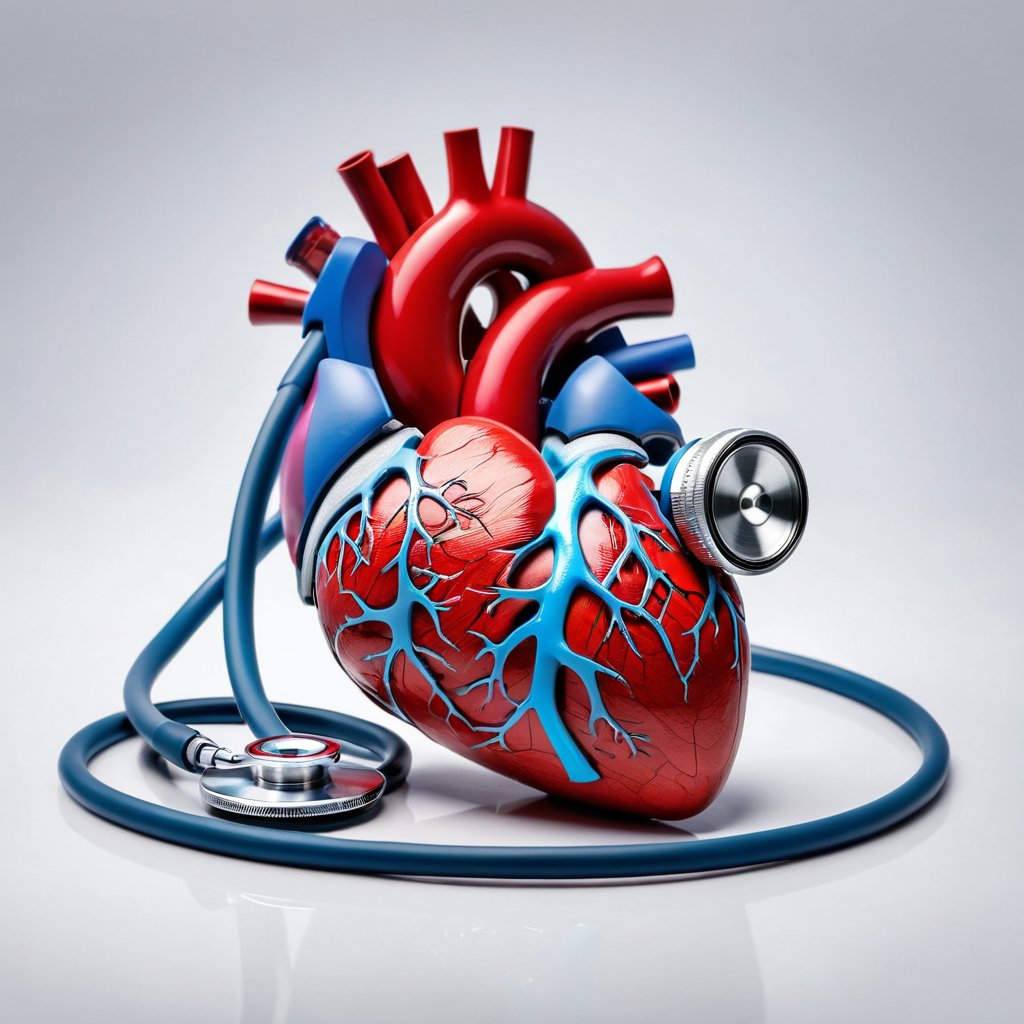
Cardiovascular disease remains a leading cause of death among men worldwide, but many risk factors contributing to its development are modifiable. Recognizing and managing these major risk factors—high blood pressure, cholesterol levels, obesity, and diabetes—can significantly reduce cardiovascular risk and improve overall heart health.
High blood pressure, or hypertension, is one of the most critical risk factors for cardiovascular disease. It forces the heart to work harder than normal, causing damage to the arteries and increasing the likelihood of heart attack and stroke. Men can manage blood pressure through lifestyle changes such as reducing sodium intake, exercising regularly, limiting alcohol consumption, and managing stress effectively. Medication may also be necessary for some to maintain healthy blood pressure levels.
Cholesterol levels, particularly elevated low-density lipoprotein (LDL) cholesterol, contribute to the buildup of plaque in the arteries, a condition called atherosclerosis that narrows and hardens the arteries. This process restricts blood flow and increases the risk of heart attack and stroke. Men can lower their cholesterol levels by adopting a heart-healthy diet low in saturated and trans fats, increasing physical activity, quitting smoking, and in some cases, taking prescribed cholesterol-lowering medications.
Obesity significantly increases the risk of cardiovascular disease by promoting conditions such as hypertension, diabetes, and abnormal cholesterol levels. Excess body fat, especially around the abdomen, places additional strain on the heart and can lead to metabolic complications. Weight management through a balanced diet and regular exercise is essential for reducing cardiovascular risk. Even modest weight loss can have meaningful health benefits for men with obesity.
Diabetes, particularly type 2 diabetes, is a major cardiovascular risk factor as it accelerates the process of atherosclerosis and increases the likelihood of hypertension and other heart-related issues. Blood sugar control plays a crucial role in minimizing damage to blood vessels and the heart. Men with diabetes should work closely with healthcare providers to manage their condition through diet, exercise, medication, and monitoring blood glucose levels.
By focusing on these modifiable risk factors—high blood pressure, cholesterol levels, obesity, and diabetes—men can take proactive steps to reduce their cardiovascular disease risk. Lifestyle modifications, regular medical check-ups, and adherence to treatment plans where necessary are essential components of successful risk management and heart health maintenance.
Hypertension and Its Effects
Hypertension, commonly known as high blood pressure, is one of the most significant cardiovascular risk factors. When blood pressure levels remain elevated over time, the heart must work harder to pump blood against the increased resistance in the arteries. This extra strain can lead to the thickening of the heart muscle, a condition known as left ventricular hypertrophy, which compromises the heart’s efficiency and increases the risk of heart failure.
High blood pressure not only affects the heart but also damages the blood vessels, accelerating atherosclerosis and increasing the likelihood of heart attacks and strokes. The persistent strain on the cardiovascular system may cause the arteries to stiffen, further escalating blood pressure and creating a dangerous cycle that heightens cardiovascular risk.
Effective management of hypertension is crucial to reducing cardiovascular risk. Lifestyle modifications such as adopting a balanced diet low in sodium, engaging in regular physical activity, maintaining a healthy weight, and limiting alcohol consumption can all help control high blood pressure. In many cases, medication prescribed by a healthcare provider is also necessary to keep blood pressure within a safe range, thus protecting the heart from further strain and lowering the risk of severe complications.
High Cholesterol and Lipid Imbalance
Cholesterol plays a significant role in influencing cardiovascular risk. Elevated levels of low-density lipoprotein (LDL) cholesterol, often referred to as “bad cholesterol,” contribute to the buildup of plaques in arterial walls, which can lead to atherosclerosis and increase the risk of heart disease. In contrast, high-density lipoprotein (HDL) cholesterol, or “good cholesterol,” helps remove LDL cholesterol from the bloodstream, thereby providing a protective effect against heart disease.
Maintaining balanced lipid levels is crucial for cardiovascular health. Lipid imbalances, characterized by high LDL cholesterol and low HDL cholesterol, heighten the risk of heart attacks and strokes. Monitoring these lipid levels regularly through blood tests can help identify risks early.
Controlling cholesterol and lipid imbalances involves lifestyle modifications such as adopting a heart-healthy diet rich in fruits, vegetables, whole grains, and healthy fats like those found in olive oil and fish. Reducing intake of saturated fats and trans fats can lower LDL cholesterol. Regular physical activity also helps increase HDL cholesterol while lowering LDL cholesterol.
In some cases, medication may be necessary to manage cholesterol effectively. Statins are commonly prescribed to lower LDL cholesterol and reduce cardiovascular risk. Working closely with a healthcare provider to monitor cholesterol and lipid levels ensures a tailored approach to managing and reducing the risk of heart disease.
Obesity and Diabetes Impact
Obesity and diabetes are significant contributors to cardiovascular problems. Excess body weight often leads to increased strain on the heart, elevated blood pressure, and higher levels of bad cholesterol, all of which heighten cardiovascular risk. Diabetes further complicates this by causing chronic high blood sugar levels, which damage blood vessels and nerves that control the heart. The combination of obesity and diabetes creates a dangerous synergy that accelerates the development of heart disease, stroke, and other cardiovascular conditions.
Effective weight management is essential to reduce these risks. Strategies include adopting a balanced diet rich in whole foods, engaging in regular physical activity, and monitoring blood sugar levels closely. Managing diabetes through medication, lifestyle changes, and frequent health check-ups can prevent or delay cardiovascular complications. Addressing obesity and diabetes together not only improves overall cardiovascular health but also enhances quality of life and longevity. Early intervention and consistent management empower individuals to control these conditions proactively, minimizing their impact on heart health.
Prevention and Risk Management Strategies for Men
Cardiovascular disease remains one of the leading health threats for men worldwide. Fortunately, prevention and risk management can significantly reduce these risks, promoting a stronger, healthier heart. Adopting a healthy lifestyle is the cornerstone of effective prevention, and men can take several proactive steps to protect their cardiovascular health.
Firstly, maintaining a balanced diet rich in fruits, vegetables, whole grains, and lean proteins supports heart health by reducing cholesterol levels and controlling blood pressure. Limiting intake of saturated fats, trans fats, and excessive sodium is important for preventing arterial damage. Incorporating heart-healthy fats such as those found in nuts, seeds, and fatty fish also contributes positively to cardiovascular function.
Regular physical activity plays a vital role in risk management. Engaging in at least 150 minutes of moderate aerobic exercise or 75 minutes of vigorous exercise weekly helps improve circulation, decrease blood pressure, and manage weight. Exercise additionally reduces stress, another significant factor in heart disease.
Smoking cessation is one of the most impactful changes a man can make to prevent cardiovascular issues. Tobacco use damages blood vessels and raises the risk of heart attacks and strokes. Eliminating smoking and avoiding secondhand smoke contribute to stronger arterial health.
Managing chronic conditions such as hypertension, diabetes, and high cholesterol with the help of healthcare professionals is crucial. Regular check-ups and adherence to prescribed medications ensure that these conditions do not escalate cardiovascular risks.
Stress management techniques such as mindfulness, meditation, deep-breathing exercises, and adequate sleep are valuable heart health tips that help reduce the physical toll of chronic stress on the cardiovascular system.
In summary, prevention and risk management for men involve an integrated approach: embracing a healthy lifestyle, avoiding harmful habits, engaging in regular exercise, managing existing health conditions, and employing effective stress reduction strategies. By prioritizing these actions, men can significantly lower their cardiovascular risk factors and support long-term heart health.
Dietary and Physical Activity Recommendations
Maintaining a healthy diet is essential for promoting cardio health and reducing risk factors associated with cardiovascular diseases. Focus on consuming a variety of nutrient-rich foods including fruits, vegetables, whole grains, lean proteins, and healthy fats such as those found in nuts and olive oil. Limit your intake of processed foods, added sugars, and unhealthy saturated or trans fats to support optimal heart function.
Regular exercise plays a crucial role in strengthening the heart, improving circulation, and managing weight. Aim for at least 150 minutes of moderate-intensity aerobic exercise, such as brisk walking, cycling, or swimming, each week. Incorporating strength training exercises twice a week can further enhance cardiovascular health and muscle tone.
Combining a balanced nutrition plan with consistent physical activity helps regulate blood pressure, cholesterol levels, and blood sugar—key factors in minimizing cardiovascular risk. Staying hydrated and moderating alcohol consumption further support heart health. Remember to consult with healthcare professionals to tailor a diet and exercise routine that meets your individual health needs and goals.
Regular Screening and Medical Interventions
Regular screening plays a crucial role in the early detection and management of men’s cardiovascular risk factors. Routine medical checkups help identify warning signs before symptoms appear, allowing for timely intervention and prevention of serious complications. Screenings typically include blood pressure measurement, cholesterol level tests, blood sugar assessments, and evaluations of body weight and lifestyle habits. These tests provide essential data that enable healthcare professionals to assess individual risk profiles and recommend appropriate lifestyle changes or treatments.
Medical interventions become necessary when screening results indicate elevated risk factors or existing cardiovascular conditions. Physicians may prescribe medications such as antihypertensives, cholesterol-lowering drugs, or blood sugar regulators to manage these risks effectively. These treatments aim to control underlying causes, reduce the likelihood of heart attacks, strokes, and other cardiovascular events, and improve overall health outcomes. Adherence to prescribed medication regimens alongside lifestyle modifications often yields the best results.
The importance of regular screenings cannot be overstated, as early detection allows for proactive management rather than reactive treatment. Men should consult their healthcare provider to establish an appropriate screening schedule based on age, family history, and lifestyle factors. In summary, consistent monitoring combined with timely medical interventions is essential for reducing cardiovascular risk and promoting long-term heart health.

Having spent the last decade navigating the ups and downs of strength training and mindful living, I am passionate about sharing practical strategies for holistic male wellness. My focus is on balancing physical resilience with mental clarity, drawing from personal experience to help men lead more purposeful lives.