
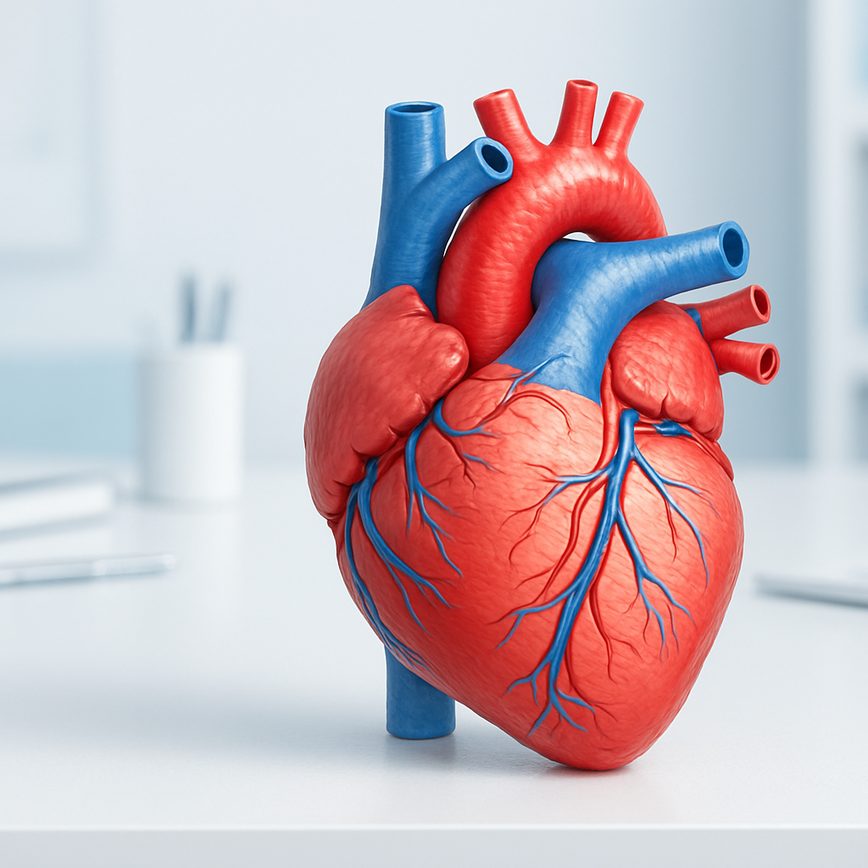
Heart health tips for men
04/05/2026
Smoking is another significant risk factor that negatively affects men’s heart health. Tobacco smoke contains chemicals that harm the heart and blood vessels, leading to narrowed arteries, increased blood pressure, and higher chances of clot formation. Men who smoke are at a significantly elevated risk of developing heart disease compared to non-smokers, highlighting the importance of smoking cessation for reducing cardiovascular risk factors.
Family history also plays an important role in men’s cardiovascular risks. A history of heart disease in immediate relatives can increase a man’s likelihood of developing similar conditions. Genetic predispositions may affect cholesterol levels, blood pressure, and other factors influencing heart health. Men with a family history of heart disease should work closely with healthcare providers to monitor and mitigate risks effectively.
By recognizing and addressing these common heart disease risks — high blood pressure, smoking, and family history — men can better protect their cardiovascular health and reduce the likelihood of serious heart conditions.
Symptoms of Heart Problems in Men
Recognizing heart symptoms early is crucial for men to prevent serious cardiac events. Men may experience classic signs such as chest pain or discomfort, which can feel like pressure, tightness, or squeezing in the chest. However, men’s heart attack signs can also be less obvious, including pain or discomfort spreading to the jaw, neck, back, or arms.
Other cardiac symptoms to watch for include shortness of breath, which may occur with or without chest pain. Men might also experience cold sweats, nausea, or lightheadedness. Fatigue that is unusual and persistent can be a subtle but important indicator of heart trouble. These symptoms should never be ignored, especially if they appear suddenly or worsen over time.
Sometimes men may dismiss these signs as indigestion, muscle strain, or simply fatigue, which can delay critical treatment. It is important to act quickly; if you or someone else is experiencing these heart symptoms, seek emergency medical help immediately. Early intervention can save lives and reduce the impact of heart disease.
Lifestyle Changes to Improve Heart Health
Adopting a heart healthy lifestyle is essential for men looking to improve their cardiovascular health and reduce the risk of heart disease. Several actionable lifestyle changes can make a significant difference in how your heart functions and overall well-being. Key areas to focus on include regular exercise for heart health, a nutritious diet, and managing stress effectively.
Exercise plays a critical role in maintaining heart health. Men should aim for at least 150 minutes of moderate-intensity aerobic exercise, such as brisk walking, cycling, or swimming, every week. This level of physical activity improves blood circulation, strengthens the heart muscle, and helps regulate blood pressure. Additionally, including strength training exercises twice a week further supports cardiovascular health by improving muscle mass and metabolism.
Diet and heart health are closely linked, making dietary changes a fundamental step in achieving a heart healthy lifestyle. Focus on consuming plenty of fruits, vegetables, whole grains, and lean proteins while limiting saturated fats, trans fats, and added sugars. Foods rich in omega-3 fatty acids, such as salmon, walnuts, and flaxseeds, provide heart-protective benefits. Reducing sodium intake also significantly helps in controlling blood pressure, which is vital for heart health.
Beyond exercise and diet, incorporating stress management techniques like meditation, yoga, or deep breathing exercises can positively affect heart health. Chronic stress has been linked to increased blood pressure and inflammation, factors that contribute to heart disease. Getting adequate sleep and avoiding tobacco use are also important lifestyle choices that promote a healthy heart.
By integrating these lifestyle changes—regular exercise for heart health, a balanced diet, effective stress management, and avoiding harmful habits—men can take proactive steps to protect their heart. Embracing these habits not only enhances cardiovascular health but also improves overall quality of life.
Heart-Boosting Diet Tips for Men
Maintaining a heart-healthy diet is crucial for men who want to support their cardiovascular system and reduce the risk of heart disease. Nutrition for heart health focuses on foods that are rich in essential nutrients while avoiding those that can harm your heart. Incorporating plenty of fruits and vegetables into your meals provides antioxidants and fiber that help lower cholesterol and improve blood pressure.
Opt for whole grains such as oats, quinoa, and brown rice, which offer steady energy and help maintain healthy blood sugar levels. Including fatty fish like salmon, mackerel, and sardines supplies omega-3 fatty acids, known for their anti-inflammatory properties and ability to reduce triglycerides. Nuts and seeds are also excellent choices for heart health, delivering beneficial fats and plant-based protein.
On the other hand, men should minimize consumption of saturated and trans fats found in fried foods, processed snacks, and fatty cuts of meat, which raise bad cholesterol and increase heart disease risk. Limiting added sugars and excessive salt intake is equally important to prevent high blood pressure and inflammation. Instead, season meals with herbs and spices to enhance flavor without added sodium.
By centering your diet around nutrient-rich, heart-friendly options and avoiding harmful foods, you can significantly improve your heart health and overall well-being. Remember, a consistent heart-healthy diet is a powerful tool in maintaining a strong and resilient heart for years to come.
Effective Exercise Routines
Engaging in regular exercise is crucial for maintaining heart health, especially for men. The best exercise for heart health includes cardio workouts such as brisk walking, running, cycling, and swimming. These activities increase your heart rate and improve cardiovascular endurance, which helps strengthen the heart muscle, improve blood circulation, and reduce the risk of heart disease.
Men should aim for at least 150 minutes of moderate-intensity aerobic physical activity each week, such as brisk walking or light cycling, or 75 minutes of vigorous-intensity aerobic activity like running or aerobic dancing. Incorporating muscle-strengthening exercises on two or more days a week is also recommended to support overall cardiovascular fitness and maintain muscle health.
Consistency matters more than intensity for long-term heart health benefits. Even short sessions of cardio workouts spread throughout the week can contribute significantly to improving heart function and reducing blood pressure. It’s important to gradually increase the duration and intensity of physical activity to avoid injury and maintain motivation.
In summary, combining various types of exercises, including cardio workouts and strength training, along with maintaining a regular schedule of physical activity, is essential for protecting and enhancing heart health in men. Staying active is a powerful way to support your cardiovascular system and overall well-being.
Stress Management and Heart Health
Stress plays a significant role in impacting heart health, contributing to an increased risk of cardiovascular diseases. Chronic stress triggers the release of stress hormones such as cortisol and adrenaline, which can elevate blood pressure, increase heart rate, and promote inflammation in the arteries. Over time, these effects can lead to damage in the cardiovascular system, heightening the risk of heart attacks and strokes. Understanding the link between stress and cardiovascular risk is essential for maintaining both mental health and heart wellness.
Effective stress reduction techniques can help mitigate these risks and support a healthy heart. Incorporating regular physical activity into your routine not only lowers stress hormones but also improves blood circulation and heart function. Mindfulness practices such as meditation, deep breathing exercises, and yoga have been shown to reduce stress levels by calming the nervous system and promoting relaxation. Additionally, maintaining strong social connections and seeking support when needed can improve resilience against stress and its harmful effects on the heart.
Prioritizing quality sleep and adopting healthy lifestyle habits, including a balanced diet and limiting caffeine and alcohol intake, further contribute to managing stress effectively. By addressing both the mental health and heart aspects of stress, men can reduce their overall cardiovascular risk and foster long-term heart health. Incorporating these stress management techniques can be a powerful step toward a healthier, happier life.
Preventive Measures and Regular Screenings
Preventing heart disease is essential for maintaining long-term health, especially in men who may be at higher risk due to lifestyle or hereditary factors. Heart disease prevention begins with adopting a proactive approach through preventive healthcare men can rely on, which centers around regular health checks and timely screenings. These health screenings are critical tools that help detect early-warning signs before any symptoms arise, allowing for timely interventions and improved outcomes.
Heart health screenings often include measuring blood pressure, cholesterol levels, blood sugar, and assessing body mass index (BMI). These metrics provide invaluable information about cardiovascular risk factors. Early detection of high blood pressure or elevated cholesterol can prompt lifestyle modifications or medical treatment that significantly lowers the chance of developing serious heart conditions. This level of vigilance underscores why preventive healthcare men engage in is so vital.
In addition to routine checkups with a primary care provider, specialized heart health screenings such as electrocardiograms (EKG/ECG), stress tests, and echocardiograms may be recommended based on individual risk profiles. Men with a family history of heart disease, smokers, or those with diabetes should especially prioritize these screenings. The guidance and follow-up care derived from these preventive measures actively contribute to minimizing the risk of heart attacks and strokes.
Heart disease prevention is not solely about screening but about embracing a comprehensive mindset of health awareness. Men are encouraged to discuss their heart disease risk factors openly with their healthcare providers and to schedule regular health evaluations. Preventive care promotes early detection, which in turn facilitates better management and avoidance of complications with heart conditions.
By integrating heart health screenings into routine preventive healthcare men adopt, it becomes possible to detect potential issues at an early stage, reduce risk factors, and lead a healthier life. This steadfast approach to prevention highlights the crucial role that regular checkups and screenings play in guarding against heart disease and supports overall well-being.
Recommended Heart Health Screenings for Men
Maintaining heart health is crucial for men, and regular screenings help detect potential issues early. Here are the key heart health checkups every man should get routinely for effective prevention:
- Cholesterol tests: It’s essential to have your cholesterol levels checked at least once every 4 to 6 years starting at age 20, or more frequently if you have risk factors like diabetes or a family history of heart disease.
- Blood pressure screening: Men should monitor their blood pressure at least once every 1 to 2 years to catch any rise early. If you have elevated blood pressure or other risk factors, screenings may be needed more often.
- Heart health checkups: Regular visits to your healthcare provider for a comprehensive heart health evaluation, including lifestyle assessments and risk factor discussions, are recommended annually after age 40 or earlier if there is a significant family or personal risk.
- Blood sugar tests: Since diabetes increases heart disease risk, men should have blood sugar checked every 3 years from age 45 or earlier if overweight or with other risk factors.
- Body mass index (BMI) and waist circumference measurement: These are simple but important tools to assess obesity-related risk factors and should be monitored at each health checkup.
Routine screenings like cholesterol tests and blood pressure screening are critical tools in preventing heart disease among men. Staying proactive with these checks empowers you to maintain a healthy heart and reduce the risk of complications.
Medications and Supplements for Heart Health
Maintaining heart health sometimes requires more than lifestyle changes alone, and this is where heart medications and supplements come into play. Common heart medications include cholesterol-lowering drugs such as statins, which help reduce LDL cholesterol levels and minimize the risk of heart attack or stroke. These medications are typically recommended for individuals with high cholesterol, a history of heart disease, or other risk factors such as diabetes or hypertension.
In addition to prescription medications, certain heart health supplements can support cardiovascular function. Omega-3 fatty acids, found in fish oil supplements, have been shown to aid in reducing triglycerides and inflammation. Coenzyme Q10 (CoQ10) is another supplement that may improve energy production in heart cells and has antioxidant properties. However, supplements should never replace medications prescribed by a healthcare professional but rather complement a holistic heart health strategy.
It is important to consult with a healthcare provider before starting any new heart medications or heart health supplements to ensure they are appropriate for your individual health needs and to avoid potential interactions. Proper use of these treatments, combined with a balanced diet, regular exercise, and smoking cessation, can greatly enhance heart health and longevity.
Understanding Men’s Heart Health
Men’s heart health is a critical aspect of overall well-being that deserves focused attention due to the unique risks and challenges men face regarding cardiovascular health. Heart disease in men remains the leading cause of death globally, underscoring the importance of understanding and managing heart health proactively. Men tend to develop heart disease earlier than women, often due to differences in lifestyle, genetics, and biological factors.
Cardiovascular health in men is influenced by several risk factors that contribute significantly to heart disease. Common risks include high blood pressure, high cholesterol levels, smoking, obesity, poor diet, physical inactivity, and excessive alcohol consumption. Moreover, men are more prone to stress and unhealthy coping mechanisms, which can exacerbate the risk. The prevalence of these factors makes it vital for men to adopt heart-healthy behaviors early in life to reduce their chances of developing cardiovascular conditions.
Statistics highlight the urgency of this health issue: nearly one in four men dies from heart disease, with coronary artery disease being the most common diagnosis. Men between the ages of 45 and 65 are particularly vulnerable, as the risk increases with age and the presence of other health issues such as diabetes or metabolic syndrome. Additionally, men often experience heart attacks at a younger age than women, which calls for increased awareness and preventive measures.
Understanding men’s heart health involves recognizing how symptoms might differ from those typically seen in women. Men often experience the classic chest pain during a heart attack, whereas symptoms can be more subtle or varied in women. Despite this, many men tend to ignore early warning signs or delay seeking medical help, which contributes to poorer outcomes. Education and regular health screenings play a crucial role in early detection and management of heart disease in men.
In summary, prioritizing men’s heart health is essential for reducing the burden of cardiovascular disease. By addressing key risk factors and understanding the specific challenges men face, it is possible to improve heart health outcomes significantly. Embracing a heart-healthy lifestyle, including balanced nutrition, regular exercise, stress reduction, and routine medical check-ups, can help men live longer, healthier lives free from the devastating impacts of heart disease.
Common Heart Disease Risks for Men
Understanding heart disease risks is crucial for maintaining men’s health. Several cardiovascular risk factors are more prevalent or impactful in men, making awareness and prevention essential. High blood pressure, or hypertension, is a leading contributor to heart disease in men. It forces the heart to work harder than normal, which can lead to damage of the arteries and increase the risk of heart attacks and strokes. Regular monitoring and managing blood pressure through lifestyle changes or medication is vital.
Smoking is another significant risk factor that negatively affects men’s heart health. Tobacco smoke contains chemicals that harm the heart and blood vessels, leading to narrowed arteries, increased blood pressure, and higher chances of clot formation. Men who smoke are at a significantly elevated risk of developing heart disease compared to non-smokers, highlighting the importance of smoking cessation for reducing cardiovascular risk factors.
Family history also plays an important role in men’s cardiovascular risks. A history of heart disease in immediate relatives can increase a man’s likelihood of developing similar conditions. Genetic predispositions may affect cholesterol levels, blood pressure, and other factors influencing heart health. Men with a family history of heart disease should work closely with healthcare providers to monitor and mitigate risks effectively.
By recognizing and addressing these common heart disease risks — high blood pressure, smoking, and family history — men can better protect their cardiovascular health and reduce the likelihood of serious heart conditions.
Symptoms of Heart Problems in Men
Recognizing heart symptoms early is crucial for men to prevent serious cardiac events. Men may experience classic signs such as chest pain or discomfort, which can feel like pressure, tightness, or squeezing in the chest. However, men’s heart attack signs can also be less obvious, including pain or discomfort spreading to the jaw, neck, back, or arms.
Other cardiac symptoms to watch for include shortness of breath, which may occur with or without chest pain. Men might also experience cold sweats, nausea, or lightheadedness. Fatigue that is unusual and persistent can be a subtle but important indicator of heart trouble. These symptoms should never be ignored, especially if they appear suddenly or worsen over time.
Sometimes men may dismiss these signs as indigestion, muscle strain, or simply fatigue, which can delay critical treatment. It is important to act quickly; if you or someone else is experiencing these heart symptoms, seek emergency medical help immediately. Early intervention can save lives and reduce the impact of heart disease.
Lifestyle Changes to Improve Heart Health
Adopting a heart healthy lifestyle is essential for men looking to improve their cardiovascular health and reduce the risk of heart disease. Several actionable lifestyle changes can make a significant difference in how your heart functions and overall well-being. Key areas to focus on include regular exercise for heart health, a nutritious diet, and managing stress effectively.
Exercise plays a critical role in maintaining heart health. Men should aim for at least 150 minutes of moderate-intensity aerobic exercise, such as brisk walking, cycling, or swimming, every week. This level of physical activity improves blood circulation, strengthens the heart muscle, and helps regulate blood pressure. Additionally, including strength training exercises twice a week further supports cardiovascular health by improving muscle mass and metabolism.
Diet and heart health are closely linked, making dietary changes a fundamental step in achieving a heart healthy lifestyle. Focus on consuming plenty of fruits, vegetables, whole grains, and lean proteins while limiting saturated fats, trans fats, and added sugars. Foods rich in omega-3 fatty acids, such as salmon, walnuts, and flaxseeds, provide heart-protective benefits. Reducing sodium intake also significantly helps in controlling blood pressure, which is vital for heart health.
Beyond exercise and diet, incorporating stress management techniques like meditation, yoga, or deep breathing exercises can positively affect heart health. Chronic stress has been linked to increased blood pressure and inflammation, factors that contribute to heart disease. Getting adequate sleep and avoiding tobacco use are also important lifestyle choices that promote a healthy heart.
By integrating these lifestyle changes—regular exercise for heart health, a balanced diet, effective stress management, and avoiding harmful habits—men can take proactive steps to protect their heart. Embracing these habits not only enhances cardiovascular health but also improves overall quality of life.
Heart-Boosting Diet Tips for Men
Maintaining a heart-healthy diet is crucial for men who want to support their cardiovascular system and reduce the risk of heart disease. Nutrition for heart health focuses on foods that are rich in essential nutrients while avoiding those that can harm your heart. Incorporating plenty of fruits and vegetables into your meals provides antioxidants and fiber that help lower cholesterol and improve blood pressure.
Opt for whole grains such as oats, quinoa, and brown rice, which offer steady energy and help maintain healthy blood sugar levels. Including fatty fish like salmon, mackerel, and sardines supplies omega-3 fatty acids, known for their anti-inflammatory properties and ability to reduce triglycerides. Nuts and seeds are also excellent choices for heart health, delivering beneficial fats and plant-based protein.
On the other hand, men should minimize consumption of saturated and trans fats found in fried foods, processed snacks, and fatty cuts of meat, which raise bad cholesterol and increase heart disease risk. Limiting added sugars and excessive salt intake is equally important to prevent high blood pressure and inflammation. Instead, season meals with herbs and spices to enhance flavor without added sodium.
By centering your diet around nutrient-rich, heart-friendly options and avoiding harmful foods, you can significantly improve your heart health and overall well-being. Remember, a consistent heart-healthy diet is a powerful tool in maintaining a strong and resilient heart for years to come.
Effective Exercise Routines
Engaging in regular exercise is crucial for maintaining heart health, especially for men. The best exercise for heart health includes cardio workouts such as brisk walking, running, cycling, and swimming. These activities increase your heart rate and improve cardiovascular endurance, which helps strengthen the heart muscle, improve blood circulation, and reduce the risk of heart disease.
Men should aim for at least 150 minutes of moderate-intensity aerobic physical activity each week, such as brisk walking or light cycling, or 75 minutes of vigorous-intensity aerobic activity like running or aerobic dancing. Incorporating muscle-strengthening exercises on two or more days a week is also recommended to support overall cardiovascular fitness and maintain muscle health.
Consistency matters more than intensity for long-term heart health benefits. Even short sessions of cardio workouts spread throughout the week can contribute significantly to improving heart function and reducing blood pressure. It’s important to gradually increase the duration and intensity of physical activity to avoid injury and maintain motivation.
In summary, combining various types of exercises, including cardio workouts and strength training, along with maintaining a regular schedule of physical activity, is essential for protecting and enhancing heart health in men. Staying active is a powerful way to support your cardiovascular system and overall well-being.
Stress Management and Heart Health
Stress plays a significant role in impacting heart health, contributing to an increased risk of cardiovascular diseases. Chronic stress triggers the release of stress hormones such as cortisol and adrenaline, which can elevate blood pressure, increase heart rate, and promote inflammation in the arteries. Over time, these effects can lead to damage in the cardiovascular system, heightening the risk of heart attacks and strokes. Understanding the link between stress and cardiovascular risk is essential for maintaining both mental health and heart wellness.
Effective stress reduction techniques can help mitigate these risks and support a healthy heart. Incorporating regular physical activity into your routine not only lowers stress hormones but also improves blood circulation and heart function. Mindfulness practices such as meditation, deep breathing exercises, and yoga have been shown to reduce stress levels by calming the nervous system and promoting relaxation. Additionally, maintaining strong social connections and seeking support when needed can improve resilience against stress and its harmful effects on the heart.
Prioritizing quality sleep and adopting healthy lifestyle habits, including a balanced diet and limiting caffeine and alcohol intake, further contribute to managing stress effectively. By addressing both the mental health and heart aspects of stress, men can reduce their overall cardiovascular risk and foster long-term heart health. Incorporating these stress management techniques can be a powerful step toward a healthier, happier life.
Preventive Measures and Regular Screenings
Preventing heart disease is essential for maintaining long-term health, especially in men who may be at higher risk due to lifestyle or hereditary factors. Heart disease prevention begins with adopting a proactive approach through preventive healthcare men can rely on, which centers around regular health checks and timely screenings. These health screenings are critical tools that help detect early-warning signs before any symptoms arise, allowing for timely interventions and improved outcomes.
Heart health screenings often include measuring blood pressure, cholesterol levels, blood sugar, and assessing body mass index (BMI). These metrics provide invaluable information about cardiovascular risk factors. Early detection of high blood pressure or elevated cholesterol can prompt lifestyle modifications or medical treatment that significantly lowers the chance of developing serious heart conditions. This level of vigilance underscores why preventive healthcare men engage in is so vital.
In addition to routine checkups with a primary care provider, specialized heart health screenings such as electrocardiograms (EKG/ECG), stress tests, and echocardiograms may be recommended based on individual risk profiles. Men with a family history of heart disease, smokers, or those with diabetes should especially prioritize these screenings. The guidance and follow-up care derived from these preventive measures actively contribute to minimizing the risk of heart attacks and strokes.
Heart disease prevention is not solely about screening but about embracing a comprehensive mindset of health awareness. Men are encouraged to discuss their heart disease risk factors openly with their healthcare providers and to schedule regular health evaluations. Preventive care promotes early detection, which in turn facilitates better management and avoidance of complications with heart conditions.
By integrating heart health screenings into routine preventive healthcare men adopt, it becomes possible to detect potential issues at an early stage, reduce risk factors, and lead a healthier life. This steadfast approach to prevention highlights the crucial role that regular checkups and screenings play in guarding against heart disease and supports overall well-being.
Recommended Heart Health Screenings for Men
Maintaining heart health is crucial for men, and regular screenings help detect potential issues early. Here are the key heart health checkups every man should get routinely for effective prevention:
- Cholesterol tests: It’s essential to have your cholesterol levels checked at least once every 4 to 6 years starting at age 20, or more frequently if you have risk factors like diabetes or a family history of heart disease.
- Blood pressure screening: Men should monitor their blood pressure at least once every 1 to 2 years to catch any rise early. If you have elevated blood pressure or other risk factors, screenings may be needed more often.
- Heart health checkups: Regular visits to your healthcare provider for a comprehensive heart health evaluation, including lifestyle assessments and risk factor discussions, are recommended annually after age 40 or earlier if there is a significant family or personal risk.
- Blood sugar tests: Since diabetes increases heart disease risk, men should have blood sugar checked every 3 years from age 45 or earlier if overweight or with other risk factors.
- Body mass index (BMI) and waist circumference measurement: These are simple but important tools to assess obesity-related risk factors and should be monitored at each health checkup.
Routine screenings like cholesterol tests and blood pressure screening are critical tools in preventing heart disease among men. Staying proactive with these checks empowers you to maintain a healthy heart and reduce the risk of complications.
Medications and Supplements for Heart Health
Maintaining heart health sometimes requires more than lifestyle changes alone, and this is where heart medications and supplements come into play. Common heart medications include cholesterol-lowering drugs such as statins, which help reduce LDL cholesterol levels and minimize the risk of heart attack or stroke. These medications are typically recommended for individuals with high cholesterol, a history of heart disease, or other risk factors such as diabetes or hypertension.
In addition to prescription medications, certain heart health supplements can support cardiovascular function. Omega-3 fatty acids, found in fish oil supplements, have been shown to aid in reducing triglycerides and inflammation. Coenzyme Q10 (CoQ10) is another supplement that may improve energy production in heart cells and has antioxidant properties. However, supplements should never replace medications prescribed by a healthcare professional but rather complement a holistic heart health strategy.
It is important to consult with a healthcare provider before starting any new heart medications or heart health supplements to ensure they are appropriate for your individual health needs and to avoid potential interactions. Proper use of these treatments, combined with a balanced diet, regular exercise, and smoking cessation, can greatly enhance heart health and longevity.

Having spent the last decade navigating the ups and downs of strength training and mindful living, I am passionate about sharing practical strategies for holistic male wellness. My focus is on balancing physical resilience with mental clarity, drawing from personal experience to help men lead more purposeful lives.