
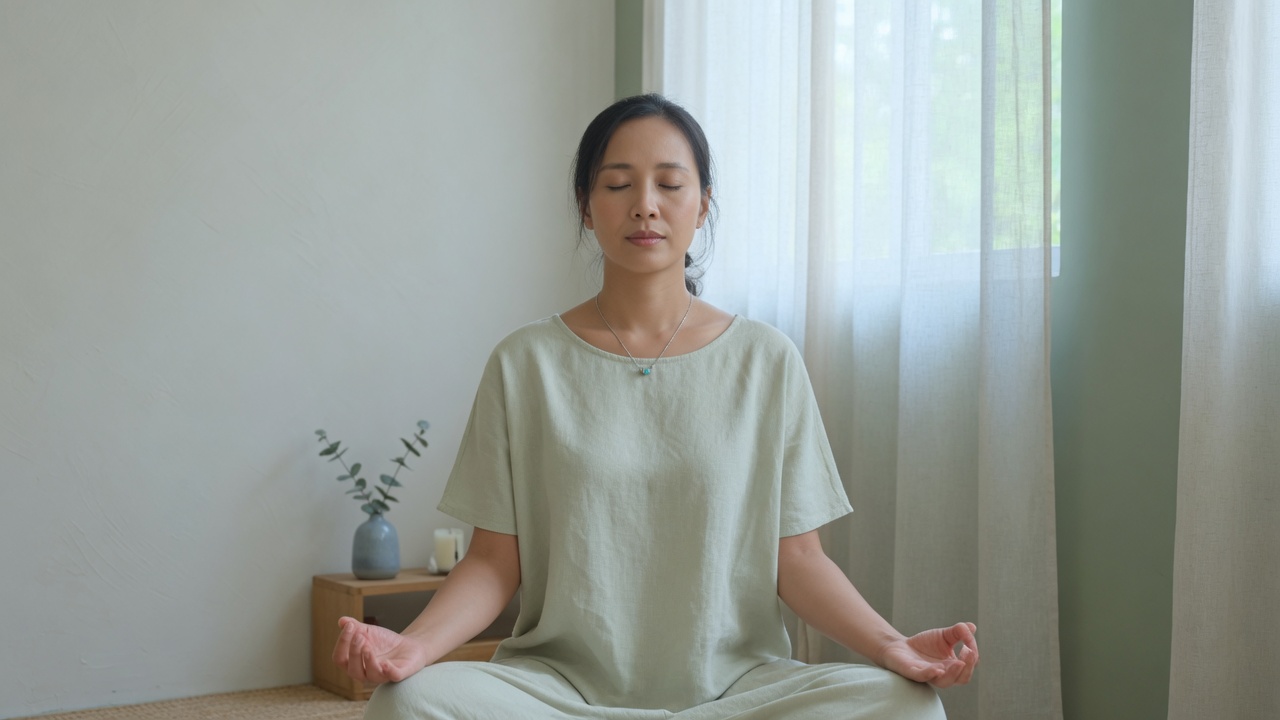
Stress reduction through meditation
10/06/2026
Understanding Stress and Its Effects
Stress is a natural response of the body to any demand or challenge that disrupts its balance. It is a complex process that involves both the mind and the body reacting to perceived threats or pressure. While occasional stress can be beneficial by motivating action and alertness, chronic stress can have detrimental effects on overall health. Understanding stress effects is crucial to recognizing its impact on mental health and physical health.
Common causes of stress include work pressure, financial difficulties, relationship problems, major life changes, and ongoing health concerns. Environmental factors such as noise, overcrowding, or unsafe surroundings can also trigger stress responses. Each individual’s sensitivity to stressors varies, but the body’s reaction remains similar, activating the release of hormones like cortisol and adrenaline to prepare for a “fight or flight” response.
The symptoms of stress manifest in various ways. Mentally, stress may cause anxiety, irritability, difficulty concentrating, and feelings of overwhelm. Physically, it can lead to headaches, muscle tension, fatigue, sleep disturbances, and digestive issues. These stress symptoms are signals from the body indicating that it is under strain and needs attention.
Prolonged exposure to stress affects mental health by increasing the risk of developing anxiety disorders, depression, and other mood disorders. It can impair memory, reduce decision-making ability, and decrease overall cognitive function. Stress also compromises the immune system, making the body more susceptible to illnesses.
Physically, chronic stress contributes to high blood pressure, cardiovascular disease, obesity, diabetes, and other serious health conditions. It causes inflammation in the body, which plays a role in many chronic diseases. Moreover, stress can worsen existing health conditions and hinder recovery from illness or injury.
In summary, recognizing stress effects and stress symptoms is essential to maintaining both mental health and physical health. By understanding what stress is and how it impacts the body, individuals can take proactive steps to manage stress and enhance their well-being.
Types of Stress
Stress manifests in several distinct forms, each impacting daily life differently. Understanding the types of stress—acute stress, chronic stress, and episodic stress—helps in recognizing how they affect our well-being and enable better management through techniques like meditation.
Acute stress is the most common and short-lived type. It arises from immediate pressures or demands, such as meeting a deadline, dealing with a minor accident, or preparing for a presentation. This type of stress triggers a rapid response in the body, inducing heightened alertness and energy. Although intense, acute stress typically resolves quickly once the situation is over, making it manageable.
Chronic stress, on the other hand, persists over a prolonged period and is usually the result of ongoing pressures such as financial problems, a difficult work environment, or long-term caregiving responsibilities. Unlike acute stress, chronic stress can be detrimental as it keeps the body in a constant state of alertness, potentially leading to serious health issues like heart disease or depression if left unaddressed.
Episodic stress falls between acute and chronic stress, characterized by frequent episodes of acute stress. It is common in individuals with chaotic lifestyles or those who often take on more than they can handle. This type can lead to a persistent sense of crisis and anxiety but can be managed effectively once recognized and treated.
Recognizing whether you are experiencing acute, chronic, or episodic stress is essential in selecting the right meditation and stress reduction practices to restore balance and improve overall health.
Impact of Stress on the Body
Prolonged stress has significant physiological and psychological effects on the body, influencing overall health and well-being. The stress impact begins with the activation of the body’s stress response system, which triggers the release of hormones like cortisol and adrenaline. These hormones prepare the body to deal with immediate threats but, when elevated over extended periods, can lead to detrimental health effects.
Physiologically, chronic stress can disrupt the normal functioning of the immune system, making the body more vulnerable to infections and illnesses. This stress and immune system interaction is complex, as continuous exposure to stress hormones can suppress the immune response, reducing the ability to fight off pathogens effectively. Additionally, prolonged stress is linked to cardiovascular problems, digestive issues, and increased inflammation, which may contribute to chronic diseases.
Psychologically, the impact of stress is equally profound. It can lead to heightened anxiety, depression, and cognitive impairments such as memory difficulties and reduced concentration. Persistent stress influences brain structures involved in emotional regulation and decision-making, contributing to mental health disorders. Understanding these stress health effects is crucial for managing stress and mitigating its adverse consequences on both mind and body.
How Meditation Reduces Stress
Meditation benefits stress reduction through both scientific and psychological mechanisms that impact the mind and body in profound ways. Mindfulness meditation, a widely researched relaxation technique, encourages individuals to focus on the present moment, observing their thoughts and feelings without judgment. This practice calms the mind and helps break the cycle of rumination and anxiety that often fuels stress.
From a scientific perspective, meditation influences the autonomic nervous system, shifting the balance from the sympathetic “fight or flight” response to the parasympathetic “rest and digest” state. This shift lowers cortisol levels, the body’s primary stress hormone, leading to reduced heart rate, blood pressure, and muscle tension. As cortisol decreases, the brain’s emotional centers, like the amygdala, become less reactive to stress triggers, promoting a calmer mental state.
Psychologically, meditation fosters increased awareness and self-regulation. Regular practice enhances one’s ability to recognize stress signals early and respond thoughtfully rather than reacting impulsively. Mindfulness meditation strengthens the prefrontal cortex, the brain region responsible for executive functions such as decision-making, emotional regulation, and attention control. Improved function in this area helps individuals maintain perspective, reduce negative thought patterns, and build resilience against stress.
Relaxation techniques embedded within meditation, like controlled breathing and progressive muscle relaxation, further contribute to stress reduction. Slow, deep breaths activate the vagus nerve, which promotes relaxation and counteracts the stress response. These techniques can be easily incorporated into daily routines, empowering people to manage stress proactively.
Overall, the synergy of physiological calm and psychological clarity achieved through meditation creates a powerful tool for stress reduction. By cultivating mindfulness meditation habits, individuals can experience sustained improvements in both mental and physical well-being, making it an essential component of holistic stress management.
Scientific Evidence Supporting Meditation
Scientific research has increasingly validated the effectiveness of meditation in reducing stress. Numerous meditation research studies have shown that regular meditation practice significantly lowers cortisol levels, the hormone associated with stress. By decreasing cortisol, meditation helps mitigate the physiological impacts of chronic stress on the body.
Brain changes have also been documented in stress relief studies involving meditation. Neuroimaging research indicates that meditation leads to increased grey matter density in regions of the brain responsible for emotional regulation and self-control, such as the prefrontal cortex and hippocampus. These changes enhance the brain’s ability to manage stress responses more effectively.
Moreover, meditation research highlights improvements in autonomic nervous system function, often measured by heart rate variability, promoting relaxation and recovery after stress exposure. Studies have also found that mindfulness meditation reduces activity in the amygdala, a key brain area involved in processing fear and anxiety, further supporting stress relief.
Overall, the accumulation of scientific evidence from stress relief studies strongly supports meditation as a valuable tool for stress management. The documented changes in brain structure and function, combined with measured reductions in cortisol levels, provide clear biological mechanisms through which meditation alleviates stress, making it an accessible and effective practice for improving mental health.
Types of Meditation for Stress Reduction
There are several effective meditation styles that can help reduce stress, each offering unique techniques and benefits. Mindfulness meditation involves focusing attention on the present moment, encouraging awareness without judgment. This practice helps calm the mind and reduce anxiety by promoting a state of relaxed awareness, ultimately lowering stress levels.
Guided meditation is another popular method, where an instructor or recording leads you through calming visualizations or breathing exercises. This approach is particularly beneficial for beginners, as it provides structure and support to maintain focus, making stress relief more accessible and immediate.
Transcendental meditation involves silently repeating a mantra or sound to quiet the mind and achieve deep relaxation. This technique helps reduce stress by bypassing mental chatter and inducing a state of restful alertness, which can improve overall emotional well-being.
Breathing exercises, often integrated within meditation practices, emphasize controlled, deep breaths to activate the parasympathetic nervous system. This activation helps lower heart rate and blood pressure, effectively counteracting the physical effects of stress and promoting a sense of calm.
Practical Tips for Starting a Meditation Practice
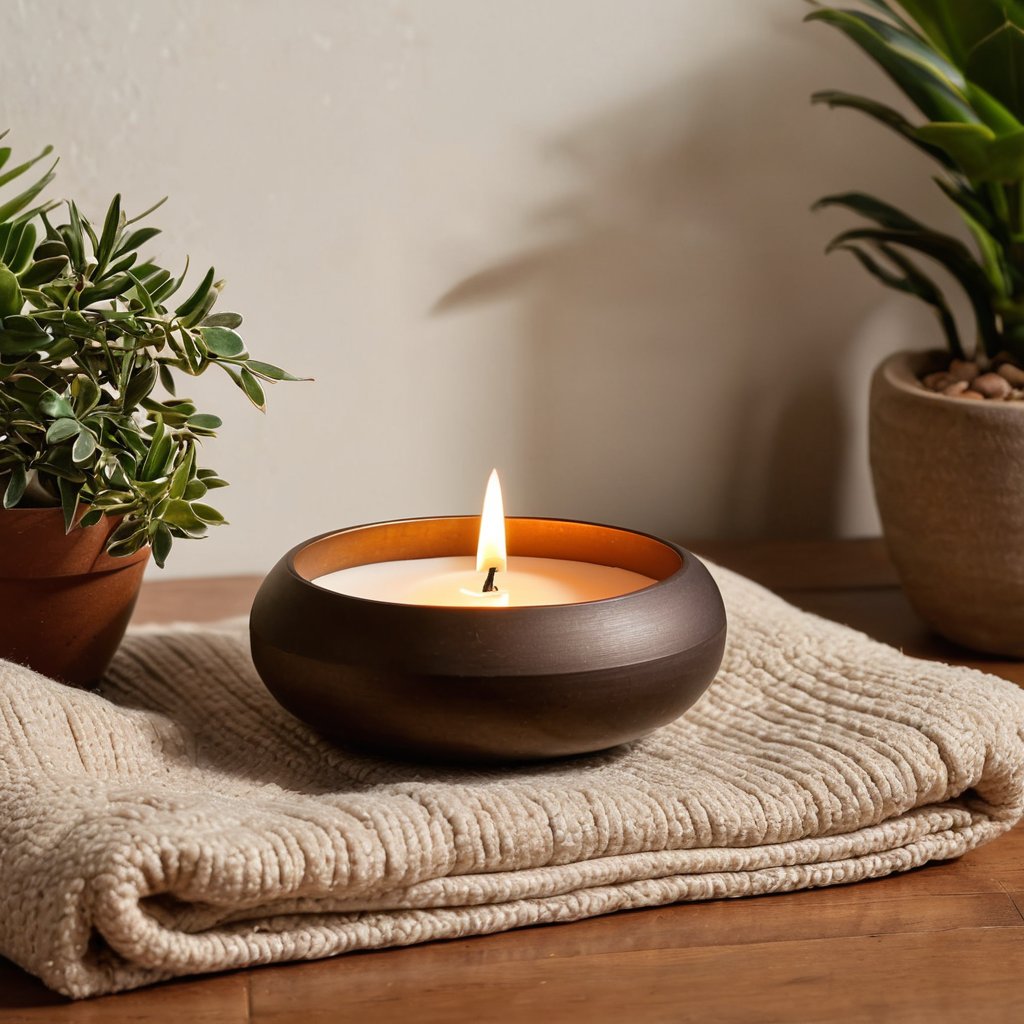
Starting a meditation practice can be an effective way to improve stress management and bring calm into your daily life. For beginners, the key is to build a consistent meditation routine that fits seamlessly into your schedule. Here are some practical meditation tips to help you get started and maintain your practice.
- Set a specific time each day: Choose a time that works best for you—whether it’s morning, lunchtime, or evening—and commit to meditating at that time. Consistency helps establish the meditation routine and turns it into a habit.
- Create a quiet, comfortable space: Designate a place in your home free of distractions where you can sit comfortably. This environment supports focus and helps signal your brain that it’s time to meditate.
- Start with short sessions: For beginner meditation, start with just 5 to 10 minutes a day. Short, manageable sessions lessen the pressure and encourage you to keep going regularly, gradually increasing time as you feel more comfortable.
- Focus on your breath: A simple way to begin is by paying attention to your breathing—inhale and exhale slowly. This helps ground your awareness and cultivates mindfulness, essential components of stress management.
- Use guided meditation resources: Many apps and online videos offer guided sessions tailored for beginners. These can provide direction and structure, making it easier to stay engaged and learn meditation techniques.
- Be patient and kind to yourself: Meditation is a skill developed over time. It’s normal for your mind to wander; gently bring your focus back without judgment. Regular practice will improve your concentration and relaxation over time.
- Incorporate meditation into daily activities: Try mindful meditation while walking, eating, or performing routine tasks. This expands your practice beyond sitting sessions and enhances overall stress management.
- Track your progress: Keep a journal or use an app to note your meditation sessions, feelings, and any improvements in stress levels. This can motivate you to maintain your meditation routine and recognize its benefits.
By following these meditation tips, beginners can successfully introduce meditation into their daily lives. With time and commitment, meditation becomes a powerful tool for stress reduction and overall well-being.
Creating a Meditation Space
Setting up an ideal meditation environment is essential for deepening your practice and enhancing focus. Whether at home or in the workplace, choosing a quiet space free from distractions is the first step to creating a meditation setup that supports relaxation and mindfulness. This focus area should be dedicated solely to your meditation sessions, allowing your mind to associate the surroundings with calm and tranquility.
Start by selecting a corner or room where you feel comfortable and unlikely to be interrupted. Keep the space tidy and uncluttered to avoid visual distractions. Consider adding elements that promote serenity, such as soft cushions, a small rug, candles, or gentle lighting. Natural elements like plants or a small water feature can also enhance the peaceful atmosphere.
Ensure your meditation environment invites you to sit comfortably, whether on a cushion, chair, or mat. Pay attention to temperature and ventilation to maintain comfort throughout your session. If noise is a concern, using earplugs or playing soft background sounds like white noise or gentle instrumental music can help maintain focus and block out external disturbances.
Ultimately, your meditation setup should be a personal sanctuary that encourages regular practice and helps you disconnect from daily stress. By cultivating a consistent and peaceful focus area, you nurture an environment conducive to mindfulness and relaxation, boosting the benefits of meditation in your life.
Tips for Consistency and Motivation
Developing strong meditation habits is key to reaping the long-term benefits of daily meditation for stress relief. To stay motivated, it’s important to start with small, manageable sessions that fit easily into your routine, making it less likely you’ll skip days. Setting realistic goals allows you to build momentum without feeling overwhelmed, transforming meditation into a consistent, enjoyable practice.
Create a dedicated space for your stress relief routine that invites calm and focus. Having a specific spot can serve as a visual cue, reinforcing your commitment to meditate each day. Additionally, tracking your progress with a journal or app can provide a sense of accomplishment and encourage you to stick with your habits over time.
Incorporate variety in your meditation techniques to keep your practice engaging and aligned with your changing needs. Whether it’s guided meditations, breathing exercises, or mindfulness, exploring different methods can help maintain motivation. Remember to remind yourself of the benefits you experience, such as reduced anxiety and improved emotional balance, as these positive outcomes reinforce the value of a consistent meditation habit.
Lastly, consider joining meditation groups or partnering with a friend. Social support can provide encouragement and accountability, helping you stay dedicated to your stress relief routine. By integrating these strategies, you foster motivation and consistency, ensuring your meditation practice remains a powerful tool for managing stress daily.

Having spent the last decade navigating the ups and downs of strength training and mindful living, I am passionate about sharing practical strategies for holistic male wellness. My focus is on balancing physical resilience with mental clarity, drawing from personal experience to help men lead more purposeful lives.