
Strengthening immune system naturally
09/06/2026
Understanding the Immune System
The immune system is the body’s natural defense mechanism, essential for maintaining health and fighting off harmful invaders such as bacteria, viruses, fungi, and other pathogens. It plays a vital role in immune function by identifying and neutralizing threats that can cause illness or infection. Understanding the immunity basics helps us appreciate how our body protects itself every day without us even noticing.
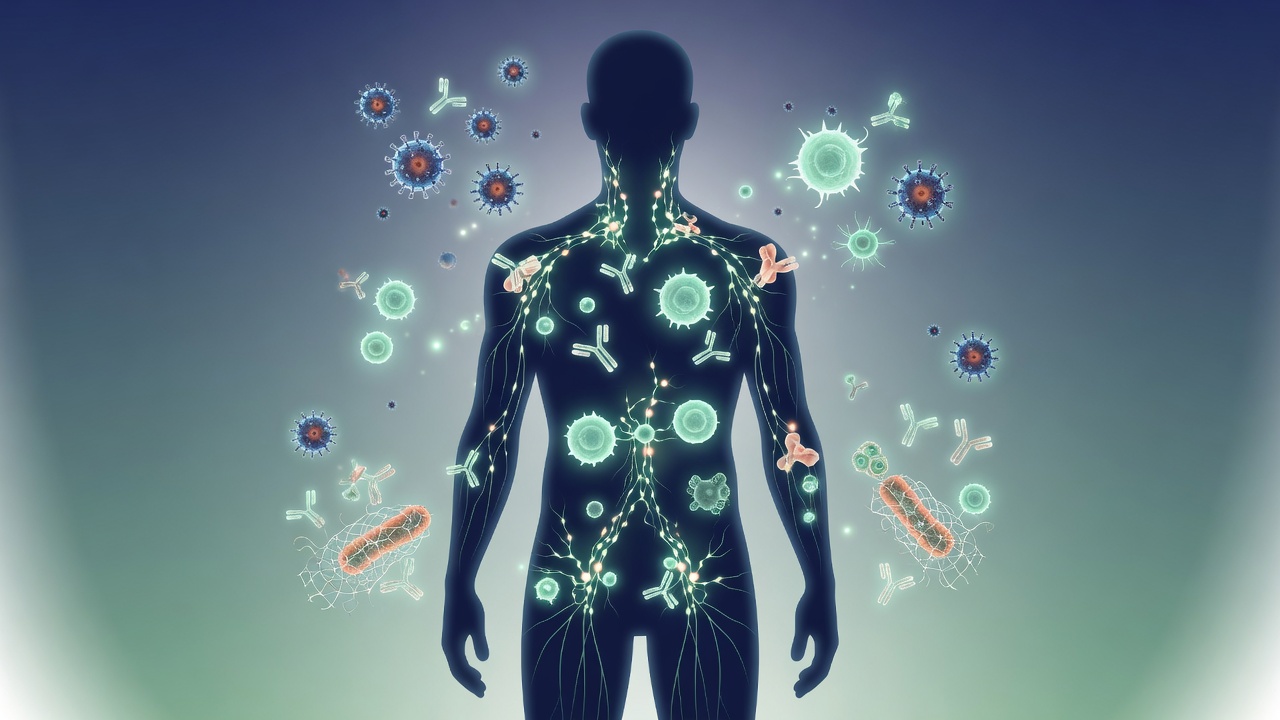
The immune system is a complex network of cells, tissues, and organs working collaboratively to defend the body. Its main components include white blood cells (also known as leukocytes), antibodies, the lymphatic system, the spleen, the thymus, and bone marrow. White blood cells are the frontline soldiers that seek and destroy harmful microbes, while antibodies specifically target and neutralize toxins and pathogens previously encountered by the immune system.
One key aspect of how the immune system works is its ability to distinguish between the body’s own cells and foreign invaders. This recognition ensures that the body’s defenses target only harmful agents without damaging healthy tissue. When a threat is detected, the immune system mounts an immune response, which can involve inflammation, the production of antibodies, and the activation of specific immune cells to contain and eliminate the threat.
Additionally, the lymphatic system acts as a drainage network that transports immune cells throughout the body and removes unwanted debris and pathogens. The spleen filters the blood to trap and destroy microorganisms while recycling old or damaged red blood cells. The thymus is where certain immune cells mature and become capable of responding to pathogens. Bone marrow is where new immune cells are produced and released into the bloodstream.
Overall, the immune system is essential for survival, continuously working to maintain the delicate balance between attacking harmful microbes and preserving healthy body tissue. Strengthening this system naturally, through lifestyle and nutrition, can enhance immune function and support the body’s ability to defend itself effectively.
How the Immune System Works
The immune response is a complex and dynamic process that protects the body from harmful invaders such as bacteria, viruses, and other pathogens. When an invader is detected, the immune system quickly springs into action to neutralize and eliminate the threat. This defense mechanism heavily relies on white blood cells, which are key players in identifying and destroying harmful substances.
White blood cells, also known as leukocytes, patrol the body and detect foreign invaders. Some of these cells, like macrophages and dendritic cells, engulf and digest pathogens, presenting pieces on their surface to alert other immune cells. This triggers the activation of lymphocytes, primarily T cells and B cells, which orchestrate a more specific immune defense.
B cells produce antibodies—specialized proteins that specifically bind to antigens on the surface of pathogens. These antibodies mark the invaders for destruction or neutralize them directly. T cells, on the other hand, destroy infected cells and help regulate the immune response to ensure it is effective yet controlled. Together, these cells and molecules create a strong and adaptive immune defense capable of protecting the body from repeated attacks.
Factors That Weaken Immunity
Immune suppression can result from a variety of factors, each contributing to a weakened defense system and increased vulnerability to infections. One of the most significant contributors is chronic stress impact. When the body is under continuous stress, it produces stress hormones such as cortisol that can suppress the effectiveness of the immune response, making it harder to fight off pathogens.
Another major cause of immune suppression is a poor diet, which deprives the body of essential nutrients needed to maintain a robust immune health. Diets lacking in vitamins, minerals, and antioxidants can impair the body’s ability to produce white blood cells and antibodies, which are crucial for immune defense. Consuming excessive processed foods and sugars further contributes to immune health risks by promoting inflammation and reducing immune cell function.
Other common factors that weaken immunity include lack of adequate sleep, sedentary lifestyle, and exposure to environmental toxins. All these elements combined can create a perfect storm for immune suppression, leaving the body more susceptible to infections and illnesses. Understanding these factors is key to taking proactive steps in preserving a healthy and resilient immune system.
Natural Ways to Strengthen the Immune System
Enhancing your natural immunity is essential for maintaining good health and preventing illnesses. There are various natural methods that can be incorporated into your daily routine to boost your immune system effectively. A combination of a healthy lifestyle and immune boosting foods can provide the best immune support.
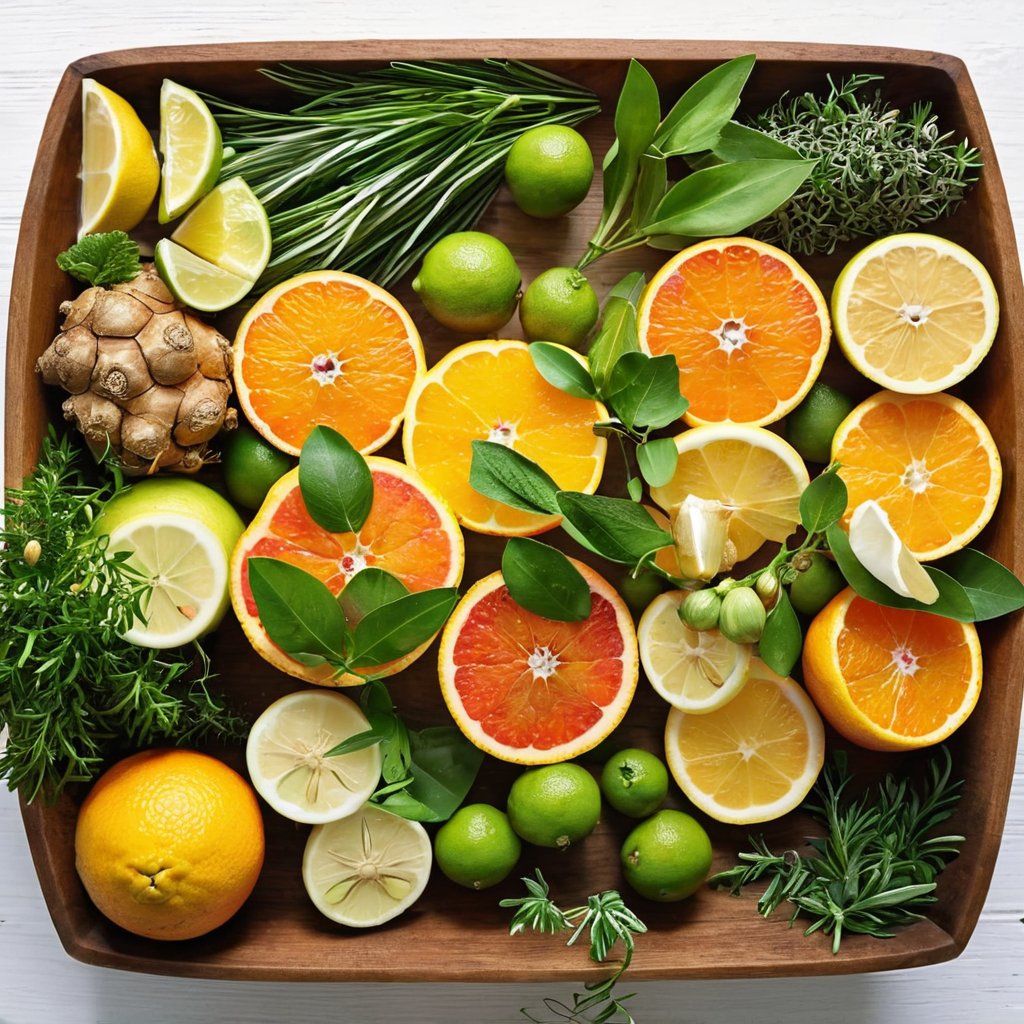
Firstly, consuming immune boosting foods rich in vitamins and minerals is a powerful way to enhance your immune function. Foods high in vitamin C like citrus fruits, strawberries, and bell peppers help stimulate the production of white blood cells, which play a crucial role in fighting infections. Additionally, foods rich in zinc, such as nuts, seeds, and whole grains, contribute significantly to immune health by regulating immune cell function.
Adopting a healthy lifestyle is equally important for immune support. Regular physical activity improves circulation, which allows immune cells and other vital substances to move through the body more efficiently. Moderate exercise like walking, swimming, or yoga can strengthen your immune response while also reducing stress levels.
Stress management is another essential aspect of strengthening natural immunity. Chronic stress can suppress the immune system, making the body more vulnerable to illnesses. Practicing mindfulness, meditation, or deep breathing exercises helps reduce stress hormones and supports immune function. Adequate sleep is also vital; consistently getting 7-9 hours of restful sleep per night allows your immune system to repair and regenerate effectively.
Lastly, staying hydrated is crucial for maintaining overall health and immune support. Water helps in flushing out toxins from the body and keeps the mucous membranes moist, which is the first line of defense against pathogens. Including herbal teas and broths rich in antioxidants can further enhance your immune protection.
By integrating immune boosting foods into your diet and embracing a healthy lifestyle that includes regular exercise, stress management, sufficient sleep, and proper hydration, you can naturally strengthen your immune system and improve your body’s ability to fight off illnesses effectively.
Nutrition and Immune Support
Key nutrients like vitamins and minerals play a crucial role in strengthening the immune system. A balanced diet rich in immune boosting foods can help the body fight off infections and maintain overall health. Essential vitamins such as vitamin C, vitamin D, and vitamin E support the immune cells and enhance their function. Minerals like zinc and selenium are vital for immune defense mechanisms and wound healing.
Incorporating a variety of immune boosting foods into your daily meals ensures you get these important nutrients naturally. Here are some powerful options to include:
- Citrus fruits (oranges, lemons, grapefruits) – rich in vitamin C, which increases the production of white blood cells.
- Leafy greens (spinach, kale) – packed with vitamins A, C, and antioxidants that support immunity.
- Nuts and seeds (almonds, sunflower seeds) – provide vitamin E, a potent antioxidant that helps combat oxidative stress.
- Yogurt and fermented foods – contain probiotics that boost gut health, integral to immune function.
- Lean proteins (chicken, turkey, tofu) – supply zinc and amino acids essential for building immune cells.
- Garlic – known for its antiviral and antibacterial properties that assist the immune response.
- Whole grains (oats, brown rice) – offer B vitamins that aid in energy production and immune cell activity.
Maintaining a balanced diet with these vitamins, minerals, and immune boosting foods will give your immune system the support it needs to protect your body naturally.
Lifestyle Habits to Boost Immunity
Maintaining a strong immune system is essential for overall health, and adopting healthy lifestyle habits can significantly enhance your body’s defenses. Regular exercise is one of the most effective ways to boost immunity. Engaging in moderate physical activity helps improve circulation, allowing immune cells to move through the body more efficiently, and reduces inflammation. Aim for at least 150 minutes of moderate exercise each week, such as brisk walking, cycling, or swimming.
Getting quality sleep is equally important in supporting immune health. During deep sleep, the body produces cytokines, proteins that help promote sleep and fight infection and inflammation. Aim for 7-9 hours of uninterrupted sleep per night to give your immune system a daily boost and aid recovery from illness.
Managing stress effectively is another crucial habit for maintaining a healthy immune system. Chronic stress can suppress immune function and increase vulnerability to infections. Practices such as meditation, mindfulness, deep breathing, or yoga can help reduce stress levels and promote overall well-being.
Hydration also plays a vital role in supporting immune function. Drinking enough water helps flush out toxins and ensures that immune cells function optimally. Aim to drink at least eight glasses of water daily, adjusting for activity levels and environmental conditions. Together, these lifestyle habits—exercise, good sleep, stress management, and proper hydration—create a strong foundation for a resilient immune system.
Supplements and Herbs for Immune Health
Natural supplements and herbal remedies have long been valued for their potential to boost the immune system. Incorporating immune supplements and immune support herbs into your daily routine can provide a natural way to enhance your body’s defense mechanisms. These natural supplements are often sourced from plants known for their health-promoting properties, and scientific research increasingly supports their benefits for immune health.
One of the most studied herbal remedies is Echinacea, which is widely used to reduce the duration and severity of colds. Echinacea contains compounds that stimulate immune cells and promote the production of cytokines, critical for immune response. Another popular immune support herb is elderberry, known for its high antioxidant content and antiviral properties, which may help mitigate symptoms and improve recovery from viral infections.
Beyond herbs, natural supplements like vitamin C and vitamin D play vital roles in immune function. Vitamin C supports various cellular functions of the immune system and acts as a potent antioxidant. Vitamin D modulates both the innate and adaptive immune responses, with deficiency linked to increased susceptibility to infections. Supplementing with these vitamins can be a straightforward approach to maintaining immune resilience throughout the year.
Other herbal remedies such as garlic, turmeric, and ginseng also offer promising immune-boosting effects. Garlic contains allicin, which has antimicrobial and anti-inflammatory properties. Turmeric’s active ingredient curcumin is celebrated for its ability to modulate immune responses and reduce inflammation. Ginseng, a traditional adaptogen, can enhance the immune system by increasing the activity of natural killer cells and other defense mechanisms.
When choosing immune supplements and herbs, it is important to select high-quality products and consult healthcare professionals, especially if you have underlying health conditions or are taking other medications. Combining these natural supplements with healthy lifestyle habits can provide a complementary strategy to strengthen your immune system naturally and effectively.
Common Immune-Boosting Supplements
Vitamin C is perhaps the most well-known immune-boosting supplement. It acts as a powerful antioxidant that helps protect cells from damage, supports the production and function of white blood cells, and enhances the body’s ability to fight infections. Proper use of vitamin C supplements typically involves daily intake within recommended limits, usually between 500 to 1,000 milligrams, to maintain optimal immune function without risk of overdose.
Zinc is another essential mineral crucial for maintaining immune health. It plays a vital role in the development and activation of immune cells. Zinc supplements may reduce the duration of colds and improve immune response. It’s recommended to take zinc supplements with food to improve absorption and reduce stomach discomfort. Daily intake should generally not exceed 40 milligrams to avoid adverse effects.
Probiotics, beneficial bacteria found in certain supplements and fermented foods, contribute to immune health by supporting gut flora balance. Since a large portion of the immune system is housed in the gut, probiotics help strengthen the body’s defenses against pathogens. For effective use, select probiotics with high CFU counts and diverse strains. Consistent daily intake over several weeks is often necessary to notice benefits.
When considering immune supplements like vitamin C, zinc, and probiotics, it’s important to use them as part of a balanced diet and not as a substitute for healthy lifestyle habits. Consulting a healthcare professional before beginning any supplement regimen is advised, especially if you have underlying health conditions or are on medication, to ensure safe and effective use.
Herbs Known for Immune Support
Herbs have long been recognized for their natural ability to support and strengthen the immune system. Among the most popular immune herbs are echinacea and elderberry, each offering unique benefits for maintaining immune health. Echinacea is widely used for its potential to enhance the body’s defense mechanisms, often helping to reduce the severity and duration of colds and respiratory infections. This herb contains active compounds that may stimulate the immune system, promoting an increased production of white blood cells which are vital in fighting pathogens.
Elderberry is another well-known herb traditionally employed to boost immune response. It is rich in antioxidants and vitamins that help combat oxidative stress and inflammation. Elderberry syrup is commonly taken at the onset of cold or flu symptoms to support recovery. Its antiviral properties have been studied for their potential to inhibit certain viruses and reduce illness symptoms.
Additionally, ginger serves as a valuable immune herb with its anti-inflammatory and antioxidant effects. It is often used to ease digestive discomfort and boost circulation, which indirectly supports immune function. Together with echinacea and elderberry, ginger forms a trio of herbal options that can be integrated into a natural health regimen aimed at maintaining a robust immune system.
Incorporating these immune herbs into your daily routine—whether through teas, supplements, or tinctures—may offer a natural way to strengthen your body’s defenses and promote overall wellness.

Having spent the last decade navigating the ups and downs of strength training and mindful living, I am passionate about sharing practical strategies for holistic male wellness. My focus is on balancing physical resilience with mental clarity, drawing from personal experience to help men lead more purposeful lives.