
Healthy home environment tips
20/02/2026
Importance of a Healthy Home Environment
Maintaining a healthy home environment is essential for fostering overall health and well-being. Our homes are the places where we spend the majority of our time, and the quality of the environment inside directly influences our physical and mental health. A healthy home provides a sanctuary that supports the body’s natural defenses, reduces exposure to harmful elements, and promotes a sense of comfort and security.
A healthy home goes beyond just cleanliness; it involves ensuring good indoor health through effective ventilation, control of allergens, and reduction of pollutants such as mold, dust, and chemical residues. These factors are critical in preventing respiratory issues, allergies, and other chronic health conditions. The benefits of a well-maintained home environment extend to improved sleep quality, reduced stress levels, and enhanced immune function.
Moreover, cultivating a healthy home environment has direct benefits for mental well-being. A space free from clutter and toxins fosters a calming atmosphere that helps reduce anxiety, boost mood, and encourage productivity. This contributes to a more positive lifestyle and overall happiness. By prioritizing healthy home practices, individuals can create a nurturing space that supports both their physical and emotional health.
In summary, the healthy home environment is a foundational element for living well. It plays a pivotal role in safeguarding indoor health, enhancing general well-being, and providing a safe refuge from everyday stressors. By taking proactive steps to maintain this environment, we unlock the full potential of our living spaces as havens of health and vitality.
Impact on Physical Health
Maintaining a healthy home environment plays a crucial role in safeguarding physical health by significantly reducing the risks of allergies, respiratory issues, and exposure to harmful toxins. When your living space is clean and well-ventilated, it minimizes the presence of common allergens such as dust mites, pet dander, and mold, which are frequent triggers of allergic reactions and asthma attacks. Ensuring proper air circulation and using air purifiers can enhance respiratory health by filtering out pollutants and airborne irritants that can otherwise cause breathing difficulties.
Moreover, a healthy home environment limits exposure to home toxins like volatile organic compounds (VOCs) emitted from certain paints, cleaning products, and furnishings. Reducing the use of chemical-based products and opting for natural or non-toxic alternatives can drastically decrease your household’s toxic load. This preventive approach not only protects the lungs but also supports overall immunity, enabling the body to better resist illnesses.
By regularly cleaning floors, upholstery, and bedding, and keeping humidity levels in check to prevent mold growth, you create a safer atmosphere that supports long-term physical wellbeing. Prioritizing a toxin-free, allergen-reduced environment in your home is an essential step towards promoting optimal physical health and enhancing the quality of life for everyone in the household.
Mental and Emotional Benefits
A clean and organized home plays a vital role in supporting mental health by creating a peaceful environment that promotes stress reduction. When clutter is minimized, it is easier for the mind to relax and focus, leading to a healthy mindset and improved emotional well-being. A tidy living space helps reduce feelings of overwhelm and anxiety, providing a sense of control and calmness.
Living in an orderly home encourages a positive mental state, as the visual clarity can translate to clearer thoughts and enhanced productivity. This can contribute greatly to maintaining emotional well-being by preventing the build-up of stress and negative emotions. When the home environment is cared for, it fosters a sanctuary where one can recharge emotionally.
Moreover, regular cleaning routines can instill a sense of accomplishment and purpose, reinforcing healthy habits that support mental health. A clutter-free and hygienic home environment reduces distractions and the stress associated with disorder, allowing occupants to experience greater relaxation and emotional balance.
Ultimately, prioritizing a clean and organized household is an effective strategy to cultivate mental clarity, reduce stress, and nurture a healthy mindset that supports overall emotional well-being.
Tips for Creating a Healthy Home Environment
Creating a healthy home environment is essential for the well-being of everyone living under one roof. To achieve this, consider implementing these practical and actionable healthy home tips that focus on clean air, safe materials, and home hygiene.
First, prioritize clean air by regularly ventilating your home. Open windows daily to allow fresh air to circulate and reduce indoor pollutants. Using air purifiers with HEPA filters can further help remove allergens, dust, and harmful particles. Avoid smoking indoors and limit the use of strong chemical cleaners that may release toxic fumes.
Next, choose safe materials for your living spaces. Opt for non-toxic paints, furniture, and flooring made from natural or low-emission products. Check labels for certifications indicating materials are free from harmful chemicals like formaldehyde and VOCs (volatile organic compounds). This reduces the risk of respiratory issues and skin irritations while contributing to a safer household environment.
A key element of maintaining a healthy home is consistent home hygiene. Regularly clean surfaces, floors, and textiles to minimize dust, mold, and bacteria buildup. Use eco-friendly cleaning products to reduce exposure to harsh chemicals. Pay extra attention to bathrooms and kitchens, where moisture can encourage mold growth—keeping these areas dry and well-ventilated helps prevent this.
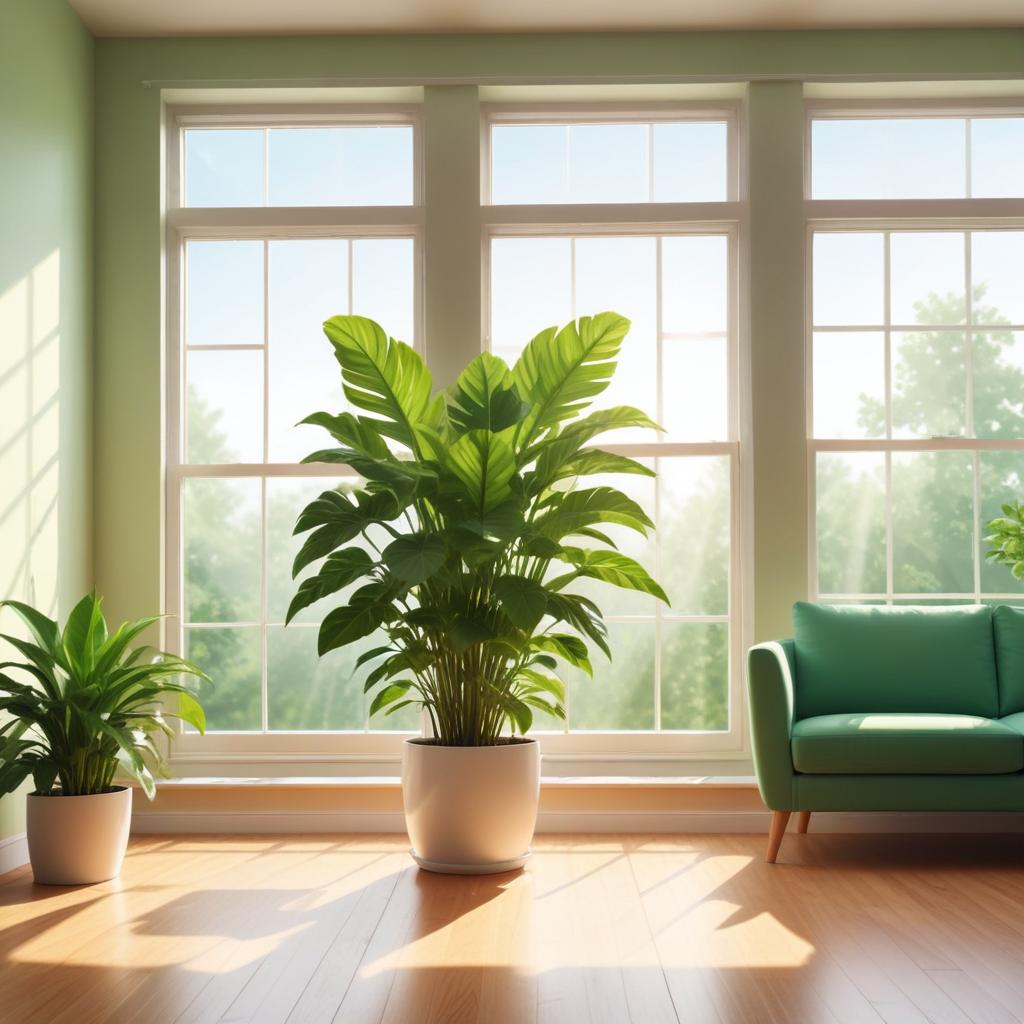
Incorporate plants into your home decor as they naturally improve air quality by absorbing toxins and producing oxygen. Additionally, develop routines such as removing shoes at the door and washing hands frequently to reduce the introduction and spread of germs within your home.
Finally, be mindful of humidity levels. Use dehumidifiers or humidifiers as needed to maintain a balanced atmosphere, ideally between 30-50% humidity, to inhibit mold growth and support respiratory health.
By applying these healthy home tips—including ensuring clean air, selecting safe materials, and maintaining strong home hygiene—you can create a supportive and healthful living space for you and your family.
Improving Indoor Air Quality
Enhancing indoor air quality is essential for maintaining a healthy home environment. One of the most effective methods to improve air quality is proper ventilation. Regularly opening windows and using exhaust fans can help circulate fresh air, reducing the concentration of indoor pollutants. This process replaces stale indoor air with cleaner outdoor air, which is crucial in spaces prone to moisture and pollutants buildup.
Another practical way to reduce pollutants inside your home is by using air purifiers. These devices are designed to filter out airborne particles such as dust, allergens, pet dander, and even some bacteria and viruses. Clean air through air purifiers can significantly benefit people with allergies or respiratory conditions. When choosing an air purifier, look for models with HEPA filters for the most efficient pollutant removal.
In addition to ventilation and air purifiers, minimizing sources of indoor pollution—like tobacco smoke, chemical cleaners, and excessive use of synthetic fragrances—supports better air quality. Regular cleaning, avoiding excess humidity, and introducing indoor plants known for air-purifying properties can further reduce pollutants naturally. Together, these approaches create a healthier indoor environment with improved air quality for all occupants.
Maintaining Cleanliness and Hygiene
Maintaining a clean home is essential for creating a healthy living environment. Regular cleaning routines not only improve the appearance of your living space but also play a crucial role in reducing allergens and preventing illnesses. Start by dusting surfaces frequently to reduce dust buildup, which can trigger allergies and respiratory issues.
Disinfecting high-touch areas such as doorknobs, light switches, and countertops is important to eliminate harmful germs and bacteria. Use appropriate cleaning products that effectively kill pathogens without causing harm to your household members or pets. Consistent disinfecting helps lower the risk of infections spreading within the home.
Pest control is another vital aspect of maintaining hygiene. Pests like rodents, cockroaches, and ants can carry diseases and contaminate food and surfaces. Implement preventative measures such as sealing cracks, keeping food stored in airtight containers, and promptly fixing leaks to deter pests from entering your home. If infestations occur, professional pest control services may be necessary to ensure safe and thorough elimination.
By integrating these cleaning routines and hygiene practices into your daily schedule, you create a safer and healthier home environment. A clean home not only enhances physical health but also promotes mental well-being by providing a comfortable and serene living space free from contaminants and pests.
Using Safe and Eco-Friendly Materials
Choosing safe, non-toxic products and eco-friendly materials is essential for creating a healthy home environment. By prioritizing eco-friendly materials in your home, you contribute not only to your family’s health but also to sustainable living practices that benefit the planet. When selecting products, look for those labeled as non-toxic, free from harmful chemicals like formaldehyde, phthalates, and VOCs (volatile organic compounds), which can adversely affect indoor air quality and overall home safety.
Opting for sustainable living means considering materials sourced responsibly with minimal environmental impact. This includes using natural fibers, reclaimed wood, and low-impact finishes that reduce waste and pollution. Many companies now offer eco-friendly paints, flooring, and furniture that combine durability with safety for both your household and the environment. Additionally, choosing products that are biodegradable or recyclable helps minimize your home’s ecological footprint.
Integrating non-toxic and eco-friendly materials throughout your home—from cleaning supplies to building materials—ensures a safer living space by reducing exposure to harmful substances. This proactive approach not only protects your family’s health but also aligns with responsible environmental stewardship, supporting a healthier planet for future generations.
Maintaining a Healthy Home Long-Term
Maintaining a healthy home environment over the long term requires consistent effort and a proactive approach. One of the most effective strategies is establishing a routine for home maintenance and health monitoring. Regular checks not only help in identifying potential issues early but also ensure that your living space remains safe, clean, and comfortable. By incorporating these practices into your daily, weekly, or monthly schedule, you can safeguard your family’s health and well-being while extending the lifespan of your home’s essential systems.
Start with a comprehensive checklist that covers key areas such as air quality, plumbing, electrical systems, and ventilation. Routine checks enable you to detect problems like mold growth, leaks, or faulty wiring before they escalate into costly repairs or health hazards. Consistent inspection also supports energy efficiency, reducing unnecessary waste and lowering utility bills. Keep records of these assessments to track improvements or recurring issues, which can guide your future maintenance priorities.
Sustainable habits play a critical role in maintaining a healthy home environment. Simple actions like regularly changing air filters, cleaning vents, and inspecting seals around windows and doors can significantly improve indoor air quality and reduce the infiltration of pollutants. Additionally, being mindful of the materials and products you bring into your home—opting for non-toxic, eco-friendly options—can decrease exposure to harmful chemicals.
Health monitoring extends beyond physical maintenance to include lifestyle adjustments that promote well-being inside the home. Encourage habits such as frequent hand washing, proper waste disposal, and controlling humidity levels to minimize allergens and pests. Integrating smart home technology, such as air quality monitors and leak detectors, can enhance your ability to respond swiftly to emerging issues, ensuring your home remains a sanctuary of health.
Ultimately, maintaining a healthy home long-term is about creating a balanced routine that combines proactive maintenance with sustainable everyday habits. This holistic approach not only preserves the structural integrity of your home but also fosters a safe, nurturing environment for you and your family to thrive. Consistency in these efforts is key to achieving lasting health benefits and preventing potential risks before they arise.
Regular Home Inspections and Cleaning
Maintaining a healthy home environment starts with regular home inspections and a consistent cleaning schedule. Conducting thorough home inspections helps identify potential issues early, such as leaks, damaged ventilation, or signs of mold growth, which can pose serious health risks if left unchecked. Mold prevention is particularly crucial, as mold spores can trigger allergies and respiratory problems. By spotting mold in its early stages, you can take immediate action to eliminate it and prevent it from spreading.
A well-planned cleaning schedule supports dust management, which is another key factor in reducing allergens inside the home. Dust accumulates quickly and can harbor dust mites, pet dander, and other pollutants that affect indoor air quality and may aggravate asthma or other respiratory conditions. Regular cleaning, including vacuuming, dusting surfaces, and washing bedding, greatly reduces these irritants.
Together, regular home inspections and a disciplined cleaning routine create a safer living space by ensuring that problems are caught early and cleanliness is maintained consistently. This proactive approach not only promotes a healthier home environment but also enhances the overall comfort and well-being of all residents by minimizing exposure to harmful elements.
Monitoring Indoor Environment Quality
Maintaining a healthy home environment requires consistent environment monitoring to ensure optimal air quality, humidity, and temperature levels. Utilizing air quality sensors is a practical strategy to track airborne pollutants and airborne particles inside your home. These sensors provide real-time data, enabling you to take timely actions to improve ventilation and reduce contaminants.
Equally important is humidity control, as excessive moisture can promote mold growth and respiratory issues, while too little humidity can cause dryness and discomfort. Using a hygrometer to monitor indoor humidity helps maintain an ideal range, typically between 30-50%. This balance supports overall health and prevents damage to your home’s structure and belongings.
Temperature regulation also plays a vital role in enhancing indoor comfort and health. Smart thermostats allow precise control and scheduling of your home’s heating and cooling systems, ensuring consistent temperature levels that suit your lifestyle and climatic conditions. Keeping indoor temperatures stable reduces stress on the body and contributes to better sleep quality.
By combining these tools—air quality sensors, hygrometers, and smart thermostats—you can create a comprehensive environment monitoring system. Regularly reviewing this data enables proactive adjustments, helping you maintain a safe and healthy indoor atmosphere year-round.

Having spent the last decade navigating the ups and downs of strength training and mindful living, I am passionate about sharing practical strategies for holistic male wellness. My focus is on balancing physical resilience with mental clarity, drawing from personal experience to help men lead more purposeful lives.