
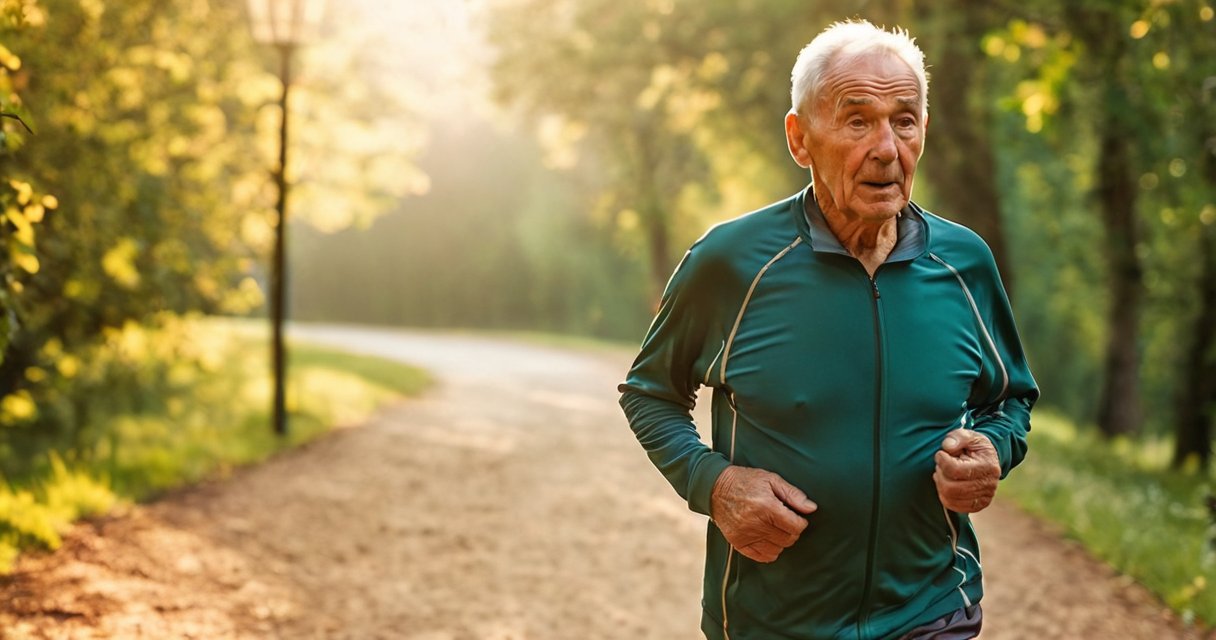
Importance of physical activity in aging
18/06/2026
The Role of Physical Activity in Healthy Aging
Physical activity plays a crucial role in promoting healthy aging by helping older adults maintain their independence, vitality, and overall well-being. Engaging in regular exercise not only slows down the natural decline associated with aging but also brings a multitude of aging benefits that enhance quality of life. An active lifestyle empowers seniors to manage chronic conditions better, improve mobility, and boost mental health.
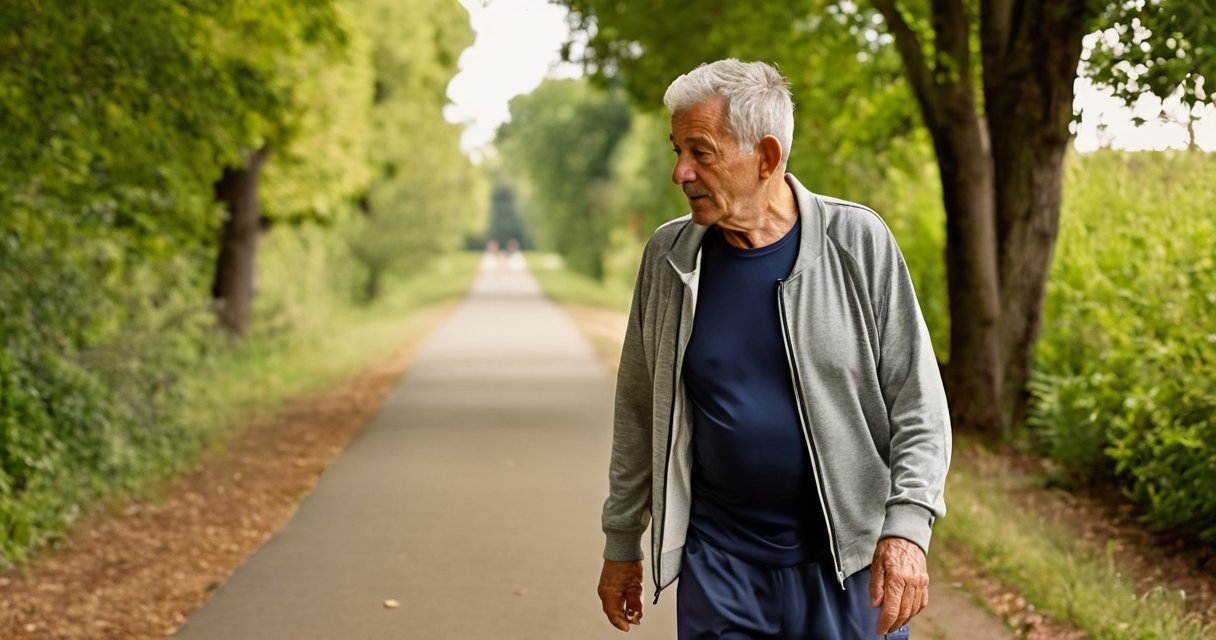
One of the key impacts of physical activity on the aging process is its ability to preserve muscle strength and bone density. As we age, muscle mass typically decreases, which can lead to frailty and increased risk of falls. However, consistent physical activity counteracts this decline by stimulating muscle growth and maintaining bone health. This strengthens balance and coordination, reducing injury risk and supporting daily tasks, thereby facilitating healthy aging.
Beyond physical strength, an active lifestyle supports cardiovascular health by improving circulation, reducing blood pressure, and lowering the risk of heart disease. Older adults who regularly participate in aerobic activities, such as walking, swimming, or cycling, tend to experience better heart and lung function. These improvements directly contribute to enhanced stamina and energy levels, allowing seniors to remain engaged and independent longer.
Physical activity also yields significant mental health benefits for older adults. Exercise promotes the release of endorphins and other feel-good chemicals in the brain, which help combat depression and anxiety. Staying active can improve cognitive function and lower the risk of age-related conditions like dementia and Alzheimer’s disease. Furthermore, group exercises or community activities offer social interaction opportunities, which are vital to emotional health as we age.
Overall, incorporating physical activity into daily routines is fundamental for healthy aging. The aging benefits extend beyond the physical to encompass psychological and social well-being. By embracing an active lifestyle, older adults can enhance their longevity, improve their quality of life, and experience a more fulfilling and independent future.
Physical Activity and Cardiovascular Health in Seniors
Regular physical activity plays a crucial role in maintaining cardiovascular health, especially as individuals age. For seniors, engaging in consistent exercise routines helps strengthen the heart muscle, improve blood circulation, and assist in managing blood pressure. These benefits contribute to a lower risk of developing heart-related conditions, which are common concerns in older adulthood.
As we age, the cardiovascular system naturally undergoes changes that can lead to increased vulnerability to heart disease. However, regular physical activity can counteract many of these age-related effects. Exercise promotes the elasticity of blood vessels and helps regulate cholesterol levels, both of which are essential for reducing cardiovascular risks. Activities such as walking, swimming, and light resistance training are especially effective for seniors by being safe and adaptable to varying fitness levels.
Moreover, maintaining heart health through physical activity also supports better overall aging. Seniors who stay active tend to experience increased energy levels, improved mental health, and a greater ability to perform daily tasks independently. In combination, these factors contribute to a higher quality of life while helping to prevent chronic cardiovascular diseases.
In summary, integrating regular physical activity into the lifestyles of older adults is essential for preserving cardiovascular health and reducing cardiovascular risks. By prioritizing exercise, seniors can promote healthier hearts and enjoy the benefits of aging with greater vitality and resilience.
Impact of Exercise on Bone Density and Muscle Strength
Physical activity plays a crucial role in maintaining bone density and muscle strength, especially as individuals age. Regular exercise provides numerous exercise benefits that help counteract the natural decline in bone mass and muscle tissue associated with aging. Engaging in weight-bearing and resistance exercises stimulates bone formation and slows down bone loss, making it a vital strategy in preventing osteoporosis.
Osteoporosis, a common condition in aging populations, significantly increases the risk of fractures due to reduced bone density. Incorporating exercises such as walking, jogging, and strength training can enhance bone remodeling processes, leading to stronger and more resilient bones. This improved bone density is essential not only for reducing fracture risk but also for maintaining overall mobility and independence in older adults.
In addition to preserving bone health, exercise benefits muscle strength, which tends to decline with age due to sarcopenia. Resistance training and activities that challenge muscle groups help maintain and even increase muscle mass, contributing to better balance, coordination, and functional ability. Improved muscle strength supports daily activities and reduces the likelihood of falls, which are a major concern for the aging population.
Overall, the combined impact of exercise on bone density and muscle strength underscores the importance of physical activity in healthy aging. Prioritizing regular physical activity not only helps prevent osteoporosis and muscle loss but also enhances quality of life, allowing older adults to remain active and independent for longer.
Mental Health Benefits of Staying Active for Older Adults
As we age, maintaining mental health becomes increasingly important for overall quality of life. Engaging in regular physical activity plays a vital role in promoting mental well-being among older adults. Beyond the obvious physical advantages, staying active supports cognitive function and has been shown to reduce symptoms of depression and anxiety in seniors.
Physical activity stimulates the brain by increasing blood flow, which delivers essential oxygen and nutrients that help preserve brain cells and encourage the growth of new neural connections. This boost in brain health aids in maintaining and even improving cognitive functions such as memory, attention, and problem-solving skills—abilities that often decline with age. By incorporating consistent exercise into daily routines, older adults can slow cognitive decline and enhance mental sharpness.
In addition to cognitive benefits, physical activity has well-documented positive effects on mental health. Exercise triggers the release of endorphins and other neurotransmitters that help elevate mood and reduce feelings of stress. For many seniors, staying active acts as a natural antidepressant, lowering the risk of depression, which is common in this population. Activities like walking, swimming, or yoga not only improve mood but also provide opportunities for social interaction, further supporting emotional well-being.
Moreover, being physically active encourages a sense of accomplishment and independence, enhancing self-esteem and motivation. This holistic improvement in mental health fosters resilience against the psychological challenges associated with aging. Regular physical activity can thereby help older adults maintain a positive outlook, better cope with daily stressors, and ultimately enjoy a higher quality of life.
In summary, incorporating physical activity into the lives of older adults is essential for supporting mental health, preserving cognitive function, and reducing depression. Prioritizing movement not only keeps the body strong but also nurtures the mind, making it a powerful strategy for healthy aging.
Exercise and Cognitive Decline Prevention
Scientific research has increasingly demonstrated the significant role exercise plays in preventing cognitive decline as we age. Engaging in regular physical activity not only enhances overall brain health but also slows down the progression of age-related cognitive impairments.
Studies have shown that exercise stimulates the production of neurotrophic factors, such as brain-derived neurotrophic factor (BDNF), which support the growth and survival of neurons. This biological effect helps maintain cognitive function and delays the onset of memory loss and other symptoms associated with cognitive decline.
In addition, aerobic exercises like walking, swimming, and cycling improve cardiovascular health, increasing blood flow to the brain. Greater cerebral circulation supports improved brain function, including enhanced attention, processing speed, and executive functions—all critical components of healthy aging.
Regular exercise has also been linked to reduced risk of neurodegenerative diseases such as Alzheimer’s and Parkinson’s. This protective effect is believed to stem from exercise’s ability to reduce inflammation and oxidative stress, both of which contribute to brain aging and cognitive decline.
Overall, incorporating consistent physical activity into daily routines offers a powerful strategy to promote brain health and combat cognitive decline, making it an essential aspect of healthy aging.
Practical Tips for Incorporating Physical Activity into Elderly Lifestyles
Incorporating regular physical activity into daily life is essential for aging well, and there are plenty of practical ways for the active elderly to do so safely and effectively. The key physical activity tips for older adults emphasize consistency, safety, and enjoyment. By adopting these strategies, elderly exercise can become a natural and rewarding part of everyday routines.
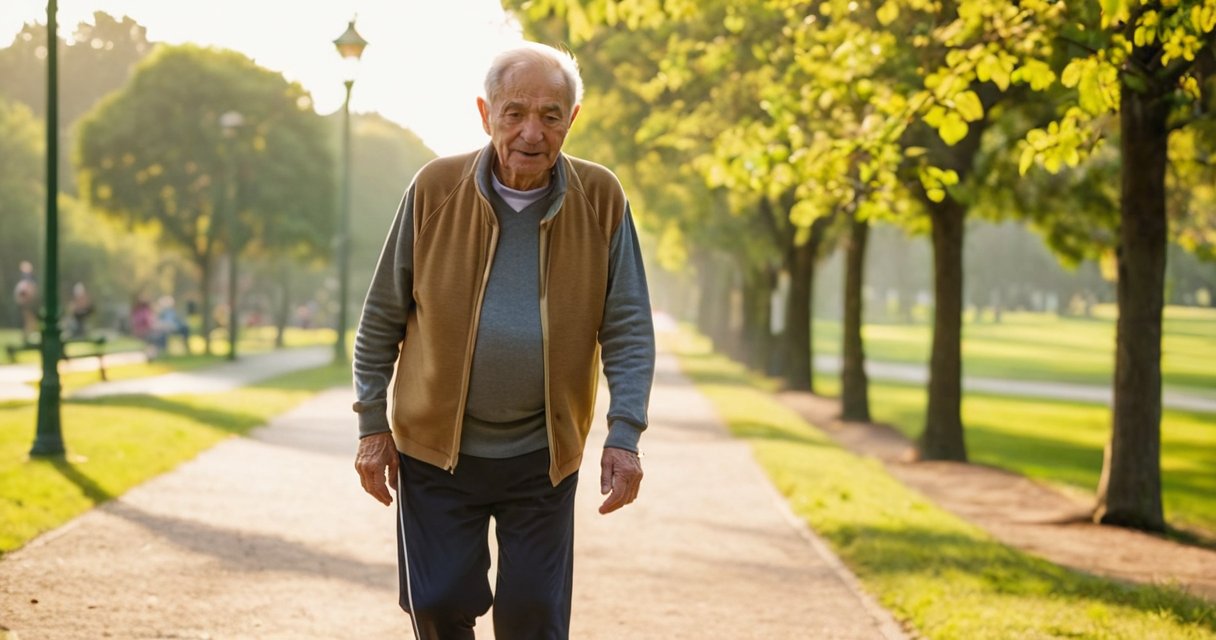
First, start with low-impact activities such as walking, swimming, or gentle stretching. These types of exercises are easier on the joints while promoting cardiovascular health and flexibility. For instance, a 20-30 minute daily walk around the neighborhood or local park can make a significant difference in maintaining mobility and mental well-being.
Another effective tip is to break up physical activities into shorter sessions throughout the day. Instead of trying to do a long workout, elderly individuals can do 10-minute bursts of activity multiple times a day, such as light gardening, chair exercises, or simple balance drills. This approach reduces fatigue and makes it easier to stay consistent.
Incorporating strength training is also beneficial for aging well. Using resistance bands, light weights, or even bodyweight exercises can help maintain muscle mass and bone density, which are crucial for preventing falls and injuries. Joining group classes tailored to seniors can provide guidance and motivation while promoting social interaction.
Listening to the body and adjusting activity levels accordingly is vital for safe elderly exercise. It’s recommended to consult with healthcare providers before starting a new physical activity regimen, especially for those with chronic conditions. They can help create a personalized plan that aligns with individual health status and goals.
Lastly, making physical activity enjoyable increases the likelihood of adherence. Combining exercise with hobbies, such as dancing, gardening, or playing with grandchildren, transforms activity into fun. Embracing variety and celebrating small achievements will inspire the active elderly to maintain an engaged and vibrant lifestyle.