
Healthy snacking tips for men
30/06/2026
Choosing the right snack can feel like a small decision, but for men it can have a big impact on hormone balance, prostate health, energy levels, and waistline. Unlike a quick candy fix, a well‑planned snack supplies protein, fiber, healthy fats and micronutrients that keep the body running smoothly between meals. When you pair smart choices with timing that matches your daily routine, you protect muscle mass, support digestion and reduce cravings that often lead to overeating. Below are practical, science‑backed tips that fit into a busy lifestyle, whether you’re hitting the gym, travelling for work, or managing the demands of a family.
Prioritise Protein to Safeguard Muscle and Testosterone
Protein is the building block for muscle repair and the raw material for testosterone synthesis, a hormone that declines gradually after age thirty. A snack that delivers 15‑20 grams of high‑quality protein can blunt the catabolic dip that occurs a few hours after a main meal. Greek yogurt, cottage cheese, a handful of roasted chickpeas, or a slice of turkey roll‑up each meet this target without excess calories. Studies show that men who consume protein‑rich snacks maintain lean body mass better during calorie‑restriction phases, which helps keep metabolic rate high.
Beyond muscle, protein influences satiety hormones such as peptide YY and glucagon‑like peptide‑1, reducing the urge to reach for sugary treats later in the day. For men over fifty, adequate protein also supports bone density, a factor linked to lower fracture risk. Pairing protein with a source of healthy fat, like a few almonds or a drizzle of olive oil, slows digestion, creating a steady release of amino acids that fuels the endocrine system throughout the afternoon.
Incorporate Fiber‑Rich Foods for Prostate and Gut Health
The prostate is sensitive to chronic inflammation, and dietary fiber helps keep inflammatory markers in check. Whole‑grain crackers, sliced apples, or a small bowl of oatmeal provide soluble fiber that binds bile acids and reduces circulating estrogen, a hormone that can exacerbate prostate enlargement. Adding a tablespoon of ground flaxseed to a smoothie adds both soluble fiber and lignans, plant compounds that have been associated with a modest reduction in prostate‑specific antigen levels.
Fiber also feeds beneficial gut bacteria, producing short‑chain fatty acids that protect the intestinal lining and improve immune function. Men who regularly consume at least 25 grams of fiber per day report fewer episodes of bloating and more consistent bowel movements, both of which are important for overall comfort and confidence. A snack that mixes soluble and insoluble fiber, such as a pear with a handful of pistachios, delivers balanced benefits without feeling heavy.
Select Healthy Fats to Boost Energy and Cardiovascular Support
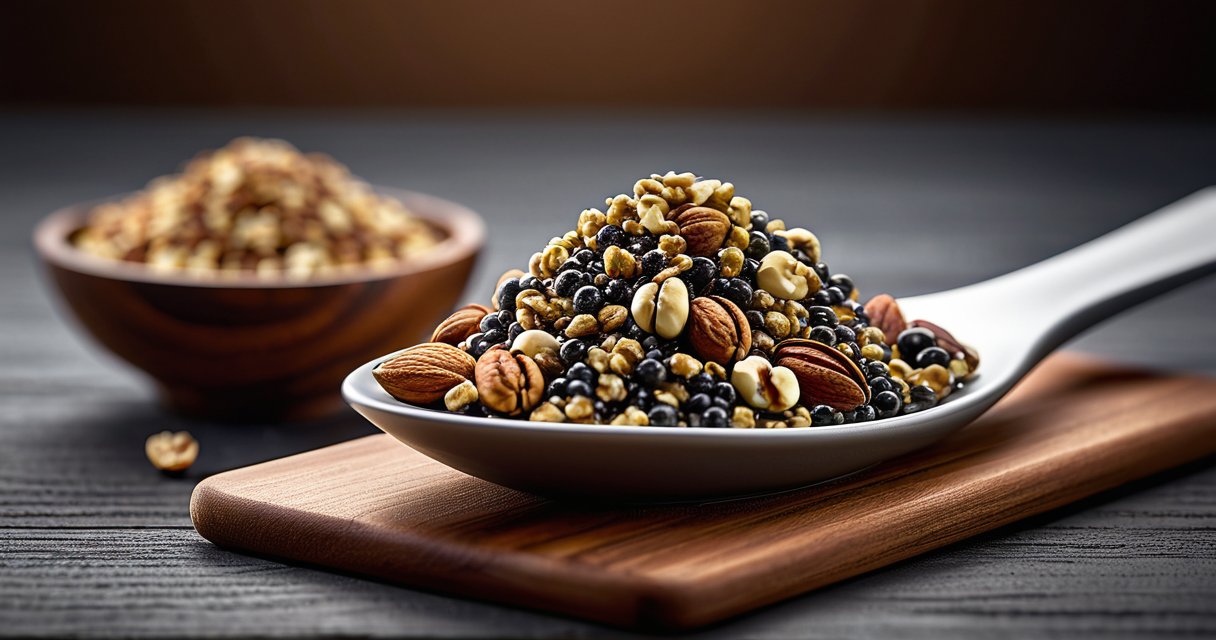
Not all fats are created equal; omega‑3 fatty acids from fish, walnuts or chia seeds have anti‑inflammatory properties that protect heart vessels and may aid in testosterone production. A snack of smoked salmon on a whole‑grain crisp, or a small container of mixed nuts, supplies EPA and DHA that the body cannot synthesize on its own. Research indicates that men who include omega‑3s in their diet experience better blood flow, which translates to improved workout performance and quicker recovery.
Monounsaturated fats, found in avocados, olives and almond butter, also stabilize blood sugar and prevent the sharp insulin spikes that trigger cravings. A slice of whole‑grain toast topped with mashed avocado and a sprinkle of pumpkin seeds offers a creamy texture and a steady stream of energy that lasts until dinner. By focusing on these fats, you avoid the sluggishness that comes from refined vegetable oils and trans‑fat laden snacks.
Mind the Portion Size to Manage Weight and Metabolic Health
Even the healthiest snack can sabotage weight goals if portion control is ignored. A typical snack should contain between 150 and 250 calories, enough to satisfy hunger without adding excess energy. Using small containers or pre‑measured bags helps keep intake predictable, especially for men who work long hours and might snack mindlessly at the desk. For example, a 30‑gram serving of mixed nuts delivers healthy fats and protein within the calorie range, while a cup of berries adds volume and antioxidants with minimal calories.
Choosing snacks with a low glycemic index, such as hummus with carrot sticks or a boiled egg with a few cherry tomatoes, prevents rapid blood sugar fluctuations that can lead to fat storage. Men over forty often experience a slower metabolism, so aligning snack calories with total daily energy expenditure is essential. Tracking intake for a week using a nutrition app can reveal hidden calories and guide adjustments that keep the waistline in check.
Plan Snacks Around Physical Activity and Recovery
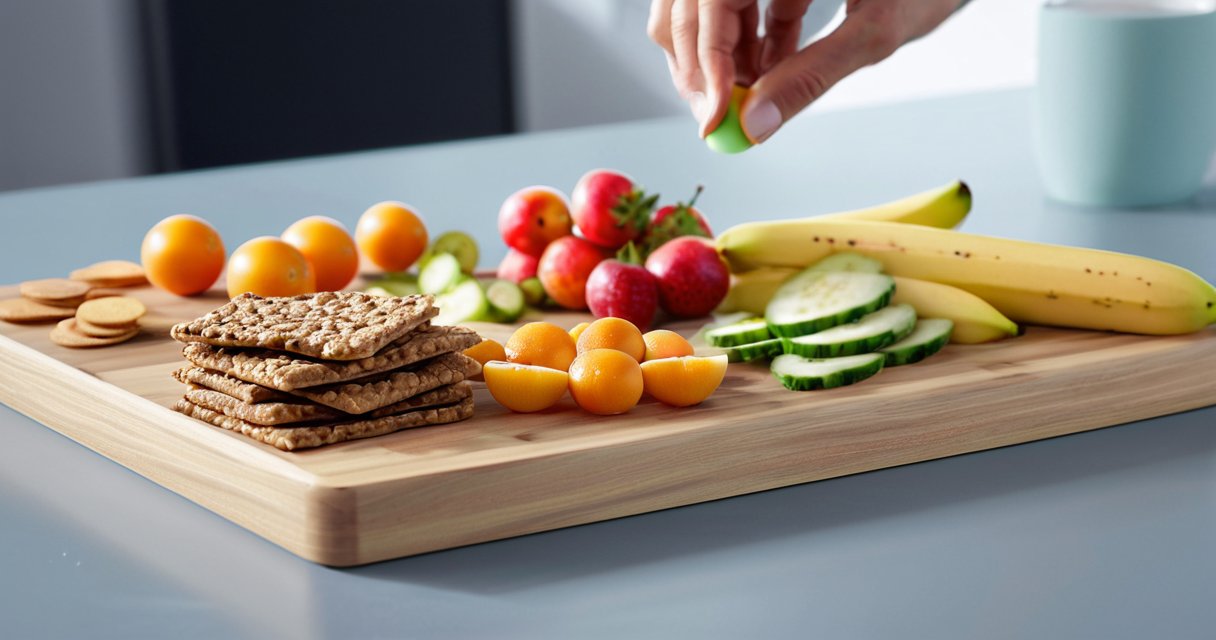
Timing a snack to coincide with a workout can enhance performance and speed muscle repair. Consuming a carbohydrate‑protein combo about 30 minutes before hitting the gym supplies glycogen for energy and amino acids for muscle protection. A banana blended with whey protein, or a rice cake topped with peanut butter, fits this window nicely. Post‑exercise, a snack rich in protein and electrolytes, like a chocolate‑milk shake or a bowl of quinoa with roasted vegetables, replenishes depleted stores and reduces soreness.
For men who engage in strength training, the post‑workout snack also supports testosterone spikes that naturally occur after resistance exercise. Adding a source of zinc, such as pumpkin seeds, can further aid hormone synthesis. Even on rest days, a modest snack that includes protein and healthy fats maintains the anabolic environment needed for ongoing muscle growth and recovery.
Travel‑Friendly Snacks That Preserve Health on the Road
Frequent travel can tempt even the most disciplined men into vending‑machine choices that are high in sodium and low in nutrients. Packing portable options like jerky made from lean turkey, single‑serve packets of almond butter, or roasted seaweed sheets ensures you have protein and minerals without relying on airport kiosks. These items are shelf‑stable, lightweight and comply with airline regulations, making them ideal for business trips or weekend getaways.
Hydration often gets overlooked, yet many snacks are salty and increase thirst. Pairing a salty snack with a water bottle or a low‑sugar electrolyte drink prevents dehydration, which can impair cognitive function and lower testosterone temporarily. Veterans and men who spend time in high‑stress environments especially benefit from this balance, as adequate hydration and nutrient timing help mitigate cortisol spikes that erode muscle and mood.

Having spent the last decade navigating the ups and downs of strength training and mindful living, I am passionate about sharing practical strategies for holistic male wellness. My focus is on balancing physical resilience with mental clarity, drawing from personal experience to help men lead more purposeful lives.