
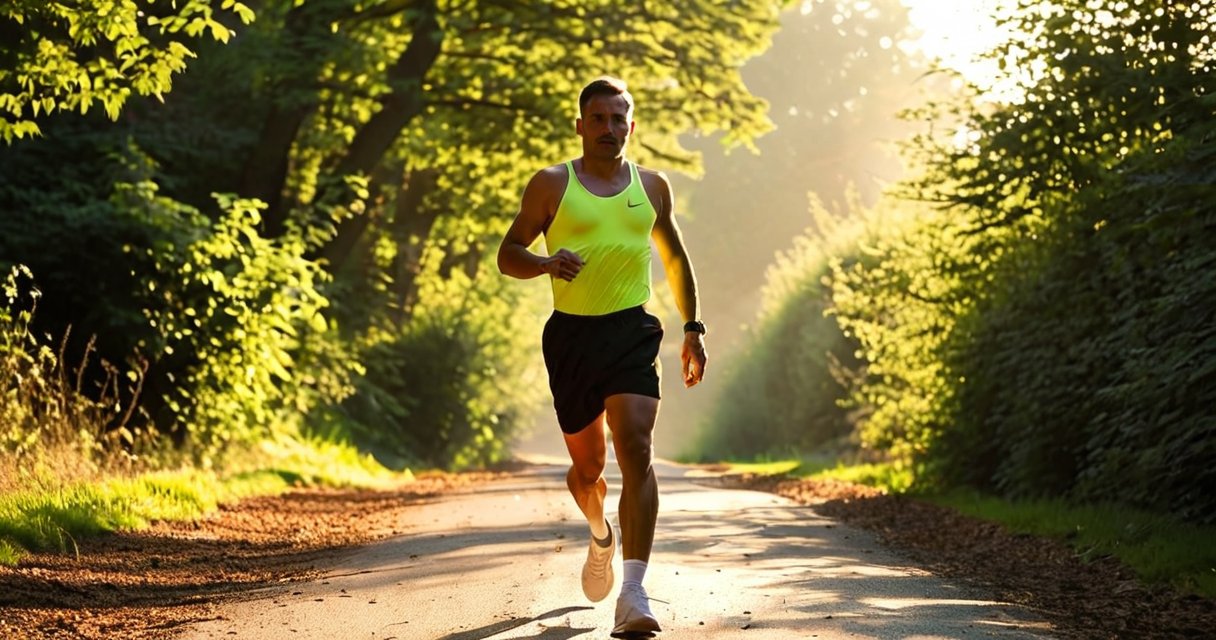
How Brisk Walking Boosts Testosterone Naturally for Daily Energy
06/11/2026
For men looking to naturally boost testosterone and energy without supplements or expensive treatments, the simplest solution might already be in your daily routine, brisk walking. This underrated form of exercise doesn’t just improve cardiovascular health; it directly influences hormone balance, particularly testosterone, which is critical for energy levels, libido, and overall vitality. Research from Harvard Health confirms that regular aerobic activity like walking enhances testosterone production, while doctors at Hone Health emphasize how simple lifestyle tweaks can extend longevity and vitality, starting with movement. Whether you’re dealing with fatigue, low motivation, or subtle declines in sexual health, integrating brisk walking into your week could be the first step toward reclaiming your natural energy without relying on pharmaceuticals.
Why Brisk Walking Outperforms Other Workouts for Testosterone
Not all exercise boosts testosterone equally, and the Cleveland Clinic’s research on men over 50 highlights that moderate-intensity aerobic exercise like brisk walking is one of the most effective ways to increase testosterone levels. Unlike high-intensity interval training (HIIT) or heavy weightlifting, which can temporarily spike cortisol and stress hormones, brisk walking consistently raises testosterone while lowering inflammation. The key lies in the balance: walking at a pace that elevates your heart rate to 60-70% of your maximum (about 3.5 mph or faster) for 30-45 minutes triggers the release of endorphins and growth hormone, both of which support testosterone synthesis. Even better, this form of exercise requires no equipment, no gym membership, and fits seamlessly into a busy schedule, unlike structured workouts that often feel like a chore. For men managing chronic stress or conditions like prostatitis, where testosterone imbalance is common, brisk walking offers a low-impact solution that won’t exacerbate discomfort.
The science behind this is straightforward: testosterone production is sensitive to oxygen flow and muscle engagement. When you walk briskly, your body demands more oxygen, prompting the lungs and heart to work harder. This increased demand signals the testes to produce more testosterone, a process documented in studies on male athletes and sedentary men alike. Unlike sedentary lifestyles, which correlate with lower testosterone levels, even short bursts of brisk walking can reverse this trend. For instance, a 20-minute walk after a meal has been shown to improve insulin sensitivity, which indirectly supports testosterone production. This makes brisk walking a practical choice for men who want to avoid the muscle fatigue or joint strain associated with more intense exercises.
How to Optimize Your Walk for Maximum Testosterone Boost
Timing, duration, and intensity all play a role in how effectively brisk walking raises testosterone. Experts recommend walking in the morning, when cortisol levels are naturally lower, to avoid suppressing testosterone production. A 2016 study in the Journal of Clinical Endocrinology & Metabolism found that men who walked for 45 minutes in the morning saw a 15% increase in testosterone levels compared to those who walked in the afternoon. Pairing your walk with sunlight exposure, even on cloudy days, further enhances the effect, as vitamin D deficiency is linked to lower testosterone. To maximize results, aim for 300-450 minutes of brisk walking per week, spread across 5-7 days, as consistency matters more than intensity. If you’re new to exercise, start with 20-minute sessions and gradually increase duration to avoid overtraining, which can backfire by lowering testosterone.
Another critical factor is posture and engagement. Walking with a slight forward lean and swinging your arms naturally increases muscle activation, which stimulates testosterone production. Contrast this with slouching or carrying weight in a bag, which can compress the diaphragm and reduce lung capacity, directly impacting oxygen efficiency. For men with mobility issues or joint pain, consider using a treadmill with an incline or a recumbent bike as alternatives to traditional brisk walking, as these still provide aerobic benefits without strain. The goal isn’t just to move but to move effectively, ensuring your body registers the activity as a signal to produce more testosterone rather than stress hormones.
The Best Times and Conditions for Walking to Boost Testosterone
When you walk matters almost as much as how you walk. Research from the American Journal of Epidemiology shows that men who walked in the early morning, between 6 and 9 AM, experienced the most significant testosterone increases, likely due to the body’s natural circadian rhythm. This timing aligns with the peak production of human growth hormone, another hormone that supports testosterone synthesis. If mornings aren’t feasible, aim for mid-afternoon, as afternoon walks still provide benefits but may be less effective than morning sessions. Avoid walking immediately after meals, as digestion can divert energy away from muscle activity, reducing the exercise’s impact on testosterone.

Environmental factors also influence outcomes. Walking outdoors in green spaces, such as parks or forests, has been shown to reduce stress and lower cortisol levels, which can interfere with testosterone production. A 2019 study in Nature found that urban walks were associated with higher cortisol levels compared to nature walks, suggesting that nature exposure may amplify the benefits of brisk walking. For men dealing with chronic stress or conditions like prostatitis, which can elevate cortisol, prioritizing outdoor walks in calm settings could be particularly beneficial. Additionally, wearing loose, breathable clothing and proper footwear ensures comfort, allowing you to maintain a consistent pace without distraction, critical for sustaining the metabolic demands that trigger testosterone release.
Combining Brisk Walking with Other Lifestyle Habits for Synergistic Effects
While brisk walking alone can boost testosterone, combining it with other lifestyle habits amplifies the effects. Sleep, diet, and stress management all interact with exercise to influence hormone levels. For instance, men who walk regularly but also prioritize 7-9 hours of sleep per night see even greater improvements in testosterone, as poor sleep disrupts the hypothalamic-pituitary-gonadal axis, which regulates testosterone production. Similarly, reducing alcohol and processed sugars, both of which lower testosterone, further enhances the benefits of brisk walking. A study in The Journal of Steroid Biochemistry found that men who walked daily and followed a Mediterranean diet (rich in healthy fats, lean proteins, and vegetables) had higher testosterone levels than those who exercised alone.
Hydration is another often-overlooked factor. Dehydration reduces blood volume, which can impair oxygen delivery to muscles and lower testosterone. Aim for at least 2-3 liters of water daily, with more if you’re walking in hot weather or for extended periods. For men with conditions like prostatitis, where bladder health is compromised, staying hydrated supports overall vitality while indirectly benefiting testosterone production. Finally, managing stress through techniques like deep breathing or meditation before or after your walk can prevent cortisol from counteracting the testosterone-boosting effects of exercise. The cumulative impact of these habits, brisk walking plus sleep, diet, and stress control, creates a synergistic effect that’s far more powerful than exercise alone.
When to Avoid Brisk Walking for Testosterone Goals
While brisk walking is generally safe and effective, there are scenarios where it may not be the best choice, or could even hinder testosterone production. For men with severe joint pain, recent injuries, or conditions like severe osteoarthritis, high-impact activities like running or brisk walking could exacerbate inflammation, which is linked to lower testosterone. In such cases, opt for low-impact alternatives like swimming, cycling, or elliptical training, which still provide cardiovascular benefits without joint stress. Similarly, if you’re recovering from surgery or have a chronic illness, consult a healthcare provider before starting or intensifying exercise, as overtraining can lead to adrenal fatigue and further suppress testosterone.

Another consideration is overtraining. While consistency is key, pushing yourself too hard, whether through excessive distance, speed, or frequency, can elevate cortisol and reduce testosterone. Signs of overtraining include persistent fatigue, muscle soreness, irritability, or disrupted sleep. If you notice these symptoms, scale back your brisk walking routine and focus on recovery. Additionally, men who are significantly overweight may need to start with shorter, slower walks to avoid straining their cardiovascular system, as sudden intensity can lead to burnout. Listening to your body and adjusting your approach ensures that brisk walking remains a sustainable, testosterone-boosting habit rather than a source of stress.
Practical Tips for Integrating Brisk Walking into Your Routine
Making brisk walking a habit doesn’t require drastic changes, small, consistent actions work best. Start by scheduling your walks at the same time each day, treating them like non-negotiable appointments. Use a fitness tracker or smartphone app to monitor your pace and duration, ensuring you’re hitting the 3.5 mph minimum for a brisk walk. If you struggle with motivation, pair your walks with audiobooks, podcasts, or music to make the time more enjoyable. For men with sedentary jobs, set a timer to stand up and walk for 5-10 minutes every hour, as even short bursts of movement add up over time.
For those who prefer variety, try different routes, urban trails, wooded paths, or even mall walking during inclement weather, to keep your walks engaging. If you walk alone, consider joining a local group or finding a walking buddy to stay accountable. Alternatively, use technology like virtual reality fitness apps that simulate outdoor environments while you walk in place. The key is to find a rhythm that feels sustainable, whether that’s a daily 30-minute walk or three 15-minute sessions spread throughout the day. Over time, your body will adapt, and the energy boost from higher testosterone levels will make the effort feel more rewarding.

Having spent the last decade navigating the ups and downs of strength training and mindful living, I am passionate about sharing practical strategies for holistic male wellness. My focus is on balancing physical resilience with mental clarity, drawing from personal experience to help men lead more purposeful lives.