
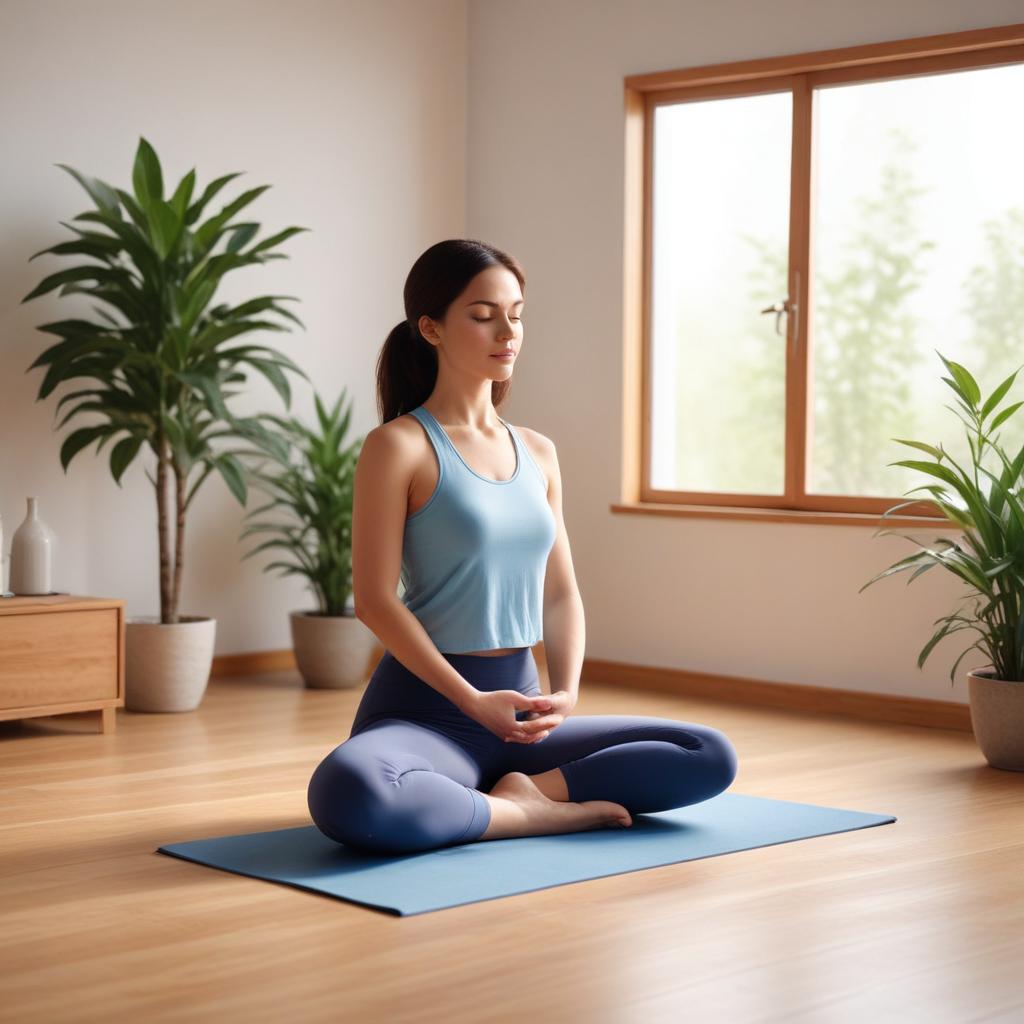
Breathing exercises for relaxation
05/01/2026
Understanding Breathing Exercises for Relaxation
Breathing exercises are straightforward but effective relaxation methods aimed at assisting individuals in concentrating on their breath to soothe both mind and body. These techniques require intentional regulation of the depth, pace, and rhythm of breathing, which can affect both physiological and mental conditions. By employing certain breathing patterns, you activate the parasympathetic nervous system, which is responsible for encouraging relaxation and minimizing stress reactions.
Relaxation methods involving breathing exercises are commonly suggested for alleviating stress and anxiety since they can disrupt the body’s instinctive fight-or-flight reaction activated in tense circumstances. By intentionally slowing and deepening your breathing, you prompt your brain to unwind and lower the release of stress hormones like cortisol. This leads to a more tranquil mind, a reduced heart rate, and less muscle tension, all of which foster a more serene state.
A key benefit of breathing exercises is how easy they are to incorporate into your daily routine. You can do them in any location and at any time, requiring no special tools or specific environment. Whether you’re encountering stress at work, struggling with sleep issues, or just looking to relax after a hectic day, concentrating on your breath can swiftly bring about feelings of relief and mental focus. With consistent practice of these calming methods, you can enhance your emotional strength and better manage stress in the long run.
In addition, breathing exercises enable you to cultivate heightened mindfulness by maintaining your attention centered on the present moment. This awareness fosters the disruption of negative thought patterns that frequently contribute to stress and anxiety. By tuning into your breath, you can establish a mental environment conducive to tranquility and clarity, encouraging prolonged relaxation that extends beyond the exercise itself.
To sum up, breathing techniques are a crucial component of stress management and relaxation strategies. They function by controlling the breath to engage the body’s inherent soothing responses, resulting in a tranquil mind and diminished tension. Adding these techniques to your everyday life can enhance your physical well-being and promote a more harmonious, serene mental condition.
Benefits of Breathing Exercises
Engaging in breathing exercises on a consistent basis provides numerous advantages for mental health that enhance overall wellness. A key benefit is the reduction of stress, as regulated breathing methods aid in soothing the nervous system and decreasing the release of stress hormones such as cortisol. This fosters a feeling of relaxation that can elevate mood, reduce anxiety, and support emotional balance. Many people discover that adding breathing exercises to their everyday habits assists in alleviating symptoms of depression and improves concentration and mental sharpness, facilitating more effective decision-making and increased productivity.
Along with mental health advantages, breathing exercises offer significant physical benefits. Engaging in deep, slow breaths boosts oxygen consumption, which improves blood circulation and benefits the cardiovascular system. Enhanced oxygen delivery aids in alleviating muscle tightness and decreasing blood pressure, promoting a healthier heart and lowering the likelihood of associated illnesses. These exercises activate the parasympathetic nervous system, promoting bodily relaxation and aiding in recovery post-physical activity. With consistent practice, this can result in increased lung capacity and better respiratory performance, making daily tasks simpler and enhancing overall endurance.
In summary, engaging in breathing exercises serves as an effective method for attaining harmony between the mind and body. These practices aid in alleviating stress and encouraging relaxation, thereby enhancing overall mental and physical well-being. Making them a regular part of your routine can result in enduring health benefits, offering a natural and easy approach to improve your quality of life.
How Breathing Impacts the Nervous System
Breathing exercises are essential in regulating the nervous system, influencing how the body reacts to different stimuli. By practicing mindful breathing, you consciously activate processes that transition the nervous system from a heightened state of stress to one of tranquility and relaxation. This mainly entails stimulating the parasympathetic nervous system, commonly known as the “rest and digest” system, which serves to balance out the sympathetic nervous system that governs the stress response.
In times of stress, the sympathetic nervous system activates the fight-or-flight mechanism, which raises heart rate, blood pressure, and cortisol levels. Conversely, practicing controlled breathing techniques like deep, slow breaths can engage the vagus nerve, fostering parasympathetic activation. This process helps to decrease heart rate, lower blood pressure, and ease muscle tension, together triggering the relaxation response.
This relaxation response counters the impact of long-term stress and aids in returning the body to a harmonious condition. Regularly engaging in breathing exercises enables you to condition your nervous system to transition more swiftly from stress to relaxation. This practice not only boosts physical health but also sharpens mental focus and strengthens emotional stability. Ultimately, grasping and using your breath as a resource provides you with enhanced control over your nervous system, allowing for better management of everyday stress and promoting overall calmness.
Popular Breathing Techniques for Relaxation
Breathing methods are straightforward but effective strategies to assist reduce stress and promote relaxation. By intentionally managing your breath, you can affect your nervous system, soothe your mind, and relieve physical stress. Out of the various techniques out there, a few well-known breathing practices are particularly noted for their efficiency and simplicity: deep breathing, diaphragmatic breathing, and box breathing.
Deep breathing is a fundamental and commonly used breathing technique. It consists of taking slow, mindful breaths that completely utilize the lungs. Unlike shallow chest breathing, deep breathing promotes deep inhalation through the nose, expanding the lower lungs, followed by a slow exhalation through the mouth. This practice enhances oxygen absorption, which aids in lowering heart rate and blood pressure, alleviating anxiety and stress. Due to its ease, deep breathing can be practiced anywhere and anytime you require a quick way to unwind.
Diaphragmatic breathing, often referred to as abdominal or belly breathing, is a method that focuses on taking deep breaths into the diaphragm instead of the chest. To practice this technique, position one hand on your chest and the other on your abdomen. Breathe in deeply through your nose, ensuring that your belly expands more than your chest, which shows that your diaphragm is actively working. Then, exhale gently, letting your belly contract. This form of breathing not only aids in physical relaxation but also enhances oxygen exchange and reduces the strain on your respiratory muscles, making it particularly effective for alleviating stress and promoting relaxation.
Box breathing, referred to as four-square breathing, is a systematic technique utilized by athletes and in military training to maintain composure and focus during stressful situations. This method consists of four equal segments: inhaling, holding the breath, exhaling, and holding once more. Each phase typically lasts four seconds, forming a “box” pattern. For instance, you slowly inhale to a count of four, hold your breath for four seconds, exhale for four seconds, and then hold your breath out for an additional four seconds. By repeating this cycle multiple times, you can stabilize your breath and thoughts, fostering deep relaxation and mental clarity.
The breathing methods — deep breathing, diaphragmatic breathing, and box breathing — are simple to master and can easily be added to your everyday life. Regular practice can enhance your ability to cope with stress, boost focus, and foster a feeling of tranquility. By trying out these techniques, you can discover the breathing practice that suits your routine and offers the greatest relaxation advantages.
Diaphragmatic Breathing
Diaphragmatic breathing, often referred to as abdominal or deep breathing, is an effective relaxation technique that soothes the nervous system and alleviates stress. This method emphasizes the use of the diaphragm to achieve deeper and more efficient breathing, which enhances both physical and mental relaxation. Adhere to these step-by-step guidelines to practice diaphragmatic breathing successfully.
- Find a comfortable position, either sitting or lying down, where you can relax without distractions.
- Place one hand on your chest and the other on your abdomen to feel the movement of your breath.
- Inhale slowly through your nose, drawing air deeply into your belly. You should feel the hand on your abdomen rise while the hand on your chest remains relatively still.
- Hold the breath for a moment, then exhale slowly and completely through your mouth or nose, allowing the abdomen to fall.
- Continue this pattern of deep diaphragmatic breathing for 5 to 10 minutes, maintaining a slow and steady rhythm.
- Focus on the sensation of your breath entering and leaving your body, letting go of any tension with each exhale.
- Practice this relaxation method daily or whenever you need to reduce stress and promote calmness.
- As you become more comfortable, try to incorporate diaphragmatic breathing into your daily routine to enhance your overall well-being.
Box Breathing Technique
Box breathing, often referred to as square breathing, is an effective and straightforward technique for controlled breathing aimed at soothing the mind and alleviating anxiety. This practice consists of inhaling in four equal segments, resembling the sides of a square or box. By concentrating on your breath, this method aids in managing your body’s stress reaction, making it a valuable resource for relieving stress.
To engage in box breathing, start by finding a comfortable seated position with your back straight and, if you wish, your eyes closed. Begin by inhaling slowly through your nose for a count of four. Hold your breath softly for another count of four, experiencing the calm within your lungs. Next, exhale gently through your mouth for the same count of four, fully emptying your lungs. Finally, hold your breath once more for four counts before starting the cycle again. This square rhythm of inhale-hold-exhale-hold is the reason behind the technique’s name.
A significant advantage of box breathing lies in its capability to engage the parasympathetic nervous system, promoting mental calmness and alleviating physical stress. By directing your focus towards steady breathing, you can divert your mind from overwhelming thoughts and feelings of anxiety, fostering relaxation and mental clarity. Numerous people discover that consistently practicing box breathing enhances their emotional resilience and effectively aids in managing episodes of acute stress or anxiety.
Integrating box breathing into your everyday life can serve as an easy and effective method to encourage relaxation whenever you feel stressed. The straightforward nature of this technique makes it suitable for both novices and seasoned practitioners, providing a dependable approach to introduce calmness and concentration into your day through conscious breathing.
4-7-8 Breathing Method
The 4-7-8 breathing technique is an easy but effective method for relaxation, aimed at soothing the nervous system and alleviating stress. This practice consists of a defined sequence of inhaling, holding the breath, and exhaling, which makes it a valuable resource for enhancing relaxation and aiding in sleep.
To use the 4-7-8 breathing technique, begin by finding a comfortable seated or lying position. Close your eyes and take a quiet breath in through your nose for a count of 4 seconds. Then, hold your breath softly yet securely for 7 seconds. Lastly, release your breath fully through your mouth, producing a whooshing sound, over the course of 8 seconds. This gradual exhalation is essential for triggering the body’s relaxation response.
Continue this pattern for four complete breaths in your first session, slowly extending the duration as you gain confidence. Holding your breath for 7 seconds enhances oxygen uptake and promotes mindfulness, while the extended exhalation supports a decrease in heart rate and fosters a tranquil state of mind.
Concentrating on this specific breathing rhythm, the 4-7-8 breathing technique assists in reducing anxiety and promoting a sense of calm, which is why it is frequently suggested as a relaxation strategy. It is especially useful as a sleep aid, aiding in calming turbulent thoughts and getting the body ready for a peaceful slumber, making it a superb natural solution for insomnia or sleepless nights.
Tips for Incorporating Breathing Exercises into Daily Life

Integrating breathing exercises into your daily regimen is an easy but impactful method to improve your relaxation practices and aid in successful stress management. By intentionally including these exercises in your routine, you can elevate mindfulness and foster enduring tranquility, even when life gets hectic.
Begin by selecting particular times during your day to stop and concentrate on your breathing. For instance, take several deep, purposeful breaths as soon as you wake up to establish a serene atmosphere for the day to come. This simple enhancement to your morning ritual can assist you in cultivating a mindful beginning and enhancing your overall tranquility and concentration.
A useful method to integrate breathing exercises is during work breaks or in between tasks. Instead of scrolling on your phone or reaching for another cup of coffee, dedicate 2 to 5 minutes to practicing controlled breathing. Approaches like diaphragmatic breathing or box breathing can swiftly alleviate stress and enhance focus, thereby boosting the effectiveness of your relaxation routine.
Incorporate breath awareness during transitional moments—like standing in line, traveling, or prior to meetings. These brief periods present significant chances to engage in mindful breathing, aiding you in managing stress triggers as they appear. By intentionally redirecting your attention to your breath, you can develop a strong mindset that more effectively copes with everyday challenges.
Utilize reminders such as phone alarms or calendar alerts to prompt mindfulness centered on breathing during the day. Gradually, these signals help in developing regular habits, simplifying the process of keeping a consistent relaxation routine. Whether it’s a midday pause or an evening relaxation period, planning breathing exercises aids in continuous stress management.
Ultimately, think about integrating breathing techniques with other mindfulness activities like meditation, gentle yoga, or nature walks. Merging these methods enhances your relaxation practices and strengthens your awareness of the present. Utilizing breathing as a core element amplifies the advantages of mindfulness and promotes improved emotional stability in everyday life.
Incorporating breathing exercises seamlessly into your daily routine fosters a lasting method of relaxation that benefits both your body and mind. By adopting these minor but regular practices, you can fully utilize breathwork for effective stress relief and lasting peace.
Creating a Consistent Practice
Creating a regular practice schedule is crucial for maximizing the advantages of daily breathing exercises. Consistency enhances your capacity to achieve deep relaxation, transforming basic breathwork into a significant wellness routine. Start by allocating a specific time each day exclusively for your breathing exercises. Whether it’s in the morning, during a lunch break, or just before sleep, maintaining a consistent schedule aids in solidifying the habit.
Begin with a modest approach to promote lasting commitment. Just five minutes of concentrated breathing each day can significantly impact stress relief and enhance mental clarity. As this practice integrates into your daily life, you can slowly extend the time or try out various breathing methods.
Furthermore, setting up reminders—like calendar notifications or sticky notes—can help maintain your routine. Associating your breathing exercises with a current habit, such as after you brush your teeth or while enjoying a coffee break, can enhance recall. Monitoring your progress, whether by journaling or using a habit-tracking app, offers a feeling of achievement and encouragement to keep going.
Understand that developing a new wellness routine requires both patience and adaptability. Certain days might prove to be tougher, but consistently re-engaging with your practice each time boosts your resilience. As weeks and months pass, your consistent breathing exercises will foster relaxation, enhance emotional stability, and support your overall health.
Using Breathing Exercises for Stressful Situations
In high-pressure situations, being able to quickly implement breathing exercises can significantly enhance your ability to manage stress. These relaxation techniques are aimed at providing instant relief, allowing you to regain focus and composure even in hectic environments. The essential part is to concentrate on your breathing, utilizing straightforward but powerful strategies that can be performed at any time and in any place.
The 4-7-8 method is arguably the most convenient breathing exercise for people on the move. Start by taking a soft breath in through your nose for a count of four, pause for seven seconds, and then let the air out fully through your mouth for eight seconds. This cycle helps lower your pulse and settles your nervous system quickly, causing stress to melt away almost instantly. You can do this sequence a few times, whether you are sitting in a conference or waiting at a stoplight.
An effective method for quick relaxation is box breathing. Breathe in for four seconds, hold your breath for four seconds, exhale for four seconds, and then pause for four seconds before starting again. This steady, rhythmic breathing improves oxygen circulation and swiftly diminishes the body’s stress reaction. These techniques need no equipment or special arrangements, making them ideal for high-pressure, real-life situations.
Integrating these breathing techniques into your everyday life boosts your capacity to remain calm in high-pressure situations. Regularly engaging in mindful breathing improves your overall ability to manage stress, allowing you to achieve instant relaxation when faced with stressful circumstances.

Having spent the last decade navigating the ups and downs of strength training and mindful living, I am passionate about sharing practical strategies for holistic male wellness. My focus is on balancing physical resilience with mental clarity, drawing from personal experience to help men lead more purposeful lives.