
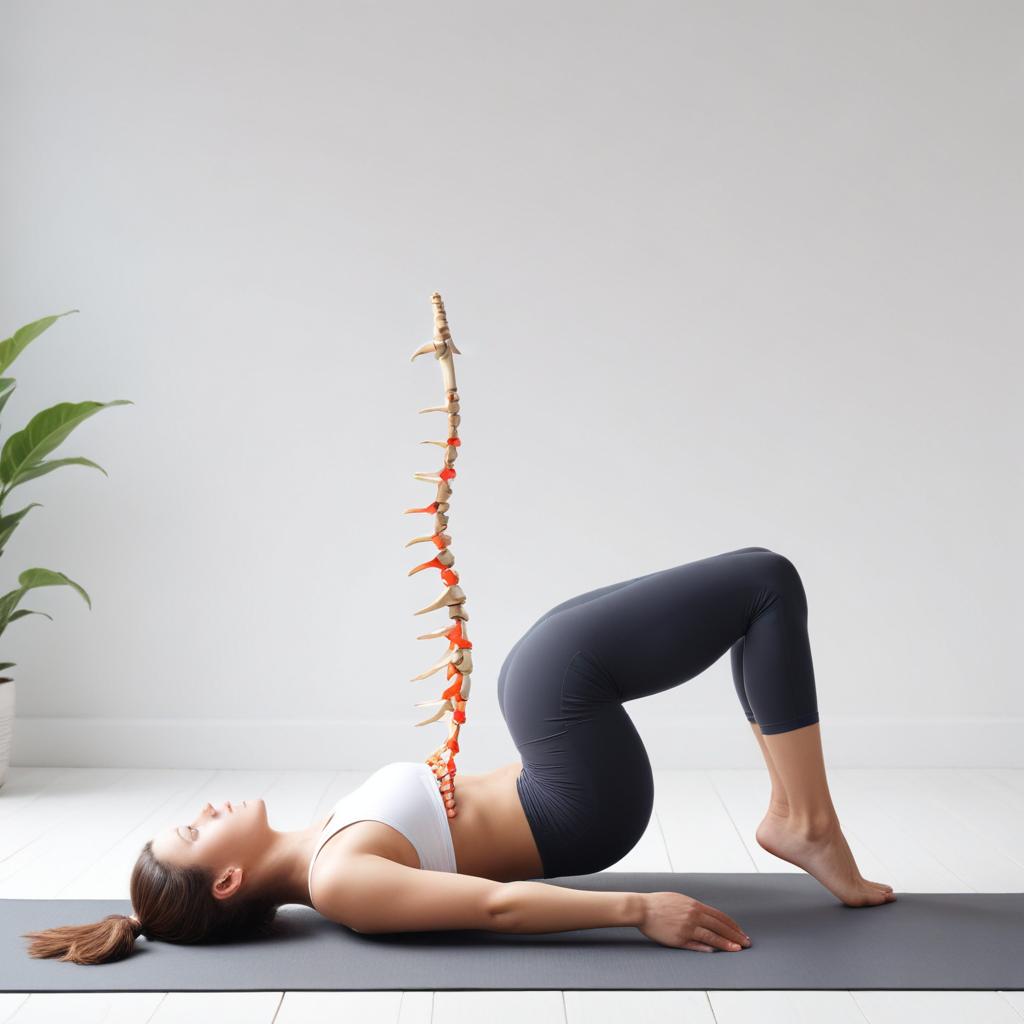
Stretching the lower back
26/01/2026
Benefits of Stretching the Lower Back
Stretching the lower back offers numerous benefits that contribute to overall health and well-being. One of the primary advantages is pain relief. Many people suffer from lower back pain due to muscle tightness, poor posture, or prolonged sitting. Regular lower back stretching helps to loosen tight muscles, reduce muscle stiffness, and alleviate discomfort. This can lead to a significant reduction in chronic pain and improved mobility.
Another important benefit of lower back stretching is posture improvement. When the muscles in the lower back are flexible and strong, they provide better support for the spine. This encourages proper alignment and helps prevent slouching or hunching, which are common contributors to poor posture. Improved posture not only enhances physical appearance but also reduces strain on the spine and surrounding muscles, lowering the risk of injury.
In addition to pain relief and posture improvement, lower back stretching also helps improve overall flexibility. Flexible muscles are less prone to injury and allow for a greater range of motion during daily activities and exercise. Improving flexibility in the lower back can enhance athletic performance and make everyday movements—such as bending, twisting, or lifting—easier and safer.
Incorporating lower back stretching into your regular fitness routine is a simple yet effective way to maintain spinal health. The benefits go beyond just temporary relief; consistent stretching can help prevent future injuries and chronic conditions by keeping the muscles supple and supporting the natural curvature of the spine. Exploring a variety of stretches targeting the lower back area can maximize these lower back stretching benefits.
Ultimately, the combination of pain relief, improved posture, and increased flexibility from stretching the lower back contributes to a healthier, more comfortable lifestyle. Whether you are recovering from an injury or seeking to enhance your physical wellness, including lower back stretches in your daily habits can provide lasting positive effects and improve your quality of life.
Pain Relief and Injury Prevention
Stretching the lower back is an essential practice to reduce lower back pain and prevent injuries effectively. When muscles in the lower back become tight and stiff, they can lead to discomfort and a higher risk of strains. By engaging in regular stretching, these muscles are gently loosened, which promotes muscle relaxation and improves flexibility. This not only alleviates existing pain but also creates a protective effect, reducing the chances of future injuries.
The stretching effects help increase blood flow to the affected areas, supporting the healing process and nourishing the muscles. Regularly stretching the lower back encourages better posture and alignment, which are critical in preventing undue stress on the spine and surrounding tissues. This vitality in muscle function aids in distributing weight more evenly across the back, minimizing the strain on any one part, and ultimately safeguarding against injury.
Incorporating lower back stretches into your daily routine can lead to a significant decrease in chronic pain while enhancing overall mobility. This preventative measure is particularly beneficial for those who spend long hours sitting or engaging in repetitive activities that compromise back health. By maintaining muscle elasticity and promoting relaxation through stretching, individuals can enjoy improved well-being and a stronger, more resilient lower back.
Improving Flexibility and Mobility
Targeted stretches play a crucial role in increasing flexibility and spinal mobility, particularly in the lower back region. By regularly performing specific stretching exercises, you can enhance the range of motion in the lower back and the surrounding muscles, which supports better movement and functional capacity. Improved flexibility in this area not only helps reduce stiffness but also contributes to the overall health of the spine by promoting better alignment and reducing the risk of injury.
Stretching benefits extend beyond just muscle lengthening; they also help release tension held in the connective tissues and improve blood flow to the muscles, aiding in recovery and reducing discomfort. When flexibility and mobility are increased, daily movements become more fluid and less painful, which is particularly beneficial for those dealing with chronic lower back tightness or discomfort. Consistently incorporating targeted stretches into your routine can lead to a noticeable improvement in spinal mobility and contribute to maintaining a healthy range of motion throughout life.
Focusing on stretches that engage the lower back, hips, and hamstrings ensures that the muscles supporting the spine work synergistically to maintain stability. This holistic approach to flexibility training fosters resilience in the lower back, enhancing overall mobility and preventing stiffness. Ultimately, the stretching benefits help nurture a flexible, mobile spine that supports both everyday activities and physical exercise with less risk of strain or injury.
Effective Lower Back Stretching Exercises
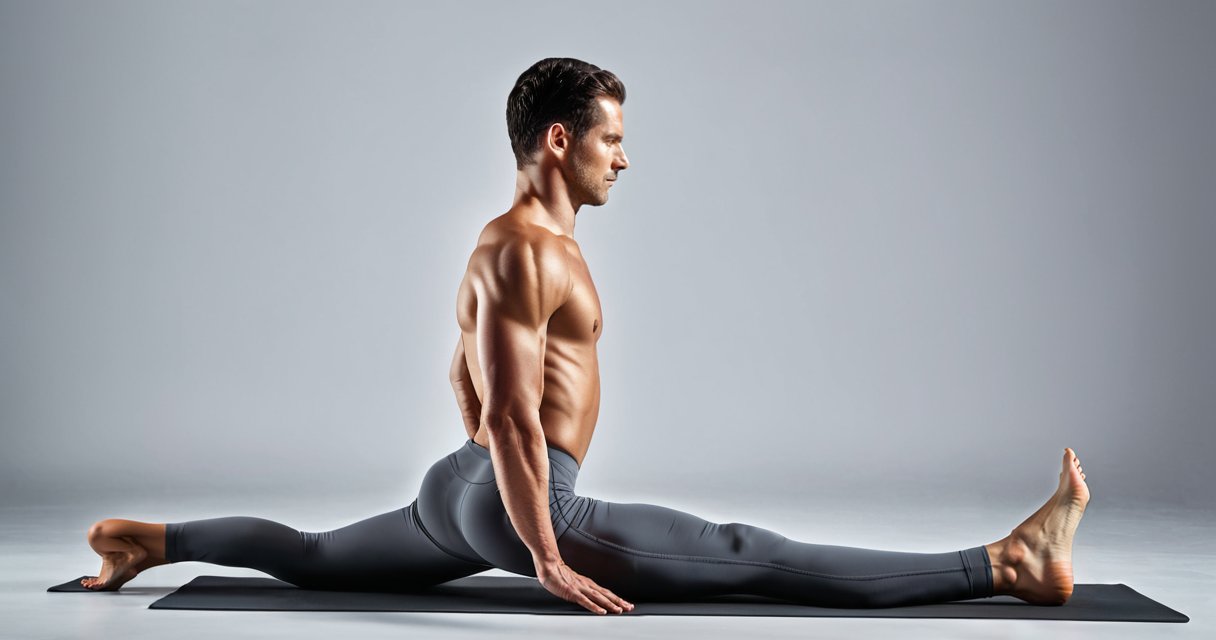
Incorporating lower back stretches into your daily exercise routines can significantly improve flexibility, reduce pain, and enhance overall mobility. Below are detailed descriptions and step-by-step guidance for some of the most effective stretching techniques and stretch examples designed to target the lower back muscles safely and effectively.
- Child’s Pose Stretch:
- Begin by kneeling on the floor with your big toes touching and knees spread apart.
- Lower your torso forward to rest between your thighs and extend your arms forward on the ground.
- Maintain a relaxed neck and breathe deeply, feeling a gentle stretch along your lower back.
- Hold this position for 20-30 seconds, then slowly return to the starting position.
- Knee-to-Chest Stretch:
- Lie flat on your back with both legs extended on the floor.
- Slowly bring one knee towards your chest, gripping it with both hands.
- Keep the other leg straight and firmly on the floor as you pull your knee closer to your chest.
- Hold the stretch for 20-30 seconds, then switch legs and repeat.
- Seated Lower Back Twist:
- Sit on the floor with your legs extended in front of you.
- Bend your right knee and cross it over your left leg, placing your right foot flat on the floor.
- Rotate your torso to the right, placing your left elbow outside your right knee for support.
- Hold this twisting stretch for 20 seconds, focusing on elongating the lower back muscles.
- Repeat on the opposite side.
- Pelvic Tilt Stretch:
- Lie on your back with your knees bent and feet flat on the floor, hip-width apart.
- Tighten your abdominal muscles to press your lower back into the floor.
- Hold for 5 seconds, then relax and allow your back to arch slightly.
- Repeat this sequence 8-10 times to improve lower back flexibility and strength.
- Cat-Cow Stretch:
- Start on your hands and knees with your wrists aligned under shoulders and knees under hips.
- Inhale as you arch your back, lifting your head and tailbone towards the ceiling (Cow pose).
- Exhale as you round your back, tucking your chin and pelvis under (Cat pose).
- Repeat these movements slowly for 10-15 cycles, emphasizing fluidity and breathing.
Integrating these lower back stretches into your daily exercise routines not only enhances flexibility but also provides relief from tension and discomfort. With consistent practice of these stretching techniques and stretch examples, you can maintain a healthier, more resilient lower back.
Child’s Pose Stretch
The Child’s Pose is a popular yoga stretch that provides a gentle back stretch, perfect for relieving tension and elongating the lower back muscles. To begin, kneel on the floor with your big toes touching and your knees spread apart to a comfortable width. Slowly sit back onto your heels, then bend forward at the hips, extending your arms in front of you on the floor.
Lower your chest towards the ground while keeping your forehead gently resting on the floor or on a yoga block for added support. This position naturally stretches the lower back and promotes relaxation in the spine. Make sure to breathe deeply throughout the stretch, drawing your breath into the lower back to increase the stretch and release any tension in the area.
Child’s Pose is ideal as a lower back stretch for those seeking a gentle yoga stretch that doesn’t put strain on the body. Hold the position for 30 seconds to a few minutes, depending on your comfort level, feeling the gradual lengthening of the muscles along your spine. This simple yet effective pose not only alleviates stiffness but also calms the mind, making it a perfect addition to any stretching routine focused on lower back relief.
Knee-to-Chest Stretch
The Knee-to-Chest stretch is an effective lower back stretch that also targets the hip flexors, providing relief from lower back pain. This stretch helps to gently loosen the lumbar region while improving flexibility in the hips.
- Lie flat on your back on a comfortable surface, such as a yoga mat.
- Bend both knees with your feet flat on the floor.
- Slowly bring one knee toward your chest, clasping your hands around your shin or behind the thigh to hold the position.
- Keep the other leg relaxed and either bent with the foot on the floor or extended straight on the ground depending on your flexibility.
- Gently pull the bent knee closer to your chest until you feel a stretch in your lower back and hip flexor area, but avoid any sharp pain.
- Hold this position for 20 to 30 seconds, breathing deeply and allowing the muscles to relax.
- Slowly release your hands and lower your leg back to the floor.
- Repeat the stretch with the opposite leg to ensure both sides are evenly stretched.
- For a deeper hip flexor stretch, try pulling both knees towards your chest at once, holding for the same duration.
Performing this knee to chest stretch regularly can help alleviate tension in the lumbar spine and surrounding muscles, making it a valuable exercise to relieve lower back pain and enhance mobility.
Tips and Precautions for Lower Back Stretching
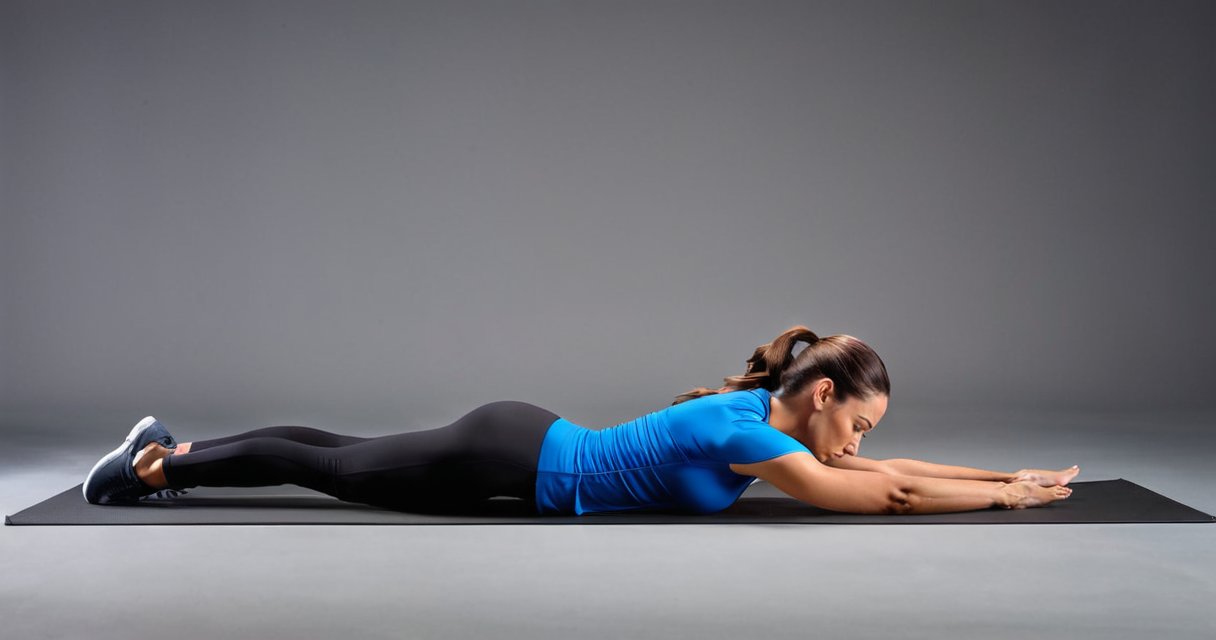
When performing a lower back stretch, safety should always be a top priority. Adhering to proper technique and being mindful of your body’s limits can help prevent injuries and ensure effective results. Here are some important tips and precautions to follow for lower back stretch safety.
First and foremost, always start your stretching routine with a gentle warm-up. This can be light aerobic activity such as walking or marching in place for 5-10 minutes to increase blood flow and prepare the muscles and joints for stretching. Stretching cold muscles can increase the risk of strains and other injuries.
Use proper technique when stretching the lower back. Avoid sudden or jerky movements that could overstress the muscles or ligaments. Instead, move slowly and deliberately into each stretch, holding the position for 20-30 seconds without bouncing. This helps the muscles lengthen safely and reduces the likelihood of injury.
Listen to your body and avoid pushing through pain. A mild feeling of tension or discomfort is normal during stretching, but sharp or intense pain is a warning sign that you may be causing harm. If you experience pain, ease off or stop the stretch immediately.
Maintain proper posture throughout your stretches. Keep your movements controlled and aligned to avoid placing unnecessary strain on your spine or surrounding muscles. For example, when performing seated or lying lower back stretches, ensure your back remains in a neutral position rather than overly arching or rounding.
Incorporate breathing techniques to enhance relaxation and effectiveness. Deep, steady breaths can help reduce muscle tension and improve flexibility during lower back stretches.
If you have pre-existing lower back conditions or injuries, consult a healthcare professional before beginning any stretching routine. Certain stretches may not be appropriate and could exacerbate your condition.
Finally, consistency and moderation are key. Stretching the lower back regularly can improve flexibility and reduce discomfort over time, but overdoing it or excessive force can lead to setbacks. Prioritize safety and proper technique to avoid injury while maximizing the benefits of your stretching practice.
Warm-Up Before Stretching
Warming up before stretching is essential to prepare your muscles and joints for activity, ensuring you stretch safely and effectively. Engaging in warm-up exercises increases blood flow to the muscles, raising their temperature and flexibility, which helps prevent strain or injury during stretching. Without an adequate warm-up, muscles can be tight and less responsive, increasing the risk of pulls or tears when you stretch.
To prepare your lower back and surrounding muscles, start with gentle aerobic activities such as walking or light jogging for 5 to 10 minutes. This helps stimulate circulation and gently wakes up the muscle fibers. Following this, incorporate dynamic movements like leg swings, hip circles, or pelvic tilts to mobilize the joints and further loosen the lower back area.
Incorporating these warm-up routines before your stretching session is crucial to enhance muscle elasticity and improve your overall range of motion. By prioritizing warm-up exercises, you can reduce muscle stiffness and prevent strain, making your stretching routine safer and more effective for long-term back health.
Avoiding Common Mistakes
When stretching the lower back, many people fall into common stretching mistakes that can lead to discomfort or injury. One frequent error is using improper technique, such as forcing the body into a stretch too quickly or bouncing during the movement. These actions put unnecessary strain on the muscles and ligaments, increasing the risk of injury. It’s crucial to move slowly and hold each stretch steadily to allow the muscles to lengthen safely.
Maintaining correct posture during lower back stretches is essential for effectiveness and safety. Avoid arching or rounding the back excessively, as this can shift pressure to vulnerable areas. Instead, focus on a neutral spine position, engaging your core to support proper alignment. This prevents undue stress and ensures the stretch targets the right muscles.
Another mistake is neglecting to warm up before stretching, which can make muscles less pliable and more susceptible to injury. Incorporate gentle movements or light aerobic activity beforehand to prepare your body. Also, listen to your body’s signals; sharp or intense pain during a stretch is a sign to stop and reassess your form.
By avoiding these common stretching mistakes and focusing on proper technique and posture, you can enjoy the benefits of lower back stretches while minimizing the risk of injury. Consistency and mindfulness in your routine will support long-term back health and flexibility.

Having spent the last decade navigating the ups and downs of strength training and mindful living, I am passionate about sharing practical strategies for holistic male wellness. My focus is on balancing physical resilience with mental clarity, drawing from personal experience to help men lead more purposeful lives.