
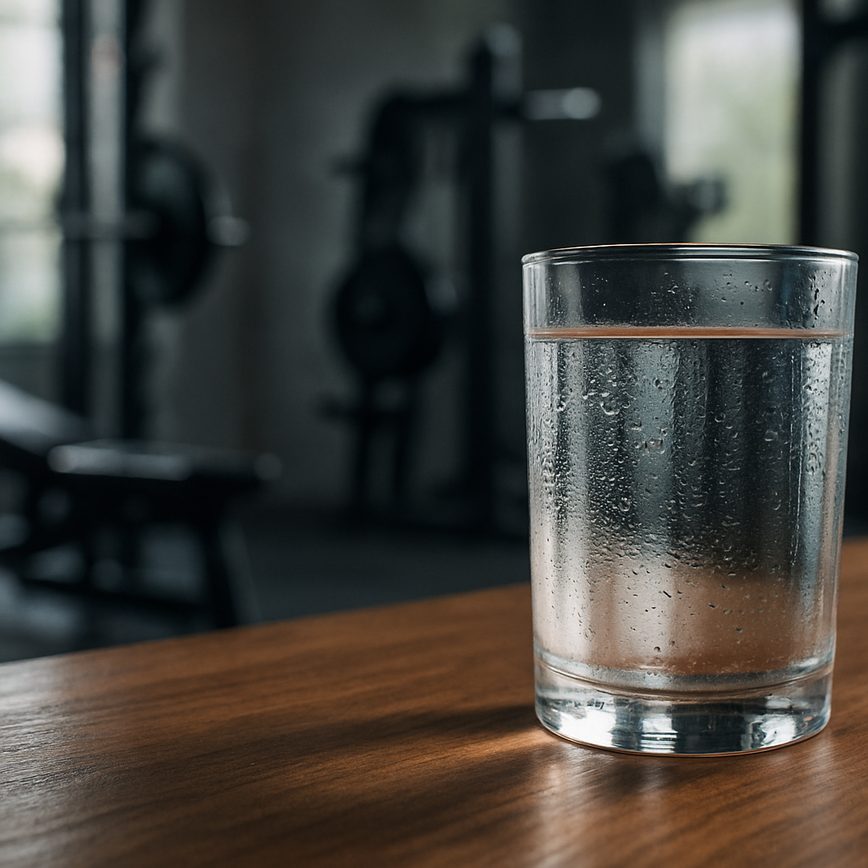
Importance of hydration for men
14/05/2026
Why Hydration is Crucial for Men’s Health
Hydration benefits every individual, but it holds particular importance for men’s health due to the unique physiological and metabolic demands men face. Water is essential for maintaining optimal bodily functions, and its significance cannot be overstated when considering overall well-being and performance in men.
Men generally have a higher muscle mass compared to women, and muscles are composed of approximately 75% water. Staying adequately hydrated ensures that muscles perform efficiently, reducing the risk of cramps, strains, and fatigue. This directly impacts physical strength, stamina, and recovery, which are critical for active men and those involved in regular exercise or demanding physical activities.
The importance of water extends to metabolic processes, including digestion and temperature regulation. Water aids in transporting nutrients and oxygen to cells, while also helping to flush out toxins and waste products through urine. For men, who often have higher metabolic rates, maintaining hydration supports these processes and prevents complications such as kidney stones and urinary tract infections, which men can be prone to.
Men’s health is also influenced by hydration from a cardiovascular perspective. Proper water intake helps maintain blood volume and circulation, which supports heart function and stabilizes blood pressure. Dehydration can lead to thickened blood, placing extra strain on the heart and increasing the risk of cardiovascular problems, a concern particularly relevant to men as they age.
Beyond physical health, hydration benefits mental clarity and mood. Dehydration can impair concentration, increase feelings of fatigue, and heighten stress levels. Men who stay hydrated are likely to experience better cognitive function and overall mental well-being, which are essential for managing daily responsibilities and maintaining quality of life.
In summary, the importance of water and staying hydrated cannot be underestimated in the context of men’s health. From supporting muscle function, metabolism, and cardiovascular health to enhancing mental performance, hydration is vital for ensuring men remain healthy, energetic, and resilient throughout their lives.
Impact of Hydration on Physical Performance
Proper hydration plays a critical role in enhancing physical performance in men by positively affecting muscle function, endurance, and recovery. When men engage in exercise or any physical activity, their muscles demand increased oxygen and nutrients, which are efficiently delivered through well-hydrated blood. The hydration effect ensures that muscle cells maintain their optimal function, reducing the risk of cramps and fatigue during activity.
Maintaining adequate hydration levels during exercise hydration is essential for sustaining endurance. Dehydration can lead to a decrease in blood volume, making the heart work harder to pump oxygen-rich blood to muscles. This increased cardiovascular strain lowers stamina and performance. Conversely, optimal hydration supports better temperature regulation and energy levels, enabling men to perform longer and at higher intensities.
Moreover, hydration accelerates recovery post-exercise by facilitating the removal of metabolic waste products and replenishing lost fluids and electrolytes. This helps reduce muscle soreness and prepares the body for subsequent workouts. Overall, recognizing the hydration effect and prioritizing proper fluid intake before, during, and after physical activities can significantly boost muscle function, endurance, and recovery, leading to improved physical performance for men.
Hydration and Mental Health Benefits
Proper hydration plays a crucial role in maintaining mental clarity and optimal brain function in men. When the body is well-hydrated, cognitive processes such as concentration, memory, and reaction times improve significantly. Dehydration, even in mild forms, can lead to difficulties in focusing and can slow down mental performance, making hydration essential for sustaining mental clarity throughout the day.
Hydration and mood are closely linked, as insufficient fluid intake can result in irritability, anxiety, and mood swings. Maintaining an adequate hydration level helps stabilize mood by supporting neurotransmitter function and facilitating the transport of essential nutrients to the brain. This balance in hydration supports emotional well-being and can help men manage stress more effectively.
Moreover, hydration is key to preventing mental fatigue. Without enough fluids, the brain can become exhausted, leading to feelings of mental tiredness and reduced cognitive endurance. Staying hydrated ensures that the brain receives ample oxygen and nutrients through the bloodstream, helping to maintain energy levels and focus during mentally demanding tasks.
Common Hydration Challenges Men Face
Men often encounter a variety of hydration challenges that can make maintaining proper fluid balance difficult. One primary hydration obstacle is the tendency to underestimate daily water needs, especially during busy or physically demanding days. Men engaged in strenuous work or exercise may sweat heavily, leading to increased fluid loss that is not always replenished adequately. Additionally, men might prioritize other beverages such as coffee, tea, or alcohol, which can have diuretic effects and contribute to dehydration rather than preventing it.
Another common hydration challenge is the lack of a consistent hydration routine. Many men do not consciously make drinking water a regular habit and often wait until they feel thirsty to hydrate. However, thirst is a late indicator of dehydration, meaning dehydration may already be present by the time the need to drink is recognized. This delay can exacerbate the risk of dehydration-related health issues, including fatigue, headaches, and impaired cognitive function.
Environmental factors also play a role in hydration obstacles faced by men. Exposure to hot weather or dry indoor environments increases fluid loss through sweating and respiration. Men who spend a significant amount of time outdoors or in heated settings without easy access to water may struggle to maintain adequate hydration. Furthermore, some men may be unaware of how certain medications or medical conditions influence their hydration status, complicating efforts to stay properly hydrated.
Recognizing the common signs of dehydration is crucial for overcoming these hydration challenges. Early symptoms include dry mouth, dark-colored urine, dizziness, and fatigue. More severe dehydration can manifest in rapid heartbeat, confusion, and decreased urine output. Men need to be vigilant about these signs to prevent dehydration from escalating into more serious health problems.
In summary, hydration challenges for men stem from a combination of lifestyle habits, environmental conditions, and physiological factors. By understanding these obstacles and paying close attention to the signs of dehydration, men can take proactive steps to maintain optimal hydration levels and support overall health and well-being.
Factors Contributing to Dehydration in Men
Dehydration causes in men are influenced by a variety of external and internal factors that can significantly impact men’s health risks. Environmental conditions such as high temperatures, humidity, and exposure to direct sunlight increase fluid loss through sweating, making men more vulnerable to dehydration. Prolonged physical activity, especially in hot climates or during intense workouts, further accelerates fluid loss factors, necessitating increased hydration awareness.
Lifestyle choices also play a crucial role in dehydration among men. Consuming alcohol, caffeine, and certain medications can lead to increased urine production and fluid loss, heightening the risk of dehydration. Men who engage in outdoor labor or sports without adequate water intake are particularly susceptible. Additionally, neglecting to drink enough fluids during daily activities can unknowingly contribute to chronic dehydration, exacerbating health risks over time.
Internal factors include medical issues such as diabetes, kidney disorders, and gastrointestinal illnesses that impair fluid balance and increase dehydration susceptibility. Fever and infections cause elevated body temperature and perspiration, further promoting fluid loss. Aging is another internal factor that diminishes thirst sensation in men, leading to reduced voluntary fluid intake and greater dehydration risk. Recognizing these multifaceted dehydration causes is essential for men to maintain optimal hydration and support overall health.
Recognizing Signs and Symptoms of Dehydration
Dehydration symptoms can vary but often include a range of physical and cognitive signs that men should be aware of to prevent serious health issues. Physically, early signs of dehydration commonly manifest as dry mouth, excessive thirst, and reduced urine output, often accompanied by dark yellow urine. Muscle cramps, dizziness, and fatigue are also frequent indicators that the body is lacking sufficient fluids.
Men’s hydration warning signs go beyond these physical cues. Cognitive symptoms such as difficulty concentrating, headaches, confusion, and irritability can signal that dehydration is impacting brain function. It’s important to recognize that these mental signs can sometimes be mistaken for other conditions, but when paired with physical symptoms, they strongly indicate the need for immediate rehydration.
Additionally, more severe signs of dehydration include rapid heartbeat, low blood pressure, sunken eyes, and fainting, which require urgent medical attention. By being vigilant about these dehydration symptoms and signs of dehydration, men can take proactive steps to maintain proper hydration and overall health. Early detection is crucial, as timely fluid intake helps restore balance and prevents complications associated with prolonged dehydration.
Tips for Maintaining Optimal Hydration for Men
Maintaining proper hydration is essential for men to support overall health, improve physical performance, and enhance mental clarity. Following simple hydration tips can make a significant difference in achieving optimal hydration daily. Here is a comprehensive men’s hydration guide with practical strategies to stay properly hydrated.
First and foremost, always carry a reusable water bottle throughout the day. This encourages frequent sips and helps you monitor your water intake conveniently. Set reminders on your phone or smartwatch as hydration prompts, especially if you have a busy schedule or tend to forget drinking water during work or exercise.
Another effective hydration tip is to consume water-rich foods such as watermelon, cucumbers, oranges, and strawberries. These naturally boost fluid levels while providing essential vitamins and minerals. Including these foods as snacks or part of your meals supports optimal hydration and overall nutrition.
Men engaged in regular physical activity need to increase their fluid intake due to fluid loss from sweating. Drinking water before, during, and after workouts is crucial to replace lost fluids and maintain energy levels. Incorporating electrolyte-enhanced drinks can also be beneficial after intense or prolonged exercise sessions.
Pay attention to your body’s signals such as thirst, dark urine, and fatigue, which may indicate dehydration. Drinking water even before you feel thirsty can prevent dehydration. Additionally, limit intake of dehydrating beverages like caffeinated drinks and alcohol, as they can increase fluid loss and impair hydration levels.
Establish a daily water intake goal tailored to your weight, activity level, and climate conditions. A general recommendation is about 3.7 liters (125 ounces) of total water per day for men, but individual needs vary. Tracking apps or simple journals can help maintain awareness and make adjustments as necessary for optimal hydration.
In summary, following these hydration tips—carrying water with you, eating water-rich foods, hydrating around workouts, noticing your body’s hydration cues, and setting daily intake goals—creates a successful men’s hydration guide. These practical strategies ensure optimal hydration, supporting better health outcomes and overall well-being.
Daily Water Intake Recommendations
Proper water intake is crucial for maintaining optimal hydration levels in men, and daily water needs can vary depending on several factors such as age, activity level, and environmental conditions. According to hydration guidelines, adult men typically require about 3.7 liters (125 ounces) of total water per day from all beverages and foods combined. However, this baseline changes with increased physical activity, as men engaged in vigorous exercise or manual labor will need to increase their water intake to replace fluids lost through sweat.
Age is another important factor influencing water intake. Younger men and those in middle age generally follow the standard hydration guidelines, but older men may require slightly less water due to decreased kidney function and overall lower muscle mass. However, older adults should still be mindful of staying adequately hydrated to prevent health complications such as urinary tract infections and kidney stones.
Environmental conditions play a significant role as well. In hot or humid climates, men should increase their water intake to offset fluid losses caused by heat and sweating. Similarly, in cold environments, staying hydrated is important even if thirst is less noticeable. Men who live at higher altitudes also need extra hydration due to increased respiratory water loss.
In summary, while general hydration guidelines provide a solid foundation for water intake, men should personalize their water intake based on their age, physical activity, and environmental factors to ensure they meet their daily water needs effectively.
Incorporating Hydration into Active Lifestyles
Maintaining proper hydration is essential for men engaged in physically demanding activities, as it supports overall performance, endurance, and recovery. Active hydration requires thoughtful planning before, during, and after exercise to optimize the body’s fluid balance.
Before exercising, aim to hydrate well in advance. Drinking 16 to 20 ounces of water or a sports drink about two hours prior to activity ensures the body starts off well-hydrated. It’s also beneficial to sip another 8 to 10 ounces about 20 to 30 minutes before beginning your workout.
During exercise, sports hydration focuses on replacing fluids lost through sweat. For activities lasting less than an hour, water is generally sufficient. However, for longer or higher-intensity workouts, incorporating electrolyte-rich sports drinks helps maintain sodium and potassium levels, preventing dehydration and muscle cramps. Aim to consume 7 to 10 ounces every 10 to 20 minutes, adjusting based on sweat rate and climate conditions.
After exercise, replenishing lost fluids and electrolytes is critical. Drinking at least 16 to 24 ounces of water or a recovery beverage for every pound lost during physical activity restores hydration status. Including a balanced meal with natural fluids also aids recovery. Consistently applying these hydration strategies supports endurance, reduces fatigue, and enhances overall health for men living active lifestyles.

Having spent the last decade navigating the ups and downs of strength training and mindful living, I am passionate about sharing practical strategies for holistic male wellness. My focus is on balancing physical resilience with mental clarity, drawing from personal experience to help men lead more purposeful lives.