

Balanced nutrition for men
15/12/2025
Understanding Balanced Nutrition for Men
Adequate nutrition is fundamental to men’s health, serving as the foundation for overall well-being and optimal physical performance. Understanding what a balanced diet entails—its meaning and how to achieve it—is essential for meeting the unique nutritional needs men face throughout different stages of life. A balanced diet includes the right types and amounts of nutrients from a variety of food groups to support bodily functions, maintain energy levels, and prevent chronic illnesses.
Men generally have distinct nutritional needs compared to women due to differences in body composition, metabolism, and levels of physical activity. For example, they often require higher protein intake to support and restore their larger muscle mass. Prime sources of protein consist of lean beef, poultry, fish, legumes, and dairy, all vital for muscle growth and recovery. Additionally, micronutrients like zinc and magnesium play a key role in male reproductive health and the production of testosterone.
Incorporating sufficient healthy fats and complex carbohydrates is essential for a well-rounded diet for men. Beneficial fats, like the omega-3 fatty acids present in fatty fish, nuts, and seeds, enhance cardiovascular health, improve cognitive function, and aid in hormone balance. Complex carbohydrates sourced from whole grains, fruits, and vegetables provide consistent energy and are rich in fiber, which aids digestion and helps keep blood sugar levels stable.
Maintaining proper hydration and ensuring an adequate intake of vitamins and minerals is vital for enhancing men’s general health. Vitamin D plays a key role, as it is necessary for preserving bone density and bolstering immune function—concerns that can emerge from a restricted diet. Calcium and vitamin D collaborate to fortify bones, while antioxidants such as vitamins C and E shield the body from oxidative stress resulting from physical activity or environmental influences.
Creating a well-rounded nutritional plan involves monitoring portion sizes and meal schedules, as these factors play a crucial role in metabolic processes and weight management. Men are often encouraged to reduce their consumption of processed foods, sugars, and sodium, as these ingredients can increase the risk of heart disease, diabetes, and obesity—conditions that tend to impact men more frequently. By focusing on nutrient-dense foods, men can more effectively tailor their eating habits to meet their biological needs and daily routines.
Ultimately, adequate nutrition for men involves more than just eating healthy foods; it requires a solid understanding of dietary approaches tailored to male biology and specific health needs. Meeting these nutritional demands enhances physical strength and endurance, promotes lasting well-being, lowers the risk of chronic illnesses, and boosts overall life satisfaction.
Essential Nutrients for Men
For men striving to achieve optimal health, it is essential to prioritize a diet abundant in nutrients, including protein, vitamins, minerals, and fiber. Protein is essential for muscle recovery, immune support, and hormone balance. Although the general recommendation for adult men is a minimum of 56 grams of protein daily, those who are more active or aiming to build muscle may need considerably more to fulfill their requirements. [[L0]]
Vitamins play an essential role in maintaining a balanced diet. Key nutrients for men include Vitamin D, which aids in bone health and immune support; Vitamin B12, crucial for energy metabolism and the production of red blood cells; and Vitamin C, necessary for collagen synthesis and antioxidant defense. Recommended daily allowances differ, but men should aim for approximately 600 IU of Vitamin D, 2.4 micrograms of Vitamin B12, and 90 milligrams of Vitamin C each day.
Vital minerals like magnesium, zinc, and iron play an important role in promoting men’s health. Magnesium is essential for ensuring proper muscle and nerve function, while zinc is vital for testosterone synthesis and a robust immune system. Generally, men should aim for approximately 400-420 mg of magnesium and 11 mg of zinc each day. In contrast to women, men typically need less iron—around 8 mg daily—but it is still essential for oxygen transport and energy maintenance. [[L0]]
Prioritizing fiber intake is crucial because it promotes digestive health, assists in regulating blood sugar, and enhances heart health. Men should target a daily fiber intake of around 30 to 38 grams from options such as whole grains, fruits, vegetables, and legumes. Together, protein, vitamins, minerals, and fiber create a solid foundation for men’s nutritional health, supporting energy levels, bodily functions, and disease prevention.
Common Nutritional Challenges Men Face
Men frequently encounter unique nutritional obstacles that impact their overall health and wellness. Many experience erratic eating patterns due to busy lifestyles, which can result in skipped meals or dependence on quick, often unhealthy food options. This behavior can disrupt the intake of vital nutrients, possibly leading to weight gain or deficiencies. Additionally, a significant proportion of men find it challenging to reduce their consumption of processed foods, which are usually high in saturated fats and sugars, raising their risk for serious health issues like heart disease and diabetes. They can discover useful resources at [[L0]].
A common issue is the lack of adequate fruits, vegetables, and fiber in one’s diet. Missing these vital components can lead to digestive problems and weaken the immune system. Moreover, many overlook the importance of staying hydrated, which is crucial for maintaining energy and cognitive function. Men often underestimate their need for certain micronutrients like calcium and vitamin D, which are essential for preserving bone health, especially as they age.
To overcome these dietary challenges, men should focus on crafting balanced meal plans that incorporate a variety of whole foods. Prioritizing consistent meals that consist of lean proteins, whole grains, and plenty of colorful vegetables helps maintain nutrient balance. Reducing the intake of processed snacks and sugary beverages can lower several health risks. Furthermore, establishing consistent hydration habits and considering supplementation when necessary, ideally with guidance from a healthcare provider, is beneficial. By actively confronting these common nutrition issues for men, they can foster enduring health and wellness.
Creating a Balanced Diet Plan for Men
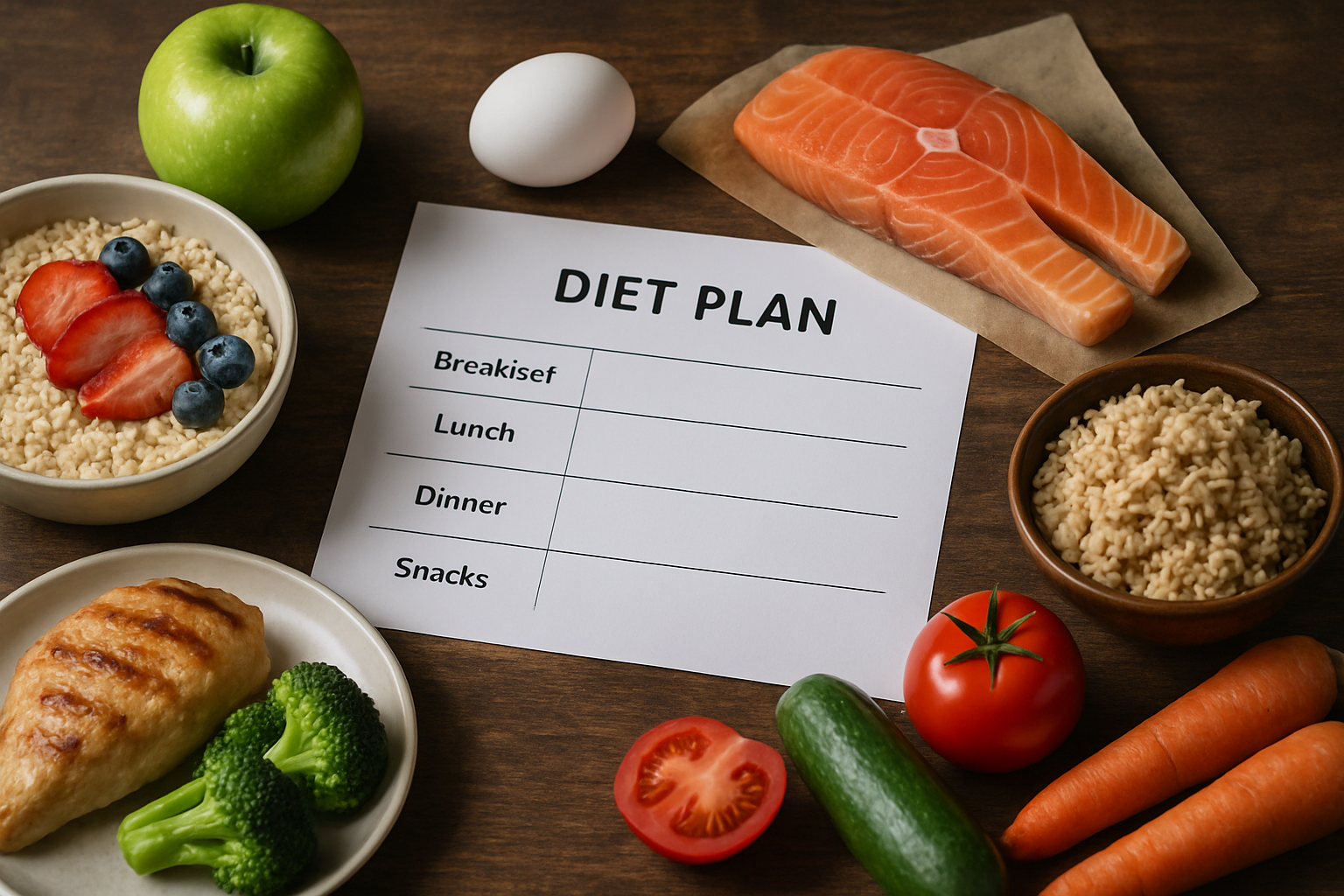
Designing a nutrition plan that aligns with a man’s lifestyle, age, and health goals is essential for maintaining lasting health. There is no one-size-fits-all approach to healthy eating; it requires understanding individual dietary needs and likes. When formulating a meal plan, consider factors such as activity level, metabolism, and any existing health conditions to ensure the diet supports overall health and energy.
Meal planning plays a vital role in achieving balanced nutrition for men. Start by incorporating a variety of whole foods, such as lean proteins, healthy fats, complex carbs, and plenty of fruits and vegetables. These food choices provide essential vitamins, minerals, and macronutrients that support muscle retention, energy levels, and mental function. For men who regularly exercise, sufficient protein intake is especially important for muscle recovery and growth.
Age plays a vital role in crafting a diet plan. Younger males typically require a higher caloric intake to fuel growth and active lifestyles, while older males should focus on eating nutrient-dense foods to prevent chronic illnesses such as heart disease, diabetes, and osteoporosis. Modifying portion sizes and nutrient ratios can effectively address the changes in metabolism and hormone levels associated with aging.
Keeping a nutritious diet means aligning the calories you take in with the calories you expend, aiding in the preservation of a healthy weight and reducing the risk of obesity-related illnesses. Incorporate fiber-rich foods like whole grains, legumes, and vegetables to enhance digestion and promote a sense of satiety. Additionally, maintaining proper hydration is vital, as it aids metabolic processes, enhances digestive health, and boosts physical performance.
To improve your nutritional strategy, consider adopting meal planning to organize your eating habits for the week. Prepping meals in advance can reduce reliance on convenience and fast foods, which often contain excessive amounts of salt, sugar, and unhealthy fats. Including well-rounded recipes that address personal dietary needs and preferences can make it easier to stick to a meal plan and enhance the overall experience.
In the end, regularly evaluating and modifying your diet to align with your changing lifestyle and objectives is advantageous. Whether your goal is to gain muscle, shed pounds, or enhance your overall health, a tailored nutrition plan that suits your needs will help you stay focused and promote sustainable outcomes.
Macronutrient Distribution for Men
Achieving the right balance of macronutrients is essential for men aiming to maintain energy levels, develop and retain muscle mass, and enhance overall health. The three main macronutrients—proteins, fats, and carbohydrates—serve unique roles that energize the body and boost its efficiency.
Carbohydrates typically account for 45-55% of a man’s overall daily caloric intake, serving as the primary energy source for cognitive clarity and vigorous exercise. Opting for nutrient-dense, slowly-digesting choices like whole grains, vegetables, and legumes provides consistent energy and essential vitamins. [[L0]]
Attaining the right amount of protein is essential, especially for men aiming to preserve or build muscle mass. Dietary recommendations suggest that protein should account for roughly 20-30% of your daily caloric intake. Quality protein sources such as lean meats, fish, eggs, dairy products, and plant-based alternatives aid in muscle recovery and enhance overall metabolic well-being.
Maintaining a proper balance of dietary fats is crucial, as they account for about 20-30% of your overall daily caloric consumption. Beneficial fats found in foods like avocados, nuts, seeds, and olive oil support hormone regulation, enhance cognitive function, and assist in the absorption of fat-soluble vitamins. Reducing high amounts of saturated and trans fats can greatly benefit heart health.
Through precise adjustments of carbohydrates, fats, and proteins, men can customize their macronutrient consumption to boost endurance, speed up muscle recovery, and maintain optimal energy levels. Minor modifications to these proportions—tailored to personal objectives, daily activity, and metabolic requirements—can lead to the most favorable results with [[L0]].
Incorporating Micronutrients and Supplements
Key vitamins and minerals, referred to as micronutrients, are crucial for promoting men’s overall health and well-being. These elements aid in numerous bodily functions, including immune support, energy generation, and the maintenance of healthy bones. Although a balanced diet filled with fruits, whole grains, lean proteins, and dairy usually ensures sufficient intake, factors such as a busy lifestyle, limited dietary choices, or certain health issues can create nutritional deficiencies that hinder optimal micronutrient levels.
Vitamins like A, C, D, E, and the B-complex group are essential for men’s health, supporting vision, skin health, energy metabolism, and nervous system function. Key minerals such as calcium, magnesium, zinc, and iron are crucial for building strong bones, regulating muscle and nerve functions, and boosting the immune system. Men who are physically active or over the age of 50 should pay special attention to their mineral intake, as the body’s ability to absorb nutrients may diminish with age.
Natural foods ought to be the primary source of micronutrients, yet supplements can be essential when your diet falls short. For example, in regions with limited sunlight, vitamin D supplements are often recommended, and men facing specific health concerns or following restrictive diets may need tailored supplements. Always consult a healthcare provider before starting any supplementation to avoid overconsumption and ensure that the supplements suit your individual nutritional needs.
In conclusion, incorporating micronutrients through a diet abundant in nutrients is the most efficient method, while supplements can serve as a strategic option to tackle nutritional gaps and enhance overall nutrition for men.
Tips for Maintaining Balanced Nutrition Long Term

Maintaining a balanced diet is essential for men’s well-being, but it can be challenging to sustain in the long run. Developing healthy habits and following sensible nutrition tips can make it easier to enjoy a lasting diet. Here are several effective approaches to help men attain enduring nutritional equilibrium.
At the outset, meal planning acts as a powerful tool for sustaining concentration. Dedicating time each week to arrange meals allows individuals to ensure a varied array of nutritious foods while avoiding quick, less nutritious choices. Furthermore, preparing meals in advance supports portion control and reduces the temptation of convenience foods that are often loaded with unhealthy sugars and fats.
Next, adopting a mindset centered on moderation instead of complete removal encourages sustainable change. Rather than completely eliminating beloved foods, incorporate them occasionally into a balanced diet. This strategy helps avoid feelings of deprivation and cultivates a healthy relationship with food, which is essential for sticking to a long-term eating plan.
Incorporating regular physical activity supports nutritional goals and promotes overall health. Exercise not only helps manage weight but also boosts metabolism, improves mood, and increases energy levels, making it easier to stick to dietary goals. Combining consistent workouts with mindful eating creates a more holistic approach to men’s health.
Maintaining a food diary or using apps can boost your accountability and highlight aspects that require attention. By tracking your meals, you can identify patterns, simplifying the process of adjusting your eating habits for improved nutrition. Many apps also provide meal suggestions and reminders, which can motivate you to adhere to healthy practices.
In the end, connecting with friends, family, or nutrition professionals builds a supportive network that encourages resilience and growth. Sharing goals and challenges with others boosts motivation and provides tailored advice that meets individual requirements. Men who establish a support system frequently experience more sustained success in their dietary pursuits.
Integrating these dietary approaches and adopting healthy habits allows men to achieve and maintain balanced nutrition throughout their lives. Emphasizing nutrient-dense foods, staying active, and fostering supportive relationships are crucial for encouraging lasting wellness for men. The key is to be consistent and make gradual, realistic changes rather than pursuing extreme or short-term fixes.
Meal Prep and Smart Grocery Shopping
Effective meal planning and mindful grocery shopping are essential strategies for men to maintain a healthy diet. By planning your meals in advance, you can ensure that wholesome foods are consistently part of your diet, reducing the temptation to choose quick, less nutritious options. Start by outlining your nutrition plan for the week, considering your caloric needs, macronutrient balance, and individual preferences.
For an efficient grocery shopping experience, start by making a list aligned with your meal plan to prevent impulse purchases. Prioritize whole, nutrient-rich options like lean proteins, fresh vegetables, fruits, whole grains, and healthy fats. A useful strategy is to stick to the store’s perimeter, where you’ll find the majority of fresh produce, dairy, and related items, steering clear of the processed, high-sodium products typically found in the central aisles.
Preparing meals doesn’t have to be complicated; you can cook in bulk by preparing large amounts of proteins like chicken or beans, chopping vegetables in advance, or creating entire meals to store in the fridge or freezer. This approach not only saves time but also reduces the anxiety associated with meal decisions and promotes a consistent intake of healthy foods. It’s important to vary your choices to obtain a diverse array of vitamins and minerals. Setting aside some time weekly for meal preparation and thoughtful grocery shopping can lead to sustainable healthy eating patterns and improved overall well-being.
Monitoring Progress and Adjusting Diet
Keeping track of nutritional intake is essential for men aiming to uphold a healthy diet and promote overall well-being. Utilizing food diaries, smartphone applications, or written journals provides valuable information about your daily eating habits and nutrient intake. By consistently documenting your meals and snacks, you can recognize trends and make sure you meet your goals for both macronutrients and micronutrients, including protein, healthy fats, vitamins, and minerals.
Health monitoring involves much more than just keeping tabs on your food intake. Observing physical indicators like weight, energy levels, quality of sleep, and muscle mass can provide valuable insights into how well your diet supports your lifestyle and fitness objectives. Utilizing wearable devices or arranging regular health check-ups can improve your understanding of how nutrition affects your body, signaling when adjustments to your diet may be necessary.
Modifications to diet should be guided by a careful evaluation of progress, taking a close look at the data collected from nutrition tracking and health monitoring. For example, if the goal is to build muscle but growth stalls, it might be essential to increase protein intake or alter meal timing. Conversely, if energy levels decline or digestive issues arise, changes such as incorporating additional fiber or enhancing hydration may be beneficial.
Being flexible and mindful of your body’s changing needs is essential, considering factors like age, physical activity, and general health. Consulting with healthcare experts can enhance your ability to implement informed dietary adjustments, aiding in the effectiveness and sustainability of your nutrition plan for long-term wellness.

Having spent the last decade navigating the ups and downs of strength training and mindful living, I am passionate about sharing practical strategies for holistic male wellness. My focus is on balancing physical resilience with mental clarity, drawing from personal experience to help men lead more purposeful lives.