

Hydration habits for men
16/12/2025
An additional effective hydration tactic is to keep a reusable water bottle on hand. This serves as a steady reminder and an easily accessible water supply, promoting regular drinking without the need to search for a water source. Adjust your drinking routine to fit your lifestyle—if you work out often, boost your water consumption before, during, and after your exercise sessions to adequately replenish lost fluids.
Pay attention to your body’s inherent thirst cues, but don’t depend on them exclusively. Dehydration can creep in gradually, so sticking to a regular drinking routine and consistent hydration practices is essential to prevent shortfalls. By integrating these effective strategies, men can ensure they stay adequately hydrated, promoting overall health and peak physical performance throughout the day.
Hydrating Foods and Beverages for Men
Although water is the simplest and most efficient method for maintaining hydration, adding hydrating foods and nutritious beverages to your diet can greatly improve your overall hydration. For men looking to increase their fluid intake, considering foods with high water content and other hydration options guarantees sufficient hydration while also providing a healthy way to meet the body’s requirements.
Fruits and vegetables rank among the top contributors of water in our diet. Items like cucumbers, watermelon, and strawberries are especially advantageous. With a water composition exceeding 95%, cucumbers serve as a revitalizing component in salads or as snacks. Watermelon, cherished for its sweetness and containing more than 90% water, also delivers vital nutrients like vitamin C and antioxidants. Likewise, strawberries and oranges provide hydration along with a healthy dose of vitamin C, which aids in immune support.
Leafy greens like spinach and lettuce are fantastic water-dense foods that aid in hydration while providing essential nutrients such as iron and fiber. Adding these greens to everyday meals can assist men in sustaining proper fluid levels and enhancing overall well-being. Tomatoes, which are also hydrating vegetables, have about 94% water content and can be used in numerous recipes, ranging from salads to sauces.
For those seeking healthy beverage options that provide hydration alternatives, herbal teas and coconut water are excellent selections. Herbal teas deliver taste without caffeine, which can occasionally lead to slight dehydration, making them an ideal choice for hydration without extra sugars or additives. Coconut water, frequently referred to as nature’s sports drink, is abundant in electrolytes such as potassium and magnesium, aiding in the replenishment of hydration following exercise.
In addition to these alternatives, milk offers hydration along with essential nutrients like calcium and protein. For men who appreciate coffee or tea, drinking them in moderation can help meet daily fluid needs, but it’s important to complement them with water because of their slight diuretic effects. Smoothies that incorporate water-rich fruits or vegetables mixed with yogurt or milk make for tasty and refreshing snacks that aid in both muscle recovery and hydration at the same time.
By broadening fluid sources to include hydrating foods and nutritious beverages, men can efficiently sustain hydration and promote overall well-being. These hydration options enhance the consumption of plain water and transform the routine of staying hydrated into a more enjoyable and nutritionally beneficial experience.
Top Hydrating Foods
Adding fruits and vegetables with high water content to your meals is an excellent strategy for men to maintain hydration while enjoying nutrient-dense options. These foods not only contain a significant amount of water but also offer vital vitamins and minerals that promote overall well-being and hydration equilibrium.
- Cucumber: Composed of about 95% water, cucumbers are one of the best hydrating vegetables. They are low in calories and packed with antioxidants, making them ideal for maintaining hydration and promoting skin health.
- Watermelon: This juicy fruit contains approximately 92% water, making it a refreshing and hydrating treat. Watermelon also contains lycopene and vitamin C, key nutrients that support heart health and immunity.
- Celery: With about 95% water content, celery is a crunchy vegetable filled with electrolytes like potassium and sodium, which help maintain fluid balance in the body.
- Strawberries: Strawberries have around 91% water and are loaded with antioxidants and vitamin C. They help improve hydration as well as reduce inflammation.
- Zucchini: Containing roughly 94% water, zucchini is a versatile vegetable rich in vitamin B6 and manganese, aiding hydration and metabolism.
- Tomatoes: These fruits (commonly treated as vegetables) have about 94% water and are rich in vitamin C and potassium, supporting hydration and cardiovascular health.
Incorporating these hydrating fruits and vegetables into everyday meals is a smart approach to maintain hydration, allowing men to enjoy nutrient-dense foods that enhance both hydration and overall health.
Hydrating Beverages Beyond Water
Although water is the ultimate choice for hydration, trying out different hydrating drinks can introduce diversity and essential nutrients to your daily consumption without added sugars or calories. Herbal teas serve as a fantastic option for men who want to maintain hydration in a tasty and nutritious manner. These naturally caffeine-free drinks are available in numerous flavors, including chamomile, peppermint, and rooibos, each providing distinct antioxidant advantages. Enjoying herbal teas either hot or cold can be a delightful alternative to plain water, enhancing hydration all day long.
Drinks with low sugar content, such as water infused with fresh fruits, vegetables, or herbs, offer gentle natural flavors without the excess sugars typically present in sodas or store-bought juices. For instance, incorporating cucumber slices, lemon wedges, or mint leaves into water can boost flavor and promote increased fluid intake. Moreover, coconut water serves as a natural source abundant in electrolytes, aiding hydration particularly after exercise. Just ensure you opt for versions without added sugars to maintain a healthy option.
When choosing drinks for hydration, look for choices that are low in calories and devoid of artificial sweeteners. Unsweetened herbal teas and naturally flavored waters qualify as hydrating options since they aid in meeting your daily fluid requirements without added ingredients. Incorporating these beverages with your regular water consumption can help ensure proper hydration, promote overall wellness, and sustain energy levels throughout the day while avoiding excessive sugar consumption.
Activity level plays a vital role in determining hydration needs. Men who participate in consistent exercise or labor-intensive jobs tend to lose greater amounts of fluids through perspiration, thereby raising their hydration demands. When engaging in vigorous activities, it’s essential to restore electrolytes in addition to water to ensure proper bodily functions. Staying hydrated before, during, and after exercise is key to preventing dehydration and aiding recovery.
Climate factors also have a major impact. Males residing in warm or humid areas typically require more fluids because of heightened perspiration. In contrast, chilly conditions may lessen the feeling of thirst, yet staying hydrated is crucial, particularly in elevated regions where moisture loss through breathing is amplified. Modifying water consumption according to the climate aids in keeping hydration levels consistent.
Ultimately, a man’s health condition influences his required water intake. Issues such as diabetes, kidney disorders, or the use of diuretics can alter fluid levels. Men dealing with these health challenges should seek advice from healthcare providers to customize their hydration practices appropriately. Recognizing these elements helps men maintain proper hydration for their overall well-being and performance.
Best Hydration Practices
Creating good hydration practices is essential for sustaining peak health and energy throughout the day. A thoughtfully organized drinking routine promotes regular fluid consumption, helping to stave off dehydration from the outset. A useful approach to hydration is to focus on taking small, regular sips of water instead of consuming large quantities sporadically, which keeps your body continuously hydrated without putting too much strain on your system.
Begin your morning with a complete glass of water to jumpstart your metabolism and restore the fluids lost during the night. After that, program hourly reminders to take small sips, particularly if your daily activities require extended hours of sitting or desk work. Adding water breaks during meals and exercise helps reinforce your hydration routine, making it simpler to maintain consistency.
An additional effective hydration technique is to keep a reusable water bottle on hand. This serves as a constant reminder and an easy way to access water, promoting regular drinking without the need to search for a water source. Adjust your drinking habits to fit your routine—if you work out often, boost your water consumption before, during, and after your sessions to adequately replenish lost fluids.
Pay attention to your body’s inherent thirst cues, but don’t depend on them exclusively. Dehydration can creep in quietly, so following a regular drinking routine and maintaining consistent hydration practices can help prevent shortages. By implementing these actionable strategies, men can keep their hydration levels stable, promoting overall health and peak physical performance throughout the day.
Hydrating Foods and Beverages for Men
Although water is the simplest and most efficient method for staying hydrated, adding hydrating foods and nutritious beverages to your meals can greatly improve your overall hydration. For men looking to increase their hydration, considering foods high in water content and other hydration options guarantees sufficient fluid consumption while also providing a healthy way to meet the body’s requirements.
Fruits and vegetables rank among the top contributors to hydration in our diets. Items like cucumbers, watermelon, and strawberries are especially advantageous. With more than 95% water, cucumbers serve as a crisp and revitalizing component for salads or snacks. Watermelon, cherished for its delicious taste and over 90% water content, also delivers vital vitamins like vitamin C and antioxidants. Likewise, strawberries and oranges provide hydration along with a valuable dose of vitamin C, which aids in immune health.
Leafy vegetables like spinach and lettuce are great options for hydration due to their high water content, and they also provide essential nutrients such as iron and fiber. Incorporating these greens into everyday meals can assist men in keeping their fluid balance while enhancing their overall well-being. Tomatoes, another vegetable that aids in hydration, are about 94% water and can be used in numerous recipes, ranging from salads to sauces.
For those seeking healthy beverage options that can replace traditional hydration methods, herbal teas and coconut water are excellent selections. Herbal teas provide a flavorful experience without caffeine, which may contribute to slight dehydration, allowing for hydration without extra sugars or additives. Coconut water, frequently referred to as nature’s sports drink, is packed with electrolytes such as potassium and magnesium, assisting in rehydration following exercise.
In addition to these choices, milk offers not just hydration but also essential nutrients like calcium and protein. For men who like coffee or tea, moderate intake can help meet daily fluid needs, although it should be complemented with water because of their slight diuretic effects. Smoothies crafted with juicy fruits or vegetables mixed with yogurt or milk provide tasty and hydrating snacks that aid in muscle recovery while keeping you hydrated.
By adding hydrating foods and nutritious beverages to their diet, men can enhance their fluid intake and promote overall health. These hydration options work alongside regular water consumption, making the routine of staying hydrated both more enjoyable and beneficial from a nutritional standpoint.
Top Hydrating Foods
Adding fruits and vegetables with high water content to your meals is an intelligent approach for men to maintain hydration while enjoying nutrient-dense options. These foods not only contain a significant amount of water but also offer vital vitamins and minerals that contribute to overall wellness and hydration balance.
- Cucumber: Composed of about 95% water, cucumbers are one of the best hydrating vegetables. They are low in calories and packed with antioxidants, making them ideal for maintaining hydration and promoting skin health.
- Watermelon: This juicy fruit contains approximately 92% water, making it a refreshing and hydrating treat. Watermelon also contains lycopene and vitamin C, key nutrients that support heart health and immunity.
- Celery: With about 95% water content, celery is a crunchy vegetable filled with electrolytes like potassium and sodium, which help maintain fluid balance in the body.
- Strawberries: Strawberries have around 91% water and are loaded with antioxidants and vitamin C. They help improve hydration as well as reduce inflammation.
- Zucchini: Containing roughly 94% water, zucchini is a versatile vegetable rich in vitamin B6 and manganese, aiding hydration and metabolism.
- Tomatoes: These fruits (commonly treated as vegetables) have about 94% water and are rich in vitamin C and potassium, supporting hydration and cardiovascular health.
Incorporating these hydrating fruits and vegetables into everyday meals is a smart approach to maintain hydration, helping men to eat nutrient-dense foods that enhance both hydration and overall health.
Hydrating Beverages Beyond Water
Although water is the ideal option for staying hydrated, trying out different hydrating drinks can introduce diversity and essential nutrients to your daily consumption without adding extra sugar or calories. Herbal teas are a fantastic option for those wanting to maintain hydration in a tasty and nutritious manner. These naturally caffeine-free drinks are available in various types, including chamomile, peppermint, and rooibos, each providing distinct antioxidant advantages. Enjoying herbal teas either hot or cold can be a delightful alternative to plain water while supporting hydration all day long.
Beverages with low sugar content, such as infused water featuring fresh fruits, vegetables, or herbs, offer gentle natural flavors without the extra sugars present in sodas or store-bought juices. For instance, incorporating cucumber slices, lemon wedges, or mint leaves into water can elevate the flavor and promote increased fluid intake. Moreover, coconut water serves as a natural source packed with electrolytes, aiding hydration particularly after exercise. Just ensure you select options that do not contain added sugars to maintain a healthy choice.
When choosing drinks for hydration, focus on those that are low in calories and do not contain artificial sweeteners. Unsweetened herbal teas and water with natural flavors are excellent hydrating choices, as they fulfill your daily fluid requirements without extra additives. Incorporating these beverages with your usual water consumption can help ensure proper hydration, promote general well-being, and sustain energy levels throughout the day while avoiding excessive sugar consumption.
Activity level plays a vital role in determining hydration needs. Men who participate in consistent exercise or labor-intensive jobs tend to lose greater amounts of fluids through perspiration, thereby raising their hydration demands. When engaging in vigorous activities, it’s essential to restore electrolytes in addition to water to ensure proper bodily functions. Staying hydrated before, during, and after exercise is key to preventing dehydration and aiding recovery.
Climate factors also have a major impact. Males residing in warm or humid areas typically require more fluids because of heightened perspiration. In contrast, chilly conditions may lessen the feeling of thirst, yet staying hydrated is crucial, particularly in elevated regions where moisture loss through breathing is amplified. Modifying water consumption according to the climate aids in keeping hydration levels consistent.
Ultimately, a man’s health condition influences his required water intake. Issues such as diabetes, kidney disorders, or the use of diuretics can alter fluid levels. Men dealing with these health challenges should seek advice from healthcare providers to customize their hydration practices appropriately. Recognizing these elements helps men maintain proper hydration for their overall well-being and performance.
Best Hydration Practices
Creating good hydration practices is essential for sustaining peak health and energy throughout the day. A thoughtfully organized drinking routine promotes regular fluid consumption, helping to stave off dehydration from the outset. A useful approach to hydration is to focus on taking small, regular sips of water instead of consuming large quantities sporadically, which keeps your body continuously hydrated without putting too much strain on your system.
Begin your morning with a complete glass of water to jumpstart your metabolism and restore the fluids lost during the night. After that, program hourly reminders to take small sips, particularly if your daily activities require extended hours of sitting or desk work. Adding water breaks during meals and exercise helps reinforce your hydration routine, making it simpler to maintain consistency.
An additional effective hydration technique is to keep a reusable water bottle on hand. This serves as a constant reminder and an easy way to access water, promoting regular drinking without the need to search for a water source. Adjust your drinking habits to fit your routine—if you work out often, boost your water consumption before, during, and after your sessions to adequately replenish lost fluids.
Pay attention to your body’s inherent thirst cues, but don’t depend on them exclusively. Dehydration can creep in quietly, so following a regular drinking routine and maintaining consistent hydration practices can help prevent shortages. By implementing these actionable strategies, men can keep their hydration levels stable, promoting overall health and peak physical performance throughout the day.
Hydrating Foods and Beverages for Men
Although water is the simplest and most efficient method for staying hydrated, adding hydrating foods and nutritious beverages to your meals can greatly improve your overall hydration. For men looking to increase their hydration, considering foods high in water content and other hydration options guarantees sufficient fluid consumption while also providing a healthy way to meet the body’s requirements.
Fruits and vegetables rank among the top contributors to hydration in our diets. Items like cucumbers, watermelon, and strawberries are especially advantageous. With more than 95% water, cucumbers serve as a crisp and revitalizing component for salads or snacks. Watermelon, cherished for its delicious taste and over 90% water content, also delivers vital vitamins like vitamin C and antioxidants. Likewise, strawberries and oranges provide hydration along with a valuable dose of vitamin C, which aids in immune health.
Leafy vegetables like spinach and lettuce are great options for hydration due to their high water content, and they also provide essential nutrients such as iron and fiber. Incorporating these greens into everyday meals can assist men in keeping their fluid balance while enhancing their overall well-being. Tomatoes, another vegetable that aids in hydration, are about 94% water and can be used in numerous recipes, ranging from salads to sauces.
For those seeking healthy beverage options that can replace traditional hydration methods, herbal teas and coconut water are excellent selections. Herbal teas provide a flavorful experience without caffeine, which may contribute to slight dehydration, allowing for hydration without extra sugars or additives. Coconut water, frequently referred to as nature’s sports drink, is packed with electrolytes such as potassium and magnesium, assisting in rehydration following exercise.
In addition to these choices, milk offers not just hydration but also essential nutrients like calcium and protein. For men who like coffee or tea, moderate intake can help meet daily fluid needs, although it should be complemented with water because of their slight diuretic effects. Smoothies crafted with juicy fruits or vegetables mixed with yogurt or milk provide tasty and hydrating snacks that aid in muscle recovery while keeping you hydrated.
By adding hydrating foods and nutritious beverages to their diet, men can enhance their fluid intake and promote overall health. These hydration options work alongside regular water consumption, making the routine of staying hydrated both more enjoyable and beneficial from a nutritional standpoint.
Top Hydrating Foods
Adding fruits and vegetables with high water content to your meals is an intelligent approach for men to maintain hydration while enjoying nutrient-dense options. These foods not only contain a significant amount of water but also offer vital vitamins and minerals that contribute to overall wellness and hydration balance.
- Cucumber: Composed of about 95% water, cucumbers are one of the best hydrating vegetables. They are low in calories and packed with antioxidants, making them ideal for maintaining hydration and promoting skin health.
- Watermelon: This juicy fruit contains approximately 92% water, making it a refreshing and hydrating treat. Watermelon also contains lycopene and vitamin C, key nutrients that support heart health and immunity.
- Celery: With about 95% water content, celery is a crunchy vegetable filled with electrolytes like potassium and sodium, which help maintain fluid balance in the body.
- Strawberries: Strawberries have around 91% water and are loaded with antioxidants and vitamin C. They help improve hydration as well as reduce inflammation.
- Zucchini: Containing roughly 94% water, zucchini is a versatile vegetable rich in vitamin B6 and manganese, aiding hydration and metabolism.
- Tomatoes: These fruits (commonly treated as vegetables) have about 94% water and are rich in vitamin C and potassium, supporting hydration and cardiovascular health.
Incorporating these hydrating fruits and vegetables into everyday meals is a smart approach to maintain hydration, helping men to eat nutrient-dense foods that enhance both hydration and overall health.
Hydrating Beverages Beyond Water
Although water is the ideal option for staying hydrated, trying out different hydrating drinks can introduce diversity and essential nutrients to your daily consumption without adding extra sugar or calories. Herbal teas are a fantastic option for those wanting to maintain hydration in a tasty and nutritious manner. These naturally caffeine-free drinks are available in various types, including chamomile, peppermint, and rooibos, each providing distinct antioxidant advantages. Enjoying herbal teas either hot or cold can be a delightful alternative to plain water while supporting hydration all day long.
Beverages with low sugar content, such as infused water featuring fresh fruits, vegetables, or herbs, offer gentle natural flavors without the extra sugars present in sodas or store-bought juices. For instance, incorporating cucumber slices, lemon wedges, or mint leaves into water can elevate the flavor and promote increased fluid intake. Moreover, coconut water serves as a natural source packed with electrolytes, aiding hydration particularly after exercise. Just ensure you select options that do not contain added sugars to maintain a healthy choice.
When choosing drinks for hydration, focus on those that are low in calories and do not contain artificial sweeteners. Unsweetened herbal teas and water with natural flavors are excellent hydrating choices, as they fulfill your daily fluid requirements without extra additives. Incorporating these beverages with your usual water consumption can help ensure proper hydration, promote general well-being, and sustain energy levels throughout the day while avoiding excessive sugar consumption.
Importance of Hydration for Men
Hydration plays a vital role in promoting men’s health and general wellness. Sufficient hydration is crucial as it aids various bodily processes that directly influence energy, physical performance, and mental sharpness. For men, who typically participate in more intense physical activities, the advantages of staying hydrated go beyond fundamental health, affecting muscle performance, temperature control, and even stamina.
The significance of hydration for men is crucial, particularly because they typically possess more muscle mass than women. Muscles depend significantly on water to maintain their strength and flexibility. When lacking adequate hydration, men can face cramps, stiffness, and diminished physical performance. Maintaining proper hydration is essential for supporting optimal muscle function and lowering the chances of injury during workouts or everyday tasks.
Men’s health is closely linked to optimal kidney performance, which is enhanced by adequate hydration. Consuming enough water enables the kidneys to eliminate toxins and waste efficiently, lowering the likelihood of kidney stones and urinary tract infections. Moreover, proper water consumption assists in regulating blood pressure and promoting heart health, which are significant issues for men as they grow older. Staying hydrated is an easy yet effective method to safeguard against heart disease and other associated health problems.
In addition to physical health, staying hydrated positively influences cognitive and mental wellness. Lack of sufficient hydration can result in tiredness, mood swings, and challenges with concentration, all of which can affect job performance and everyday activities. For men managing hectic schedules and high-pressure situations, ensuring adequate fluid intake is essential for remaining alert and attentive all day long.
To sum up, recognizing the significance of hydration for men emphasizes the necessity of making water consumption a key component of any wellness regimen. The advantages of proper hydration are evident, ranging from improved muscle performance and kidney support to increased mental sharpness. Men who regularly fulfill their hydration requirements tend to enjoy superior physical performance, enhanced heart health, and an overall boost in well-being.
Physical and Cognitive Benefits
Adequate hydration is crucial for improving both physical well-being and mental performance in men. Keeping the body well-hydrated helps maintain the right fluid balance, which is important for muscle function, joint mobility, and temperature regulation. When men drink enough water, they frequently notice enhanced endurance and strength while engaging in physical activities, which helps lower the chances of cramps and tiredness. The benefits of hydration not only aid in sports performance but also facilitate quicker recovery following strenuous workouts, enabling men to stick to their exercise schedules consistently.
In addition to physical well-being, hydration plays a crucial role in cognitive performance. Even slight dehydration can cause challenges with focus, memory recall, and general mental clarity. Keeping adequately hydrated promotes alertness and mental acuity throughout the day by aiding optimal brain function. Water aids in transporting oxygen and nutrients to brain cells, which is essential for effective cognitive operations. Men who emphasize proper hydration frequently experience improved mental concentration, faster decision-making skills, and greater mood consistency.
Integrating effective hydration practices into your daily routine enhances both physical and mental advantages. It is important for men to consistently consume water, particularly before, during, and after workouts, as well as during times of mental strain. Recognizing how hydration impacts both the mind and body promotes more health-conscious decisions. In summary, ensuring adequate hydration is an easy but impactful approach to enhance physical well-being and elevate cognitive performance at the same time, leading to an improved quality of life.
Risks of Dehydration in Men
Dehydration symptoms in men can frequently be understated, yet they should always be taken seriously. Typical indicators encompass ongoing thirst, a parched mouth, tiredness, lightheadedness, and headaches. Insufficient fluid intake impacts both physical and mental capabilities. Men who overlook these initial signs may encounter significant health issues linked to dehydration. Identifying these cues promptly is essential for ensuring proper hydration and avoiding potential complications.
The risks associated with men’s hydration go beyond just short-term discomfort. Continued dehydration can result in decreased cognitive abilities, lowered stamina, and muscle cramps, which are especially worrisome for physically active men or those involved in intense workouts. Furthermore, dehydration puts extra strain on the cardiovascular system, heightening the chances of heat exhaustion and heat stroke—serious conditions that necessitate prompt medical care. Overlooking these health threats may lead to lasting harm to organs like the kidneys, possibly leading to kidney stones or urinary tract infections.
Recognizing the signs of dehydration and acting quickly is crucial to prevent adverse effects. Men need to be especially vigilant in hot conditions, during vigorous exercise, or in any scenario that leads to heavy sweating. Insufficient water consumption, along with elements such as alcohol use or specific medications, can heighten the risks associated with hydration for men. Making consistent fluid intake a priority can help reduce these dangers and promote overall health.
In the end, being aware and adopting proactive hydration practices are the most effective ways to combat dehydration and the health risks that come with it. By listening to their bodies and addressing the initial signs of dehydration, men can improve their health and lower the chances of facing severe complications.
Daily Hydration Guidelines for Men
Grasping the importance of daily water consumption is crucial for achieving peak health, particularly for men who typically face distinct hydration requirements stemming from different lifestyle and physiological aspects. Generally, it is advised that men drink around 3.7 liters (approximately 13 cups) of water daily to adequately fulfill their hydration needs. This total encompasses all drinks and the moisture derived from food.
Men’s hydration requirements can differ greatly based on a variety of factors. One of the primary influences is physical activity; men who participate in frequent exercise or demanding labor need to drink more water to make up for fluids lost through perspiration. Likewise, environmental factors like hot or humid weather can raise the body’s need for water as it exerts more effort to maintain temperature.
Age influences the amount of water one should drink daily. As men age, their thirst perception may diminish, potentially resulting in inadequate hydration unless they actively make an effort to drink more water. Moreover, specific health concerns, including kidney problems or diabetes, might necessitate tailored hydration strategies as recommended by a medical expert.
Besides water, beverages such as herbal teas, milk, and coffee also play a role in your daily fluid intake. While plain water remains the top option for staying hydrated, these alternatives provide variety in your fluid sources. Incorporating foods high in water content, like fruits and vegetables, further enhances overall water consumption, aiding in meeting men’s hydration requirements throughout the day.
To maintain optimal hydration, men should implement effective hydration strategies like drinking water consistently, even before thirst sets in, bringing a water bottle along during everyday tasks, and checking the color of their urine to gauge hydration levels. Urine that is clear or light in color usually indicates sufficient hydration, whereas darker shades imply a need to boost water consumption.
In the end, although general recommendations indicate a daily intake of approximately 3.7 liters, it is important to pay attention to your body and modify water intake according to factors such as activity level, climate, age, and health condition. Adhering to these daily hydration suggestions for men promotes peak physical performance, mental clarity, and overall health through proper water intake.
Factors Affecting Hydration Needs
Hydration requirements differ greatly due to various elements such as age, level of physical activity, and environmental conditions. As men grow older, their capacity to retain water declines, and their thirst sensation may lessen. Consequently, older men should pay closer attention to their fluid consumption to avoid dehydration, even if they do not experience thirst. Additionally, the aging process affects kidney performance, which is crucial for sustaining appropriate hydration levels.
Activity level plays a vital role in determining hydration needs. Men who participate in consistent exercise or labor-intensive jobs tend to lose greater amounts of fluids through perspiration, thereby raising their hydration demands. When engaging in vigorous activities, it’s essential to restore electrolytes in addition to water to ensure proper bodily functions. Staying hydrated before, during, and after exercise is key to preventing dehydration and aiding recovery.
Climate factors also have a major impact. Males residing in warm or humid areas typically require more fluids because of heightened perspiration. In contrast, chilly conditions may lessen the feeling of thirst, yet staying hydrated is crucial, particularly in elevated regions where moisture loss through breathing is amplified. Modifying water consumption according to the climate aids in keeping hydration levels consistent.
Ultimately, a man’s health condition influences his required water intake. Issues such as diabetes, kidney disorders, or the use of diuretics can alter fluid levels. Men dealing with these health challenges should seek advice from healthcare providers to customize their hydration practices appropriately. Recognizing these elements helps men maintain proper hydration for their overall well-being and performance.
Best Hydration Practices
Creating good hydration practices is essential for sustaining peak health and energy throughout the day. A thoughtfully organized drinking routine promotes regular fluid consumption, helping to stave off dehydration from the outset. A useful approach to hydration is to focus on taking small, regular sips of water instead of consuming large quantities sporadically, which keeps your body continuously hydrated without putting too much strain on your system.
Begin your morning with a complete glass of water to jumpstart your metabolism and restore the fluids lost during the night. After that, program hourly reminders to take small sips, particularly if your daily activities require extended hours of sitting or desk work. Adding water breaks during meals and exercise helps reinforce your hydration routine, making it simpler to maintain consistency.
An additional effective hydration technique is to keep a reusable water bottle on hand. This serves as a constant reminder and an easy way to access water, promoting regular drinking without the need to search for a water source. Adjust your drinking habits to fit your routine—if you work out often, boost your water consumption before, during, and after your sessions to adequately replenish lost fluids.
Pay attention to your body’s inherent thirst cues, but don’t depend on them exclusively. Dehydration can creep in quietly, so following a regular drinking routine and maintaining consistent hydration practices can help prevent shortages. By implementing these actionable strategies, men can keep their hydration levels stable, promoting overall health and peak physical performance throughout the day.
Hydrating Foods and Beverages for Men
Although water is the simplest and most efficient method for staying hydrated, adding hydrating foods and nutritious beverages to your meals can greatly improve your overall hydration. For men looking to increase their hydration, considering foods high in water content and other hydration options guarantees sufficient fluid consumption while also providing a healthy way to meet the body’s requirements.
Fruits and vegetables rank among the top contributors to hydration in our diets. Items like cucumbers, watermelon, and strawberries are especially advantageous. With more than 95% water, cucumbers serve as a crisp and revitalizing component for salads or snacks. Watermelon, cherished for its delicious taste and over 90% water content, also delivers vital vitamins like vitamin C and antioxidants. Likewise, strawberries and oranges provide hydration along with a valuable dose of vitamin C, which aids in immune health.
Leafy vegetables like spinach and lettuce are great options for hydration due to their high water content, and they also provide essential nutrients such as iron and fiber. Incorporating these greens into everyday meals can assist men in keeping their fluid balance while enhancing their overall well-being. Tomatoes, another vegetable that aids in hydration, are about 94% water and can be used in numerous recipes, ranging from salads to sauces.
For those seeking healthy beverage options that can replace traditional hydration methods, herbal teas and coconut water are excellent selections. Herbal teas provide a flavorful experience without caffeine, which may contribute to slight dehydration, allowing for hydration without extra sugars or additives. Coconut water, frequently referred to as nature’s sports drink, is packed with electrolytes such as potassium and magnesium, assisting in rehydration following exercise.
In addition to these choices, milk offers not just hydration but also essential nutrients like calcium and protein. For men who like coffee or tea, moderate intake can help meet daily fluid needs, although it should be complemented with water because of their slight diuretic effects. Smoothies crafted with juicy fruits or vegetables mixed with yogurt or milk provide tasty and hydrating snacks that aid in muscle recovery while keeping you hydrated.
By adding hydrating foods and nutritious beverages to their diet, men can enhance their fluid intake and promote overall health. These hydration options work alongside regular water consumption, making the routine of staying hydrated both more enjoyable and beneficial from a nutritional standpoint.
Top Hydrating Foods
Adding fruits and vegetables with high water content to your meals is an intelligent approach for men to maintain hydration while enjoying nutrient-dense options. These foods not only contain a significant amount of water but also offer vital vitamins and minerals that contribute to overall wellness and hydration balance.
- Cucumber: Composed of about 95% water, cucumbers are one of the best hydrating vegetables. They are low in calories and packed with antioxidants, making them ideal for maintaining hydration and promoting skin health.
- Watermelon: This juicy fruit contains approximately 92% water, making it a refreshing and hydrating treat. Watermelon also contains lycopene and vitamin C, key nutrients that support heart health and immunity.
- Celery: With about 95% water content, celery is a crunchy vegetable filled with electrolytes like potassium and sodium, which help maintain fluid balance in the body.
- Strawberries: Strawberries have around 91% water and are loaded with antioxidants and vitamin C. They help improve hydration as well as reduce inflammation.
- Zucchini: Containing roughly 94% water, zucchini is a versatile vegetable rich in vitamin B6 and manganese, aiding hydration and metabolism.
- Tomatoes: These fruits (commonly treated as vegetables) have about 94% water and are rich in vitamin C and potassium, supporting hydration and cardiovascular health.
Incorporating these hydrating fruits and vegetables into everyday meals is a smart approach to maintain hydration, helping men to eat nutrient-dense foods that enhance both hydration and overall health.
Hydrating Beverages Beyond Water
Although water is the ideal option for staying hydrated, trying out different hydrating drinks can introduce diversity and essential nutrients to your daily consumption without adding extra sugar or calories. Herbal teas are a fantastic option for those wanting to maintain hydration in a tasty and nutritious manner. These naturally caffeine-free drinks are available in various types, including chamomile, peppermint, and rooibos, each providing distinct antioxidant advantages. Enjoying herbal teas either hot or cold can be a delightful alternative to plain water while supporting hydration all day long.
Beverages with low sugar content, such as infused water featuring fresh fruits, vegetables, or herbs, offer gentle natural flavors without the extra sugars present in sodas or store-bought juices. For instance, incorporating cucumber slices, lemon wedges, or mint leaves into water can elevate the flavor and promote increased fluid intake. Moreover, coconut water serves as a natural source packed with electrolytes, aiding hydration particularly after exercise. Just ensure you select options that do not contain added sugars to maintain a healthy choice.
When choosing drinks for hydration, focus on those that are low in calories and do not contain artificial sweeteners. Unsweetened herbal teas and water with natural flavors are excellent hydrating choices, as they fulfill your daily fluid requirements without extra additives. Incorporating these beverages with your usual water consumption can help ensure proper hydration, promote general well-being, and sustain energy levels throughout the day while avoiding excessive sugar consumption.
Activity level significantly influences hydration needs. Men who participate in regular workouts or have physically strenuous jobs tend to lose more fluids through perspiration, which raises their hydration demands. When involved in vigorous activities, restoring electrolytes in addition to water is essential for sustaining proper bodily functions. Staying hydrated before, during, and after exercise is vital to prevent dehydration and aid in recovery.
Climate impact is also crucial. Men residing in hot or humid climates typically require more fluids because they lose more through perspiration. On the other hand, colder temperatures may diminish the feeling of thirst, yet staying hydrated is vital, particularly at elevated altitudes where moisture loss through breathing is heightened. Modifying water consumption according to the climate is important for sustaining proper hydration.
Ultimately, a person’s health condition plays a crucial role in determining the appropriate amount of water intake. Issues such as diabetes, kidney disorders, or the use of diuretics can influence fluid levels. Therefore, it is essential for men dealing with these health challenges to seek guidance from medical experts to customize their hydration practices. Recognizing these elements helps men maintain proper hydration for optimal health and performance.
Best Hydration Practices
Creating solid hydration practices is essential for sustaining peak health and energy during the day. A thoughtfully organized drinking routine promotes regular fluid consumption, stopping dehydration before it can occur. A useful approach to hydration is to focus on taking small, regular sips of water instead of consuming large quantities at once, which helps keep your body continually hydrated without putting too much strain on your system.
Begin your morning with a complete glass of water to activate your metabolism and restore fluids lost during the night. Following that, establish hourly reminders to sip some water, particularly if your daily activities require extended hours of sitting or desk work. Adding water breaks during meals and exercise also strengthens your hydration routine, helping you maintain consistency.
An additional effective hydration approach is to keep a reusable water bottle on hand. It serves as a continual reminder and an easy way to access water, promoting regular drinking without needing to search for a water supply. Adjust your drinking routine to fit your lifestyle—if you work out often, boost your water consumption before, during, and after exercise to adequately replenish lost fluids.
Be attentive to your body’s inherent thirst cues, but don’t depend on them exclusively. Dehydration can set in gradually, so following a regular drinking routine and maintaining consistent hydration practices can help prevent shortages. By integrating these practical strategies, men can ensure they stay properly hydrated, which supports overall health and peak physical performance throughout the day.
Hydrating Foods and Beverages for Men
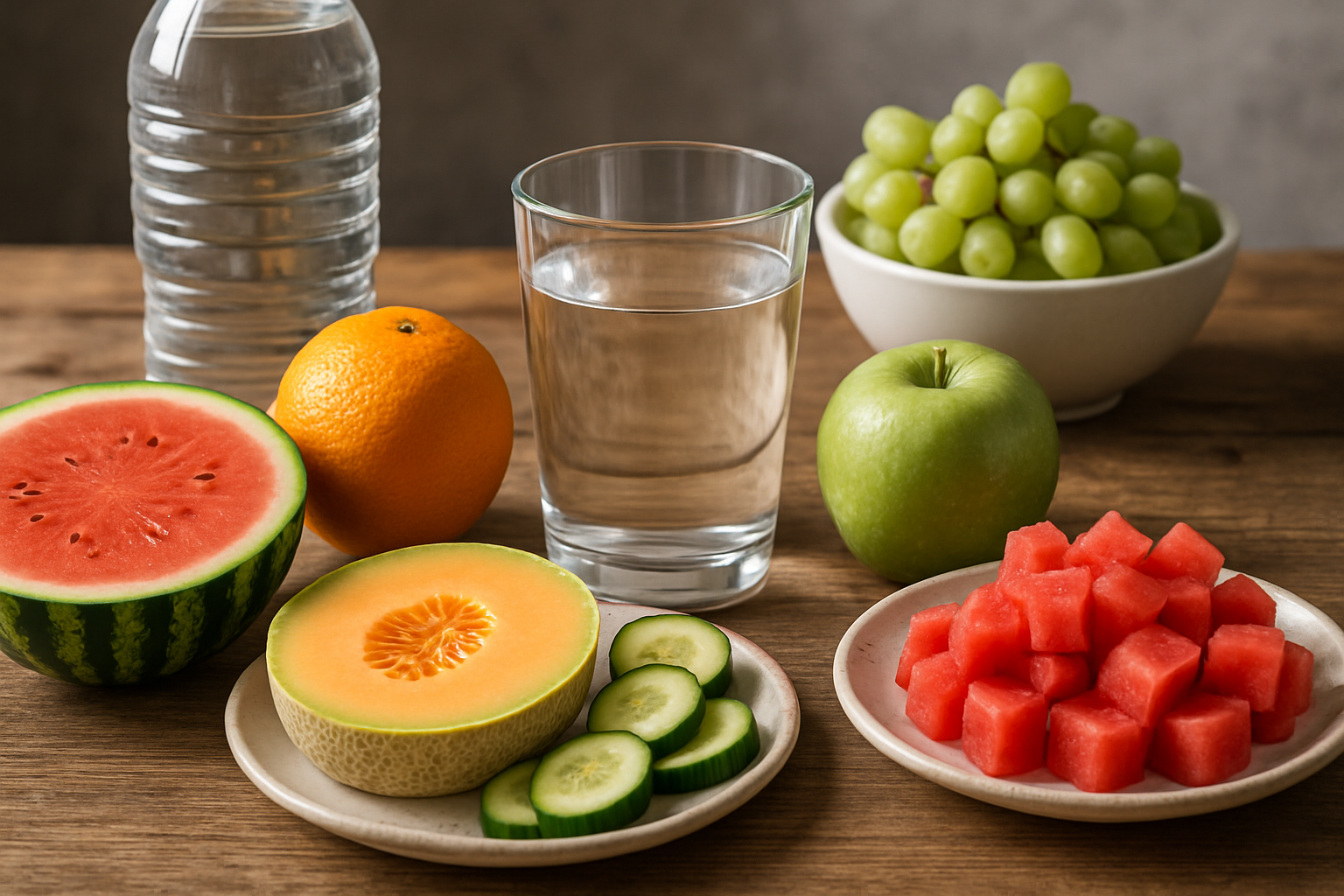
Although water is the simplest and most efficient method for staying hydrated, adding hydrating foods and nutritious beverages to your meals can greatly improve your overall hydration. For men looking to increase their hydration, considering foods with high water content and alternative hydration options guarantees not just sufficient fluid consumption but also a healthful way to meet the body’s requirements.
Fruits and vegetables rank among the top sources of hydration in our diets. Items such as cucumbers, watermelon, and strawberries are especially advantageous. With a water content exceeding 95%, cucumbers serve as a revitalizing component in salads or as snacks. Watermelon, cherished for its sweetness and containing more than 90% water, also delivers vital vitamins like vitamin C and antioxidants. Likewise, strawberries and oranges provide hydration along with a surge of vitamin C, which aids in immune health.
Leafy vegetables like spinach and lettuce are great options for hydration, providing essential nutrients such as iron and fiber. Adding these greens to everyday meals can aid men in keeping their fluid balance and enhancing overall well-being. Tomatoes, which are also high in water content at about 94%, are adaptable and can be used in numerous recipes, from salads to sauces.
For those seeking healthy beverage options that can replace traditional hydration methods, herbal teas and coconut water are excellent selections. Herbal teas provide a flavorful experience without caffeine, which can occasionally lead to slight dehydration, making them an ideal way to stay hydrated without extra sugars or additives. Coconut water, frequently referred to as nature’s sports drink, is abundant in electrolytes such as potassium and magnesium, which aid in rehydrating the body post-exercise.
In addition to these alternatives, milk offers hydration along with essential nutrients like calcium and protein. For men who appreciate coffee or tea, drinking them in moderation can aid in meeting daily fluid needs, though it’s important to balance this with water because of their slight diuretic effects. Smoothies that incorporate water-dense fruits or vegetables mixed with yogurt or milk make for tasty and hydrating snacks that promote both muscle recovery and hydration.
By expanding fluid options to include hydrating foods and nutritious beverages, men can successfully uphold hydration levels and enhance their overall health. These alternative sources of hydration work alongside regular water consumption, making the routine of staying hydrated more pleasurable and beneficial from a nutritional standpoint.
Top Hydrating Foods
Adding fruits and vegetables with high water content to your meals is an intelligent strategy for men to maintain hydration while enjoying nutrient-dense options. These items not only contain a significant amount of water but also deliver vital vitamins and minerals that contribute to overall wellness and hydration equilibrium.
- Cucumber: Composed of about 95% water, cucumbers are one of the best hydrating vegetables. They are low in calories and packed with antioxidants, making them ideal for maintaining hydration and promoting skin health.
- Watermelon: This juicy fruit contains approximately 92% water, making it a refreshing and hydrating treat. Watermelon also contains lycopene and vitamin C, key nutrients that support heart health and immunity.
- Celery: With about 95% water content, celery is a crunchy vegetable filled with electrolytes like potassium and sodium, which help maintain fluid balance in the body.
- Strawberries: Strawberries have around 91% water and are loaded with antioxidants and vitamin C. They help improve hydration as well as reduce inflammation.
- Zucchini: Containing roughly 94% water, zucchini is a versatile vegetable rich in vitamin B6 and manganese, aiding hydration and metabolism.
- Tomatoes: These fruits (commonly treated as vegetables) have about 94% water and are rich in vitamin C and potassium, supporting hydration and cardiovascular health.
Incorporating these moisture-packed fruits and vegetables into everyday meals is a smart way to maintain hydration, helping men intake nutrient-dense foods that enhance both hydration and overall health.
Hydrating Beverages Beyond Water
Although water is the ultimate option for hydration, trying out different hydrating drinks can introduce diversity and essential nutrients to your daily consumption without extra sugar or calories. Herbal teas serve as a fantastic alternative for men aiming to maintain hydration in a tasty yet nutritious manner. These naturally caffeine-free options are available in numerous varieties, including chamomile, peppermint, and rooibos, each providing distinct antioxidant advantages. Sipping herbal teas, whether hot or cold, can offer a revitalizing twist to plain water while supporting hydration all day long.
Beverages with low sugar content, such as infused water featuring fresh fruits, vegetables, or herbs, offer gentle natural flavors without the extra sugars present in sodas or store-bought juices. For instance, incorporating slices of cucumber, wedges of lemon, or sprigs of mint into water can elevate the flavor and promote increased fluid intake. Moreover, coconut water serves as a natural source packed with electrolytes, aiding hydration, particularly following exercise. Just make sure to select versions that don’t contain added sugars to maintain a healthy option.
When choosing drinks for hydration, opt for those that are low in calories and devoid of artificial sweeteners. Unsweetened herbal teas and naturally flavored water qualify as hydrating options since they fulfill your daily fluid requirements without added ingredients. Incorporating these beverages along with your regular water consumption can aid in achieving proper hydration, promote overall well-being, and sustain energy levels throughout the day without the danger of excessive sugar consumption.
Importance of Hydration for Men
Hydration plays a vital role in promoting men’s health and general wellness. Sufficient hydration is crucial as it aids various bodily processes that directly influence energy, physical performance, and mental sharpness. For men, who typically participate in more intense physical activities, the advantages of staying hydrated go beyond fundamental health, affecting muscle performance, temperature control, and even stamina.
The significance of hydration for men is crucial, particularly because they typically possess more muscle mass than women. Muscles depend significantly on water to maintain their strength and flexibility. When lacking adequate hydration, men can face cramps, stiffness, and diminished physical performance. Maintaining proper hydration is essential for supporting optimal muscle function and lowering the chances of injury during workouts or everyday tasks.
Men’s health is closely linked to optimal kidney performance, which is enhanced by adequate hydration. Consuming enough water enables the kidneys to eliminate toxins and waste efficiently, lowering the likelihood of kidney stones and urinary tract infections. Moreover, proper water consumption assists in regulating blood pressure and promoting heart health, which are significant issues for men as they grow older. Staying hydrated is an easy yet effective method to safeguard against heart disease and other associated health problems.
In addition to physical health, staying hydrated positively influences cognitive and mental wellness. Lack of sufficient hydration can result in tiredness, mood swings, and challenges with concentration, all of which can affect job performance and everyday activities. For men managing hectic schedules and high-pressure situations, ensuring adequate fluid intake is essential for remaining alert and attentive all day long.
To sum up, recognizing the significance of hydration for men emphasizes the necessity of making water consumption a key component of any wellness regimen. The advantages of proper hydration are evident, ranging from improved muscle performance and kidney support to increased mental sharpness. Men who regularly fulfill their hydration requirements tend to enjoy superior physical performance, enhanced heart health, and an overall boost in well-being.
Physical and Cognitive Benefits
Adequate hydration is crucial for improving both physical well-being and mental performance in men. Keeping the body well-hydrated helps maintain the right fluid balance, which is important for muscle function, joint mobility, and temperature regulation. When men drink enough water, they frequently notice enhanced endurance and strength while engaging in physical activities, which helps lower the chances of cramps and tiredness. The benefits of hydration not only aid in sports performance but also facilitate quicker recovery following strenuous workouts, enabling men to stick to their exercise schedules consistently.
In addition to physical well-being, hydration plays a crucial role in cognitive performance. Even slight dehydration can cause challenges with focus, memory recall, and general mental clarity. Keeping adequately hydrated promotes alertness and mental acuity throughout the day by aiding optimal brain function. Water aids in transporting oxygen and nutrients to brain cells, which is essential for effective cognitive operations. Men who emphasize proper hydration frequently experience improved mental concentration, faster decision-making skills, and greater mood consistency.
Integrating effective hydration practices into your daily routine enhances both physical and mental advantages. It is important for men to consistently consume water, particularly before, during, and after workouts, as well as during times of mental strain. Recognizing how hydration impacts both the mind and body promotes more health-conscious decisions. In summary, ensuring adequate hydration is an easy but impactful approach to enhance physical well-being and elevate cognitive performance at the same time, leading to an improved quality of life.
Risks of Dehydration in Men
Dehydration symptoms in men can frequently be understated, yet they should always be taken seriously. Typical indicators encompass ongoing thirst, a parched mouth, tiredness, lightheadedness, and headaches. Insufficient fluid intake impacts both physical and mental capabilities. Men who overlook these initial signs may encounter significant health issues linked to dehydration. Identifying these cues promptly is essential for ensuring proper hydration and avoiding potential complications.
The risks associated with men’s hydration go beyond just short-term discomfort. Continued dehydration can result in decreased cognitive abilities, lowered stamina, and muscle cramps, which are especially worrisome for physically active men or those involved in intense workouts. Furthermore, dehydration puts extra strain on the cardiovascular system, heightening the chances of heat exhaustion and heat stroke—serious conditions that necessitate prompt medical care. Overlooking these health threats may lead to lasting harm to organs like the kidneys, possibly leading to kidney stones or urinary tract infections.
Recognizing the signs of dehydration and acting quickly is crucial to prevent adverse effects. Men need to be especially vigilant in hot conditions, during vigorous exercise, or in any scenario that leads to heavy sweating. Insufficient water consumption, along with elements such as alcohol use or specific medications, can heighten the risks associated with hydration for men. Making consistent fluid intake a priority can help reduce these dangers and promote overall health.
In the end, being aware and adopting proactive hydration practices are the most effective ways to combat dehydration and the health risks that come with it. By listening to their bodies and addressing the initial signs of dehydration, men can improve their health and lower the chances of facing severe complications.
Daily Hydration Guidelines for Men
Grasping the importance of daily water consumption is crucial for achieving peak health, particularly for men who typically face distinct hydration requirements stemming from different lifestyle and physiological aspects. Generally, it is advised that men drink around 3.7 liters (approximately 13 cups) of water daily to adequately fulfill their hydration needs. This total encompasses all drinks and the moisture derived from food.
Men’s hydration requirements can differ greatly based on a variety of factors. One of the primary influences is physical activity; men who participate in frequent exercise or demanding labor need to drink more water to make up for fluids lost through perspiration. Likewise, environmental factors like hot or humid weather can raise the body’s need for water as it exerts more effort to maintain temperature.
Age influences the amount of water one should drink daily. As men age, their thirst perception may diminish, potentially resulting in inadequate hydration unless they actively make an effort to drink more water. Moreover, specific health concerns, including kidney problems or diabetes, might necessitate tailored hydration strategies as recommended by a medical expert.
Besides water, beverages such as herbal teas, milk, and coffee also play a role in your daily fluid intake. While plain water remains the top option for staying hydrated, these alternatives provide variety in your fluid sources. Incorporating foods high in water content, like fruits and vegetables, further enhances overall water consumption, aiding in meeting men’s hydration requirements throughout the day.
To maintain optimal hydration, men should implement effective hydration strategies like drinking water consistently, even before thirst sets in, bringing a water bottle along during everyday tasks, and checking the color of their urine to gauge hydration levels. Urine that is clear or light in color usually indicates sufficient hydration, whereas darker shades imply a need to boost water consumption.
In the end, although general recommendations indicate a daily intake of approximately 3.7 liters, it is important to pay attention to your body and modify water intake according to factors such as activity level, climate, age, and health condition. Adhering to these daily hydration suggestions for men promotes peak physical performance, mental clarity, and overall health through proper water intake.
Factors Affecting Hydration Needs
Hydration requirements differ greatly due to various elements such as age, level of physical activity, and environmental conditions. As men grow older, their capacity to retain water declines, and their thirst sensation may lessen. Consequently, older men should pay closer attention to their fluid consumption to avoid dehydration, even if they do not experience thirst. Additionally, the aging process affects kidney performance, which is crucial for sustaining appropriate hydration levels.
Activity level plays a vital role in determining hydration needs. Men who participate in consistent exercise or labor-intensive jobs tend to lose greater amounts of fluids through perspiration, thereby raising their hydration demands. When engaging in vigorous activities, it’s essential to restore electrolytes in addition to water to ensure proper bodily functions. Staying hydrated before, during, and after exercise is key to preventing dehydration and aiding recovery.
Climate factors also have a major impact. Males residing in warm or humid areas typically require more fluids because of heightened perspiration. In contrast, chilly conditions may lessen the feeling of thirst, yet staying hydrated is crucial, particularly in elevated regions where moisture loss through breathing is amplified. Modifying water consumption according to the climate aids in keeping hydration levels consistent.
Ultimately, a man’s health condition influences his required water intake. Issues such as diabetes, kidney disorders, or the use of diuretics can alter fluid levels. Men dealing with these health challenges should seek advice from healthcare providers to customize their hydration practices appropriately. Recognizing these elements helps men maintain proper hydration for their overall well-being and performance.
Best Hydration Practices
Creating good hydration practices is essential for sustaining peak health and energy throughout the day. A thoughtfully organized drinking routine promotes regular fluid consumption, helping to stave off dehydration from the outset. A useful approach to hydration is to focus on taking small, regular sips of water instead of consuming large quantities sporadically, which keeps your body continuously hydrated without putting too much strain on your system.
Begin your morning with a complete glass of water to jumpstart your metabolism and restore the fluids lost during the night. After that, program hourly reminders to take small sips, particularly if your daily activities require extended hours of sitting or desk work. Adding water breaks during meals and exercise helps reinforce your hydration routine, making it simpler to maintain consistency.
An additional effective hydration technique is to keep a reusable water bottle on hand. This serves as a constant reminder and an easy way to access water, promoting regular drinking without the need to search for a water source. Adjust your drinking habits to fit your routine—if you work out often, boost your water consumption before, during, and after your sessions to adequately replenish lost fluids.
Pay attention to your body’s inherent thirst cues, but don’t depend on them exclusively. Dehydration can creep in quietly, so following a regular drinking routine and maintaining consistent hydration practices can help prevent shortages. By implementing these actionable strategies, men can keep their hydration levels stable, promoting overall health and peak physical performance throughout the day.
Hydrating Foods and Beverages for Men
Although water is the simplest and most efficient method for staying hydrated, adding hydrating foods and nutritious beverages to your meals can greatly improve your overall hydration. For men looking to increase their hydration, considering foods high in water content and other hydration options guarantees sufficient fluid consumption while also providing a healthy way to meet the body’s requirements.
Fruits and vegetables rank among the top contributors to hydration in our diets. Items like cucumbers, watermelon, and strawberries are especially advantageous. With more than 95% water, cucumbers serve as a crisp and revitalizing component for salads or snacks. Watermelon, cherished for its delicious taste and over 90% water content, also delivers vital vitamins like vitamin C and antioxidants. Likewise, strawberries and oranges provide hydration along with a valuable dose of vitamin C, which aids in immune health.
Leafy vegetables like spinach and lettuce are great options for hydration due to their high water content, and they also provide essential nutrients such as iron and fiber. Incorporating these greens into everyday meals can assist men in keeping their fluid balance while enhancing their overall well-being. Tomatoes, another vegetable that aids in hydration, are about 94% water and can be used in numerous recipes, ranging from salads to sauces.
For those seeking healthy beverage options that can replace traditional hydration methods, herbal teas and coconut water are excellent selections. Herbal teas provide a flavorful experience without caffeine, which may contribute to slight dehydration, allowing for hydration without extra sugars or additives. Coconut water, frequently referred to as nature’s sports drink, is packed with electrolytes such as potassium and magnesium, assisting in rehydration following exercise.
In addition to these choices, milk offers not just hydration but also essential nutrients like calcium and protein. For men who like coffee or tea, moderate intake can help meet daily fluid needs, although it should be complemented with water because of their slight diuretic effects. Smoothies crafted with juicy fruits or vegetables mixed with yogurt or milk provide tasty and hydrating snacks that aid in muscle recovery while keeping you hydrated.
By adding hydrating foods and nutritious beverages to their diet, men can enhance their fluid intake and promote overall health. These hydration options work alongside regular water consumption, making the routine of staying hydrated both more enjoyable and beneficial from a nutritional standpoint.
Top Hydrating Foods
Adding fruits and vegetables with high water content to your meals is an intelligent approach for men to maintain hydration while enjoying nutrient-dense options. These foods not only contain a significant amount of water but also offer vital vitamins and minerals that contribute to overall wellness and hydration balance.
- Cucumber: Composed of about 95% water, cucumbers are one of the best hydrating vegetables. They are low in calories and packed with antioxidants, making them ideal for maintaining hydration and promoting skin health.
- Watermelon: This juicy fruit contains approximately 92% water, making it a refreshing and hydrating treat. Watermelon also contains lycopene and vitamin C, key nutrients that support heart health and immunity.
- Celery: With about 95% water content, celery is a crunchy vegetable filled with electrolytes like potassium and sodium, which help maintain fluid balance in the body.
- Strawberries: Strawberries have around 91% water and are loaded with antioxidants and vitamin C. They help improve hydration as well as reduce inflammation.
- Zucchini: Containing roughly 94% water, zucchini is a versatile vegetable rich in vitamin B6 and manganese, aiding hydration and metabolism.
- Tomatoes: These fruits (commonly treated as vegetables) have about 94% water and are rich in vitamin C and potassium, supporting hydration and cardiovascular health.
Incorporating these hydrating fruits and vegetables into everyday meals is a smart approach to maintain hydration, helping men to eat nutrient-dense foods that enhance both hydration and overall health.
Hydrating Beverages Beyond Water
Although water is the ideal option for staying hydrated, trying out different hydrating drinks can introduce diversity and essential nutrients to your daily consumption without adding extra sugar or calories. Herbal teas are a fantastic option for those wanting to maintain hydration in a tasty and nutritious manner. These naturally caffeine-free drinks are available in various types, including chamomile, peppermint, and rooibos, each providing distinct antioxidant advantages. Enjoying herbal teas either hot or cold can be a delightful alternative to plain water while supporting hydration all day long.
Beverages with low sugar content, such as infused water featuring fresh fruits, vegetables, or herbs, offer gentle natural flavors without the extra sugars present in sodas or store-bought juices. For instance, incorporating cucumber slices, lemon wedges, or mint leaves into water can elevate the flavor and promote increased fluid intake. Moreover, coconut water serves as a natural source packed with electrolytes, aiding hydration particularly after exercise. Just ensure you select options that do not contain added sugars to maintain a healthy choice.
When choosing drinks for hydration, focus on those that are low in calories and do not contain artificial sweeteners. Unsweetened herbal teas and water with natural flavors are excellent hydrating choices, as they fulfill your daily fluid requirements without extra additives. Incorporating these beverages with your usual water consumption can help ensure proper hydration, promote general well-being, and sustain energy levels throughout the day while avoiding excessive sugar consumption.
Activity level significantly influences hydration needs. Men who participate in regular workouts or have physically strenuous jobs tend to lose more fluids through perspiration, which raises their hydration demands. When involved in vigorous activities, restoring electrolytes in addition to water is essential for sustaining proper bodily functions. Staying hydrated before, during, and after exercise is vital to prevent dehydration and aid in recovery.
Climate impact is also crucial. Men residing in hot or humid climates typically require more fluids because they lose more through perspiration. On the other hand, colder temperatures may diminish the feeling of thirst, yet staying hydrated is vital, particularly at elevated altitudes where moisture loss through breathing is heightened. Modifying water consumption according to the climate is important for sustaining proper hydration.
Ultimately, a person’s health condition plays a crucial role in determining the appropriate amount of water intake. Issues such as diabetes, kidney disorders, or the use of diuretics can influence fluid levels. Therefore, it is essential for men dealing with these health challenges to seek guidance from medical experts to customize their hydration practices. Recognizing these elements helps men maintain proper hydration for optimal health and performance.
Best Hydration Practices
Creating solid hydration practices is essential for sustaining peak health and energy during the day. A thoughtfully organized drinking routine promotes regular fluid consumption, stopping dehydration before it can occur. A useful approach to hydration is to focus on taking small, regular sips of water instead of consuming large quantities at once, which helps keep your body continually hydrated without putting too much strain on your system.
Begin your morning with a complete glass of water to activate your metabolism and restore fluids lost during the night. Following that, establish hourly reminders to sip some water, particularly if your daily activities require extended hours of sitting or desk work. Adding water breaks during meals and exercise also strengthens your hydration routine, helping you maintain consistency.
An additional effective hydration approach is to keep a reusable water bottle on hand. It serves as a continual reminder and an easy way to access water, promoting regular drinking without needing to search for a water supply. Adjust your drinking routine to fit your lifestyle—if you work out often, boost your water consumption before, during, and after exercise to adequately replenish lost fluids.
Be attentive to your body’s inherent thirst cues, but don’t depend on them exclusively. Dehydration can set in gradually, so following a regular drinking routine and maintaining consistent hydration practices can help prevent shortages. By integrating these practical strategies, men can ensure they stay properly hydrated, which supports overall health and peak physical performance throughout the day.
Hydrating Foods and Beverages for Men
Although water is the simplest and most efficient method for staying hydrated, adding hydrating foods and nutritious beverages to your meals can greatly improve your overall hydration. For men looking to increase their hydration, considering foods with high water content and alternative hydration options guarantees not just sufficient fluid consumption but also a healthful way to meet the body’s requirements.
Fruits and vegetables rank among the top sources of hydration in our diets. Items such as cucumbers, watermelon, and strawberries are especially advantageous. With a water content exceeding 95%, cucumbers serve as a revitalizing component in salads or as snacks. Watermelon, cherished for its sweetness and containing more than 90% water, also delivers vital vitamins like vitamin C and antioxidants. Likewise, strawberries and oranges provide hydration along with a surge of vitamin C, which aids in immune health.
Leafy vegetables like spinach and lettuce are great options for hydration, providing essential nutrients such as iron and fiber. Adding these greens to everyday meals can aid men in keeping their fluid balance and enhancing overall well-being. Tomatoes, which are also high in water content at about 94%, are adaptable and can be used in numerous recipes, from salads to sauces.
For those seeking healthy beverage options that can replace traditional hydration methods, herbal teas and coconut water are excellent selections. Herbal teas provide a flavorful experience without caffeine, which can occasionally lead to slight dehydration, making them an ideal way to stay hydrated without extra sugars or additives. Coconut water, frequently referred to as nature’s sports drink, is abundant in electrolytes such as potassium and magnesium, which aid in rehydrating the body post-exercise.
In addition to these alternatives, milk offers hydration along with essential nutrients like calcium and protein. For men who appreciate coffee or tea, drinking them in moderation can aid in meeting daily fluid needs, though it’s important to balance this with water because of their slight diuretic effects. Smoothies that incorporate water-dense fruits or vegetables mixed with yogurt or milk make for tasty and hydrating snacks that promote both muscle recovery and hydration.
By expanding fluid options to include hydrating foods and nutritious beverages, men can successfully uphold hydration levels and enhance their overall health. These alternative sources of hydration work alongside regular water consumption, making the routine of staying hydrated more pleasurable and beneficial from a nutritional standpoint.
Top Hydrating Foods
Adding fruits and vegetables with high water content to your meals is an intelligent strategy for men to maintain hydration while enjoying nutrient-dense options. These items not only contain a significant amount of water but also deliver vital vitamins and minerals that contribute to overall wellness and hydration equilibrium.
- Cucumber: Composed of about 95% water, cucumbers are one of the best hydrating vegetables. They are low in calories and packed with antioxidants, making them ideal for maintaining hydration and promoting skin health.
- Watermelon: This juicy fruit contains approximately 92% water, making it a refreshing and hydrating treat. Watermelon also contains lycopene and vitamin C, key nutrients that support heart health and immunity.
- Celery: With about 95% water content, celery is a crunchy vegetable filled with electrolytes like potassium and sodium, which help maintain fluid balance in the body.
- Strawberries: Strawberries have around 91% water and are loaded with antioxidants and vitamin C. They help improve hydration as well as reduce inflammation.
- Zucchini: Containing roughly 94% water, zucchini is a versatile vegetable rich in vitamin B6 and manganese, aiding hydration and metabolism.
- Tomatoes: These fruits (commonly treated as vegetables) have about 94% water and are rich in vitamin C and potassium, supporting hydration and cardiovascular health.
Incorporating these moisture-packed fruits and vegetables into everyday meals is a smart way to maintain hydration, helping men intake nutrient-dense foods that enhance both hydration and overall health.
Hydrating Beverages Beyond Water
Although water is the ultimate option for hydration, trying out different hydrating drinks can introduce diversity and essential nutrients to your daily consumption without extra sugar or calories. Herbal teas serve as a fantastic alternative for men aiming to maintain hydration in a tasty yet nutritious manner. These naturally caffeine-free options are available in numerous varieties, including chamomile, peppermint, and rooibos, each providing distinct antioxidant advantages. Sipping herbal teas, whether hot or cold, can offer a revitalizing twist to plain water while supporting hydration all day long.
Beverages with low sugar content, such as infused water featuring fresh fruits, vegetables, or herbs, offer gentle natural flavors without the extra sugars present in sodas or store-bought juices. For instance, incorporating slices of cucumber, wedges of lemon, or sprigs of mint into water can elevate the flavor and promote increased fluid intake. Moreover, coconut water serves as a natural source packed with electrolytes, aiding hydration, particularly following exercise. Just make sure to select versions that don’t contain added sugars to maintain a healthy option.
When choosing drinks for hydration, opt for those that are low in calories and devoid of artificial sweeteners. Unsweetened herbal teas and naturally flavored water qualify as hydrating options since they fulfill your daily fluid requirements without added ingredients. Incorporating these beverages along with your regular water consumption can aid in achieving proper hydration, promote overall well-being, and sustain energy levels throughout the day without the danger of excessive sugar consumption.
Importance of Hydration for Men
Hydration plays a vital role in promoting men’s health and general wellness. Sufficient hydration is crucial as it aids various bodily processes that directly influence energy, physical performance, and mental sharpness. For men, who typically participate in more intense physical activities, the advantages of staying hydrated go beyond fundamental health, affecting muscle performance, temperature control, and even stamina.
The significance of hydration for men is crucial, particularly because they typically possess more muscle mass than women. Muscles depend significantly on water to maintain their strength and flexibility. When lacking adequate hydration, men can face cramps, stiffness, and diminished physical performance. Maintaining proper hydration is essential for supporting optimal muscle function and lowering the chances of injury during workouts or everyday tasks.
Men’s health is closely linked to optimal kidney performance, which is enhanced by adequate hydration. Consuming enough water enables the kidneys to eliminate toxins and waste efficiently, lowering the likelihood of kidney stones and urinary tract infections. Moreover, proper water consumption assists in regulating blood pressure and promoting heart health, which are significant issues for men as they grow older. Staying hydrated is an easy yet effective method to safeguard against heart disease and other associated health problems.
In addition to physical health, staying hydrated positively influences cognitive and mental wellness. Lack of sufficient hydration can result in tiredness, mood swings, and challenges with concentration, all of which can affect job performance and everyday activities. For men managing hectic schedules and high-pressure situations, ensuring adequate fluid intake is essential for remaining alert and attentive all day long.
To sum up, recognizing the significance of hydration for men emphasizes the necessity of making water consumption a key component of any wellness regimen. The advantages of proper hydration are evident, ranging from improved muscle performance and kidney support to increased mental sharpness. Men who regularly fulfill their hydration requirements tend to enjoy superior physical performance, enhanced heart health, and an overall boost in well-being.
Physical and Cognitive Benefits
Adequate hydration is crucial for improving both physical well-being and mental performance in men. Keeping the body well-hydrated helps maintain the right fluid balance, which is important for muscle function, joint mobility, and temperature regulation. When men drink enough water, they frequently notice enhanced endurance and strength while engaging in physical activities, which helps lower the chances of cramps and tiredness. The benefits of hydration not only aid in sports performance but also facilitate quicker recovery following strenuous workouts, enabling men to stick to their exercise schedules consistently.
In addition to physical well-being, hydration plays a crucial role in cognitive performance. Even slight dehydration can cause challenges with focus, memory recall, and general mental clarity. Keeping adequately hydrated promotes alertness and mental acuity throughout the day by aiding optimal brain function. Water aids in transporting oxygen and nutrients to brain cells, which is essential for effective cognitive operations. Men who emphasize proper hydration frequently experience improved mental concentration, faster decision-making skills, and greater mood consistency.
Integrating effective hydration practices into your daily routine enhances both physical and mental advantages. It is important for men to consistently consume water, particularly before, during, and after workouts, as well as during times of mental strain. Recognizing how hydration impacts both the mind and body promotes more health-conscious decisions. In summary, ensuring adequate hydration is an easy but impactful approach to enhance physical well-being and elevate cognitive performance at the same time, leading to an improved quality of life.
Risks of Dehydration in Men
Dehydration symptoms in men can frequently be understated, yet they should always be taken seriously. Typical indicators encompass ongoing thirst, a parched mouth, tiredness, lightheadedness, and headaches. Insufficient fluid intake impacts both physical and mental capabilities. Men who overlook these initial signs may encounter significant health issues linked to dehydration. Identifying these cues promptly is essential for ensuring proper hydration and avoiding potential complications.
The risks associated with men’s hydration go beyond just short-term discomfort. Continued dehydration can result in decreased cognitive abilities, lowered stamina, and muscle cramps, which are especially worrisome for physically active men or those involved in intense workouts. Furthermore, dehydration puts extra strain on the cardiovascular system, heightening the chances of heat exhaustion and heat stroke—serious conditions that necessitate prompt medical care. Overlooking these health threats may lead to lasting harm to organs like the kidneys, possibly leading to kidney stones or urinary tract infections.
Recognizing the signs of dehydration and acting quickly is crucial to prevent adverse effects. Men need to be especially vigilant in hot conditions, during vigorous exercise, or in any scenario that leads to heavy sweating. Insufficient water consumption, along with elements such as alcohol use or specific medications, can heighten the risks associated with hydration for men. Making consistent fluid intake a priority can help reduce these dangers and promote overall health.
In the end, being aware and adopting proactive hydration practices are the most effective ways to combat dehydration and the health risks that come with it. By listening to their bodies and addressing the initial signs of dehydration, men can improve their health and lower the chances of facing severe complications.
Daily Hydration Guidelines for Men
Grasping the importance of daily water consumption is crucial for achieving peak health, particularly for men who typically face distinct hydration requirements stemming from different lifestyle and physiological aspects. Generally, it is advised that men drink around 3.7 liters (approximately 13 cups) of water daily to adequately fulfill their hydration needs. This total encompasses all drinks and the moisture derived from food.
Men’s hydration requirements can differ greatly based on a variety of factors. One of the primary influences is physical activity; men who participate in frequent exercise or demanding labor need to drink more water to make up for fluids lost through perspiration. Likewise, environmental factors like hot or humid weather can raise the body’s need for water as it exerts more effort to maintain temperature.
Age influences the amount of water one should drink daily. As men age, their thirst perception may diminish, potentially resulting in inadequate hydration unless they actively make an effort to drink more water. Moreover, specific health concerns, including kidney problems or diabetes, might necessitate tailored hydration strategies as recommended by a medical expert.
Besides water, beverages such as herbal teas, milk, and coffee also play a role in your daily fluid intake. While plain water remains the top option for staying hydrated, these alternatives provide variety in your fluid sources. Incorporating foods high in water content, like fruits and vegetables, further enhances overall water consumption, aiding in meeting men’s hydration requirements throughout the day.
To maintain optimal hydration, men should implement effective hydration strategies like drinking water consistently, even before thirst sets in, bringing a water bottle along during everyday tasks, and checking the color of their urine to gauge hydration levels. Urine that is clear or light in color usually indicates sufficient hydration, whereas darker shades imply a need to boost water consumption.
In the end, although general recommendations indicate a daily intake of approximately 3.7 liters, it is important to pay attention to your body and modify water intake according to factors such as activity level, climate, age, and health condition. Adhering to these daily hydration suggestions for men promotes peak physical performance, mental clarity, and overall health through proper water intake.
Factors Affecting Hydration Needs
Hydration requirements differ greatly due to various elements such as age, level of physical activity, and environmental conditions. As men grow older, their capacity to retain water declines, and their thirst sensation may lessen. Consequently, older men should pay closer attention to their fluid consumption to avoid dehydration, even if they do not experience thirst. Additionally, the aging process affects kidney performance, which is crucial for sustaining appropriate hydration levels.
Activity level plays a vital role in determining hydration needs. Men who participate in consistent exercise or labor-intensive jobs tend to lose greater amounts of fluids through perspiration, thereby raising their hydration demands. When engaging in vigorous activities, it’s essential to restore electrolytes in addition to water to ensure proper bodily functions. Staying hydrated before, during, and after exercise is key to preventing dehydration and aiding recovery.
Climate factors also have a major impact. Males residing in warm or humid areas typically require more fluids because of heightened perspiration. In contrast, chilly conditions may lessen the feeling of thirst, yet staying hydrated is crucial, particularly in elevated regions where moisture loss through breathing is amplified. Modifying water consumption according to the climate aids in keeping hydration levels consistent.
Ultimately, a man’s health condition influences his required water intake. Issues such as diabetes, kidney disorders, or the use of diuretics can alter fluid levels. Men dealing with these health challenges should seek advice from healthcare providers to customize their hydration practices appropriately. Recognizing these elements helps men maintain proper hydration for their overall well-being and performance.
Best Hydration Practices
Creating good hydration practices is essential for sustaining peak health and energy throughout the day. A thoughtfully organized drinking routine promotes regular fluid consumption, helping to stave off dehydration from the outset. A useful approach to hydration is to focus on taking small, regular sips of water instead of consuming large quantities sporadically, which keeps your body continuously hydrated without putting too much strain on your system.
Begin your morning with a complete glass of water to jumpstart your metabolism and restore the fluids lost during the night. After that, program hourly reminders to take small sips, particularly if your daily activities require extended hours of sitting or desk work. Adding water breaks during meals and exercise helps reinforce your hydration routine, making it simpler to maintain consistency.
An additional effective hydration technique is to keep a reusable water bottle on hand. This serves as a constant reminder and an easy way to access water, promoting regular drinking without the need to search for a water source. Adjust your drinking habits to fit your routine—if you work out often, boost your water consumption before, during, and after your sessions to adequately replenish lost fluids.
Pay attention to your body’s inherent thirst cues, but don’t depend on them exclusively. Dehydration can creep in quietly, so following a regular drinking routine and maintaining consistent hydration practices can help prevent shortages. By implementing these actionable strategies, men can keep their hydration levels stable, promoting overall health and peak physical performance throughout the day.
Hydrating Foods and Beverages for Men
Although water is the simplest and most efficient method for staying hydrated, adding hydrating foods and nutritious beverages to your meals can greatly improve your overall hydration. For men looking to increase their hydration, considering foods high in water content and other hydration options guarantees sufficient fluid consumption while also providing a healthy way to meet the body’s requirements.
Fruits and vegetables rank among the top contributors to hydration in our diets. Items like cucumbers, watermelon, and strawberries are especially advantageous. With more than 95% water, cucumbers serve as a crisp and revitalizing component for salads or snacks. Watermelon, cherished for its delicious taste and over 90% water content, also delivers vital vitamins like vitamin C and antioxidants. Likewise, strawberries and oranges provide hydration along with a valuable dose of vitamin C, which aids in immune health.
Leafy vegetables like spinach and lettuce are great options for hydration due to their high water content, and they also provide essential nutrients such as iron and fiber. Incorporating these greens into everyday meals can assist men in keeping their fluid balance while enhancing their overall well-being. Tomatoes, another vegetable that aids in hydration, are about 94% water and can be used in numerous recipes, ranging from salads to sauces.
For those seeking healthy beverage options that can replace traditional hydration methods, herbal teas and coconut water are excellent selections. Herbal teas provide a flavorful experience without caffeine, which may contribute to slight dehydration, allowing for hydration without extra sugars or additives. Coconut water, frequently referred to as nature’s sports drink, is packed with electrolytes such as potassium and magnesium, assisting in rehydration following exercise.
In addition to these choices, milk offers not just hydration but also essential nutrients like calcium and protein. For men who like coffee or tea, moderate intake can help meet daily fluid needs, although it should be complemented with water because of their slight diuretic effects. Smoothies crafted with juicy fruits or vegetables mixed with yogurt or milk provide tasty and hydrating snacks that aid in muscle recovery while keeping you hydrated.
By adding hydrating foods and nutritious beverages to their diet, men can enhance their fluid intake and promote overall health. These hydration options work alongside regular water consumption, making the routine of staying hydrated both more enjoyable and beneficial from a nutritional standpoint.
Top Hydrating Foods
Adding fruits and vegetables with high water content to your meals is an intelligent approach for men to maintain hydration while enjoying nutrient-dense options. These foods not only contain a significant amount of water but also offer vital vitamins and minerals that contribute to overall wellness and hydration balance.
- Cucumber: Composed of about 95% water, cucumbers are one of the best hydrating vegetables. They are low in calories and packed with antioxidants, making them ideal for maintaining hydration and promoting skin health.
- Watermelon: This juicy fruit contains approximately 92% water, making it a refreshing and hydrating treat. Watermelon also contains lycopene and vitamin C, key nutrients that support heart health and immunity.
- Celery: With about 95% water content, celery is a crunchy vegetable filled with electrolytes like potassium and sodium, which help maintain fluid balance in the body.
- Strawberries: Strawberries have around 91% water and are loaded with antioxidants and vitamin C. They help improve hydration as well as reduce inflammation.
- Zucchini: Containing roughly 94% water, zucchini is a versatile vegetable rich in vitamin B6 and manganese, aiding hydration and metabolism.
- Tomatoes: These fruits (commonly treated as vegetables) have about 94% water and are rich in vitamin C and potassium, supporting hydration and cardiovascular health.
Incorporating these hydrating fruits and vegetables into everyday meals is a smart approach to maintain hydration, helping men to eat nutrient-dense foods that enhance both hydration and overall health.
Hydrating Beverages Beyond Water
Although water is the ideal option for staying hydrated, trying out different hydrating drinks can introduce diversity and essential nutrients to your daily consumption without adding extra sugar or calories. Herbal teas are a fantastic option for those wanting to maintain hydration in a tasty and nutritious manner. These naturally caffeine-free drinks are available in various types, including chamomile, peppermint, and rooibos, each providing distinct antioxidant advantages. Enjoying herbal teas either hot or cold can be a delightful alternative to plain water while supporting hydration all day long.
Beverages with low sugar content, such as infused water featuring fresh fruits, vegetables, or herbs, offer gentle natural flavors without the extra sugars present in sodas or store-bought juices. For instance, incorporating cucumber slices, lemon wedges, or mint leaves into water can elevate the flavor and promote increased fluid intake. Moreover, coconut water serves as a natural source packed with electrolytes, aiding hydration particularly after exercise. Just ensure you select options that do not contain added sugars to maintain a healthy choice.
When choosing drinks for hydration, focus on those that are low in calories and do not contain artificial sweeteners. Unsweetened herbal teas and water with natural flavors are excellent hydrating choices, as they fulfill your daily fluid requirements without extra additives. Incorporating these beverages with your usual water consumption can help ensure proper hydration, promote general well-being, and sustain energy levels throughout the day while avoiding excessive sugar consumption.
Activity level plays a significant role in determining hydration needs. Men who participate in frequent workouts or physically strenuous jobs lose greater amounts of fluids through perspiration, leading to higher hydration demands. When engaging in vigorous activities, restoring electrolytes in addition to water is essential for maintaining proper bodily functions. Staying hydrated by drinking before, during, and after exercise is vital to prevent dehydration and aid in recovery.
Climate factors are also crucial. Men residing in hot or humid areas typically require more fluids because of greater sweat loss. On the other hand, cold temperatures may diminish the sensation of thirst, yet staying hydrated is vital, particularly at high elevations where moisture loss from breathing is heightened. Modifying water consumption according to the climate aids in keeping hydration levels stable.
Ultimately, a person’s health condition influences their required water intake. Issues such as diabetes, kidney disorders, or the use of diuretics can alter fluid levels. It’s essential for men dealing with these health concerns to seek advice from healthcare providers to customize their hydration practices accordingly. Being aware of these elements helps men maintain proper hydration for their overall well-being and performance.
Best Hydration Practices
Developing good hydration practices is essential for sustaining peak health and energy during the day. A thoughtfully organized drinking routine promotes regular fluid consumption, helping to avert dehydration from the outset. One useful approach to hydration is to focus on taking small, regular sips of water instead of consuming large quantities sporadically, which keeps your body continuously hydrated without putting too much strain on your system.
Begin your morning with a complete glass of water to activate your metabolism and restore fluids lost during the night. Following that, create hourly reminders to sip a little, particularly if your daily activities require extended hours of sitting or desk work. Adding water breaks during meals and exercise enhances your hydration routine, helping you remain consistent.
An additional effective hydration approach is to have a reusable water bottle on hand. This serves as a continuous reminder and an easy way to access water, promoting regular drinking without the need to search for a water source. Adjust your drinking routine to fit your lifestyle—if you work out often, boost your water consumption before, during, and after exercising to effectively replenish lost fluids.
Pay attention to your body’s inherent thirst cues, but don’t depend on them exclusively. Dehydration can creep in gradually, which is why following a regular drinking routine and maintaining consistent hydration practices can prevent shortages. By integrating these actionable strategies, men can ensure they stay adequately hydrated, promoting their overall health and peak physical performance throughout the day.
Hydrating Foods and Beverages for Men
Although water is the easiest and most efficient method to maintain hydration, adding hydrating foods and nutritious beverages to your meals can greatly improve your overall hydration. For men looking to increase their fluid intake, considering foods with high water content and other hydration options provides a way to meet fluid requirements while also supporting a healthy diet.
Fruits and vegetables rank as some of the top contributors to hydration in our diets. Options like cucumbers, watermelon, and strawberries stand out for their benefits. With more than 95% water, cucumbers are a cool and refreshing choice for salads or snacks. Watermelon, known for its delicious sweetness and water content exceeding 90%, also delivers vital nutrients like vitamin C and antioxidants. Likewise, strawberries and oranges not only hydrate but also enhance your intake of vitamin C, which helps bolster immune health.
Leafy vegetables like spinach and lettuce are great options for hydration due to their high water content, while also providing essential nutrients such as iron and fiber. Adding these greens to your daily diet can assist men in staying hydrated and enhancing their overall well-being. Tomatoes, which are also hydrating, have about 94% water and can be used in numerous recipes, ranging from salads to sauces.
For those seeking healthy beverage options that can replace traditional hydration sources, herbal teas and coconut water are excellent selections. Herbal teas provide a flavorful experience without caffeine, which can occasionally lead to slight dehydration, making them an ideal choice for hydration without extra sugars or additives. Coconut water, frequently referred to as nature’s sports drink, is packed with electrolytes such as potassium and magnesium, aiding in rehydration following exercise.
In addition to these choices, milk offers not just hydration but also essential nutrients like calcium and protein. For men who appreciate coffee or tea, consuming them in moderation can help with daily fluid intake, but it’s important to balance this with water because of their slight diuretic effects. Smoothies that incorporate water-dense fruits or vegetables along with yogurt or milk can serve as tasty and hydrating snacks that aid both muscle recovery and hydration at the same time.
By broadening fluid options to include hydrating foods and nutritious beverages, men can successfully sustain hydration and promote overall health. These hydration choices enhance regular water consumption and transform the daily practice of staying hydrated into a more enjoyable and beneficial experience.
Top Hydrating Foods
Adding fruits and vegetables with high water content to your meals is an intelligent approach for men to maintain hydration while enjoying nutrient-dense options. These foods not only contain a significant amount of water but also deliver vital vitamins and minerals that promote overall well-being and hydration equilibrium.
- Cucumber: Composed of about 95% water, cucumbers are one of the best hydrating vegetables. They are low in calories and packed with antioxidants, making them ideal for maintaining hydration and promoting skin health.
- Watermelon: This juicy fruit contains approximately 92% water, making it a refreshing and hydrating treat. Watermelon also contains lycopene and vitamin C, key nutrients that support heart health and immunity.
- Celery: With about 95% water content, celery is a crunchy vegetable filled with electrolytes like potassium and sodium, which help maintain fluid balance in the body.
- Strawberries: Strawberries have around 91% water and are loaded with antioxidants and vitamin C. They help improve hydration as well as reduce inflammation.
- Zucchini: Containing roughly 94% water, zucchini is a versatile vegetable rich in vitamin B6 and manganese, aiding hydration and metabolism.
- Tomatoes: These fruits (commonly treated as vegetables) have about 94% water and are rich in vitamin C and potassium, supporting hydration and cardiovascular health.
Incorporating these hydrating fruits and vegetables into everyday meals is a smart approach to maintaining hydration, helping men to eat nutrient-dense foods that enhance hydration and promote overall health.
Hydrating Beverages Beyond Water
Although water is the ultimate choice for hydration, trying out different hydrating drinks can introduce diversity and essential nutrients to your daily consumption without adding extra sugar or calories. Herbal teas serve as a fantastic option for men who want to remain hydrated in a tasty yet wholesome manner. These naturally caffeine-free options come in numerous flavors, including chamomile, peppermint, and rooibos, each providing distinct antioxidant advantages. Enjoying herbal teas either hot or cold can be a revitalizing alternative to regular water while supporting hydration all day long.
Beverages with low sugar content, such as water infused with fresh fruits, vegetables, or herbs, offer gentle natural flavors without the extra sugars present in sodas or store-bought juices. For instance, incorporating cucumber slices, lemon wedges, or mint leaves into water can improve flavor and promote increased fluid intake. Furthermore, coconut water serves as a natural source high in electrolytes, aiding in hydration, particularly following exercise. Just make sure to select options that do not contain added sugars to maintain a healthy choice.
When choosing drinks for hydration, look for choices that are low in calories and devoid of artificial sweeteners. Unsweetened herbal teas and naturally flavored waters qualify as hydrating options since they help meet your daily fluid requirements without any unnecessary additives. Combining these beverages with regular water consumption can promote optimal hydration, enhance overall well-being, and sustain energy levels throughout the day while minimizing the risk of consuming too much sugar.
Activity level significantly influences hydration needs. Men who participate in regular workouts or have physically strenuous jobs tend to lose more fluids through perspiration, which raises their hydration demands. When involved in vigorous activities, restoring electrolytes in addition to water is essential for sustaining proper bodily functions. Staying hydrated before, during, and after exercise is vital to prevent dehydration and aid in recovery.
Climate impact is also crucial. Men residing in hot or humid climates typically require more fluids because they lose more through perspiration. On the other hand, colder temperatures may diminish the feeling of thirst, yet staying hydrated is vital, particularly at elevated altitudes where moisture loss through breathing is heightened. Modifying water consumption according to the climate is important for sustaining proper hydration.
Ultimately, a person’s health condition plays a crucial role in determining the appropriate amount of water intake. Issues such as diabetes, kidney disorders, or the use of diuretics can influence fluid levels. Therefore, it is essential for men dealing with these health challenges to seek guidance from medical experts to customize their hydration practices. Recognizing these elements helps men maintain proper hydration for optimal health and performance.
Best Hydration Practices
Creating solid hydration practices is essential for sustaining peak health and energy during the day. A thoughtfully organized drinking routine promotes regular fluid consumption, stopping dehydration before it can occur. A useful approach to hydration is to focus on taking small, regular sips of water instead of consuming large quantities at once, which helps keep your body continually hydrated without putting too much strain on your system.
Begin your morning with a complete glass of water to activate your metabolism and restore fluids lost during the night. Following that, establish hourly reminders to sip some water, particularly if your daily activities require extended hours of sitting or desk work. Adding water breaks during meals and exercise also strengthens your hydration routine, helping you maintain consistency.
An additional effective hydration approach is to keep a reusable water bottle on hand. It serves as a continual reminder and an easy way to access water, promoting regular drinking without needing to search for a water supply. Adjust your drinking routine to fit your lifestyle—if you work out often, boost your water consumption before, during, and after exercise to adequately replenish lost fluids.
Be attentive to your body’s inherent thirst cues, but don’t depend on them exclusively. Dehydration can set in gradually, so following a regular drinking routine and maintaining consistent hydration practices can help prevent shortages. By integrating these practical strategies, men can ensure they stay properly hydrated, which supports overall health and peak physical performance throughout the day.
Hydrating Foods and Beverages for Men
Although water is the simplest and most efficient method for staying hydrated, adding hydrating foods and nutritious beverages to your meals can greatly improve your overall hydration. For men looking to increase their hydration, considering foods with high water content and alternative hydration options guarantees not just sufficient fluid consumption but also a healthful way to meet the body’s requirements.
Fruits and vegetables rank among the top sources of hydration in our diets. Items such as cucumbers, watermelon, and strawberries are especially advantageous. With a water content exceeding 95%, cucumbers serve as a revitalizing component in salads or as snacks. Watermelon, cherished for its sweetness and containing more than 90% water, also delivers vital vitamins like vitamin C and antioxidants. Likewise, strawberries and oranges provide hydration along with a surge of vitamin C, which aids in immune health.
Leafy vegetables like spinach and lettuce are great options for hydration, providing essential nutrients such as iron and fiber. Adding these greens to everyday meals can aid men in keeping their fluid balance and enhancing overall well-being. Tomatoes, which are also high in water content at about 94%, are adaptable and can be used in numerous recipes, from salads to sauces.
For those seeking healthy beverage options that can replace traditional hydration methods, herbal teas and coconut water are excellent selections. Herbal teas provide a flavorful experience without caffeine, which can occasionally lead to slight dehydration, making them an ideal way to stay hydrated without extra sugars or additives. Coconut water, frequently referred to as nature’s sports drink, is abundant in electrolytes such as potassium and magnesium, which aid in rehydrating the body post-exercise.
In addition to these alternatives, milk offers hydration along with essential nutrients like calcium and protein. For men who appreciate coffee or tea, drinking them in moderation can aid in meeting daily fluid needs, though it’s important to balance this with water because of their slight diuretic effects. Smoothies that incorporate water-dense fruits or vegetables mixed with yogurt or milk make for tasty and hydrating snacks that promote both muscle recovery and hydration.
By expanding fluid options to include hydrating foods and nutritious beverages, men can successfully uphold hydration levels and enhance their overall health. These alternative sources of hydration work alongside regular water consumption, making the routine of staying hydrated more pleasurable and beneficial from a nutritional standpoint.
Top Hydrating Foods
Adding fruits and vegetables with high water content to your meals is an intelligent strategy for men to maintain hydration while enjoying nutrient-dense options. These items not only contain a significant amount of water but also deliver vital vitamins and minerals that contribute to overall wellness and hydration equilibrium.
- Cucumber: Composed of about 95% water, cucumbers are one of the best hydrating vegetables. They are low in calories and packed with antioxidants, making them ideal for maintaining hydration and promoting skin health.
- Watermelon: This juicy fruit contains approximately 92% water, making it a refreshing and hydrating treat. Watermelon also contains lycopene and vitamin C, key nutrients that support heart health and immunity.
- Celery: With about 95% water content, celery is a crunchy vegetable filled with electrolytes like potassium and sodium, which help maintain fluid balance in the body.
- Strawberries: Strawberries have around 91% water and are loaded with antioxidants and vitamin C. They help improve hydration as well as reduce inflammation.
- Zucchini: Containing roughly 94% water, zucchini is a versatile vegetable rich in vitamin B6 and manganese, aiding hydration and metabolism.
- Tomatoes: These fruits (commonly treated as vegetables) have about 94% water and are rich in vitamin C and potassium, supporting hydration and cardiovascular health.
Incorporating these moisture-packed fruits and vegetables into everyday meals is a smart way to maintain hydration, helping men intake nutrient-dense foods that enhance both hydration and overall health.
Hydrating Beverages Beyond Water
Although water is the ultimate option for hydration, trying out different hydrating drinks can introduce diversity and essential nutrients to your daily consumption without extra sugar or calories. Herbal teas serve as a fantastic alternative for men aiming to maintain hydration in a tasty yet nutritious manner. These naturally caffeine-free options are available in numerous varieties, including chamomile, peppermint, and rooibos, each providing distinct antioxidant advantages. Sipping herbal teas, whether hot or cold, can offer a revitalizing twist to plain water while supporting hydration all day long.
Beverages with low sugar content, such as infused water featuring fresh fruits, vegetables, or herbs, offer gentle natural flavors without the extra sugars present in sodas or store-bought juices. For instance, incorporating slices of cucumber, wedges of lemon, or sprigs of mint into water can elevate the flavor and promote increased fluid intake. Moreover, coconut water serves as a natural source packed with electrolytes, aiding hydration, particularly following exercise. Just make sure to select versions that don’t contain added sugars to maintain a healthy option.
When choosing drinks for hydration, opt for those that are low in calories and devoid of artificial sweeteners. Unsweetened herbal teas and naturally flavored water qualify as hydrating options since they fulfill your daily fluid requirements without added ingredients. Incorporating these beverages along with your regular water consumption can aid in achieving proper hydration, promote overall well-being, and sustain energy levels throughout the day without the danger of excessive sugar consumption.
Importance of Hydration for Men
Hydration plays a vital role in promoting men’s health and general wellness. Sufficient hydration is crucial as it aids various bodily processes that directly influence energy, physical performance, and mental sharpness. For men, who typically participate in more intense physical activities, the advantages of staying hydrated go beyond fundamental health, affecting muscle performance, temperature control, and even stamina.
The significance of hydration for men is crucial, particularly because they typically possess more muscle mass than women. Muscles depend significantly on water to maintain their strength and flexibility. When lacking adequate hydration, men can face cramps, stiffness, and diminished physical performance. Maintaining proper hydration is essential for supporting optimal muscle function and lowering the chances of injury during workouts or everyday tasks.
Men’s health is closely linked to optimal kidney performance, which is enhanced by adequate hydration. Consuming enough water enables the kidneys to eliminate toxins and waste efficiently, lowering the likelihood of kidney stones and urinary tract infections. Moreover, proper water consumption assists in regulating blood pressure and promoting heart health, which are significant issues for men as they grow older. Staying hydrated is an easy yet effective method to safeguard against heart disease and other associated health problems.
In addition to physical health, staying hydrated positively influences cognitive and mental wellness. Lack of sufficient hydration can result in tiredness, mood swings, and challenges with concentration, all of which can affect job performance and everyday activities. For men managing hectic schedules and high-pressure situations, ensuring adequate fluid intake is essential for remaining alert and attentive all day long.
To sum up, recognizing the significance of hydration for men emphasizes the necessity of making water consumption a key component of any wellness regimen. The advantages of proper hydration are evident, ranging from improved muscle performance and kidney support to increased mental sharpness. Men who regularly fulfill their hydration requirements tend to enjoy superior physical performance, enhanced heart health, and an overall boost in well-being.
Physical and Cognitive Benefits
Adequate hydration is crucial for improving both physical well-being and mental performance in men. Keeping the body well-hydrated helps maintain the right fluid balance, which is important for muscle function, joint mobility, and temperature regulation. When men drink enough water, they frequently notice enhanced endurance and strength while engaging in physical activities, which helps lower the chances of cramps and tiredness. The benefits of hydration not only aid in sports performance but also facilitate quicker recovery following strenuous workouts, enabling men to stick to their exercise schedules consistently.
In addition to physical well-being, hydration plays a crucial role in cognitive performance. Even slight dehydration can cause challenges with focus, memory recall, and general mental clarity. Keeping adequately hydrated promotes alertness and mental acuity throughout the day by aiding optimal brain function. Water aids in transporting oxygen and nutrients to brain cells, which is essential for effective cognitive operations. Men who emphasize proper hydration frequently experience improved mental concentration, faster decision-making skills, and greater mood consistency.
Integrating effective hydration practices into your daily routine enhances both physical and mental advantages. It is important for men to consistently consume water, particularly before, during, and after workouts, as well as during times of mental strain. Recognizing how hydration impacts both the mind and body promotes more health-conscious decisions. In summary, ensuring adequate hydration is an easy but impactful approach to enhance physical well-being and elevate cognitive performance at the same time, leading to an improved quality of life.
Risks of Dehydration in Men
Dehydration symptoms in men can frequently be understated, yet they should always be taken seriously. Typical indicators encompass ongoing thirst, a parched mouth, tiredness, lightheadedness, and headaches. Insufficient fluid intake impacts both physical and mental capabilities. Men who overlook these initial signs may encounter significant health issues linked to dehydration. Identifying these cues promptly is essential for ensuring proper hydration and avoiding potential complications.
The risks associated with men’s hydration go beyond just short-term discomfort. Continued dehydration can result in decreased cognitive abilities, lowered stamina, and muscle cramps, which are especially worrisome for physically active men or those involved in intense workouts. Furthermore, dehydration puts extra strain on the cardiovascular system, heightening the chances of heat exhaustion and heat stroke—serious conditions that necessitate prompt medical care. Overlooking these health threats may lead to lasting harm to organs like the kidneys, possibly leading to kidney stones or urinary tract infections.
Recognizing the signs of dehydration and acting quickly is crucial to prevent adverse effects. Men need to be especially vigilant in hot conditions, during vigorous exercise, or in any scenario that leads to heavy sweating. Insufficient water consumption, along with elements such as alcohol use or specific medications, can heighten the risks associated with hydration for men. Making consistent fluid intake a priority can help reduce these dangers and promote overall health.
In the end, being aware and adopting proactive hydration practices are the most effective ways to combat dehydration and the health risks that come with it. By listening to their bodies and addressing the initial signs of dehydration, men can improve their health and lower the chances of facing severe complications.
Daily Hydration Guidelines for Men
Grasping the importance of daily water consumption is crucial for achieving peak health, particularly for men who typically face distinct hydration requirements stemming from different lifestyle and physiological aspects. Generally, it is advised that men drink around 3.7 liters (approximately 13 cups) of water daily to adequately fulfill their hydration needs. This total encompasses all drinks and the moisture derived from food.
Men’s hydration requirements can differ greatly based on a variety of factors. One of the primary influences is physical activity; men who participate in frequent exercise or demanding labor need to drink more water to make up for fluids lost through perspiration. Likewise, environmental factors like hot or humid weather can raise the body’s need for water as it exerts more effort to maintain temperature.
Age influences the amount of water one should drink daily. As men age, their thirst perception may diminish, potentially resulting in inadequate hydration unless they actively make an effort to drink more water. Moreover, specific health concerns, including kidney problems or diabetes, might necessitate tailored hydration strategies as recommended by a medical expert.
Besides water, beverages such as herbal teas, milk, and coffee also play a role in your daily fluid intake. While plain water remains the top option for staying hydrated, these alternatives provide variety in your fluid sources. Incorporating foods high in water content, like fruits and vegetables, further enhances overall water consumption, aiding in meeting men’s hydration requirements throughout the day.
To maintain optimal hydration, men should implement effective hydration strategies like drinking water consistently, even before thirst sets in, bringing a water bottle along during everyday tasks, and checking the color of their urine to gauge hydration levels. Urine that is clear or light in color usually indicates sufficient hydration, whereas darker shades imply a need to boost water consumption.
In the end, although general recommendations indicate a daily intake of approximately 3.7 liters, it is important to pay attention to your body and modify water intake according to factors such as activity level, climate, age, and health condition. Adhering to these daily hydration suggestions for men promotes peak physical performance, mental clarity, and overall health through proper water intake.
Factors Affecting Hydration Needs
Hydration requirements differ greatly due to various elements such as age, level of physical activity, and environmental conditions. As men grow older, their capacity to retain water declines, and their thirst sensation may lessen. Consequently, older men should pay closer attention to their fluid consumption to avoid dehydration, even if they do not experience thirst. Additionally, the aging process affects kidney performance, which is crucial for sustaining appropriate hydration levels.
Activity level plays a vital role in determining hydration needs. Men who participate in consistent exercise or labor-intensive jobs tend to lose greater amounts of fluids through perspiration, thereby raising their hydration demands. When engaging in vigorous activities, it’s essential to restore electrolytes in addition to water to ensure proper bodily functions. Staying hydrated before, during, and after exercise is key to preventing dehydration and aiding recovery.
Climate factors also have a major impact. Males residing in warm or humid areas typically require more fluids because of heightened perspiration. In contrast, chilly conditions may lessen the feeling of thirst, yet staying hydrated is crucial, particularly in elevated regions where moisture loss through breathing is amplified. Modifying water consumption according to the climate aids in keeping hydration levels consistent.
Ultimately, a man’s health condition influences his required water intake. Issues such as diabetes, kidney disorders, or the use of diuretics can alter fluid levels. Men dealing with these health challenges should seek advice from healthcare providers to customize their hydration practices appropriately. Recognizing these elements helps men maintain proper hydration for their overall well-being and performance.
Best Hydration Practices
Creating good hydration practices is essential for sustaining peak health and energy throughout the day. A thoughtfully organized drinking routine promotes regular fluid consumption, helping to stave off dehydration from the outset. A useful approach to hydration is to focus on taking small, regular sips of water instead of consuming large quantities sporadically, which keeps your body continuously hydrated without putting too much strain on your system.
Begin your morning with a complete glass of water to jumpstart your metabolism and restore the fluids lost during the night. After that, program hourly reminders to take small sips, particularly if your daily activities require extended hours of sitting or desk work. Adding water breaks during meals and exercise helps reinforce your hydration routine, making it simpler to maintain consistency.
An additional effective hydration technique is to keep a reusable water bottle on hand. This serves as a constant reminder and an easy way to access water, promoting regular drinking without the need to search for a water source. Adjust your drinking habits to fit your routine—if you work out often, boost your water consumption before, during, and after your sessions to adequately replenish lost fluids.
Pay attention to your body’s inherent thirst cues, but don’t depend on them exclusively. Dehydration can creep in quietly, so following a regular drinking routine and maintaining consistent hydration practices can help prevent shortages. By implementing these actionable strategies, men can keep their hydration levels stable, promoting overall health and peak physical performance throughout the day.
Hydrating Foods and Beverages for Men
Although water is the simplest and most efficient method for staying hydrated, adding hydrating foods and nutritious beverages to your meals can greatly improve your overall hydration. For men looking to increase their hydration, considering foods high in water content and other hydration options guarantees sufficient fluid consumption while also providing a healthy way to meet the body’s requirements.
Fruits and vegetables rank among the top contributors to hydration in our diets. Items like cucumbers, watermelon, and strawberries are especially advantageous. With more than 95% water, cucumbers serve as a crisp and revitalizing component for salads or snacks. Watermelon, cherished for its delicious taste and over 90% water content, also delivers vital vitamins like vitamin C and antioxidants. Likewise, strawberries and oranges provide hydration along with a valuable dose of vitamin C, which aids in immune health.
Leafy vegetables like spinach and lettuce are great options for hydration due to their high water content, and they also provide essential nutrients such as iron and fiber. Incorporating these greens into everyday meals can assist men in keeping their fluid balance while enhancing their overall well-being. Tomatoes, another vegetable that aids in hydration, are about 94% water and can be used in numerous recipes, ranging from salads to sauces.
For those seeking healthy beverage options that can replace traditional hydration methods, herbal teas and coconut water are excellent selections. Herbal teas provide a flavorful experience without caffeine, which may contribute to slight dehydration, allowing for hydration without extra sugars or additives. Coconut water, frequently referred to as nature’s sports drink, is packed with electrolytes such as potassium and magnesium, assisting in rehydration following exercise.
In addition to these choices, milk offers not just hydration but also essential nutrients like calcium and protein. For men who like coffee or tea, moderate intake can help meet daily fluid needs, although it should be complemented with water because of their slight diuretic effects. Smoothies crafted with juicy fruits or vegetables mixed with yogurt or milk provide tasty and hydrating snacks that aid in muscle recovery while keeping you hydrated.
By adding hydrating foods and nutritious beverages to their diet, men can enhance their fluid intake and promote overall health. These hydration options work alongside regular water consumption, making the routine of staying hydrated both more enjoyable and beneficial from a nutritional standpoint.
Top Hydrating Foods
Adding fruits and vegetables with high water content to your meals is an intelligent approach for men to maintain hydration while enjoying nutrient-dense options. These foods not only contain a significant amount of water but also offer vital vitamins and minerals that contribute to overall wellness and hydration balance.
- Cucumber: Composed of about 95% water, cucumbers are one of the best hydrating vegetables. They are low in calories and packed with antioxidants, making them ideal for maintaining hydration and promoting skin health.
- Watermelon: This juicy fruit contains approximately 92% water, making it a refreshing and hydrating treat. Watermelon also contains lycopene and vitamin C, key nutrients that support heart health and immunity.
- Celery: With about 95% water content, celery is a crunchy vegetable filled with electrolytes like potassium and sodium, which help maintain fluid balance in the body.
- Strawberries: Strawberries have around 91% water and are loaded with antioxidants and vitamin C. They help improve hydration as well as reduce inflammation.
- Zucchini: Containing roughly 94% water, zucchini is a versatile vegetable rich in vitamin B6 and manganese, aiding hydration and metabolism.
- Tomatoes: These fruits (commonly treated as vegetables) have about 94% water and are rich in vitamin C and potassium, supporting hydration and cardiovascular health.
Incorporating these hydrating fruits and vegetables into everyday meals is a smart approach to maintain hydration, helping men to eat nutrient-dense foods that enhance both hydration and overall health.
Hydrating Beverages Beyond Water
Although water is the ideal option for staying hydrated, trying out different hydrating drinks can introduce diversity and essential nutrients to your daily consumption without adding extra sugar or calories. Herbal teas are a fantastic option for those wanting to maintain hydration in a tasty and nutritious manner. These naturally caffeine-free drinks are available in various types, including chamomile, peppermint, and rooibos, each providing distinct antioxidant advantages. Enjoying herbal teas either hot or cold can be a delightful alternative to plain water while supporting hydration all day long.
Beverages with low sugar content, such as infused water featuring fresh fruits, vegetables, or herbs, offer gentle natural flavors without the extra sugars present in sodas or store-bought juices. For instance, incorporating cucumber slices, lemon wedges, or mint leaves into water can elevate the flavor and promote increased fluid intake. Moreover, coconut water serves as a natural source packed with electrolytes, aiding hydration particularly after exercise. Just ensure you select options that do not contain added sugars to maintain a healthy choice.
When choosing drinks for hydration, focus on those that are low in calories and do not contain artificial sweeteners. Unsweetened herbal teas and water with natural flavors are excellent hydrating choices, as they fulfill your daily fluid requirements without extra additives. Incorporating these beverages with your usual water consumption can help ensure proper hydration, promote general well-being, and sustain energy levels throughout the day while avoiding excessive sugar consumption.
Activity level plays a vital role in determining hydration needs. Men who participate in consistent exercise or labor-intensive jobs tend to lose greater amounts of fluids through perspiration, thereby raising their hydration demands. When engaging in vigorous activities, it’s essential to restore electrolytes in addition to water to ensure proper bodily functions. Staying hydrated before, during, and after exercise is key to preventing dehydration and aiding recovery.
Climate factors also have a major impact. Males residing in warm or humid areas typically require more fluids because of heightened perspiration. In contrast, chilly conditions may lessen the feeling of thirst, yet staying hydrated is crucial, particularly in elevated regions where moisture loss through breathing is amplified. Modifying water consumption according to the climate aids in keeping hydration levels consistent.
Ultimately, a man’s health condition influences his required water intake. Issues such as diabetes, kidney disorders, or the use of diuretics can alter fluid levels. Men dealing with these health challenges should seek advice from healthcare providers to customize their hydration practices appropriately. Recognizing these elements helps men maintain proper hydration for their overall well-being and performance.
Best Hydration Practices
Creating good hydration practices is essential for sustaining peak health and energy throughout the day. A thoughtfully organized drinking routine promotes regular fluid consumption, helping to stave off dehydration from the outset. A useful approach to hydration is to focus on taking small, regular sips of water instead of consuming large quantities sporadically, which keeps your body continuously hydrated without putting too much strain on your system.
Begin your morning with a complete glass of water to jumpstart your metabolism and restore the fluids lost during the night. After that, program hourly reminders to take small sips, particularly if your daily activities require extended hours of sitting or desk work. Adding water breaks during meals and exercise helps reinforce your hydration routine, making it simpler to maintain consistency.
An additional effective hydration technique is to keep a reusable water bottle on hand. This serves as a constant reminder and an easy way to access water, promoting regular drinking without the need to search for a water source. Adjust your drinking habits to fit your routine—if you work out often, boost your water consumption before, during, and after your sessions to adequately replenish lost fluids.
Pay attention to your body’s inherent thirst cues, but don’t depend on them exclusively. Dehydration can creep in quietly, so following a regular drinking routine and maintaining consistent hydration practices can help prevent shortages. By implementing these actionable strategies, men can keep their hydration levels stable, promoting overall health and peak physical performance throughout the day.
Hydrating Foods and Beverages for Men
Although water is the simplest and most efficient method for staying hydrated, adding hydrating foods and nutritious beverages to your meals can greatly improve your overall hydration. For men looking to increase their hydration, considering foods high in water content and other hydration options guarantees sufficient fluid consumption while also providing a healthy way to meet the body’s requirements.
Fruits and vegetables rank among the top contributors to hydration in our diets. Items like cucumbers, watermelon, and strawberries are especially advantageous. With more than 95% water, cucumbers serve as a crisp and revitalizing component for salads or snacks. Watermelon, cherished for its delicious taste and over 90% water content, also delivers vital vitamins like vitamin C and antioxidants. Likewise, strawberries and oranges provide hydration along with a valuable dose of vitamin C, which aids in immune health.
Leafy vegetables like spinach and lettuce are great options for hydration due to their high water content, and they also provide essential nutrients such as iron and fiber. Incorporating these greens into everyday meals can assist men in keeping their fluid balance while enhancing their overall well-being. Tomatoes, another vegetable that aids in hydration, are about 94% water and can be used in numerous recipes, ranging from salads to sauces.
For those seeking healthy beverage options that can replace traditional hydration methods, herbal teas and coconut water are excellent selections. Herbal teas provide a flavorful experience without caffeine, which may contribute to slight dehydration, allowing for hydration without extra sugars or additives. Coconut water, frequently referred to as nature’s sports drink, is packed with electrolytes such as potassium and magnesium, assisting in rehydration following exercise.
In addition to these choices, milk offers not just hydration but also essential nutrients like calcium and protein. For men who like coffee or tea, moderate intake can help meet daily fluid needs, although it should be complemented with water because of their slight diuretic effects. Smoothies crafted with juicy fruits or vegetables mixed with yogurt or milk provide tasty and hydrating snacks that aid in muscle recovery while keeping you hydrated.
By adding hydrating foods and nutritious beverages to their diet, men can enhance their fluid intake and promote overall health. These hydration options work alongside regular water consumption, making the routine of staying hydrated both more enjoyable and beneficial from a nutritional standpoint.
Top Hydrating Foods
Adding fruits and vegetables with high water content to your meals is an intelligent approach for men to maintain hydration while enjoying nutrient-dense options. These foods not only contain a significant amount of water but also offer vital vitamins and minerals that contribute to overall wellness and hydration balance.
- Cucumber: Composed of about 95% water, cucumbers are one of the best hydrating vegetables. They are low in calories and packed with antioxidants, making them ideal for maintaining hydration and promoting skin health.
- Watermelon: This juicy fruit contains approximately 92% water, making it a refreshing and hydrating treat. Watermelon also contains lycopene and vitamin C, key nutrients that support heart health and immunity.
- Celery: With about 95% water content, celery is a crunchy vegetable filled with electrolytes like potassium and sodium, which help maintain fluid balance in the body.
- Strawberries: Strawberries have around 91% water and are loaded with antioxidants and vitamin C. They help improve hydration as well as reduce inflammation.
- Zucchini: Containing roughly 94% water, zucchini is a versatile vegetable rich in vitamin B6 and manganese, aiding hydration and metabolism.
- Tomatoes: These fruits (commonly treated as vegetables) have about 94% water and are rich in vitamin C and potassium, supporting hydration and cardiovascular health.
Incorporating these hydrating fruits and vegetables into everyday meals is a smart approach to maintain hydration, helping men to eat nutrient-dense foods that enhance both hydration and overall health.
Hydrating Beverages Beyond Water
Although water is the ideal option for staying hydrated, trying out different hydrating drinks can introduce diversity and essential nutrients to your daily consumption without adding extra sugar or calories. Herbal teas are a fantastic option for those wanting to maintain hydration in a tasty and nutritious manner. These naturally caffeine-free drinks are available in various types, including chamomile, peppermint, and rooibos, each providing distinct antioxidant advantages. Enjoying herbal teas either hot or cold can be a delightful alternative to plain water while supporting hydration all day long.
Beverages with low sugar content, such as infused water featuring fresh fruits, vegetables, or herbs, offer gentle natural flavors without the extra sugars present in sodas or store-bought juices. For instance, incorporating cucumber slices, lemon wedges, or mint leaves into water can elevate the flavor and promote increased fluid intake. Moreover, coconut water serves as a natural source packed with electrolytes, aiding hydration particularly after exercise. Just ensure you select options that do not contain added sugars to maintain a healthy choice.
When choosing drinks for hydration, focus on those that are low in calories and do not contain artificial sweeteners. Unsweetened herbal teas and water with natural flavors are excellent hydrating choices, as they fulfill your daily fluid requirements without extra additives. Incorporating these beverages with your usual water consumption can help ensure proper hydration, promote general well-being, and sustain energy levels throughout the day while avoiding excessive sugar consumption.
Activity level plays a significant role in determining hydration needs. Men who participate in frequent workouts or physically strenuous jobs lose greater amounts of fluids through perspiration, leading to higher hydration demands. When engaging in vigorous activities, restoring electrolytes in addition to water is essential for maintaining proper bodily functions. Staying hydrated by drinking before, during, and after exercise is vital to prevent dehydration and aid in recovery.
Climate factors are also crucial. Men residing in hot or humid areas typically require more fluids because of greater sweat loss. On the other hand, cold temperatures may diminish the sensation of thirst, yet staying hydrated is vital, particularly at high elevations where moisture loss from breathing is heightened. Modifying water consumption according to the climate aids in keeping hydration levels stable.
Ultimately, a person’s health condition influences their required water intake. Issues such as diabetes, kidney disorders, or the use of diuretics can alter fluid levels. It’s essential for men dealing with these health concerns to seek advice from healthcare providers to customize their hydration practices accordingly. Being aware of these elements helps men maintain proper hydration for their overall well-being and performance.
Best Hydration Practices
Developing good hydration practices is essential for sustaining peak health and energy during the day. A thoughtfully organized drinking routine promotes regular fluid consumption, helping to avert dehydration from the outset. One useful approach to hydration is to focus on taking small, regular sips of water instead of consuming large quantities sporadically, which keeps your body continuously hydrated without putting too much strain on your system.
Begin your morning with a complete glass of water to activate your metabolism and restore fluids lost during the night. Following that, create hourly reminders to sip a little, particularly if your daily activities require extended hours of sitting or desk work. Adding water breaks during meals and exercise enhances your hydration routine, helping you remain consistent.
An additional effective hydration approach is to have a reusable water bottle on hand. This serves as a continuous reminder and an easy way to access water, promoting regular drinking without the need to search for a water source. Adjust your drinking routine to fit your lifestyle—if you work out often, boost your water consumption before, during, and after exercising to effectively replenish lost fluids.
Pay attention to your body’s inherent thirst cues, but don’t depend on them exclusively. Dehydration can creep in gradually, which is why following a regular drinking routine and maintaining consistent hydration practices can prevent shortages. By integrating these actionable strategies, men can ensure they stay adequately hydrated, promoting their overall health and peak physical performance throughout the day.
Hydrating Foods and Beverages for Men
Although water is the easiest and most efficient method to maintain hydration, adding hydrating foods and nutritious beverages to your meals can greatly improve your overall hydration. For men looking to increase their fluid intake, considering foods with high water content and other hydration options provides a way to meet fluid requirements while also supporting a healthy diet.
Fruits and vegetables rank as some of the top contributors to hydration in our diets. Options like cucumbers, watermelon, and strawberries stand out for their benefits. With more than 95% water, cucumbers are a cool and refreshing choice for salads or snacks. Watermelon, known for its delicious sweetness and water content exceeding 90%, also delivers vital nutrients like vitamin C and antioxidants. Likewise, strawberries and oranges not only hydrate but also enhance your intake of vitamin C, which helps bolster immune health.
Leafy vegetables like spinach and lettuce are great options for hydration due to their high water content, while also providing essential nutrients such as iron and fiber. Adding these greens to your daily diet can assist men in staying hydrated and enhancing their overall well-being. Tomatoes, which are also hydrating, have about 94% water and can be used in numerous recipes, ranging from salads to sauces.
For those seeking healthy beverage options that can replace traditional hydration sources, herbal teas and coconut water are excellent selections. Herbal teas provide a flavorful experience without caffeine, which can occasionally lead to slight dehydration, making them an ideal choice for hydration without extra sugars or additives. Coconut water, frequently referred to as nature’s sports drink, is packed with electrolytes such as potassium and magnesium, aiding in rehydration following exercise.
In addition to these choices, milk offers not just hydration but also essential nutrients like calcium and protein. For men who appreciate coffee or tea, consuming them in moderation can help with daily fluid intake, but it’s important to balance this with water because of their slight diuretic effects. Smoothies that incorporate water-dense fruits or vegetables along with yogurt or milk can serve as tasty and hydrating snacks that aid both muscle recovery and hydration at the same time.
By broadening fluid options to include hydrating foods and nutritious beverages, men can successfully sustain hydration and promote overall health. These hydration choices enhance regular water consumption and transform the daily practice of staying hydrated into a more enjoyable and beneficial experience.
Top Hydrating Foods
Adding fruits and vegetables with high water content to your meals is an intelligent approach for men to maintain hydration while enjoying nutrient-dense options. These foods not only contain a significant amount of water but also deliver vital vitamins and minerals that promote overall well-being and hydration equilibrium.
- Cucumber: Composed of about 95% water, cucumbers are one of the best hydrating vegetables. They are low in calories and packed with antioxidants, making them ideal for maintaining hydration and promoting skin health.
- Watermelon: This juicy fruit contains approximately 92% water, making it a refreshing and hydrating treat. Watermelon also contains lycopene and vitamin C, key nutrients that support heart health and immunity.
- Celery: With about 95% water content, celery is a crunchy vegetable filled with electrolytes like potassium and sodium, which help maintain fluid balance in the body.
- Strawberries: Strawberries have around 91% water and are loaded with antioxidants and vitamin C. They help improve hydration as well as reduce inflammation.
- Zucchini: Containing roughly 94% water, zucchini is a versatile vegetable rich in vitamin B6 and manganese, aiding hydration and metabolism.
- Tomatoes: These fruits (commonly treated as vegetables) have about 94% water and are rich in vitamin C and potassium, supporting hydration and cardiovascular health.
Incorporating these hydrating fruits and vegetables into everyday meals is a smart approach to maintaining hydration, helping men to eat nutrient-dense foods that enhance hydration and promote overall health.
Hydrating Beverages Beyond Water
Although water is the ultimate choice for hydration, trying out different hydrating drinks can introduce diversity and essential nutrients to your daily consumption without adding extra sugar or calories. Herbal teas serve as a fantastic option for men who want to remain hydrated in a tasty yet wholesome manner. These naturally caffeine-free options come in numerous flavors, including chamomile, peppermint, and rooibos, each providing distinct antioxidant advantages. Enjoying herbal teas either hot or cold can be a revitalizing alternative to regular water while supporting hydration all day long.
Beverages with low sugar content, such as water infused with fresh fruits, vegetables, or herbs, offer gentle natural flavors without the extra sugars present in sodas or store-bought juices. For instance, incorporating cucumber slices, lemon wedges, or mint leaves into water can improve flavor and promote increased fluid intake. Furthermore, coconut water serves as a natural source high in electrolytes, aiding in hydration, particularly following exercise. Just make sure to select options that do not contain added sugars to maintain a healthy choice.
When choosing drinks for hydration, look for choices that are low in calories and devoid of artificial sweeteners. Unsweetened herbal teas and naturally flavored waters qualify as hydrating options since they help meet your daily fluid requirements without any unnecessary additives. Combining these beverages with regular water consumption can promote optimal hydration, enhance overall well-being, and sustain energy levels throughout the day while minimizing the risk of consuming too much sugar.
Activity level significantly influences hydration needs. Men who participate in regular workouts or have physically strenuous jobs tend to lose more fluids through perspiration, which raises their hydration demands. When involved in vigorous activities, restoring electrolytes in addition to water is essential for sustaining proper bodily functions. Staying hydrated before, during, and after exercise is vital to prevent dehydration and aid in recovery.
Climate impact is also crucial. Men residing in hot or humid climates typically require more fluids because they lose more through perspiration. On the other hand, colder temperatures may diminish the feeling of thirst, yet staying hydrated is vital, particularly at elevated altitudes where moisture loss through breathing is heightened. Modifying water consumption according to the climate is important for sustaining proper hydration.
Ultimately, a person’s health condition plays a crucial role in determining the appropriate amount of water intake. Issues such as diabetes, kidney disorders, or the use of diuretics can influence fluid levels. Therefore, it is essential for men dealing with these health challenges to seek guidance from medical experts to customize their hydration practices. Recognizing these elements helps men maintain proper hydration for optimal health and performance.
Best Hydration Practices
Creating solid hydration practices is essential for sustaining peak health and energy during the day. A thoughtfully organized drinking routine promotes regular fluid consumption, stopping dehydration before it can occur. A useful approach to hydration is to focus on taking small, regular sips of water instead of consuming large quantities at once, which helps keep your body continually hydrated without putting too much strain on your system.
Begin your morning with a complete glass of water to activate your metabolism and restore fluids lost during the night. Following that, establish hourly reminders to sip some water, particularly if your daily activities require extended hours of sitting or desk work. Adding water breaks during meals and exercise also strengthens your hydration routine, helping you maintain consistency.
An additional effective hydration approach is to keep a reusable water bottle on hand. It serves as a continual reminder and an easy way to access water, promoting regular drinking without needing to search for a water supply. Adjust your drinking routine to fit your lifestyle—if you work out often, boost your water consumption before, during, and after exercise to adequately replenish lost fluids.
Be attentive to your body’s inherent thirst cues, but don’t depend on them exclusively. Dehydration can set in gradually, so following a regular drinking routine and maintaining consistent hydration practices can help prevent shortages. By integrating these practical strategies, men can ensure they stay properly hydrated, which supports overall health and peak physical performance throughout the day.
Hydrating Foods and Beverages for Men
Although water is the simplest and most efficient method for staying hydrated, adding hydrating foods and nutritious beverages to your meals can greatly improve your overall hydration. For men looking to increase their hydration, considering foods with high water content and alternative hydration options guarantees not just sufficient fluid consumption but also a healthful way to meet the body’s requirements.
Fruits and vegetables rank among the top sources of hydration in our diets. Items such as cucumbers, watermelon, and strawberries are especially advantageous. With a water content exceeding 95%, cucumbers serve as a revitalizing component in salads or as snacks. Watermelon, cherished for its sweetness and containing more than 90% water, also delivers vital vitamins like vitamin C and antioxidants. Likewise, strawberries and oranges provide hydration along with a surge of vitamin C, which aids in immune health.
Leafy vegetables like spinach and lettuce are great options for hydration, providing essential nutrients such as iron and fiber. Adding these greens to everyday meals can aid men in keeping their fluid balance and enhancing overall well-being. Tomatoes, which are also high in water content at about 94%, are adaptable and can be used in numerous recipes, from salads to sauces.
For those seeking healthy beverage options that can replace traditional hydration methods, herbal teas and coconut water are excellent selections. Herbal teas provide a flavorful experience without caffeine, which can occasionally lead to slight dehydration, making them an ideal way to stay hydrated without extra sugars or additives. Coconut water, frequently referred to as nature’s sports drink, is abundant in electrolytes such as potassium and magnesium, which aid in rehydrating the body post-exercise.
In addition to these alternatives, milk offers hydration along with essential nutrients like calcium and protein. For men who appreciate coffee or tea, drinking them in moderation can aid in meeting daily fluid needs, though it’s important to balance this with water because of their slight diuretic effects. Smoothies that incorporate water-dense fruits or vegetables mixed with yogurt or milk make for tasty and hydrating snacks that promote both muscle recovery and hydration.
By expanding fluid options to include hydrating foods and nutritious beverages, men can successfully uphold hydration levels and enhance their overall health. These alternative sources of hydration work alongside regular water consumption, making the routine of staying hydrated more pleasurable and beneficial from a nutritional standpoint.
Top Hydrating Foods
Adding fruits and vegetables with high water content to your meals is an intelligent strategy for men to maintain hydration while enjoying nutrient-dense options. These items not only contain a significant amount of water but also deliver vital vitamins and minerals that contribute to overall wellness and hydration equilibrium.
- Cucumber: Composed of about 95% water, cucumbers are one of the best hydrating vegetables. They are low in calories and packed with antioxidants, making them ideal for maintaining hydration and promoting skin health.
- Watermelon: This juicy fruit contains approximately 92% water, making it a refreshing and hydrating treat. Watermelon also contains lycopene and vitamin C, key nutrients that support heart health and immunity.
- Celery: With about 95% water content, celery is a crunchy vegetable filled with electrolytes like potassium and sodium, which help maintain fluid balance in the body.
- Strawberries: Strawberries have around 91% water and are loaded with antioxidants and vitamin C. They help improve hydration as well as reduce inflammation.
- Zucchini: Containing roughly 94% water, zucchini is a versatile vegetable rich in vitamin B6 and manganese, aiding hydration and metabolism.
- Tomatoes: These fruits (commonly treated as vegetables) have about 94% water and are rich in vitamin C and potassium, supporting hydration and cardiovascular health.
Incorporating these moisture-packed fruits and vegetables into everyday meals is a smart way to maintain hydration, helping men intake nutrient-dense foods that enhance both hydration and overall health.
Hydrating Beverages Beyond Water
Although water is the ultimate option for hydration, trying out different hydrating drinks can introduce diversity and essential nutrients to your daily consumption without extra sugar or calories. Herbal teas serve as a fantastic alternative for men aiming to maintain hydration in a tasty yet nutritious manner. These naturally caffeine-free options are available in numerous varieties, including chamomile, peppermint, and rooibos, each providing distinct antioxidant advantages. Sipping herbal teas, whether hot or cold, can offer a revitalizing twist to plain water while supporting hydration all day long.
Beverages with low sugar content, such as infused water featuring fresh fruits, vegetables, or herbs, offer gentle natural flavors without the extra sugars present in sodas or store-bought juices. For instance, incorporating slices of cucumber, wedges of lemon, or sprigs of mint into water can elevate the flavor and promote increased fluid intake. Moreover, coconut water serves as a natural source packed with electrolytes, aiding hydration, particularly following exercise. Just make sure to select versions that don’t contain added sugars to maintain a healthy option.
When choosing drinks for hydration, opt for those that are low in calories and devoid of artificial sweeteners. Unsweetened herbal teas and naturally flavored water qualify as hydrating options since they fulfill your daily fluid requirements without added ingredients. Incorporating these beverages along with your regular water consumption can aid in achieving proper hydration, promote overall well-being, and sustain energy levels throughout the day without the danger of excessive sugar consumption.
Importance of Hydration for Men
Hydration plays a vital role in promoting men’s health and general wellness. Sufficient hydration is crucial as it aids various bodily processes that directly influence energy, physical performance, and mental sharpness. For men, who typically participate in more intense physical activities, the advantages of staying hydrated go beyond fundamental health, affecting muscle performance, temperature control, and even stamina.
The significance of hydration for men is crucial, particularly because they typically possess more muscle mass than women. Muscles depend significantly on water to maintain their strength and flexibility. When lacking adequate hydration, men can face cramps, stiffness, and diminished physical performance. Maintaining proper hydration is essential for supporting optimal muscle function and lowering the chances of injury during workouts or everyday tasks.
Men’s health is closely linked to optimal kidney performance, which is enhanced by adequate hydration. Consuming enough water enables the kidneys to eliminate toxins and waste efficiently, lowering the likelihood of kidney stones and urinary tract infections. Moreover, proper water consumption assists in regulating blood pressure and promoting heart health, which are significant issues for men as they grow older. Staying hydrated is an easy yet effective method to safeguard against heart disease and other associated health problems.
In addition to physical health, staying hydrated positively influences cognitive and mental wellness. Lack of sufficient hydration can result in tiredness, mood swings, and challenges with concentration, all of which can affect job performance and everyday activities. For men managing hectic schedules and high-pressure situations, ensuring adequate fluid intake is essential for remaining alert and attentive all day long.
To sum up, recognizing the significance of hydration for men emphasizes the necessity of making water consumption a key component of any wellness regimen. The advantages of proper hydration are evident, ranging from improved muscle performance and kidney support to increased mental sharpness. Men who regularly fulfill their hydration requirements tend to enjoy superior physical performance, enhanced heart health, and an overall boost in well-being.
Physical and Cognitive Benefits
Adequate hydration is crucial for improving both physical well-being and mental performance in men. Keeping the body well-hydrated helps maintain the right fluid balance, which is important for muscle function, joint mobility, and temperature regulation. When men drink enough water, they frequently notice enhanced endurance and strength while engaging in physical activities, which helps lower the chances of cramps and tiredness. The benefits of hydration not only aid in sports performance but also facilitate quicker recovery following strenuous workouts, enabling men to stick to their exercise schedules consistently.
In addition to physical well-being, hydration plays a crucial role in cognitive performance. Even slight dehydration can cause challenges with focus, memory recall, and general mental clarity. Keeping adequately hydrated promotes alertness and mental acuity throughout the day by aiding optimal brain function. Water aids in transporting oxygen and nutrients to brain cells, which is essential for effective cognitive operations. Men who emphasize proper hydration frequently experience improved mental concentration, faster decision-making skills, and greater mood consistency.
Integrating effective hydration practices into your daily routine enhances both physical and mental advantages. It is important for men to consistently consume water, particularly before, during, and after workouts, as well as during times of mental strain. Recognizing how hydration impacts both the mind and body promotes more health-conscious decisions. In summary, ensuring adequate hydration is an easy but impactful approach to enhance physical well-being and elevate cognitive performance at the same time, leading to an improved quality of life.
Risks of Dehydration in Men
Dehydration symptoms in men can frequently be understated, yet they should always be taken seriously. Typical indicators encompass ongoing thirst, a parched mouth, tiredness, lightheadedness, and headaches. Insufficient fluid intake impacts both physical and mental capabilities. Men who overlook these initial signs may encounter significant health issues linked to dehydration. Identifying these cues promptly is essential for ensuring proper hydration and avoiding potential complications.
The risks associated with men’s hydration go beyond just short-term discomfort. Continued dehydration can result in decreased cognitive abilities, lowered stamina, and muscle cramps, which are especially worrisome for physically active men or those involved in intense workouts. Furthermore, dehydration puts extra strain on the cardiovascular system, heightening the chances of heat exhaustion and heat stroke—serious conditions that necessitate prompt medical care. Overlooking these health threats may lead to lasting harm to organs like the kidneys, possibly leading to kidney stones or urinary tract infections.
Recognizing the signs of dehydration and acting quickly is crucial to prevent adverse effects. Men need to be especially vigilant in hot conditions, during vigorous exercise, or in any scenario that leads to heavy sweating. Insufficient water consumption, along with elements such as alcohol use or specific medications, can heighten the risks associated with hydration for men. Making consistent fluid intake a priority can help reduce these dangers and promote overall health.
In the end, being aware and adopting proactive hydration practices are the most effective ways to combat dehydration and the health risks that come with it. By listening to their bodies and addressing the initial signs of dehydration, men can improve their health and lower the chances of facing severe complications.
Daily Hydration Guidelines for Men
Grasping the importance of daily water consumption is crucial for achieving peak health, particularly for men who typically face distinct hydration requirements stemming from different lifestyle and physiological aspects. Generally, it is advised that men drink around 3.7 liters (approximately 13 cups) of water daily to adequately fulfill their hydration needs. This total encompasses all drinks and the moisture derived from food.
Men’s hydration requirements can differ greatly based on a variety of factors. One of the primary influences is physical activity; men who participate in frequent exercise or demanding labor need to drink more water to make up for fluids lost through perspiration. Likewise, environmental factors like hot or humid weather can raise the body’s need for water as it exerts more effort to maintain temperature.
Age influences the amount of water one should drink daily. As men age, their thirst perception may diminish, potentially resulting in inadequate hydration unless they actively make an effort to drink more water. Moreover, specific health concerns, including kidney problems or diabetes, might necessitate tailored hydration strategies as recommended by a medical expert.
Besides water, beverages such as herbal teas, milk, and coffee also play a role in your daily fluid intake. While plain water remains the top option for staying hydrated, these alternatives provide variety in your fluid sources. Incorporating foods high in water content, like fruits and vegetables, further enhances overall water consumption, aiding in meeting men’s hydration requirements throughout the day.
To maintain optimal hydration, men should implement effective hydration strategies like drinking water consistently, even before thirst sets in, bringing a water bottle along during everyday tasks, and checking the color of their urine to gauge hydration levels. Urine that is clear or light in color usually indicates sufficient hydration, whereas darker shades imply a need to boost water consumption.
In the end, although general recommendations indicate a daily intake of approximately 3.7 liters, it is important to pay attention to your body and modify water intake according to factors such as activity level, climate, age, and health condition. Adhering to these daily hydration suggestions for men promotes peak physical performance, mental clarity, and overall health through proper water intake.
Factors Affecting Hydration Needs
Hydration requirements differ greatly due to various elements such as age, level of physical activity, and environmental conditions. As men grow older, their capacity to retain water declines, and their thirst sensation may lessen. Consequently, older men should pay closer attention to their fluid consumption to avoid dehydration, even if they do not experience thirst. Additionally, the aging process affects kidney performance, which is crucial for sustaining appropriate hydration levels.
Activity level plays a vital role in determining hydration needs. Men who participate in consistent exercise or labor-intensive jobs tend to lose greater amounts of fluids through perspiration, thereby raising their hydration demands. When engaging in vigorous activities, it’s essential to restore electrolytes in addition to water to ensure proper bodily functions. Staying hydrated before, during, and after exercise is key to preventing dehydration and aiding recovery.
Climate factors also have a major impact. Males residing in warm or humid areas typically require more fluids because of heightened perspiration. In contrast, chilly conditions may lessen the feeling of thirst, yet staying hydrated is crucial, particularly in elevated regions where moisture loss through breathing is amplified. Modifying water consumption according to the climate aids in keeping hydration levels consistent.
Ultimately, a man’s health condition influences his required water intake. Issues such as diabetes, kidney disorders, or the use of diuretics can alter fluid levels. Men dealing with these health challenges should seek advice from healthcare providers to customize their hydration practices appropriately. Recognizing these elements helps men maintain proper hydration for their overall well-being and performance.
Best Hydration Practices
Creating good hydration practices is essential for sustaining peak health and energy throughout the day. A thoughtfully organized drinking routine promotes regular fluid consumption, helping to stave off dehydration from the outset. A useful approach to hydration is to focus on taking small, regular sips of water instead of consuming large quantities sporadically, which keeps your body continuously hydrated without putting too much strain on your system.
Begin your morning with a complete glass of water to jumpstart your metabolism and restore the fluids lost during the night. After that, program hourly reminders to take small sips, particularly if your daily activities require extended hours of sitting or desk work. Adding water breaks during meals and exercise helps reinforce your hydration routine, making it simpler to maintain consistency.
An additional effective hydration technique is to keep a reusable water bottle on hand. This serves as a constant reminder and an easy way to access water, promoting regular drinking without the need to search for a water source. Adjust your drinking habits to fit your routine—if you work out often, boost your water consumption before, during, and after your sessions to adequately replenish lost fluids.
Pay attention to your body’s inherent thirst cues, but don’t depend on them exclusively. Dehydration can creep in quietly, so following a regular drinking routine and maintaining consistent hydration practices can help prevent shortages. By implementing these actionable strategies, men can keep their hydration levels stable, promoting overall health and peak physical performance throughout the day.
Hydrating Foods and Beverages for Men
Although water is the simplest and most efficient method for staying hydrated, adding hydrating foods and nutritious beverages to your meals can greatly improve your overall hydration. For men looking to increase their hydration, considering foods high in water content and other hydration options guarantees sufficient fluid consumption while also providing a healthy way to meet the body’s requirements.
Fruits and vegetables rank among the top contributors to hydration in our diets. Items like cucumbers, watermelon, and strawberries are especially advantageous. With more than 95% water, cucumbers serve as a crisp and revitalizing component for salads or snacks. Watermelon, cherished for its delicious taste and over 90% water content, also delivers vital vitamins like vitamin C and antioxidants. Likewise, strawberries and oranges provide hydration along with a valuable dose of vitamin C, which aids in immune health.
Leafy vegetables like spinach and lettuce are great options for hydration due to their high water content, and they also provide essential nutrients such as iron and fiber. Incorporating these greens into everyday meals can assist men in keeping their fluid balance while enhancing their overall well-being. Tomatoes, another vegetable that aids in hydration, are about 94% water and can be used in numerous recipes, ranging from salads to sauces.
For those seeking healthy beverage options that can replace traditional hydration methods, herbal teas and coconut water are excellent selections. Herbal teas provide a flavorful experience without caffeine, which may contribute to slight dehydration, allowing for hydration without extra sugars or additives. Coconut water, frequently referred to as nature’s sports drink, is packed with electrolytes such as potassium and magnesium, assisting in rehydration following exercise.
In addition to these choices, milk offers not just hydration but also essential nutrients like calcium and protein. For men who like coffee or tea, moderate intake can help meet daily fluid needs, although it should be complemented with water because of their slight diuretic effects. Smoothies crafted with juicy fruits or vegetables mixed with yogurt or milk provide tasty and hydrating snacks that aid in muscle recovery while keeping you hydrated.
By adding hydrating foods and nutritious beverages to their diet, men can enhance their fluid intake and promote overall health. These hydration options work alongside regular water consumption, making the routine of staying hydrated both more enjoyable and beneficial from a nutritional standpoint.
Top Hydrating Foods
Adding fruits and vegetables with high water content to your meals is an intelligent approach for men to maintain hydration while enjoying nutrient-dense options. These foods not only contain a significant amount of water but also offer vital vitamins and minerals that contribute to overall wellness and hydration balance.
- Cucumber: Composed of about 95% water, cucumbers are one of the best hydrating vegetables. They are low in calories and packed with antioxidants, making them ideal for maintaining hydration and promoting skin health.
- Watermelon: This juicy fruit contains approximately 92% water, making it a refreshing and hydrating treat. Watermelon also contains lycopene and vitamin C, key nutrients that support heart health and immunity.
- Celery: With about 95% water content, celery is a crunchy vegetable filled with electrolytes like potassium and sodium, which help maintain fluid balance in the body.
- Strawberries: Strawberries have around 91% water and are loaded with antioxidants and vitamin C. They help improve hydration as well as reduce inflammation.
- Zucchini: Containing roughly 94% water, zucchini is a versatile vegetable rich in vitamin B6 and manganese, aiding hydration and metabolism.
- Tomatoes: These fruits (commonly treated as vegetables) have about 94% water and are rich in vitamin C and potassium, supporting hydration and cardiovascular health.
Incorporating these hydrating fruits and vegetables into everyday meals is a smart approach to maintain hydration, helping men to eat nutrient-dense foods that enhance both hydration and overall health.
Hydrating Beverages Beyond Water
Although water is the ideal option for staying hydrated, trying out different hydrating drinks can introduce diversity and essential nutrients to your daily consumption without adding extra sugar or calories. Herbal teas are a fantastic option for those wanting to maintain hydration in a tasty and nutritious manner. These naturally caffeine-free drinks are available in various types, including chamomile, peppermint, and rooibos, each providing distinct antioxidant advantages. Enjoying herbal teas either hot or cold can be a delightful alternative to plain water while supporting hydration all day long.
Beverages with low sugar content, such as infused water featuring fresh fruits, vegetables, or herbs, offer gentle natural flavors without the extra sugars present in sodas or store-bought juices. For instance, incorporating cucumber slices, lemon wedges, or mint leaves into water can elevate the flavor and promote increased fluid intake. Moreover, coconut water serves as a natural source packed with electrolytes, aiding hydration particularly after exercise. Just ensure you select options that do not contain added sugars to maintain a healthy choice.
When choosing drinks for hydration, focus on those that are low in calories and do not contain artificial sweeteners. Unsweetened herbal teas and water with natural flavors are excellent hydrating choices, as they fulfill your daily fluid requirements without extra additives. Incorporating these beverages with your usual water consumption can help ensure proper hydration, promote general well-being, and sustain energy levels throughout the day while avoiding excessive sugar consumption.
Importance of Hydration for Men
Hydration plays a vital role in promoting men’s health and general wellness. Sufficient hydration is crucial as it aids various bodily processes that directly influence energy, physical performance, and mental sharpness. For men, who typically participate in more intense physical activities, the advantages of staying hydrated go beyond fundamental health, affecting muscle performance, temperature control, and even stamina.
The significance of hydration for men is crucial, particularly because they typically possess more muscle mass than women. Muscles depend significantly on water to maintain their strength and flexibility. When lacking adequate hydration, men can face cramps, stiffness, and diminished physical performance. Maintaining proper hydration is essential for supporting optimal muscle function and lowering the chances of injury during workouts or everyday tasks.
Men’s health is closely linked to optimal kidney performance, which is enhanced by adequate hydration. Consuming enough water enables the kidneys to eliminate toxins and waste efficiently, lowering the likelihood of kidney stones and urinary tract infections. Moreover, proper water consumption assists in regulating blood pressure and promoting heart health, which are significant issues for men as they grow older. Staying hydrated is an easy yet effective method to safeguard against heart disease and other associated health problems.
In addition to physical health, staying hydrated positively influences cognitive and mental wellness. Lack of sufficient hydration can result in tiredness, mood swings, and challenges with concentration, all of which can affect job performance and everyday activities. For men managing hectic schedules and high-pressure situations, ensuring adequate fluid intake is essential for remaining alert and attentive all day long.
To sum up, recognizing the significance of hydration for men emphasizes the necessity of making water consumption a key component of any wellness regimen. The advantages of proper hydration are evident, ranging from improved muscle performance and kidney support to increased mental sharpness. Men who regularly fulfill their hydration requirements tend to enjoy superior physical performance, enhanced heart health, and an overall boost in well-being.
Physical and Cognitive Benefits
Adequate hydration is crucial for improving both physical well-being and mental performance in men. Keeping the body well-hydrated helps maintain the right fluid balance, which is important for muscle function, joint mobility, and temperature regulation. When men drink enough water, they frequently notice enhanced endurance and strength while engaging in physical activities, which helps lower the chances of cramps and tiredness. The benefits of hydration not only aid in sports performance but also facilitate quicker recovery following strenuous workouts, enabling men to stick to their exercise schedules consistently.
In addition to physical well-being, hydration plays a crucial role in cognitive performance. Even slight dehydration can cause challenges with focus, memory recall, and general mental clarity. Keeping adequately hydrated promotes alertness and mental acuity throughout the day by aiding optimal brain function. Water aids in transporting oxygen and nutrients to brain cells, which is essential for effective cognitive operations. Men who emphasize proper hydration frequently experience improved mental concentration, faster decision-making skills, and greater mood consistency.
Integrating effective hydration practices into your daily routine enhances both physical and mental advantages. It is important for men to consistently consume water, particularly before, during, and after workouts, as well as during times of mental strain. Recognizing how hydration impacts both the mind and body promotes more health-conscious decisions. In summary, ensuring adequate hydration is an easy but impactful approach to enhance physical well-being and elevate cognitive performance at the same time, leading to an improved quality of life.
Risks of Dehydration in Men
Dehydration symptoms in men can frequently be understated, yet they should always be taken seriously. Typical indicators encompass ongoing thirst, a parched mouth, tiredness, lightheadedness, and headaches. Insufficient fluid intake impacts both physical and mental capabilities. Men who overlook these initial signs may encounter significant health issues linked to dehydration. Identifying these cues promptly is essential for ensuring proper hydration and avoiding potential complications.
The risks associated with men’s hydration go beyond just short-term discomfort. Continued dehydration can result in decreased cognitive abilities, lowered stamina, and muscle cramps, which are especially worrisome for physically active men or those involved in intense workouts. Furthermore, dehydration puts extra strain on the cardiovascular system, heightening the chances of heat exhaustion and heat stroke—serious conditions that necessitate prompt medical care. Overlooking these health threats may lead to lasting harm to organs like the kidneys, possibly leading to kidney stones or urinary tract infections.
Recognizing the signs of dehydration and acting quickly is crucial to prevent adverse effects. Men need to be especially vigilant in hot conditions, during vigorous exercise, or in any scenario that leads to heavy sweating. Insufficient water consumption, along with elements such as alcohol use or specific medications, can heighten the risks associated with hydration for men. Making consistent fluid intake a priority can help reduce these dangers and promote overall health.
In the end, being aware and adopting proactive hydration practices are the most effective ways to combat dehydration and the health risks that come with it. By listening to their bodies and addressing the initial signs of dehydration, men can improve their health and lower the chances of facing severe complications.
Daily Hydration Guidelines for Men
Grasping the importance of daily water consumption is crucial for achieving peak health, particularly for men who typically face distinct hydration requirements stemming from different lifestyle and physiological aspects. Generally, it is advised that men drink around 3.7 liters (approximately 13 cups) of water daily to adequately fulfill their hydration needs. This total encompasses all drinks and the moisture derived from food.
Men’s hydration requirements can differ greatly based on a variety of factors. One of the primary influences is physical activity; men who participate in frequent exercise or demanding labor need to drink more water to make up for fluids lost through perspiration. Likewise, environmental factors like hot or humid weather can raise the body’s need for water as it exerts more effort to maintain temperature.
Age influences the amount of water one should drink daily. As men age, their thirst perception may diminish, potentially resulting in inadequate hydration unless they actively make an effort to drink more water. Moreover, specific health concerns, including kidney problems or diabetes, might necessitate tailored hydration strategies as recommended by a medical expert.
Besides water, beverages such as herbal teas, milk, and coffee also play a role in your daily fluid intake. While plain water remains the top option for staying hydrated, these alternatives provide variety in your fluid sources. Incorporating foods high in water content, like fruits and vegetables, further enhances overall water consumption, aiding in meeting men’s hydration requirements throughout the day.
To maintain optimal hydration, men should implement effective hydration strategies like drinking water consistently, even before thirst sets in, bringing a water bottle along during everyday tasks, and checking the color of their urine to gauge hydration levels. Urine that is clear or light in color usually indicates sufficient hydration, whereas darker shades imply a need to boost water consumption.
In the end, although general recommendations indicate a daily intake of approximately 3.7 liters, it is important to pay attention to your body and modify water intake according to factors such as activity level, climate, age, and health condition. Adhering to these daily hydration suggestions for men promotes peak physical performance, mental clarity, and overall health through proper water intake.
Factors Affecting Hydration Needs
Hydration requirements differ greatly due to various elements such as age, level of physical activity, and environmental conditions. As men grow older, their capacity to retain water declines, and their thirst sensation may lessen. Consequently, older men should pay closer attention to their fluid consumption to avoid dehydration, even if they do not experience thirst. Additionally, the aging process affects kidney performance, which is crucial for sustaining appropriate hydration levels.
Activity level plays a vital role in determining hydration needs. Men who participate in consistent exercise or labor-intensive jobs tend to lose greater amounts of fluids through perspiration, thereby raising their hydration demands. When engaging in vigorous activities, it’s essential to restore electrolytes in addition to water to ensure proper bodily functions. Staying hydrated before, during, and after exercise is key to preventing dehydration and aiding recovery.
Climate factors also have a major impact. Males residing in warm or humid areas typically require more fluids because of heightened perspiration. In contrast, chilly conditions may lessen the feeling of thirst, yet staying hydrated is crucial, particularly in elevated regions where moisture loss through breathing is amplified. Modifying water consumption according to the climate aids in keeping hydration levels consistent.
Ultimately, a man’s health condition influences his required water intake. Issues such as diabetes, kidney disorders, or the use of diuretics can alter fluid levels. Men dealing with these health challenges should seek advice from healthcare providers to customize their hydration practices appropriately. Recognizing these elements helps men maintain proper hydration for their overall well-being and performance.
Best Hydration Practices
Creating good hydration practices is essential for sustaining peak health and energy throughout the day. A thoughtfully organized drinking routine promotes regular fluid consumption, helping to stave off dehydration from the outset. A useful approach to hydration is to focus on taking small, regular sips of water instead of consuming large quantities sporadically, which keeps your body continuously hydrated without putting too much strain on your system.
Begin your morning with a complete glass of water to jumpstart your metabolism and restore the fluids lost during the night. After that, program hourly reminders to take small sips, particularly if your daily activities require extended hours of sitting or desk work. Adding water breaks during meals and exercise helps reinforce your hydration routine, making it simpler to maintain consistency.
An additional effective hydration technique is to keep a reusable water bottle on hand. This serves as a constant reminder and an easy way to access water, promoting regular drinking without the need to search for a water source. Adjust your drinking habits to fit your routine—if you work out often, boost your water consumption before, during, and after your sessions to adequately replenish lost fluids.
Pay attention to your body’s inherent thirst cues, but don’t depend on them exclusively. Dehydration can creep in quietly, so following a regular drinking routine and maintaining consistent hydration practices can help prevent shortages. By implementing these actionable strategies, men can keep their hydration levels stable, promoting overall health and peak physical performance throughout the day.
Hydrating Foods and Beverages for Men
Although water is the simplest and most efficient method for staying hydrated, adding hydrating foods and nutritious beverages to your meals can greatly improve your overall hydration. For men looking to increase their hydration, considering foods high in water content and other hydration options guarantees sufficient fluid consumption while also providing a healthy way to meet the body’s requirements.
Fruits and vegetables rank among the top contributors to hydration in our diets. Items like cucumbers, watermelon, and strawberries are especially advantageous. With more than 95% water, cucumbers serve as a crisp and revitalizing component for salads or snacks. Watermelon, cherished for its delicious taste and over 90% water content, also delivers vital vitamins like vitamin C and antioxidants. Likewise, strawberries and oranges provide hydration along with a valuable dose of vitamin C, which aids in immune health.
Leafy vegetables like spinach and lettuce are great options for hydration due to their high water content, and they also provide essential nutrients such as iron and fiber. Incorporating these greens into everyday meals can assist men in keeping their fluid balance while enhancing their overall well-being. Tomatoes, another vegetable that aids in hydration, are about 94% water and can be used in numerous recipes, ranging from salads to sauces.
For those seeking healthy beverage options that can replace traditional hydration methods, herbal teas and coconut water are excellent selections. Herbal teas provide a flavorful experience without caffeine, which may contribute to slight dehydration, allowing for hydration without extra sugars or additives. Coconut water, frequently referred to as nature’s sports drink, is packed with electrolytes such as potassium and magnesium, assisting in rehydration following exercise.
In addition to these choices, milk offers not just hydration but also essential nutrients like calcium and protein. For men who like coffee or tea, moderate intake can help meet daily fluid needs, although it should be complemented with water because of their slight diuretic effects. Smoothies crafted with juicy fruits or vegetables mixed with yogurt or milk provide tasty and hydrating snacks that aid in muscle recovery while keeping you hydrated.
By adding hydrating foods and nutritious beverages to their diet, men can enhance their fluid intake and promote overall health. These hydration options work alongside regular water consumption, making the routine of staying hydrated both more enjoyable and beneficial from a nutritional standpoint.
Top Hydrating Foods
Adding fruits and vegetables with high water content to your meals is an intelligent approach for men to maintain hydration while enjoying nutrient-dense options. These foods not only contain a significant amount of water but also offer vital vitamins and minerals that contribute to overall wellness and hydration balance.
- Cucumber: Composed of about 95% water, cucumbers are one of the best hydrating vegetables. They are low in calories and packed with antioxidants, making them ideal for maintaining hydration and promoting skin health.
- Watermelon: This juicy fruit contains approximately 92% water, making it a refreshing and hydrating treat. Watermelon also contains lycopene and vitamin C, key nutrients that support heart health and immunity.
- Celery: With about 95% water content, celery is a crunchy vegetable filled with electrolytes like potassium and sodium, which help maintain fluid balance in the body.
- Strawberries: Strawberries have around 91% water and are loaded with antioxidants and vitamin C. They help improve hydration as well as reduce inflammation.
- Zucchini: Containing roughly 94% water, zucchini is a versatile vegetable rich in vitamin B6 and manganese, aiding hydration and metabolism.
- Tomatoes: These fruits (commonly treated as vegetables) have about 94% water and are rich in vitamin C and potassium, supporting hydration and cardiovascular health.
Incorporating these hydrating fruits and vegetables into everyday meals is a smart approach to maintain hydration, helping men to eat nutrient-dense foods that enhance both hydration and overall health.
Hydrating Beverages Beyond Water
Although water is the ideal option for staying hydrated, trying out different hydrating drinks can introduce diversity and essential nutrients to your daily consumption without adding extra sugar or calories. Herbal teas are a fantastic option for those wanting to maintain hydration in a tasty and nutritious manner. These naturally caffeine-free drinks are available in various types, including chamomile, peppermint, and rooibos, each providing distinct antioxidant advantages. Enjoying herbal teas either hot or cold can be a delightful alternative to plain water while supporting hydration all day long.
Beverages with low sugar content, such as infused water featuring fresh fruits, vegetables, or herbs, offer gentle natural flavors without the extra sugars present in sodas or store-bought juices. For instance, incorporating cucumber slices, lemon wedges, or mint leaves into water can elevate the flavor and promote increased fluid intake. Moreover, coconut water serves as a natural source packed with electrolytes, aiding hydration particularly after exercise. Just ensure you select options that do not contain added sugars to maintain a healthy choice.
When choosing drinks for hydration, focus on those that are low in calories and do not contain artificial sweeteners. Unsweetened herbal teas and water with natural flavors are excellent hydrating choices, as they fulfill your daily fluid requirements without extra additives. Incorporating these beverages with your usual water consumption can help ensure proper hydration, promote general well-being, and sustain energy levels throughout the day while avoiding excessive sugar consumption.
Activity level plays a significant role in determining hydration needs. Men who participate in frequent workouts or physically strenuous jobs lose greater amounts of fluids through perspiration, leading to higher hydration demands. When engaging in vigorous activities, restoring electrolytes in addition to water is essential for maintaining proper bodily functions. Staying hydrated by drinking before, during, and after exercise is vital to prevent dehydration and aid in recovery.
Climate factors are also crucial. Men residing in hot or humid areas typically require more fluids because of greater sweat loss. On the other hand, cold temperatures may diminish the sensation of thirst, yet staying hydrated is vital, particularly at high elevations where moisture loss from breathing is heightened. Modifying water consumption according to the climate aids in keeping hydration levels stable.
Ultimately, a person’s health condition influences their required water intake. Issues such as diabetes, kidney disorders, or the use of diuretics can alter fluid levels. It’s essential for men dealing with these health concerns to seek advice from healthcare providers to customize their hydration practices accordingly. Being aware of these elements helps men maintain proper hydration for their overall well-being and performance.
Best Hydration Practices
Developing good hydration practices is essential for sustaining peak health and energy during the day. A thoughtfully organized drinking routine promotes regular fluid consumption, helping to avert dehydration from the outset. One useful approach to hydration is to focus on taking small, regular sips of water instead of consuming large quantities sporadically, which keeps your body continuously hydrated without putting too much strain on your system.
Begin your morning with a complete glass of water to activate your metabolism and restore fluids lost during the night. Following that, create hourly reminders to sip a little, particularly if your daily activities require extended hours of sitting or desk work. Adding water breaks during meals and exercise enhances your hydration routine, helping you remain consistent.
An additional effective hydration approach is to have a reusable water bottle on hand. This serves as a continuous reminder and an easy way to access water, promoting regular drinking without the need to search for a water source. Adjust your drinking routine to fit your lifestyle—if you work out often, boost your water consumption before, during, and after exercising to effectively replenish lost fluids.
Pay attention to your body’s inherent thirst cues, but don’t depend on them exclusively. Dehydration can creep in gradually, which is why following a regular drinking routine and maintaining consistent hydration practices can prevent shortages. By integrating these actionable strategies, men can ensure they stay adequately hydrated, promoting their overall health and peak physical performance throughout the day.
Hydrating Foods and Beverages for Men
Although water is the easiest and most efficient method to maintain hydration, adding hydrating foods and nutritious beverages to your meals can greatly improve your overall hydration. For men looking to increase their fluid intake, considering foods with high water content and other hydration options provides a way to meet fluid requirements while also supporting a healthy diet.
Fruits and vegetables rank as some of the top contributors to hydration in our diets. Options like cucumbers, watermelon, and strawberries stand out for their benefits. With more than 95% water, cucumbers are a cool and refreshing choice for salads or snacks. Watermelon, known for its delicious sweetness and water content exceeding 90%, also delivers vital nutrients like vitamin C and antioxidants. Likewise, strawberries and oranges not only hydrate but also enhance your intake of vitamin C, which helps bolster immune health.
Leafy vegetables like spinach and lettuce are great options for hydration due to their high water content, while also providing essential nutrients such as iron and fiber. Adding these greens to your daily diet can assist men in staying hydrated and enhancing their overall well-being. Tomatoes, which are also hydrating, have about 94% water and can be used in numerous recipes, ranging from salads to sauces.
For those seeking healthy beverage options that can replace traditional hydration sources, herbal teas and coconut water are excellent selections. Herbal teas provide a flavorful experience without caffeine, which can occasionally lead to slight dehydration, making them an ideal choice for hydration without extra sugars or additives. Coconut water, frequently referred to as nature’s sports drink, is packed with electrolytes such as potassium and magnesium, aiding in rehydration following exercise.
In addition to these choices, milk offers not just hydration but also essential nutrients like calcium and protein. For men who appreciate coffee or tea, consuming them in moderation can help with daily fluid intake, but it’s important to balance this with water because of their slight diuretic effects. Smoothies that incorporate water-dense fruits or vegetables along with yogurt or milk can serve as tasty and hydrating snacks that aid both muscle recovery and hydration at the same time.
By broadening fluid options to include hydrating foods and nutritious beverages, men can successfully sustain hydration and promote overall health. These hydration choices enhance regular water consumption and transform the daily practice of staying hydrated into a more enjoyable and beneficial experience.
Top Hydrating Foods
Adding fruits and vegetables with high water content to your meals is an intelligent approach for men to maintain hydration while enjoying nutrient-dense options. These foods not only contain a significant amount of water but also deliver vital vitamins and minerals that promote overall well-being and hydration equilibrium.
- Cucumber: Composed of about 95% water, cucumbers are one of the best hydrating vegetables. They are low in calories and packed with antioxidants, making them ideal for maintaining hydration and promoting skin health.
- Watermelon: This juicy fruit contains approximately 92% water, making it a refreshing and hydrating treat. Watermelon also contains lycopene and vitamin C, key nutrients that support heart health and immunity.
- Celery: With about 95% water content, celery is a crunchy vegetable filled with electrolytes like potassium and sodium, which help maintain fluid balance in the body.
- Strawberries: Strawberries have around 91% water and are loaded with antioxidants and vitamin C. They help improve hydration as well as reduce inflammation.
- Zucchini: Containing roughly 94% water, zucchini is a versatile vegetable rich in vitamin B6 and manganese, aiding hydration and metabolism.
- Tomatoes: These fruits (commonly treated as vegetables) have about 94% water and are rich in vitamin C and potassium, supporting hydration and cardiovascular health.
Incorporating these hydrating fruits and vegetables into everyday meals is a smart approach to maintaining hydration, helping men to eat nutrient-dense foods that enhance hydration and promote overall health.
Hydrating Beverages Beyond Water
Although water is the ultimate choice for hydration, trying out different hydrating drinks can introduce diversity and essential nutrients to your daily consumption without adding extra sugar or calories. Herbal teas serve as a fantastic option for men who want to remain hydrated in a tasty yet wholesome manner. These naturally caffeine-free options come in numerous flavors, including chamomile, peppermint, and rooibos, each providing distinct antioxidant advantages. Enjoying herbal teas either hot or cold can be a revitalizing alternative to regular water while supporting hydration all day long.
Beverages with low sugar content, such as water infused with fresh fruits, vegetables, or herbs, offer gentle natural flavors without the extra sugars present in sodas or store-bought juices. For instance, incorporating cucumber slices, lemon wedges, or mint leaves into water can improve flavor and promote increased fluid intake. Furthermore, coconut water serves as a natural source high in electrolytes, aiding in hydration, particularly following exercise. Just make sure to select options that do not contain added sugars to maintain a healthy choice.
When choosing drinks for hydration, look for choices that are low in calories and devoid of artificial sweeteners. Unsweetened herbal teas and naturally flavored waters qualify as hydrating options since they help meet your daily fluid requirements without any unnecessary additives. Combining these beverages with regular water consumption can promote optimal hydration, enhance overall well-being, and sustain energy levels throughout the day while minimizing the risk of consuming too much sugar.
Activity level significantly influences hydration needs. Men who participate in regular workouts or have physically strenuous jobs tend to lose more fluids through perspiration, which raises their hydration demands. When involved in vigorous activities, restoring electrolytes in addition to water is essential for sustaining proper bodily functions. Staying hydrated before, during, and after exercise is vital to prevent dehydration and aid in recovery.
Climate impact is also crucial. Men residing in hot or humid climates typically require more fluids because they lose more through perspiration. On the other hand, colder temperatures may diminish the feeling of thirst, yet staying hydrated is vital, particularly at elevated altitudes where moisture loss through breathing is heightened. Modifying water consumption according to the climate is important for sustaining proper hydration.
Ultimately, a person’s health condition plays a crucial role in determining the appropriate amount of water intake. Issues such as diabetes, kidney disorders, or the use of diuretics can influence fluid levels. Therefore, it is essential for men dealing with these health challenges to seek guidance from medical experts to customize their hydration practices. Recognizing these elements helps men maintain proper hydration for optimal health and performance.
Best Hydration Practices
Creating solid hydration practices is essential for sustaining peak health and energy during the day. A thoughtfully organized drinking routine promotes regular fluid consumption, stopping dehydration before it can occur. A useful approach to hydration is to focus on taking small, regular sips of water instead of consuming large quantities at once, which helps keep your body continually hydrated without putting too much strain on your system.
Begin your morning with a complete glass of water to activate your metabolism and restore fluids lost during the night. Following that, establish hourly reminders to sip some water, particularly if your daily activities require extended hours of sitting or desk work. Adding water breaks during meals and exercise also strengthens your hydration routine, helping you maintain consistency.
An additional effective hydration approach is to keep a reusable water bottle on hand. It serves as a continual reminder and an easy way to access water, promoting regular drinking without needing to search for a water supply. Adjust your drinking routine to fit your lifestyle—if you work out often, boost your water consumption before, during, and after exercise to adequately replenish lost fluids.
Be attentive to your body’s inherent thirst cues, but don’t depend on them exclusively. Dehydration can set in gradually, so following a regular drinking routine and maintaining consistent hydration practices can help prevent shortages. By integrating these practical strategies, men can ensure they stay properly hydrated, which supports overall health and peak physical performance throughout the day.
Hydrating Foods and Beverages for Men
Although water is the simplest and most efficient method for staying hydrated, adding hydrating foods and nutritious beverages to your meals can greatly improve your overall hydration. For men looking to increase their hydration, considering foods with high water content and alternative hydration options guarantees not just sufficient fluid consumption but also a healthful way to meet the body’s requirements.
Fruits and vegetables rank among the top sources of hydration in our diets. Items such as cucumbers, watermelon, and strawberries are especially advantageous. With a water content exceeding 95%, cucumbers serve as a revitalizing component in salads or as snacks. Watermelon, cherished for its sweetness and containing more than 90% water, also delivers vital vitamins like vitamin C and antioxidants. Likewise, strawberries and oranges provide hydration along with a surge of vitamin C, which aids in immune health.
Leafy vegetables like spinach and lettuce are great options for hydration, providing essential nutrients such as iron and fiber. Adding these greens to everyday meals can aid men in keeping their fluid balance and enhancing overall well-being. Tomatoes, which are also high in water content at about 94%, are adaptable and can be used in numerous recipes, from salads to sauces.
For those seeking healthy beverage options that can replace traditional hydration methods, herbal teas and coconut water are excellent selections. Herbal teas provide a flavorful experience without caffeine, which can occasionally lead to slight dehydration, making them an ideal way to stay hydrated without extra sugars or additives. Coconut water, frequently referred to as nature’s sports drink, is abundant in electrolytes such as potassium and magnesium, which aid in rehydrating the body post-exercise.
In addition to these alternatives, milk offers hydration along with essential nutrients like calcium and protein. For men who appreciate coffee or tea, drinking them in moderation can aid in meeting daily fluid needs, though it’s important to balance this with water because of their slight diuretic effects. Smoothies that incorporate water-dense fruits or vegetables mixed with yogurt or milk make for tasty and hydrating snacks that promote both muscle recovery and hydration.
By expanding fluid options to include hydrating foods and nutritious beverages, men can successfully uphold hydration levels and enhance their overall health. These alternative sources of hydration work alongside regular water consumption, making the routine of staying hydrated more pleasurable and beneficial from a nutritional standpoint.
Top Hydrating Foods
Adding fruits and vegetables with high water content to your meals is an intelligent strategy for men to maintain hydration while enjoying nutrient-dense options. These items not only contain a significant amount of water but also deliver vital vitamins and minerals that contribute to overall wellness and hydration equilibrium.
- Cucumber: Composed of about 95% water, cucumbers are one of the best hydrating vegetables. They are low in calories and packed with antioxidants, making them ideal for maintaining hydration and promoting skin health.
- Watermelon: This juicy fruit contains approximately 92% water, making it a refreshing and hydrating treat. Watermelon also contains lycopene and vitamin C, key nutrients that support heart health and immunity.
- Celery: With about 95% water content, celery is a crunchy vegetable filled with electrolytes like potassium and sodium, which help maintain fluid balance in the body.
- Strawberries: Strawberries have around 91% water and are loaded with antioxidants and vitamin C. They help improve hydration as well as reduce inflammation.
- Zucchini: Containing roughly 94% water, zucchini is a versatile vegetable rich in vitamin B6 and manganese, aiding hydration and metabolism.
- Tomatoes: These fruits (commonly treated as vegetables) have about 94% water and are rich in vitamin C and potassium, supporting hydration and cardiovascular health.
Incorporating these moisture-packed fruits and vegetables into everyday meals is a smart way to maintain hydration, helping men intake nutrient-dense foods that enhance both hydration and overall health.
Hydrating Beverages Beyond Water
Although water is the ultimate option for hydration, trying out different hydrating drinks can introduce diversity and essential nutrients to your daily consumption without extra sugar or calories. Herbal teas serve as a fantastic alternative for men aiming to maintain hydration in a tasty yet nutritious manner. These naturally caffeine-free options are available in numerous varieties, including chamomile, peppermint, and rooibos, each providing distinct antioxidant advantages. Sipping herbal teas, whether hot or cold, can offer a revitalizing twist to plain water while supporting hydration all day long.
Beverages with low sugar content, such as infused water featuring fresh fruits, vegetables, or herbs, offer gentle natural flavors without the extra sugars present in sodas or store-bought juices. For instance, incorporating slices of cucumber, wedges of lemon, or sprigs of mint into water can elevate the flavor and promote increased fluid intake. Moreover, coconut water serves as a natural source packed with electrolytes, aiding hydration, particularly following exercise. Just make sure to select versions that don’t contain added sugars to maintain a healthy option.
When choosing drinks for hydration, opt for those that are low in calories and devoid of artificial sweeteners. Unsweetened herbal teas and naturally flavored water qualify as hydrating options since they fulfill your daily fluid requirements without added ingredients. Incorporating these beverages along with your regular water consumption can aid in achieving proper hydration, promote overall well-being, and sustain energy levels throughout the day without the danger of excessive sugar consumption.
Importance of Hydration for Men
Hydration plays a vital role in promoting men’s health and general wellness. Sufficient hydration is crucial as it aids various bodily processes that directly influence energy, physical performance, and mental sharpness. For men, who typically participate in more intense physical activities, the advantages of staying hydrated go beyond fundamental health, affecting muscle performance, temperature control, and even stamina.
The significance of hydration for men is crucial, particularly because they typically possess more muscle mass than women. Muscles depend significantly on water to maintain their strength and flexibility. When lacking adequate hydration, men can face cramps, stiffness, and diminished physical performance. Maintaining proper hydration is essential for supporting optimal muscle function and lowering the chances of injury during workouts or everyday tasks.
Men’s health is closely linked to optimal kidney performance, which is enhanced by adequate hydration. Consuming enough water enables the kidneys to eliminate toxins and waste efficiently, lowering the likelihood of kidney stones and urinary tract infections. Moreover, proper water consumption assists in regulating blood pressure and promoting heart health, which are significant issues for men as they grow older. Staying hydrated is an easy yet effective method to safeguard against heart disease and other associated health problems.
In addition to physical health, staying hydrated positively influences cognitive and mental wellness. Lack of sufficient hydration can result in tiredness, mood swings, and challenges with concentration, all of which can affect job performance and everyday activities. For men managing hectic schedules and high-pressure situations, ensuring adequate fluid intake is essential for remaining alert and attentive all day long.
To sum up, recognizing the significance of hydration for men emphasizes the necessity of making water consumption a key component of any wellness regimen. The advantages of proper hydration are evident, ranging from improved muscle performance and kidney support to increased mental sharpness. Men who regularly fulfill their hydration requirements tend to enjoy superior physical performance, enhanced heart health, and an overall boost in well-being.
Physical and Cognitive Benefits
Adequate hydration is crucial for improving both physical well-being and mental performance in men. Keeping the body well-hydrated helps maintain the right fluid balance, which is important for muscle function, joint mobility, and temperature regulation. When men drink enough water, they frequently notice enhanced endurance and strength while engaging in physical activities, which helps lower the chances of cramps and tiredness. The benefits of hydration not only aid in sports performance but also facilitate quicker recovery following strenuous workouts, enabling men to stick to their exercise schedules consistently.
In addition to physical well-being, hydration plays a crucial role in cognitive performance. Even slight dehydration can cause challenges with focus, memory recall, and general mental clarity. Keeping adequately hydrated promotes alertness and mental acuity throughout the day by aiding optimal brain function. Water aids in transporting oxygen and nutrients to brain cells, which is essential for effective cognitive operations. Men who emphasize proper hydration frequently experience improved mental concentration, faster decision-making skills, and greater mood consistency.
Integrating effective hydration practices into your daily routine enhances both physical and mental advantages. It is important for men to consistently consume water, particularly before, during, and after workouts, as well as during times of mental strain. Recognizing how hydration impacts both the mind and body promotes more health-conscious decisions. In summary, ensuring adequate hydration is an easy but impactful approach to enhance physical well-being and elevate cognitive performance at the same time, leading to an improved quality of life.
Risks of Dehydration in Men
Dehydration symptoms in men can frequently be understated, yet they should always be taken seriously. Typical indicators encompass ongoing thirst, a parched mouth, tiredness, lightheadedness, and headaches. Insufficient fluid intake impacts both physical and mental capabilities. Men who overlook these initial signs may encounter significant health issues linked to dehydration. Identifying these cues promptly is essential for ensuring proper hydration and avoiding potential complications.
The risks associated with men’s hydration go beyond just short-term discomfort. Continued dehydration can result in decreased cognitive abilities, lowered stamina, and muscle cramps, which are especially worrisome for physically active men or those involved in intense workouts. Furthermore, dehydration puts extra strain on the cardiovascular system, heightening the chances of heat exhaustion and heat stroke—serious conditions that necessitate prompt medical care. Overlooking these health threats may lead to lasting harm to organs like the kidneys, possibly leading to kidney stones or urinary tract infections.
Recognizing the signs of dehydration and acting quickly is crucial to prevent adverse effects. Men need to be especially vigilant in hot conditions, during vigorous exercise, or in any scenario that leads to heavy sweating. Insufficient water consumption, along with elements such as alcohol use or specific medications, can heighten the risks associated with hydration for men. Making consistent fluid intake a priority can help reduce these dangers and promote overall health.
In the end, being aware and adopting proactive hydration practices are the most effective ways to combat dehydration and the health risks that come with it. By listening to their bodies and addressing the initial signs of dehydration, men can improve their health and lower the chances of facing severe complications.
Daily Hydration Guidelines for Men
Grasping the importance of daily water consumption is crucial for achieving peak health, particularly for men who typically face distinct hydration requirements stemming from different lifestyle and physiological aspects. Generally, it is advised that men drink around 3.7 liters (approximately 13 cups) of water daily to adequately fulfill their hydration needs. This total encompasses all drinks and the moisture derived from food.
Men’s hydration requirements can differ greatly based on a variety of factors. One of the primary influences is physical activity; men who participate in frequent exercise or demanding labor need to drink more water to make up for fluids lost through perspiration. Likewise, environmental factors like hot or humid weather can raise the body’s need for water as it exerts more effort to maintain temperature.
Age influences the amount of water one should drink daily. As men age, their thirst perception may diminish, potentially resulting in inadequate hydration unless they actively make an effort to drink more water. Moreover, specific health concerns, including kidney problems or diabetes, might necessitate tailored hydration strategies as recommended by a medical expert.
Besides water, beverages such as herbal teas, milk, and coffee also play a role in your daily fluid intake. While plain water remains the top option for staying hydrated, these alternatives provide variety in your fluid sources. Incorporating foods high in water content, like fruits and vegetables, further enhances overall water consumption, aiding in meeting men’s hydration requirements throughout the day.
To maintain optimal hydration, men should implement effective hydration strategies like drinking water consistently, even before thirst sets in, bringing a water bottle along during everyday tasks, and checking the color of their urine to gauge hydration levels. Urine that is clear or light in color usually indicates sufficient hydration, whereas darker shades imply a need to boost water consumption.
In the end, although general recommendations indicate a daily intake of approximately 3.7 liters, it is important to pay attention to your body and modify water intake according to factors such as activity level, climate, age, and health condition. Adhering to these daily hydration suggestions for men promotes peak physical performance, mental clarity, and overall health through proper water intake.
Factors Affecting Hydration Needs
Hydration requirements differ greatly due to various elements such as age, level of physical activity, and environmental conditions. As men grow older, their capacity to retain water declines, and their thirst sensation may lessen. Consequently, older men should pay closer attention to their fluid consumption to avoid dehydration, even if they do not experience thirst. Additionally, the aging process affects kidney performance, which is crucial for sustaining appropriate hydration levels.
Activity level plays a vital role in determining hydration needs. Men who participate in consistent exercise or labor-intensive jobs tend to lose greater amounts of fluids through perspiration, thereby raising their hydration demands. When engaging in vigorous activities, it’s essential to restore electrolytes in addition to water to ensure proper bodily functions. Staying hydrated before, during, and after exercise is key to preventing dehydration and aiding recovery.
Climate factors also have a major impact. Males residing in warm or humid areas typically require more fluids because of heightened perspiration. In contrast, chilly conditions may lessen the feeling of thirst, yet staying hydrated is crucial, particularly in elevated regions where moisture loss through breathing is amplified. Modifying water consumption according to the climate aids in keeping hydration levels consistent.
Ultimately, a man’s health condition influences his required water intake. Issues such as diabetes, kidney disorders, or the use of diuretics can alter fluid levels. Men dealing with these health challenges should seek advice from healthcare providers to customize their hydration practices appropriately. Recognizing these elements helps men maintain proper hydration for their overall well-being and performance.
Best Hydration Practices
Creating good hydration practices is essential for sustaining peak health and energy throughout the day. A thoughtfully organized drinking routine promotes regular fluid consumption, helping to stave off dehydration from the outset. A useful approach to hydration is to focus on taking small, regular sips of water instead of consuming large quantities sporadically, which keeps your body continuously hydrated without putting too much strain on your system.
Begin your morning with a complete glass of water to jumpstart your metabolism and restore the fluids lost during the night. After that, program hourly reminders to take small sips, particularly if your daily activities require extended hours of sitting or desk work. Adding water breaks during meals and exercise helps reinforce your hydration routine, making it simpler to maintain consistency.
An additional effective hydration technique is to keep a reusable water bottle on hand. This serves as a constant reminder and an easy way to access water, promoting regular drinking without the need to search for a water source. Adjust your drinking habits to fit your routine—if you work out often, boost your water consumption before, during, and after your sessions to adequately replenish lost fluids.
Pay attention to your body’s inherent thirst cues, but don’t depend on them exclusively. Dehydration can creep in quietly, so following a regular drinking routine and maintaining consistent hydration practices can help prevent shortages. By implementing these actionable strategies, men can keep their hydration levels stable, promoting overall health and peak physical performance throughout the day.
Hydrating Foods and Beverages for Men
Although water is the simplest and most efficient method for staying hydrated, adding hydrating foods and nutritious beverages to your meals can greatly improve your overall hydration. For men looking to increase their hydration, considering foods high in water content and other hydration options guarantees sufficient fluid consumption while also providing a healthy way to meet the body’s requirements.
Fruits and vegetables rank among the top contributors to hydration in our diets. Items like cucumbers, watermelon, and strawberries are especially advantageous. With more than 95% water, cucumbers serve as a crisp and revitalizing component for salads or snacks. Watermelon, cherished for its delicious taste and over 90% water content, also delivers vital vitamins like vitamin C and antioxidants. Likewise, strawberries and oranges provide hydration along with a valuable dose of vitamin C, which aids in immune health.
Leafy vegetables like spinach and lettuce are great options for hydration due to their high water content, and they also provide essential nutrients such as iron and fiber. Incorporating these greens into everyday meals can assist men in keeping their fluid balance while enhancing their overall well-being. Tomatoes, another vegetable that aids in hydration, are about 94% water and can be used in numerous recipes, ranging from salads to sauces.
For those seeking healthy beverage options that can replace traditional hydration methods, herbal teas and coconut water are excellent selections. Herbal teas provide a flavorful experience without caffeine, which may contribute to slight dehydration, allowing for hydration without extra sugars or additives. Coconut water, frequently referred to as nature’s sports drink, is packed with electrolytes such as potassium and magnesium, assisting in rehydration following exercise.
In addition to these choices, milk offers not just hydration but also essential nutrients like calcium and protein. For men who like coffee or tea, moderate intake can help meet daily fluid needs, although it should be complemented with water because of their slight diuretic effects. Smoothies crafted with juicy fruits or vegetables mixed with yogurt or milk provide tasty and hydrating snacks that aid in muscle recovery while keeping you hydrated.
By adding hydrating foods and nutritious beverages to their diet, men can enhance their fluid intake and promote overall health. These hydration options work alongside regular water consumption, making the routine of staying hydrated both more enjoyable and beneficial from a nutritional standpoint.
Top Hydrating Foods
Adding fruits and vegetables with high water content to your meals is an intelligent approach for men to maintain hydration while enjoying nutrient-dense options. These foods not only contain a significant amount of water but also offer vital vitamins and minerals that contribute to overall wellness and hydration balance.
- Cucumber: Composed of about 95% water, cucumbers are one of the best hydrating vegetables. They are low in calories and packed with antioxidants, making them ideal for maintaining hydration and promoting skin health.
- Watermelon: This juicy fruit contains approximately 92% water, making it a refreshing and hydrating treat. Watermelon also contains lycopene and vitamin C, key nutrients that support heart health and immunity.
- Celery: With about 95% water content, celery is a crunchy vegetable filled with electrolytes like potassium and sodium, which help maintain fluid balance in the body.
- Strawberries: Strawberries have around 91% water and are loaded with antioxidants and vitamin C. They help improve hydration as well as reduce inflammation.
- Zucchini: Containing roughly 94% water, zucchini is a versatile vegetable rich in vitamin B6 and manganese, aiding hydration and metabolism.
- Tomatoes: These fruits (commonly treated as vegetables) have about 94% water and are rich in vitamin C and potassium, supporting hydration and cardiovascular health.
Incorporating these hydrating fruits and vegetables into everyday meals is a smart approach to maintain hydration, helping men to eat nutrient-dense foods that enhance both hydration and overall health.
Hydrating Beverages Beyond Water
Although water is the ideal option for staying hydrated, trying out different hydrating drinks can introduce diversity and essential nutrients to your daily consumption without adding extra sugar or calories. Herbal teas are a fantastic option for those wanting to maintain hydration in a tasty and nutritious manner. These naturally caffeine-free drinks are available in various types, including chamomile, peppermint, and rooibos, each providing distinct antioxidant advantages. Enjoying herbal teas either hot or cold can be a delightful alternative to plain water while supporting hydration all day long.
Beverages with low sugar content, such as infused water featuring fresh fruits, vegetables, or herbs, offer gentle natural flavors without the extra sugars present in sodas or store-bought juices. For instance, incorporating cucumber slices, lemon wedges, or mint leaves into water can elevate the flavor and promote increased fluid intake. Moreover, coconut water serves as a natural source packed with electrolytes, aiding hydration particularly after exercise. Just ensure you select options that do not contain added sugars to maintain a healthy choice.
When choosing drinks for hydration, focus on those that are low in calories and do not contain artificial sweeteners. Unsweetened herbal teas and water with natural flavors are excellent hydrating choices, as they fulfill your daily fluid requirements without extra additives. Incorporating these beverages with your usual water consumption can help ensure proper hydration, promote general well-being, and sustain energy levels throughout the day while avoiding excessive sugar consumption.
Activity level significantly influences hydration needs. Men who participate in regular workouts or have physically strenuous jobs tend to lose more fluids through perspiration, which raises their hydration demands. When involved in vigorous activities, restoring electrolytes in addition to water is essential for sustaining proper bodily functions. Staying hydrated before, during, and after exercise is vital to prevent dehydration and aid in recovery.
Climate impact is also crucial. Men residing in hot or humid climates typically require more fluids because they lose more through perspiration. On the other hand, colder temperatures may diminish the feeling of thirst, yet staying hydrated is vital, particularly at elevated altitudes where moisture loss through breathing is heightened. Modifying water consumption according to the climate is important for sustaining proper hydration.
Ultimately, a person’s health condition plays a crucial role in determining the appropriate amount of water intake. Issues such as diabetes, kidney disorders, or the use of diuretics can influence fluid levels. Therefore, it is essential for men dealing with these health challenges to seek guidance from medical experts to customize their hydration practices. Recognizing these elements helps men maintain proper hydration for optimal health and performance.
Best Hydration Practices
Creating solid hydration practices is essential for sustaining peak health and energy during the day. A thoughtfully organized drinking routine promotes regular fluid consumption, stopping dehydration before it can occur. A useful approach to hydration is to focus on taking small, regular sips of water instead of consuming large quantities at once, which helps keep your body continually hydrated without putting too much strain on your system.
Begin your morning with a complete glass of water to activate your metabolism and restore fluids lost during the night. Following that, establish hourly reminders to sip some water, particularly if your daily activities require extended hours of sitting or desk work. Adding water breaks during meals and exercise also strengthens your hydration routine, helping you maintain consistency.
An additional effective hydration approach is to keep a reusable water bottle on hand. It serves as a continual reminder and an easy way to access water, promoting regular drinking without needing to search for a water supply. Adjust your drinking routine to fit your lifestyle—if you work out often, boost your water consumption before, during, and after exercise to adequately replenish lost fluids.
Be attentive to your body’s inherent thirst cues, but don’t depend on them exclusively. Dehydration can set in gradually, so following a regular drinking routine and maintaining consistent hydration practices can help prevent shortages. By integrating these practical strategies, men can ensure they stay properly hydrated, which supports overall health and peak physical performance throughout the day.
Hydrating Foods and Beverages for Men
Although water is the simplest and most efficient method for staying hydrated, adding hydrating foods and nutritious beverages to your meals can greatly improve your overall hydration. For men looking to increase their hydration, considering foods with high water content and alternative hydration options guarantees not just sufficient fluid consumption but also a healthful way to meet the body’s requirements.
Fruits and vegetables rank among the top sources of hydration in our diets. Items such as cucumbers, watermelon, and strawberries are especially advantageous. With a water content exceeding 95%, cucumbers serve as a revitalizing component in salads or as snacks. Watermelon, cherished for its sweetness and containing more than 90% water, also delivers vital vitamins like vitamin C and antioxidants. Likewise, strawberries and oranges provide hydration along with a surge of vitamin C, which aids in immune health.
Leafy vegetables like spinach and lettuce are great options for hydration, providing essential nutrients such as iron and fiber. Adding these greens to everyday meals can aid men in keeping their fluid balance and enhancing overall well-being. Tomatoes, which are also high in water content at about 94%, are adaptable and can be used in numerous recipes, from salads to sauces.
For those seeking healthy beverage options that can replace traditional hydration methods, herbal teas and coconut water are excellent selections. Herbal teas provide a flavorful experience without caffeine, which can occasionally lead to slight dehydration, making them an ideal way to stay hydrated without extra sugars or additives. Coconut water, frequently referred to as nature’s sports drink, is abundant in electrolytes such as potassium and magnesium, which aid in rehydrating the body post-exercise.
In addition to these alternatives, milk offers hydration along with essential nutrients like calcium and protein. For men who appreciate coffee or tea, drinking them in moderation can aid in meeting daily fluid needs, though it’s important to balance this with water because of their slight diuretic effects. Smoothies that incorporate water-dense fruits or vegetables mixed with yogurt or milk make for tasty and hydrating snacks that promote both muscle recovery and hydration.
By expanding fluid options to include hydrating foods and nutritious beverages, men can successfully uphold hydration levels and enhance their overall health. These alternative sources of hydration work alongside regular water consumption, making the routine of staying hydrated more pleasurable and beneficial from a nutritional standpoint.
Top Hydrating Foods
Adding fruits and vegetables with high water content to your meals is an intelligent strategy for men to maintain hydration while enjoying nutrient-dense options. These items not only contain a significant amount of water but also deliver vital vitamins and minerals that contribute to overall wellness and hydration equilibrium.
- Cucumber: Composed of about 95% water, cucumbers are one of the best hydrating vegetables. They are low in calories and packed with antioxidants, making them ideal for maintaining hydration and promoting skin health.
- Watermelon: This juicy fruit contains approximately 92% water, making it a refreshing and hydrating treat. Watermelon also contains lycopene and vitamin C, key nutrients that support heart health and immunity.
- Celery: With about 95% water content, celery is a crunchy vegetable filled with electrolytes like potassium and sodium, which help maintain fluid balance in the body.
- Strawberries: Strawberries have around 91% water and are loaded with antioxidants and vitamin C. They help improve hydration as well as reduce inflammation.
- Zucchini: Containing roughly 94% water, zucchini is a versatile vegetable rich in vitamin B6 and manganese, aiding hydration and metabolism.
- Tomatoes: These fruits (commonly treated as vegetables) have about 94% water and are rich in vitamin C and potassium, supporting hydration and cardiovascular health.
Incorporating these moisture-packed fruits and vegetables into everyday meals is a smart way to maintain hydration, helping men intake nutrient-dense foods that enhance both hydration and overall health.
Hydrating Beverages Beyond Water
Although water is the ultimate option for hydration, trying out different hydrating drinks can introduce diversity and essential nutrients to your daily consumption without extra sugar or calories. Herbal teas serve as a fantastic alternative for men aiming to maintain hydration in a tasty yet nutritious manner. These naturally caffeine-free options are available in numerous varieties, including chamomile, peppermint, and rooibos, each providing distinct antioxidant advantages. Sipping herbal teas, whether hot or cold, can offer a revitalizing twist to plain water while supporting hydration all day long.
Beverages with low sugar content, such as infused water featuring fresh fruits, vegetables, or herbs, offer gentle natural flavors without the extra sugars present in sodas or store-bought juices. For instance, incorporating slices of cucumber, wedges of lemon, or sprigs of mint into water can elevate the flavor and promote increased fluid intake. Moreover, coconut water serves as a natural source packed with electrolytes, aiding hydration, particularly following exercise. Just make sure to select versions that don’t contain added sugars to maintain a healthy option.
When choosing drinks for hydration, opt for those that are low in calories and devoid of artificial sweeteners. Unsweetened herbal teas and naturally flavored water qualify as hydrating options since they fulfill your daily fluid requirements without added ingredients. Incorporating these beverages along with your regular water consumption can aid in achieving proper hydration, promote overall well-being, and sustain energy levels throughout the day without the danger of excessive sugar consumption.
Importance of Hydration for Men
Hydration plays a vital role in promoting men’s health and general wellness. Sufficient hydration is crucial as it aids various bodily processes that directly influence energy, physical performance, and mental sharpness. For men, who typically participate in more intense physical activities, the advantages of staying hydrated go beyond fundamental health, affecting muscle performance, temperature control, and even stamina.
The significance of hydration for men is crucial, particularly because they typically possess more muscle mass than women. Muscles depend significantly on water to maintain their strength and flexibility. When lacking adequate hydration, men can face cramps, stiffness, and diminished physical performance. Maintaining proper hydration is essential for supporting optimal muscle function and lowering the chances of injury during workouts or everyday tasks.
Men’s health is closely linked to optimal kidney performance, which is enhanced by adequate hydration. Consuming enough water enables the kidneys to eliminate toxins and waste efficiently, lowering the likelihood of kidney stones and urinary tract infections. Moreover, proper water consumption assists in regulating blood pressure and promoting heart health, which are significant issues for men as they grow older. Staying hydrated is an easy yet effective method to safeguard against heart disease and other associated health problems.
In addition to physical health, staying hydrated positively influences cognitive and mental wellness. Lack of sufficient hydration can result in tiredness, mood swings, and challenges with concentration, all of which can affect job performance and everyday activities. For men managing hectic schedules and high-pressure situations, ensuring adequate fluid intake is essential for remaining alert and attentive all day long.
To sum up, recognizing the significance of hydration for men emphasizes the necessity of making water consumption a key component of any wellness regimen. The advantages of proper hydration are evident, ranging from improved muscle performance and kidney support to increased mental sharpness. Men who regularly fulfill their hydration requirements tend to enjoy superior physical performance, enhanced heart health, and an overall boost in well-being.
Physical and Cognitive Benefits
Adequate hydration is crucial for improving both physical well-being and mental performance in men. Keeping the body well-hydrated helps maintain the right fluid balance, which is important for muscle function, joint mobility, and temperature regulation. When men drink enough water, they frequently notice enhanced endurance and strength while engaging in physical activities, which helps lower the chances of cramps and tiredness. The benefits of hydration not only aid in sports performance but also facilitate quicker recovery following strenuous workouts, enabling men to stick to their exercise schedules consistently.
In addition to physical well-being, hydration plays a crucial role in cognitive performance. Even slight dehydration can cause challenges with focus, memory recall, and general mental clarity. Keeping adequately hydrated promotes alertness and mental acuity throughout the day by aiding optimal brain function. Water aids in transporting oxygen and nutrients to brain cells, which is essential for effective cognitive operations. Men who emphasize proper hydration frequently experience improved mental concentration, faster decision-making skills, and greater mood consistency.
Integrating effective hydration practices into your daily routine enhances both physical and mental advantages. It is important for men to consistently consume water, particularly before, during, and after workouts, as well as during times of mental strain. Recognizing how hydration impacts both the mind and body promotes more health-conscious decisions. In summary, ensuring adequate hydration is an easy but impactful approach to enhance physical well-being and elevate cognitive performance at the same time, leading to an improved quality of life.
Risks of Dehydration in Men
Dehydration symptoms in men can frequently be understated, yet they should always be taken seriously. Typical indicators encompass ongoing thirst, a parched mouth, tiredness, lightheadedness, and headaches. Insufficient fluid intake impacts both physical and mental capabilities. Men who overlook these initial signs may encounter significant health issues linked to dehydration. Identifying these cues promptly is essential for ensuring proper hydration and avoiding potential complications.
The risks associated with men’s hydration go beyond just short-term discomfort. Continued dehydration can result in decreased cognitive abilities, lowered stamina, and muscle cramps, which are especially worrisome for physically active men or those involved in intense workouts. Furthermore, dehydration puts extra strain on the cardiovascular system, heightening the chances of heat exhaustion and heat stroke—serious conditions that necessitate prompt medical care. Overlooking these health threats may lead to lasting harm to organs like the kidneys, possibly leading to kidney stones or urinary tract infections.
Recognizing the signs of dehydration and acting quickly is crucial to prevent adverse effects. Men need to be especially vigilant in hot conditions, during vigorous exercise, or in any scenario that leads to heavy sweating. Insufficient water consumption, along with elements such as alcohol use or specific medications, can heighten the risks associated with hydration for men. Making consistent fluid intake a priority can help reduce these dangers and promote overall health.
In the end, being aware and adopting proactive hydration practices are the most effective ways to combat dehydration and the health risks that come with it. By listening to their bodies and addressing the initial signs of dehydration, men can improve their health and lower the chances of facing severe complications.
Daily Hydration Guidelines for Men
Grasping the importance of daily water consumption is crucial for achieving peak health, particularly for men who typically face distinct hydration requirements stemming from different lifestyle and physiological aspects. Generally, it is advised that men drink around 3.7 liters (approximately 13 cups) of water daily to adequately fulfill their hydration needs. This total encompasses all drinks and the moisture derived from food.
Men’s hydration requirements can differ greatly based on a variety of factors. One of the primary influences is physical activity; men who participate in frequent exercise or demanding labor need to drink more water to make up for fluids lost through perspiration. Likewise, environmental factors like hot or humid weather can raise the body’s need for water as it exerts more effort to maintain temperature.
Age influences the amount of water one should drink daily. As men age, their thirst perception may diminish, potentially resulting in inadequate hydration unless they actively make an effort to drink more water. Moreover, specific health concerns, including kidney problems or diabetes, might necessitate tailored hydration strategies as recommended by a medical expert.
Besides water, beverages such as herbal teas, milk, and coffee also play a role in your daily fluid intake. While plain water remains the top option for staying hydrated, these alternatives provide variety in your fluid sources. Incorporating foods high in water content, like fruits and vegetables, further enhances overall water consumption, aiding in meeting men’s hydration requirements throughout the day.
To maintain optimal hydration, men should implement effective hydration strategies like drinking water consistently, even before thirst sets in, bringing a water bottle along during everyday tasks, and checking the color of their urine to gauge hydration levels. Urine that is clear or light in color usually indicates sufficient hydration, whereas darker shades imply a need to boost water consumption.
In the end, although general recommendations indicate a daily intake of approximately 3.7 liters, it is important to pay attention to your body and modify water intake according to factors such as activity level, climate, age, and health condition. Adhering to these daily hydration suggestions for men promotes peak physical performance, mental clarity, and overall health through proper water intake.
Factors Affecting Hydration Needs
Hydration requirements differ greatly due to various elements such as age, level of physical activity, and environmental conditions. As men grow older, their capacity to retain water declines, and their thirst sensation may lessen. Consequently, older men should pay closer attention to their fluid consumption to avoid dehydration, even if they do not experience thirst. Additionally, the aging process affects kidney performance, which is crucial for sustaining appropriate hydration levels.
Activity level plays a vital role in determining hydration needs. Men who participate in consistent exercise or labor-intensive jobs tend to lose greater amounts of fluids through perspiration, thereby raising their hydration demands. When engaging in vigorous activities, it’s essential to restore electrolytes in addition to water to ensure proper bodily functions. Staying hydrated before, during, and after exercise is key to preventing dehydration and aiding recovery.
Climate factors also have a major impact. Males residing in warm or humid areas typically require more fluids because of heightened perspiration. In contrast, chilly conditions may lessen the feeling of thirst, yet staying hydrated is crucial, particularly in elevated regions where moisture loss through breathing is amplified. Modifying water consumption according to the climate aids in keeping hydration levels consistent.
Ultimately, a man’s health condition influences his required water intake. Issues such as diabetes, kidney disorders, or the use of diuretics can alter fluid levels. Men dealing with these health challenges should seek advice from healthcare providers to customize their hydration practices appropriately. Recognizing these elements helps men maintain proper hydration for their overall well-being and performance.
Best Hydration Practices
Creating good hydration practices is essential for sustaining peak health and energy throughout the day. A thoughtfully organized drinking routine promotes regular fluid consumption, helping to stave off dehydration from the outset. A useful approach to hydration is to focus on taking small, regular sips of water instead of consuming large quantities sporadically, which keeps your body continuously hydrated without putting too much strain on your system.
Begin your morning with a complete glass of water to jumpstart your metabolism and restore the fluids lost during the night. After that, program hourly reminders to take small sips, particularly if your daily activities require extended hours of sitting or desk work. Adding water breaks during meals and exercise helps reinforce your hydration routine, making it simpler to maintain consistency.
An additional effective hydration technique is to keep a reusable water bottle on hand. This serves as a constant reminder and an easy way to access water, promoting regular drinking without the need to search for a water source. Adjust your drinking habits to fit your routine—if you work out often, boost your water consumption before, during, and after your sessions to adequately replenish lost fluids.
Pay attention to your body’s inherent thirst cues, but don’t depend on them exclusively. Dehydration can creep in quietly, so following a regular drinking routine and maintaining consistent hydration practices can help prevent shortages. By implementing these actionable strategies, men can keep their hydration levels stable, promoting overall health and peak physical performance throughout the day.
Hydrating Foods and Beverages for Men
Although water is the simplest and most efficient method for staying hydrated, adding hydrating foods and nutritious beverages to your meals can greatly improve your overall hydration. For men looking to increase their hydration, considering foods high in water content and other hydration options guarantees sufficient fluid consumption while also providing a healthy way to meet the body’s requirements.
Fruits and vegetables rank among the top contributors to hydration in our diets. Items like cucumbers, watermelon, and strawberries are especially advantageous. With more than 95% water, cucumbers serve as a crisp and revitalizing component for salads or snacks. Watermelon, cherished for its delicious taste and over 90% water content, also delivers vital vitamins like vitamin C and antioxidants. Likewise, strawberries and oranges provide hydration along with a valuable dose of vitamin C, which aids in immune health.
Leafy vegetables like spinach and lettuce are great options for hydration due to their high water content, and they also provide essential nutrients such as iron and fiber. Incorporating these greens into everyday meals can assist men in keeping their fluid balance while enhancing their overall well-being. Tomatoes, another vegetable that aids in hydration, are about 94% water and can be used in numerous recipes, ranging from salads to sauces.
For those seeking healthy beverage options that can replace traditional hydration methods, herbal teas and coconut water are excellent selections. Herbal teas provide a flavorful experience without caffeine, which may contribute to slight dehydration, allowing for hydration without extra sugars or additives. Coconut water, frequently referred to as nature’s sports drink, is packed with electrolytes such as potassium and magnesium, assisting in rehydration following exercise.
In addition to these choices, milk offers not just hydration but also essential nutrients like calcium and protein. For men who like coffee or tea, moderate intake can help meet daily fluid needs, although it should be complemented with water because of their slight diuretic effects. Smoothies crafted with juicy fruits or vegetables mixed with yogurt or milk provide tasty and hydrating snacks that aid in muscle recovery while keeping you hydrated.
By adding hydrating foods and nutritious beverages to their diet, men can enhance their fluid intake and promote overall health. These hydration options work alongside regular water consumption, making the routine of staying hydrated both more enjoyable and beneficial from a nutritional standpoint.
Top Hydrating Foods
Adding fruits and vegetables with high water content to your meals is an intelligent approach for men to maintain hydration while enjoying nutrient-dense options. These foods not only contain a significant amount of water but also offer vital vitamins and minerals that contribute to overall wellness and hydration balance.
- Cucumber: Composed of about 95% water, cucumbers are one of the best hydrating vegetables. They are low in calories and packed with antioxidants, making them ideal for maintaining hydration and promoting skin health.
- Watermelon: This juicy fruit contains approximately 92% water, making it a refreshing and hydrating treat. Watermelon also contains lycopene and vitamin C, key nutrients that support heart health and immunity.
- Celery: With about 95% water content, celery is a crunchy vegetable filled with electrolytes like potassium and sodium, which help maintain fluid balance in the body.
- Strawberries: Strawberries have around 91% water and are loaded with antioxidants and vitamin C. They help improve hydration as well as reduce inflammation.
- Zucchini: Containing roughly 94% water, zucchini is a versatile vegetable rich in vitamin B6 and manganese, aiding hydration and metabolism.
- Tomatoes: These fruits (commonly treated as vegetables) have about 94% water and are rich in vitamin C and potassium, supporting hydration and cardiovascular health.
Incorporating these hydrating fruits and vegetables into everyday meals is a smart approach to maintain hydration, helping men to eat nutrient-dense foods that enhance both hydration and overall health.
Hydrating Beverages Beyond Water
Although water is the ideal option for staying hydrated, trying out different hydrating drinks can introduce diversity and essential nutrients to your daily consumption without adding extra sugar or calories. Herbal teas are a fantastic option for those wanting to maintain hydration in a tasty and nutritious manner. These naturally caffeine-free drinks are available in various types, including chamomile, peppermint, and rooibos, each providing distinct antioxidant advantages. Enjoying herbal teas either hot or cold can be a delightful alternative to plain water while supporting hydration all day long.
Beverages with low sugar content, such as infused water featuring fresh fruits, vegetables, or herbs, offer gentle natural flavors without the extra sugars present in sodas or store-bought juices. For instance, incorporating cucumber slices, lemon wedges, or mint leaves into water can elevate the flavor and promote increased fluid intake. Moreover, coconut water serves as a natural source packed with electrolytes, aiding hydration particularly after exercise. Just ensure you select options that do not contain added sugars to maintain a healthy choice.
When choosing drinks for hydration, focus on those that are low in calories and do not contain artificial sweeteners. Unsweetened herbal teas and water with natural flavors are excellent hydrating choices, as they fulfill your daily fluid requirements without extra additives. Incorporating these beverages with your usual water consumption can help ensure proper hydration, promote general well-being, and sustain energy levels throughout the day while avoiding excessive sugar consumption.
Activity level plays a significant role in determining hydration needs. Men who participate in frequent workouts or physically strenuous jobs lose greater amounts of fluids through perspiration, leading to higher hydration demands. When engaging in vigorous activities, restoring electrolytes in addition to water is essential for maintaining proper bodily functions. Staying hydrated by drinking before, during, and after exercise is vital to prevent dehydration and aid in recovery.
Climate factors are also crucial. Men residing in hot or humid areas typically require more fluids because of greater sweat loss. On the other hand, cold temperatures may diminish the sensation of thirst, yet staying hydrated is vital, particularly at high elevations where moisture loss from breathing is heightened. Modifying water consumption according to the climate aids in keeping hydration levels stable.
Ultimately, a person’s health condition influences their required water intake. Issues such as diabetes, kidney disorders, or the use of diuretics can alter fluid levels. It’s essential for men dealing with these health concerns to seek advice from healthcare providers to customize their hydration practices accordingly. Being aware of these elements helps men maintain proper hydration for their overall well-being and performance.
Best Hydration Practices
Developing good hydration practices is essential for sustaining peak health and energy during the day. A thoughtfully organized drinking routine promotes regular fluid consumption, helping to avert dehydration from the outset. One useful approach to hydration is to focus on taking small, regular sips of water instead of consuming large quantities sporadically, which keeps your body continuously hydrated without putting too much strain on your system.
Begin your morning with a complete glass of water to activate your metabolism and restore fluids lost during the night. Following that, create hourly reminders to sip a little, particularly if your daily activities require extended hours of sitting or desk work. Adding water breaks during meals and exercise enhances your hydration routine, helping you remain consistent.
An additional effective hydration approach is to have a reusable water bottle on hand. This serves as a continuous reminder and an easy way to access water, promoting regular drinking without the need to search for a water source. Adjust your drinking routine to fit your lifestyle—if you work out often, boost your water consumption before, during, and after exercising to effectively replenish lost fluids.
Pay attention to your body’s inherent thirst cues, but don’t depend on them exclusively. Dehydration can creep in gradually, which is why following a regular drinking routine and maintaining consistent hydration practices can prevent shortages. By integrating these actionable strategies, men can ensure they stay adequately hydrated, promoting their overall health and peak physical performance throughout the day.
Hydrating Foods and Beverages for Men
Although water is the easiest and most efficient method to maintain hydration, adding hydrating foods and nutritious beverages to your meals can greatly improve your overall hydration. For men looking to increase their fluid intake, considering foods with high water content and other hydration options provides a way to meet fluid requirements while also supporting a healthy diet.
Fruits and vegetables rank as some of the top contributors to hydration in our diets. Options like cucumbers, watermelon, and strawberries stand out for their benefits. With more than 95% water, cucumbers are a cool and refreshing choice for salads or snacks. Watermelon, known for its delicious sweetness and water content exceeding 90%, also delivers vital nutrients like vitamin C and antioxidants. Likewise, strawberries and oranges not only hydrate but also enhance your intake of vitamin C, which helps bolster immune health.
Leafy vegetables like spinach and lettuce are great options for hydration due to their high water content, while also providing essential nutrients such as iron and fiber. Adding these greens to your daily diet can assist men in staying hydrated and enhancing their overall well-being. Tomatoes, which are also hydrating, have about 94% water and can be used in numerous recipes, ranging from salads to sauces.
For those seeking healthy beverage options that can replace traditional hydration sources, herbal teas and coconut water are excellent selections. Herbal teas provide a flavorful experience without caffeine, which can occasionally lead to slight dehydration, making them an ideal choice for hydration without extra sugars or additives. Coconut water, frequently referred to as nature’s sports drink, is packed with electrolytes such as potassium and magnesium, aiding in rehydration following exercise.
In addition to these choices, milk offers not just hydration but also essential nutrients like calcium and protein. For men who appreciate coffee or tea, consuming them in moderation can help with daily fluid intake, but it’s important to balance this with water because of their slight diuretic effects. Smoothies that incorporate water-dense fruits or vegetables along with yogurt or milk can serve as tasty and hydrating snacks that aid both muscle recovery and hydration at the same time.
By broadening fluid options to include hydrating foods and nutritious beverages, men can successfully sustain hydration and promote overall health. These hydration choices enhance regular water consumption and transform the daily practice of staying hydrated into a more enjoyable and beneficial experience.
Top Hydrating Foods
Adding fruits and vegetables with high water content to your meals is an intelligent approach for men to maintain hydration while enjoying nutrient-dense options. These foods not only contain a significant amount of water but also deliver vital vitamins and minerals that promote overall well-being and hydration equilibrium.
- Cucumber: Composed of about 95% water, cucumbers are one of the best hydrating vegetables. They are low in calories and packed with antioxidants, making them ideal for maintaining hydration and promoting skin health.
- Watermelon: This juicy fruit contains approximately 92% water, making it a refreshing and hydrating treat. Watermelon also contains lycopene and vitamin C, key nutrients that support heart health and immunity.
- Celery: With about 95% water content, celery is a crunchy vegetable filled with electrolytes like potassium and sodium, which help maintain fluid balance in the body.
- Strawberries: Strawberries have around 91% water and are loaded with antioxidants and vitamin C. They help improve hydration as well as reduce inflammation.
- Zucchini: Containing roughly 94% water, zucchini is a versatile vegetable rich in vitamin B6 and manganese, aiding hydration and metabolism.
- Tomatoes: These fruits (commonly treated as vegetables) have about 94% water and are rich in vitamin C and potassium, supporting hydration and cardiovascular health.
Incorporating these hydrating fruits and vegetables into everyday meals is a smart approach to maintaining hydration, helping men to eat nutrient-dense foods that enhance hydration and promote overall health.
Hydrating Beverages Beyond Water
Although water is the ultimate choice for hydration, trying out different hydrating drinks can introduce diversity and essential nutrients to your daily consumption without adding extra sugar or calories. Herbal teas serve as a fantastic option for men who want to remain hydrated in a tasty yet wholesome manner. These naturally caffeine-free options come in numerous flavors, including chamomile, peppermint, and rooibos, each providing distinct antioxidant advantages. Enjoying herbal teas either hot or cold can be a revitalizing alternative to regular water while supporting hydration all day long.
Beverages with low sugar content, such as water infused with fresh fruits, vegetables, or herbs, offer gentle natural flavors without the extra sugars present in sodas or store-bought juices. For instance, incorporating cucumber slices, lemon wedges, or mint leaves into water can improve flavor and promote increased fluid intake. Furthermore, coconut water serves as a natural source high in electrolytes, aiding in hydration, particularly following exercise. Just make sure to select options that do not contain added sugars to maintain a healthy choice.
When choosing drinks for hydration, look for choices that are low in calories and devoid of artificial sweeteners. Unsweetened herbal teas and naturally flavored waters qualify as hydrating options since they help meet your daily fluid requirements without any unnecessary additives. Combining these beverages with regular water consumption can promote optimal hydration, enhance overall well-being, and sustain energy levels throughout the day while minimizing the risk of consuming too much sugar.
Activity level significantly influences hydration needs. Men who participate in regular workouts or have physically strenuous jobs tend to lose more fluids through perspiration, which raises their hydration demands. When involved in vigorous activities, restoring electrolytes in addition to water is essential for sustaining proper bodily functions. Staying hydrated before, during, and after exercise is vital to prevent dehydration and aid in recovery.
Climate impact is also crucial. Men residing in hot or humid climates typically require more fluids because they lose more through perspiration. On the other hand, colder temperatures may diminish the feeling of thirst, yet staying hydrated is vital, particularly at elevated altitudes where moisture loss through breathing is heightened. Modifying water consumption according to the climate is important for sustaining proper hydration.
Ultimately, a person’s health condition plays a crucial role in determining the appropriate amount of water intake. Issues such as diabetes, kidney disorders, or the use of diuretics can influence fluid levels. Therefore, it is essential for men dealing with these health challenges to seek guidance from medical experts to customize their hydration practices. Recognizing these elements helps men maintain proper hydration for optimal health and performance.
Best Hydration Practices
Creating solid hydration practices is essential for sustaining peak health and energy during the day. A thoughtfully organized drinking routine promotes regular fluid consumption, stopping dehydration before it can occur. A useful approach to hydration is to focus on taking small, regular sips of water instead of consuming large quantities at once, which helps keep your body continually hydrated without putting too much strain on your system.
Begin your morning with a complete glass of water to activate your metabolism and restore fluids lost during the night. Following that, establish hourly reminders to sip some water, particularly if your daily activities require extended hours of sitting or desk work. Adding water breaks during meals and exercise also strengthens your hydration routine, helping you maintain consistency.
An additional effective hydration approach is to keep a reusable water bottle on hand. It serves as a continual reminder and an easy way to access water, promoting regular drinking without needing to search for a water supply. Adjust your drinking routine to fit your lifestyle—if you work out often, boost your water consumption before, during, and after exercise to adequately replenish lost fluids.
Be attentive to your body’s inherent thirst cues, but don’t depend on them exclusively. Dehydration can set in gradually, so following a regular drinking routine and maintaining consistent hydration practices can help prevent shortages. By integrating these practical strategies, men can ensure they stay properly hydrated, which supports overall health and peak physical performance throughout the day.
Hydrating Foods and Beverages for Men
Although water is the simplest and most efficient method for staying hydrated, adding hydrating foods and nutritious beverages to your meals can greatly improve your overall hydration. For men looking to increase their hydration, considering foods with high water content and alternative hydration options guarantees not just sufficient fluid consumption but also a healthful way to meet the body’s requirements.
Fruits and vegetables rank among the top sources of hydration in our diets. Items such as cucumbers, watermelon, and strawberries are especially advantageous. With a water content exceeding 95%, cucumbers serve as a revitalizing component in salads or as snacks. Watermelon, cherished for its sweetness and containing more than 90% water, also delivers vital vitamins like vitamin C and antioxidants. Likewise, strawberries and oranges provide hydration along with a surge of vitamin C, which aids in immune health.
Leafy vegetables like spinach and lettuce are great options for hydration, providing essential nutrients such as iron and fiber. Adding these greens to everyday meals can aid men in keeping their fluid balance and enhancing overall well-being. Tomatoes, which are also high in water content at about 94%, are adaptable and can be used in numerous recipes, from salads to sauces.
For those seeking healthy beverage options that can replace traditional hydration methods, herbal teas and coconut water are excellent selections. Herbal teas provide a flavorful experience without caffeine, which can occasionally lead to slight dehydration, making them an ideal way to stay hydrated without extra sugars or additives. Coconut water, frequently referred to as nature’s sports drink, is abundant in electrolytes such as potassium and magnesium, which aid in rehydrating the body post-exercise.
In addition to these alternatives, milk offers hydration along with essential nutrients like calcium and protein. For men who appreciate coffee or tea, drinking them in moderation can aid in meeting daily fluid needs, though it’s important to balance this with water because of their slight diuretic effects. Smoothies that incorporate water-dense fruits or vegetables mixed with yogurt or milk make for tasty and hydrating snacks that promote both muscle recovery and hydration.
By expanding fluid options to include hydrating foods and nutritious beverages, men can successfully uphold hydration levels and enhance their overall health. These alternative sources of hydration work alongside regular water consumption, making the routine of staying hydrated more pleasurable and beneficial from a nutritional standpoint.
Top Hydrating Foods
Adding fruits and vegetables with high water content to your meals is an intelligent strategy for men to maintain hydration while enjoying nutrient-dense options. These items not only contain a significant amount of water but also deliver vital vitamins and minerals that contribute to overall wellness and hydration equilibrium.
- Cucumber: Composed of about 95% water, cucumbers are one of the best hydrating vegetables. They are low in calories and packed with antioxidants, making them ideal for maintaining hydration and promoting skin health.
- Watermelon: This juicy fruit contains approximately 92% water, making it a refreshing and hydrating treat. Watermelon also contains lycopene and vitamin C, key nutrients that support heart health and immunity.
- Celery: With about 95% water content, celery is a crunchy vegetable filled with electrolytes like potassium and sodium, which help maintain fluid balance in the body.
- Strawberries: Strawberries have around 91% water and are loaded with antioxidants and vitamin C. They help improve hydration as well as reduce inflammation.
- Zucchini: Containing roughly 94% water, zucchini is a versatile vegetable rich in vitamin B6 and manganese, aiding hydration and metabolism.
- Tomatoes: These fruits (commonly treated as vegetables) have about 94% water and are rich in vitamin C and potassium, supporting hydration and cardiovascular health.
Incorporating these moisture-packed fruits and vegetables into everyday meals is a smart way to maintain hydration, helping men intake nutrient-dense foods that enhance both hydration and overall health.
Hydrating Beverages Beyond Water
Although water is the ultimate option for hydration, trying out different hydrating drinks can introduce diversity and essential nutrients to your daily consumption without extra sugar or calories. Herbal teas serve as a fantastic alternative for men aiming to maintain hydration in a tasty yet nutritious manner. These naturally caffeine-free options are available in numerous varieties, including chamomile, peppermint, and rooibos, each providing distinct antioxidant advantages. Sipping herbal teas, whether hot or cold, can offer a revitalizing twist to plain water while supporting hydration all day long.
Beverages with low sugar content, such as infused water featuring fresh fruits, vegetables, or herbs, offer gentle natural flavors without the extra sugars present in sodas or store-bought juices. For instance, incorporating slices of cucumber, wedges of lemon, or sprigs of mint into water can elevate the flavor and promote increased fluid intake. Moreover, coconut water serves as a natural source packed with electrolytes, aiding hydration, particularly following exercise. Just make sure to select versions that don’t contain added sugars to maintain a healthy option.
When choosing drinks for hydration, opt for those that are low in calories and devoid of artificial sweeteners. Unsweetened herbal teas and naturally flavored water qualify as hydrating options since they fulfill your daily fluid requirements without added ingredients. Incorporating these beverages along with your regular water consumption can aid in achieving proper hydration, promote overall well-being, and sustain energy levels throughout the day without the danger of excessive sugar consumption.
Importance of Hydration for Men
Hydration plays a vital role in promoting men’s health and general wellness. Sufficient hydration is crucial as it aids various bodily processes that directly influence energy, physical performance, and mental sharpness. For men, who typically participate in more intense physical activities, the advantages of staying hydrated go beyond fundamental health, affecting muscle performance, temperature control, and even stamina.
The significance of hydration for men is crucial, particularly because they typically possess more muscle mass than women. Muscles depend significantly on water to maintain their strength and flexibility. When lacking adequate hydration, men can face cramps, stiffness, and diminished physical performance. Maintaining proper hydration is essential for supporting optimal muscle function and lowering the chances of injury during workouts or everyday tasks.
Men’s health is closely linked to optimal kidney performance, which is enhanced by adequate hydration. Consuming enough water enables the kidneys to eliminate toxins and waste efficiently, lowering the likelihood of kidney stones and urinary tract infections. Moreover, proper water consumption assists in regulating blood pressure and promoting heart health, which are significant issues for men as they grow older. Staying hydrated is an easy yet effective method to safeguard against heart disease and other associated health problems.
In addition to physical health, staying hydrated positively influences cognitive and mental wellness. Lack of sufficient hydration can result in tiredness, mood swings, and challenges with concentration, all of which can affect job performance and everyday activities. For men managing hectic schedules and high-pressure situations, ensuring adequate fluid intake is essential for remaining alert and attentive all day long.
To sum up, recognizing the significance of hydration for men emphasizes the necessity of making water consumption a key component of any wellness regimen. The advantages of proper hydration are evident, ranging from improved muscle performance and kidney support to increased mental sharpness. Men who regularly fulfill their hydration requirements tend to enjoy superior physical performance, enhanced heart health, and an overall boost in well-being.
Physical and Cognitive Benefits
Adequate hydration is crucial for improving both physical well-being and mental performance in men. Keeping the body well-hydrated helps maintain the right fluid balance, which is important for muscle function, joint mobility, and temperature regulation. When men drink enough water, they frequently notice enhanced endurance and strength while engaging in physical activities, which helps lower the chances of cramps and tiredness. The benefits of hydration not only aid in sports performance but also facilitate quicker recovery following strenuous workouts, enabling men to stick to their exercise schedules consistently.
In addition to physical well-being, hydration plays a crucial role in cognitive performance. Even slight dehydration can cause challenges with focus, memory recall, and general mental clarity. Keeping adequately hydrated promotes alertness and mental acuity throughout the day by aiding optimal brain function. Water aids in transporting oxygen and nutrients to brain cells, which is essential for effective cognitive operations. Men who emphasize proper hydration frequently experience improved mental concentration, faster decision-making skills, and greater mood consistency.
Integrating effective hydration practices into your daily routine enhances both physical and mental advantages. It is important for men to consistently consume water, particularly before, during, and after workouts, as well as during times of mental strain. Recognizing how hydration impacts both the mind and body promotes more health-conscious decisions. In summary, ensuring adequate hydration is an easy but impactful approach to enhance physical well-being and elevate cognitive performance at the same time, leading to an improved quality of life.
Risks of Dehydration in Men
Dehydration symptoms in men can frequently be understated, yet they should always be taken seriously. Typical indicators encompass ongoing thirst, a parched mouth, tiredness, lightheadedness, and headaches. Insufficient fluid intake impacts both physical and mental capabilities. Men who overlook these initial signs may encounter significant health issues linked to dehydration. Identifying these cues promptly is essential for ensuring proper hydration and avoiding potential complications.
The risks associated with men’s hydration go beyond just short-term discomfort. Continued dehydration can result in decreased cognitive abilities, lowered stamina, and muscle cramps, which are especially worrisome for physically active men or those involved in intense workouts. Furthermore, dehydration puts extra strain on the cardiovascular system, heightening the chances of heat exhaustion and heat stroke—serious conditions that necessitate prompt medical care. Overlooking these health threats may lead to lasting harm to organs like the kidneys, possibly leading to kidney stones or urinary tract infections.
Recognizing the signs of dehydration and acting quickly is crucial to prevent adverse effects. Men need to be especially vigilant in hot conditions, during vigorous exercise, or in any scenario that leads to heavy sweating. Insufficient water consumption, along with elements such as alcohol use or specific medications, can heighten the risks associated with hydration for men. Making consistent fluid intake a priority can help reduce these dangers and promote overall health.
In the end, being aware and adopting proactive hydration practices are the most effective ways to combat dehydration and the health risks that come with it. By listening to their bodies and addressing the initial signs of dehydration, men can improve their health and lower the chances of facing severe complications.
Daily Hydration Guidelines for Men
Grasping the importance of daily water consumption is crucial for achieving peak health, particularly for men who typically face distinct hydration requirements stemming from different lifestyle and physiological aspects. Generally, it is advised that men drink around 3.7 liters (approximately 13 cups) of water daily to adequately fulfill their hydration needs. This total encompasses all drinks and the moisture derived from food.
Men’s hydration requirements can differ greatly based on a variety of factors. One of the primary influences is physical activity; men who participate in frequent exercise or demanding labor need to drink more water to make up for fluids lost through perspiration. Likewise, environmental factors like hot or humid weather can raise the body’s need for water as it exerts more effort to maintain temperature.
Age influences the amount of water one should drink daily. As men age, their thirst perception may diminish, potentially resulting in inadequate hydration unless they actively make an effort to drink more water. Moreover, specific health concerns, including kidney problems or diabetes, might necessitate tailored hydration strategies as recommended by a medical expert.
Besides water, beverages such as herbal teas, milk, and coffee also play a role in your daily fluid intake. While plain water remains the top option for staying hydrated, these alternatives provide variety in your fluid sources. Incorporating foods high in water content, like fruits and vegetables, further enhances overall water consumption, aiding in meeting men’s hydration requirements throughout the day.
To maintain optimal hydration, men should implement effective hydration strategies like drinking water consistently, even before thirst sets in, bringing a water bottle along during everyday tasks, and checking the color of their urine to gauge hydration levels. Urine that is clear or light in color usually indicates sufficient hydration, whereas darker shades imply a need to boost water consumption.
In the end, although general recommendations indicate a daily intake of approximately 3.7 liters, it is important to pay attention to your body and modify water intake according to factors such as activity level, climate, age, and health condition. Adhering to these daily hydration suggestions for men promotes peak physical performance, mental clarity, and overall health through proper water intake.
Factors Affecting Hydration Needs
Hydration requirements differ greatly due to various elements such as age, level of physical activity, and environmental conditions. As men grow older, their capacity to retain water declines, and their thirst sensation may lessen. Consequently, older men should pay closer attention to their fluid consumption to avoid dehydration, even if they do not experience thirst. Additionally, the aging process affects kidney performance, which is crucial for sustaining appropriate hydration levels.
Activity level plays a vital role in determining hydration needs. Men who participate in consistent exercise or labor-intensive jobs tend to lose greater amounts of fluids through perspiration, thereby raising their hydration demands. When engaging in vigorous activities, it’s essential to restore electrolytes in addition to water to ensure proper bodily functions. Staying hydrated before, during, and after exercise is key to preventing dehydration and aiding recovery.
Climate factors also have a major impact. Males residing in warm or humid areas typically require more fluids because of heightened perspiration. In contrast, chilly conditions may lessen the feeling of thirst, yet staying hydrated is crucial, particularly in elevated regions where moisture loss through breathing is amplified. Modifying water consumption according to the climate aids in keeping hydration levels consistent.
Ultimately, a man’s health condition influences his required water intake. Issues such as diabetes, kidney disorders, or the use of diuretics can alter fluid levels. Men dealing with these health challenges should seek advice from healthcare providers to customize their hydration practices appropriately. Recognizing these elements helps men maintain proper hydration for their overall well-being and performance.
Best Hydration Practices
Creating good hydration practices is essential for sustaining peak health and energy throughout the day. A thoughtfully organized drinking routine promotes regular fluid consumption, helping to stave off dehydration from the outset. A useful approach to hydration is to focus on taking small, regular sips of water instead of consuming large quantities sporadically, which keeps your body continuously hydrated without putting too much strain on your system.
Begin your morning with a complete glass of water to jumpstart your metabolism and restore the fluids lost during the night. After that, program hourly reminders to take small sips, particularly if your daily activities require extended hours of sitting or desk work. Adding water breaks during meals and exercise helps reinforce your hydration routine, making it simpler to maintain consistency.
An additional effective hydration technique is to keep a reusable water bottle on hand. This serves as a constant reminder and an easy way to access water, promoting regular drinking without the need to search for a water source. Adjust your drinking habits to fit your routine—if you work out often, boost your water consumption before, during, and after your sessions to adequately replenish lost fluids.
Pay attention to your body’s inherent thirst cues, but don’t depend on them exclusively. Dehydration can creep in quietly, so following a regular drinking routine and maintaining consistent hydration practices can help prevent shortages. By implementing these actionable strategies, men can keep their hydration levels stable, promoting overall health and peak physical performance throughout the day.
Hydrating Foods and Beverages for Men
Although water is the simplest and most efficient method for staying hydrated, adding hydrating foods and nutritious beverages to your meals can greatly improve your overall hydration. For men looking to increase their hydration, considering foods high in water content and other hydration options guarantees sufficient fluid consumption while also providing a healthy way to meet the body’s requirements.
Fruits and vegetables rank among the top contributors to hydration in our diets. Items like cucumbers, watermelon, and strawberries are especially advantageous. With more than 95% water, cucumbers serve as a crisp and revitalizing component for salads or snacks. Watermelon, cherished for its delicious taste and over 90% water content, also delivers vital vitamins like vitamin C and antioxidants. Likewise, strawberries and oranges provide hydration along with a valuable dose of vitamin C, which aids in immune health.
Leafy vegetables like spinach and lettuce are great options for hydration due to their high water content, and they also provide essential nutrients such as iron and fiber. Incorporating these greens into everyday meals can assist men in keeping their fluid balance while enhancing their overall well-being. Tomatoes, another vegetable that aids in hydration, are about 94% water and can be used in numerous recipes, ranging from salads to sauces.
For those seeking healthy beverage options that can replace traditional hydration methods, herbal teas and coconut water are excellent selections. Herbal teas provide a flavorful experience without caffeine, which may contribute to slight dehydration, allowing for hydration without extra sugars or additives. Coconut water, frequently referred to as nature’s sports drink, is packed with electrolytes such as potassium and magnesium, assisting in rehydration following exercise.
In addition to these choices, milk offers not just hydration but also essential nutrients like calcium and protein. For men who like coffee or tea, moderate intake can help meet daily fluid needs, although it should be complemented with water because of their slight diuretic effects. Smoothies crafted with juicy fruits or vegetables mixed with yogurt or milk provide tasty and hydrating snacks that aid in muscle recovery while keeping you hydrated.
By adding hydrating foods and nutritious beverages to their diet, men can enhance their fluid intake and promote overall health. These hydration options work alongside regular water consumption, making the routine of staying hydrated both more enjoyable and beneficial from a nutritional standpoint.
Top Hydrating Foods
Adding fruits and vegetables with high water content to your meals is an intelligent approach for men to maintain hydration while enjoying nutrient-dense options. These foods not only contain a significant amount of water but also offer vital vitamins and minerals that contribute to overall wellness and hydration balance.
- Cucumber: Composed of about 95% water, cucumbers are one of the best hydrating vegetables. They are low in calories and packed with antioxidants, making them ideal for maintaining hydration and promoting skin health.
- Watermelon: This juicy fruit contains approximately 92% water, making it a refreshing and hydrating treat. Watermelon also contains lycopene and vitamin C, key nutrients that support heart health and immunity.
- Celery: With about 95% water content, celery is a crunchy vegetable filled with electrolytes like potassium and sodium, which help maintain fluid balance in the body.
- Strawberries: Strawberries have around 91% water and are loaded with antioxidants and vitamin C. They help improve hydration as well as reduce inflammation.
- Zucchini: Containing roughly 94% water, zucchini is a versatile vegetable rich in vitamin B6 and manganese, aiding hydration and metabolism.
- Tomatoes: These fruits (commonly treated as vegetables) have about 94% water and are rich in vitamin C and potassium, supporting hydration and cardiovascular health.
Incorporating these hydrating fruits and vegetables into everyday meals is a smart approach to maintain hydration, helping men to eat nutrient-dense foods that enhance both hydration and overall health.
Hydrating Beverages Beyond Water
Although water is the ideal option for staying hydrated, trying out different hydrating drinks can introduce diversity and essential nutrients to your daily consumption without adding extra sugar or calories. Herbal teas are a fantastic option for those wanting to maintain hydration in a tasty and nutritious manner. These naturally caffeine-free drinks are available in various types, including chamomile, peppermint, and rooibos, each providing distinct antioxidant advantages. Enjoying herbal teas either hot or cold can be a delightful alternative to plain water while supporting hydration all day long.
Beverages with low sugar content, such as infused water featuring fresh fruits, vegetables, or herbs, offer gentle natural flavors without the extra sugars present in sodas or store-bought juices. For instance, incorporating cucumber slices, lemon wedges, or mint leaves into water can elevate the flavor and promote increased fluid intake. Moreover, coconut water serves as a natural source packed with electrolytes, aiding hydration particularly after exercise. Just ensure you select options that do not contain added sugars to maintain a healthy choice.
When choosing drinks for hydration, focus on those that are low in calories and do not contain artificial sweeteners. Unsweetened herbal teas and water with natural flavors are excellent hydrating choices, as they fulfill your daily fluid requirements without extra additives. Incorporating these beverages with your usual water consumption can help ensure proper hydration, promote general well-being, and sustain energy levels throughout the day while avoiding excessive sugar consumption.
Activity level significantly influences hydration needs. Men who participate in regular workouts or have physically strenuous jobs tend to lose more fluids through perspiration, which raises their hydration demands. When involved in vigorous activities, restoring electrolytes in addition to water is essential for sustaining proper bodily functions. Staying hydrated before, during, and after exercise is vital to prevent dehydration and aid in recovery.
Climate impact is also crucial. Men residing in hot or humid climates typically require more fluids because they lose more through perspiration. On the other hand, colder temperatures may diminish the feeling of thirst, yet staying hydrated is vital, particularly at elevated altitudes where moisture loss through breathing is heightened. Modifying water consumption according to the climate is important for sustaining proper hydration.
Ultimately, a person’s health condition plays a crucial role in determining the appropriate amount of water intake. Issues such as diabetes, kidney disorders, or the use of diuretics can influence fluid levels. Therefore, it is essential for men dealing with these health challenges to seek guidance from medical experts to customize their hydration practices. Recognizing these elements helps men maintain proper hydration for optimal health and performance.
Best Hydration Practices
Creating solid hydration practices is essential for sustaining peak health and energy during the day. A thoughtfully organized drinking routine promotes regular fluid consumption, stopping dehydration before it can occur. A useful approach to hydration is to focus on taking small, regular sips of water instead of consuming large quantities at once, which helps keep your body continually hydrated without putting too much strain on your system.
Begin your morning with a complete glass of water to activate your metabolism and restore fluids lost during the night. Following that, establish hourly reminders to sip some water, particularly if your daily activities require extended hours of sitting or desk work. Adding water breaks during meals and exercise also strengthens your hydration routine, helping you maintain consistency.
An additional effective hydration approach is to keep a reusable water bottle on hand. It serves as a continual reminder and an easy way to access water, promoting regular drinking without needing to search for a water supply. Adjust your drinking routine to fit your lifestyle—if you work out often, boost your water consumption before, during, and after exercise to adequately replenish lost fluids.
Be attentive to your body’s inherent thirst cues, but don’t depend on them exclusively. Dehydration can set in gradually, so following a regular drinking routine and maintaining consistent hydration practices can help prevent shortages. By integrating these practical strategies, men can ensure they stay properly hydrated, which supports overall health and peak physical performance throughout the day.
Hydrating Foods and Beverages for Men
Although water is the simplest and most efficient method for staying hydrated, adding hydrating foods and nutritious beverages to your meals can greatly improve your overall hydration. For men looking to increase their hydration, considering foods with high water content and alternative hydration options guarantees not just sufficient fluid consumption but also a healthful way to meet the body’s requirements.
Fruits and vegetables rank among the top sources of hydration in our diets. Items such as cucumbers, watermelon, and strawberries are especially advantageous. With a water content exceeding 95%, cucumbers serve as a revitalizing component in salads or as snacks. Watermelon, cherished for its sweetness and containing more than 90% water, also delivers vital vitamins like vitamin C and antioxidants. Likewise, strawberries and oranges provide hydration along with a surge of vitamin C, which aids in immune health.
Leafy vegetables like spinach and lettuce are great options for hydration, providing essential nutrients such as iron and fiber. Adding these greens to everyday meals can aid men in keeping their fluid balance and enhancing overall well-being. Tomatoes, which are also high in water content at about 94%, are adaptable and can be used in numerous recipes, from salads to sauces.
For those seeking healthy beverage options that can replace traditional hydration methods, herbal teas and coconut water are excellent selections. Herbal teas provide a flavorful experience without caffeine, which can occasionally lead to slight dehydration, making them an ideal way to stay hydrated without extra sugars or additives. Coconut water, frequently referred to as nature’s sports drink, is abundant in electrolytes such as potassium and magnesium, which aid in rehydrating the body post-exercise.
In addition to these alternatives, milk offers hydration along with essential nutrients like calcium and protein. For men who appreciate coffee or tea, drinking them in moderation can aid in meeting daily fluid needs, though it’s important to balance this with water because of their slight diuretic effects. Smoothies that incorporate water-dense fruits or vegetables mixed with yogurt or milk make for tasty and hydrating snacks that promote both muscle recovery and hydration.
By expanding fluid options to include hydrating foods and nutritious beverages, men can successfully uphold hydration levels and enhance their overall health. These alternative sources of hydration work alongside regular water consumption, making the routine of staying hydrated more pleasurable and beneficial from a nutritional standpoint.
Top Hydrating Foods
Adding fruits and vegetables with high water content to your meals is an intelligent strategy for men to maintain hydration while enjoying nutrient-dense options. These items not only contain a significant amount of water but also deliver vital vitamins and minerals that contribute to overall wellness and hydration equilibrium.
- Cucumber: Composed of about 95% water, cucumbers are one of the best hydrating vegetables. They are low in calories and packed with antioxidants, making them ideal for maintaining hydration and promoting skin health.
- Watermelon: This juicy fruit contains approximately 92% water, making it a refreshing and hydrating treat. Watermelon also contains lycopene and vitamin C, key nutrients that support heart health and immunity.
- Celery: With about 95% water content, celery is a crunchy vegetable filled with electrolytes like potassium and sodium, which help maintain fluid balance in the body.
- Strawberries: Strawberries have around 91% water and are loaded with antioxidants and vitamin C. They help improve hydration as well as reduce inflammation.
- Zucchini: Containing roughly 94% water, zucchini is a versatile vegetable rich in vitamin B6 and manganese, aiding hydration and metabolism.
- Tomatoes: These fruits (commonly treated as vegetables) have about 94% water and are rich in vitamin C and potassium, supporting hydration and cardiovascular health.
Incorporating these moisture-packed fruits and vegetables into everyday meals is a smart way to maintain hydration, helping men intake nutrient-dense foods that enhance both hydration and overall health.
Hydrating Beverages Beyond Water
Although water is the ultimate option for hydration, trying out different hydrating drinks can introduce diversity and essential nutrients to your daily consumption without extra sugar or calories. Herbal teas serve as a fantastic alternative for men aiming to maintain hydration in a tasty yet nutritious manner. These naturally caffeine-free options are available in numerous varieties, including chamomile, peppermint, and rooibos, each providing distinct antioxidant advantages. Sipping herbal teas, whether hot or cold, can offer a revitalizing twist to plain water while supporting hydration all day long.
Beverages with low sugar content, such as infused water featuring fresh fruits, vegetables, or herbs, offer gentle natural flavors without the extra sugars present in sodas or store-bought juices. For instance, incorporating slices of cucumber, wedges of lemon, or sprigs of mint into water can elevate the flavor and promote increased fluid intake. Moreover, coconut water serves as a natural source packed with electrolytes, aiding hydration, particularly following exercise. Just make sure to select versions that don’t contain added sugars to maintain a healthy option.
When choosing drinks for hydration, opt for those that are low in calories and devoid of artificial sweeteners. Unsweetened herbal teas and naturally flavored water qualify as hydrating options since they fulfill your daily fluid requirements without added ingredients. Incorporating these beverages along with your regular water consumption can aid in achieving proper hydration, promote overall well-being, and sustain energy levels throughout the day without the danger of excessive sugar consumption.
Importance of Hydration for Men
Hydration plays a vital role in promoting men’s health and general wellness. Sufficient hydration is crucial as it aids various bodily processes that directly influence energy, physical performance, and mental sharpness. For men, who typically participate in more intense physical activities, the advantages of staying hydrated go beyond fundamental health, affecting muscle performance, temperature control, and even stamina.
The significance of hydration for men is crucial, particularly because they typically possess more muscle mass than women. Muscles depend significantly on water to maintain their strength and flexibility. When lacking adequate hydration, men can face cramps, stiffness, and diminished physical performance. Maintaining proper hydration is essential for supporting optimal muscle function and lowering the chances of injury during workouts or everyday tasks.
Men’s health is closely linked to optimal kidney performance, which is enhanced by adequate hydration. Consuming enough water enables the kidneys to eliminate toxins and waste efficiently, lowering the likelihood of kidney stones and urinary tract infections. Moreover, proper water consumption assists in regulating blood pressure and promoting heart health, which are significant issues for men as they grow older. Staying hydrated is an easy yet effective method to safeguard against heart disease and other associated health problems.
In addition to physical health, staying hydrated positively influences cognitive and mental wellness. Lack of sufficient hydration can result in tiredness, mood swings, and challenges with concentration, all of which can affect job performance and everyday activities. For men managing hectic schedules and high-pressure situations, ensuring adequate fluid intake is essential for remaining alert and attentive all day long.
To sum up, recognizing the significance of hydration for men emphasizes the necessity of making water consumption a key component of any wellness regimen. The advantages of proper hydration are evident, ranging from improved muscle performance and kidney support to increased mental sharpness. Men who regularly fulfill their hydration requirements tend to enjoy superior physical performance, enhanced heart health, and an overall boost in well-being.
Physical and Cognitive Benefits
Adequate hydration is crucial for improving both physical well-being and mental performance in men. Keeping the body well-hydrated helps maintain the right fluid balance, which is important for muscle function, joint mobility, and temperature regulation. When men drink enough water, they frequently notice enhanced endurance and strength while engaging in physical activities, which helps lower the chances of cramps and tiredness. The benefits of hydration not only aid in sports performance but also facilitate quicker recovery following strenuous workouts, enabling men to stick to their exercise schedules consistently.
In addition to physical well-being, hydration plays a crucial role in cognitive performance. Even slight dehydration can cause challenges with focus, memory recall, and general mental clarity. Keeping adequately hydrated promotes alertness and mental acuity throughout the day by aiding optimal brain function. Water aids in transporting oxygen and nutrients to brain cells, which is essential for effective cognitive operations. Men who emphasize proper hydration frequently experience improved mental concentration, faster decision-making skills, and greater mood consistency.
Integrating effective hydration practices into your daily routine enhances both physical and mental advantages. It is important for men to consistently consume water, particularly before, during, and after workouts, as well as during times of mental strain. Recognizing how hydration impacts both the mind and body promotes more health-conscious decisions. In summary, ensuring adequate hydration is an easy but impactful approach to enhance physical well-being and elevate cognitive performance at the same time, leading to an improved quality of life.
Risks of Dehydration in Men
Dehydration symptoms in men can frequently be understated, yet they should always be taken seriously. Typical indicators encompass ongoing thirst, a parched mouth, tiredness, lightheadedness, and headaches. Insufficient fluid intake impacts both physical and mental capabilities. Men who overlook these initial signs may encounter significant health issues linked to dehydration. Identifying these cues promptly is essential for ensuring proper hydration and avoiding potential complications.
The risks associated with men’s hydration go beyond just short-term discomfort. Continued dehydration can result in decreased cognitive abilities, lowered stamina, and muscle cramps, which are especially worrisome for physically active men or those involved in intense workouts. Furthermore, dehydration puts extra strain on the cardiovascular system, heightening the chances of heat exhaustion and heat stroke—serious conditions that necessitate prompt medical care. Overlooking these health threats may lead to lasting harm to organs like the kidneys, possibly leading to kidney stones or urinary tract infections.
Recognizing the signs of dehydration and acting quickly is crucial to prevent adverse effects. Men need to be especially vigilant in hot conditions, during vigorous exercise, or in any scenario that leads to heavy sweating. Insufficient water consumption, along with elements such as alcohol use or specific medications, can heighten the risks associated with hydration for men. Making consistent fluid intake a priority can help reduce these dangers and promote overall health.
In the end, being aware and adopting proactive hydration practices are the most effective ways to combat dehydration and the health risks that come with it. By listening to their bodies and addressing the initial signs of dehydration, men can improve their health and lower the chances of facing severe complications.
Daily Hydration Guidelines for Men
Grasping the importance of daily water consumption is crucial for achieving peak health, particularly for men who typically face distinct hydration requirements stemming from different lifestyle and physiological aspects. Generally, it is advised that men drink around 3.7 liters (approximately 13 cups) of water daily to adequately fulfill their hydration needs. This total encompasses all drinks and the moisture derived from food.
Men’s hydration requirements can differ greatly based on a variety of factors. One of the primary influences is physical activity; men who participate in frequent exercise or demanding labor need to drink more water to make up for fluids lost through perspiration. Likewise, environmental factors like hot or humid weather can raise the body’s need for water as it exerts more effort to maintain temperature.
Age influences the amount of water one should drink daily. As men age, their thirst perception may diminish, potentially resulting in inadequate hydration unless they actively make an effort to drink more water. Moreover, specific health concerns, including kidney problems or diabetes, might necessitate tailored hydration strategies as recommended by a medical expert.
Besides water, beverages such as herbal teas, milk, and coffee also play a role in your daily fluid intake. While plain water remains the top option for staying hydrated, these alternatives provide variety in your fluid sources. Incorporating foods high in water content, like fruits and vegetables, further enhances overall water consumption, aiding in meeting men’s hydration requirements throughout the day.
To maintain optimal hydration, men should implement effective hydration strategies like drinking water consistently, even before thirst sets in, bringing a water bottle along during everyday tasks, and checking the color of their urine to gauge hydration levels. Urine that is clear or light in color usually indicates sufficient hydration, whereas darker shades imply a need to boost water consumption.
In the end, although general recommendations indicate a daily intake of approximately 3.7 liters, it is important to pay attention to your body and modify water intake according to factors such as activity level, climate, age, and health condition. Adhering to these daily hydration suggestions for men promotes peak physical performance, mental clarity, and overall health through proper water intake.
Factors Affecting Hydration Needs
Hydration requirements differ greatly due to various elements such as age, level of physical activity, and environmental conditions. As men grow older, their capacity to retain water declines, and their thirst sensation may lessen. Consequently, older men should pay closer attention to their fluid consumption to avoid dehydration, even if they do not experience thirst. Additionally, the aging process affects kidney performance, which is crucial for sustaining appropriate hydration levels.
Activity level plays a vital role in determining hydration needs. Men who participate in consistent exercise or labor-intensive jobs tend to lose greater amounts of fluids through perspiration, thereby raising their hydration demands. When engaging in vigorous activities, it’s essential to restore electrolytes in addition to water to ensure proper bodily functions. Staying hydrated before, during, and after exercise is key to preventing dehydration and aiding recovery.
Climate factors also have a major impact. Males residing in warm or humid areas typically require more fluids because of heightened perspiration. In contrast, chilly conditions may lessen the feeling of thirst, yet staying hydrated is crucial, particularly in elevated regions where moisture loss through breathing is amplified. Modifying water consumption according to the climate aids in keeping hydration levels consistent.
Ultimately, a man’s health condition influences his required water intake. Issues such as diabetes, kidney disorders, or the use of diuretics can alter fluid levels. Men dealing with these health challenges should seek advice from healthcare providers to customize their hydration practices appropriately. Recognizing these elements helps men maintain proper hydration for their overall well-being and performance.
Best Hydration Practices
Creating good hydration practices is essential for sustaining peak health and energy throughout the day. A thoughtfully organized drinking routine promotes regular fluid consumption, helping to stave off dehydration from the outset. A useful approach to hydration is to focus on taking small, regular sips of water instead of consuming large quantities sporadically, which keeps your body continuously hydrated without putting too much strain on your system.
Begin your morning with a complete glass of water to jumpstart your metabolism and restore the fluids lost during the night. After that, program hourly reminders to take small sips, particularly if your daily activities require extended hours of sitting or desk work. Adding water breaks during meals and exercise helps reinforce your hydration routine, making it simpler to maintain consistency.
An additional effective hydration technique is to keep a reusable water bottle on hand. This serves as a constant reminder and an easy way to access water, promoting regular drinking without the need to search for a water source. Adjust your drinking habits to fit your routine—if you work out often, boost your water consumption before, during, and after your sessions to adequately replenish lost fluids.
Pay attention to your body’s inherent thirst cues, but don’t depend on them exclusively. Dehydration can creep in quietly, so following a regular drinking routine and maintaining consistent hydration practices can help prevent shortages. By implementing these actionable strategies, men can keep their hydration levels stable, promoting overall health and peak physical performance throughout the day.
Hydrating Foods and Beverages for Men
Although water is the simplest and most efficient method for staying hydrated, adding hydrating foods and nutritious beverages to your meals can greatly improve your overall hydration. For men looking to increase their hydration, considering foods high in water content and other hydration options guarantees sufficient fluid consumption while also providing a healthy way to meet the body’s requirements.
Fruits and vegetables rank among the top contributors to hydration in our diets. Items like cucumbers, watermelon, and strawberries are especially advantageous. With more than 95% water, cucumbers serve as a crisp and revitalizing component for salads or snacks. Watermelon, cherished for its delicious taste and over 90% water content, also delivers vital vitamins like vitamin C and antioxidants. Likewise, strawberries and oranges provide hydration along with a valuable dose of vitamin C, which aids in immune health.
Leafy vegetables like spinach and lettuce are great options for hydration due to their high water content, and they also provide essential nutrients such as iron and fiber. Incorporating these greens into everyday meals can assist men in keeping their fluid balance while enhancing their overall well-being. Tomatoes, another vegetable that aids in hydration, are about 94% water and can be used in numerous recipes, ranging from salads to sauces.
For those seeking healthy beverage options that can replace traditional hydration methods, herbal teas and coconut water are excellent selections. Herbal teas provide a flavorful experience without caffeine, which may contribute to slight dehydration, allowing for hydration without extra sugars or additives. Coconut water, frequently referred to as nature’s sports drink, is packed with electrolytes such as potassium and magnesium, assisting in rehydration following exercise.
In addition to these choices, milk offers not just hydration but also essential nutrients like calcium and protein. For men who like coffee or tea, moderate intake can help meet daily fluid needs, although it should be complemented with water because of their slight diuretic effects. Smoothies crafted with juicy fruits or vegetables mixed with yogurt or milk provide tasty and hydrating snacks that aid in muscle recovery while keeping you hydrated.
By adding hydrating foods and nutritious beverages to their diet, men can enhance their fluid intake and promote overall health. These hydration options work alongside regular water consumption, making the routine of staying hydrated both more enjoyable and beneficial from a nutritional standpoint.
Top Hydrating Foods
Adding fruits and vegetables with high water content to your meals is an intelligent approach for men to maintain hydration while enjoying nutrient-dense options. These foods not only contain a significant amount of water but also offer vital vitamins and minerals that contribute to overall wellness and hydration balance.
- Cucumber: Composed of about 95% water, cucumbers are one of the best hydrating vegetables. They are low in calories and packed with antioxidants, making them ideal for maintaining hydration and promoting skin health.
- Watermelon: This juicy fruit contains approximately 92% water, making it a refreshing and hydrating treat. Watermelon also contains lycopene and vitamin C, key nutrients that support heart health and immunity.
- Celery: With about 95% water content, celery is a crunchy vegetable filled with electrolytes like potassium and sodium, which help maintain fluid balance in the body.
- Strawberries: Strawberries have around 91% water and are loaded with antioxidants and vitamin C. They help improve hydration as well as reduce inflammation.
- Zucchini: Containing roughly 94% water, zucchini is a versatile vegetable rich in vitamin B6 and manganese, aiding hydration and metabolism.
- Tomatoes: These fruits (commonly treated as vegetables) have about 94% water and are rich in vitamin C and potassium, supporting hydration and cardiovascular health.
Incorporating these hydrating fruits and vegetables into everyday meals is a smart approach to maintain hydration, helping men to eat nutrient-dense foods that enhance both hydration and overall health.
Hydrating Beverages Beyond Water
Although water is the ideal option for staying hydrated, trying out different hydrating drinks can introduce diversity and essential nutrients to your daily consumption without adding extra sugar or calories. Herbal teas are a fantastic option for those wanting to maintain hydration in a tasty and nutritious manner. These naturally caffeine-free drinks are available in various types, including chamomile, peppermint, and rooibos, each providing distinct antioxidant advantages. Enjoying herbal teas either hot or cold can be a delightful alternative to plain water while supporting hydration all day long.
Beverages with low sugar content, such as infused water featuring fresh fruits, vegetables, or herbs, offer gentle natural flavors without the extra sugars present in sodas or store-bought juices. For instance, incorporating cucumber slices, lemon wedges, or mint leaves into water can elevate the flavor and promote increased fluid intake. Moreover, coconut water serves as a natural source packed with electrolytes, aiding hydration particularly after exercise. Just ensure you select options that do not contain added sugars to maintain a healthy choice.
When choosing drinks for hydration, focus on those that are low in calories and do not contain artificial sweeteners. Unsweetened herbal teas and water with natural flavors are excellent hydrating choices, as they fulfill your daily fluid requirements without extra additives. Incorporating these beverages with your usual water consumption can help ensure proper hydration, promote general well-being, and sustain energy levels throughout the day while avoiding excessive sugar consumption.
Activity level plays a significant role in determining hydration needs. Men who participate in frequent workouts or physically strenuous jobs lose greater amounts of fluids through perspiration, leading to higher hydration demands. When engaging in vigorous activities, restoring electrolytes in addition to water is essential for maintaining proper bodily functions. Staying hydrated by drinking before, during, and after exercise is vital to prevent dehydration and aid in recovery.
Climate factors are also crucial. Men residing in hot or humid areas typically require more fluids because of greater sweat loss. On the other hand, cold temperatures may diminish the sensation of thirst, yet staying hydrated is vital, particularly at high elevations where moisture loss from breathing is heightened. Modifying water consumption according to the climate aids in keeping hydration levels stable.
Ultimately, a person’s health condition influences their required water intake. Issues such as diabetes, kidney disorders, or the use of diuretics can alter fluid levels. It’s essential for men dealing with these health concerns to seek advice from healthcare providers to customize their hydration practices accordingly. Being aware of these elements helps men maintain proper hydration for their overall well-being and performance.
Best Hydration Practices
Developing good hydration practices is essential for sustaining peak health and energy during the day. A thoughtfully organized drinking routine promotes regular fluid consumption, helping to avert dehydration from the outset. One useful approach to hydration is to focus on taking small, regular sips of water instead of consuming large quantities sporadically, which keeps your body continuously hydrated without putting too much strain on your system.
Begin your morning with a complete glass of water to activate your metabolism and restore fluids lost during the night. Following that, create hourly reminders to sip a little, particularly if your daily activities require extended hours of sitting or desk work. Adding water breaks during meals and exercise enhances your hydration routine, helping you remain consistent.
An additional effective hydration approach is to have a reusable water bottle on hand. This serves as a continuous reminder and an easy way to access water, promoting regular drinking without the need to search for a water source. Adjust your drinking routine to fit your lifestyle—if you work out often, boost your water consumption before, during, and after exercising to effectively replenish lost fluids.
Pay attention to your body’s inherent thirst cues, but don’t depend on them exclusively. Dehydration can creep in gradually, which is why following a regular drinking routine and maintaining consistent hydration practices can prevent shortages. By integrating these actionable strategies, men can ensure they stay adequately hydrated, promoting their overall health and peak physical performance throughout the day.
Hydrating Foods and Beverages for Men
Although water is the easiest and most efficient method to maintain hydration, adding hydrating foods and nutritious beverages to your meals can greatly improve your overall hydration. For men looking to increase their fluid intake, considering foods with high water content and other hydration options provides a way to meet fluid requirements while also supporting a healthy diet.
Fruits and vegetables rank as some of the top contributors to hydration in our diets. Options like cucumbers, watermelon, and strawberries stand out for their benefits. With more than 95% water, cucumbers are a cool and refreshing choice for salads or snacks. Watermelon, known for its delicious sweetness and water content exceeding 90%, also delivers vital nutrients like vitamin C and antioxidants. Likewise, strawberries and oranges not only hydrate but also enhance your intake of vitamin C, which helps bolster immune health.
Leafy vegetables like spinach and lettuce are great options for hydration due to their high water content, while also providing essential nutrients such as iron and fiber. Adding these greens to your daily diet can assist men in staying hydrated and enhancing their overall well-being. Tomatoes, which are also hydrating, have about 94% water and can be used in numerous recipes, ranging from salads to sauces.
For those seeking healthy beverage options that can replace traditional hydration sources, herbal teas and coconut water are excellent selections. Herbal teas provide a flavorful experience without caffeine, which can occasionally lead to slight dehydration, making them an ideal choice for hydration without extra sugars or additives. Coconut water, frequently referred to as nature’s sports drink, is packed with electrolytes such as potassium and magnesium, aiding in rehydration following exercise.
In addition to these choices, milk offers not just hydration but also essential nutrients like calcium and protein. For men who appreciate coffee or tea, consuming them in moderation can help with daily fluid intake, but it’s important to balance this with water because of their slight diuretic effects. Smoothies that incorporate water-dense fruits or vegetables along with yogurt or milk can serve as tasty and hydrating snacks that aid both muscle recovery and hydration at the same time.
By broadening fluid options to include hydrating foods and nutritious beverages, men can successfully sustain hydration and promote overall health. These hydration choices enhance regular water consumption and transform the daily practice of staying hydrated into a more enjoyable and beneficial experience.
Top Hydrating Foods
Adding fruits and vegetables with high water content to your meals is an intelligent approach for men to maintain hydration while enjoying nutrient-dense options. These foods not only contain a significant amount of water but also deliver vital vitamins and minerals that promote overall well-being and hydration equilibrium.
- Cucumber: Composed of about 95% water, cucumbers are one of the best hydrating vegetables. They are low in calories and packed with antioxidants, making them ideal for maintaining hydration and promoting skin health.
- Watermelon: This juicy fruit contains approximately 92% water, making it a refreshing and hydrating treat. Watermelon also contains lycopene and vitamin C, key nutrients that support heart health and immunity.
- Celery: With about 95% water content, celery is a crunchy vegetable filled with electrolytes like potassium and sodium, which help maintain fluid balance in the body.
- Strawberries: Strawberries have around 91% water and are loaded with antioxidants and vitamin C. They help improve hydration as well as reduce inflammation.
- Zucchini: Containing roughly 94% water, zucchini is a versatile vegetable rich in vitamin B6 and manganese, aiding hydration and metabolism.
- Tomatoes: These fruits (commonly treated as vegetables) have about 94% water and are rich in vitamin C and potassium, supporting hydration and cardiovascular health.
Incorporating these hydrating fruits and vegetables into everyday meals is a smart approach to maintaining hydration, helping men to eat nutrient-dense foods that enhance hydration and promote overall health.
Hydrating Beverages Beyond Water
Although water is the ultimate choice for hydration, trying out different hydrating drinks can introduce diversity and essential nutrients to your daily consumption without adding extra sugar or calories. Herbal teas serve as a fantastic option for men who want to remain hydrated in a tasty yet wholesome manner. These naturally caffeine-free options come in numerous flavors, including chamomile, peppermint, and rooibos, each providing distinct antioxidant advantages. Enjoying herbal teas either hot or cold can be a revitalizing alternative to regular water while supporting hydration all day long.
Beverages with low sugar content, such as water infused with fresh fruits, vegetables, or herbs, offer gentle natural flavors without the extra sugars present in sodas or store-bought juices. For instance, incorporating cucumber slices, lemon wedges, or mint leaves into water can improve flavor and promote increased fluid intake. Furthermore, coconut water serves as a natural source high in electrolytes, aiding in hydration, particularly following exercise. Just make sure to select options that do not contain added sugars to maintain a healthy choice.
When choosing drinks for hydration, look for choices that are low in calories and devoid of artificial sweeteners. Unsweetened herbal teas and naturally flavored waters qualify as hydrating options since they help meet your daily fluid requirements without any unnecessary additives. Combining these beverages with regular water consumption can promote optimal hydration, enhance overall well-being, and sustain energy levels throughout the day while minimizing the risk of consuming too much sugar.
Activity level significantly influences hydration needs. Men who participate in regular workouts or have physically strenuous jobs tend to lose more fluids through perspiration, which raises their hydration demands. When involved in vigorous activities, restoring electrolytes in addition to water is essential for sustaining proper bodily functions. Staying hydrated before, during, and after exercise is vital to prevent dehydration and aid in recovery.
Climate impact is also crucial. Men residing in hot or humid climates typically require more fluids because they lose more through perspiration. On the other hand, colder temperatures may diminish the feeling of thirst, yet staying hydrated is vital, particularly at elevated altitudes where moisture loss through breathing is heightened. Modifying water consumption according to the climate is important for sustaining proper hydration.
Ultimately, a person’s health condition plays a crucial role in determining the appropriate amount of water intake. Issues such as diabetes, kidney disorders, or the use of diuretics can influence fluid levels. Therefore, it is essential for men dealing with these health challenges to seek guidance from medical experts to customize their hydration practices. Recognizing these elements helps men maintain proper hydration for optimal health and performance.
Best Hydration Practices
Creating solid hydration practices is essential for sustaining peak health and energy during the day. A thoughtfully organized drinking routine promotes regular fluid consumption, stopping dehydration before it can occur. A useful approach to hydration is to focus on taking small, regular sips of water instead of consuming large quantities at once, which helps keep your body continually hydrated without putting too much strain on your system.
Begin your morning with a complete glass of water to activate your metabolism and restore fluids lost during the night. Following that, establish hourly reminders to sip some water, particularly if your daily activities require extended hours of sitting or desk work. Adding water breaks during meals and exercise also strengthens your hydration routine, helping you maintain consistency.
An additional effective hydration approach is to keep a reusable water bottle on hand. It serves as a continual reminder and an easy way to access water, promoting regular drinking without needing to search for a water supply. Adjust your drinking routine to fit your lifestyle—if you work out often, boost your water consumption before, during, and after exercise to adequately replenish lost fluids.
Be attentive to your body’s inherent thirst cues, but don’t depend on them exclusively. Dehydration can set in gradually, so following a regular drinking routine and maintaining consistent hydration practices can help prevent shortages. By integrating these practical strategies, men can ensure they stay properly hydrated, which supports overall health and peak physical performance throughout the day.
Hydrating Foods and Beverages for Men
Although water is the simplest and most efficient method for staying hydrated, adding hydrating foods and nutritious beverages to your meals can greatly improve your overall hydration. For men looking to increase their hydration, considering foods with high water content and alternative hydration options guarantees not just sufficient fluid consumption but also a healthful way to meet the body’s requirements.
Fruits and vegetables rank among the top sources of hydration in our diets. Items such as cucumbers, watermelon, and strawberries are especially advantageous. With a water content exceeding 95%, cucumbers serve as a revitalizing component in salads or as snacks. Watermelon, cherished for its sweetness and containing more than 90% water, also delivers vital vitamins like vitamin C and antioxidants. Likewise, strawberries and oranges provide hydration along with a surge of vitamin C, which aids in immune health.
Leafy vegetables like spinach and lettuce are great options for hydration, providing essential nutrients such as iron and fiber. Adding these greens to everyday meals can aid men in keeping their fluid balance and enhancing overall well-being. Tomatoes, which are also high in water content at about 94%, are adaptable and can be used in numerous recipes, from salads to sauces.
For those seeking healthy beverage options that can replace traditional hydration methods, herbal teas and coconut water are excellent selections. Herbal teas provide a flavorful experience without caffeine, which can occasionally lead to slight dehydration, making them an ideal way to stay hydrated without extra sugars or additives. Coconut water, frequently referred to as nature’s sports drink, is abundant in electrolytes such as potassium and magnesium, which aid in rehydrating the body post-exercise.
In addition to these alternatives, milk offers hydration along with essential nutrients like calcium and protein. For men who appreciate coffee or tea, drinking them in moderation can aid in meeting daily fluid needs, though it’s important to balance this with water because of their slight diuretic effects. Smoothies that incorporate water-dense fruits or vegetables mixed with yogurt or milk make for tasty and hydrating snacks that promote both muscle recovery and hydration.
By expanding fluid options to include hydrating foods and nutritious beverages, men can successfully uphold hydration levels and enhance their overall health. These alternative sources of hydration work alongside regular water consumption, making the routine of staying hydrated more pleasurable and beneficial from a nutritional standpoint.
Top Hydrating Foods
Adding fruits and vegetables with high water content to your meals is an intelligent strategy for men to maintain hydration while enjoying nutrient-dense options. These items not only contain a significant amount of water but also deliver vital vitamins and minerals that contribute to overall wellness and hydration equilibrium.
- Cucumber: Composed of about 95% water, cucumbers are one of the best hydrating vegetables. They are low in calories and packed with antioxidants, making them ideal for maintaining hydration and promoting skin health.
- Watermelon: This juicy fruit contains approximately 92% water, making it a refreshing and hydrating treat. Watermelon also contains lycopene and vitamin C, key nutrients that support heart health and immunity.
- Celery: With about 95% water content, celery is a crunchy vegetable filled with electrolytes like potassium and sodium, which help maintain fluid balance in the body.
- Strawberries: Strawberries have around 91% water and are loaded with antioxidants and vitamin C. They help improve hydration as well as reduce inflammation.
- Zucchini: Containing roughly 94% water, zucchini is a versatile vegetable rich in vitamin B6 and manganese, aiding hydration and metabolism.
- Tomatoes: These fruits (commonly treated as vegetables) have about 94% water and are rich in vitamin C and potassium, supporting hydration and cardiovascular health.
Incorporating these moisture-packed fruits and vegetables into everyday meals is a smart way to maintain hydration, helping men intake nutrient-dense foods that enhance both hydration and overall health.
Hydrating Beverages Beyond Water
Although water is the ultimate option for hydration, trying out different hydrating drinks can introduce diversity and essential nutrients to your daily consumption without extra sugar or calories. Herbal teas serve as a fantastic alternative for men aiming to maintain hydration in a tasty yet nutritious manner. These naturally caffeine-free options are available in numerous varieties, including chamomile, peppermint, and rooibos, each providing distinct antioxidant advantages. Sipping herbal teas, whether hot or cold, can offer a revitalizing twist to plain water while supporting hydration all day long.
Beverages with low sugar content, such as infused water featuring fresh fruits, vegetables, or herbs, offer gentle natural flavors without the extra sugars present in sodas or store-bought juices. For instance, incorporating slices of cucumber, wedges of lemon, or sprigs of mint into water can elevate the flavor and promote increased fluid intake. Moreover, coconut water serves as a natural source packed with electrolytes, aiding hydration, particularly following exercise. Just make sure to select versions that don’t contain added sugars to maintain a healthy option.
When choosing drinks for hydration, opt for those that are low in calories and devoid of artificial sweeteners. Unsweetened herbal teas and naturally flavored water qualify as hydrating options since they fulfill your daily fluid requirements without added ingredients. Incorporating these beverages along with your regular water consumption can aid in achieving proper hydration, promote overall well-being, and sustain energy levels throughout the day without the danger of excessive sugar consumption.
Importance of Hydration for Men
Hydration plays a vital role in promoting men’s health and general wellness. Sufficient hydration is crucial as it aids various bodily processes that directly influence energy, physical performance, and mental sharpness. For men, who typically participate in more intense physical activities, the advantages of staying hydrated go beyond fundamental health, affecting muscle performance, temperature control, and even stamina.
The significance of hydration for men is crucial, particularly because they typically possess more muscle mass than women. Muscles depend significantly on water to maintain their strength and flexibility. When lacking adequate hydration, men can face cramps, stiffness, and diminished physical performance. Maintaining proper hydration is essential for supporting optimal muscle function and lowering the chances of injury during workouts or everyday tasks.
Men’s health is closely linked to optimal kidney performance, which is enhanced by adequate hydration. Consuming enough water enables the kidneys to eliminate toxins and waste efficiently, lowering the likelihood of kidney stones and urinary tract infections. Moreover, proper water consumption assists in regulating blood pressure and promoting heart health, which are significant issues for men as they grow older. Staying hydrated is an easy yet effective method to safeguard against heart disease and other associated health problems.
In addition to physical health, staying hydrated positively influences cognitive and mental wellness. Lack of sufficient hydration can result in tiredness, mood swings, and challenges with concentration, all of which can affect job performance and everyday activities. For men managing hectic schedules and high-pressure situations, ensuring adequate fluid intake is essential for remaining alert and attentive all day long.
To sum up, recognizing the significance of hydration for men emphasizes the necessity of making water consumption a key component of any wellness regimen. The advantages of proper hydration are evident, ranging from improved muscle performance and kidney support to increased mental sharpness. Men who regularly fulfill their hydration requirements tend to enjoy superior physical performance, enhanced heart health, and an overall boost in well-being.
Physical and Cognitive Benefits
Adequate hydration is crucial for improving both physical well-being and mental performance in men. Keeping the body well-hydrated helps maintain the right fluid balance, which is important for muscle function, joint mobility, and temperature regulation. When men drink enough water, they frequently notice enhanced endurance and strength while engaging in physical activities, which helps lower the chances of cramps and tiredness. The benefits of hydration not only aid in sports performance but also facilitate quicker recovery following strenuous workouts, enabling men to stick to their exercise schedules consistently.
In addition to physical well-being, hydration plays a crucial role in cognitive performance. Even slight dehydration can cause challenges with focus, memory recall, and general mental clarity. Keeping adequately hydrated promotes alertness and mental acuity throughout the day by aiding optimal brain function. Water aids in transporting oxygen and nutrients to brain cells, which is essential for effective cognitive operations. Men who emphasize proper hydration frequently experience improved mental concentration, faster decision-making skills, and greater mood consistency.
Integrating effective hydration practices into your daily routine enhances both physical and mental advantages. It is important for men to consistently consume water, particularly before, during, and after workouts, as well as during times of mental strain. Recognizing how hydration impacts both the mind and body promotes more health-conscious decisions. In summary, ensuring adequate hydration is an easy but impactful approach to enhance physical well-being and elevate cognitive performance at the same time, leading to an improved quality of life.
Risks of Dehydration in Men
Dehydration symptoms in men can frequently be understated, yet they should always be taken seriously. Typical indicators encompass ongoing thirst, a parched mouth, tiredness, lightheadedness, and headaches. Insufficient fluid intake impacts both physical and mental capabilities. Men who overlook these initial signs may encounter significant health issues linked to dehydration. Identifying these cues promptly is essential for ensuring proper hydration and avoiding potential complications.
The risks associated with men’s hydration go beyond just short-term discomfort. Continued dehydration can result in decreased cognitive abilities, lowered stamina, and muscle cramps, which are especially worrisome for physically active men or those involved in intense workouts. Furthermore, dehydration puts extra strain on the cardiovascular system, heightening the chances of heat exhaustion and heat stroke—serious conditions that necessitate prompt medical care. Overlooking these health threats may lead to lasting harm to organs like the kidneys, possibly leading to kidney stones or urinary tract infections.
Recognizing the signs of dehydration and acting quickly is crucial to prevent adverse effects. Men need to be especially vigilant in hot conditions, during vigorous exercise, or in any scenario that leads to heavy sweating. Insufficient water consumption, along with elements such as alcohol use or specific medications, can heighten the risks associated with hydration for men. Making consistent fluid intake a priority can help reduce these dangers and promote overall health.
In the end, being aware and adopting proactive hydration practices are the most effective ways to combat dehydration and the health risks that come with it. By listening to their bodies and addressing the initial signs of dehydration, men can improve their health and lower the chances of facing severe complications.
Daily Hydration Guidelines for Men
Grasping the importance of daily water consumption is crucial for achieving peak health, particularly for men who typically face distinct hydration requirements stemming from different lifestyle and physiological aspects. Generally, it is advised that men drink around 3.7 liters (approximately 13 cups) of water daily to adequately fulfill their hydration needs. This total encompasses all drinks and the moisture derived from food.
Men’s hydration requirements can differ greatly based on a variety of factors. One of the primary influences is physical activity; men who participate in frequent exercise or demanding labor need to drink more water to make up for fluids lost through perspiration. Likewise, environmental factors like hot or humid weather can raise the body’s need for water as it exerts more effort to maintain temperature.
Age influences the amount of water one should drink daily. As men age, their thirst perception may diminish, potentially resulting in inadequate hydration unless they actively make an effort to drink more water. Moreover, specific health concerns, including kidney problems or diabetes, might necessitate tailored hydration strategies as recommended by a medical expert.
Besides water, beverages such as herbal teas, milk, and coffee also play a role in your daily fluid intake. While plain water remains the top option for staying hydrated, these alternatives provide variety in your fluid sources. Incorporating foods high in water content, like fruits and vegetables, further enhances overall water consumption, aiding in meeting men’s hydration requirements throughout the day.
To maintain optimal hydration, men should implement effective hydration strategies like drinking water consistently, even before thirst sets in, bringing a water bottle along during everyday tasks, and checking the color of their urine to gauge hydration levels. Urine that is clear or light in color usually indicates sufficient hydration, whereas darker shades imply a need to boost water consumption.
In the end, although general recommendations indicate a daily intake of approximately 3.7 liters, it is important to pay attention to your body and modify water intake according to factors such as activity level, climate, age, and health condition. Adhering to these daily hydration suggestions for men promotes peak physical performance, mental clarity, and overall health through proper water intake.
Factors Affecting Hydration Needs
Hydration requirements differ greatly due to various elements such as age, level of physical activity, and environmental conditions. As men grow older, their capacity to retain water declines, and their thirst sensation may lessen. Consequently, older men should pay closer attention to their fluid consumption to avoid dehydration, even if they do not experience thirst. Additionally, the aging process affects kidney performance, which is crucial for sustaining appropriate hydration levels.
Activity level plays a vital role in determining hydration needs. Men who participate in consistent exercise or labor-intensive jobs tend to lose greater amounts of fluids through perspiration, thereby raising their hydration demands. When engaging in vigorous activities, it’s essential to restore electrolytes in addition to water to ensure proper bodily functions. Staying hydrated before, during, and after exercise is key to preventing dehydration and aiding recovery.
Climate factors also have a major impact. Males residing in warm or humid areas typically require more fluids because of heightened perspiration. In contrast, chilly conditions may lessen the feeling of thirst, yet staying hydrated is crucial, particularly in elevated regions where moisture loss through breathing is amplified. Modifying water consumption according to the climate aids in keeping hydration levels consistent.
Ultimately, a man’s health condition influences his required water intake. Issues such as diabetes, kidney disorders, or the use of diuretics can alter fluid levels. Men dealing with these health challenges should seek advice from healthcare providers to customize their hydration practices appropriately. Recognizing these elements helps men maintain proper hydration for their overall well-being and performance.
Best Hydration Practices
Creating good hydration practices is essential for sustaining peak health and energy throughout the day. A thoughtfully organized drinking routine promotes regular fluid consumption, helping to stave off dehydration from the outset. A useful approach to hydration is to focus on taking small, regular sips of water instead of consuming large quantities sporadically, which keeps your body continuously hydrated without putting too much strain on your system.
Begin your morning with a complete glass of water to jumpstart your metabolism and restore the fluids lost during the night. After that, program hourly reminders to take small sips, particularly if your daily activities require extended hours of sitting or desk work. Adding water breaks during meals and exercise helps reinforce your hydration routine, making it simpler to maintain consistency.
An additional effective hydration technique is to keep a reusable water bottle on hand. This serves as a constant reminder and an easy way to access water, promoting regular drinking without the need to search for a water source. Adjust your drinking habits to fit your routine—if you work out often, boost your water consumption before, during, and after your sessions to adequately replenish lost fluids.
Pay attention to your body’s inherent thirst cues, but don’t depend on them exclusively. Dehydration can creep in quietly, so following a regular drinking routine and maintaining consistent hydration practices can help prevent shortages. By implementing these actionable strategies, men can keep their hydration levels stable, promoting overall health and peak physical performance throughout the day.
Hydrating Foods and Beverages for Men
Although water is the simplest and most efficient method for staying hydrated, adding hydrating foods and nutritious beverages to your meals can greatly improve your overall hydration. For men looking to increase their hydration, considering foods high in water content and other hydration options guarantees sufficient fluid consumption while also providing a healthy way to meet the body’s requirements.
Fruits and vegetables rank among the top contributors to hydration in our diets. Items like cucumbers, watermelon, and strawberries are especially advantageous. With more than 95% water, cucumbers serve as a crisp and revitalizing component for salads or snacks. Watermelon, cherished for its delicious taste and over 90% water content, also delivers vital vitamins like vitamin C and antioxidants. Likewise, strawberries and oranges provide hydration along with a valuable dose of vitamin C, which aids in immune health.
Leafy vegetables like spinach and lettuce are great options for hydration due to their high water content, and they also provide essential nutrients such as iron and fiber. Incorporating these greens into everyday meals can assist men in keeping their fluid balance while enhancing their overall well-being. Tomatoes, another vegetable that aids in hydration, are about 94% water and can be used in numerous recipes, ranging from salads to sauces.
For those seeking healthy beverage options that can replace traditional hydration methods, herbal teas and coconut water are excellent selections. Herbal teas provide a flavorful experience without caffeine, which may contribute to slight dehydration, allowing for hydration without extra sugars or additives. Coconut water, frequently referred to as nature’s sports drink, is packed with electrolytes such as potassium and magnesium, assisting in rehydration following exercise.
In addition to these choices, milk offers not just hydration but also essential nutrients like calcium and protein. For men who like coffee or tea, moderate intake can help meet daily fluid needs, although it should be complemented with water because of their slight diuretic effects. Smoothies crafted with juicy fruits or vegetables mixed with yogurt or milk provide tasty and hydrating snacks that aid in muscle recovery while keeping you hydrated.
By adding hydrating foods and nutritious beverages to their diet, men can enhance their fluid intake and promote overall health. These hydration options work alongside regular water consumption, making the routine of staying hydrated both more enjoyable and beneficial from a nutritional standpoint.
Top Hydrating Foods
Adding fruits and vegetables with high water content to your meals is an intelligent approach for men to maintain hydration while enjoying nutrient-dense options. These foods not only contain a significant amount of water but also offer vital vitamins and minerals that contribute to overall wellness and hydration balance.
- Cucumber: Composed of about 95% water, cucumbers are one of the best hydrating vegetables. They are low in calories and packed with antioxidants, making them ideal for maintaining hydration and promoting skin health.
- Watermelon: This juicy fruit contains approximately 92% water, making it a refreshing and hydrating treat. Watermelon also contains lycopene and vitamin C, key nutrients that support heart health and immunity.
- Celery: With about 95% water content, celery is a crunchy vegetable filled with electrolytes like potassium and sodium, which help maintain fluid balance in the body.
- Strawberries: Strawberries have around 91% water and are loaded with antioxidants and vitamin C. They help improve hydration as well as reduce inflammation.
- Zucchini: Containing roughly 94% water, zucchini is a versatile vegetable rich in vitamin B6 and manganese, aiding hydration and metabolism.
- Tomatoes: These fruits (commonly treated as vegetables) have about 94% water and are rich in vitamin C and potassium, supporting hydration and cardiovascular health.
Incorporating these hydrating fruits and vegetables into everyday meals is a smart approach to maintain hydration, helping men to eat nutrient-dense foods that enhance both hydration and overall health.
Hydrating Beverages Beyond Water
Although water is the ideal option for staying hydrated, trying out different hydrating drinks can introduce diversity and essential nutrients to your daily consumption without adding extra sugar or calories. Herbal teas are a fantastic option for those wanting to maintain hydration in a tasty and nutritious manner. These naturally caffeine-free drinks are available in various types, including chamomile, peppermint, and rooibos, each providing distinct antioxidant advantages. Enjoying herbal teas either hot or cold can be a delightful alternative to plain water while supporting hydration all day long.
Beverages with low sugar content, such as infused water featuring fresh fruits, vegetables, or herbs, offer gentle natural flavors without the extra sugars present in sodas or store-bought juices. For instance, incorporating cucumber slices, lemon wedges, or mint leaves into water can elevate the flavor and promote increased fluid intake. Moreover, coconut water serves as a natural source packed with electrolytes, aiding hydration particularly after exercise. Just ensure you select options that do not contain added sugars to maintain a healthy choice.
When choosing drinks for hydration, focus on those that are low in calories and do not contain artificial sweeteners. Unsweetened herbal teas and water with natural flavors are excellent hydrating choices, as they fulfill your daily fluid requirements without extra additives. Incorporating these beverages with your usual water consumption can help ensure proper hydration, promote general well-being, and sustain energy levels throughout the day while avoiding excessive sugar consumption.
Activity level plays a vital role in determining hydration needs. Men who participate in consistent exercise or labor-intensive jobs tend to lose greater amounts of fluids through perspiration, thereby raising their hydration demands. When engaging in vigorous activities, it’s essential to restore electrolytes in addition to water to ensure proper bodily functions. Staying hydrated before, during, and after exercise is key to preventing dehydration and aiding recovery.
Climate factors also have a major impact. Males residing in warm or humid areas typically require more fluids because of heightened perspiration. In contrast, chilly conditions may lessen the feeling of thirst, yet staying hydrated is crucial, particularly in elevated regions where moisture loss through breathing is amplified. Modifying water consumption according to the climate aids in keeping hydration levels consistent.
Ultimately, a man’s health condition influences his required water intake. Issues such as diabetes, kidney disorders, or the use of diuretics can alter fluid levels. Men dealing with these health challenges should seek advice from healthcare providers to customize their hydration practices appropriately. Recognizing these elements helps men maintain proper hydration for their overall well-being and performance.
Best Hydration Practices
Creating good hydration practices is essential for sustaining peak health and energy throughout the day. A thoughtfully organized drinking routine promotes regular fluid consumption, helping to stave off dehydration from the outset. A useful approach to hydration is to focus on taking small, regular sips of water instead of consuming large quantities sporadically, which keeps your body continuously hydrated without putting too much strain on your system.
Begin your morning with a complete glass of water to jumpstart your metabolism and restore the fluids lost during the night. After that, program hourly reminders to take small sips, particularly if your daily activities require extended hours of sitting or desk work. Adding water breaks during meals and exercise helps reinforce your hydration routine, making it simpler to maintain consistency.
An additional effective hydration technique is to keep a reusable water bottle on hand. This serves as a constant reminder and an easy way to access water, promoting regular drinking without the need to search for a water source. Adjust your drinking habits to fit your routine—if you work out often, boost your water consumption before, during, and after your sessions to adequately replenish lost fluids.
Pay attention to your body’s inherent thirst cues, but don’t depend on them exclusively. Dehydration can creep in quietly, so following a regular drinking routine and maintaining consistent hydration practices can help prevent shortages. By implementing these actionable strategies, men can keep their hydration levels stable, promoting overall health and peak physical performance throughout the day.
Hydrating Foods and Beverages for Men
Although water is the simplest and most efficient method for staying hydrated, adding hydrating foods and nutritious beverages to your meals can greatly improve your overall hydration. For men looking to increase their hydration, considering foods high in water content and other hydration options guarantees sufficient fluid consumption while also providing a healthy way to meet the body’s requirements.
Fruits and vegetables rank among the top contributors to hydration in our diets. Items like cucumbers, watermelon, and strawberries are especially advantageous. With more than 95% water, cucumbers serve as a crisp and revitalizing component for salads or snacks. Watermelon, cherished for its delicious taste and over 90% water content, also delivers vital vitamins like vitamin C and antioxidants. Likewise, strawberries and oranges provide hydration along with a valuable dose of vitamin C, which aids in immune health.
Leafy vegetables like spinach and lettuce are great options for hydration due to their high water content, and they also provide essential nutrients such as iron and fiber. Incorporating these greens into everyday meals can assist men in keeping their fluid balance while enhancing their overall well-being. Tomatoes, another vegetable that aids in hydration, are about 94% water and can be used in numerous recipes, ranging from salads to sauces.
For those seeking healthy beverage options that can replace traditional hydration methods, herbal teas and coconut water are excellent selections. Herbal teas provide a flavorful experience without caffeine, which may contribute to slight dehydration, allowing for hydration without extra sugars or additives. Coconut water, frequently referred to as nature’s sports drink, is packed with electrolytes such as potassium and magnesium, assisting in rehydration following exercise.
In addition to these choices, milk offers not just hydration but also essential nutrients like calcium and protein. For men who like coffee or tea, moderate intake can help meet daily fluid needs, although it should be complemented with water because of their slight diuretic effects. Smoothies crafted with juicy fruits or vegetables mixed with yogurt or milk provide tasty and hydrating snacks that aid in muscle recovery while keeping you hydrated.
By adding hydrating foods and nutritious beverages to their diet, men can enhance their fluid intake and promote overall health. These hydration options work alongside regular water consumption, making the routine of staying hydrated both more enjoyable and beneficial from a nutritional standpoint.
Top Hydrating Foods
Adding fruits and vegetables with high water content to your meals is an intelligent approach for men to maintain hydration while enjoying nutrient-dense options. These foods not only contain a significant amount of water but also offer vital vitamins and minerals that contribute to overall wellness and hydration balance.
- Cucumber: Composed of about 95% water, cucumbers are one of the best hydrating vegetables. They are low in calories and packed with antioxidants, making them ideal for maintaining hydration and promoting skin health.
- Watermelon: This juicy fruit contains approximately 92% water, making it a refreshing and hydrating treat. Watermelon also contains lycopene and vitamin C, key nutrients that support heart health and immunity.
- Celery: With about 95% water content, celery is a crunchy vegetable filled with electrolytes like potassium and sodium, which help maintain fluid balance in the body.
- Strawberries: Strawberries have around 91% water and are loaded with antioxidants and vitamin C. They help improve hydration as well as reduce inflammation.
- Zucchini: Containing roughly 94% water, zucchini is a versatile vegetable rich in vitamin B6 and manganese, aiding hydration and metabolism.
- Tomatoes: These fruits (commonly treated as vegetables) have about 94% water and are rich in vitamin C and potassium, supporting hydration and cardiovascular health.
Incorporating these hydrating fruits and vegetables into everyday meals is a smart approach to maintain hydration, helping men to eat nutrient-dense foods that enhance both hydration and overall health.
Hydrating Beverages Beyond Water
Although water is the ideal option for staying hydrated, trying out different hydrating drinks can introduce diversity and essential nutrients to your daily consumption without adding extra sugar or calories. Herbal teas are a fantastic option for those wanting to maintain hydration in a tasty and nutritious manner. These naturally caffeine-free drinks are available in various types, including chamomile, peppermint, and rooibos, each providing distinct antioxidant advantages. Enjoying herbal teas either hot or cold can be a delightful alternative to plain water while supporting hydration all day long.
Beverages with low sugar content, such as infused water featuring fresh fruits, vegetables, or herbs, offer gentle natural flavors without the extra sugars present in sodas or store-bought juices. For instance, incorporating cucumber slices, lemon wedges, or mint leaves into water can elevate the flavor and promote increased fluid intake. Moreover, coconut water serves as a natural source packed with electrolytes, aiding hydration particularly after exercise. Just ensure you select options that do not contain added sugars to maintain a healthy choice.
When choosing drinks for hydration, focus on those that are low in calories and do not contain artificial sweeteners. Unsweetened herbal teas and water with natural flavors are excellent hydrating choices, as they fulfill your daily fluid requirements without extra additives. Incorporating these beverages with your usual water consumption can help ensure proper hydration, promote general well-being, and sustain energy levels throughout the day while avoiding excessive sugar consumption.
Activity level significantly influences hydration needs. Men who participate in regular workouts or have physically strenuous jobs tend to lose more fluids through perspiration, which raises their hydration demands. When involved in vigorous activities, restoring electrolytes in addition to water is essential for sustaining proper bodily functions. Staying hydrated before, during, and after exercise is vital to prevent dehydration and aid in recovery.
Climate impact is also crucial. Men residing in hot or humid climates typically require more fluids because they lose more through perspiration. On the other hand, colder temperatures may diminish the feeling of thirst, yet staying hydrated is vital, particularly at elevated altitudes where moisture loss through breathing is heightened. Modifying water consumption according to the climate is important for sustaining proper hydration.
Ultimately, a person’s health condition plays a crucial role in determining the appropriate amount of water intake. Issues such as diabetes, kidney disorders, or the use of diuretics can influence fluid levels. Therefore, it is essential for men dealing with these health challenges to seek guidance from medical experts to customize their hydration practices. Recognizing these elements helps men maintain proper hydration for optimal health and performance.
Best Hydration Practices
Creating solid hydration practices is essential for sustaining peak health and energy during the day. A thoughtfully organized drinking routine promotes regular fluid consumption, stopping dehydration before it can occur. A useful approach to hydration is to focus on taking small, regular sips of water instead of consuming large quantities at once, which helps keep your body continually hydrated without putting too much strain on your system.
Begin your morning with a complete glass of water to activate your metabolism and restore fluids lost during the night. Following that, establish hourly reminders to sip some water, particularly if your daily activities require extended hours of sitting or desk work. Adding water breaks during meals and exercise also strengthens your hydration routine, helping you maintain consistency.
An additional effective hydration approach is to keep a reusable water bottle on hand. It serves as a continual reminder and an easy way to access water, promoting regular drinking without needing to search for a water supply. Adjust your drinking routine to fit your lifestyle—if you work out often, boost your water consumption before, during, and after exercise to adequately replenish lost fluids.
Be attentive to your body’s inherent thirst cues, but don’t depend on them exclusively. Dehydration can set in gradually, so following a regular drinking routine and maintaining consistent hydration practices can help prevent shortages. By integrating these practical strategies, men can ensure they stay properly hydrated, which supports overall health and peak physical performance throughout the day.
Hydrating Foods and Beverages for Men
Although water is the simplest and most efficient method for staying hydrated, adding hydrating foods and nutritious beverages to your meals can greatly improve your overall hydration. For men looking to increase their hydration, considering foods with high water content and alternative hydration options guarantees not just sufficient fluid consumption but also a healthful way to meet the body’s requirements.
Fruits and vegetables rank among the top sources of hydration in our diets. Items such as cucumbers, watermelon, and strawberries are especially advantageous. With a water content exceeding 95%, cucumbers serve as a revitalizing component in salads or as snacks. Watermelon, cherished for its sweetness and containing more than 90% water, also delivers vital vitamins like vitamin C and antioxidants. Likewise, strawberries and oranges provide hydration along with a surge of vitamin C, which aids in immune health.
Leafy vegetables like spinach and lettuce are great options for hydration, providing essential nutrients such as iron and fiber. Adding these greens to everyday meals can aid men in keeping their fluid balance and enhancing overall well-being. Tomatoes, which are also high in water content at about 94%, are adaptable and can be used in numerous recipes, from salads to sauces.
For those seeking healthy beverage options that can replace traditional hydration methods, herbal teas and coconut water are excellent selections. Herbal teas provide a flavorful experience without caffeine, which can occasionally lead to slight dehydration, making them an ideal way to stay hydrated without extra sugars or additives. Coconut water, frequently referred to as nature’s sports drink, is abundant in electrolytes such as potassium and magnesium, which aid in rehydrating the body post-exercise.
In addition to these alternatives, milk offers hydration along with essential nutrients like calcium and protein. For men who appreciate coffee or tea, drinking them in moderation can aid in meeting daily fluid needs, though it’s important to balance this with water because of their slight diuretic effects. Smoothies that incorporate water-dense fruits or vegetables mixed with yogurt or milk make for tasty and hydrating snacks that promote both muscle recovery and hydration.
By expanding fluid options to include hydrating foods and nutritious beverages, men can successfully uphold hydration levels and enhance their overall health. These alternative sources of hydration work alongside regular water consumption, making the routine of staying hydrated more pleasurable and beneficial from a nutritional standpoint.
Top Hydrating Foods
Adding fruits and vegetables with high water content to your meals is an intelligent strategy for men to maintain hydration while enjoying nutrient-dense options. These items not only contain a significant amount of water but also deliver vital vitamins and minerals that contribute to overall wellness and hydration equilibrium.
- Cucumber: Composed of about 95% water, cucumbers are one of the best hydrating vegetables. They are low in calories and packed with antioxidants, making them ideal for maintaining hydration and promoting skin health.
- Watermelon: This juicy fruit contains approximately 92% water, making it a refreshing and hydrating treat. Watermelon also contains lycopene and vitamin C, key nutrients that support heart health and immunity.
- Celery: With about 95% water content, celery is a crunchy vegetable filled with electrolytes like potassium and sodium, which help maintain fluid balance in the body.
- Strawberries: Strawberries have around 91% water and are loaded with antioxidants and vitamin C. They help improve hydration as well as reduce inflammation.
- Zucchini: Containing roughly 94% water, zucchini is a versatile vegetable rich in vitamin B6 and manganese, aiding hydration and metabolism.
- Tomatoes: These fruits (commonly treated as vegetables) have about 94% water and are rich in vitamin C and potassium, supporting hydration and cardiovascular health.
Incorporating these moisture-packed fruits and vegetables into everyday meals is a smart way to maintain hydration, helping men intake nutrient-dense foods that enhance both hydration and overall health.
Hydrating Beverages Beyond Water
Although water is the ultimate option for hydration, trying out different hydrating drinks can introduce diversity and essential nutrients to your daily consumption without extra sugar or calories. Herbal teas serve as a fantastic alternative for men aiming to maintain hydration in a tasty yet nutritious manner. These naturally caffeine-free options are available in numerous varieties, including chamomile, peppermint, and rooibos, each providing distinct antioxidant advantages. Sipping herbal teas, whether hot or cold, can offer a revitalizing twist to plain water while supporting hydration all day long.
Beverages with low sugar content, such as infused water featuring fresh fruits, vegetables, or herbs, offer gentle natural flavors without the extra sugars present in sodas or store-bought juices. For instance, incorporating slices of cucumber, wedges of lemon, or sprigs of mint into water can elevate the flavor and promote increased fluid intake. Moreover, coconut water serves as a natural source packed with electrolytes, aiding hydration, particularly following exercise. Just make sure to select versions that don’t contain added sugars to maintain a healthy option.
When choosing drinks for hydration, opt for those that are low in calories and devoid of artificial sweeteners. Unsweetened herbal teas and naturally flavored water qualify as hydrating options since they fulfill your daily fluid requirements without added ingredients. Incorporating these beverages along with your regular water consumption can aid in achieving proper hydration, promote overall well-being, and sustain energy levels throughout the day without the danger of excessive sugar consumption.
Importance of Hydration for Men
Hydration plays a vital role in promoting men’s health and general wellness. Sufficient hydration is crucial as it aids various bodily processes that directly influence energy, physical performance, and mental sharpness. For men, who typically participate in more intense physical activities, the advantages of staying hydrated go beyond fundamental health, affecting muscle performance, temperature control, and even stamina.
The significance of hydration for men is crucial, particularly because they typically possess more muscle mass than women. Muscles depend significantly on water to maintain their strength and flexibility. When lacking adequate hydration, men can face cramps, stiffness, and diminished physical performance. Maintaining proper hydration is essential for supporting optimal muscle function and lowering the chances of injury during workouts or everyday tasks.
Men’s health is closely linked to optimal kidney performance, which is enhanced by adequate hydration. Consuming enough water enables the kidneys to eliminate toxins and waste efficiently, lowering the likelihood of kidney stones and urinary tract infections. Moreover, proper water consumption assists in regulating blood pressure and promoting heart health, which are significant issues for men as they grow older. Staying hydrated is an easy yet effective method to safeguard against heart disease and other associated health problems.
In addition to physical health, staying hydrated positively influences cognitive and mental wellness. Lack of sufficient hydration can result in tiredness, mood swings, and challenges with concentration, all of which can affect job performance and everyday activities. For men managing hectic schedules and high-pressure situations, ensuring adequate fluid intake is essential for remaining alert and attentive all day long.
To sum up, recognizing the significance of hydration for men emphasizes the necessity of making water consumption a key component of any wellness regimen. The advantages of proper hydration are evident, ranging from improved muscle performance and kidney support to increased mental sharpness. Men who regularly fulfill their hydration requirements tend to enjoy superior physical performance, enhanced heart health, and an overall boost in well-being.
Physical and Cognitive Benefits
Adequate hydration is crucial for improving both physical well-being and mental performance in men. Keeping the body well-hydrated helps maintain the right fluid balance, which is important for muscle function, joint mobility, and temperature regulation. When men drink enough water, they frequently notice enhanced endurance and strength while engaging in physical activities, which helps lower the chances of cramps and tiredness. The benefits of hydration not only aid in sports performance but also facilitate quicker recovery following strenuous workouts, enabling men to stick to their exercise schedules consistently.
In addition to physical well-being, hydration plays a crucial role in cognitive performance. Even slight dehydration can cause challenges with focus, memory recall, and general mental clarity. Keeping adequately hydrated promotes alertness and mental acuity throughout the day by aiding optimal brain function. Water aids in transporting oxygen and nutrients to brain cells, which is essential for effective cognitive operations. Men who emphasize proper hydration frequently experience improved mental concentration, faster decision-making skills, and greater mood consistency.
Integrating effective hydration practices into your daily routine enhances both physical and mental advantages. It is important for men to consistently consume water, particularly before, during, and after workouts, as well as during times of mental strain. Recognizing how hydration impacts both the mind and body promotes more health-conscious decisions. In summary, ensuring adequate hydration is an easy but impactful approach to enhance physical well-being and elevate cognitive performance at the same time, leading to an improved quality of life.
Risks of Dehydration in Men
Dehydration symptoms in men can frequently be understated, yet they should always be taken seriously. Typical indicators encompass ongoing thirst, a parched mouth, tiredness, lightheadedness, and headaches. Insufficient fluid intake impacts both physical and mental capabilities. Men who overlook these initial signs may encounter significant health issues linked to dehydration. Identifying these cues promptly is essential for ensuring proper hydration and avoiding potential complications.
The risks associated with men’s hydration go beyond just short-term discomfort. Continued dehydration can result in decreased cognitive abilities, lowered stamina, and muscle cramps, which are especially worrisome for physically active men or those involved in intense workouts. Furthermore, dehydration puts extra strain on the cardiovascular system, heightening the chances of heat exhaustion and heat stroke—serious conditions that necessitate prompt medical care. Overlooking these health threats may lead to lasting harm to organs like the kidneys, possibly leading to kidney stones or urinary tract infections.
Recognizing the signs of dehydration and acting quickly is crucial to prevent adverse effects. Men need to be especially vigilant in hot conditions, during vigorous exercise, or in any scenario that leads to heavy sweating. Insufficient water consumption, along with elements such as alcohol use or specific medications, can heighten the risks associated with hydration for men. Making consistent fluid intake a priority can help reduce these dangers and promote overall health.
In the end, being aware and adopting proactive hydration practices are the most effective ways to combat dehydration and the health risks that come with it. By listening to their bodies and addressing the initial signs of dehydration, men can improve their health and lower the chances of facing severe complications.
Daily Hydration Guidelines for Men
Grasping the importance of daily water consumption is crucial for achieving peak health, particularly for men who typically face distinct hydration requirements stemming from different lifestyle and physiological aspects. Generally, it is advised that men drink around 3.7 liters (approximately 13 cups) of water daily to adequately fulfill their hydration needs. This total encompasses all drinks and the moisture derived from food.
Men’s hydration requirements can differ greatly based on a variety of factors. One of the primary influences is physical activity; men who participate in frequent exercise or demanding labor need to drink more water to make up for fluids lost through perspiration. Likewise, environmental factors like hot or humid weather can raise the body’s need for water as it exerts more effort to maintain temperature.
Age influences the amount of water one should drink daily. As men age, their thirst perception may diminish, potentially resulting in inadequate hydration unless they actively make an effort to drink more water. Moreover, specific health concerns, including kidney problems or diabetes, might necessitate tailored hydration strategies as recommended by a medical expert.
Besides water, beverages such as herbal teas, milk, and coffee also play a role in your daily fluid intake. While plain water remains the top option for staying hydrated, these alternatives provide variety in your fluid sources. Incorporating foods high in water content, like fruits and vegetables, further enhances overall water consumption, aiding in meeting men’s hydration requirements throughout the day.
To maintain optimal hydration, men should implement effective hydration strategies like drinking water consistently, even before thirst sets in, bringing a water bottle along during everyday tasks, and checking the color of their urine to gauge hydration levels. Urine that is clear or light in color usually indicates sufficient hydration, whereas darker shades imply a need to boost water consumption.
In the end, although general recommendations indicate a daily intake of approximately 3.7 liters, it is important to pay attention to your body and modify water intake according to factors such as activity level, climate, age, and health condition. Adhering to these daily hydration suggestions for men promotes peak physical performance, mental clarity, and overall health through proper water intake.
Factors Affecting Hydration Needs
Hydration requirements differ greatly due to various elements such as age, level of physical activity, and environmental conditions. As men grow older, their capacity to retain water declines, and their thirst sensation may lessen. Consequently, older men should pay closer attention to their fluid consumption to avoid dehydration, even if they do not experience thirst. Additionally, the aging process affects kidney performance, which is crucial for sustaining appropriate hydration levels.
Activity level plays a vital role in determining hydration needs. Men who participate in consistent exercise or labor-intensive jobs tend to lose greater amounts of fluids through perspiration, thereby raising their hydration demands. When engaging in vigorous activities, it’s essential to restore electrolytes in addition to water to ensure proper bodily functions. Staying hydrated before, during, and after exercise is key to preventing dehydration and aiding recovery.
Climate factors also have a major impact. Males residing in warm or humid areas typically require more fluids because of heightened perspiration. In contrast, chilly conditions may lessen the feeling of thirst, yet staying hydrated is crucial, particularly in elevated regions where moisture loss through breathing is amplified. Modifying water consumption according to the climate aids in keeping hydration levels consistent.
Ultimately, a man’s health condition influences his required water intake. Issues such as diabetes, kidney disorders, or the use of diuretics can alter fluid levels. Men dealing with these health challenges should seek advice from healthcare providers to customize their hydration practices appropriately. Recognizing these elements helps men maintain proper hydration for their overall well-being and performance.
Best Hydration Practices
Creating good hydration practices is essential for sustaining peak health and energy throughout the day. A thoughtfully organized drinking routine promotes regular fluid consumption, helping to stave off dehydration from the outset. A useful approach to hydration is to focus on taking small, regular sips of water instead of consuming large quantities sporadically, which keeps your body continuously hydrated without putting too much strain on your system.
Begin your morning with a complete glass of water to jumpstart your metabolism and restore the fluids lost during the night. After that, program hourly reminders to take small sips, particularly if your daily activities require extended hours of sitting or desk work. Adding water breaks during meals and exercise helps reinforce your hydration routine, making it simpler to maintain consistency.
An additional effective hydration technique is to keep a reusable water bottle on hand. This serves as a constant reminder and an easy way to access water, promoting regular drinking without the need to search for a water source. Adjust your drinking habits to fit your routine—if you work out often, boost your water consumption before, during, and after your sessions to adequately replenish lost fluids.
Pay attention to your body’s inherent thirst cues, but don’t depend on them exclusively. Dehydration can creep in quietly, so following a regular drinking routine and maintaining consistent hydration practices can help prevent shortages. By implementing these actionable strategies, men can keep their hydration levels stable, promoting overall health and peak physical performance throughout the day.
Hydrating Foods and Beverages for Men
Although water is the simplest and most efficient method for staying hydrated, adding hydrating foods and nutritious beverages to your meals can greatly improve your overall hydration. For men looking to increase their hydration, considering foods high in water content and other hydration options guarantees sufficient fluid consumption while also providing a healthy way to meet the body’s requirements.
Fruits and vegetables rank among the top contributors to hydration in our diets. Items like cucumbers, watermelon, and strawberries are especially advantageous. With more than 95% water, cucumbers serve as a crisp and revitalizing component for salads or snacks. Watermelon, cherished for its delicious taste and over 90% water content, also delivers vital vitamins like vitamin C and antioxidants. Likewise, strawberries and oranges provide hydration along with a valuable dose of vitamin C, which aids in immune health.
Leafy vegetables like spinach and lettuce are great options for hydration due to their high water content, and they also provide essential nutrients such as iron and fiber. Incorporating these greens into everyday meals can assist men in keeping their fluid balance while enhancing their overall well-being. Tomatoes, another vegetable that aids in hydration, are about 94% water and can be used in numerous recipes, ranging from salads to sauces.
For those seeking healthy beverage options that can replace traditional hydration methods, herbal teas and coconut water are excellent selections. Herbal teas provide a flavorful experience without caffeine, which may contribute to slight dehydration, allowing for hydration without extra sugars or additives. Coconut water, frequently referred to as nature’s sports drink, is packed with electrolytes such as potassium and magnesium, assisting in rehydration following exercise.
In addition to these choices, milk offers not just hydration but also essential nutrients like calcium and protein. For men who like coffee or tea, moderate intake can help meet daily fluid needs, although it should be complemented with water because of their slight diuretic effects. Smoothies crafted with juicy fruits or vegetables mixed with yogurt or milk provide tasty and hydrating snacks that aid in muscle recovery while keeping you hydrated.
By adding hydrating foods and nutritious beverages to their diet, men can enhance their fluid intake and promote overall health. These hydration options work alongside regular water consumption, making the routine of staying hydrated both more enjoyable and beneficial from a nutritional standpoint.
Top Hydrating Foods
Adding fruits and vegetables with high water content to your meals is an intelligent approach for men to maintain hydration while enjoying nutrient-dense options. These foods not only contain a significant amount of water but also offer vital vitamins and minerals that contribute to overall wellness and hydration balance.
- Cucumber: Composed of about 95% water, cucumbers are one of the best hydrating vegetables. They are low in calories and packed with antioxidants, making them ideal for maintaining hydration and promoting skin health.
- Watermelon: This juicy fruit contains approximately 92% water, making it a refreshing and hydrating treat. Watermelon also contains lycopene and vitamin C, key nutrients that support heart health and immunity.
- Celery: With about 95% water content, celery is a crunchy vegetable filled with electrolytes like potassium and sodium, which help maintain fluid balance in the body.
- Strawberries: Strawberries have around 91% water and are loaded with antioxidants and vitamin C. They help improve hydration as well as reduce inflammation.
- Zucchini: Containing roughly 94% water, zucchini is a versatile vegetable rich in vitamin B6 and manganese, aiding hydration and metabolism.
- Tomatoes: These fruits (commonly treated as vegetables) have about 94% water and are rich in vitamin C and potassium, supporting hydration and cardiovascular health.
Incorporating these hydrating fruits and vegetables into everyday meals is a smart approach to maintain hydration, helping men to eat nutrient-dense foods that enhance both hydration and overall health.
Hydrating Beverages Beyond Water
Although water is the ideal option for staying hydrated, trying out different hydrating drinks can introduce diversity and essential nutrients to your daily consumption without adding extra sugar or calories. Herbal teas are a fantastic option for those wanting to maintain hydration in a tasty and nutritious manner. These naturally caffeine-free drinks are available in various types, including chamomile, peppermint, and rooibos, each providing distinct antioxidant advantages. Enjoying herbal teas either hot or cold can be a delightful alternative to plain water while supporting hydration all day long.
Beverages with low sugar content, such as infused water featuring fresh fruits, vegetables, or herbs, offer gentle natural flavors without the extra sugars present in sodas or store-bought juices. For instance, incorporating cucumber slices, lemon wedges, or mint leaves into water can elevate the flavor and promote increased fluid intake. Moreover, coconut water serves as a natural source packed with electrolytes, aiding hydration particularly after exercise. Just ensure you select options that do not contain added sugars to maintain a healthy choice.
When choosing drinks for hydration, focus on those that are low in calories and do not contain artificial sweeteners. Unsweetened herbal teas and water with natural flavors are excellent hydrating choices, as they fulfill your daily fluid requirements without extra additives. Incorporating these beverages with your usual water consumption can help ensure proper hydration, promote general well-being, and sustain energy levels throughout the day while avoiding excessive sugar consumption.
Activity level plays a significant role in determining hydration needs. Men who participate in frequent workouts or physically strenuous jobs lose greater amounts of fluids through perspiration, leading to higher hydration demands. When engaging in vigorous activities, restoring electrolytes in addition to water is essential for maintaining proper bodily functions. Staying hydrated by drinking before, during, and after exercise is vital to prevent dehydration and aid in recovery.
Climate factors are also crucial. Men residing in hot or humid areas typically require more fluids because of greater sweat loss. On the other hand, cold temperatures may diminish the sensation of thirst, yet staying hydrated is vital, particularly at high elevations where moisture loss from breathing is heightened. Modifying water consumption according to the climate aids in keeping hydration levels stable.
Ultimately, a person’s health condition influences their required water intake. Issues such as diabetes, kidney disorders, or the use of diuretics can alter fluid levels. It’s essential for men dealing with these health concerns to seek advice from healthcare providers to customize their hydration practices accordingly. Being aware of these elements helps men maintain proper hydration for their overall well-being and performance.
Best Hydration Practices
Developing good hydration practices is essential for sustaining peak health and energy during the day. A thoughtfully organized drinking routine promotes regular fluid consumption, helping to avert dehydration from the outset. One useful approach to hydration is to focus on taking small, regular sips of water instead of consuming large quantities sporadically, which keeps your body continuously hydrated without putting too much strain on your system.
Begin your morning with a complete glass of water to activate your metabolism and restore fluids lost during the night. Following that, create hourly reminders to sip a little, particularly if your daily activities require extended hours of sitting or desk work. Adding water breaks during meals and exercise enhances your hydration routine, helping you remain consistent.
An additional effective hydration approach is to have a reusable water bottle on hand. This serves as a continuous reminder and an easy way to access water, promoting regular drinking without the need to search for a water source. Adjust your drinking routine to fit your lifestyle—if you work out often, boost your water consumption before, during, and after exercising to effectively replenish lost fluids.
Pay attention to your body’s inherent thirst cues, but don’t depend on them exclusively. Dehydration can creep in gradually, which is why following a regular drinking routine and maintaining consistent hydration practices can prevent shortages. By integrating these actionable strategies, men can ensure they stay adequately hydrated, promoting their overall health and peak physical performance throughout the day.
Hydrating Foods and Beverages for Men
Although water is the easiest and most efficient method to maintain hydration, adding hydrating foods and nutritious beverages to your meals can greatly improve your overall hydration. For men looking to increase their fluid intake, considering foods with high water content and other hydration options provides a way to meet fluid requirements while also supporting a healthy diet.
Fruits and vegetables rank as some of the top contributors to hydration in our diets. Options like cucumbers, watermelon, and strawberries stand out for their benefits. With more than 95% water, cucumbers are a cool and refreshing choice for salads or snacks. Watermelon, known for its delicious sweetness and water content exceeding 90%, also delivers vital nutrients like vitamin C and antioxidants. Likewise, strawberries and oranges not only hydrate but also enhance your intake of vitamin C, which helps bolster immune health.
Leafy vegetables like spinach and lettuce are great options for hydration due to their high water content, while also providing essential nutrients such as iron and fiber. Adding these greens to your daily diet can assist men in staying hydrated and enhancing their overall well-being. Tomatoes, which are also hydrating, have about 94% water and can be used in numerous recipes, ranging from salads to sauces.
For those seeking healthy beverage options that can replace traditional hydration sources, herbal teas and coconut water are excellent selections. Herbal teas provide a flavorful experience without caffeine, which can occasionally lead to slight dehydration, making them an ideal choice for hydration without extra sugars or additives. Coconut water, frequently referred to as nature’s sports drink, is packed with electrolytes such as potassium and magnesium, aiding in rehydration following exercise.
In addition to these choices, milk offers not just hydration but also essential nutrients like calcium and protein. For men who appreciate coffee or tea, consuming them in moderation can help with daily fluid intake, but it’s important to balance this with water because of their slight diuretic effects. Smoothies that incorporate water-dense fruits or vegetables along with yogurt or milk can serve as tasty and hydrating snacks that aid both muscle recovery and hydration at the same time.
By broadening fluid options to include hydrating foods and nutritious beverages, men can successfully sustain hydration and promote overall health. These hydration choices enhance regular water consumption and transform the daily practice of staying hydrated into a more enjoyable and beneficial experience.
Top Hydrating Foods
Adding fruits and vegetables with high water content to your meals is an intelligent approach for men to maintain hydration while enjoying nutrient-dense options. These foods not only contain a significant amount of water but also deliver vital vitamins and minerals that promote overall well-being and hydration equilibrium.
- Cucumber: Composed of about 95% water, cucumbers are one of the best hydrating vegetables. They are low in calories and packed with antioxidants, making them ideal for maintaining hydration and promoting skin health.
- Watermelon: This juicy fruit contains approximately 92% water, making it a refreshing and hydrating treat. Watermelon also contains lycopene and vitamin C, key nutrients that support heart health and immunity.
- Celery: With about 95% water content, celery is a crunchy vegetable filled with electrolytes like potassium and sodium, which help maintain fluid balance in the body.
- Strawberries: Strawberries have around 91% water and are loaded with antioxidants and vitamin C. They help improve hydration as well as reduce inflammation.
- Zucchini: Containing roughly 94% water, zucchini is a versatile vegetable rich in vitamin B6 and manganese, aiding hydration and metabolism.
- Tomatoes: These fruits (commonly treated as vegetables) have about 94% water and are rich in vitamin C and potassium, supporting hydration and cardiovascular health.
Incorporating these hydrating fruits and vegetables into everyday meals is a smart approach to maintaining hydration, helping men to eat nutrient-dense foods that enhance hydration and promote overall health.
Hydrating Beverages Beyond Water
Although water is the ultimate choice for hydration, trying out different hydrating drinks can introduce diversity and essential nutrients to your daily consumption without adding extra sugar or calories. Herbal teas serve as a fantastic option for men who want to remain hydrated in a tasty yet wholesome manner. These naturally caffeine-free options come in numerous flavors, including chamomile, peppermint, and rooibos, each providing distinct antioxidant advantages. Enjoying herbal teas either hot or cold can be a revitalizing alternative to regular water while supporting hydration all day long.
Beverages with low sugar content, such as water infused with fresh fruits, vegetables, or herbs, offer gentle natural flavors without the extra sugars present in sodas or store-bought juices. For instance, incorporating cucumber slices, lemon wedges, or mint leaves into water can improve flavor and promote increased fluid intake. Furthermore, coconut water serves as a natural source high in electrolytes, aiding in hydration, particularly following exercise. Just make sure to select options that do not contain added sugars to maintain a healthy choice.
When choosing drinks for hydration, look for choices that are low in calories and devoid of artificial sweeteners. Unsweetened herbal teas and naturally flavored waters qualify as hydrating options since they help meet your daily fluid requirements without any unnecessary additives. Combining these beverages with regular water consumption can promote optimal hydration, enhance overall well-being, and sustain energy levels throughout the day while minimizing the risk of consuming too much sugar.
Activity level significantly influences hydration needs. Men who participate in regular workouts or have physically strenuous jobs tend to lose more fluids through perspiration, which raises their hydration demands. When involved in vigorous activities, restoring electrolytes in addition to water is essential for sustaining proper bodily functions. Staying hydrated before, during, and after exercise is vital to prevent dehydration and aid in recovery.
Climate impact is also crucial. Men residing in hot or humid climates typically require more fluids because they lose more through perspiration. On the other hand, colder temperatures may diminish the feeling of thirst, yet staying hydrated is vital, particularly at elevated altitudes where moisture loss through breathing is heightened. Modifying water consumption according to the climate is important for sustaining proper hydration.
Ultimately, a person’s health condition plays a crucial role in determining the appropriate amount of water intake. Issues such as diabetes, kidney disorders, or the use of diuretics can influence fluid levels. Therefore, it is essential for men dealing with these health challenges to seek guidance from medical experts to customize their hydration practices. Recognizing these elements helps men maintain proper hydration for optimal health and performance.
Best Hydration Practices
Creating solid hydration practices is essential for sustaining peak health and energy during the day. A thoughtfully organized drinking routine promotes regular fluid consumption, stopping dehydration before it can occur. A useful approach to hydration is to focus on taking small, regular sips of water instead of consuming large quantities at once, which helps keep your body continually hydrated without putting too much strain on your system.
Begin your morning with a complete glass of water to activate your metabolism and restore fluids lost during the night. Following that, establish hourly reminders to sip some water, particularly if your daily activities require extended hours of sitting or desk work. Adding water breaks during meals and exercise also strengthens your hydration routine, helping you maintain consistency.
An additional effective hydration approach is to keep a reusable water bottle on hand. It serves as a continual reminder and an easy way to access water, promoting regular drinking without needing to search for a water supply. Adjust your drinking routine to fit your lifestyle—if you work out often, boost your water consumption before, during, and after exercise to adequately replenish lost fluids.
Be attentive to your body’s inherent thirst cues, but don’t depend on them exclusively. Dehydration can set in gradually, so following a regular drinking routine and maintaining consistent hydration practices can help prevent shortages. By integrating these practical strategies, men can ensure they stay properly hydrated, which supports overall health and peak physical performance throughout the day.
Hydrating Foods and Beverages for Men
Although water is the simplest and most efficient method for staying hydrated, adding hydrating foods and nutritious beverages to your meals can greatly improve your overall hydration. For men looking to increase their hydration, considering foods with high water content and alternative hydration options guarantees not just sufficient fluid consumption but also a healthful way to meet the body’s requirements.
Fruits and vegetables rank among the top sources of hydration in our diets. Items such as cucumbers, watermelon, and strawberries are especially advantageous. With a water content exceeding 95%, cucumbers serve as a revitalizing component in salads or as snacks. Watermelon, cherished for its sweetness and containing more than 90% water, also delivers vital vitamins like vitamin C and antioxidants. Likewise, strawberries and oranges provide hydration along with a surge of vitamin C, which aids in immune health.
Leafy vegetables like spinach and lettuce are great options for hydration, providing essential nutrients such as iron and fiber. Adding these greens to everyday meals can aid men in keeping their fluid balance and enhancing overall well-being. Tomatoes, which are also high in water content at about 94%, are adaptable and can be used in numerous recipes, from salads to sauces.
For those seeking healthy beverage options that can replace traditional hydration methods, herbal teas and coconut water are excellent selections. Herbal teas provide a flavorful experience without caffeine, which can occasionally lead to slight dehydration, making them an ideal way to stay hydrated without extra sugars or additives. Coconut water, frequently referred to as nature’s sports drink, is abundant in electrolytes such as potassium and magnesium, which aid in rehydrating the body post-exercise.
In addition to these alternatives, milk offers hydration along with essential nutrients like calcium and protein. For men who appreciate coffee or tea, drinking them in moderation can aid in meeting daily fluid needs, though it’s important to balance this with water because of their slight diuretic effects. Smoothies that incorporate water-dense fruits or vegetables mixed with yogurt or milk make for tasty and hydrating snacks that promote both muscle recovery and hydration.
By expanding fluid options to include hydrating foods and nutritious beverages, men can successfully uphold hydration levels and enhance their overall health. These alternative sources of hydration work alongside regular water consumption, making the routine of staying hydrated more pleasurable and beneficial from a nutritional standpoint.
Top Hydrating Foods
Adding fruits and vegetables with high water content to your meals is an intelligent strategy for men to maintain hydration while enjoying nutrient-dense options. These items not only contain a significant amount of water but also deliver vital vitamins and minerals that contribute to overall wellness and hydration equilibrium.
- Cucumber: Composed of about 95% water, cucumbers are one of the best hydrating vegetables. They are low in calories and packed with antioxidants, making them ideal for maintaining hydration and promoting skin health.
- Watermelon: This juicy fruit contains approximately 92% water, making it a refreshing and hydrating treat. Watermelon also contains lycopene and vitamin C, key nutrients that support heart health and immunity.
- Celery: With about 95% water content, celery is a crunchy vegetable filled with electrolytes like potassium and sodium, which help maintain fluid balance in the body.
- Strawberries: Strawberries have around 91% water and are loaded with antioxidants and vitamin C. They help improve hydration as well as reduce inflammation.
- Zucchini: Containing roughly 94% water, zucchini is a versatile vegetable rich in vitamin B6 and manganese, aiding hydration and metabolism.
- Tomatoes: These fruits (commonly treated as vegetables) have about 94% water and are rich in vitamin C and potassium, supporting hydration and cardiovascular health.
Incorporating these moisture-packed fruits and vegetables into everyday meals is a smart way to maintain hydration, helping men intake nutrient-dense foods that enhance both hydration and overall health.
Hydrating Beverages Beyond Water
Although water is the ultimate option for hydration, trying out different hydrating drinks can introduce diversity and essential nutrients to your daily consumption without extra sugar or calories. Herbal teas serve as a fantastic alternative for men aiming to maintain hydration in a tasty yet nutritious manner. These naturally caffeine-free options are available in numerous varieties, including chamomile, peppermint, and rooibos, each providing distinct antioxidant advantages. Sipping herbal teas, whether hot or cold, can offer a revitalizing twist to plain water while supporting hydration all day long.
Beverages with low sugar content, such as infused water featuring fresh fruits, vegetables, or herbs, offer gentle natural flavors without the extra sugars present in sodas or store-bought juices. For instance, incorporating slices of cucumber, wedges of lemon, or sprigs of mint into water can elevate the flavor and promote increased fluid intake. Moreover, coconut water serves as a natural source packed with electrolytes, aiding hydration, particularly following exercise. Just make sure to select versions that don’t contain added sugars to maintain a healthy option.
When choosing drinks for hydration, opt for those that are low in calories and devoid of artificial sweeteners. Unsweetened herbal teas and naturally flavored water qualify as hydrating options since they fulfill your daily fluid requirements without added ingredients. Incorporating these beverages along with your regular water consumption can aid in achieving proper hydration, promote overall well-being, and sustain energy levels throughout the day without the danger of excessive sugar consumption.
Importance of Hydration for Men
Hydration plays a vital role in promoting men’s health and general wellness. Sufficient hydration is crucial as it aids various bodily processes that directly influence energy, physical performance, and mental sharpness. For men, who typically participate in more intense physical activities, the advantages of staying hydrated go beyond fundamental health, affecting muscle performance, temperature control, and even stamina.
The significance of hydration for men is crucial, particularly because they typically possess more muscle mass than women. Muscles depend significantly on water to maintain their strength and flexibility. When lacking adequate hydration, men can face cramps, stiffness, and diminished physical performance. Maintaining proper hydration is essential for supporting optimal muscle function and lowering the chances of injury during workouts or everyday tasks.
Men’s health is closely linked to optimal kidney performance, which is enhanced by adequate hydration. Consuming enough water enables the kidneys to eliminate toxins and waste efficiently, lowering the likelihood of kidney stones and urinary tract infections. Moreover, proper water consumption assists in regulating blood pressure and promoting heart health, which are significant issues for men as they grow older. Staying hydrated is an easy yet effective method to safeguard against heart disease and other associated health problems.
In addition to physical health, staying hydrated positively influences cognitive and mental wellness. Lack of sufficient hydration can result in tiredness, mood swings, and challenges with concentration, all of which can affect job performance and everyday activities. For men managing hectic schedules and high-pressure situations, ensuring adequate fluid intake is essential for remaining alert and attentive all day long.
To sum up, recognizing the significance of hydration for men emphasizes the necessity of making water consumption a key component of any wellness regimen. The advantages of proper hydration are evident, ranging from improved muscle performance and kidney support to increased mental sharpness. Men who regularly fulfill their hydration requirements tend to enjoy superior physical performance, enhanced heart health, and an overall boost in well-being.
Physical and Cognitive Benefits
Adequate hydration is crucial for improving both physical well-being and mental performance in men. Keeping the body well-hydrated helps maintain the right fluid balance, which is important for muscle function, joint mobility, and temperature regulation. When men drink enough water, they frequently notice enhanced endurance and strength while engaging in physical activities, which helps lower the chances of cramps and tiredness. The benefits of hydration not only aid in sports performance but also facilitate quicker recovery following strenuous workouts, enabling men to stick to their exercise schedules consistently.
In addition to physical well-being, hydration plays a crucial role in cognitive performance. Even slight dehydration can cause challenges with focus, memory recall, and general mental clarity. Keeping adequately hydrated promotes alertness and mental acuity throughout the day by aiding optimal brain function. Water aids in transporting oxygen and nutrients to brain cells, which is essential for effective cognitive operations. Men who emphasize proper hydration frequently experience improved mental concentration, faster decision-making skills, and greater mood consistency.
Integrating effective hydration practices into your daily routine enhances both physical and mental advantages. It is important for men to consistently consume water, particularly before, during, and after workouts, as well as during times of mental strain. Recognizing how hydration impacts both the mind and body promotes more health-conscious decisions. In summary, ensuring adequate hydration is an easy but impactful approach to enhance physical well-being and elevate cognitive performance at the same time, leading to an improved quality of life.
Risks of Dehydration in Men
Dehydration symptoms in men can frequently be understated, yet they should always be taken seriously. Typical indicators encompass ongoing thirst, a parched mouth, tiredness, lightheadedness, and headaches. Insufficient fluid intake impacts both physical and mental capabilities. Men who overlook these initial signs may encounter significant health issues linked to dehydration. Identifying these cues promptly is essential for ensuring proper hydration and avoiding potential complications.
The risks associated with men’s hydration go beyond just short-term discomfort. Continued dehydration can result in decreased cognitive abilities, lowered stamina, and muscle cramps, which are especially worrisome for physically active men or those involved in intense workouts. Furthermore, dehydration puts extra strain on the cardiovascular system, heightening the chances of heat exhaustion and heat stroke—serious conditions that necessitate prompt medical care. Overlooking these health threats may lead to lasting harm to organs like the kidneys, possibly leading to kidney stones or urinary tract infections.
Recognizing the signs of dehydration and acting quickly is crucial to prevent adverse effects. Men need to be especially vigilant in hot conditions, during vigorous exercise, or in any scenario that leads to heavy sweating. Insufficient water consumption, along with elements such as alcohol use or specific medications, can heighten the risks associated with hydration for men. Making consistent fluid intake a priority can help reduce these dangers and promote overall health.
In the end, being aware and adopting proactive hydration practices are the most effective ways to combat dehydration and the health risks that come with it. By listening to their bodies and addressing the initial signs of dehydration, men can improve their health and lower the chances of facing severe complications.
Daily Hydration Guidelines for Men
Grasping the importance of daily water consumption is crucial for achieving peak health, particularly for men who typically face distinct hydration requirements stemming from different lifestyle and physiological aspects. Generally, it is advised that men drink around 3.7 liters (approximately 13 cups) of water daily to adequately fulfill their hydration needs. This total encompasses all drinks and the moisture derived from food.
Men’s hydration requirements can differ greatly based on a variety of factors. One of the primary influences is physical activity; men who participate in frequent exercise or demanding labor need to drink more water to make up for fluids lost through perspiration. Likewise, environmental factors like hot or humid weather can raise the body’s need for water as it exerts more effort to maintain temperature.
Age influences the amount of water one should drink daily. As men age, their thirst perception may diminish, potentially resulting in inadequate hydration unless they actively make an effort to drink more water. Moreover, specific health concerns, including kidney problems or diabetes, might necessitate tailored hydration strategies as recommended by a medical expert.
Besides water, beverages such as herbal teas, milk, and coffee also play a role in your daily fluid intake. While plain water remains the top option for staying hydrated, these alternatives provide variety in your fluid sources. Incorporating foods high in water content, like fruits and vegetables, further enhances overall water consumption, aiding in meeting men’s hydration requirements throughout the day.
To maintain optimal hydration, men should implement effective hydration strategies like drinking water consistently, even before thirst sets in, bringing a water bottle along during everyday tasks, and checking the color of their urine to gauge hydration levels. Urine that is clear or light in color usually indicates sufficient hydration, whereas darker shades imply a need to boost water consumption.
In the end, although general recommendations indicate a daily intake of approximately 3.7 liters, it is important to pay attention to your body and modify water intake according to factors such as activity level, climate, age, and health condition. Adhering to these daily hydration suggestions for men promotes peak physical performance, mental clarity, and overall health through proper water intake.
Factors Affecting Hydration Needs
Hydration requirements differ greatly due to various elements such as age, level of physical activity, and environmental conditions. As men grow older, their capacity to retain water declines, and their thirst sensation may lessen. Consequently, older men should pay closer attention to their fluid consumption to avoid dehydration, even if they do not experience thirst. Additionally, the aging process affects kidney performance, which is crucial for sustaining appropriate hydration levels.
Activity level plays a vital role in determining hydration needs. Men who participate in consistent exercise or labor-intensive jobs tend to lose greater amounts of fluids through perspiration, thereby raising their hydration demands. When engaging in vigorous activities, it’s essential to restore electrolytes in addition to water to ensure proper bodily functions. Staying hydrated before, during, and after exercise is key to preventing dehydration and aiding recovery.
Climate factors also have a major impact. Males residing in warm or humid areas typically require more fluids because of heightened perspiration. In contrast, chilly conditions may lessen the feeling of thirst, yet staying hydrated is crucial, particularly in elevated regions where moisture loss through breathing is amplified. Modifying water consumption according to the climate aids in keeping hydration levels consistent.
Ultimately, a man’s health condition influences his required water intake. Issues such as diabetes, kidney disorders, or the use of diuretics can alter fluid levels. Men dealing with these health challenges should seek advice from healthcare providers to customize their hydration practices appropriately. Recognizing these elements helps men maintain proper hydration for their overall well-being and performance.
Best Hydration Practices
Creating good hydration practices is essential for sustaining peak health and energy throughout the day. A thoughtfully organized drinking routine promotes regular fluid consumption, helping to stave off dehydration from the outset. A useful approach to hydration is to focus on taking small, regular sips of water instead of consuming large quantities sporadically, which keeps your body continuously hydrated without putting too much strain on your system.
Begin your morning with a complete glass of water to jumpstart your metabolism and restore the fluids lost during the night. After that, program hourly reminders to take small sips, particularly if your daily activities require extended hours of sitting or desk work. Adding water breaks during meals and exercise helps reinforce your hydration routine, making it simpler to maintain consistency.
An additional effective hydration technique is to keep a reusable water bottle on hand. This serves as a constant reminder and an easy way to access water, promoting regular drinking without the need to search for a water source. Adjust your drinking habits to fit your routine—if you work out often, boost your water consumption before, during, and after your sessions to adequately replenish lost fluids.
Pay attention to your body’s inherent thirst cues, but don’t depend on them exclusively. Dehydration can creep in quietly, so following a regular drinking routine and maintaining consistent hydration practices can help prevent shortages. By implementing these actionable strategies, men can keep their hydration levels stable, promoting overall health and peak physical performance throughout the day.
Hydrating Foods and Beverages for Men
Although water is the simplest and most efficient method for staying hydrated, adding hydrating foods and nutritious beverages to your meals can greatly improve your overall hydration. For men looking to increase their hydration, considering foods high in water content and other hydration options guarantees sufficient fluid consumption while also providing a healthy way to meet the body’s requirements.
Fruits and vegetables rank among the top contributors to hydration in our diets. Items like cucumbers, watermelon, and strawberries are especially advantageous. With more than 95% water, cucumbers serve as a crisp and revitalizing component for salads or snacks. Watermelon, cherished for its delicious taste and over 90% water content, also delivers vital vitamins like vitamin C and antioxidants. Likewise, strawberries and oranges provide hydration along with a valuable dose of vitamin C, which aids in immune health.
Leafy vegetables like spinach and lettuce are great options for hydration due to their high water content, and they also provide essential nutrients such as iron and fiber. Incorporating these greens into everyday meals can assist men in keeping their fluid balance while enhancing their overall well-being. Tomatoes, another vegetable that aids in hydration, are about 94% water and can be used in numerous recipes, ranging from salads to sauces.
For those seeking healthy beverage options that can replace traditional hydration methods, herbal teas and coconut water are excellent selections. Herbal teas provide a flavorful experience without caffeine, which may contribute to slight dehydration, allowing for hydration without extra sugars or additives. Coconut water, frequently referred to as nature’s sports drink, is packed with electrolytes such as potassium and magnesium, assisting in rehydration following exercise.
In addition to these choices, milk offers not just hydration but also essential nutrients like calcium and protein. For men who like coffee or tea, moderate intake can help meet daily fluid needs, although it should be complemented with water because of their slight diuretic effects. Smoothies crafted with juicy fruits or vegetables mixed with yogurt or milk provide tasty and hydrating snacks that aid in muscle recovery while keeping you hydrated.
By adding hydrating foods and nutritious beverages to their diet, men can enhance their fluid intake and promote overall health. These hydration options work alongside regular water consumption, making the routine of staying hydrated both more enjoyable and beneficial from a nutritional standpoint.
Top Hydrating Foods
Adding fruits and vegetables with high water content to your meals is an intelligent approach for men to maintain hydration while enjoying nutrient-dense options. These foods not only contain a significant amount of water but also offer vital vitamins and minerals that contribute to overall wellness and hydration balance.
- Cucumber: Composed of about 95% water, cucumbers are one of the best hydrating vegetables. They are low in calories and packed with antioxidants, making them ideal for maintaining hydration and promoting skin health.
- Watermelon: This juicy fruit contains approximately 92% water, making it a refreshing and hydrating treat. Watermelon also contains lycopene and vitamin C, key nutrients that support heart health and immunity.
- Celery: With about 95% water content, celery is a crunchy vegetable filled with electrolytes like potassium and sodium, which help maintain fluid balance in the body.
- Strawberries: Strawberries have around 91% water and are loaded with antioxidants and vitamin C. They help improve hydration as well as reduce inflammation.
- Zucchini: Containing roughly 94% water, zucchini is a versatile vegetable rich in vitamin B6 and manganese, aiding hydration and metabolism.
- Tomatoes: These fruits (commonly treated as vegetables) have about 94% water and are rich in vitamin C and potassium, supporting hydration and cardiovascular health.
Incorporating these hydrating fruits and vegetables into everyday meals is a smart approach to maintain hydration, helping men to eat nutrient-dense foods that enhance both hydration and overall health.
Hydrating Beverages Beyond Water
Although water is the ideal option for staying hydrated, trying out different hydrating drinks can introduce diversity and essential nutrients to your daily consumption without adding extra sugar or calories. Herbal teas are a fantastic option for those wanting to maintain hydration in a tasty and nutritious manner. These naturally caffeine-free drinks are available in various types, including chamomile, peppermint, and rooibos, each providing distinct antioxidant advantages. Enjoying herbal teas either hot or cold can be a delightful alternative to plain water while supporting hydration all day long.
Beverages with low sugar content, such as infused water featuring fresh fruits, vegetables, or herbs, offer gentle natural flavors without the extra sugars present in sodas or store-bought juices. For instance, incorporating cucumber slices, lemon wedges, or mint leaves into water can elevate the flavor and promote increased fluid intake. Moreover, coconut water serves as a natural source packed with electrolytes, aiding hydration particularly after exercise. Just ensure you select options that do not contain added sugars to maintain a healthy choice.
When choosing drinks for hydration, focus on those that are low in calories and do not contain artificial sweeteners. Unsweetened herbal teas and water with natural flavors are excellent hydrating choices, as they fulfill your daily fluid requirements without extra additives. Incorporating these beverages with your usual water consumption can help ensure proper hydration, promote general well-being, and sustain energy levels throughout the day while avoiding excessive sugar consumption.
Importance of Hydration for Men
Hydration plays a vital role in promoting men’s health and general wellness. Sufficient hydration is crucial as it aids various bodily processes that directly influence energy, physical performance, and mental sharpness. For men, who typically participate in more intense physical activities, the advantages of staying hydrated go beyond fundamental health, affecting muscle performance, temperature control, and even stamina.
The significance of hydration for men is crucial, particularly because they typically possess more muscle mass than women. Muscles depend significantly on water to maintain their strength and flexibility. When lacking adequate hydration, men can face cramps, stiffness, and diminished physical performance. Maintaining proper hydration is essential for supporting optimal muscle function and lowering the chances of injury during workouts or everyday tasks.
Men’s health is closely linked to optimal kidney performance, which is enhanced by adequate hydration. Consuming enough water enables the kidneys to eliminate toxins and waste efficiently, lowering the likelihood of kidney stones and urinary tract infections. Moreover, proper water consumption assists in regulating blood pressure and promoting heart health, which are significant issues for men as they grow older. Staying hydrated is an easy yet effective method to safeguard against heart disease and other associated health problems.
In addition to physical health, staying hydrated positively influences cognitive and mental wellness. Lack of sufficient hydration can result in tiredness, mood swings, and challenges with concentration, all of which can affect job performance and everyday activities. For men managing hectic schedules and high-pressure situations, ensuring adequate fluid intake is essential for remaining alert and attentive all day long.
To sum up, recognizing the significance of hydration for men emphasizes the necessity of making water consumption a key component of any wellness regimen. The advantages of proper hydration are evident, ranging from improved muscle performance and kidney support to increased mental sharpness. Men who regularly fulfill their hydration requirements tend to enjoy superior physical performance, enhanced heart health, and an overall boost in well-being.
Physical and Cognitive Benefits
Adequate hydration is crucial for improving both physical well-being and mental performance in men. Keeping the body well-hydrated helps maintain the right fluid balance, which is important for muscle function, joint mobility, and temperature regulation. When men drink enough water, they frequently notice enhanced endurance and strength while engaging in physical activities, which helps lower the chances of cramps and tiredness. The benefits of hydration not only aid in sports performance but also facilitate quicker recovery following strenuous workouts, enabling men to stick to their exercise schedules consistently.
In addition to physical well-being, hydration plays a crucial role in cognitive performance. Even slight dehydration can cause challenges with focus, memory recall, and general mental clarity. Keeping adequately hydrated promotes alertness and mental acuity throughout the day by aiding optimal brain function. Water aids in transporting oxygen and nutrients to brain cells, which is essential for effective cognitive operations. Men who emphasize proper hydration frequently experience improved mental concentration, faster decision-making skills, and greater mood consistency.
Integrating effective hydration practices into your daily routine enhances both physical and mental advantages. It is important for men to consistently consume water, particularly before, during, and after workouts, as well as during times of mental strain. Recognizing how hydration impacts both the mind and body promotes more health-conscious decisions. In summary, ensuring adequate hydration is an easy but impactful approach to enhance physical well-being and elevate cognitive performance at the same time, leading to an improved quality of life.
Risks of Dehydration in Men
Dehydration symptoms in men can frequently be understated, yet they should always be taken seriously. Typical indicators encompass ongoing thirst, a parched mouth, tiredness, lightheadedness, and headaches. Insufficient fluid intake impacts both physical and mental capabilities. Men who overlook these initial signs may encounter significant health issues linked to dehydration. Identifying these cues promptly is essential for ensuring proper hydration and avoiding potential complications.
The risks associated with men’s hydration go beyond just short-term discomfort. Continued dehydration can result in decreased cognitive abilities, lowered stamina, and muscle cramps, which are especially worrisome for physically active men or those involved in intense workouts. Furthermore, dehydration puts extra strain on the cardiovascular system, heightening the chances of heat exhaustion and heat stroke—serious conditions that necessitate prompt medical care. Overlooking these health threats may lead to lasting harm to organs like the kidneys, possibly leading to kidney stones or urinary tract infections.
Recognizing the signs of dehydration and acting quickly is crucial to prevent adverse effects. Men need to be especially vigilant in hot conditions, during vigorous exercise, or in any scenario that leads to heavy sweating. Insufficient water consumption, along with elements such as alcohol use or specific medications, can heighten the risks associated with hydration for men. Making consistent fluid intake a priority can help reduce these dangers and promote overall health.
In the end, being aware and adopting proactive hydration practices are the most effective ways to combat dehydration and the health risks that come with it. By listening to their bodies and addressing the initial signs of dehydration, men can improve their health and lower the chances of facing severe complications.
Daily Hydration Guidelines for Men
Grasping the importance of daily water consumption is crucial for achieving peak health, particularly for men who typically face distinct hydration requirements stemming from different lifestyle and physiological aspects. Generally, it is advised that men drink around 3.7 liters (approximately 13 cups) of water daily to adequately fulfill their hydration needs. This total encompasses all drinks and the moisture derived from food.
Men’s hydration requirements can differ greatly based on a variety of factors. One of the primary influences is physical activity; men who participate in frequent exercise or demanding labor need to drink more water to make up for fluids lost through perspiration. Likewise, environmental factors like hot or humid weather can raise the body’s need for water as it exerts more effort to maintain temperature.
Age influences the amount of water one should drink daily. As men age, their thirst perception may diminish, potentially resulting in inadequate hydration unless they actively make an effort to drink more water. Moreover, specific health concerns, including kidney problems or diabetes, might necessitate tailored hydration strategies as recommended by a medical expert.
Besides water, beverages such as herbal teas, milk, and coffee also play a role in your daily fluid intake. While plain water remains the top option for staying hydrated, these alternatives provide variety in your fluid sources. Incorporating foods high in water content, like fruits and vegetables, further enhances overall water consumption, aiding in meeting men’s hydration requirements throughout the day.
To maintain optimal hydration, men should implement effective hydration strategies like drinking water consistently, even before thirst sets in, bringing a water bottle along during everyday tasks, and checking the color of their urine to gauge hydration levels. Urine that is clear or light in color usually indicates sufficient hydration, whereas darker shades imply a need to boost water consumption.
In the end, although general recommendations indicate a daily intake of approximately 3.7 liters, it is important to pay attention to your body and modify water intake according to factors such as activity level, climate, age, and health condition. Adhering to these daily hydration suggestions for men promotes peak physical performance, mental clarity, and overall health through proper water intake.
Factors Affecting Hydration Needs
Hydration requirements differ greatly due to various elements such as age, level of physical activity, and environmental conditions. As men grow older, their capacity to retain water declines, and their thirst sensation may lessen. Consequently, older men should pay closer attention to their fluid consumption to avoid dehydration, even if they do not experience thirst. Additionally, the aging process affects kidney performance, which is crucial for sustaining appropriate hydration levels.
Activity level plays a vital role in determining hydration needs. Men who participate in consistent exercise or labor-intensive jobs tend to lose greater amounts of fluids through perspiration, thereby raising their hydration demands. When engaging in vigorous activities, it’s essential to restore electrolytes in addition to water to ensure proper bodily functions. Staying hydrated before, during, and after exercise is key to preventing dehydration and aiding recovery.
Climate factors also have a major impact. Males residing in warm or humid areas typically require more fluids because of heightened perspiration. In contrast, chilly conditions may lessen the feeling of thirst, yet staying hydrated is crucial, particularly in elevated regions where moisture loss through breathing is amplified. Modifying water consumption according to the climate aids in keeping hydration levels consistent.
Ultimately, a man’s health condition influences his required water intake. Issues such as diabetes, kidney disorders, or the use of diuretics can alter fluid levels. Men dealing with these health challenges should seek advice from healthcare providers to customize their hydration practices appropriately. Recognizing these elements helps men maintain proper hydration for their overall well-being and performance.
Best Hydration Practices
Creating good hydration practices is essential for sustaining peak health and energy throughout the day. A thoughtfully organized drinking routine promotes regular fluid consumption, helping to stave off dehydration from the outset. A useful approach to hydration is to focus on taking small, regular sips of water instead of consuming large quantities sporadically, which keeps your body continuously hydrated without putting too much strain on your system.
Begin your morning with a complete glass of water to jumpstart your metabolism and restore the fluids lost during the night. After that, program hourly reminders to take small sips, particularly if your daily activities require extended hours of sitting or desk work. Adding water breaks during meals and exercise helps reinforce your hydration routine, making it simpler to maintain consistency.
An additional effective hydration technique is to keep a reusable water bottle on hand. This serves as a constant reminder and an easy way to access water, promoting regular drinking without the need to search for a water source. Adjust your drinking habits to fit your routine—if you work out often, boost your water consumption before, during, and after your sessions to adequately replenish lost fluids.
Pay attention to your body’s inherent thirst cues, but don’t depend on them exclusively. Dehydration can creep in quietly, so following a regular drinking routine and maintaining consistent hydration practices can help prevent shortages. By implementing these actionable strategies, men can keep their hydration levels stable, promoting overall health and peak physical performance throughout the day.
Hydrating Foods and Beverages for Men
Although water is the simplest and most efficient method for staying hydrated, adding hydrating foods and nutritious beverages to your meals can greatly improve your overall hydration. For men looking to increase their hydration, considering foods high in water content and other hydration options guarantees sufficient fluid consumption while also providing a healthy way to meet the body’s requirements.
Fruits and vegetables rank among the top contributors to hydration in our diets. Items like cucumbers, watermelon, and strawberries are especially advantageous. With more than 95% water, cucumbers serve as a crisp and revitalizing component for salads or snacks. Watermelon, cherished for its delicious taste and over 90% water content, also delivers vital vitamins like vitamin C and antioxidants. Likewise, strawberries and oranges provide hydration along with a valuable dose of vitamin C, which aids in immune health.
Leafy vegetables like spinach and lettuce are great options for hydration due to their high water content, and they also provide essential nutrients such as iron and fiber. Incorporating these greens into everyday meals can assist men in keeping their fluid balance while enhancing their overall well-being. Tomatoes, another vegetable that aids in hydration, are about 94% water and can be used in numerous recipes, ranging from salads to sauces.
For those seeking healthy beverage options that can replace traditional hydration methods, herbal teas and coconut water are excellent selections. Herbal teas provide a flavorful experience without caffeine, which may contribute to slight dehydration, allowing for hydration without extra sugars or additives. Coconut water, frequently referred to as nature’s sports drink, is packed with electrolytes such as potassium and magnesium, assisting in rehydration following exercise.
In addition to these choices, milk offers not just hydration but also essential nutrients like calcium and protein. For men who like coffee or tea, moderate intake can help meet daily fluid needs, although it should be complemented with water because of their slight diuretic effects. Smoothies crafted with juicy fruits or vegetables mixed with yogurt or milk provide tasty and hydrating snacks that aid in muscle recovery while keeping you hydrated.
By adding hydrating foods and nutritious beverages to their diet, men can enhance their fluid intake and promote overall health. These hydration options work alongside regular water consumption, making the routine of staying hydrated both more enjoyable and beneficial from a nutritional standpoint.
Top Hydrating Foods
Adding fruits and vegetables with high water content to your meals is an intelligent approach for men to maintain hydration while enjoying nutrient-dense options. These foods not only contain a significant amount of water but also offer vital vitamins and minerals that contribute to overall wellness and hydration balance.
- Cucumber: Composed of about 95% water, cucumbers are one of the best hydrating vegetables. They are low in calories and packed with antioxidants, making them ideal for maintaining hydration and promoting skin health.
- Watermelon: This juicy fruit contains approximately 92% water, making it a refreshing and hydrating treat. Watermelon also contains lycopene and vitamin C, key nutrients that support heart health and immunity.
- Celery: With about 95% water content, celery is a crunchy vegetable filled with electrolytes like potassium and sodium, which help maintain fluid balance in the body.
- Strawberries: Strawberries have around 91% water and are loaded with antioxidants and vitamin C. They help improve hydration as well as reduce inflammation.
- Zucchini: Containing roughly 94% water, zucchini is a versatile vegetable rich in vitamin B6 and manganese, aiding hydration and metabolism.
- Tomatoes: These fruits (commonly treated as vegetables) have about 94% water and are rich in vitamin C and potassium, supporting hydration and cardiovascular health.
Incorporating these hydrating fruits and vegetables into everyday meals is a smart approach to maintain hydration, helping men to eat nutrient-dense foods that enhance both hydration and overall health.
Hydrating Beverages Beyond Water
Although water is the ideal option for staying hydrated, trying out different hydrating drinks can introduce diversity and essential nutrients to your daily consumption without adding extra sugar or calories. Herbal teas are a fantastic option for those wanting to maintain hydration in a tasty and nutritious manner. These naturally caffeine-free drinks are available in various types, including chamomile, peppermint, and rooibos, each providing distinct antioxidant advantages. Enjoying herbal teas either hot or cold can be a delightful alternative to plain water while supporting hydration all day long.
Beverages with low sugar content, such as infused water featuring fresh fruits, vegetables, or herbs, offer gentle natural flavors without the extra sugars present in sodas or store-bought juices. For instance, incorporating cucumber slices, lemon wedges, or mint leaves into water can elevate the flavor and promote increased fluid intake. Moreover, coconut water serves as a natural source packed with electrolytes, aiding hydration particularly after exercise. Just ensure you select options that do not contain added sugars to maintain a healthy choice.
When choosing drinks for hydration, focus on those that are low in calories and do not contain artificial sweeteners. Unsweetened herbal teas and water with natural flavors are excellent hydrating choices, as they fulfill your daily fluid requirements without extra additives. Incorporating these beverages with your usual water consumption can help ensure proper hydration, promote general well-being, and sustain energy levels throughout the day while avoiding excessive sugar consumption.
Activity level significantly influences hydration needs. Men who participate in regular workouts or have physically strenuous jobs tend to lose more fluids through perspiration, which raises their hydration demands. When involved in vigorous activities, restoring electrolytes in addition to water is essential for sustaining proper bodily functions. Staying hydrated before, during, and after exercise is vital to prevent dehydration and aid in recovery.
Climate impact is also crucial. Men residing in hot or humid climates typically require more fluids because they lose more through perspiration. On the other hand, colder temperatures may diminish the feeling of thirst, yet staying hydrated is vital, particularly at elevated altitudes where moisture loss through breathing is heightened. Modifying water consumption according to the climate is important for sustaining proper hydration.
Ultimately, a person’s health condition plays a crucial role in determining the appropriate amount of water intake. Issues such as diabetes, kidney disorders, or the use of diuretics can influence fluid levels. Therefore, it is essential for men dealing with these health challenges to seek guidance from medical experts to customize their hydration practices. Recognizing these elements helps men maintain proper hydration for optimal health and performance.
Best Hydration Practices
Creating solid hydration practices is essential for sustaining peak health and energy during the day. A thoughtfully organized drinking routine promotes regular fluid consumption, stopping dehydration before it can occur. A useful approach to hydration is to focus on taking small, regular sips of water instead of consuming large quantities at once, which helps keep your body continually hydrated without putting too much strain on your system.
Begin your morning with a complete glass of water to activate your metabolism and restore fluids lost during the night. Following that, establish hourly reminders to sip some water, particularly if your daily activities require extended hours of sitting or desk work. Adding water breaks during meals and exercise also strengthens your hydration routine, helping you maintain consistency.
An additional effective hydration approach is to keep a reusable water bottle on hand. It serves as a continual reminder and an easy way to access water, promoting regular drinking without needing to search for a water supply. Adjust your drinking routine to fit your lifestyle—if you work out often, boost your water consumption before, during, and after exercise to adequately replenish lost fluids.
Be attentive to your body’s inherent thirst cues, but don’t depend on them exclusively. Dehydration can set in gradually, so following a regular drinking routine and maintaining consistent hydration practices can help prevent shortages. By integrating these practical strategies, men can ensure they stay properly hydrated, which supports overall health and peak physical performance throughout the day.
Hydrating Foods and Beverages for Men
Although water is the simplest and most efficient method for staying hydrated, adding hydrating foods and nutritious beverages to your meals can greatly improve your overall hydration. For men looking to increase their hydration, considering foods with high water content and alternative hydration options guarantees not just sufficient fluid consumption but also a healthful way to meet the body’s requirements.
Fruits and vegetables rank among the top sources of hydration in our diets. Items such as cucumbers, watermelon, and strawberries are especially advantageous. With a water content exceeding 95%, cucumbers serve as a revitalizing component in salads or as snacks. Watermelon, cherished for its sweetness and containing more than 90% water, also delivers vital vitamins like vitamin C and antioxidants. Likewise, strawberries and oranges provide hydration along with a surge of vitamin C, which aids in immune health.
Leafy vegetables like spinach and lettuce are great options for hydration, providing essential nutrients such as iron and fiber. Adding these greens to everyday meals can aid men in keeping their fluid balance and enhancing overall well-being. Tomatoes, which are also high in water content at about 94%, are adaptable and can be used in numerous recipes, from salads to sauces.
For those seeking healthy beverage options that can replace traditional hydration methods, herbal teas and coconut water are excellent selections. Herbal teas provide a flavorful experience without caffeine, which can occasionally lead to slight dehydration, making them an ideal way to stay hydrated without extra sugars or additives. Coconut water, frequently referred to as nature’s sports drink, is abundant in electrolytes such as potassium and magnesium, which aid in rehydrating the body post-exercise.
In addition to these alternatives, milk offers hydration along with essential nutrients like calcium and protein. For men who appreciate coffee or tea, drinking them in moderation can aid in meeting daily fluid needs, though it’s important to balance this with water because of their slight diuretic effects. Smoothies that incorporate water-dense fruits or vegetables mixed with yogurt or milk make for tasty and hydrating snacks that promote both muscle recovery and hydration.
By expanding fluid options to include hydrating foods and nutritious beverages, men can successfully uphold hydration levels and enhance their overall health. These alternative sources of hydration work alongside regular water consumption, making the routine of staying hydrated more pleasurable and beneficial from a nutritional standpoint.
Top Hydrating Foods
Adding fruits and vegetables with high water content to your meals is an intelligent strategy for men to maintain hydration while enjoying nutrient-dense options. These items not only contain a significant amount of water but also deliver vital vitamins and minerals that contribute to overall wellness and hydration equilibrium.
- Cucumber: Composed of about 95% water, cucumbers are one of the best hydrating vegetables. They are low in calories and packed with antioxidants, making them ideal for maintaining hydration and promoting skin health.
- Watermelon: This juicy fruit contains approximately 92% water, making it a refreshing and hydrating treat. Watermelon also contains lycopene and vitamin C, key nutrients that support heart health and immunity.
- Celery: With about 95% water content, celery is a crunchy vegetable filled with electrolytes like potassium and sodium, which help maintain fluid balance in the body.
- Strawberries: Strawberries have around 91% water and are loaded with antioxidants and vitamin C. They help improve hydration as well as reduce inflammation.
- Zucchini: Containing roughly 94% water, zucchini is a versatile vegetable rich in vitamin B6 and manganese, aiding hydration and metabolism.
- Tomatoes: These fruits (commonly treated as vegetables) have about 94% water and are rich in vitamin C and potassium, supporting hydration and cardiovascular health.
Incorporating these moisture-packed fruits and vegetables into everyday meals is a smart way to maintain hydration, helping men intake nutrient-dense foods that enhance both hydration and overall health.
Hydrating Beverages Beyond Water
Although water is the ultimate option for hydration, trying out different hydrating drinks can introduce diversity and essential nutrients to your daily consumption without extra sugar or calories. Herbal teas serve as a fantastic alternative for men aiming to maintain hydration in a tasty yet nutritious manner. These naturally caffeine-free options are available in numerous varieties, including chamomile, peppermint, and rooibos, each providing distinct antioxidant advantages. Sipping herbal teas, whether hot or cold, can offer a revitalizing twist to plain water while supporting hydration all day long.
Beverages with low sugar content, such as infused water featuring fresh fruits, vegetables, or herbs, offer gentle natural flavors without the extra sugars present in sodas or store-bought juices. For instance, incorporating slices of cucumber, wedges of lemon, or sprigs of mint into water can elevate the flavor and promote increased fluid intake. Moreover, coconut water serves as a natural source packed with electrolytes, aiding hydration, particularly following exercise. Just make sure to select versions that don’t contain added sugars to maintain a healthy option.
When choosing drinks for hydration, opt for those that are low in calories and devoid of artificial sweeteners. Unsweetened herbal teas and naturally flavored water qualify as hydrating options since they fulfill your daily fluid requirements without added ingredients. Incorporating these beverages along with your regular water consumption can aid in achieving proper hydration, promote overall well-being, and sustain energy levels throughout the day without the danger of excessive sugar consumption.
Importance of Hydration for Men
Hydration plays a vital role in promoting men’s health and general wellness. Sufficient hydration is crucial as it aids various bodily processes that directly influence energy, physical performance, and mental sharpness. For men, who typically participate in more intense physical activities, the advantages of staying hydrated go beyond fundamental health, affecting muscle performance, temperature control, and even stamina.
The significance of hydration for men is crucial, particularly because they typically possess more muscle mass than women. Muscles depend significantly on water to maintain their strength and flexibility. When lacking adequate hydration, men can face cramps, stiffness, and diminished physical performance. Maintaining proper hydration is essential for supporting optimal muscle function and lowering the chances of injury during workouts or everyday tasks.
Men’s health is closely linked to optimal kidney performance, which is enhanced by adequate hydration. Consuming enough water enables the kidneys to eliminate toxins and waste efficiently, lowering the likelihood of kidney stones and urinary tract infections. Moreover, proper water consumption assists in regulating blood pressure and promoting heart health, which are significant issues for men as they grow older. Staying hydrated is an easy yet effective method to safeguard against heart disease and other associated health problems.
In addition to physical health, staying hydrated positively influences cognitive and mental wellness. Lack of sufficient hydration can result in tiredness, mood swings, and challenges with concentration, all of which can affect job performance and everyday activities. For men managing hectic schedules and high-pressure situations, ensuring adequate fluid intake is essential for remaining alert and attentive all day long.
To sum up, recognizing the significance of hydration for men emphasizes the necessity of making water consumption a key component of any wellness regimen. The advantages of proper hydration are evident, ranging from improved muscle performance and kidney support to increased mental sharpness. Men who regularly fulfill their hydration requirements tend to enjoy superior physical performance, enhanced heart health, and an overall boost in well-being.
Physical and Cognitive Benefits
Adequate hydration is crucial for improving both physical well-being and mental performance in men. Keeping the body well-hydrated helps maintain the right fluid balance, which is important for muscle function, joint mobility, and temperature regulation. When men drink enough water, they frequently notice enhanced endurance and strength while engaging in physical activities, which helps lower the chances of cramps and tiredness. The benefits of hydration not only aid in sports performance but also facilitate quicker recovery following strenuous workouts, enabling men to stick to their exercise schedules consistently.
In addition to physical well-being, hydration plays a crucial role in cognitive performance. Even slight dehydration can cause challenges with focus, memory recall, and general mental clarity. Keeping adequately hydrated promotes alertness and mental acuity throughout the day by aiding optimal brain function. Water aids in transporting oxygen and nutrients to brain cells, which is essential for effective cognitive operations. Men who emphasize proper hydration frequently experience improved mental concentration, faster decision-making skills, and greater mood consistency.
Integrating effective hydration practices into your daily routine enhances both physical and mental advantages. It is important for men to consistently consume water, particularly before, during, and after workouts, as well as during times of mental strain. Recognizing how hydration impacts both the mind and body promotes more health-conscious decisions. In summary, ensuring adequate hydration is an easy but impactful approach to enhance physical well-being and elevate cognitive performance at the same time, leading to an improved quality of life.
Risks of Dehydration in Men
Dehydration symptoms in men can frequently be understated, yet they should always be taken seriously. Typical indicators encompass ongoing thirst, a parched mouth, tiredness, lightheadedness, and headaches. Insufficient fluid intake impacts both physical and mental capabilities. Men who overlook these initial signs may encounter significant health issues linked to dehydration. Identifying these cues promptly is essential for ensuring proper hydration and avoiding potential complications.
The risks associated with men’s hydration go beyond just short-term discomfort. Continued dehydration can result in decreased cognitive abilities, lowered stamina, and muscle cramps, which are especially worrisome for physically active men or those involved in intense workouts. Furthermore, dehydration puts extra strain on the cardiovascular system, heightening the chances of heat exhaustion and heat stroke—serious conditions that necessitate prompt medical care. Overlooking these health threats may lead to lasting harm to organs like the kidneys, possibly leading to kidney stones or urinary tract infections.
Recognizing the signs of dehydration and acting quickly is crucial to prevent adverse effects. Men need to be especially vigilant in hot conditions, during vigorous exercise, or in any scenario that leads to heavy sweating. Insufficient water consumption, along with elements such as alcohol use or specific medications, can heighten the risks associated with hydration for men. Making consistent fluid intake a priority can help reduce these dangers and promote overall health.
In the end, being aware and adopting proactive hydration practices are the most effective ways to combat dehydration and the health risks that come with it. By listening to their bodies and addressing the initial signs of dehydration, men can improve their health and lower the chances of facing severe complications.
Daily Hydration Guidelines for Men
Grasping the importance of daily water consumption is crucial for achieving peak health, particularly for men who typically face distinct hydration requirements stemming from different lifestyle and physiological aspects. Generally, it is advised that men drink around 3.7 liters (approximately 13 cups) of water daily to adequately fulfill their hydration needs. This total encompasses all drinks and the moisture derived from food.
Men’s hydration requirements can differ greatly based on a variety of factors. One of the primary influences is physical activity; men who participate in frequent exercise or demanding labor need to drink more water to make up for fluids lost through perspiration. Likewise, environmental factors like hot or humid weather can raise the body’s need for water as it exerts more effort to maintain temperature.
Age influences the amount of water one should drink daily. As men age, their thirst perception may diminish, potentially resulting in inadequate hydration unless they actively make an effort to drink more water. Moreover, specific health concerns, including kidney problems or diabetes, might necessitate tailored hydration strategies as recommended by a medical expert.
Besides water, beverages such as herbal teas, milk, and coffee also play a role in your daily fluid intake. While plain water remains the top option for staying hydrated, these alternatives provide variety in your fluid sources. Incorporating foods high in water content, like fruits and vegetables, further enhances overall water consumption, aiding in meeting men’s hydration requirements throughout the day.
To maintain optimal hydration, men should implement effective hydration strategies like drinking water consistently, even before thirst sets in, bringing a water bottle along during everyday tasks, and checking the color of their urine to gauge hydration levels. Urine that is clear or light in color usually indicates sufficient hydration, whereas darker shades imply a need to boost water consumption.
In the end, although general recommendations indicate a daily intake of approximately 3.7 liters, it is important to pay attention to your body and modify water intake according to factors such as activity level, climate, age, and health condition. Adhering to these daily hydration suggestions for men promotes peak physical performance, mental clarity, and overall health through proper water intake.
Factors Affecting Hydration Needs
Hydration requirements differ greatly due to various elements such as age, level of physical activity, and environmental conditions. As men grow older, their capacity to retain water declines, and their thirst sensation may lessen. Consequently, older men should pay closer attention to their fluid consumption to avoid dehydration, even if they do not experience thirst. Additionally, the aging process affects kidney performance, which is crucial for sustaining appropriate hydration levels.
Activity level plays a vital role in determining hydration needs. Men who participate in consistent exercise or labor-intensive jobs tend to lose greater amounts of fluids through perspiration, thereby raising their hydration demands. When engaging in vigorous activities, it’s essential to restore electrolytes in addition to water to ensure proper bodily functions. Staying hydrated before, during, and after exercise is key to preventing dehydration and aiding recovery.
Climate factors also have a major impact. Males residing in warm or humid areas typically require more fluids because of heightened perspiration. In contrast, chilly conditions may lessen the feeling of thirst, yet staying hydrated is crucial, particularly in elevated regions where moisture loss through breathing is amplified. Modifying water consumption according to the climate aids in keeping hydration levels consistent.
Ultimately, a man’s health condition influences his required water intake. Issues such as diabetes, kidney disorders, or the use of diuretics can alter fluid levels. Men dealing with these health challenges should seek advice from healthcare providers to customize their hydration practices appropriately. Recognizing these elements helps men maintain proper hydration for their overall well-being and performance.
Best Hydration Practices
Creating good hydration practices is essential for sustaining peak health and energy throughout the day. A thoughtfully organized drinking routine promotes regular fluid consumption, helping to stave off dehydration from the outset. A useful approach to hydration is to focus on taking small, regular sips of water instead of consuming large quantities sporadically, which keeps your body continuously hydrated without putting too much strain on your system.
Begin your morning with a complete glass of water to jumpstart your metabolism and restore the fluids lost during the night. After that, program hourly reminders to take small sips, particularly if your daily activities require extended hours of sitting or desk work. Adding water breaks during meals and exercise helps reinforce your hydration routine, making it simpler to maintain consistency.
An additional effective hydration technique is to keep a reusable water bottle on hand. This serves as a constant reminder and an easy way to access water, promoting regular drinking without the need to search for a water source. Adjust your drinking habits to fit your routine—if you work out often, boost your water consumption before, during, and after your sessions to adequately replenish lost fluids.
Pay attention to your body’s inherent thirst cues, but don’t depend on them exclusively. Dehydration can creep in quietly, so following a regular drinking routine and maintaining consistent hydration practices can help prevent shortages. By implementing these actionable strategies, men can keep their hydration levels stable, promoting overall health and peak physical performance throughout the day.
Hydrating Foods and Beverages for Men
Although water is the simplest and most efficient method for staying hydrated, adding hydrating foods and nutritious beverages to your meals can greatly improve your overall hydration. For men looking to increase their hydration, considering foods high in water content and other hydration options guarantees sufficient fluid consumption while also providing a healthy way to meet the body’s requirements.
Fruits and vegetables rank among the top contributors to hydration in our diets. Items like cucumbers, watermelon, and strawberries are especially advantageous. With more than 95% water, cucumbers serve as a crisp and revitalizing component for salads or snacks. Watermelon, cherished for its delicious taste and over 90% water content, also delivers vital vitamins like vitamin C and antioxidants. Likewise, strawberries and oranges provide hydration along with a valuable dose of vitamin C, which aids in immune health.
Leafy vegetables like spinach and lettuce are great options for hydration due to their high water content, and they also provide essential nutrients such as iron and fiber. Incorporating these greens into everyday meals can assist men in keeping their fluid balance while enhancing their overall well-being. Tomatoes, another vegetable that aids in hydration, are about 94% water and can be used in numerous recipes, ranging from salads to sauces.
For those seeking healthy beverage options that can replace traditional hydration methods, herbal teas and coconut water are excellent selections. Herbal teas provide a flavorful experience without caffeine, which may contribute to slight dehydration, allowing for hydration without extra sugars or additives. Coconut water, frequently referred to as nature’s sports drink, is packed with electrolytes such as potassium and magnesium, assisting in rehydration following exercise.
In addition to these choices, milk offers not just hydration but also essential nutrients like calcium and protein. For men who like coffee or tea, moderate intake can help meet daily fluid needs, although it should be complemented with water because of their slight diuretic effects. Smoothies crafted with juicy fruits or vegetables mixed with yogurt or milk provide tasty and hydrating snacks that aid in muscle recovery while keeping you hydrated.
By adding hydrating foods and nutritious beverages to their diet, men can enhance their fluid intake and promote overall health. These hydration options work alongside regular water consumption, making the routine of staying hydrated both more enjoyable and beneficial from a nutritional standpoint.
Top Hydrating Foods
Adding fruits and vegetables with high water content to your meals is an intelligent approach for men to maintain hydration while enjoying nutrient-dense options. These foods not only contain a significant amount of water but also offer vital vitamins and minerals that contribute to overall wellness and hydration balance.
- Cucumber: Composed of about 95% water, cucumbers are one of the best hydrating vegetables. They are low in calories and packed with antioxidants, making them ideal for maintaining hydration and promoting skin health.
- Watermelon: This juicy fruit contains approximately 92% water, making it a refreshing and hydrating treat. Watermelon also contains lycopene and vitamin C, key nutrients that support heart health and immunity.
- Celery: With about 95% water content, celery is a crunchy vegetable filled with electrolytes like potassium and sodium, which help maintain fluid balance in the body.
- Strawberries: Strawberries have around 91% water and are loaded with antioxidants and vitamin C. They help improve hydration as well as reduce inflammation.
- Zucchini: Containing roughly 94% water, zucchini is a versatile vegetable rich in vitamin B6 and manganese, aiding hydration and metabolism.
- Tomatoes: These fruits (commonly treated as vegetables) have about 94% water and are rich in vitamin C and potassium, supporting hydration and cardiovascular health.
Incorporating these hydrating fruits and vegetables into everyday meals is a smart approach to maintain hydration, helping men to eat nutrient-dense foods that enhance both hydration and overall health.
Hydrating Beverages Beyond Water
Although water is the ideal option for staying hydrated, trying out different hydrating drinks can introduce diversity and essential nutrients to your daily consumption without adding extra sugar or calories. Herbal teas are a fantastic option for those wanting to maintain hydration in a tasty and nutritious manner. These naturally caffeine-free drinks are available in various types, including chamomile, peppermint, and rooibos, each providing distinct antioxidant advantages. Enjoying herbal teas either hot or cold can be a delightful alternative to plain water while supporting hydration all day long.
Beverages with low sugar content, such as infused water featuring fresh fruits, vegetables, or herbs, offer gentle natural flavors without the extra sugars present in sodas or store-bought juices. For instance, incorporating cucumber slices, lemon wedges, or mint leaves into water can elevate the flavor and promote increased fluid intake. Moreover, coconut water serves as a natural source packed with electrolytes, aiding hydration particularly after exercise. Just ensure you select options that do not contain added sugars to maintain a healthy choice.
When choosing drinks for hydration, focus on those that are low in calories and do not contain artificial sweeteners. Unsweetened herbal teas and water with natural flavors are excellent hydrating choices, as they fulfill your daily fluid requirements without extra additives. Incorporating these beverages with your usual water consumption can help ensure proper hydration, promote general well-being, and sustain energy levels throughout the day while avoiding excessive sugar consumption.
Activity level plays a significant role in determining hydration needs. Men who participate in frequent workouts or physically strenuous jobs lose greater amounts of fluids through perspiration, leading to higher hydration demands. When engaging in vigorous activities, restoring electrolytes in addition to water is essential for maintaining proper bodily functions. Staying hydrated by drinking before, during, and after exercise is vital to prevent dehydration and aid in recovery.
Climate factors are also crucial. Men residing in hot or humid areas typically require more fluids because of greater sweat loss. On the other hand, cold temperatures may diminish the sensation of thirst, yet staying hydrated is vital, particularly at high elevations where moisture loss from breathing is heightened. Modifying water consumption according to the climate aids in keeping hydration levels stable.
Ultimately, a person’s health condition influences their required water intake. Issues such as diabetes, kidney disorders, or the use of diuretics can alter fluid levels. It’s essential for men dealing with these health concerns to seek advice from healthcare providers to customize their hydration practices accordingly. Being aware of these elements helps men maintain proper hydration for their overall well-being and performance.
Best Hydration Practices
Developing good hydration practices is essential for sustaining peak health and energy during the day. A thoughtfully organized drinking routine promotes regular fluid consumption, helping to avert dehydration from the outset. One useful approach to hydration is to focus on taking small, regular sips of water instead of consuming large quantities sporadically, which keeps your body continuously hydrated without putting too much strain on your system.
Begin your morning with a complete glass of water to activate your metabolism and restore fluids lost during the night. Following that, create hourly reminders to sip a little, particularly if your daily activities require extended hours of sitting or desk work. Adding water breaks during meals and exercise enhances your hydration routine, helping you remain consistent.
An additional effective hydration approach is to have a reusable water bottle on hand. This serves as a continuous reminder and an easy way to access water, promoting regular drinking without the need to search for a water source. Adjust your drinking routine to fit your lifestyle—if you work out often, boost your water consumption before, during, and after exercising to effectively replenish lost fluids.
Pay attention to your body’s inherent thirst cues, but don’t depend on them exclusively. Dehydration can creep in gradually, which is why following a regular drinking routine and maintaining consistent hydration practices can prevent shortages. By integrating these actionable strategies, men can ensure they stay adequately hydrated, promoting their overall health and peak physical performance throughout the day.
Hydrating Foods and Beverages for Men
Although water is the easiest and most efficient method to maintain hydration, adding hydrating foods and nutritious beverages to your meals can greatly improve your overall hydration. For men looking to increase their fluid intake, considering foods with high water content and other hydration options provides a way to meet fluid requirements while also supporting a healthy diet.
Fruits and vegetables rank as some of the top contributors to hydration in our diets. Options like cucumbers, watermelon, and strawberries stand out for their benefits. With more than 95% water, cucumbers are a cool and refreshing choice for salads or snacks. Watermelon, known for its delicious sweetness and water content exceeding 90%, also delivers vital nutrients like vitamin C and antioxidants. Likewise, strawberries and oranges not only hydrate but also enhance your intake of vitamin C, which helps bolster immune health.
Leafy vegetables like spinach and lettuce are great options for hydration due to their high water content, while also providing essential nutrients such as iron and fiber. Adding these greens to your daily diet can assist men in staying hydrated and enhancing their overall well-being. Tomatoes, which are also hydrating, have about 94% water and can be used in numerous recipes, ranging from salads to sauces.
For those seeking healthy beverage options that can replace traditional hydration sources, herbal teas and coconut water are excellent selections. Herbal teas provide a flavorful experience without caffeine, which can occasionally lead to slight dehydration, making them an ideal choice for hydration without extra sugars or additives. Coconut water, frequently referred to as nature’s sports drink, is packed with electrolytes such as potassium and magnesium, aiding in rehydration following exercise.
In addition to these choices, milk offers not just hydration but also essential nutrients like calcium and protein. For men who appreciate coffee or tea, consuming them in moderation can help with daily fluid intake, but it’s important to balance this with water because of their slight diuretic effects. Smoothies that incorporate water-dense fruits or vegetables along with yogurt or milk can serve as tasty and hydrating snacks that aid both muscle recovery and hydration at the same time.
By broadening fluid options to include hydrating foods and nutritious beverages, men can successfully sustain hydration and promote overall health. These hydration choices enhance regular water consumption and transform the daily practice of staying hydrated into a more enjoyable and beneficial experience.
Top Hydrating Foods
Adding fruits and vegetables with high water content to your meals is an intelligent approach for men to maintain hydration while enjoying nutrient-dense options. These foods not only contain a significant amount of water but also deliver vital vitamins and minerals that promote overall well-being and hydration equilibrium.
- Cucumber: Composed of about 95% water, cucumbers are one of the best hydrating vegetables. They are low in calories and packed with antioxidants, making them ideal for maintaining hydration and promoting skin health.
- Watermelon: This juicy fruit contains approximately 92% water, making it a refreshing and hydrating treat. Watermelon also contains lycopene and vitamin C, key nutrients that support heart health and immunity.
- Celery: With about 95% water content, celery is a crunchy vegetable filled with electrolytes like potassium and sodium, which help maintain fluid balance in the body.
- Strawberries: Strawberries have around 91% water and are loaded with antioxidants and vitamin C. They help improve hydration as well as reduce inflammation.
- Zucchini: Containing roughly 94% water, zucchini is a versatile vegetable rich in vitamin B6 and manganese, aiding hydration and metabolism.
- Tomatoes: These fruits (commonly treated as vegetables) have about 94% water and are rich in vitamin C and potassium, supporting hydration and cardiovascular health.
Incorporating these hydrating fruits and vegetables into everyday meals is a smart approach to maintaining hydration, helping men to eat nutrient-dense foods that enhance hydration and promote overall health.
Hydrating Beverages Beyond Water
Although water is the ultimate choice for hydration, trying out different hydrating drinks can introduce diversity and essential nutrients to your daily consumption without adding extra sugar or calories. Herbal teas serve as a fantastic option for men who want to remain hydrated in a tasty yet wholesome manner. These naturally caffeine-free options come in numerous flavors, including chamomile, peppermint, and rooibos, each providing distinct antioxidant advantages. Enjoying herbal teas either hot or cold can be a revitalizing alternative to regular water while supporting hydration all day long.
Beverages with low sugar content, such as water infused with fresh fruits, vegetables, or herbs, offer gentle natural flavors without the extra sugars present in sodas or store-bought juices. For instance, incorporating cucumber slices, lemon wedges, or mint leaves into water can improve flavor and promote increased fluid intake. Furthermore, coconut water serves as a natural source high in electrolytes, aiding in hydration, particularly following exercise. Just make sure to select options that do not contain added sugars to maintain a healthy choice.
When choosing drinks for hydration, look for choices that are low in calories and devoid of artificial sweeteners. Unsweetened herbal teas and naturally flavored waters qualify as hydrating options since they help meet your daily fluid requirements without any unnecessary additives. Combining these beverages with regular water consumption can promote optimal hydration, enhance overall well-being, and sustain energy levels throughout the day while minimizing the risk of consuming too much sugar.
Activity level significantly influences hydration needs. Men who participate in regular workouts or have physically strenuous jobs tend to lose more fluids through perspiration, which raises their hydration demands. When involved in vigorous activities, restoring electrolytes in addition to water is essential for sustaining proper bodily functions. Staying hydrated before, during, and after exercise is vital to prevent dehydration and aid in recovery.
Climate impact is also crucial. Men residing in hot or humid climates typically require more fluids because they lose more through perspiration. On the other hand, colder temperatures may diminish the feeling of thirst, yet staying hydrated is vital, particularly at elevated altitudes where moisture loss through breathing is heightened. Modifying water consumption according to the climate is important for sustaining proper hydration.
Ultimately, a person’s health condition plays a crucial role in determining the appropriate amount of water intake. Issues such as diabetes, kidney disorders, or the use of diuretics can influence fluid levels. Therefore, it is essential for men dealing with these health challenges to seek guidance from medical experts to customize their hydration practices. Recognizing these elements helps men maintain proper hydration for optimal health and performance.
Best Hydration Practices
Creating solid hydration practices is essential for sustaining peak health and energy during the day. A thoughtfully organized drinking routine promotes regular fluid consumption, stopping dehydration before it can occur. A useful approach to hydration is to focus on taking small, regular sips of water instead of consuming large quantities at once, which helps keep your body continually hydrated without putting too much strain on your system.
Begin your morning with a complete glass of water to activate your metabolism and restore fluids lost during the night. Following that, establish hourly reminders to sip some water, particularly if your daily activities require extended hours of sitting or desk work. Adding water breaks during meals and exercise also strengthens your hydration routine, helping you maintain consistency.
An additional effective hydration approach is to keep a reusable water bottle on hand. It serves as a continual reminder and an easy way to access water, promoting regular drinking without needing to search for a water supply. Adjust your drinking routine to fit your lifestyle—if you work out often, boost your water consumption before, during, and after exercise to adequately replenish lost fluids.
Be attentive to your body’s inherent thirst cues, but don’t depend on them exclusively. Dehydration can set in gradually, so following a regular drinking routine and maintaining consistent hydration practices can help prevent shortages. By integrating these practical strategies, men can ensure they stay properly hydrated, which supports overall health and peak physical performance throughout the day.
Hydrating Foods and Beverages for Men
Although water is the simplest and most efficient method for staying hydrated, adding hydrating foods and nutritious beverages to your meals can greatly improve your overall hydration. For men looking to increase their hydration, considering foods with high water content and alternative hydration options guarantees not just sufficient fluid consumption but also a healthful way to meet the body’s requirements.
Fruits and vegetables rank among the top sources of hydration in our diets. Items such as cucumbers, watermelon, and strawberries are especially advantageous. With a water content exceeding 95%, cucumbers serve as a revitalizing component in salads or as snacks. Watermelon, cherished for its sweetness and containing more than 90% water, also delivers vital vitamins like vitamin C and antioxidants. Likewise, strawberries and oranges provide hydration along with a surge of vitamin C, which aids in immune health.
Leafy vegetables like spinach and lettuce are great options for hydration, providing essential nutrients such as iron and fiber. Adding these greens to everyday meals can aid men in keeping their fluid balance and enhancing overall well-being. Tomatoes, which are also high in water content at about 94%, are adaptable and can be used in numerous recipes, from salads to sauces.
For those seeking healthy beverage options that can replace traditional hydration methods, herbal teas and coconut water are excellent selections. Herbal teas provide a flavorful experience without caffeine, which can occasionally lead to slight dehydration, making them an ideal way to stay hydrated without extra sugars or additives. Coconut water, frequently referred to as nature’s sports drink, is abundant in electrolytes such as potassium and magnesium, which aid in rehydrating the body post-exercise.
In addition to these alternatives, milk offers hydration along with essential nutrients like calcium and protein. For men who appreciate coffee or tea, drinking them in moderation can aid in meeting daily fluid needs, though it’s important to balance this with water because of their slight diuretic effects. Smoothies that incorporate water-dense fruits or vegetables mixed with yogurt or milk make for tasty and hydrating snacks that promote both muscle recovery and hydration.
By expanding fluid options to include hydrating foods and nutritious beverages, men can successfully uphold hydration levels and enhance their overall health. These alternative sources of hydration work alongside regular water consumption, making the routine of staying hydrated more pleasurable and beneficial from a nutritional standpoint.
Top Hydrating Foods
Adding fruits and vegetables with high water content to your meals is an intelligent strategy for men to maintain hydration while enjoying nutrient-dense options. These items not only contain a significant amount of water but also deliver vital vitamins and minerals that contribute to overall wellness and hydration equilibrium.
- Cucumber: Composed of about 95% water, cucumbers are one of the best hydrating vegetables. They are low in calories and packed with antioxidants, making them ideal for maintaining hydration and promoting skin health.
- Watermelon: This juicy fruit contains approximately 92% water, making it a refreshing and hydrating treat. Watermelon also contains lycopene and vitamin C, key nutrients that support heart health and immunity.
- Celery: With about 95% water content, celery is a crunchy vegetable filled with electrolytes like potassium and sodium, which help maintain fluid balance in the body.
- Strawberries: Strawberries have around 91% water and are loaded with antioxidants and vitamin C. They help improve hydration as well as reduce inflammation.
- Zucchini: Containing roughly 94% water, zucchini is a versatile vegetable rich in vitamin B6 and manganese, aiding hydration and metabolism.
- Tomatoes: These fruits (commonly treated as vegetables) have about 94% water and are rich in vitamin C and potassium, supporting hydration and cardiovascular health.
Incorporating these moisture-packed fruits and vegetables into everyday meals is a smart way to maintain hydration, helping men intake nutrient-dense foods that enhance both hydration and overall health.
Hydrating Beverages Beyond Water
Although water is the ultimate option for hydration, trying out different hydrating drinks can introduce diversity and essential nutrients to your daily consumption without extra sugar or calories. Herbal teas serve as a fantastic alternative for men aiming to maintain hydration in a tasty yet nutritious manner. These naturally caffeine-free options are available in numerous varieties, including chamomile, peppermint, and rooibos, each providing distinct antioxidant advantages. Sipping herbal teas, whether hot or cold, can offer a revitalizing twist to plain water while supporting hydration all day long.
Beverages with low sugar content, such as infused water featuring fresh fruits, vegetables, or herbs, offer gentle natural flavors without the extra sugars present in sodas or store-bought juices. For instance, incorporating slices of cucumber, wedges of lemon, or sprigs of mint into water can elevate the flavor and promote increased fluid intake. Moreover, coconut water serves as a natural source packed with electrolytes, aiding hydration, particularly following exercise. Just make sure to select versions that don’t contain added sugars to maintain a healthy option.
When choosing drinks for hydration, opt for those that are low in calories and devoid of artificial sweeteners. Unsweetened herbal teas and naturally flavored water qualify as hydrating options since they fulfill your daily fluid requirements without added ingredients. Incorporating these beverages along with your regular water consumption can aid in achieving proper hydration, promote overall well-being, and sustain energy levels throughout the day without the danger of excessive sugar consumption.
Importance of Hydration for Men
Hydration plays a vital role in promoting men’s health and general wellness. Sufficient hydration is crucial as it aids various bodily processes that directly influence energy, physical performance, and mental sharpness. For men, who typically participate in more intense physical activities, the advantages of staying hydrated go beyond fundamental health, affecting muscle performance, temperature control, and even stamina.
The significance of hydration for men is crucial, particularly because they typically possess more muscle mass than women. Muscles depend significantly on water to maintain their strength and flexibility. When lacking adequate hydration, men can face cramps, stiffness, and diminished physical performance. Maintaining proper hydration is essential for supporting optimal muscle function and lowering the chances of injury during workouts or everyday tasks.
Men’s health is closely linked to optimal kidney performance, which is enhanced by adequate hydration. Consuming enough water enables the kidneys to eliminate toxins and waste efficiently, lowering the likelihood of kidney stones and urinary tract infections. Moreover, proper water consumption assists in regulating blood pressure and promoting heart health, which are significant issues for men as they grow older. Staying hydrated is an easy yet effective method to safeguard against heart disease and other associated health problems.
In addition to physical health, staying hydrated positively influences cognitive and mental wellness. Lack of sufficient hydration can result in tiredness, mood swings, and challenges with concentration, all of which can affect job performance and everyday activities. For men managing hectic schedules and high-pressure situations, ensuring adequate fluid intake is essential for remaining alert and attentive all day long.
To sum up, recognizing the significance of hydration for men emphasizes the necessity of making water consumption a key component of any wellness regimen. The advantages of proper hydration are evident, ranging from improved muscle performance and kidney support to increased mental sharpness. Men who regularly fulfill their hydration requirements tend to enjoy superior physical performance, enhanced heart health, and an overall boost in well-being.
Physical and Cognitive Benefits
Adequate hydration is crucial for improving both physical well-being and mental performance in men. Keeping the body well-hydrated helps maintain the right fluid balance, which is important for muscle function, joint mobility, and temperature regulation. When men drink enough water, they frequently notice enhanced endurance and strength while engaging in physical activities, which helps lower the chances of cramps and tiredness. The benefits of hydration not only aid in sports performance but also facilitate quicker recovery following strenuous workouts, enabling men to stick to their exercise schedules consistently.
In addition to physical well-being, hydration plays a crucial role in cognitive performance. Even slight dehydration can cause challenges with focus, memory recall, and general mental clarity. Keeping adequately hydrated promotes alertness and mental acuity throughout the day by aiding optimal brain function. Water aids in transporting oxygen and nutrients to brain cells, which is essential for effective cognitive operations. Men who emphasize proper hydration frequently experience improved mental concentration, faster decision-making skills, and greater mood consistency.
Integrating effective hydration practices into your daily routine enhances both physical and mental advantages. It is important for men to consistently consume water, particularly before, during, and after workouts, as well as during times of mental strain. Recognizing how hydration impacts both the mind and body promotes more health-conscious decisions. In summary, ensuring adequate hydration is an easy but impactful approach to enhance physical well-being and elevate cognitive performance at the same time, leading to an improved quality of life.
Risks of Dehydration in Men
Dehydration symptoms in men can frequently be understated, yet they should always be taken seriously. Typical indicators encompass ongoing thirst, a parched mouth, tiredness, lightheadedness, and headaches. Insufficient fluid intake impacts both physical and mental capabilities. Men who overlook these initial signs may encounter significant health issues linked to dehydration. Identifying these cues promptly is essential for ensuring proper hydration and avoiding potential complications.
The risks associated with men’s hydration go beyond just short-term discomfort. Continued dehydration can result in decreased cognitive abilities, lowered stamina, and muscle cramps, which are especially worrisome for physically active men or those involved in intense workouts. Furthermore, dehydration puts extra strain on the cardiovascular system, heightening the chances of heat exhaustion and heat stroke—serious conditions that necessitate prompt medical care. Overlooking these health threats may lead to lasting harm to organs like the kidneys, possibly leading to kidney stones or urinary tract infections.
Recognizing the signs of dehydration and acting quickly is crucial to prevent adverse effects. Men need to be especially vigilant in hot conditions, during vigorous exercise, or in any scenario that leads to heavy sweating. Insufficient water consumption, along with elements such as alcohol use or specific medications, can heighten the risks associated with hydration for men. Making consistent fluid intake a priority can help reduce these dangers and promote overall health.
In the end, being aware and adopting proactive hydration practices are the most effective ways to combat dehydration and the health risks that come with it. By listening to their bodies and addressing the initial signs of dehydration, men can improve their health and lower the chances of facing severe complications.
Daily Hydration Guidelines for Men
Grasping the importance of daily water consumption is crucial for achieving peak health, particularly for men who typically face distinct hydration requirements stemming from different lifestyle and physiological aspects. Generally, it is advised that men drink around 3.7 liters (approximately 13 cups) of water daily to adequately fulfill their hydration needs. This total encompasses all drinks and the moisture derived from food.
Men’s hydration requirements can differ greatly based on a variety of factors. One of the primary influences is physical activity; men who participate in frequent exercise or demanding labor need to drink more water to make up for fluids lost through perspiration. Likewise, environmental factors like hot or humid weather can raise the body’s need for water as it exerts more effort to maintain temperature.
Age influences the amount of water one should drink daily. As men age, their thirst perception may diminish, potentially resulting in inadequate hydration unless they actively make an effort to drink more water. Moreover, specific health concerns, including kidney problems or diabetes, might necessitate tailored hydration strategies as recommended by a medical expert.
Besides water, beverages such as herbal teas, milk, and coffee also play a role in your daily fluid intake. While plain water remains the top option for staying hydrated, these alternatives provide variety in your fluid sources. Incorporating foods high in water content, like fruits and vegetables, further enhances overall water consumption, aiding in meeting men’s hydration requirements throughout the day.
To maintain optimal hydration, men should implement effective hydration strategies like drinking water consistently, even before thirst sets in, bringing a water bottle along during everyday tasks, and checking the color of their urine to gauge hydration levels. Urine that is clear or light in color usually indicates sufficient hydration, whereas darker shades imply a need to boost water consumption.
In the end, although general recommendations indicate a daily intake of approximately 3.7 liters, it is important to pay attention to your body and modify water intake according to factors such as activity level, climate, age, and health condition. Adhering to these daily hydration suggestions for men promotes peak physical performance, mental clarity, and overall health through proper water intake.
Factors Affecting Hydration Needs
Hydration requirements differ greatly due to various elements such as age, level of physical activity, and environmental conditions. As men grow older, their capacity to retain water declines, and their thirst sensation may lessen. Consequently, older men should pay closer attention to their fluid consumption to avoid dehydration, even if they do not experience thirst. Additionally, the aging process affects kidney performance, which is crucial for sustaining appropriate hydration levels.
Activity level plays a vital role in determining hydration needs. Men who participate in consistent exercise or labor-intensive jobs tend to lose greater amounts of fluids through perspiration, thereby raising their hydration demands. When engaging in vigorous activities, it’s essential to restore electrolytes in addition to water to ensure proper bodily functions. Staying hydrated before, during, and after exercise is key to preventing dehydration and aiding recovery.
Climate factors also have a major impact. Males residing in warm or humid areas typically require more fluids because of heightened perspiration. In contrast, chilly conditions may lessen the feeling of thirst, yet staying hydrated is crucial, particularly in elevated regions where moisture loss through breathing is amplified. Modifying water consumption according to the climate aids in keeping hydration levels consistent.
Ultimately, a man’s health condition influences his required water intake. Issues such as diabetes, kidney disorders, or the use of diuretics can alter fluid levels. Men dealing with these health challenges should seek advice from healthcare providers to customize their hydration practices appropriately. Recognizing these elements helps men maintain proper hydration for their overall well-being and performance.
Best Hydration Practices
Creating good hydration practices is essential for sustaining peak health and energy throughout the day. A thoughtfully organized drinking routine promotes regular fluid consumption, helping to stave off dehydration from the outset. A useful approach to hydration is to focus on taking small, regular sips of water instead of consuming large quantities sporadically, which keeps your body continuously hydrated without putting too much strain on your system.
Begin your morning with a complete glass of water to jumpstart your metabolism and restore the fluids lost during the night. After that, program hourly reminders to take small sips, particularly if your daily activities require extended hours of sitting or desk work. Adding water breaks during meals and exercise helps reinforce your hydration routine, making it simpler to maintain consistency.
An additional effective hydration technique is to keep a reusable water bottle on hand. This serves as a constant reminder and an easy way to access water, promoting regular drinking without the need to search for a water source. Adjust your drinking habits to fit your routine—if you work out often, boost your water consumption before, during, and after your sessions to adequately replenish lost fluids.
Pay attention to your body’s inherent thirst cues, but don’t depend on them exclusively. Dehydration can creep in quietly, so following a regular drinking routine and maintaining consistent hydration practices can help prevent shortages. By implementing these actionable strategies, men can keep their hydration levels stable, promoting overall health and peak physical performance throughout the day.
Hydrating Foods and Beverages for Men
Although water is the simplest and most efficient method for staying hydrated, adding hydrating foods and nutritious beverages to your meals can greatly improve your overall hydration. For men looking to increase their hydration, considering foods high in water content and other hydration options guarantees sufficient fluid consumption while also providing a healthy way to meet the body’s requirements.
Fruits and vegetables rank among the top contributors to hydration in our diets. Items like cucumbers, watermelon, and strawberries are especially advantageous. With more than 95% water, cucumbers serve as a crisp and revitalizing component for salads or snacks. Watermelon, cherished for its delicious taste and over 90% water content, also delivers vital vitamins like vitamin C and antioxidants. Likewise, strawberries and oranges provide hydration along with a valuable dose of vitamin C, which aids in immune health.
Leafy vegetables like spinach and lettuce are great options for hydration due to their high water content, and they also provide essential nutrients such as iron and fiber. Incorporating these greens into everyday meals can assist men in keeping their fluid balance while enhancing their overall well-being. Tomatoes, another vegetable that aids in hydration, are about 94% water and can be used in numerous recipes, ranging from salads to sauces.
For those seeking healthy beverage options that can replace traditional hydration methods, herbal teas and coconut water are excellent selections. Herbal teas provide a flavorful experience without caffeine, which may contribute to slight dehydration, allowing for hydration without extra sugars or additives. Coconut water, frequently referred to as nature’s sports drink, is packed with electrolytes such as potassium and magnesium, assisting in rehydration following exercise.
In addition to these choices, milk offers not just hydration but also essential nutrients like calcium and protein. For men who like coffee or tea, moderate intake can help meet daily fluid needs, although it should be complemented with water because of their slight diuretic effects. Smoothies crafted with juicy fruits or vegetables mixed with yogurt or milk provide tasty and hydrating snacks that aid in muscle recovery while keeping you hydrated.
By adding hydrating foods and nutritious beverages to their diet, men can enhance their fluid intake and promote overall health. These hydration options work alongside regular water consumption, making the routine of staying hydrated both more enjoyable and beneficial from a nutritional standpoint.
Top Hydrating Foods
Adding fruits and vegetables with high water content to your meals is an intelligent approach for men to maintain hydration while enjoying nutrient-dense options. These foods not only contain a significant amount of water but also offer vital vitamins and minerals that contribute to overall wellness and hydration balance.
- Cucumber: Composed of about 95% water, cucumbers are one of the best hydrating vegetables. They are low in calories and packed with antioxidants, making them ideal for maintaining hydration and promoting skin health.
- Watermelon: This juicy fruit contains approximately 92% water, making it a refreshing and hydrating treat. Watermelon also contains lycopene and vitamin C, key nutrients that support heart health and immunity.
- Celery: With about 95% water content, celery is a crunchy vegetable filled with electrolytes like potassium and sodium, which help maintain fluid balance in the body.
- Strawberries: Strawberries have around 91% water and are loaded with antioxidants and vitamin C. They help improve hydration as well as reduce inflammation.
- Zucchini: Containing roughly 94% water, zucchini is a versatile vegetable rich in vitamin B6 and manganese, aiding hydration and metabolism.
- Tomatoes: These fruits (commonly treated as vegetables) have about 94% water and are rich in vitamin C and potassium, supporting hydration and cardiovascular health.
Incorporating these hydrating fruits and vegetables into everyday meals is a smart approach to maintain hydration, helping men to eat nutrient-dense foods that enhance both hydration and overall health.
Hydrating Beverages Beyond Water
Although water is the ideal option for staying hydrated, trying out different hydrating drinks can introduce diversity and essential nutrients to your daily consumption without adding extra sugar or calories. Herbal teas are a fantastic option for those wanting to maintain hydration in a tasty and nutritious manner. These naturally caffeine-free drinks are available in various types, including chamomile, peppermint, and rooibos, each providing distinct antioxidant advantages. Enjoying herbal teas either hot or cold can be a delightful alternative to plain water while supporting hydration all day long.
Beverages with low sugar content, such as infused water featuring fresh fruits, vegetables, or herbs, offer gentle natural flavors without the extra sugars present in sodas or store-bought juices. For instance, incorporating cucumber slices, lemon wedges, or mint leaves into water can elevate the flavor and promote increased fluid intake. Moreover, coconut water serves as a natural source packed with electrolytes, aiding hydration particularly after exercise. Just ensure you select options that do not contain added sugars to maintain a healthy choice.
When choosing drinks for hydration, focus on those that are low in calories and do not contain artificial sweeteners. Unsweetened herbal teas and water with natural flavors are excellent hydrating choices, as they fulfill your daily fluid requirements without extra additives. Incorporating these beverages with your usual water consumption can help ensure proper hydration, promote general well-being, and sustain energy levels throughout the day while avoiding excessive sugar consumption.
Activity level significantly influences hydration needs. Men who participate in regular workouts or have physically strenuous jobs tend to lose more fluids through perspiration, which raises their hydration demands. When involved in vigorous activities, restoring electrolytes in addition to water is essential for sustaining proper bodily functions. Staying hydrated before, during, and after exercise is vital to prevent dehydration and aid in recovery.
Climate impact is also crucial. Men residing in hot or humid climates typically require more fluids because they lose more through perspiration. On the other hand, colder temperatures may diminish the feeling of thirst, yet staying hydrated is vital, particularly at elevated altitudes where moisture loss through breathing is heightened. Modifying water consumption according to the climate is important for sustaining proper hydration.
Ultimately, a person’s health condition plays a crucial role in determining the appropriate amount of water intake. Issues such as diabetes, kidney disorders, or the use of diuretics can influence fluid levels. Therefore, it is essential for men dealing with these health challenges to seek guidance from medical experts to customize their hydration practices. Recognizing these elements helps men maintain proper hydration for optimal health and performance.
Best Hydration Practices
Creating solid hydration practices is essential for sustaining peak health and energy during the day. A thoughtfully organized drinking routine promotes regular fluid consumption, stopping dehydration before it can occur. A useful approach to hydration is to focus on taking small, regular sips of water instead of consuming large quantities at once, which helps keep your body continually hydrated without putting too much strain on your system.
Begin your morning with a complete glass of water to activate your metabolism and restore fluids lost during the night. Following that, establish hourly reminders to sip some water, particularly if your daily activities require extended hours of sitting or desk work. Adding water breaks during meals and exercise also strengthens your hydration routine, helping you maintain consistency.
An additional effective hydration approach is to keep a reusable water bottle on hand. It serves as a continual reminder and an easy way to access water, promoting regular drinking without needing to search for a water supply. Adjust your drinking routine to fit your lifestyle—if you work out often, boost your water consumption before, during, and after exercise to adequately replenish lost fluids.
Be attentive to your body’s inherent thirst cues, but don’t depend on them exclusively. Dehydration can set in gradually, so following a regular drinking routine and maintaining consistent hydration practices can help prevent shortages. By integrating these practical strategies, men can ensure they stay properly hydrated, which supports overall health and peak physical performance throughout the day.
Hydrating Foods and Beverages for Men
Although water is the simplest and most efficient method for staying hydrated, adding hydrating foods and nutritious beverages to your meals can greatly improve your overall hydration. For men looking to increase their hydration, considering foods with high water content and alternative hydration options guarantees not just sufficient fluid consumption but also a healthful way to meet the body’s requirements.
Fruits and vegetables rank among the top sources of hydration in our diets. Items such as cucumbers, watermelon, and strawberries are especially advantageous. With a water content exceeding 95%, cucumbers serve as a revitalizing component in salads or as snacks. Watermelon, cherished for its sweetness and containing more than 90% water, also delivers vital vitamins like vitamin C and antioxidants. Likewise, strawberries and oranges provide hydration along with a surge of vitamin C, which aids in immune health.
Leafy vegetables like spinach and lettuce are great options for hydration, providing essential nutrients such as iron and fiber. Adding these greens to everyday meals can aid men in keeping their fluid balance and enhancing overall well-being. Tomatoes, which are also high in water content at about 94%, are adaptable and can be used in numerous recipes, from salads to sauces.
For those seeking healthy beverage options that can replace traditional hydration methods, herbal teas and coconut water are excellent selections. Herbal teas provide a flavorful experience without caffeine, which can occasionally lead to slight dehydration, making them an ideal way to stay hydrated without extra sugars or additives. Coconut water, frequently referred to as nature’s sports drink, is abundant in electrolytes such as potassium and magnesium, which aid in rehydrating the body post-exercise.
In addition to these alternatives, milk offers hydration along with essential nutrients like calcium and protein. For men who appreciate coffee or tea, drinking them in moderation can aid in meeting daily fluid needs, though it’s important to balance this with water because of their slight diuretic effects. Smoothies that incorporate water-dense fruits or vegetables mixed with yogurt or milk make for tasty and hydrating snacks that promote both muscle recovery and hydration.
By expanding fluid options to include hydrating foods and nutritious beverages, men can successfully uphold hydration levels and enhance their overall health. These alternative sources of hydration work alongside regular water consumption, making the routine of staying hydrated more pleasurable and beneficial from a nutritional standpoint.
Top Hydrating Foods
Adding fruits and vegetables with high water content to your meals is an intelligent strategy for men to maintain hydration while enjoying nutrient-dense options. These items not only contain a significant amount of water but also deliver vital vitamins and minerals that contribute to overall wellness and hydration equilibrium.
- Cucumber: Composed of about 95% water, cucumbers are one of the best hydrating vegetables. They are low in calories and packed with antioxidants, making them ideal for maintaining hydration and promoting skin health.
- Watermelon: This juicy fruit contains approximately 92% water, making it a refreshing and hydrating treat. Watermelon also contains lycopene and vitamin C, key nutrients that support heart health and immunity.
- Celery: With about 95% water content, celery is a crunchy vegetable filled with electrolytes like potassium and sodium, which help maintain fluid balance in the body.
- Strawberries: Strawberries have around 91% water and are loaded with antioxidants and vitamin C. They help improve hydration as well as reduce inflammation.
- Zucchini: Containing roughly 94% water, zucchini is a versatile vegetable rich in vitamin B6 and manganese, aiding hydration and metabolism.
- Tomatoes: These fruits (commonly treated as vegetables) have about 94% water and are rich in vitamin C and potassium, supporting hydration and cardiovascular health.
Incorporating these moisture-packed fruits and vegetables into everyday meals is a smart way to maintain hydration, helping men intake nutrient-dense foods that enhance both hydration and overall health.
Hydrating Beverages Beyond Water
Although water is the ultimate option for hydration, trying out different hydrating drinks can introduce diversity and essential nutrients to your daily consumption without extra sugar or calories. Herbal teas serve as a fantastic alternative for men aiming to maintain hydration in a tasty yet nutritious manner. These naturally caffeine-free options are available in numerous varieties, including chamomile, peppermint, and rooibos, each providing distinct antioxidant advantages. Sipping herbal teas, whether hot or cold, can offer a revitalizing twist to plain water while supporting hydration all day long.
Beverages with low sugar content, such as infused water featuring fresh fruits, vegetables, or herbs, offer gentle natural flavors without the extra sugars present in sodas or store-bought juices. For instance, incorporating slices of cucumber, wedges of lemon, or sprigs of mint into water can elevate the flavor and promote increased fluid intake. Moreover, coconut water serves as a natural source packed with electrolytes, aiding hydration, particularly following exercise. Just make sure to select versions that don’t contain added sugars to maintain a healthy option.
When choosing drinks for hydration, opt for those that are low in calories and devoid of artificial sweeteners. Unsweetened herbal teas and naturally flavored water qualify as hydrating options since they fulfill your daily fluid requirements without added ingredients. Incorporating these beverages along with your regular water consumption can aid in achieving proper hydration, promote overall well-being, and sustain energy levels throughout the day without the danger of excessive sugar consumption.
Importance of Hydration for Men
Hydration plays a vital role in promoting men’s health and general wellness. Sufficient hydration is crucial as it aids various bodily processes that directly influence energy, physical performance, and mental sharpness. For men, who typically participate in more intense physical activities, the advantages of staying hydrated go beyond fundamental health, affecting muscle performance, temperature control, and even stamina.
The significance of hydration for men is crucial, particularly because they typically possess more muscle mass than women. Muscles depend significantly on water to maintain their strength and flexibility. When lacking adequate hydration, men can face cramps, stiffness, and diminished physical performance. Maintaining proper hydration is essential for supporting optimal muscle function and lowering the chances of injury during workouts or everyday tasks.
Men’s health is closely linked to optimal kidney performance, which is enhanced by adequate hydration. Consuming enough water enables the kidneys to eliminate toxins and waste efficiently, lowering the likelihood of kidney stones and urinary tract infections. Moreover, proper water consumption assists in regulating blood pressure and promoting heart health, which are significant issues for men as they grow older. Staying hydrated is an easy yet effective method to safeguard against heart disease and other associated health problems.
In addition to physical health, staying hydrated positively influences cognitive and mental wellness. Lack of sufficient hydration can result in tiredness, mood swings, and challenges with concentration, all of which can affect job performance and everyday activities. For men managing hectic schedules and high-pressure situations, ensuring adequate fluid intake is essential for remaining alert and attentive all day long.
To sum up, recognizing the significance of hydration for men emphasizes the necessity of making water consumption a key component of any wellness regimen. The advantages of proper hydration are evident, ranging from improved muscle performance and kidney support to increased mental sharpness. Men who regularly fulfill their hydration requirements tend to enjoy superior physical performance, enhanced heart health, and an overall boost in well-being.
Physical and Cognitive Benefits
Adequate hydration is crucial for improving both physical well-being and mental performance in men. Keeping the body well-hydrated helps maintain the right fluid balance, which is important for muscle function, joint mobility, and temperature regulation. When men drink enough water, they frequently notice enhanced endurance and strength while engaging in physical activities, which helps lower the chances of cramps and tiredness. The benefits of hydration not only aid in sports performance but also facilitate quicker recovery following strenuous workouts, enabling men to stick to their exercise schedules consistently.
In addition to physical well-being, hydration plays a crucial role in cognitive performance. Even slight dehydration can cause challenges with focus, memory recall, and general mental clarity. Keeping adequately hydrated promotes alertness and mental acuity throughout the day by aiding optimal brain function. Water aids in transporting oxygen and nutrients to brain cells, which is essential for effective cognitive operations. Men who emphasize proper hydration frequently experience improved mental concentration, faster decision-making skills, and greater mood consistency.
Integrating effective hydration practices into your daily routine enhances both physical and mental advantages. It is important for men to consistently consume water, particularly before, during, and after workouts, as well as during times of mental strain. Recognizing how hydration impacts both the mind and body promotes more health-conscious decisions. In summary, ensuring adequate hydration is an easy but impactful approach to enhance physical well-being and elevate cognitive performance at the same time, leading to an improved quality of life.
Risks of Dehydration in Men
Dehydration symptoms in men can frequently be understated, yet they should always be taken seriously. Typical indicators encompass ongoing thirst, a parched mouth, tiredness, lightheadedness, and headaches. Insufficient fluid intake impacts both physical and mental capabilities. Men who overlook these initial signs may encounter significant health issues linked to dehydration. Identifying these cues promptly is essential for ensuring proper hydration and avoiding potential complications.
The risks associated with men’s hydration go beyond just short-term discomfort. Continued dehydration can result in decreased cognitive abilities, lowered stamina, and muscle cramps, which are especially worrisome for physically active men or those involved in intense workouts. Furthermore, dehydration puts extra strain on the cardiovascular system, heightening the chances of heat exhaustion and heat stroke—serious conditions that necessitate prompt medical care. Overlooking these health threats may lead to lasting harm to organs like the kidneys, possibly leading to kidney stones or urinary tract infections.
Recognizing the signs of dehydration and acting quickly is crucial to prevent adverse effects. Men need to be especially vigilant in hot conditions, during vigorous exercise, or in any scenario that leads to heavy sweating. Insufficient water consumption, along with elements such as alcohol use or specific medications, can heighten the risks associated with hydration for men. Making consistent fluid intake a priority can help reduce these dangers and promote overall health.
In the end, being aware and adopting proactive hydration practices are the most effective ways to combat dehydration and the health risks that come with it. By listening to their bodies and addressing the initial signs of dehydration, men can improve their health and lower the chances of facing severe complications.
Daily Hydration Guidelines for Men
Grasping the importance of daily water consumption is crucial for achieving peak health, particularly for men who typically face distinct hydration requirements stemming from different lifestyle and physiological aspects. Generally, it is advised that men drink around 3.7 liters (approximately 13 cups) of water daily to adequately fulfill their hydration needs. This total encompasses all drinks and the moisture derived from food.
Men’s hydration requirements can differ greatly based on a variety of factors. One of the primary influences is physical activity; men who participate in frequent exercise or demanding labor need to drink more water to make up for fluids lost through perspiration. Likewise, environmental factors like hot or humid weather can raise the body’s need for water as it exerts more effort to maintain temperature.
Age influences the amount of water one should drink daily. As men age, their thirst perception may diminish, potentially resulting in inadequate hydration unless they actively make an effort to drink more water. Moreover, specific health concerns, including kidney problems or diabetes, might necessitate tailored hydration strategies as recommended by a medical expert.
Besides water, beverages such as herbal teas, milk, and coffee also play a role in your daily fluid intake. While plain water remains the top option for staying hydrated, these alternatives provide variety in your fluid sources. Incorporating foods high in water content, like fruits and vegetables, further enhances overall water consumption, aiding in meeting men’s hydration requirements throughout the day.
To maintain optimal hydration, men should implement effective hydration strategies like drinking water consistently, even before thirst sets in, bringing a water bottle along during everyday tasks, and checking the color of their urine to gauge hydration levels. Urine that is clear or light in color usually indicates sufficient hydration, whereas darker shades imply a need to boost water consumption.
In the end, although general recommendations indicate a daily intake of approximately 3.7 liters, it is important to pay attention to your body and modify water intake according to factors such as activity level, climate, age, and health condition. Adhering to these daily hydration suggestions for men promotes peak physical performance, mental clarity, and overall health through proper water intake.
Factors Affecting Hydration Needs
Hydration requirements differ greatly due to various elements such as age, level of physical activity, and environmental conditions. As men grow older, their capacity to retain water declines, and their thirst sensation may lessen. Consequently, older men should pay closer attention to their fluid consumption to avoid dehydration, even if they do not experience thirst. Additionally, the aging process affects kidney performance, which is crucial for sustaining appropriate hydration levels.
Activity level plays a vital role in determining hydration needs. Men who participate in consistent exercise or labor-intensive jobs tend to lose greater amounts of fluids through perspiration, thereby raising their hydration demands. When engaging in vigorous activities, it’s essential to restore electrolytes in addition to water to ensure proper bodily functions. Staying hydrated before, during, and after exercise is key to preventing dehydration and aiding recovery.
Climate factors also have a major impact. Males residing in warm or humid areas typically require more fluids because of heightened perspiration. In contrast, chilly conditions may lessen the feeling of thirst, yet staying hydrated is crucial, particularly in elevated regions where moisture loss through breathing is amplified. Modifying water consumption according to the climate aids in keeping hydration levels consistent.
Ultimately, a man’s health condition influences his required water intake. Issues such as diabetes, kidney disorders, or the use of diuretics can alter fluid levels. Men dealing with these health challenges should seek advice from healthcare providers to customize their hydration practices appropriately. Recognizing these elements helps men maintain proper hydration for their overall well-being and performance.
Best Hydration Practices
Creating good hydration practices is essential for sustaining peak health and energy throughout the day. A thoughtfully organized drinking routine promotes regular fluid consumption, helping to stave off dehydration from the outset. A useful approach to hydration is to focus on taking small, regular sips of water instead of consuming large quantities sporadically, which keeps your body continuously hydrated without putting too much strain on your system.
Begin your morning with a complete glass of water to jumpstart your metabolism and restore the fluids lost during the night. After that, program hourly reminders to take small sips, particularly if your daily activities require extended hours of sitting or desk work. Adding water breaks during meals and exercise helps reinforce your hydration routine, making it simpler to maintain consistency.
An additional effective hydration technique is to keep a reusable water bottle on hand. This serves as a constant reminder and an easy way to access water, promoting regular drinking without the need to search for a water source. Adjust your drinking habits to fit your routine—if you work out often, boost your water consumption before, during, and after your sessions to adequately replenish lost fluids.
Pay attention to your body’s inherent thirst cues, but don’t depend on them exclusively. Dehydration can creep in quietly, so following a regular drinking routine and maintaining consistent hydration practices can help prevent shortages. By implementing these actionable strategies, men can keep their hydration levels stable, promoting overall health and peak physical performance throughout the day.
Hydrating Foods and Beverages for Men
Although water is the simplest and most efficient method for staying hydrated, adding hydrating foods and nutritious beverages to your meals can greatly improve your overall hydration. For men looking to increase their hydration, considering foods high in water content and other hydration options guarantees sufficient fluid consumption while also providing a healthy way to meet the body’s requirements.
Fruits and vegetables rank among the top contributors to hydration in our diets. Items like cucumbers, watermelon, and strawberries are especially advantageous. With more than 95% water, cucumbers serve as a crisp and revitalizing component for salads or snacks. Watermelon, cherished for its delicious taste and over 90% water content, also delivers vital vitamins like vitamin C and antioxidants. Likewise, strawberries and oranges provide hydration along with a valuable dose of vitamin C, which aids in immune health.
Leafy vegetables like spinach and lettuce are great options for hydration due to their high water content, and they also provide essential nutrients such as iron and fiber. Incorporating these greens into everyday meals can assist men in keeping their fluid balance while enhancing their overall well-being. Tomatoes, another vegetable that aids in hydration, are about 94% water and can be used in numerous recipes, ranging from salads to sauces.
For those seeking healthy beverage options that can replace traditional hydration methods, herbal teas and coconut water are excellent selections. Herbal teas provide a flavorful experience without caffeine, which may contribute to slight dehydration, allowing for hydration without extra sugars or additives. Coconut water, frequently referred to as nature’s sports drink, is packed with electrolytes such as potassium and magnesium, assisting in rehydration following exercise.
In addition to these choices, milk offers not just hydration but also essential nutrients like calcium and protein. For men who like coffee or tea, moderate intake can help meet daily fluid needs, although it should be complemented with water because of their slight diuretic effects. Smoothies crafted with juicy fruits or vegetables mixed with yogurt or milk provide tasty and hydrating snacks that aid in muscle recovery while keeping you hydrated.
By adding hydrating foods and nutritious beverages to their diet, men can enhance their fluid intake and promote overall health. These hydration options work alongside regular water consumption, making the routine of staying hydrated both more enjoyable and beneficial from a nutritional standpoint.
Top Hydrating Foods
Adding fruits and vegetables with high water content to your meals is an intelligent approach for men to maintain hydration while enjoying nutrient-dense options. These foods not only contain a significant amount of water but also offer vital vitamins and minerals that contribute to overall wellness and hydration balance.
- Cucumber: Composed of about 95% water, cucumbers are one of the best hydrating vegetables. They are low in calories and packed with antioxidants, making them ideal for maintaining hydration and promoting skin health.
- Watermelon: This juicy fruit contains approximately 92% water, making it a refreshing and hydrating treat. Watermelon also contains lycopene and vitamin C, key nutrients that support heart health and immunity.
- Celery: With about 95% water content, celery is a crunchy vegetable filled with electrolytes like potassium and sodium, which help maintain fluid balance in the body.
- Strawberries: Strawberries have around 91% water and are loaded with antioxidants and vitamin C. They help improve hydration as well as reduce inflammation.
- Zucchini: Containing roughly 94% water, zucchini is a versatile vegetable rich in vitamin B6 and manganese, aiding hydration and metabolism.
- Tomatoes: These fruits (commonly treated as vegetables) have about 94% water and are rich in vitamin C and potassium, supporting hydration and cardiovascular health.
Incorporating these hydrating fruits and vegetables into everyday meals is a smart approach to maintain hydration, helping men to eat nutrient-dense foods that enhance both hydration and overall health.
Hydrating Beverages Beyond Water
Although water is the ideal option for staying hydrated, trying out different hydrating drinks can introduce diversity and essential nutrients to your daily consumption without adding extra sugar or calories. Herbal teas are a fantastic option for those wanting to maintain hydration in a tasty and nutritious manner. These naturally caffeine-free drinks are available in various types, including chamomile, peppermint, and rooibos, each providing distinct antioxidant advantages. Enjoying herbal teas either hot or cold can be a delightful alternative to plain water while supporting hydration all day long.
Beverages with low sugar content, such as infused water featuring fresh fruits, vegetables, or herbs, offer gentle natural flavors without the extra sugars present in sodas or store-bought juices. For instance, incorporating cucumber slices, lemon wedges, or mint leaves into water can elevate the flavor and promote increased fluid intake. Moreover, coconut water serves as a natural source packed with electrolytes, aiding hydration particularly after exercise. Just ensure you select options that do not contain added sugars to maintain a healthy choice.
When choosing drinks for hydration, focus on those that are low in calories and do not contain artificial sweeteners. Unsweetened herbal teas and water with natural flavors are excellent hydrating choices, as they fulfill your daily fluid requirements without extra additives. Incorporating these beverages with your usual water consumption can help ensure proper hydration, promote general well-being, and sustain energy levels throughout the day while avoiding excessive sugar consumption.
Activity level significantly influences hydration needs. Men who participate in regular workouts or have physically strenuous jobs tend to lose more fluids through perspiration, which raises their hydration demands. When involved in vigorous activities, restoring electrolytes in addition to water is essential for sustaining proper bodily functions. Staying hydrated before, during, and after exercise is vital to prevent dehydration and aid in recovery.
Climate impact is also crucial. Men residing in hot or humid climates typically require more fluids because they lose more through perspiration. On the other hand, colder temperatures may diminish the feeling of thirst, yet staying hydrated is vital, particularly at elevated altitudes where moisture loss through breathing is heightened. Modifying water consumption according to the climate is important for sustaining proper hydration.
Ultimately, a person’s health condition plays a crucial role in determining the appropriate amount of water intake. Issues such as diabetes, kidney disorders, or the use of diuretics can influence fluid levels. Therefore, it is essential for men dealing with these health challenges to seek guidance from medical experts to customize their hydration practices. Recognizing these elements helps men maintain proper hydration for optimal health and performance.
Best Hydration Practices
Creating solid hydration practices is essential for sustaining peak health and energy during the day. A thoughtfully organized drinking routine promotes regular fluid consumption, stopping dehydration before it can occur. A useful approach to hydration is to focus on taking small, regular sips of water instead of consuming large quantities at once, which helps keep your body continually hydrated without putting too much strain on your system.
Begin your morning with a complete glass of water to activate your metabolism and restore fluids lost during the night. Following that, establish hourly reminders to sip some water, particularly if your daily activities require extended hours of sitting or desk work. Adding water breaks during meals and exercise also strengthens your hydration routine, helping you maintain consistency.
An additional effective hydration approach is to keep a reusable water bottle on hand. It serves as a continual reminder and an easy way to access water, promoting regular drinking without needing to search for a water supply. Adjust your drinking routine to fit your lifestyle—if you work out often, boost your water consumption before, during, and after exercise to adequately replenish lost fluids.
Be attentive to your body’s inherent thirst cues, but don’t depend on them exclusively. Dehydration can set in gradually, so following a regular drinking routine and maintaining consistent hydration practices can help prevent shortages. By integrating these practical strategies, men can ensure they stay properly hydrated, which supports overall health and peak physical performance throughout the day.
Hydrating Foods and Beverages for Men
Although water is the simplest and most efficient method for staying hydrated, adding hydrating foods and nutritious beverages to your meals can greatly improve your overall hydration. For men looking to increase their hydration, considering foods with high water content and alternative hydration options guarantees not just sufficient fluid consumption but also a healthful way to meet the body’s requirements.
Fruits and vegetables rank among the top sources of hydration in our diets. Items such as cucumbers, watermelon, and strawberries are especially advantageous. With a water content exceeding 95%, cucumbers serve as a revitalizing component in salads or as snacks. Watermelon, cherished for its sweetness and containing more than 90% water, also delivers vital vitamins like vitamin C and antioxidants. Likewise, strawberries and oranges provide hydration along with a surge of vitamin C, which aids in immune health.
Leafy vegetables like spinach and lettuce are great options for hydration, providing essential nutrients such as iron and fiber. Adding these greens to everyday meals can aid men in keeping their fluid balance and enhancing overall well-being. Tomatoes, which are also high in water content at about 94%, are adaptable and can be used in numerous recipes, from salads to sauces.
For those seeking healthy beverage options that can replace traditional hydration methods, herbal teas and coconut water are excellent selections. Herbal teas provide a flavorful experience without caffeine, which can occasionally lead to slight dehydration, making them an ideal way to stay hydrated without extra sugars or additives. Coconut water, frequently referred to as nature’s sports drink, is abundant in electrolytes such as potassium and magnesium, which aid in rehydrating the body post-exercise.
In addition to these alternatives, milk offers hydration along with essential nutrients like calcium and protein. For men who appreciate coffee or tea, drinking them in moderation can aid in meeting daily fluid needs, though it’s important to balance this with water because of their slight diuretic effects. Smoothies that incorporate water-dense fruits or vegetables mixed with yogurt or milk make for tasty and hydrating snacks that promote both muscle recovery and hydration.
By expanding fluid options to include hydrating foods and nutritious beverages, men can successfully uphold hydration levels and enhance their overall health. These alternative sources of hydration work alongside regular water consumption, making the routine of staying hydrated more pleasurable and beneficial from a nutritional standpoint.
Top Hydrating Foods
Adding fruits and vegetables with high water content to your meals is an intelligent strategy for men to maintain hydration while enjoying nutrient-dense options. These items not only contain a significant amount of water but also deliver vital vitamins and minerals that contribute to overall wellness and hydration equilibrium.
- Cucumber: Composed of about 95% water, cucumbers are one of the best hydrating vegetables. They are low in calories and packed with antioxidants, making them ideal for maintaining hydration and promoting skin health.
- Watermelon: This juicy fruit contains approximately 92% water, making it a refreshing and hydrating treat. Watermelon also contains lycopene and vitamin C, key nutrients that support heart health and immunity.
- Celery: With about 95% water content, celery is a crunchy vegetable filled with electrolytes like potassium and sodium, which help maintain fluid balance in the body.
- Strawberries: Strawberries have around 91% water and are loaded with antioxidants and vitamin C. They help improve hydration as well as reduce inflammation.
- Zucchini: Containing roughly 94% water, zucchini is a versatile vegetable rich in vitamin B6 and manganese, aiding hydration and metabolism.
- Tomatoes: These fruits (commonly treated as vegetables) have about 94% water and are rich in vitamin C and potassium, supporting hydration and cardiovascular health.
Incorporating these moisture-packed fruits and vegetables into everyday meals is a smart way to maintain hydration, helping men intake nutrient-dense foods that enhance both hydration and overall health.
Hydrating Beverages Beyond Water
Although water is the ultimate option for hydration, trying out different hydrating drinks can introduce diversity and essential nutrients to your daily consumption without extra sugar or calories. Herbal teas serve as a fantastic alternative for men aiming to maintain hydration in a tasty yet nutritious manner. These naturally caffeine-free options are available in numerous varieties, including chamomile, peppermint, and rooibos, each providing distinct antioxidant advantages. Sipping herbal teas, whether hot or cold, can offer a revitalizing twist to plain water while supporting hydration all day long.
Beverages with low sugar content, such as infused water featuring fresh fruits, vegetables, or herbs, offer gentle natural flavors without the extra sugars present in sodas or store-bought juices. For instance, incorporating slices of cucumber, wedges of lemon, or sprigs of mint into water can elevate the flavor and promote increased fluid intake. Moreover, coconut water serves as a natural source packed with electrolytes, aiding hydration, particularly following exercise. Just make sure to select versions that don’t contain added sugars to maintain a healthy option.
When choosing drinks for hydration, opt for those that are low in calories and devoid of artificial sweeteners. Unsweetened herbal teas and naturally flavored water qualify as hydrating options since they fulfill your daily fluid requirements without added ingredients. Incorporating these beverages along with your regular water consumption can aid in achieving proper hydration, promote overall well-being, and sustain energy levels throughout the day without the danger of excessive sugar consumption.
Importance of Hydration for Men
Hydration plays a vital role in promoting men’s health and general wellness. Sufficient hydration is crucial as it aids various bodily processes that directly influence energy, physical performance, and mental sharpness. For men, who typically participate in more intense physical activities, the advantages of staying hydrated go beyond fundamental health, affecting muscle performance, temperature control, and even stamina.
The significance of hydration for men is crucial, particularly because they typically possess more muscle mass than women. Muscles depend significantly on water to maintain their strength and flexibility. When lacking adequate hydration, men can face cramps, stiffness, and diminished physical performance. Maintaining proper hydration is essential for supporting optimal muscle function and lowering the chances of injury during workouts or everyday tasks.
Men’s health is closely linked to optimal kidney performance, which is enhanced by adequate hydration. Consuming enough water enables the kidneys to eliminate toxins and waste efficiently, lowering the likelihood of kidney stones and urinary tract infections. Moreover, proper water consumption assists in regulating blood pressure and promoting heart health, which are significant issues for men as they grow older. Staying hydrated is an easy yet effective method to safeguard against heart disease and other associated health problems.
In addition to physical health, staying hydrated positively influences cognitive and mental wellness. Lack of sufficient hydration can result in tiredness, mood swings, and challenges with concentration, all of which can affect job performance and everyday activities. For men managing hectic schedules and high-pressure situations, ensuring adequate fluid intake is essential for remaining alert and attentive all day long.
To sum up, recognizing the significance of hydration for men emphasizes the necessity of making water consumption a key component of any wellness regimen. The advantages of proper hydration are evident, ranging from improved muscle performance and kidney support to increased mental sharpness. Men who regularly fulfill their hydration requirements tend to enjoy superior physical performance, enhanced heart health, and an overall boost in well-being.
Physical and Cognitive Benefits
Adequate hydration is crucial for improving both physical well-being and mental performance in men. Keeping the body well-hydrated helps maintain the right fluid balance, which is important for muscle function, joint mobility, and temperature regulation. When men drink enough water, they frequently notice enhanced endurance and strength while engaging in physical activities, which helps lower the chances of cramps and tiredness. The benefits of hydration not only aid in sports performance but also facilitate quicker recovery following strenuous workouts, enabling men to stick to their exercise schedules consistently.
In addition to physical well-being, hydration plays a crucial role in cognitive performance. Even slight dehydration can cause challenges with focus, memory recall, and general mental clarity. Keeping adequately hydrated promotes alertness and mental acuity throughout the day by aiding optimal brain function. Water aids in transporting oxygen and nutrients to brain cells, which is essential for effective cognitive operations. Men who emphasize proper hydration frequently experience improved mental concentration, faster decision-making skills, and greater mood consistency.
Integrating effective hydration practices into your daily routine enhances both physical and mental advantages. It is important for men to consistently consume water, particularly before, during, and after workouts, as well as during times of mental strain. Recognizing how hydration impacts both the mind and body promotes more health-conscious decisions. In summary, ensuring adequate hydration is an easy but impactful approach to enhance physical well-being and elevate cognitive performance at the same time, leading to an improved quality of life.
Risks of Dehydration in Men
Dehydration symptoms in men can frequently be understated, yet they should always be taken seriously. Typical indicators encompass ongoing thirst, a parched mouth, tiredness, lightheadedness, and headaches. Insufficient fluid intake impacts both physical and mental capabilities. Men who overlook these initial signs may encounter significant health issues linked to dehydration. Identifying these cues promptly is essential for ensuring proper hydration and avoiding potential complications.
The risks associated with men’s hydration go beyond just short-term discomfort. Continued dehydration can result in decreased cognitive abilities, lowered stamina, and muscle cramps, which are especially worrisome for physically active men or those involved in intense workouts. Furthermore, dehydration puts extra strain on the cardiovascular system, heightening the chances of heat exhaustion and heat stroke—serious conditions that necessitate prompt medical care. Overlooking these health threats may lead to lasting harm to organs like the kidneys, possibly leading to kidney stones or urinary tract infections.
Recognizing the signs of dehydration and acting quickly is crucial to prevent adverse effects. Men need to be especially vigilant in hot conditions, during vigorous exercise, or in any scenario that leads to heavy sweating. Insufficient water consumption, along with elements such as alcohol use or specific medications, can heighten the risks associated with hydration for men. Making consistent fluid intake a priority can help reduce these dangers and promote overall health.
In the end, being aware and adopting proactive hydration practices are the most effective ways to combat dehydration and the health risks that come with it. By listening to their bodies and addressing the initial signs of dehydration, men can improve their health and lower the chances of facing severe complications.
Daily Hydration Guidelines for Men
Grasping the importance of daily water consumption is crucial for achieving peak health, particularly for men who typically face distinct hydration requirements stemming from different lifestyle and physiological aspects. Generally, it is advised that men drink around 3.7 liters (approximately 13 cups) of water daily to adequately fulfill their hydration needs. This total encompasses all drinks and the moisture derived from food.
Men’s hydration requirements can differ greatly based on a variety of factors. One of the primary influences is physical activity; men who participate in frequent exercise or demanding labor need to drink more water to make up for fluids lost through perspiration. Likewise, environmental factors like hot or humid weather can raise the body’s need for water as it exerts more effort to maintain temperature.
Age influences the amount of water one should drink daily. As men age, their thirst perception may diminish, potentially resulting in inadequate hydration unless they actively make an effort to drink more water. Moreover, specific health concerns, including kidney problems or diabetes, might necessitate tailored hydration strategies as recommended by a medical expert.
Besides water, beverages such as herbal teas, milk, and coffee also play a role in your daily fluid intake. While plain water remains the top option for staying hydrated, these alternatives provide variety in your fluid sources. Incorporating foods high in water content, like fruits and vegetables, further enhances overall water consumption, aiding in meeting men’s hydration requirements throughout the day.
To maintain optimal hydration, men should implement effective hydration strategies like drinking water consistently, even before thirst sets in, bringing a water bottle along during everyday tasks, and checking the color of their urine to gauge hydration levels. Urine that is clear or light in color usually indicates sufficient hydration, whereas darker shades imply a need to boost water consumption.
In the end, although general recommendations indicate a daily intake of approximately 3.7 liters, it is important to pay attention to your body and modify water intake according to factors such as activity level, climate, age, and health condition. Adhering to these daily hydration suggestions for men promotes peak physical performance, mental clarity, and overall health through proper water intake.
Factors Affecting Hydration Needs
Hydration requirements differ greatly due to various elements such as age, level of physical activity, and environmental conditions. As men grow older, their capacity to retain water declines, and their thirst sensation may lessen. Consequently, older men should pay closer attention to their fluid consumption to avoid dehydration, even if they do not experience thirst. Additionally, the aging process affects kidney performance, which is crucial for sustaining appropriate hydration levels.
Activity level plays a vital role in determining hydration needs. Men who participate in consistent exercise or labor-intensive jobs tend to lose greater amounts of fluids through perspiration, thereby raising their hydration demands. When engaging in vigorous activities, it’s essential to restore electrolytes in addition to water to ensure proper bodily functions. Staying hydrated before, during, and after exercise is key to preventing dehydration and aiding recovery.
Climate factors also have a major impact. Males residing in warm or humid areas typically require more fluids because of heightened perspiration. In contrast, chilly conditions may lessen the feeling of thirst, yet staying hydrated is crucial, particularly in elevated regions where moisture loss through breathing is amplified. Modifying water consumption according to the climate aids in keeping hydration levels consistent.
Ultimately, a man’s health condition influences his required water intake. Issues such as diabetes, kidney disorders, or the use of diuretics can alter fluid levels. Men dealing with these health challenges should seek advice from healthcare providers to customize their hydration practices appropriately. Recognizing these elements helps men maintain proper hydration for their overall well-being and performance.
Best Hydration Practices
Creating good hydration practices is essential for sustaining peak health and energy throughout the day. A thoughtfully organized drinking routine promotes regular fluid consumption, helping to stave off dehydration from the outset. A useful approach to hydration is to focus on taking small, regular sips of water instead of consuming large quantities sporadically, which keeps your body continuously hydrated without putting too much strain on your system.
Begin your morning with a complete glass of water to jumpstart your metabolism and restore the fluids lost during the night. After that, program hourly reminders to take small sips, particularly if your daily activities require extended hours of sitting or desk work. Adding water breaks during meals and exercise helps reinforce your hydration routine, making it simpler to maintain consistency.
An additional effective hydration technique is to keep a reusable water bottle on hand. This serves as a constant reminder and an easy way to access water, promoting regular drinking without the need to search for a water source. Adjust your drinking habits to fit your routine—if you work out often, boost your water consumption before, during, and after your sessions to adequately replenish lost fluids.
Pay attention to your body’s inherent thirst cues, but don’t depend on them exclusively. Dehydration can creep in quietly, so following a regular drinking routine and maintaining consistent hydration practices can help prevent shortages. By implementing these actionable strategies, men can keep their hydration levels stable, promoting overall health and peak physical performance throughout the day.
Hydrating Foods and Beverages for Men
Although water is the simplest and most efficient method for staying hydrated, adding hydrating foods and nutritious beverages to your meals can greatly improve your overall hydration. For men looking to increase their hydration, considering foods high in water content and other hydration options guarantees sufficient fluid consumption while also providing a healthy way to meet the body’s requirements.
Fruits and vegetables rank among the top contributors to hydration in our diets. Items like cucumbers, watermelon, and strawberries are especially advantageous. With more than 95% water, cucumbers serve as a crisp and revitalizing component for salads or snacks. Watermelon, cherished for its delicious taste and over 90% water content, also delivers vital vitamins like vitamin C and antioxidants. Likewise, strawberries and oranges provide hydration along with a valuable dose of vitamin C, which aids in immune health.
Leafy vegetables like spinach and lettuce are great options for hydration due to their high water content, and they also provide essential nutrients such as iron and fiber. Incorporating these greens into everyday meals can assist men in keeping their fluid balance while enhancing their overall well-being. Tomatoes, another vegetable that aids in hydration, are about 94% water and can be used in numerous recipes, ranging from salads to sauces.
For those seeking healthy beverage options that can replace traditional hydration methods, herbal teas and coconut water are excellent selections. Herbal teas provide a flavorful experience without caffeine, which may contribute to slight dehydration, allowing for hydration without extra sugars or additives. Coconut water, frequently referred to as nature’s sports drink, is packed with electrolytes such as potassium and magnesium, assisting in rehydration following exercise.
In addition to these choices, milk offers not just hydration but also essential nutrients like calcium and protein. For men who like coffee or tea, moderate intake can help meet daily fluid needs, although it should be complemented with water because of their slight diuretic effects. Smoothies crafted with juicy fruits or vegetables mixed with yogurt or milk provide tasty and hydrating snacks that aid in muscle recovery while keeping you hydrated.
By adding hydrating foods and nutritious beverages to their diet, men can enhance their fluid intake and promote overall health. These hydration options work alongside regular water consumption, making the routine of staying hydrated both more enjoyable and beneficial from a nutritional standpoint.
Top Hydrating Foods
Adding fruits and vegetables with high water content to your meals is an intelligent approach for men to maintain hydration while enjoying nutrient-dense options. These foods not only contain a significant amount of water but also offer vital vitamins and minerals that contribute to overall wellness and hydration balance.
- Cucumber: Composed of about 95% water, cucumbers are one of the best hydrating vegetables. They are low in calories and packed with antioxidants, making them ideal for maintaining hydration and promoting skin health.
- Watermelon: This juicy fruit contains approximately 92% water, making it a refreshing and hydrating treat. Watermelon also contains lycopene and vitamin C, key nutrients that support heart health and immunity.
- Celery: With about 95% water content, celery is a crunchy vegetable filled with electrolytes like potassium and sodium, which help maintain fluid balance in the body.
- Strawberries: Strawberries have around 91% water and are loaded with antioxidants and vitamin C. They help improve hydration as well as reduce inflammation.
- Zucchini: Containing roughly 94% water, zucchini is a versatile vegetable rich in vitamin B6 and manganese, aiding hydration and metabolism.
- Tomatoes: These fruits (commonly treated as vegetables) have about 94% water and are rich in vitamin C and potassium, supporting hydration and cardiovascular health.
Incorporating these hydrating fruits and vegetables into everyday meals is a smart approach to maintain hydration, helping men to eat nutrient-dense foods that enhance both hydration and overall health.
Hydrating Beverages Beyond Water
Although water is the ideal option for staying hydrated, trying out different hydrating drinks can introduce diversity and essential nutrients to your daily consumption without adding extra sugar or calories. Herbal teas are a fantastic option for those wanting to maintain hydration in a tasty and nutritious manner. These naturally caffeine-free drinks are available in various types, including chamomile, peppermint, and rooibos, each providing distinct antioxidant advantages. Enjoying herbal teas either hot or cold can be a delightful alternative to plain water while supporting hydration all day long.
Beverages with low sugar content, such as infused water featuring fresh fruits, vegetables, or herbs, offer gentle natural flavors without the extra sugars present in sodas or store-bought juices. For instance, incorporating cucumber slices, lemon wedges, or mint leaves into water can elevate the flavor and promote increased fluid intake. Moreover, coconut water serves as a natural source packed with electrolytes, aiding hydration particularly after exercise. Just ensure you select options that do not contain added sugars to maintain a healthy choice.
When choosing drinks for hydration, focus on those that are low in calories and do not contain artificial sweeteners. Unsweetened herbal teas and water with natural flavors are excellent hydrating choices, as they fulfill your daily fluid requirements without extra additives. Incorporating these beverages with your usual water consumption can help ensure proper hydration, promote general well-being, and sustain energy levels throughout the day while avoiding excessive sugar consumption.
Activity level plays a significant role in determining hydration needs. Men who participate in frequent workouts or physically strenuous jobs lose greater amounts of fluids through perspiration, leading to higher hydration demands. When engaging in vigorous activities, restoring electrolytes in addition to water is essential for maintaining proper bodily functions. Staying hydrated by drinking before, during, and after exercise is vital to prevent dehydration and aid in recovery.
Climate factors are also crucial. Men residing in hot or humid areas typically require more fluids because of greater sweat loss. On the other hand, cold temperatures may diminish the sensation of thirst, yet staying hydrated is vital, particularly at high elevations where moisture loss from breathing is heightened. Modifying water consumption according to the climate aids in keeping hydration levels stable.
Ultimately, a person’s health condition influences their required water intake. Issues such as diabetes, kidney disorders, or the use of diuretics can alter fluid levels. It’s essential for men dealing with these health concerns to seek advice from healthcare providers to customize their hydration practices accordingly. Being aware of these elements helps men maintain proper hydration for their overall well-being and performance.
Best Hydration Practices
Developing good hydration practices is essential for sustaining peak health and energy during the day. A thoughtfully organized drinking routine promotes regular fluid consumption, helping to avert dehydration from the outset. One useful approach to hydration is to focus on taking small, regular sips of water instead of consuming large quantities sporadically, which keeps your body continuously hydrated without putting too much strain on your system.
Begin your morning with a complete glass of water to activate your metabolism and restore fluids lost during the night. Following that, create hourly reminders to sip a little, particularly if your daily activities require extended hours of sitting or desk work. Adding water breaks during meals and exercise enhances your hydration routine, helping you remain consistent.
An additional effective hydration approach is to have a reusable water bottle on hand. This serves as a continuous reminder and an easy way to access water, promoting regular drinking without the need to search for a water source. Adjust your drinking routine to fit your lifestyle—if you work out often, boost your water consumption before, during, and after exercising to effectively replenish lost fluids.
Pay attention to your body’s inherent thirst cues, but don’t depend on them exclusively. Dehydration can creep in gradually, which is why following a regular drinking routine and maintaining consistent hydration practices can prevent shortages. By integrating these actionable strategies, men can ensure they stay adequately hydrated, promoting their overall health and peak physical performance throughout the day.
Hydrating Foods and Beverages for Men
Although water is the easiest and most efficient method to maintain hydration, adding hydrating foods and nutritious beverages to your meals can greatly improve your overall hydration. For men looking to increase their fluid intake, considering foods with high water content and other hydration options provides a way to meet fluid requirements while also supporting a healthy diet.
Fruits and vegetables rank as some of the top contributors to hydration in our diets. Options like cucumbers, watermelon, and strawberries stand out for their benefits. With more than 95% water, cucumbers are a cool and refreshing choice for salads or snacks. Watermelon, known for its delicious sweetness and water content exceeding 90%, also delivers vital nutrients like vitamin C and antioxidants. Likewise, strawberries and oranges not only hydrate but also enhance your intake of vitamin C, which helps bolster immune health.
Leafy vegetables like spinach and lettuce are great options for hydration due to their high water content, while also providing essential nutrients such as iron and fiber. Adding these greens to your daily diet can assist men in staying hydrated and enhancing their overall well-being. Tomatoes, which are also hydrating, have about 94% water and can be used in numerous recipes, ranging from salads to sauces.
For those seeking healthy beverage options that can replace traditional hydration sources, herbal teas and coconut water are excellent selections. Herbal teas provide a flavorful experience without caffeine, which can occasionally lead to slight dehydration, making them an ideal choice for hydration without extra sugars or additives. Coconut water, frequently referred to as nature’s sports drink, is packed with electrolytes such as potassium and magnesium, aiding in rehydration following exercise.
In addition to these choices, milk offers not just hydration but also essential nutrients like calcium and protein. For men who appreciate coffee or tea, consuming them in moderation can help with daily fluid intake, but it’s important to balance this with water because of their slight diuretic effects. Smoothies that incorporate water-dense fruits or vegetables along with yogurt or milk can serve as tasty and hydrating snacks that aid both muscle recovery and hydration at the same time.
By broadening fluid options to include hydrating foods and nutritious beverages, men can successfully sustain hydration and promote overall health. These hydration choices enhance regular water consumption and transform the daily practice of staying hydrated into a more enjoyable and beneficial experience.
Top Hydrating Foods
Adding fruits and vegetables with high water content to your meals is an intelligent approach for men to maintain hydration while enjoying nutrient-dense options. These foods not only contain a significant amount of water but also deliver vital vitamins and minerals that promote overall well-being and hydration equilibrium.
- Cucumber: Composed of about 95% water, cucumbers are one of the best hydrating vegetables. They are low in calories and packed with antioxidants, making them ideal for maintaining hydration and promoting skin health.
- Watermelon: This juicy fruit contains approximately 92% water, making it a refreshing and hydrating treat. Watermelon also contains lycopene and vitamin C, key nutrients that support heart health and immunity.
- Celery: With about 95% water content, celery is a crunchy vegetable filled with electrolytes like potassium and sodium, which help maintain fluid balance in the body.
- Strawberries: Strawberries have around 91% water and are loaded with antioxidants and vitamin C. They help improve hydration as well as reduce inflammation.
- Zucchini: Containing roughly 94% water, zucchini is a versatile vegetable rich in vitamin B6 and manganese, aiding hydration and metabolism.
- Tomatoes: These fruits (commonly treated as vegetables) have about 94% water and are rich in vitamin C and potassium, supporting hydration and cardiovascular health.
Incorporating these hydrating fruits and vegetables into everyday meals is a smart approach to maintaining hydration, helping men to eat nutrient-dense foods that enhance hydration and promote overall health.
Hydrating Beverages Beyond Water
Although water is the ultimate choice for hydration, trying out different hydrating drinks can introduce diversity and essential nutrients to your daily consumption without adding extra sugar or calories. Herbal teas serve as a fantastic option for men who want to remain hydrated in a tasty yet wholesome manner. These naturally caffeine-free options come in numerous flavors, including chamomile, peppermint, and rooibos, each providing distinct antioxidant advantages. Enjoying herbal teas either hot or cold can be a revitalizing alternative to regular water while supporting hydration all day long.
Beverages with low sugar content, such as water infused with fresh fruits, vegetables, or herbs, offer gentle natural flavors without the extra sugars present in sodas or store-bought juices. For instance, incorporating cucumber slices, lemon wedges, or mint leaves into water can improve flavor and promote increased fluid intake. Furthermore, coconut water serves as a natural source high in electrolytes, aiding in hydration, particularly following exercise. Just make sure to select options that do not contain added sugars to maintain a healthy choice.
When choosing drinks for hydration, look for choices that are low in calories and devoid of artificial sweeteners. Unsweetened herbal teas and naturally flavored waters qualify as hydrating options since they help meet your daily fluid requirements without any unnecessary additives. Combining these beverages with regular water consumption can promote optimal hydration, enhance overall well-being, and sustain energy levels throughout the day while minimizing the risk of consuming too much sugar.
Activity level significantly influences hydration needs. Men who participate in regular workouts or have physically strenuous jobs tend to lose more fluids through perspiration, which raises their hydration demands. When involved in vigorous activities, restoring electrolytes in addition to water is essential for sustaining proper bodily functions. Staying hydrated before, during, and after exercise is vital to prevent dehydration and aid in recovery.
Climate impact is also crucial. Men residing in hot or humid climates typically require more fluids because they lose more through perspiration. On the other hand, colder temperatures may diminish the feeling of thirst, yet staying hydrated is vital, particularly at elevated altitudes where moisture loss through breathing is heightened. Modifying water consumption according to the climate is important for sustaining proper hydration.
Ultimately, a person’s health condition plays a crucial role in determining the appropriate amount of water intake. Issues such as diabetes, kidney disorders, or the use of diuretics can influence fluid levels. Therefore, it is essential for men dealing with these health challenges to seek guidance from medical experts to customize their hydration practices. Recognizing these elements helps men maintain proper hydration for optimal health and performance.
Best Hydration Practices
Creating solid hydration practices is essential for sustaining peak health and energy during the day. A thoughtfully organized drinking routine promotes regular fluid consumption, stopping dehydration before it can occur. A useful approach to hydration is to focus on taking small, regular sips of water instead of consuming large quantities at once, which helps keep your body continually hydrated without putting too much strain on your system.
Begin your morning with a complete glass of water to activate your metabolism and restore fluids lost during the night. Following that, establish hourly reminders to sip some water, particularly if your daily activities require extended hours of sitting or desk work. Adding water breaks during meals and exercise also strengthens your hydration routine, helping you maintain consistency.
An additional effective hydration approach is to keep a reusable water bottle on hand. It serves as a continual reminder and an easy way to access water, promoting regular drinking without needing to search for a water supply. Adjust your drinking routine to fit your lifestyle—if you work out often, boost your water consumption before, during, and after exercise to adequately replenish lost fluids.
Be attentive to your body’s inherent thirst cues, but don’t depend on them exclusively. Dehydration can set in gradually, so following a regular drinking routine and maintaining consistent hydration practices can help prevent shortages. By integrating these practical strategies, men can ensure they stay properly hydrated, which supports overall health and peak physical performance throughout the day.
Hydrating Foods and Beverages for Men
Although water is the simplest and most efficient method for staying hydrated, adding hydrating foods and nutritious beverages to your meals can greatly improve your overall hydration. For men looking to increase their hydration, considering foods with high water content and alternative hydration options guarantees not just sufficient fluid consumption but also a healthful way to meet the body’s requirements.
Fruits and vegetables rank among the top sources of hydration in our diets. Items such as cucumbers, watermelon, and strawberries are especially advantageous. With a water content exceeding 95%, cucumbers serve as a revitalizing component in salads or as snacks. Watermelon, cherished for its sweetness and containing more than 90% water, also delivers vital vitamins like vitamin C and antioxidants. Likewise, strawberries and oranges provide hydration along with a surge of vitamin C, which aids in immune health.
Leafy vegetables like spinach and lettuce are great options for hydration, providing essential nutrients such as iron and fiber. Adding these greens to everyday meals can aid men in keeping their fluid balance and enhancing overall well-being. Tomatoes, which are also high in water content at about 94%, are adaptable and can be used in numerous recipes, from salads to sauces.
For those seeking healthy beverage options that can replace traditional hydration methods, herbal teas and coconut water are excellent selections. Herbal teas provide a flavorful experience without caffeine, which can occasionally lead to slight dehydration, making them an ideal way to stay hydrated without extra sugars or additives. Coconut water, frequently referred to as nature’s sports drink, is abundant in electrolytes such as potassium and magnesium, which aid in rehydrating the body post-exercise.
In addition to these alternatives, milk offers hydration along with essential nutrients like calcium and protein. For men who appreciate coffee or tea, drinking them in moderation can aid in meeting daily fluid needs, though it’s important to balance this with water because of their slight diuretic effects. Smoothies that incorporate water-dense fruits or vegetables mixed with yogurt or milk make for tasty and hydrating snacks that promote both muscle recovery and hydration.
By expanding fluid options to include hydrating foods and nutritious beverages, men can successfully uphold hydration levels and enhance their overall health. These alternative sources of hydration work alongside regular water consumption, making the routine of staying hydrated more pleasurable and beneficial from a nutritional standpoint.
Top Hydrating Foods
Adding fruits and vegetables with high water content to your meals is an intelligent strategy for men to maintain hydration while enjoying nutrient-dense options. These items not only contain a significant amount of water but also deliver vital vitamins and minerals that contribute to overall wellness and hydration equilibrium.
- Cucumber: Composed of about 95% water, cucumbers are one of the best hydrating vegetables. They are low in calories and packed with antioxidants, making them ideal for maintaining hydration and promoting skin health.
- Watermelon: This juicy fruit contains approximately 92% water, making it a refreshing and hydrating treat. Watermelon also contains lycopene and vitamin C, key nutrients that support heart health and immunity.
- Celery: With about 95% water content, celery is a crunchy vegetable filled with electrolytes like potassium and sodium, which help maintain fluid balance in the body.
- Strawberries: Strawberries have around 91% water and are loaded with antioxidants and vitamin C. They help improve hydration as well as reduce inflammation.
- Zucchini: Containing roughly 94% water, zucchini is a versatile vegetable rich in vitamin B6 and manganese, aiding hydration and metabolism.
- Tomatoes: These fruits (commonly treated as vegetables) have about 94% water and are rich in vitamin C and potassium, supporting hydration and cardiovascular health.
Incorporating these moisture-packed fruits and vegetables into everyday meals is a smart way to maintain hydration, helping men intake nutrient-dense foods that enhance both hydration and overall health.
Hydrating Beverages Beyond Water
Although water is the ultimate option for hydration, trying out different hydrating drinks can introduce diversity and essential nutrients to your daily consumption without extra sugar or calories. Herbal teas serve as a fantastic alternative for men aiming to maintain hydration in a tasty yet nutritious manner. These naturally caffeine-free options are available in numerous varieties, including chamomile, peppermint, and rooibos, each providing distinct antioxidant advantages. Sipping herbal teas, whether hot or cold, can offer a revitalizing twist to plain water while supporting hydration all day long.
Beverages with low sugar content, such as infused water featuring fresh fruits, vegetables, or herbs, offer gentle natural flavors without the extra sugars present in sodas or store-bought juices. For instance, incorporating slices of cucumber, wedges of lemon, or sprigs of mint into water can elevate the flavor and promote increased fluid intake. Moreover, coconut water serves as a natural source packed with electrolytes, aiding hydration, particularly following exercise. Just make sure to select versions that don’t contain added sugars to maintain a healthy option.
When choosing drinks for hydration, opt for those that are low in calories and devoid of artificial sweeteners. Unsweetened herbal teas and naturally flavored water qualify as hydrating options since they fulfill your daily fluid requirements without added ingredients. Incorporating these beverages along with your regular water consumption can aid in achieving proper hydration, promote overall well-being, and sustain energy levels throughout the day without the danger of excessive sugar consumption.
Importance of Hydration for Men
Hydration plays a vital role in promoting men’s health and general wellness. Sufficient hydration is crucial as it aids various bodily processes that directly influence energy, physical performance, and mental sharpness. For men, who typically participate in more intense physical activities, the advantages of staying hydrated go beyond fundamental health, affecting muscle performance, temperature control, and even stamina.
The significance of hydration for men is crucial, particularly because they typically possess more muscle mass than women. Muscles depend significantly on water to maintain their strength and flexibility. When lacking adequate hydration, men can face cramps, stiffness, and diminished physical performance. Maintaining proper hydration is essential for supporting optimal muscle function and lowering the chances of injury during workouts or everyday tasks.
Men’s health is closely linked to optimal kidney performance, which is enhanced by adequate hydration. Consuming enough water enables the kidneys to eliminate toxins and waste efficiently, lowering the likelihood of kidney stones and urinary tract infections. Moreover, proper water consumption assists in regulating blood pressure and promoting heart health, which are significant issues for men as they grow older. Staying hydrated is an easy yet effective method to safeguard against heart disease and other associated health problems.
In addition to physical health, staying hydrated positively influences cognitive and mental wellness. Lack of sufficient hydration can result in tiredness, mood swings, and challenges with concentration, all of which can affect job performance and everyday activities. For men managing hectic schedules and high-pressure situations, ensuring adequate fluid intake is essential for remaining alert and attentive all day long.
To sum up, recognizing the significance of hydration for men emphasizes the necessity of making water consumption a key component of any wellness regimen. The advantages of proper hydration are evident, ranging from improved muscle performance and kidney support to increased mental sharpness. Men who regularly fulfill their hydration requirements tend to enjoy superior physical performance, enhanced heart health, and an overall boost in well-being.
Physical and Cognitive Benefits
Adequate hydration is crucial for improving both physical well-being and mental performance in men. Keeping the body well-hydrated helps maintain the right fluid balance, which is important for muscle function, joint mobility, and temperature regulation. When men drink enough water, they frequently notice enhanced endurance and strength while engaging in physical activities, which helps lower the chances of cramps and tiredness. The benefits of hydration not only aid in sports performance but also facilitate quicker recovery following strenuous workouts, enabling men to stick to their exercise schedules consistently.
In addition to physical well-being, hydration plays a crucial role in cognitive performance. Even slight dehydration can cause challenges with focus, memory recall, and general mental clarity. Keeping adequately hydrated promotes alertness and mental acuity throughout the day by aiding optimal brain function. Water aids in transporting oxygen and nutrients to brain cells, which is essential for effective cognitive operations. Men who emphasize proper hydration frequently experience improved mental concentration, faster decision-making skills, and greater mood consistency.
Integrating effective hydration practices into your daily routine enhances both physical and mental advantages. It is important for men to consistently consume water, particularly before, during, and after workouts, as well as during times of mental strain. Recognizing how hydration impacts both the mind and body promotes more health-conscious decisions. In summary, ensuring adequate hydration is an easy but impactful approach to enhance physical well-being and elevate cognitive performance at the same time, leading to an improved quality of life.
Risks of Dehydration in Men
Dehydration symptoms in men can frequently be understated, yet they should always be taken seriously. Typical indicators encompass ongoing thirst, a parched mouth, tiredness, lightheadedness, and headaches. Insufficient fluid intake impacts both physical and mental capabilities. Men who overlook these initial signs may encounter significant health issues linked to dehydration. Identifying these cues promptly is essential for ensuring proper hydration and avoiding potential complications.
The risks associated with men’s hydration go beyond just short-term discomfort. Continued dehydration can result in decreased cognitive abilities, lowered stamina, and muscle cramps, which are especially worrisome for physically active men or those involved in intense workouts. Furthermore, dehydration puts extra strain on the cardiovascular system, heightening the chances of heat exhaustion and heat stroke—serious conditions that necessitate prompt medical care. Overlooking these health threats may lead to lasting harm to organs like the kidneys, possibly leading to kidney stones or urinary tract infections.
Recognizing the signs of dehydration and acting quickly is crucial to prevent adverse effects. Men need to be especially vigilant in hot conditions, during vigorous exercise, or in any scenario that leads to heavy sweating. Insufficient water consumption, along with elements such as alcohol use or specific medications, can heighten the risks associated with hydration for men. Making consistent fluid intake a priority can help reduce these dangers and promote overall health.
In the end, being aware and adopting proactive hydration practices are the most effective ways to combat dehydration and the health risks that come with it. By listening to their bodies and addressing the initial signs of dehydration, men can improve their health and lower the chances of facing severe complications.
Daily Hydration Guidelines for Men
Grasping the importance of daily water consumption is crucial for achieving peak health, particularly for men who typically face distinct hydration requirements stemming from different lifestyle and physiological aspects. Generally, it is advised that men drink around 3.7 liters (approximately 13 cups) of water daily to adequately fulfill their hydration needs. This total encompasses all drinks and the moisture derived from food.
Men’s hydration requirements can differ greatly based on a variety of factors. One of the primary influences is physical activity; men who participate in frequent exercise or demanding labor need to drink more water to make up for fluids lost through perspiration. Likewise, environmental factors like hot or humid weather can raise the body’s need for water as it exerts more effort to maintain temperature.
Age influences the amount of water one should drink daily. As men age, their thirst perception may diminish, potentially resulting in inadequate hydration unless they actively make an effort to drink more water. Moreover, specific health concerns, including kidney problems or diabetes, might necessitate tailored hydration strategies as recommended by a medical expert.
Besides water, beverages such as herbal teas, milk, and coffee also play a role in your daily fluid intake. While plain water remains the top option for staying hydrated, these alternatives provide variety in your fluid sources. Incorporating foods high in water content, like fruits and vegetables, further enhances overall water consumption, aiding in meeting men’s hydration requirements throughout the day.
To maintain optimal hydration, men should implement effective hydration strategies like drinking water consistently, even before thirst sets in, bringing a water bottle along during everyday tasks, and checking the color of their urine to gauge hydration levels. Urine that is clear or light in color usually indicates sufficient hydration, whereas darker shades imply a need to boost water consumption.
In the end, although general recommendations indicate a daily intake of approximately 3.7 liters, it is important to pay attention to your body and modify water intake according to factors such as activity level, climate, age, and health condition. Adhering to these daily hydration suggestions for men promotes peak physical performance, mental clarity, and overall health through proper water intake.
Factors Affecting Hydration Needs
Hydration requirements differ greatly due to various elements such as age, level of physical activity, and environmental conditions. As men grow older, their capacity to retain water declines, and their thirst sensation may lessen. Consequently, older men should pay closer attention to their fluid consumption to avoid dehydration, even if they do not experience thirst. Additionally, the aging process affects kidney performance, which is crucial for sustaining appropriate hydration levels.
Activity level plays a vital role in determining hydration needs. Men who participate in consistent exercise or labor-intensive jobs tend to lose greater amounts of fluids through perspiration, thereby raising their hydration demands. When engaging in vigorous activities, it’s essential to restore electrolytes in addition to water to ensure proper bodily functions. Staying hydrated before, during, and after exercise is key to preventing dehydration and aiding recovery.
Climate factors also have a major impact. Males residing in warm or humid areas typically require more fluids because of heightened perspiration. In contrast, chilly conditions may lessen the feeling of thirst, yet staying hydrated is crucial, particularly in elevated regions where moisture loss through breathing is amplified. Modifying water consumption according to the climate aids in keeping hydration levels consistent.
Ultimately, a man’s health condition influences his required water intake. Issues such as diabetes, kidney disorders, or the use of diuretics can alter fluid levels. Men dealing with these health challenges should seek advice from healthcare providers to customize their hydration practices appropriately. Recognizing these elements helps men maintain proper hydration for their overall well-being and performance.
Best Hydration Practices
Creating good hydration practices is essential for sustaining peak health and energy throughout the day. A thoughtfully organized drinking routine promotes regular fluid consumption, helping to stave off dehydration from the outset. A useful approach to hydration is to focus on taking small, regular sips of water instead of consuming large quantities sporadically, which keeps your body continuously hydrated without putting too much strain on your system.
Begin your morning with a complete glass of water to jumpstart your metabolism and restore the fluids lost during the night. After that, program hourly reminders to take small sips, particularly if your daily activities require extended hours of sitting or desk work. Adding water breaks during meals and exercise helps reinforce your hydration routine, making it simpler to maintain consistency.
An additional effective hydration technique is to keep a reusable water bottle on hand. This serves as a constant reminder and an easy way to access water, promoting regular drinking without the need to search for a water source. Adjust your drinking habits to fit your routine—if you work out often, boost your water consumption before, during, and after your sessions to adequately replenish lost fluids.
Pay attention to your body’s inherent thirst cues, but don’t depend on them exclusively. Dehydration can creep in quietly, so following a regular drinking routine and maintaining consistent hydration practices can help prevent shortages. By implementing these actionable strategies, men can keep their hydration levels stable, promoting overall health and peak physical performance throughout the day.
Hydrating Foods and Beverages for Men
Although water is the simplest and most efficient method for staying hydrated, adding hydrating foods and nutritious beverages to your meals can greatly improve your overall hydration. For men looking to increase their hydration, considering foods high in water content and other hydration options guarantees sufficient fluid consumption while also providing a healthy way to meet the body’s requirements.
Fruits and vegetables rank among the top contributors to hydration in our diets. Items like cucumbers, watermelon, and strawberries are especially advantageous. With more than 95% water, cucumbers serve as a crisp and revitalizing component for salads or snacks. Watermelon, cherished for its delicious taste and over 90% water content, also delivers vital vitamins like vitamin C and antioxidants. Likewise, strawberries and oranges provide hydration along with a valuable dose of vitamin C, which aids in immune health.
Leafy vegetables like spinach and lettuce are great options for hydration due to their high water content, and they also provide essential nutrients such as iron and fiber. Incorporating these greens into everyday meals can assist men in keeping their fluid balance while enhancing their overall well-being. Tomatoes, another vegetable that aids in hydration, are about 94% water and can be used in numerous recipes, ranging from salads to sauces.
For those seeking healthy beverage options that can replace traditional hydration methods, herbal teas and coconut water are excellent selections. Herbal teas provide a flavorful experience without caffeine, which may contribute to slight dehydration, allowing for hydration without extra sugars or additives. Coconut water, frequently referred to as nature’s sports drink, is packed with electrolytes such as potassium and magnesium, assisting in rehydration following exercise.
In addition to these choices, milk offers not just hydration but also essential nutrients like calcium and protein. For men who like coffee or tea, moderate intake can help meet daily fluid needs, although it should be complemented with water because of their slight diuretic effects. Smoothies crafted with juicy fruits or vegetables mixed with yogurt or milk provide tasty and hydrating snacks that aid in muscle recovery while keeping you hydrated.
By adding hydrating foods and nutritious beverages to their diet, men can enhance their fluid intake and promote overall health. These hydration options work alongside regular water consumption, making the routine of staying hydrated both more enjoyable and beneficial from a nutritional standpoint.
Top Hydrating Foods
Adding fruits and vegetables with high water content to your meals is an intelligent approach for men to maintain hydration while enjoying nutrient-dense options. These foods not only contain a significant amount of water but also offer vital vitamins and minerals that contribute to overall wellness and hydration balance.
- Cucumber: Composed of about 95% water, cucumbers are one of the best hydrating vegetables. They are low in calories and packed with antioxidants, making them ideal for maintaining hydration and promoting skin health.
- Watermelon: This juicy fruit contains approximately 92% water, making it a refreshing and hydrating treat. Watermelon also contains lycopene and vitamin C, key nutrients that support heart health and immunity.
- Celery: With about 95% water content, celery is a crunchy vegetable filled with electrolytes like potassium and sodium, which help maintain fluid balance in the body.
- Strawberries: Strawberries have around 91% water and are loaded with antioxidants and vitamin C. They help improve hydration as well as reduce inflammation.
- Zucchini: Containing roughly 94% water, zucchini is a versatile vegetable rich in vitamin B6 and manganese, aiding hydration and metabolism.
- Tomatoes: These fruits (commonly treated as vegetables) have about 94% water and are rich in vitamin C and potassium, supporting hydration and cardiovascular health.
Incorporating these hydrating fruits and vegetables into everyday meals is a smart approach to maintain hydration, helping men to eat nutrient-dense foods that enhance both hydration and overall health.
Hydrating Beverages Beyond Water
Although water is the ideal option for staying hydrated, trying out different hydrating drinks can introduce diversity and essential nutrients to your daily consumption without adding extra sugar or calories. Herbal teas are a fantastic option for those wanting to maintain hydration in a tasty and nutritious manner. These naturally caffeine-free drinks are available in various types, including chamomile, peppermint, and rooibos, each providing distinct antioxidant advantages. Enjoying herbal teas either hot or cold can be a delightful alternative to plain water while supporting hydration all day long.
Beverages with low sugar content, such as infused water featuring fresh fruits, vegetables, or herbs, offer gentle natural flavors without the extra sugars present in sodas or store-bought juices. For instance, incorporating cucumber slices, lemon wedges, or mint leaves into water can elevate the flavor and promote increased fluid intake. Moreover, coconut water serves as a natural source packed with electrolytes, aiding hydration particularly after exercise. Just ensure you select options that do not contain added sugars to maintain a healthy choice.
When choosing drinks for hydration, focus on those that are low in calories and do not contain artificial sweeteners. Unsweetened herbal teas and water with natural flavors are excellent hydrating choices, as they fulfill your daily fluid requirements without extra additives. Incorporating these beverages with your usual water consumption can help ensure proper hydration, promote general well-being, and sustain energy levels throughout the day while avoiding excessive sugar consumption.
Activity level plays a vital role in determining hydration needs. Men who participate in consistent exercise or labor-intensive jobs tend to lose greater amounts of fluids through perspiration, thereby raising their hydration demands. When engaging in vigorous activities, it’s essential to restore electrolytes in addition to water to ensure proper bodily functions. Staying hydrated before, during, and after exercise is key to preventing dehydration and aiding recovery.
Climate factors also have a major impact. Males residing in warm or humid areas typically require more fluids because of heightened perspiration. In contrast, chilly conditions may lessen the feeling of thirst, yet staying hydrated is crucial, particularly in elevated regions where moisture loss through breathing is amplified. Modifying water consumption according to the climate aids in keeping hydration levels consistent.
Ultimately, a man’s health condition influences his required water intake. Issues such as diabetes, kidney disorders, or the use of diuretics can alter fluid levels. Men dealing with these health challenges should seek advice from healthcare providers to customize their hydration practices appropriately. Recognizing these elements helps men maintain proper hydration for their overall well-being and performance.
Best Hydration Practices
Creating good hydration practices is essential for sustaining peak health and energy throughout the day. A thoughtfully organized drinking routine promotes regular fluid consumption, helping to stave off dehydration from the outset. A useful approach to hydration is to focus on taking small, regular sips of water instead of consuming large quantities sporadically, which keeps your body continuously hydrated without putting too much strain on your system.
Begin your morning with a complete glass of water to jumpstart your metabolism and restore the fluids lost during the night. After that, program hourly reminders to take small sips, particularly if your daily activities require extended hours of sitting or desk work. Adding water breaks during meals and exercise helps reinforce your hydration routine, making it simpler to maintain consistency.
An additional effective hydration technique is to keep a reusable water bottle on hand. This serves as a constant reminder and an easy way to access water, promoting regular drinking without the need to search for a water source. Adjust your drinking habits to fit your routine—if you work out often, boost your water consumption before, during, and after your sessions to adequately replenish lost fluids.
Pay attention to your body’s inherent thirst cues, but don’t depend on them exclusively. Dehydration can creep in quietly, so following a regular drinking routine and maintaining consistent hydration practices can help prevent shortages. By implementing these actionable strategies, men can keep their hydration levels stable, promoting overall health and peak physical performance throughout the day.
Hydrating Foods and Beverages for Men
Although water is the simplest and most efficient method for staying hydrated, adding hydrating foods and nutritious beverages to your meals can greatly improve your overall hydration. For men looking to increase their hydration, considering foods high in water content and other hydration options guarantees sufficient fluid consumption while also providing a healthy way to meet the body’s requirements.
Fruits and vegetables rank among the top contributors to hydration in our diets. Items like cucumbers, watermelon, and strawberries are especially advantageous. With more than 95% water, cucumbers serve as a crisp and revitalizing component for salads or snacks. Watermelon, cherished for its delicious taste and over 90% water content, also delivers vital vitamins like vitamin C and antioxidants. Likewise, strawberries and oranges provide hydration along with a valuable dose of vitamin C, which aids in immune health.
Leafy vegetables like spinach and lettuce are great options for hydration due to their high water content, and they also provide essential nutrients such as iron and fiber. Incorporating these greens into everyday meals can assist men in keeping their fluid balance while enhancing their overall well-being. Tomatoes, another vegetable that aids in hydration, are about 94% water and can be used in numerous recipes, ranging from salads to sauces.
For those seeking healthy beverage options that can replace traditional hydration methods, herbal teas and coconut water are excellent selections. Herbal teas provide a flavorful experience without caffeine, which may contribute to slight dehydration, allowing for hydration without extra sugars or additives. Coconut water, frequently referred to as nature’s sports drink, is packed with electrolytes such as potassium and magnesium, assisting in rehydration following exercise.
In addition to these choices, milk offers not just hydration but also essential nutrients like calcium and protein. For men who like coffee or tea, moderate intake can help meet daily fluid needs, although it should be complemented with water because of their slight diuretic effects. Smoothies crafted with juicy fruits or vegetables mixed with yogurt or milk provide tasty and hydrating snacks that aid in muscle recovery while keeping you hydrated.
By adding hydrating foods and nutritious beverages to their diet, men can enhance their fluid intake and promote overall health. These hydration options work alongside regular water consumption, making the routine of staying hydrated both more enjoyable and beneficial from a nutritional standpoint.
Top Hydrating Foods
Adding fruits and vegetables with high water content to your meals is an intelligent approach for men to maintain hydration while enjoying nutrient-dense options. These foods not only contain a significant amount of water but also offer vital vitamins and minerals that contribute to overall wellness and hydration balance.
- Cucumber: Composed of about 95% water, cucumbers are one of the best hydrating vegetables. They are low in calories and packed with antioxidants, making them ideal for maintaining hydration and promoting skin health.
- Watermelon: This juicy fruit contains approximately 92% water, making it a refreshing and hydrating treat. Watermelon also contains lycopene and vitamin C, key nutrients that support heart health and immunity.
- Celery: With about 95% water content, celery is a crunchy vegetable filled with electrolytes like potassium and sodium, which help maintain fluid balance in the body.
- Strawberries: Strawberries have around 91% water and are loaded with antioxidants and vitamin C. They help improve hydration as well as reduce inflammation.
- Zucchini: Containing roughly 94% water, zucchini is a versatile vegetable rich in vitamin B6 and manganese, aiding hydration and metabolism.
- Tomatoes: These fruits (commonly treated as vegetables) have about 94% water and are rich in vitamin C and potassium, supporting hydration and cardiovascular health.
Incorporating these hydrating fruits and vegetables into everyday meals is a smart approach to maintain hydration, helping men to eat nutrient-dense foods that enhance both hydration and overall health.
Hydrating Beverages Beyond Water
Although water is the ideal option for staying hydrated, trying out different hydrating drinks can introduce diversity and essential nutrients to your daily consumption without adding extra sugar or calories. Herbal teas are a fantastic option for those wanting to maintain hydration in a tasty and nutritious manner. These naturally caffeine-free drinks are available in various types, including chamomile, peppermint, and rooibos, each providing distinct antioxidant advantages. Enjoying herbal teas either hot or cold can be a delightful alternative to plain water while supporting hydration all day long.
Beverages with low sugar content, such as infused water featuring fresh fruits, vegetables, or herbs, offer gentle natural flavors without the extra sugars present in sodas or store-bought juices. For instance, incorporating cucumber slices, lemon wedges, or mint leaves into water can elevate the flavor and promote increased fluid intake. Moreover, coconut water serves as a natural source packed with electrolytes, aiding hydration particularly after exercise. Just ensure you select options that do not contain added sugars to maintain a healthy choice.
When choosing drinks for hydration, focus on those that are low in calories and do not contain artificial sweeteners. Unsweetened herbal teas and water with natural flavors are excellent hydrating choices, as they fulfill your daily fluid requirements without extra additives. Incorporating these beverages with your usual water consumption can help ensure proper hydration, promote general well-being, and sustain energy levels throughout the day while avoiding excessive sugar consumption.
Activity level significantly influences hydration needs. Men who participate in regular workouts or have physically strenuous jobs tend to lose more fluids through perspiration, which raises their hydration demands. When involved in vigorous activities, restoring electrolytes in addition to water is essential for sustaining proper bodily functions. Staying hydrated before, during, and after exercise is vital to prevent dehydration and aid in recovery.
Climate impact is also crucial. Men residing in hot or humid climates typically require more fluids because they lose more through perspiration. On the other hand, colder temperatures may diminish the feeling of thirst, yet staying hydrated is vital, particularly at elevated altitudes where moisture loss through breathing is heightened. Modifying water consumption according to the climate is important for sustaining proper hydration.
Ultimately, a person’s health condition plays a crucial role in determining the appropriate amount of water intake. Issues such as diabetes, kidney disorders, or the use of diuretics can influence fluid levels. Therefore, it is essential for men dealing with these health challenges to seek guidance from medical experts to customize their hydration practices. Recognizing these elements helps men maintain proper hydration for optimal health and performance.
Best Hydration Practices
Creating solid hydration practices is essential for sustaining peak health and energy during the day. A thoughtfully organized drinking routine promotes regular fluid consumption, stopping dehydration before it can occur. A useful approach to hydration is to focus on taking small, regular sips of water instead of consuming large quantities at once, which helps keep your body continually hydrated without putting too much strain on your system.
Begin your morning with a complete glass of water to activate your metabolism and restore fluids lost during the night. Following that, establish hourly reminders to sip some water, particularly if your daily activities require extended hours of sitting or desk work. Adding water breaks during meals and exercise also strengthens your hydration routine, helping you maintain consistency.
An additional effective hydration approach is to keep a reusable water bottle on hand. It serves as a continual reminder and an easy way to access water, promoting regular drinking without needing to search for a water supply. Adjust your drinking routine to fit your lifestyle—if you work out often, boost your water consumption before, during, and after exercise to adequately replenish lost fluids.
Be attentive to your body’s inherent thirst cues, but don’t depend on them exclusively. Dehydration can set in gradually, so following a regular drinking routine and maintaining consistent hydration practices can help prevent shortages. By integrating these practical strategies, men can ensure they stay properly hydrated, which supports overall health and peak physical performance throughout the day.
Hydrating Foods and Beverages for Men
Although water is the simplest and most efficient method for staying hydrated, adding hydrating foods and nutritious beverages to your meals can greatly improve your overall hydration. For men looking to increase their hydration, considering foods with high water content and alternative hydration options guarantees not just sufficient fluid consumption but also a healthful way to meet the body’s requirements.
Fruits and vegetables rank among the top sources of hydration in our diets. Items such as cucumbers, watermelon, and strawberries are especially advantageous. With a water content exceeding 95%, cucumbers serve as a revitalizing component in salads or as snacks. Watermelon, cherished for its sweetness and containing more than 90% water, also delivers vital vitamins like vitamin C and antioxidants. Likewise, strawberries and oranges provide hydration along with a surge of vitamin C, which aids in immune health.
Leafy vegetables like spinach and lettuce are great options for hydration, providing essential nutrients such as iron and fiber. Adding these greens to everyday meals can aid men in keeping their fluid balance and enhancing overall well-being. Tomatoes, which are also high in water content at about 94%, are adaptable and can be used in numerous recipes, from salads to sauces.
For those seeking healthy beverage options that can replace traditional hydration methods, herbal teas and coconut water are excellent selections. Herbal teas provide a flavorful experience without caffeine, which can occasionally lead to slight dehydration, making them an ideal way to stay hydrated without extra sugars or additives. Coconut water, frequently referred to as nature’s sports drink, is abundant in electrolytes such as potassium and magnesium, which aid in rehydrating the body post-exercise.
In addition to these alternatives, milk offers hydration along with essential nutrients like calcium and protein. For men who appreciate coffee or tea, drinking them in moderation can aid in meeting daily fluid needs, though it’s important to balance this with water because of their slight diuretic effects. Smoothies that incorporate water-dense fruits or vegetables mixed with yogurt or milk make for tasty and hydrating snacks that promote both muscle recovery and hydration.
By expanding fluid options to include hydrating foods and nutritious beverages, men can successfully uphold hydration levels and enhance their overall health. These alternative sources of hydration work alongside regular water consumption, making the routine of staying hydrated more pleasurable and beneficial from a nutritional standpoint.
Top Hydrating Foods
Adding fruits and vegetables with high water content to your meals is an intelligent strategy for men to maintain hydration while enjoying nutrient-dense options. These items not only contain a significant amount of water but also deliver vital vitamins and minerals that contribute to overall wellness and hydration equilibrium.
- Cucumber: Composed of about 95% water, cucumbers are one of the best hydrating vegetables. They are low in calories and packed with antioxidants, making them ideal for maintaining hydration and promoting skin health.
- Watermelon: This juicy fruit contains approximately 92% water, making it a refreshing and hydrating treat. Watermelon also contains lycopene and vitamin C, key nutrients that support heart health and immunity.
- Celery: With about 95% water content, celery is a crunchy vegetable filled with electrolytes like potassium and sodium, which help maintain fluid balance in the body.
- Strawberries: Strawberries have around 91% water and are loaded with antioxidants and vitamin C. They help improve hydration as well as reduce inflammation.
- Zucchini: Containing roughly 94% water, zucchini is a versatile vegetable rich in vitamin B6 and manganese, aiding hydration and metabolism.
- Tomatoes: These fruits (commonly treated as vegetables) have about 94% water and are rich in vitamin C and potassium, supporting hydration and cardiovascular health.
Incorporating these moisture-packed fruits and vegetables into everyday meals is a smart way to maintain hydration, helping men intake nutrient-dense foods that enhance both hydration and overall health.
Hydrating Beverages Beyond Water
Although water is the ultimate option for hydration, trying out different hydrating drinks can introduce diversity and essential nutrients to your daily consumption without extra sugar or calories. Herbal teas serve as a fantastic alternative for men aiming to maintain hydration in a tasty yet nutritious manner. These naturally caffeine-free options are available in numerous varieties, including chamomile, peppermint, and rooibos, each providing distinct antioxidant advantages. Sipping herbal teas, whether hot or cold, can offer a revitalizing twist to plain water while supporting hydration all day long.
Beverages with low sugar content, such as infused water featuring fresh fruits, vegetables, or herbs, offer gentle natural flavors without the extra sugars present in sodas or store-bought juices. For instance, incorporating slices of cucumber, wedges of lemon, or sprigs of mint into water can elevate the flavor and promote increased fluid intake. Moreover, coconut water serves as a natural source packed with electrolytes, aiding hydration, particularly following exercise. Just make sure to select versions that don’t contain added sugars to maintain a healthy option.
When choosing drinks for hydration, opt for those that are low in calories and devoid of artificial sweeteners. Unsweetened herbal teas and naturally flavored water qualify as hydrating options since they fulfill your daily fluid requirements without added ingredients. Incorporating these beverages along with your regular water consumption can aid in achieving proper hydration, promote overall well-being, and sustain energy levels throughout the day without the danger of excessive sugar consumption.
Importance of Hydration for Men
Hydration plays a vital role in promoting men’s health and general wellness. Sufficient hydration is crucial as it aids various bodily processes that directly influence energy, physical performance, and mental sharpness. For men, who typically participate in more intense physical activities, the advantages of staying hydrated go beyond fundamental health, affecting muscle performance, temperature control, and even stamina.
The significance of hydration for men is crucial, particularly because they typically possess more muscle mass than women. Muscles depend significantly on water to maintain their strength and flexibility. When lacking adequate hydration, men can face cramps, stiffness, and diminished physical performance. Maintaining proper hydration is essential for supporting optimal muscle function and lowering the chances of injury during workouts or everyday tasks.
Men’s health is closely linked to optimal kidney performance, which is enhanced by adequate hydration. Consuming enough water enables the kidneys to eliminate toxins and waste efficiently, lowering the likelihood of kidney stones and urinary tract infections. Moreover, proper water consumption assists in regulating blood pressure and promoting heart health, which are significant issues for men as they grow older. Staying hydrated is an easy yet effective method to safeguard against heart disease and other associated health problems.
In addition to physical health, staying hydrated positively influences cognitive and mental wellness. Lack of sufficient hydration can result in tiredness, mood swings, and challenges with concentration, all of which can affect job performance and everyday activities. For men managing hectic schedules and high-pressure situations, ensuring adequate fluid intake is essential for remaining alert and attentive all day long.
To sum up, recognizing the significance of hydration for men emphasizes the necessity of making water consumption a key component of any wellness regimen. The advantages of proper hydration are evident, ranging from improved muscle performance and kidney support to increased mental sharpness. Men who regularly fulfill their hydration requirements tend to enjoy superior physical performance, enhanced heart health, and an overall boost in well-being.
Physical and Cognitive Benefits
Adequate hydration is crucial for improving both physical well-being and mental performance in men. Keeping the body well-hydrated helps maintain the right fluid balance, which is important for muscle function, joint mobility, and temperature regulation. When men drink enough water, they frequently notice enhanced endurance and strength while engaging in physical activities, which helps lower the chances of cramps and tiredness. The benefits of hydration not only aid in sports performance but also facilitate quicker recovery following strenuous workouts, enabling men to stick to their exercise schedules consistently.
In addition to physical well-being, hydration plays a crucial role in cognitive performance. Even slight dehydration can cause challenges with focus, memory recall, and general mental clarity. Keeping adequately hydrated promotes alertness and mental acuity throughout the day by aiding optimal brain function. Water aids in transporting oxygen and nutrients to brain cells, which is essential for effective cognitive operations. Men who emphasize proper hydration frequently experience improved mental concentration, faster decision-making skills, and greater mood consistency.
Integrating effective hydration practices into your daily routine enhances both physical and mental advantages. It is important for men to consistently consume water, particularly before, during, and after workouts, as well as during times of mental strain. Recognizing how hydration impacts both the mind and body promotes more health-conscious decisions. In summary, ensuring adequate hydration is an easy but impactful approach to enhance physical well-being and elevate cognitive performance at the same time, leading to an improved quality of life.
Risks of Dehydration in Men
Dehydration symptoms in men can frequently be understated, yet they should always be taken seriously. Typical indicators encompass ongoing thirst, a parched mouth, tiredness, lightheadedness, and headaches. Insufficient fluid intake impacts both physical and mental capabilities. Men who overlook these initial signs may encounter significant health issues linked to dehydration. Identifying these cues promptly is essential for ensuring proper hydration and avoiding potential complications.
The risks associated with men’s hydration go beyond just short-term discomfort. Continued dehydration can result in decreased cognitive abilities, lowered stamina, and muscle cramps, which are especially worrisome for physically active men or those involved in intense workouts. Furthermore, dehydration puts extra strain on the cardiovascular system, heightening the chances of heat exhaustion and heat stroke—serious conditions that necessitate prompt medical care. Overlooking these health threats may lead to lasting harm to organs like the kidneys, possibly leading to kidney stones or urinary tract infections.
Recognizing the signs of dehydration and acting quickly is crucial to prevent adverse effects. Men need to be especially vigilant in hot conditions, during vigorous exercise, or in any scenario that leads to heavy sweating. Insufficient water consumption, along with elements such as alcohol use or specific medications, can heighten the risks associated with hydration for men. Making consistent fluid intake a priority can help reduce these dangers and promote overall health.
In the end, being aware and adopting proactive hydration practices are the most effective ways to combat dehydration and the health risks that come with it. By listening to their bodies and addressing the initial signs of dehydration, men can improve their health and lower the chances of facing severe complications.
Daily Hydration Guidelines for Men
Grasping the importance of daily water consumption is crucial for achieving peak health, particularly for men who typically face distinct hydration requirements stemming from different lifestyle and physiological aspects. Generally, it is advised that men drink around 3.7 liters (approximately 13 cups) of water daily to adequately fulfill their hydration needs. This total encompasses all drinks and the moisture derived from food.
Men’s hydration requirements can differ greatly based on a variety of factors. One of the primary influences is physical activity; men who participate in frequent exercise or demanding labor need to drink more water to make up for fluids lost through perspiration. Likewise, environmental factors like hot or humid weather can raise the body’s need for water as it exerts more effort to maintain temperature.
Age influences the amount of water one should drink daily. As men age, their thirst perception may diminish, potentially resulting in inadequate hydration unless they actively make an effort to drink more water. Moreover, specific health concerns, including kidney problems or diabetes, might necessitate tailored hydration strategies as recommended by a medical expert.
Besides water, beverages such as herbal teas, milk, and coffee also play a role in your daily fluid intake. While plain water remains the top option for staying hydrated, these alternatives provide variety in your fluid sources. Incorporating foods high in water content, like fruits and vegetables, further enhances overall water consumption, aiding in meeting men’s hydration requirements throughout the day.
To maintain optimal hydration, men should implement effective hydration strategies like drinking water consistently, even before thirst sets in, bringing a water bottle along during everyday tasks, and checking the color of their urine to gauge hydration levels. Urine that is clear or light in color usually indicates sufficient hydration, whereas darker shades imply a need to boost water consumption.
In the end, although general recommendations indicate a daily intake of approximately 3.7 liters, it is important to pay attention to your body and modify water intake according to factors such as activity level, climate, age, and health condition. Adhering to these daily hydration suggestions for men promotes peak physical performance, mental clarity, and overall health through proper water intake.
Factors Affecting Hydration Needs
Hydration requirements differ greatly due to various elements such as age, level of physical activity, and environmental conditions. As men grow older, their capacity to retain water declines, and their thirst sensation may lessen. Consequently, older men should pay closer attention to their fluid consumption to avoid dehydration, even if they do not experience thirst. Additionally, the aging process affects kidney performance, which is crucial for sustaining appropriate hydration levels.
Activity level plays a vital role in determining hydration needs. Men who participate in consistent exercise or labor-intensive jobs tend to lose greater amounts of fluids through perspiration, thereby raising their hydration demands. When engaging in vigorous activities, it’s essential to restore electrolytes in addition to water to ensure proper bodily functions. Staying hydrated before, during, and after exercise is key to preventing dehydration and aiding recovery.
Climate factors also have a major impact. Males residing in warm or humid areas typically require more fluids because of heightened perspiration. In contrast, chilly conditions may lessen the feeling of thirst, yet staying hydrated is crucial, particularly in elevated regions where moisture loss through breathing is amplified. Modifying water consumption according to the climate aids in keeping hydration levels consistent.
Ultimately, a man’s health condition influences his required water intake. Issues such as diabetes, kidney disorders, or the use of diuretics can alter fluid levels. Men dealing with these health challenges should seek advice from healthcare providers to customize their hydration practices appropriately. Recognizing these elements helps men maintain proper hydration for their overall well-being and performance.
Best Hydration Practices
Creating good hydration practices is essential for sustaining peak health and energy throughout the day. A thoughtfully organized drinking routine promotes regular fluid consumption, helping to stave off dehydration from the outset. A useful approach to hydration is to focus on taking small, regular sips of water instead of consuming large quantities sporadically, which keeps your body continuously hydrated without putting too much strain on your system.
Begin your morning with a complete glass of water to jumpstart your metabolism and restore the fluids lost during the night. After that, program hourly reminders to take small sips, particularly if your daily activities require extended hours of sitting or desk work. Adding water breaks during meals and exercise helps reinforce your hydration routine, making it simpler to maintain consistency.
An additional effective hydration technique is to keep a reusable water bottle on hand. This serves as a constant reminder and an easy way to access water, promoting regular drinking without the need to search for a water source. Adjust your drinking habits to fit your routine—if you work out often, boost your water consumption before, during, and after your sessions to adequately replenish lost fluids.
Pay attention to your body’s inherent thirst cues, but don’t depend on them exclusively. Dehydration can creep in quietly, so following a regular drinking routine and maintaining consistent hydration practices can help prevent shortages. By implementing these actionable strategies, men can keep their hydration levels stable, promoting overall health and peak physical performance throughout the day.
Hydrating Foods and Beverages for Men
Although water is the simplest and most efficient method for staying hydrated, adding hydrating foods and nutritious beverages to your meals can greatly improve your overall hydration. For men looking to increase their hydration, considering foods high in water content and other hydration options guarantees sufficient fluid consumption while also providing a healthy way to meet the body’s requirements.
Fruits and vegetables rank among the top contributors to hydration in our diets. Items like cucumbers, watermelon, and strawberries are especially advantageous. With more than 95% water, cucumbers serve as a crisp and revitalizing component for salads or snacks. Watermelon, cherished for its delicious taste and over 90% water content, also delivers vital vitamins like vitamin C and antioxidants. Likewise, strawberries and oranges provide hydration along with a valuable dose of vitamin C, which aids in immune health.
Leafy vegetables like spinach and lettuce are great options for hydration due to their high water content, and they also provide essential nutrients such as iron and fiber. Incorporating these greens into everyday meals can assist men in keeping their fluid balance while enhancing their overall well-being. Tomatoes, another vegetable that aids in hydration, are about 94% water and can be used in numerous recipes, ranging from salads to sauces.
For those seeking healthy beverage options that can replace traditional hydration methods, herbal teas and coconut water are excellent selections. Herbal teas provide a flavorful experience without caffeine, which may contribute to slight dehydration, allowing for hydration without extra sugars or additives. Coconut water, frequently referred to as nature’s sports drink, is packed with electrolytes such as potassium and magnesium, assisting in rehydration following exercise.
In addition to these choices, milk offers not just hydration but also essential nutrients like calcium and protein. For men who like coffee or tea, moderate intake can help meet daily fluid needs, although it should be complemented with water because of their slight diuretic effects. Smoothies crafted with juicy fruits or vegetables mixed with yogurt or milk provide tasty and hydrating snacks that aid in muscle recovery while keeping you hydrated.
By adding hydrating foods and nutritious beverages to their diet, men can enhance their fluid intake and promote overall health. These hydration options work alongside regular water consumption, making the routine of staying hydrated both more enjoyable and beneficial from a nutritional standpoint.
Top Hydrating Foods
Adding fruits and vegetables with high water content to your meals is an intelligent approach for men to maintain hydration while enjoying nutrient-dense options. These foods not only contain a significant amount of water but also offer vital vitamins and minerals that contribute to overall wellness and hydration balance.
- Cucumber: Composed of about 95% water, cucumbers are one of the best hydrating vegetables. They are low in calories and packed with antioxidants, making them ideal for maintaining hydration and promoting skin health.
- Watermelon: This juicy fruit contains approximately 92% water, making it a refreshing and hydrating treat. Watermelon also contains lycopene and vitamin C, key nutrients that support heart health and immunity.
- Celery: With about 95% water content, celery is a crunchy vegetable filled with electrolytes like potassium and sodium, which help maintain fluid balance in the body.
- Strawberries: Strawberries have around 91% water and are loaded with antioxidants and vitamin C. They help improve hydration as well as reduce inflammation.
- Zucchini: Containing roughly 94% water, zucchini is a versatile vegetable rich in vitamin B6 and manganese, aiding hydration and metabolism.
- Tomatoes: These fruits (commonly treated as vegetables) have about 94% water and are rich in vitamin C and potassium, supporting hydration and cardiovascular health.
Incorporating these hydrating fruits and vegetables into everyday meals is a smart approach to maintain hydration, helping men to eat nutrient-dense foods that enhance both hydration and overall health.
Hydrating Beverages Beyond Water
Although water is the ideal option for staying hydrated, trying out different hydrating drinks can introduce diversity and essential nutrients to your daily consumption without adding extra sugar or calories. Herbal teas are a fantastic option for those wanting to maintain hydration in a tasty and nutritious manner. These naturally caffeine-free drinks are available in various types, including chamomile, peppermint, and rooibos, each providing distinct antioxidant advantages. Enjoying herbal teas either hot or cold can be a delightful alternative to plain water while supporting hydration all day long.
Beverages with low sugar content, such as infused water featuring fresh fruits, vegetables, or herbs, offer gentle natural flavors without the extra sugars present in sodas or store-bought juices. For instance, incorporating cucumber slices, lemon wedges, or mint leaves into water can elevate the flavor and promote increased fluid intake. Moreover, coconut water serves as a natural source packed with electrolytes, aiding hydration particularly after exercise. Just ensure you select options that do not contain added sugars to maintain a healthy choice.
When choosing drinks for hydration, focus on those that are low in calories and do not contain artificial sweeteners. Unsweetened herbal teas and water with natural flavors are excellent hydrating choices, as they fulfill your daily fluid requirements without extra additives. Incorporating these beverages with your usual water consumption can help ensure proper hydration, promote general well-being, and sustain energy levels throughout the day while avoiding excessive sugar consumption.
Activity level significantly influences hydration needs. Men who participate in regular workouts or have physically strenuous jobs tend to lose more fluids through perspiration, which raises their hydration demands. When involved in vigorous activities, restoring electrolytes in addition to water is essential for sustaining proper bodily functions. Staying hydrated before, during, and after exercise is vital to prevent dehydration and aid in recovery.
Climate impact is also crucial. Men residing in hot or humid climates typically require more fluids because they lose more through perspiration. On the other hand, colder temperatures may diminish the feeling of thirst, yet staying hydrated is vital, particularly at elevated altitudes where moisture loss through breathing is heightened. Modifying water consumption according to the climate is important for sustaining proper hydration.
Ultimately, a person’s health condition plays a crucial role in determining the appropriate amount of water intake. Issues such as diabetes, kidney disorders, or the use of diuretics can influence fluid levels. Therefore, it is essential for men dealing with these health challenges to seek guidance from medical experts to customize their hydration practices. Recognizing these elements helps men maintain proper hydration for optimal health and performance.
Best Hydration Practices
Creating solid hydration practices is essential for sustaining peak health and energy during the day. A thoughtfully organized drinking routine promotes regular fluid consumption, stopping dehydration before it can occur. A useful approach to hydration is to focus on taking small, regular sips of water instead of consuming large quantities at once, which helps keep your body continually hydrated without putting too much strain on your system.
Begin your morning with a complete glass of water to activate your metabolism and restore fluids lost during the night. Following that, establish hourly reminders to sip some water, particularly if your daily activities require extended hours of sitting or desk work. Adding water breaks during meals and exercise also strengthens your hydration routine, helping you maintain consistency.
An additional effective hydration approach is to keep a reusable water bottle on hand. It serves as a continual reminder and an easy way to access water, promoting regular drinking without needing to search for a water supply. Adjust your drinking routine to fit your lifestyle—if you work out often, boost your water consumption before, during, and after exercise to adequately replenish lost fluids.
Be attentive to your body’s inherent thirst cues, but don’t depend on them exclusively. Dehydration can set in gradually, so following a regular drinking routine and maintaining consistent hydration practices can help prevent shortages. By integrating these practical strategies, men can ensure they stay properly hydrated, which supports overall health and peak physical performance throughout the day.
Hydrating Foods and Beverages for Men
Although water is the simplest and most efficient method for staying hydrated, adding hydrating foods and nutritious beverages to your meals can greatly improve your overall hydration. For men looking to increase their hydration, considering foods with high water content and alternative hydration options guarantees not just sufficient fluid consumption but also a healthful way to meet the body’s requirements.
Fruits and vegetables rank among the top sources of hydration in our diets. Items such as cucumbers, watermelon, and strawberries are especially advantageous. With a water content exceeding 95%, cucumbers serve as a revitalizing component in salads or as snacks. Watermelon, cherished for its sweetness and containing more than 90% water, also delivers vital vitamins like vitamin C and antioxidants. Likewise, strawberries and oranges provide hydration along with a surge of vitamin C, which aids in immune health.
Leafy vegetables like spinach and lettuce are great options for hydration, providing essential nutrients such as iron and fiber. Adding these greens to everyday meals can aid men in keeping their fluid balance and enhancing overall well-being. Tomatoes, which are also high in water content at about 94%, are adaptable and can be used in numerous recipes, from salads to sauces.
For those seeking healthy beverage options that can replace traditional hydration methods, herbal teas and coconut water are excellent selections. Herbal teas provide a flavorful experience without caffeine, which can occasionally lead to slight dehydration, making them an ideal way to stay hydrated without extra sugars or additives. Coconut water, frequently referred to as nature’s sports drink, is abundant in electrolytes such as potassium and magnesium, which aid in rehydrating the body post-exercise.
In addition to these alternatives, milk offers hydration along with essential nutrients like calcium and protein. For men who appreciate coffee or tea, drinking them in moderation can aid in meeting daily fluid needs, though it’s important to balance this with water because of their slight diuretic effects. Smoothies that incorporate water-dense fruits or vegetables mixed with yogurt or milk make for tasty and hydrating snacks that promote both muscle recovery and hydration.
By expanding fluid options to include hydrating foods and nutritious beverages, men can successfully uphold hydration levels and enhance their overall health. These alternative sources of hydration work alongside regular water consumption, making the routine of staying hydrated more pleasurable and beneficial from a nutritional standpoint.
Top Hydrating Foods
Adding fruits and vegetables with high water content to your meals is an intelligent strategy for men to maintain hydration while enjoying nutrient-dense options. These items not only contain a significant amount of water but also deliver vital vitamins and minerals that contribute to overall wellness and hydration equilibrium.
- Cucumber: Composed of about 95% water, cucumbers are one of the best hydrating vegetables. They are low in calories and packed with antioxidants, making them ideal for maintaining hydration and promoting skin health.
- Watermelon: This juicy fruit contains approximately 92% water, making it a refreshing and hydrating treat. Watermelon also contains lycopene and vitamin C, key nutrients that support heart health and immunity.
- Celery: With about 95% water content, celery is a crunchy vegetable filled with electrolytes like potassium and sodium, which help maintain fluid balance in the body.
- Strawberries: Strawberries have around 91% water and are loaded with antioxidants and vitamin C. They help improve hydration as well as reduce inflammation.
- Zucchini: Containing roughly 94% water, zucchini is a versatile vegetable rich in vitamin B6 and manganese, aiding hydration and metabolism.
- Tomatoes: These fruits (commonly treated as vegetables) have about 94% water and are rich in vitamin C and potassium, supporting hydration and cardiovascular health.
Incorporating these moisture-packed fruits and vegetables into everyday meals is a smart way to maintain hydration, helping men intake nutrient-dense foods that enhance both hydration and overall health.
Hydrating Beverages Beyond Water
Although water is the ultimate option for hydration, trying out different hydrating drinks can introduce diversity and essential nutrients to your daily consumption without extra sugar or calories. Herbal teas serve as a fantastic alternative for men aiming to maintain hydration in a tasty yet nutritious manner. These naturally caffeine-free options are available in numerous varieties, including chamomile, peppermint, and rooibos, each providing distinct antioxidant advantages. Sipping herbal teas, whether hot or cold, can offer a revitalizing twist to plain water while supporting hydration all day long.
Beverages with low sugar content, such as infused water featuring fresh fruits, vegetables, or herbs, offer gentle natural flavors without the extra sugars present in sodas or store-bought juices. For instance, incorporating slices of cucumber, wedges of lemon, or sprigs of mint into water can elevate the flavor and promote increased fluid intake. Moreover, coconut water serves as a natural source packed with electrolytes, aiding hydration, particularly following exercise. Just make sure to select versions that don’t contain added sugars to maintain a healthy option.
When choosing drinks for hydration, opt for those that are low in calories and devoid of artificial sweeteners. Unsweetened herbal teas and naturally flavored water qualify as hydrating options since they fulfill your daily fluid requirements without added ingredients. Incorporating these beverages along with your regular water consumption can aid in achieving proper hydration, promote overall well-being, and sustain energy levels throughout the day without the danger of excessive sugar consumption.
Importance of Hydration for Men
Hydration plays a vital role in promoting men’s health and general wellness. Sufficient hydration is crucial as it aids various bodily processes that directly influence energy, physical performance, and mental sharpness. For men, who typically participate in more intense physical activities, the advantages of staying hydrated go beyond fundamental health, affecting muscle performance, temperature control, and even stamina.
The significance of hydration for men is crucial, particularly because they typically possess more muscle mass than women. Muscles depend significantly on water to maintain their strength and flexibility. When lacking adequate hydration, men can face cramps, stiffness, and diminished physical performance. Maintaining proper hydration is essential for supporting optimal muscle function and lowering the chances of injury during workouts or everyday tasks.
Men’s health is closely linked to optimal kidney performance, which is enhanced by adequate hydration. Consuming enough water enables the kidneys to eliminate toxins and waste efficiently, lowering the likelihood of kidney stones and urinary tract infections. Moreover, proper water consumption assists in regulating blood pressure and promoting heart health, which are significant issues for men as they grow older. Staying hydrated is an easy yet effective method to safeguard against heart disease and other associated health problems.
In addition to physical health, staying hydrated positively influences cognitive and mental wellness. Lack of sufficient hydration can result in tiredness, mood swings, and challenges with concentration, all of which can affect job performance and everyday activities. For men managing hectic schedules and high-pressure situations, ensuring adequate fluid intake is essential for remaining alert and attentive all day long.
To sum up, recognizing the significance of hydration for men emphasizes the necessity of making water consumption a key component of any wellness regimen. The advantages of proper hydration are evident, ranging from improved muscle performance and kidney support to increased mental sharpness. Men who regularly fulfill their hydration requirements tend to enjoy superior physical performance, enhanced heart health, and an overall boost in well-being.
Physical and Cognitive Benefits
Adequate hydration is crucial for improving both physical well-being and mental performance in men. Keeping the body well-hydrated helps maintain the right fluid balance, which is important for muscle function, joint mobility, and temperature regulation. When men drink enough water, they frequently notice enhanced endurance and strength while engaging in physical activities, which helps lower the chances of cramps and tiredness. The benefits of hydration not only aid in sports performance but also facilitate quicker recovery following strenuous workouts, enabling men to stick to their exercise schedules consistently.
In addition to physical well-being, hydration plays a crucial role in cognitive performance. Even slight dehydration can cause challenges with focus, memory recall, and general mental clarity. Keeping adequately hydrated promotes alertness and mental acuity throughout the day by aiding optimal brain function. Water aids in transporting oxygen and nutrients to brain cells, which is essential for effective cognitive operations. Men who emphasize proper hydration frequently experience improved mental concentration, faster decision-making skills, and greater mood consistency.
Integrating effective hydration practices into your daily routine enhances both physical and mental advantages. It is important for men to consistently consume water, particularly before, during, and after workouts, as well as during times of mental strain. Recognizing how hydration impacts both the mind and body promotes more health-conscious decisions. In summary, ensuring adequate hydration is an easy but impactful approach to enhance physical well-being and elevate cognitive performance at the same time, leading to an improved quality of life.
Risks of Dehydration in Men
Dehydration symptoms in men can frequently be understated, yet they should always be taken seriously. Typical indicators encompass ongoing thirst, a parched mouth, tiredness, lightheadedness, and headaches. Insufficient fluid intake impacts both physical and mental capabilities. Men who overlook these initial signs may encounter significant health issues linked to dehydration. Identifying these cues promptly is essential for ensuring proper hydration and avoiding potential complications.
The risks associated with men’s hydration go beyond just short-term discomfort. Continued dehydration can result in decreased cognitive abilities, lowered stamina, and muscle cramps, which are especially worrisome for physically active men or those involved in intense workouts. Furthermore, dehydration puts extra strain on the cardiovascular system, heightening the chances of heat exhaustion and heat stroke—serious conditions that necessitate prompt medical care. Overlooking these health threats may lead to lasting harm to organs like the kidneys, possibly leading to kidney stones or urinary tract infections.
Recognizing the signs of dehydration and acting quickly is crucial to prevent adverse effects. Men need to be especially vigilant in hot conditions, during vigorous exercise, or in any scenario that leads to heavy sweating. Insufficient water consumption, along with elements such as alcohol use or specific medications, can heighten the risks associated with hydration for men. Making consistent fluid intake a priority can help reduce these dangers and promote overall health.
In the end, being aware and adopting proactive hydration practices are the most effective ways to combat dehydration and the health risks that come with it. By listening to their bodies and addressing the initial signs of dehydration, men can improve their health and lower the chances of facing severe complications.
Daily Hydration Guidelines for Men
Grasping the importance of daily water consumption is crucial for achieving peak health, particularly for men who typically face distinct hydration requirements stemming from different lifestyle and physiological aspects. Generally, it is advised that men drink around 3.7 liters (approximately 13 cups) of water daily to adequately fulfill their hydration needs. This total encompasses all drinks and the moisture derived from food.
Men’s hydration requirements can differ greatly based on a variety of factors. One of the primary influences is physical activity; men who participate in frequent exercise or demanding labor need to drink more water to make up for fluids lost through perspiration. Likewise, environmental factors like hot or humid weather can raise the body’s need for water as it exerts more effort to maintain temperature.
Age influences the amount of water one should drink daily. As men age, their thirst perception may diminish, potentially resulting in inadequate hydration unless they actively make an effort to drink more water. Moreover, specific health concerns, including kidney problems or diabetes, might necessitate tailored hydration strategies as recommended by a medical expert.
Besides water, beverages such as herbal teas, milk, and coffee also play a role in your daily fluid intake. While plain water remains the top option for staying hydrated, these alternatives provide variety in your fluid sources. Incorporating foods high in water content, like fruits and vegetables, further enhances overall water consumption, aiding in meeting men’s hydration requirements throughout the day.
To maintain optimal hydration, men should implement effective hydration strategies like drinking water consistently, even before thirst sets in, bringing a water bottle along during everyday tasks, and checking the color of their urine to gauge hydration levels. Urine that is clear or light in color usually indicates sufficient hydration, whereas darker shades imply a need to boost water consumption.
In the end, although general recommendations indicate a daily intake of approximately 3.7 liters, it is important to pay attention to your body and modify water intake according to factors such as activity level, climate, age, and health condition. Adhering to these daily hydration suggestions for men promotes peak physical performance, mental clarity, and overall health through proper water intake.
Factors Affecting Hydration Needs
Hydration requirements differ greatly due to various elements such as age, level of physical activity, and environmental conditions. As men grow older, their capacity to retain water declines, and their thirst sensation may lessen. Consequently, older men should pay closer attention to their fluid consumption to avoid dehydration, even if they do not experience thirst. Additionally, the aging process affects kidney performance, which is crucial for sustaining appropriate hydration levels.
Activity level plays a vital role in determining hydration needs. Men who participate in consistent exercise or labor-intensive jobs tend to lose greater amounts of fluids through perspiration, thereby raising their hydration demands. When engaging in vigorous activities, it’s essential to restore electrolytes in addition to water to ensure proper bodily functions. Staying hydrated before, during, and after exercise is key to preventing dehydration and aiding recovery.
Climate factors also have a major impact. Males residing in warm or humid areas typically require more fluids because of heightened perspiration. In contrast, chilly conditions may lessen the feeling of thirst, yet staying hydrated is crucial, particularly in elevated regions where moisture loss through breathing is amplified. Modifying water consumption according to the climate aids in keeping hydration levels consistent.
Ultimately, a man’s health condition influences his required water intake. Issues such as diabetes, kidney disorders, or the use of diuretics can alter fluid levels. Men dealing with these health challenges should seek advice from healthcare providers to customize their hydration practices appropriately. Recognizing these elements helps men maintain proper hydration for their overall well-being and performance.
Best Hydration Practices
Creating good hydration practices is essential for sustaining peak health and energy throughout the day. A thoughtfully organized drinking routine promotes regular fluid consumption, helping to stave off dehydration from the outset. A useful approach to hydration is to focus on taking small, regular sips of water instead of consuming large quantities sporadically, which keeps your body continuously hydrated without putting too much strain on your system.
Begin your morning with a complete glass of water to jumpstart your metabolism and restore the fluids lost during the night. After that, program hourly reminders to take small sips, particularly if your daily activities require extended hours of sitting or desk work. Adding water breaks during meals and exercise helps reinforce your hydration routine, making it simpler to maintain consistency.
An additional effective hydration technique is to keep a reusable water bottle on hand. This serves as a constant reminder and an easy way to access water, promoting regular drinking without the need to search for a water source. Adjust your drinking habits to fit your routine—if you work out often, boost your water consumption before, during, and after your sessions to adequately replenish lost fluids.
Pay attention to your body’s inherent thirst cues, but don’t depend on them exclusively. Dehydration can creep in quietly, so following a regular drinking routine and maintaining consistent hydration practices can help prevent shortages. By implementing these actionable strategies, men can keep their hydration levels stable, promoting overall health and peak physical performance throughout the day.
Hydrating Foods and Beverages for Men
Although water is the simplest and most efficient method for staying hydrated, adding hydrating foods and nutritious beverages to your meals can greatly improve your overall hydration. For men looking to increase their hydration, considering foods high in water content and other hydration options guarantees sufficient fluid consumption while also providing a healthy way to meet the body’s requirements.
Fruits and vegetables rank among the top contributors to hydration in our diets. Items like cucumbers, watermelon, and strawberries are especially advantageous. With more than 95% water, cucumbers serve as a crisp and revitalizing component for salads or snacks. Watermelon, cherished for its delicious taste and over 90% water content, also delivers vital vitamins like vitamin C and antioxidants. Likewise, strawberries and oranges provide hydration along with a valuable dose of vitamin C, which aids in immune health.
Leafy vegetables like spinach and lettuce are great options for hydration due to their high water content, and they also provide essential nutrients such as iron and fiber. Incorporating these greens into everyday meals can assist men in keeping their fluid balance while enhancing their overall well-being. Tomatoes, another vegetable that aids in hydration, are about 94% water and can be used in numerous recipes, ranging from salads to sauces.
For those seeking healthy beverage options that can replace traditional hydration methods, herbal teas and coconut water are excellent selections. Herbal teas provide a flavorful experience without caffeine, which may contribute to slight dehydration, allowing for hydration without extra sugars or additives. Coconut water, frequently referred to as nature’s sports drink, is packed with electrolytes such as potassium and magnesium, assisting in rehydration following exercise.
In addition to these choices, milk offers not just hydration but also essential nutrients like calcium and protein. For men who like coffee or tea, moderate intake can help meet daily fluid needs, although it should be complemented with water because of their slight diuretic effects. Smoothies crafted with juicy fruits or vegetables mixed with yogurt or milk provide tasty and hydrating snacks that aid in muscle recovery while keeping you hydrated.
By adding hydrating foods and nutritious beverages to their diet, men can enhance their fluid intake and promote overall health. These hydration options work alongside regular water consumption, making the routine of staying hydrated both more enjoyable and beneficial from a nutritional standpoint.
Top Hydrating Foods
Adding fruits and vegetables with high water content to your meals is an intelligent approach for men to maintain hydration while enjoying nutrient-dense options. These foods not only contain a significant amount of water but also offer vital vitamins and minerals that contribute to overall wellness and hydration balance.
- Cucumber: Composed of about 95% water, cucumbers are one of the best hydrating vegetables. They are low in calories and packed with antioxidants, making them ideal for maintaining hydration and promoting skin health.
- Watermelon: This juicy fruit contains approximately 92% water, making it a refreshing and hydrating treat. Watermelon also contains lycopene and vitamin C, key nutrients that support heart health and immunity.
- Celery: With about 95% water content, celery is a crunchy vegetable filled with electrolytes like potassium and sodium, which help maintain fluid balance in the body.
- Strawberries: Strawberries have around 91% water and are loaded with antioxidants and vitamin C. They help improve hydration as well as reduce inflammation.
- Zucchini: Containing roughly 94% water, zucchini is a versatile vegetable rich in vitamin B6 and manganese, aiding hydration and metabolism.
- Tomatoes: These fruits (commonly treated as vegetables) have about 94% water and are rich in vitamin C and potassium, supporting hydration and cardiovascular health.
Incorporating these hydrating fruits and vegetables into everyday meals is a smart approach to maintain hydration, helping men to eat nutrient-dense foods that enhance both hydration and overall health.
Hydrating Beverages Beyond Water
Although water is the ideal option for staying hydrated, trying out different hydrating drinks can introduce diversity and essential nutrients to your daily consumption without adding extra sugar or calories. Herbal teas are a fantastic option for those wanting to maintain hydration in a tasty and nutritious manner. These naturally caffeine-free drinks are available in various types, including chamomile, peppermint, and rooibos, each providing distinct antioxidant advantages. Enjoying herbal teas either hot or cold can be a delightful alternative to plain water while supporting hydration all day long.
Beverages with low sugar content, such as infused water featuring fresh fruits, vegetables, or herbs, offer gentle natural flavors without the extra sugars present in sodas or store-bought juices. For instance, incorporating cucumber slices, lemon wedges, or mint leaves into water can elevate the flavor and promote increased fluid intake. Moreover, coconut water serves as a natural source packed with electrolytes, aiding hydration particularly after exercise. Just ensure you select options that do not contain added sugars to maintain a healthy choice.
When choosing drinks for hydration, focus on those that are low in calories and do not contain artificial sweeteners. Unsweetened herbal teas and water with natural flavors are excellent hydrating choices, as they fulfill your daily fluid requirements without extra additives. Incorporating these beverages with your usual water consumption can help ensure proper hydration, promote general well-being, and sustain energy levels throughout the day while avoiding excessive sugar consumption.
Activity level plays a significant role in determining hydration needs. Men who participate in frequent workouts or physically strenuous jobs lose greater amounts of fluids through perspiration, leading to higher hydration demands. When engaging in vigorous activities, restoring electrolytes in addition to water is essential for maintaining proper bodily functions. Staying hydrated by drinking before, during, and after exercise is vital to prevent dehydration and aid in recovery.
Climate factors are also crucial. Men residing in hot or humid areas typically require more fluids because of greater sweat loss. On the other hand, cold temperatures may diminish the sensation of thirst, yet staying hydrated is vital, particularly at high elevations where moisture loss from breathing is heightened. Modifying water consumption according to the climate aids in keeping hydration levels stable.
Ultimately, a person’s health condition influences their required water intake. Issues such as diabetes, kidney disorders, or the use of diuretics can alter fluid levels. It’s essential for men dealing with these health concerns to seek advice from healthcare providers to customize their hydration practices accordingly. Being aware of these elements helps men maintain proper hydration for their overall well-being and performance.
Best Hydration Practices
Developing good hydration practices is essential for sustaining peak health and energy during the day. A thoughtfully organized drinking routine promotes regular fluid consumption, helping to avert dehydration from the outset. One useful approach to hydration is to focus on taking small, regular sips of water instead of consuming large quantities sporadically, which keeps your body continuously hydrated without putting too much strain on your system.
Begin your morning with a complete glass of water to activate your metabolism and restore fluids lost during the night. Following that, create hourly reminders to sip a little, particularly if your daily activities require extended hours of sitting or desk work. Adding water breaks during meals and exercise enhances your hydration routine, helping you remain consistent.
An additional effective hydration approach is to have a reusable water bottle on hand. This serves as a continuous reminder and an easy way to access water, promoting regular drinking without the need to search for a water source. Adjust your drinking routine to fit your lifestyle—if you work out often, boost your water consumption before, during, and after exercising to effectively replenish lost fluids.
Pay attention to your body’s inherent thirst cues, but don’t depend on them exclusively. Dehydration can creep in gradually, which is why following a regular drinking routine and maintaining consistent hydration practices can prevent shortages. By integrating these actionable strategies, men can ensure they stay adequately hydrated, promoting their overall health and peak physical performance throughout the day.
Hydrating Foods and Beverages for Men
Although water is the easiest and most efficient method to maintain hydration, adding hydrating foods and nutritious beverages to your meals can greatly improve your overall hydration. For men looking to increase their fluid intake, considering foods with high water content and other hydration options provides a way to meet fluid requirements while also supporting a healthy diet.
Fruits and vegetables rank as some of the top contributors to hydration in our diets. Options like cucumbers, watermelon, and strawberries stand out for their benefits. With more than 95% water, cucumbers are a cool and refreshing choice for salads or snacks. Watermelon, known for its delicious sweetness and water content exceeding 90%, also delivers vital nutrients like vitamin C and antioxidants. Likewise, strawberries and oranges not only hydrate but also enhance your intake of vitamin C, which helps bolster immune health.
Leafy vegetables like spinach and lettuce are great options for hydration due to their high water content, while also providing essential nutrients such as iron and fiber. Adding these greens to your daily diet can assist men in staying hydrated and enhancing their overall well-being. Tomatoes, which are also hydrating, have about 94% water and can be used in numerous recipes, ranging from salads to sauces.
For those seeking healthy beverage options that can replace traditional hydration sources, herbal teas and coconut water are excellent selections. Herbal teas provide a flavorful experience without caffeine, which can occasionally lead to slight dehydration, making them an ideal choice for hydration without extra sugars or additives. Coconut water, frequently referred to as nature’s sports drink, is packed with electrolytes such as potassium and magnesium, aiding in rehydration following exercise.
In addition to these choices, milk offers not just hydration but also essential nutrients like calcium and protein. For men who appreciate coffee or tea, consuming them in moderation can help with daily fluid intake, but it’s important to balance this with water because of their slight diuretic effects. Smoothies that incorporate water-dense fruits or vegetables along with yogurt or milk can serve as tasty and hydrating snacks that aid both muscle recovery and hydration at the same time.
By broadening fluid options to include hydrating foods and nutritious beverages, men can successfully sustain hydration and promote overall health. These hydration choices enhance regular water consumption and transform the daily practice of staying hydrated into a more enjoyable and beneficial experience.
Top Hydrating Foods
Adding fruits and vegetables with high water content to your meals is an intelligent approach for men to maintain hydration while enjoying nutrient-dense options. These foods not only contain a significant amount of water but also deliver vital vitamins and minerals that promote overall well-being and hydration equilibrium.
- Cucumber: Composed of about 95% water, cucumbers are one of the best hydrating vegetables. They are low in calories and packed with antioxidants, making them ideal for maintaining hydration and promoting skin health.
- Watermelon: This juicy fruit contains approximately 92% water, making it a refreshing and hydrating treat. Watermelon also contains lycopene and vitamin C, key nutrients that support heart health and immunity.
- Celery: With about 95% water content, celery is a crunchy vegetable filled with electrolytes like potassium and sodium, which help maintain fluid balance in the body.
- Strawberries: Strawberries have around 91% water and are loaded with antioxidants and vitamin C. They help improve hydration as well as reduce inflammation.
- Zucchini: Containing roughly 94% water, zucchini is a versatile vegetable rich in vitamin B6 and manganese, aiding hydration and metabolism.
- Tomatoes: These fruits (commonly treated as vegetables) have about 94% water and are rich in vitamin C and potassium, supporting hydration and cardiovascular health.
Incorporating these hydrating fruits and vegetables into everyday meals is a smart approach to maintaining hydration, helping men to eat nutrient-dense foods that enhance hydration and promote overall health.
Hydrating Beverages Beyond Water
Although water is the ultimate choice for hydration, trying out different hydrating drinks can introduce diversity and essential nutrients to your daily consumption without adding extra sugar or calories. Herbal teas serve as a fantastic option for men who want to remain hydrated in a tasty yet wholesome manner. These naturally caffeine-free options come in numerous flavors, including chamomile, peppermint, and rooibos, each providing distinct antioxidant advantages. Enjoying herbal teas either hot or cold can be a revitalizing alternative to regular water while supporting hydration all day long.
Beverages with low sugar content, such as water infused with fresh fruits, vegetables, or herbs, offer gentle natural flavors without the extra sugars present in sodas or store-bought juices. For instance, incorporating cucumber slices, lemon wedges, or mint leaves into water can improve flavor and promote increased fluid intake. Furthermore, coconut water serves as a natural source high in electrolytes, aiding in hydration, particularly following exercise. Just make sure to select options that do not contain added sugars to maintain a healthy choice.
When choosing drinks for hydration, look for choices that are low in calories and devoid of artificial sweeteners. Unsweetened herbal teas and naturally flavored waters qualify as hydrating options since they help meet your daily fluid requirements without any unnecessary additives. Combining these beverages with regular water consumption can promote optimal hydration, enhance overall well-being, and sustain energy levels throughout the day while minimizing the risk of consuming too much sugar.
Activity level significantly influences hydration needs. Men who participate in regular workouts or have physically strenuous jobs tend to lose more fluids through perspiration, which raises their hydration demands. When involved in vigorous activities, restoring electrolytes in addition to water is essential for sustaining proper bodily functions. Staying hydrated before, during, and after exercise is vital to prevent dehydration and aid in recovery.
Climate impact is also crucial. Men residing in hot or humid climates typically require more fluids because they lose more through perspiration. On the other hand, colder temperatures may diminish the feeling of thirst, yet staying hydrated is vital, particularly at elevated altitudes where moisture loss through breathing is heightened. Modifying water consumption according to the climate is important for sustaining proper hydration.
Ultimately, a person’s health condition plays a crucial role in determining the appropriate amount of water intake. Issues such as diabetes, kidney disorders, or the use of diuretics can influence fluid levels. Therefore, it is essential for men dealing with these health challenges to seek guidance from medical experts to customize their hydration practices. Recognizing these elements helps men maintain proper hydration for optimal health and performance.
Best Hydration Practices
Creating solid hydration practices is essential for sustaining peak health and energy during the day. A thoughtfully organized drinking routine promotes regular fluid consumption, stopping dehydration before it can occur. A useful approach to hydration is to focus on taking small, regular sips of water instead of consuming large quantities at once, which helps keep your body continually hydrated without putting too much strain on your system.
Begin your morning with a complete glass of water to activate your metabolism and restore fluids lost during the night. Following that, establish hourly reminders to sip some water, particularly if your daily activities require extended hours of sitting or desk work. Adding water breaks during meals and exercise also strengthens your hydration routine, helping you maintain consistency.
An additional effective hydration approach is to keep a reusable water bottle on hand. It serves as a continual reminder and an easy way to access water, promoting regular drinking without needing to search for a water supply. Adjust your drinking routine to fit your lifestyle—if you work out often, boost your water consumption before, during, and after exercise to adequately replenish lost fluids.
Be attentive to your body’s inherent thirst cues, but don’t depend on them exclusively. Dehydration can set in gradually, so following a regular drinking routine and maintaining consistent hydration practices can help prevent shortages. By integrating these practical strategies, men can ensure they stay properly hydrated, which supports overall health and peak physical performance throughout the day.
Hydrating Foods and Beverages for Men
Although water is the simplest and most efficient method for staying hydrated, adding hydrating foods and nutritious beverages to your meals can greatly improve your overall hydration. For men looking to increase their hydration, considering foods with high water content and alternative hydration options guarantees not just sufficient fluid consumption but also a healthful way to meet the body’s requirements.
Fruits and vegetables rank among the top sources of hydration in our diets. Items such as cucumbers, watermelon, and strawberries are especially advantageous. With a water content exceeding 95%, cucumbers serve as a revitalizing component in salads or as snacks. Watermelon, cherished for its sweetness and containing more than 90% water, also delivers vital vitamins like vitamin C and antioxidants. Likewise, strawberries and oranges provide hydration along with a surge of vitamin C, which aids in immune health.
Leafy vegetables like spinach and lettuce are great options for hydration, providing essential nutrients such as iron and fiber. Adding these greens to everyday meals can aid men in keeping their fluid balance and enhancing overall well-being. Tomatoes, which are also high in water content at about 94%, are adaptable and can be used in numerous recipes, from salads to sauces.
For those seeking healthy beverage options that can replace traditional hydration methods, herbal teas and coconut water are excellent selections. Herbal teas provide a flavorful experience without caffeine, which can occasionally lead to slight dehydration, making them an ideal way to stay hydrated without extra sugars or additives. Coconut water, frequently referred to as nature’s sports drink, is abundant in electrolytes such as potassium and magnesium, which aid in rehydrating the body post-exercise.
In addition to these alternatives, milk offers hydration along with essential nutrients like calcium and protein. For men who appreciate coffee or tea, drinking them in moderation can aid in meeting daily fluid needs, though it’s important to balance this with water because of their slight diuretic effects. Smoothies that incorporate water-dense fruits or vegetables mixed with yogurt or milk make for tasty and hydrating snacks that promote both muscle recovery and hydration.
By expanding fluid options to include hydrating foods and nutritious beverages, men can successfully uphold hydration levels and enhance their overall health. These alternative sources of hydration work alongside regular water consumption, making the routine of staying hydrated more pleasurable and beneficial from a nutritional standpoint.
Top Hydrating Foods
Adding fruits and vegetables with high water content to your meals is an intelligent strategy for men to maintain hydration while enjoying nutrient-dense options. These items not only contain a significant amount of water but also deliver vital vitamins and minerals that contribute to overall wellness and hydration equilibrium.
- Cucumber: Composed of about 95% water, cucumbers are one of the best hydrating vegetables. They are low in calories and packed with antioxidants, making them ideal for maintaining hydration and promoting skin health.
- Watermelon: This juicy fruit contains approximately 92% water, making it a refreshing and hydrating treat. Watermelon also contains lycopene and vitamin C, key nutrients that support heart health and immunity.
- Celery: With about 95% water content, celery is a crunchy vegetable filled with electrolytes like potassium and sodium, which help maintain fluid balance in the body.
- Strawberries: Strawberries have around 91% water and are loaded with antioxidants and vitamin C. They help improve hydration as well as reduce inflammation.
- Zucchini: Containing roughly 94% water, zucchini is a versatile vegetable rich in vitamin B6 and manganese, aiding hydration and metabolism.
- Tomatoes: These fruits (commonly treated as vegetables) have about 94% water and are rich in vitamin C and potassium, supporting hydration and cardiovascular health.
Incorporating these moisture-packed fruits and vegetables into everyday meals is a smart way to maintain hydration, helping men intake nutrient-dense foods that enhance both hydration and overall health.
Hydrating Beverages Beyond Water
Although water is the ultimate option for hydration, trying out different hydrating drinks can introduce diversity and essential nutrients to your daily consumption without extra sugar or calories. Herbal teas serve as a fantastic alternative for men aiming to maintain hydration in a tasty yet nutritious manner. These naturally caffeine-free options are available in numerous varieties, including chamomile, peppermint, and rooibos, each providing distinct antioxidant advantages. Sipping herbal teas, whether hot or cold, can offer a revitalizing twist to plain water while supporting hydration all day long.
Beverages with low sugar content, such as infused water featuring fresh fruits, vegetables, or herbs, offer gentle natural flavors without the extra sugars present in sodas or store-bought juices. For instance, incorporating slices of cucumber, wedges of lemon, or sprigs of mint into water can elevate the flavor and promote increased fluid intake. Moreover, coconut water serves as a natural source packed with electrolytes, aiding hydration, particularly following exercise. Just make sure to select versions that don’t contain added sugars to maintain a healthy option.
When choosing drinks for hydration, opt for those that are low in calories and devoid of artificial sweeteners. Unsweetened herbal teas and naturally flavored water qualify as hydrating options since they fulfill your daily fluid requirements without added ingredients. Incorporating these beverages along with your regular water consumption can aid in achieving proper hydration, promote overall well-being, and sustain energy levels throughout the day without the danger of excessive sugar consumption.
Importance of Hydration for Men
Hydration plays a vital role in promoting men’s health and general wellness. Sufficient hydration is crucial as it aids various bodily processes that directly influence energy, physical performance, and mental sharpness. For men, who typically participate in more intense physical activities, the advantages of staying hydrated go beyond fundamental health, affecting muscle performance, temperature control, and even stamina.
The significance of hydration for men is crucial, particularly because they typically possess more muscle mass than women. Muscles depend significantly on water to maintain their strength and flexibility. When lacking adequate hydration, men can face cramps, stiffness, and diminished physical performance. Maintaining proper hydration is essential for supporting optimal muscle function and lowering the chances of injury during workouts or everyday tasks.
Men’s health is closely linked to optimal kidney performance, which is enhanced by adequate hydration. Consuming enough water enables the kidneys to eliminate toxins and waste efficiently, lowering the likelihood of kidney stones and urinary tract infections. Moreover, proper water consumption assists in regulating blood pressure and promoting heart health, which are significant issues for men as they grow older. Staying hydrated is an easy yet effective method to safeguard against heart disease and other associated health problems.
In addition to physical health, staying hydrated positively influences cognitive and mental wellness. Lack of sufficient hydration can result in tiredness, mood swings, and challenges with concentration, all of which can affect job performance and everyday activities. For men managing hectic schedules and high-pressure situations, ensuring adequate fluid intake is essential for remaining alert and attentive all day long.
To sum up, recognizing the significance of hydration for men emphasizes the necessity of making water consumption a key component of any wellness regimen. The advantages of proper hydration are evident, ranging from improved muscle performance and kidney support to increased mental sharpness. Men who regularly fulfill their hydration requirements tend to enjoy superior physical performance, enhanced heart health, and an overall boost in well-being.
Physical and Cognitive Benefits
Adequate hydration is crucial for improving both physical well-being and mental performance in men. Keeping the body well-hydrated helps maintain the right fluid balance, which is important for muscle function, joint mobility, and temperature regulation. When men drink enough water, they frequently notice enhanced endurance and strength while engaging in physical activities, which helps lower the chances of cramps and tiredness. The benefits of hydration not only aid in sports performance but also facilitate quicker recovery following strenuous workouts, enabling men to stick to their exercise schedules consistently.
In addition to physical well-being, hydration plays a crucial role in cognitive performance. Even slight dehydration can cause challenges with focus, memory recall, and general mental clarity. Keeping adequately hydrated promotes alertness and mental acuity throughout the day by aiding optimal brain function. Water aids in transporting oxygen and nutrients to brain cells, which is essential for effective cognitive operations. Men who emphasize proper hydration frequently experience improved mental concentration, faster decision-making skills, and greater mood consistency.
Integrating effective hydration practices into your daily routine enhances both physical and mental advantages. It is important for men to consistently consume water, particularly before, during, and after workouts, as well as during times of mental strain. Recognizing how hydration impacts both the mind and body promotes more health-conscious decisions. In summary, ensuring adequate hydration is an easy but impactful approach to enhance physical well-being and elevate cognitive performance at the same time, leading to an improved quality of life.
Risks of Dehydration in Men
Dehydration symptoms in men can frequently be understated, yet they should always be taken seriously. Typical indicators encompass ongoing thirst, a parched mouth, tiredness, lightheadedness, and headaches. Insufficient fluid intake impacts both physical and mental capabilities. Men who overlook these initial signs may encounter significant health issues linked to dehydration. Identifying these cues promptly is essential for ensuring proper hydration and avoiding potential complications.
The risks associated with men’s hydration go beyond just short-term discomfort. Continued dehydration can result in decreased cognitive abilities, lowered stamina, and muscle cramps, which are especially worrisome for physically active men or those involved in intense workouts. Furthermore, dehydration puts extra strain on the cardiovascular system, heightening the chances of heat exhaustion and heat stroke—serious conditions that necessitate prompt medical care. Overlooking these health threats may lead to lasting harm to organs like the kidneys, possibly leading to kidney stones or urinary tract infections.
Recognizing the signs of dehydration and acting quickly is crucial to prevent adverse effects. Men need to be especially vigilant in hot conditions, during vigorous exercise, or in any scenario that leads to heavy sweating. Insufficient water consumption, along with elements such as alcohol use or specific medications, can heighten the risks associated with hydration for men. Making consistent fluid intake a priority can help reduce these dangers and promote overall health.
In the end, being aware and adopting proactive hydration practices are the most effective ways to combat dehydration and the health risks that come with it. By listening to their bodies and addressing the initial signs of dehydration, men can improve their health and lower the chances of facing severe complications.
Daily Hydration Guidelines for Men
Grasping the importance of daily water consumption is crucial for achieving peak health, particularly for men who typically face distinct hydration requirements stemming from different lifestyle and physiological aspects. Generally, it is advised that men drink around 3.7 liters (approximately 13 cups) of water daily to adequately fulfill their hydration needs. This total encompasses all drinks and the moisture derived from food.
Men’s hydration requirements can differ greatly based on a variety of factors. One of the primary influences is physical activity; men who participate in frequent exercise or demanding labor need to drink more water to make up for fluids lost through perspiration. Likewise, environmental factors like hot or humid weather can raise the body’s need for water as it exerts more effort to maintain temperature.
Age influences the amount of water one should drink daily. As men age, their thirst perception may diminish, potentially resulting in inadequate hydration unless they actively make an effort to drink more water. Moreover, specific health concerns, including kidney problems or diabetes, might necessitate tailored hydration strategies as recommended by a medical expert.
Besides water, beverages such as herbal teas, milk, and coffee also play a role in your daily fluid intake. While plain water remains the top option for staying hydrated, these alternatives provide variety in your fluid sources. Incorporating foods high in water content, like fruits and vegetables, further enhances overall water consumption, aiding in meeting men’s hydration requirements throughout the day.
To maintain optimal hydration, men should implement effective hydration strategies like drinking water consistently, even before thirst sets in, bringing a water bottle along during everyday tasks, and checking the color of their urine to gauge hydration levels. Urine that is clear or light in color usually indicates sufficient hydration, whereas darker shades imply a need to boost water consumption.
In the end, although general recommendations indicate a daily intake of approximately 3.7 liters, it is important to pay attention to your body and modify water intake according to factors such as activity level, climate, age, and health condition. Adhering to these daily hydration suggestions for men promotes peak physical performance, mental clarity, and overall health through proper water intake.
Factors Affecting Hydration Needs
Hydration requirements differ greatly due to various elements such as age, level of physical activity, and environmental conditions. As men grow older, their capacity to retain water declines, and their thirst sensation may lessen. Consequently, older men should pay closer attention to their fluid consumption to avoid dehydration, even if they do not experience thirst. Additionally, the aging process affects kidney performance, which is crucial for sustaining appropriate hydration levels.
Activity level plays a vital role in determining hydration needs. Men who participate in consistent exercise or labor-intensive jobs tend to lose greater amounts of fluids through perspiration, thereby raising their hydration demands. When engaging in vigorous activities, it’s essential to restore electrolytes in addition to water to ensure proper bodily functions. Staying hydrated before, during, and after exercise is key to preventing dehydration and aiding recovery.
Climate factors also have a major impact. Males residing in warm or humid areas typically require more fluids because of heightened perspiration. In contrast, chilly conditions may lessen the feeling of thirst, yet staying hydrated is crucial, particularly in elevated regions where moisture loss through breathing is amplified. Modifying water consumption according to the climate aids in keeping hydration levels consistent.
Ultimately, a man’s health condition influences his required water intake. Issues such as diabetes, kidney disorders, or the use of diuretics can alter fluid levels. Men dealing with these health challenges should seek advice from healthcare providers to customize their hydration practices appropriately. Recognizing these elements helps men maintain proper hydration for their overall well-being and performance.
Best Hydration Practices
Creating good hydration practices is essential for sustaining peak health and energy throughout the day. A thoughtfully organized drinking routine promotes regular fluid consumption, helping to stave off dehydration from the outset. A useful approach to hydration is to focus on taking small, regular sips of water instead of consuming large quantities sporadically, which keeps your body continuously hydrated without putting too much strain on your system.
Begin your morning with a complete glass of water to jumpstart your metabolism and restore the fluids lost during the night. After that, program hourly reminders to take small sips, particularly if your daily activities require extended hours of sitting or desk work. Adding water breaks during meals and exercise helps reinforce your hydration routine, making it simpler to maintain consistency.
An additional effective hydration technique is to keep a reusable water bottle on hand. This serves as a constant reminder and an easy way to access water, promoting regular drinking without the need to search for a water source. Adjust your drinking habits to fit your routine—if you work out often, boost your water consumption before, during, and after your sessions to adequately replenish lost fluids.
Pay attention to your body’s inherent thirst cues, but don’t depend on them exclusively. Dehydration can creep in quietly, so following a regular drinking routine and maintaining consistent hydration practices can help prevent shortages. By implementing these actionable strategies, men can keep their hydration levels stable, promoting overall health and peak physical performance throughout the day.
Hydrating Foods and Beverages for Men
Although water is the simplest and most efficient method for staying hydrated, adding hydrating foods and nutritious beverages to your meals can greatly improve your overall hydration. For men looking to increase their hydration, considering foods high in water content and other hydration options guarantees sufficient fluid consumption while also providing a healthy way to meet the body’s requirements.
Fruits and vegetables rank among the top contributors to hydration in our diets. Items like cucumbers, watermelon, and strawberries are especially advantageous. With more than 95% water, cucumbers serve as a crisp and revitalizing component for salads or snacks. Watermelon, cherished for its delicious taste and over 90% water content, also delivers vital vitamins like vitamin C and antioxidants. Likewise, strawberries and oranges provide hydration along with a valuable dose of vitamin C, which aids in immune health.
Leafy vegetables like spinach and lettuce are great options for hydration due to their high water content, and they also provide essential nutrients such as iron and fiber. Incorporating these greens into everyday meals can assist men in keeping their fluid balance while enhancing their overall well-being. Tomatoes, another vegetable that aids in hydration, are about 94% water and can be used in numerous recipes, ranging from salads to sauces.
For those seeking healthy beverage options that can replace traditional hydration methods, herbal teas and coconut water are excellent selections. Herbal teas provide a flavorful experience without caffeine, which may contribute to slight dehydration, allowing for hydration without extra sugars or additives. Coconut water, frequently referred to as nature’s sports drink, is packed with electrolytes such as potassium and magnesium, assisting in rehydration following exercise.
In addition to these choices, milk offers not just hydration but also essential nutrients like calcium and protein. For men who like coffee or tea, moderate intake can help meet daily fluid needs, although it should be complemented with water because of their slight diuretic effects. Smoothies crafted with juicy fruits or vegetables mixed with yogurt or milk provide tasty and hydrating snacks that aid in muscle recovery while keeping you hydrated.
By adding hydrating foods and nutritious beverages to their diet, men can enhance their fluid intake and promote overall health. These hydration options work alongside regular water consumption, making the routine of staying hydrated both more enjoyable and beneficial from a nutritional standpoint.
Top Hydrating Foods
Adding fruits and vegetables with high water content to your meals is an intelligent approach for men to maintain hydration while enjoying nutrient-dense options. These foods not only contain a significant amount of water but also offer vital vitamins and minerals that contribute to overall wellness and hydration balance.
- Cucumber: Composed of about 95% water, cucumbers are one of the best hydrating vegetables. They are low in calories and packed with antioxidants, making them ideal for maintaining hydration and promoting skin health.
- Watermelon: This juicy fruit contains approximately 92% water, making it a refreshing and hydrating treat. Watermelon also contains lycopene and vitamin C, key nutrients that support heart health and immunity.
- Celery: With about 95% water content, celery is a crunchy vegetable filled with electrolytes like potassium and sodium, which help maintain fluid balance in the body.
- Strawberries: Strawberries have around 91% water and are loaded with antioxidants and vitamin C. They help improve hydration as well as reduce inflammation.
- Zucchini: Containing roughly 94% water, zucchini is a versatile vegetable rich in vitamin B6 and manganese, aiding hydration and metabolism.
- Tomatoes: These fruits (commonly treated as vegetables) have about 94% water and are rich in vitamin C and potassium, supporting hydration and cardiovascular health.
Incorporating these hydrating fruits and vegetables into everyday meals is a smart approach to maintain hydration, helping men to eat nutrient-dense foods that enhance both hydration and overall health.
Hydrating Beverages Beyond Water
Although water is the ideal option for staying hydrated, trying out different hydrating drinks can introduce diversity and essential nutrients to your daily consumption without adding extra sugar or calories. Herbal teas are a fantastic option for those wanting to maintain hydration in a tasty and nutritious manner. These naturally caffeine-free drinks are available in various types, including chamomile, peppermint, and rooibos, each providing distinct antioxidant advantages. Enjoying herbal teas either hot or cold can be a delightful alternative to plain water while supporting hydration all day long.
Beverages with low sugar content, such as infused water featuring fresh fruits, vegetables, or herbs, offer gentle natural flavors without the extra sugars present in sodas or store-bought juices. For instance, incorporating cucumber slices, lemon wedges, or mint leaves into water can elevate the flavor and promote increased fluid intake. Moreover, coconut water serves as a natural source packed with electrolytes, aiding hydration particularly after exercise. Just ensure you select options that do not contain added sugars to maintain a healthy choice.
When choosing drinks for hydration, focus on those that are low in calories and do not contain artificial sweeteners. Unsweetened herbal teas and water with natural flavors are excellent hydrating choices, as they fulfill your daily fluid requirements without extra additives. Incorporating these beverages with your usual water consumption can help ensure proper hydration, promote general well-being, and sustain energy levels throughout the day while avoiding excessive sugar consumption.
Importance of Hydration for Men
Hydration plays a vital role in promoting men’s health and general wellness. Sufficient hydration is crucial as it aids various bodily processes that directly influence energy, physical performance, and mental sharpness. For men, who typically participate in more intense physical activities, the advantages of staying hydrated go beyond fundamental health, affecting muscle performance, temperature control, and even stamina.
The significance of hydration for men is crucial, particularly because they typically possess more muscle mass than women. Muscles depend significantly on water to maintain their strength and flexibility. When lacking adequate hydration, men can face cramps, stiffness, and diminished physical performance. Maintaining proper hydration is essential for supporting optimal muscle function and lowering the chances of injury during workouts or everyday tasks.
Men’s health is closely linked to optimal kidney performance, which is enhanced by adequate hydration. Consuming enough water enables the kidneys to eliminate toxins and waste efficiently, lowering the likelihood of kidney stones and urinary tract infections. Moreover, proper water consumption assists in regulating blood pressure and promoting heart health, which are significant issues for men as they grow older. Staying hydrated is an easy yet effective method to safeguard against heart disease and other associated health problems.
In addition to physical health, staying hydrated positively influences cognitive and mental wellness. Lack of sufficient hydration can result in tiredness, mood swings, and challenges with concentration, all of which can affect job performance and everyday activities. For men managing hectic schedules and high-pressure situations, ensuring adequate fluid intake is essential for remaining alert and attentive all day long.
To sum up, recognizing the significance of hydration for men emphasizes the necessity of making water consumption a key component of any wellness regimen. The advantages of proper hydration are evident, ranging from improved muscle performance and kidney support to increased mental sharpness. Men who regularly fulfill their hydration requirements tend to enjoy superior physical performance, enhanced heart health, and an overall boost in well-being.
Physical and Cognitive Benefits
Adequate hydration is crucial for improving both physical well-being and mental performance in men. Keeping the body well-hydrated helps maintain the right fluid balance, which is important for muscle function, joint mobility, and temperature regulation. When men drink enough water, they frequently notice enhanced endurance and strength while engaging in physical activities, which helps lower the chances of cramps and tiredness. The benefits of hydration not only aid in sports performance but also facilitate quicker recovery following strenuous workouts, enabling men to stick to their exercise schedules consistently.
In addition to physical well-being, hydration plays a crucial role in cognitive performance. Even slight dehydration can cause challenges with focus, memory recall, and general mental clarity. Keeping adequately hydrated promotes alertness and mental acuity throughout the day by aiding optimal brain function. Water aids in transporting oxygen and nutrients to brain cells, which is essential for effective cognitive operations. Men who emphasize proper hydration frequently experience improved mental concentration, faster decision-making skills, and greater mood consistency.
Integrating effective hydration practices into your daily routine enhances both physical and mental advantages. It is important for men to consistently consume water, particularly before, during, and after workouts, as well as during times of mental strain. Recognizing how hydration impacts both the mind and body promotes more health-conscious decisions. In summary, ensuring adequate hydration is an easy but impactful approach to enhance physical well-being and elevate cognitive performance at the same time, leading to an improved quality of life.
Risks of Dehydration in Men
Dehydration symptoms in men can frequently be understated, yet they should always be taken seriously. Typical indicators encompass ongoing thirst, a parched mouth, tiredness, lightheadedness, and headaches. Insufficient fluid intake impacts both physical and mental capabilities. Men who overlook these initial signs may encounter significant health issues linked to dehydration. Identifying these cues promptly is essential for ensuring proper hydration and avoiding potential complications.
The risks associated with men’s hydration go beyond just short-term discomfort. Continued dehydration can result in decreased cognitive abilities, lowered stamina, and muscle cramps, which are especially worrisome for physically active men or those involved in intense workouts. Furthermore, dehydration puts extra strain on the cardiovascular system, heightening the chances of heat exhaustion and heat stroke—serious conditions that necessitate prompt medical care. Overlooking these health threats may lead to lasting harm to organs like the kidneys, possibly leading to kidney stones or urinary tract infections.
Recognizing the signs of dehydration and acting quickly is crucial to prevent adverse effects. Men need to be especially vigilant in hot conditions, during vigorous exercise, or in any scenario that leads to heavy sweating. Insufficient water consumption, along with elements such as alcohol use or specific medications, can heighten the risks associated with hydration for men. Making consistent fluid intake a priority can help reduce these dangers and promote overall health.
In the end, being aware and adopting proactive hydration practices are the most effective ways to combat dehydration and the health risks that come with it. By listening to their bodies and addressing the initial signs of dehydration, men can improve their health and lower the chances of facing severe complications.
Daily Hydration Guidelines for Men
Grasping the importance of daily water consumption is crucial for achieving peak health, particularly for men who typically face distinct hydration requirements stemming from different lifestyle and physiological aspects. Generally, it is advised that men drink around 3.7 liters (approximately 13 cups) of water daily to adequately fulfill their hydration needs. This total encompasses all drinks and the moisture derived from food.
Men’s hydration requirements can differ greatly based on a variety of factors. One of the primary influences is physical activity; men who participate in frequent exercise or demanding labor need to drink more water to make up for fluids lost through perspiration. Likewise, environmental factors like hot or humid weather can raise the body’s need for water as it exerts more effort to maintain temperature.
Age influences the amount of water one should drink daily. As men age, their thirst perception may diminish, potentially resulting in inadequate hydration unless they actively make an effort to drink more water. Moreover, specific health concerns, including kidney problems or diabetes, might necessitate tailored hydration strategies as recommended by a medical expert.
Besides water, beverages such as herbal teas, milk, and coffee also play a role in your daily fluid intake. While plain water remains the top option for staying hydrated, these alternatives provide variety in your fluid sources. Incorporating foods high in water content, like fruits and vegetables, further enhances overall water consumption, aiding in meeting men’s hydration requirements throughout the day.
To maintain optimal hydration, men should implement effective hydration strategies like drinking water consistently, even before thirst sets in, bringing a water bottle along during everyday tasks, and checking the color of their urine to gauge hydration levels. Urine that is clear or light in color usually indicates sufficient hydration, whereas darker shades imply a need to boost water consumption.
In the end, although general recommendations indicate a daily intake of approximately 3.7 liters, it is important to pay attention to your body and modify water intake according to factors such as activity level, climate, age, and health condition. Adhering to these daily hydration suggestions for men promotes peak physical performance, mental clarity, and overall health through proper water intake.
Factors Affecting Hydration Needs
Hydration requirements differ greatly due to various elements such as age, level of physical activity, and environmental conditions. As men grow older, their capacity to retain water declines, and their thirst sensation may lessen. Consequently, older men should pay closer attention to their fluid consumption to avoid dehydration, even if they do not experience thirst. Additionally, the aging process affects kidney performance, which is crucial for sustaining appropriate hydration levels.
Activity level plays a vital role in determining hydration needs. Men who participate in consistent exercise or labor-intensive jobs tend to lose greater amounts of fluids through perspiration, thereby raising their hydration demands. When engaging in vigorous activities, it’s essential to restore electrolytes in addition to water to ensure proper bodily functions. Staying hydrated before, during, and after exercise is key to preventing dehydration and aiding recovery.
Climate factors also have a major impact. Males residing in warm or humid areas typically require more fluids because of heightened perspiration. In contrast, chilly conditions may lessen the feeling of thirst, yet staying hydrated is crucial, particularly in elevated regions where moisture loss through breathing is amplified. Modifying water consumption according to the climate aids in keeping hydration levels consistent.
Ultimately, a man’s health condition influences his required water intake. Issues such as diabetes, kidney disorders, or the use of diuretics can alter fluid levels. Men dealing with these health challenges should seek advice from healthcare providers to customize their hydration practices appropriately. Recognizing these elements helps men maintain proper hydration for their overall well-being and performance.
Best Hydration Practices
Creating good hydration practices is essential for sustaining peak health and energy throughout the day. A thoughtfully organized drinking routine promotes regular fluid consumption, helping to stave off dehydration from the outset. A useful approach to hydration is to focus on taking small, regular sips of water instead of consuming large quantities sporadically, which keeps your body continuously hydrated without putting too much strain on your system.
Begin your morning with a complete glass of water to jumpstart your metabolism and restore the fluids lost during the night. After that, program hourly reminders to take small sips, particularly if your daily activities require extended hours of sitting or desk work. Adding water breaks during meals and exercise helps reinforce your hydration routine, making it simpler to maintain consistency.
An additional effective hydration technique is to keep a reusable water bottle on hand. This serves as a constant reminder and an easy way to access water, promoting regular drinking without the need to search for a water source. Adjust your drinking habits to fit your routine—if you work out often, boost your water consumption before, during, and after your sessions to adequately replenish lost fluids.
Pay attention to your body’s inherent thirst cues, but don’t depend on them exclusively. Dehydration can creep in quietly, so following a regular drinking routine and maintaining consistent hydration practices can help prevent shortages. By implementing these actionable strategies, men can keep their hydration levels stable, promoting overall health and peak physical performance throughout the day.
Hydrating Foods and Beverages for Men
Although water is the simplest and most efficient method for staying hydrated, adding hydrating foods and nutritious beverages to your meals can greatly improve your overall hydration. For men looking to increase their hydration, considering foods high in water content and other hydration options guarantees sufficient fluid consumption while also providing a healthy way to meet the body’s requirements.
Fruits and vegetables rank among the top contributors to hydration in our diets. Items like cucumbers, watermelon, and strawberries are especially advantageous. With more than 95% water, cucumbers serve as a crisp and revitalizing component for salads or snacks. Watermelon, cherished for its delicious taste and over 90% water content, also delivers vital vitamins like vitamin C and antioxidants. Likewise, strawberries and oranges provide hydration along with a valuable dose of vitamin C, which aids in immune health.
Leafy vegetables like spinach and lettuce are great options for hydration due to their high water content, and they also provide essential nutrients such as iron and fiber. Incorporating these greens into everyday meals can assist men in keeping their fluid balance while enhancing their overall well-being. Tomatoes, another vegetable that aids in hydration, are about 94% water and can be used in numerous recipes, ranging from salads to sauces.
For those seeking healthy beverage options that can replace traditional hydration methods, herbal teas and coconut water are excellent selections. Herbal teas provide a flavorful experience without caffeine, which may contribute to slight dehydration, allowing for hydration without extra sugars or additives. Coconut water, frequently referred to as nature’s sports drink, is packed with electrolytes such as potassium and magnesium, assisting in rehydration following exercise.
In addition to these choices, milk offers not just hydration but also essential nutrients like calcium and protein. For men who like coffee or tea, moderate intake can help meet daily fluid needs, although it should be complemented with water because of their slight diuretic effects. Smoothies crafted with juicy fruits or vegetables mixed with yogurt or milk provide tasty and hydrating snacks that aid in muscle recovery while keeping you hydrated.
By adding hydrating foods and nutritious beverages to their diet, men can enhance their fluid intake and promote overall health. These hydration options work alongside regular water consumption, making the routine of staying hydrated both more enjoyable and beneficial from a nutritional standpoint.
Top Hydrating Foods
Adding fruits and vegetables with high water content to your meals is an intelligent approach for men to maintain hydration while enjoying nutrient-dense options. These foods not only contain a significant amount of water but also offer vital vitamins and minerals that contribute to overall wellness and hydration balance.
- Cucumber: Composed of about 95% water, cucumbers are one of the best hydrating vegetables. They are low in calories and packed with antioxidants, making them ideal for maintaining hydration and promoting skin health.
- Watermelon: This juicy fruit contains approximately 92% water, making it a refreshing and hydrating treat. Watermelon also contains lycopene and vitamin C, key nutrients that support heart health and immunity.
- Celery: With about 95% water content, celery is a crunchy vegetable filled with electrolytes like potassium and sodium, which help maintain fluid balance in the body.
- Strawberries: Strawberries have around 91% water and are loaded with antioxidants and vitamin C. They help improve hydration as well as reduce inflammation.
- Zucchini: Containing roughly 94% water, zucchini is a versatile vegetable rich in vitamin B6 and manganese, aiding hydration and metabolism.
- Tomatoes: These fruits (commonly treated as vegetables) have about 94% water and are rich in vitamin C and potassium, supporting hydration and cardiovascular health.
Incorporating these hydrating fruits and vegetables into everyday meals is a smart approach to maintain hydration, helping men to eat nutrient-dense foods that enhance both hydration and overall health.
Hydrating Beverages Beyond Water
Although water is the ideal option for staying hydrated, trying out different hydrating drinks can introduce diversity and essential nutrients to your daily consumption without adding extra sugar or calories. Herbal teas are a fantastic option for those wanting to maintain hydration in a tasty and nutritious manner. These naturally caffeine-free drinks are available in various types, including chamomile, peppermint, and rooibos, each providing distinct antioxidant advantages. Enjoying herbal teas either hot or cold can be a delightful alternative to plain water while supporting hydration all day long.
Beverages with low sugar content, such as infused water featuring fresh fruits, vegetables, or herbs, offer gentle natural flavors without the extra sugars present in sodas or store-bought juices. For instance, incorporating cucumber slices, lemon wedges, or mint leaves into water can elevate the flavor and promote increased fluid intake. Moreover, coconut water serves as a natural source packed with electrolytes, aiding hydration particularly after exercise. Just ensure you select options that do not contain added sugars to maintain a healthy choice.
When choosing drinks for hydration, focus on those that are low in calories and do not contain artificial sweeteners. Unsweetened herbal teas and water with natural flavors are excellent hydrating choices, as they fulfill your daily fluid requirements without extra additives. Incorporating these beverages with your usual water consumption can help ensure proper hydration, promote general well-being, and sustain energy levels throughout the day while avoiding excessive sugar consumption.
Activity level significantly influences hydration needs. Men who participate in regular workouts or have physically strenuous jobs tend to lose more fluids through perspiration, which raises their hydration demands. When involved in vigorous activities, restoring electrolytes in addition to water is essential for sustaining proper bodily functions. Staying hydrated before, during, and after exercise is vital to prevent dehydration and aid in recovery.
Climate impact is also crucial. Men residing in hot or humid climates typically require more fluids because they lose more through perspiration. On the other hand, colder temperatures may diminish the feeling of thirst, yet staying hydrated is vital, particularly at elevated altitudes where moisture loss through breathing is heightened. Modifying water consumption according to the climate is important for sustaining proper hydration.
Ultimately, a person’s health condition plays a crucial role in determining the appropriate amount of water intake. Issues such as diabetes, kidney disorders, or the use of diuretics can influence fluid levels. Therefore, it is essential for men dealing with these health challenges to seek guidance from medical experts to customize their hydration practices. Recognizing these elements helps men maintain proper hydration for optimal health and performance.
Best Hydration Practices
Creating solid hydration practices is essential for sustaining peak health and energy during the day. A thoughtfully organized drinking routine promotes regular fluid consumption, stopping dehydration before it can occur. A useful approach to hydration is to focus on taking small, regular sips of water instead of consuming large quantities at once, which helps keep your body continually hydrated without putting too much strain on your system.
Begin your morning with a complete glass of water to activate your metabolism and restore fluids lost during the night. Following that, establish hourly reminders to sip some water, particularly if your daily activities require extended hours of sitting or desk work. Adding water breaks during meals and exercise also strengthens your hydration routine, helping you maintain consistency.
An additional effective hydration approach is to keep a reusable water bottle on hand. It serves as a continual reminder and an easy way to access water, promoting regular drinking without needing to search for a water supply. Adjust your drinking routine to fit your lifestyle—if you work out often, boost your water consumption before, during, and after exercise to adequately replenish lost fluids.
Be attentive to your body’s inherent thirst cues, but don’t depend on them exclusively. Dehydration can set in gradually, so following a regular drinking routine and maintaining consistent hydration practices can help prevent shortages. By integrating these practical strategies, men can ensure they stay properly hydrated, which supports overall health and peak physical performance throughout the day.
Hydrating Foods and Beverages for Men
Although water is the simplest and most efficient method for staying hydrated, adding hydrating foods and nutritious beverages to your meals can greatly improve your overall hydration. For men looking to increase their hydration, considering foods with high water content and alternative hydration options guarantees not just sufficient fluid consumption but also a healthful way to meet the body’s requirements.
Fruits and vegetables rank among the top sources of hydration in our diets. Items such as cucumbers, watermelon, and strawberries are especially advantageous. With a water content exceeding 95%, cucumbers serve as a revitalizing component in salads or as snacks. Watermelon, cherished for its sweetness and containing more than 90% water, also delivers vital vitamins like vitamin C and antioxidants. Likewise, strawberries and oranges provide hydration along with a surge of vitamin C, which aids in immune health.
Leafy vegetables like spinach and lettuce are great options for hydration, providing essential nutrients such as iron and fiber. Adding these greens to everyday meals can aid men in keeping their fluid balance and enhancing overall well-being. Tomatoes, which are also high in water content at about 94%, are adaptable and can be used in numerous recipes, from salads to sauces.
For those seeking healthy beverage options that can replace traditional hydration methods, herbal teas and coconut water are excellent selections. Herbal teas provide a flavorful experience without caffeine, which can occasionally lead to slight dehydration, making them an ideal way to stay hydrated without extra sugars or additives. Coconut water, frequently referred to as nature’s sports drink, is abundant in electrolytes such as potassium and magnesium, which aid in rehydrating the body post-exercise.
In addition to these alternatives, milk offers hydration along with essential nutrients like calcium and protein. For men who appreciate coffee or tea, drinking them in moderation can aid in meeting daily fluid needs, though it’s important to balance this with water because of their slight diuretic effects. Smoothies that incorporate water-dense fruits or vegetables mixed with yogurt or milk make for tasty and hydrating snacks that promote both muscle recovery and hydration.
By expanding fluid options to include hydrating foods and nutritious beverages, men can successfully uphold hydration levels and enhance their overall health. These alternative sources of hydration work alongside regular water consumption, making the routine of staying hydrated more pleasurable and beneficial from a nutritional standpoint.
Top Hydrating Foods
Adding fruits and vegetables with high water content to your meals is an intelligent strategy for men to maintain hydration while enjoying nutrient-dense options. These items not only contain a significant amount of water but also deliver vital vitamins and minerals that contribute to overall wellness and hydration equilibrium.
- Cucumber: Composed of about 95% water, cucumbers are one of the best hydrating vegetables. They are low in calories and packed with antioxidants, making them ideal for maintaining hydration and promoting skin health.
- Watermelon: This juicy fruit contains approximately 92% water, making it a refreshing and hydrating treat. Watermelon also contains lycopene and vitamin C, key nutrients that support heart health and immunity.
- Celery: With about 95% water content, celery is a crunchy vegetable filled with electrolytes like potassium and sodium, which help maintain fluid balance in the body.
- Strawberries: Strawberries have around 91% water and are loaded with antioxidants and vitamin C. They help improve hydration as well as reduce inflammation.
- Zucchini: Containing roughly 94% water, zucchini is a versatile vegetable rich in vitamin B6 and manganese, aiding hydration and metabolism.
- Tomatoes: These fruits (commonly treated as vegetables) have about 94% water and are rich in vitamin C and potassium, supporting hydration and cardiovascular health.
Incorporating these moisture-packed fruits and vegetables into everyday meals is a smart way to maintain hydration, helping men intake nutrient-dense foods that enhance both hydration and overall health.
Hydrating Beverages Beyond Water
Although water is the ultimate option for hydration, trying out different hydrating drinks can introduce diversity and essential nutrients to your daily consumption without extra sugar or calories. Herbal teas serve as a fantastic alternative for men aiming to maintain hydration in a tasty yet nutritious manner. These naturally caffeine-free options are available in numerous varieties, including chamomile, peppermint, and rooibos, each providing distinct antioxidant advantages. Sipping herbal teas, whether hot or cold, can offer a revitalizing twist to plain water while supporting hydration all day long.
Beverages with low sugar content, such as infused water featuring fresh fruits, vegetables, or herbs, offer gentle natural flavors without the extra sugars present in sodas or store-bought juices. For instance, incorporating slices of cucumber, wedges of lemon, or sprigs of mint into water can elevate the flavor and promote increased fluid intake. Moreover, coconut water serves as a natural source packed with electrolytes, aiding hydration, particularly following exercise. Just make sure to select versions that don’t contain added sugars to maintain a healthy option.
When choosing drinks for hydration, opt for those that are low in calories and devoid of artificial sweeteners. Unsweetened herbal teas and naturally flavored water qualify as hydrating options since they fulfill your daily fluid requirements without added ingredients. Incorporating these beverages along with your regular water consumption can aid in achieving proper hydration, promote overall well-being, and sustain energy levels throughout the day without the danger of excessive sugar consumption.
Importance of Hydration for Men
Hydration plays a vital role in promoting men’s health and general wellness. Sufficient hydration is crucial as it aids various bodily processes that directly influence energy, physical performance, and mental sharpness. For men, who typically participate in more intense physical activities, the advantages of staying hydrated go beyond fundamental health, affecting muscle performance, temperature control, and even stamina.
The significance of hydration for men is crucial, particularly because they typically possess more muscle mass than women. Muscles depend significantly on water to maintain their strength and flexibility. When lacking adequate hydration, men can face cramps, stiffness, and diminished physical performance. Maintaining proper hydration is essential for supporting optimal muscle function and lowering the chances of injury during workouts or everyday tasks.
Men’s health is closely linked to optimal kidney performance, which is enhanced by adequate hydration. Consuming enough water enables the kidneys to eliminate toxins and waste efficiently, lowering the likelihood of kidney stones and urinary tract infections. Moreover, proper water consumption assists in regulating blood pressure and promoting heart health, which are significant issues for men as they grow older. Staying hydrated is an easy yet effective method to safeguard against heart disease and other associated health problems.
In addition to physical health, staying hydrated positively influences cognitive and mental wellness. Lack of sufficient hydration can result in tiredness, mood swings, and challenges with concentration, all of which can affect job performance and everyday activities. For men managing hectic schedules and high-pressure situations, ensuring adequate fluid intake is essential for remaining alert and attentive all day long.
To sum up, recognizing the significance of hydration for men emphasizes the necessity of making water consumption a key component of any wellness regimen. The advantages of proper hydration are evident, ranging from improved muscle performance and kidney support to increased mental sharpness. Men who regularly fulfill their hydration requirements tend to enjoy superior physical performance, enhanced heart health, and an overall boost in well-being.
Physical and Cognitive Benefits
Adequate hydration is crucial for improving both physical well-being and mental performance in men. Keeping the body well-hydrated helps maintain the right fluid balance, which is important for muscle function, joint mobility, and temperature regulation. When men drink enough water, they frequently notice enhanced endurance and strength while engaging in physical activities, which helps lower the chances of cramps and tiredness. The benefits of hydration not only aid in sports performance but also facilitate quicker recovery following strenuous workouts, enabling men to stick to their exercise schedules consistently.
In addition to physical well-being, hydration plays a crucial role in cognitive performance. Even slight dehydration can cause challenges with focus, memory recall, and general mental clarity. Keeping adequately hydrated promotes alertness and mental acuity throughout the day by aiding optimal brain function. Water aids in transporting oxygen and nutrients to brain cells, which is essential for effective cognitive operations. Men who emphasize proper hydration frequently experience improved mental concentration, faster decision-making skills, and greater mood consistency.
Integrating effective hydration practices into your daily routine enhances both physical and mental advantages. It is important for men to consistently consume water, particularly before, during, and after workouts, as well as during times of mental strain. Recognizing how hydration impacts both the mind and body promotes more health-conscious decisions. In summary, ensuring adequate hydration is an easy but impactful approach to enhance physical well-being and elevate cognitive performance at the same time, leading to an improved quality of life.
Risks of Dehydration in Men
Dehydration symptoms in men can frequently be understated, yet they should always be taken seriously. Typical indicators encompass ongoing thirst, a parched mouth, tiredness, lightheadedness, and headaches. Insufficient fluid intake impacts both physical and mental capabilities. Men who overlook these initial signs may encounter significant health issues linked to dehydration. Identifying these cues promptly is essential for ensuring proper hydration and avoiding potential complications.
The risks associated with men’s hydration go beyond just short-term discomfort. Continued dehydration can result in decreased cognitive abilities, lowered stamina, and muscle cramps, which are especially worrisome for physically active men or those involved in intense workouts. Furthermore, dehydration puts extra strain on the cardiovascular system, heightening the chances of heat exhaustion and heat stroke—serious conditions that necessitate prompt medical care. Overlooking these health threats may lead to lasting harm to organs like the kidneys, possibly leading to kidney stones or urinary tract infections.
Recognizing the signs of dehydration and acting quickly is crucial to prevent adverse effects. Men need to be especially vigilant in hot conditions, during vigorous exercise, or in any scenario that leads to heavy sweating. Insufficient water consumption, along with elements such as alcohol use or specific medications, can heighten the risks associated with hydration for men. Making consistent fluid intake a priority can help reduce these dangers and promote overall health.
In the end, being aware and adopting proactive hydration practices are the most effective ways to combat dehydration and the health risks that come with it. By listening to their bodies and addressing the initial signs of dehydration, men can improve their health and lower the chances of facing severe complications.
Daily Hydration Guidelines for Men
Grasping the importance of daily water consumption is crucial for achieving peak health, particularly for men who typically face distinct hydration requirements stemming from different lifestyle and physiological aspects. Generally, it is advised that men drink around 3.7 liters (approximately 13 cups) of water daily to adequately fulfill their hydration needs. This total encompasses all drinks and the moisture derived from food.
Men’s hydration requirements can differ greatly based on a variety of factors. One of the primary influences is physical activity; men who participate in frequent exercise or demanding labor need to drink more water to make up for fluids lost through perspiration. Likewise, environmental factors like hot or humid weather can raise the body’s need for water as it exerts more effort to maintain temperature.
Age influences the amount of water one should drink daily. As men age, their thirst perception may diminish, potentially resulting in inadequate hydration unless they actively make an effort to drink more water. Moreover, specific health concerns, including kidney problems or diabetes, might necessitate tailored hydration strategies as recommended by a medical expert.
Besides water, beverages such as herbal teas, milk, and coffee also play a role in your daily fluid intake. While plain water remains the top option for staying hydrated, these alternatives provide variety in your fluid sources. Incorporating foods high in water content, like fruits and vegetables, further enhances overall water consumption, aiding in meeting men’s hydration requirements throughout the day.
To maintain optimal hydration, men should implement effective hydration strategies like drinking water consistently, even before thirst sets in, bringing a water bottle along during everyday tasks, and checking the color of their urine to gauge hydration levels. Urine that is clear or light in color usually indicates sufficient hydration, whereas darker shades imply a need to boost water consumption.
In the end, although general recommendations indicate a daily intake of approximately 3.7 liters, it is important to pay attention to your body and modify water intake according to factors such as activity level, climate, age, and health condition. Adhering to these daily hydration suggestions for men promotes peak physical performance, mental clarity, and overall health through proper water intake.
Factors Affecting Hydration Needs
Hydration requirements differ greatly due to various elements such as age, level of physical activity, and environmental conditions. As men grow older, their capacity to retain water declines, and their thirst sensation may lessen. Consequently, older men should pay closer attention to their fluid consumption to avoid dehydration, even if they do not experience thirst. Additionally, the aging process affects kidney performance, which is crucial for sustaining appropriate hydration levels.
Activity level plays a vital role in determining hydration needs. Men who participate in consistent exercise or labor-intensive jobs tend to lose greater amounts of fluids through perspiration, thereby raising their hydration demands. When engaging in vigorous activities, it’s essential to restore electrolytes in addition to water to ensure proper bodily functions. Staying hydrated before, during, and after exercise is key to preventing dehydration and aiding recovery.
Climate factors also have a major impact. Males residing in warm or humid areas typically require more fluids because of heightened perspiration. In contrast, chilly conditions may lessen the feeling of thirst, yet staying hydrated is crucial, particularly in elevated regions where moisture loss through breathing is amplified. Modifying water consumption according to the climate aids in keeping hydration levels consistent.
Ultimately, a man’s health condition influences his required water intake. Issues such as diabetes, kidney disorders, or the use of diuretics can alter fluid levels. Men dealing with these health challenges should seek advice from healthcare providers to customize their hydration practices appropriately. Recognizing these elements helps men maintain proper hydration for their overall well-being and performance.
Best Hydration Practices
Creating good hydration practices is essential for sustaining peak health and energy throughout the day. A thoughtfully organized drinking routine promotes regular fluid consumption, helping to stave off dehydration from the outset. A useful approach to hydration is to focus on taking small, regular sips of water instead of consuming large quantities sporadically, which keeps your body continuously hydrated without putting too much strain on your system.
Begin your morning with a complete glass of water to jumpstart your metabolism and restore the fluids lost during the night. After that, program hourly reminders to take small sips, particularly if your daily activities require extended hours of sitting or desk work. Adding water breaks during meals and exercise helps reinforce your hydration routine, making it simpler to maintain consistency.
An additional effective hydration technique is to keep a reusable water bottle on hand. This serves as a constant reminder and an easy way to access water, promoting regular drinking without the need to search for a water source. Adjust your drinking habits to fit your routine—if you work out often, boost your water consumption before, during, and after your sessions to adequately replenish lost fluids.
Pay attention to your body’s inherent thirst cues, but don’t depend on them exclusively. Dehydration can creep in quietly, so following a regular drinking routine and maintaining consistent hydration practices can help prevent shortages. By implementing these actionable strategies, men can keep their hydration levels stable, promoting overall health and peak physical performance throughout the day.
Hydrating Foods and Beverages for Men
Although water is the simplest and most efficient method for staying hydrated, adding hydrating foods and nutritious beverages to your meals can greatly improve your overall hydration. For men looking to increase their hydration, considering foods high in water content and other hydration options guarantees sufficient fluid consumption while also providing a healthy way to meet the body’s requirements.
Fruits and vegetables rank among the top contributors to hydration in our diets. Items like cucumbers, watermelon, and strawberries are especially advantageous. With more than 95% water, cucumbers serve as a crisp and revitalizing component for salads or snacks. Watermelon, cherished for its delicious taste and over 90% water content, also delivers vital vitamins like vitamin C and antioxidants. Likewise, strawberries and oranges provide hydration along with a valuable dose of vitamin C, which aids in immune health.
Leafy vegetables like spinach and lettuce are great options for hydration due to their high water content, and they also provide essential nutrients such as iron and fiber. Incorporating these greens into everyday meals can assist men in keeping their fluid balance while enhancing their overall well-being. Tomatoes, another vegetable that aids in hydration, are about 94% water and can be used in numerous recipes, ranging from salads to sauces.
For those seeking healthy beverage options that can replace traditional hydration methods, herbal teas and coconut water are excellent selections. Herbal teas provide a flavorful experience without caffeine, which may contribute to slight dehydration, allowing for hydration without extra sugars or additives. Coconut water, frequently referred to as nature’s sports drink, is packed with electrolytes such as potassium and magnesium, assisting in rehydration following exercise.
In addition to these choices, milk offers not just hydration but also essential nutrients like calcium and protein. For men who like coffee or tea, moderate intake can help meet daily fluid needs, although it should be complemented with water because of their slight diuretic effects. Smoothies crafted with juicy fruits or vegetables mixed with yogurt or milk provide tasty and hydrating snacks that aid in muscle recovery while keeping you hydrated.
By adding hydrating foods and nutritious beverages to their diet, men can enhance their fluid intake and promote overall health. These hydration options work alongside regular water consumption, making the routine of staying hydrated both more enjoyable and beneficial from a nutritional standpoint.
Top Hydrating Foods
Adding fruits and vegetables with high water content to your meals is an intelligent approach for men to maintain hydration while enjoying nutrient-dense options. These foods not only contain a significant amount of water but also offer vital vitamins and minerals that contribute to overall wellness and hydration balance.
- Cucumber: Composed of about 95% water, cucumbers are one of the best hydrating vegetables. They are low in calories and packed with antioxidants, making them ideal for maintaining hydration and promoting skin health.
- Watermelon: This juicy fruit contains approximately 92% water, making it a refreshing and hydrating treat. Watermelon also contains lycopene and vitamin C, key nutrients that support heart health and immunity.
- Celery: With about 95% water content, celery is a crunchy vegetable filled with electrolytes like potassium and sodium, which help maintain fluid balance in the body.
- Strawberries: Strawberries have around 91% water and are loaded with antioxidants and vitamin C. They help improve hydration as well as reduce inflammation.
- Zucchini: Containing roughly 94% water, zucchini is a versatile vegetable rich in vitamin B6 and manganese, aiding hydration and metabolism.
- Tomatoes: These fruits (commonly treated as vegetables) have about 94% water and are rich in vitamin C and potassium, supporting hydration and cardiovascular health.
Incorporating these hydrating fruits and vegetables into everyday meals is a smart approach to maintain hydration, helping men to eat nutrient-dense foods that enhance both hydration and overall health.
Hydrating Beverages Beyond Water
Although water is the ideal option for staying hydrated, trying out different hydrating drinks can introduce diversity and essential nutrients to your daily consumption without adding extra sugar or calories. Herbal teas are a fantastic option for those wanting to maintain hydration in a tasty and nutritious manner. These naturally caffeine-free drinks are available in various types, including chamomile, peppermint, and rooibos, each providing distinct antioxidant advantages. Enjoying herbal teas either hot or cold can be a delightful alternative to plain water while supporting hydration all day long.
Beverages with low sugar content, such as infused water featuring fresh fruits, vegetables, or herbs, offer gentle natural flavors without the extra sugars present in sodas or store-bought juices. For instance, incorporating cucumber slices, lemon wedges, or mint leaves into water can elevate the flavor and promote increased fluid intake. Moreover, coconut water serves as a natural source packed with electrolytes, aiding hydration particularly after exercise. Just ensure you select options that do not contain added sugars to maintain a healthy choice.
When choosing drinks for hydration, focus on those that are low in calories and do not contain artificial sweeteners. Unsweetened herbal teas and water with natural flavors are excellent hydrating choices, as they fulfill your daily fluid requirements without extra additives. Incorporating these beverages with your usual water consumption can help ensure proper hydration, promote general well-being, and sustain energy levels throughout the day while avoiding excessive sugar consumption.
Activity level significantly influences hydration needs. Men who participate in regular workouts or have physically strenuous jobs tend to lose more fluids through perspiration, which raises their hydration demands. When involved in vigorous activities, restoring electrolytes in addition to water is essential for sustaining proper bodily functions. Staying hydrated before, during, and after exercise is vital to prevent dehydration and aid in recovery.
Climate impact is also crucial. Men residing in hot or humid climates typically require more fluids because they lose more through perspiration. On the other hand, colder temperatures may diminish the feeling of thirst, yet staying hydrated is vital, particularly at elevated altitudes where moisture loss through breathing is heightened. Modifying water consumption according to the climate is important for sustaining proper hydration.
Ultimately, a person’s health condition plays a crucial role in determining the appropriate amount of water intake. Issues such as diabetes, kidney disorders, or the use of diuretics can influence fluid levels. Therefore, it is essential for men dealing with these health challenges to seek guidance from medical experts to customize their hydration practices. Recognizing these elements helps men maintain proper hydration for optimal health and performance.
Best Hydration Practices
Creating solid hydration practices is essential for sustaining peak health and energy during the day. A thoughtfully organized drinking routine promotes regular fluid consumption, stopping dehydration before it can occur. A useful approach to hydration is to focus on taking small, regular sips of water instead of consuming large quantities at once, which helps keep your body continually hydrated without putting too much strain on your system.
Begin your morning with a complete glass of water to activate your metabolism and restore fluids lost during the night. Following that, establish hourly reminders to sip some water, particularly if your daily activities require extended hours of sitting or desk work. Adding water breaks during meals and exercise also strengthens your hydration routine, helping you maintain consistency.
An additional effective hydration approach is to keep a reusable water bottle on hand. It serves as a continual reminder and an easy way to access water, promoting regular drinking without needing to search for a water supply. Adjust your drinking routine to fit your lifestyle—if you work out often, boost your water consumption before, during, and after exercise to adequately replenish lost fluids.
Be attentive to your body’s inherent thirst cues, but don’t depend on them exclusively. Dehydration can set in gradually, so following a regular drinking routine and maintaining consistent hydration practices can help prevent shortages. By integrating these practical strategies, men can ensure they stay properly hydrated, which supports overall health and peak physical performance throughout the day.
Hydrating Foods and Beverages for Men
Although water is the simplest and most efficient method for staying hydrated, adding hydrating foods and nutritious beverages to your meals can greatly improve your overall hydration. For men looking to increase their hydration, considering foods with high water content and alternative hydration options guarantees not just sufficient fluid consumption but also a healthful way to meet the body’s requirements.
Fruits and vegetables rank among the top sources of hydration in our diets. Items such as cucumbers, watermelon, and strawberries are especially advantageous. With a water content exceeding 95%, cucumbers serve as a revitalizing component in salads or as snacks. Watermelon, cherished for its sweetness and containing more than 90% water, also delivers vital vitamins like vitamin C and antioxidants. Likewise, strawberries and oranges provide hydration along with a surge of vitamin C, which aids in immune health.
Leafy vegetables like spinach and lettuce are great options for hydration, providing essential nutrients such as iron and fiber. Adding these greens to everyday meals can aid men in keeping their fluid balance and enhancing overall well-being. Tomatoes, which are also high in water content at about 94%, are adaptable and can be used in numerous recipes, from salads to sauces.
For those seeking healthy beverage options that can replace traditional hydration methods, herbal teas and coconut water are excellent selections. Herbal teas provide a flavorful experience without caffeine, which can occasionally lead to slight dehydration, making them an ideal way to stay hydrated without extra sugars or additives. Coconut water, frequently referred to as nature’s sports drink, is abundant in electrolytes such as potassium and magnesium, which aid in rehydrating the body post-exercise.
In addition to these alternatives, milk offers hydration along with essential nutrients like calcium and protein. For men who appreciate coffee or tea, drinking them in moderation can aid in meeting daily fluid needs, though it’s important to balance this with water because of their slight diuretic effects. Smoothies that incorporate water-dense fruits or vegetables mixed with yogurt or milk make for tasty and hydrating snacks that promote both muscle recovery and hydration.
By expanding fluid options to include hydrating foods and nutritious beverages, men can successfully uphold hydration levels and enhance their overall health. These alternative sources of hydration work alongside regular water consumption, making the routine of staying hydrated more pleasurable and beneficial from a nutritional standpoint.
Top Hydrating Foods
Adding fruits and vegetables with high water content to your meals is an intelligent strategy for men to maintain hydration while enjoying nutrient-dense options. These items not only contain a significant amount of water but also deliver vital vitamins and minerals that contribute to overall wellness and hydration equilibrium.
- Cucumber: Composed of about 95% water, cucumbers are one of the best hydrating vegetables. They are low in calories and packed with antioxidants, making them ideal for maintaining hydration and promoting skin health.
- Watermelon: This juicy fruit contains approximately 92% water, making it a refreshing and hydrating treat. Watermelon also contains lycopene and vitamin C, key nutrients that support heart health and immunity.
- Celery: With about 95% water content, celery is a crunchy vegetable filled with electrolytes like potassium and sodium, which help maintain fluid balance in the body.
- Strawberries: Strawberries have around 91% water and are loaded with antioxidants and vitamin C. They help improve hydration as well as reduce inflammation.
- Zucchini: Containing roughly 94% water, zucchini is a versatile vegetable rich in vitamin B6 and manganese, aiding hydration and metabolism.
- Tomatoes: These fruits (commonly treated as vegetables) have about 94% water and are rich in vitamin C and potassium, supporting hydration and cardiovascular health.
Incorporating these moisture-packed fruits and vegetables into everyday meals is a smart way to maintain hydration, helping men intake nutrient-dense foods that enhance both hydration and overall health.
Hydrating Beverages Beyond Water
Although water is the ultimate option for hydration, trying out different hydrating drinks can introduce diversity and essential nutrients to your daily consumption without extra sugar or calories. Herbal teas serve as a fantastic alternative for men aiming to maintain hydration in a tasty yet nutritious manner. These naturally caffeine-free options are available in numerous varieties, including chamomile, peppermint, and rooibos, each providing distinct antioxidant advantages. Sipping herbal teas, whether hot or cold, can offer a revitalizing twist to plain water while supporting hydration all day long.
Beverages with low sugar content, such as infused water featuring fresh fruits, vegetables, or herbs, offer gentle natural flavors without the extra sugars present in sodas or store-bought juices. For instance, incorporating slices of cucumber, wedges of lemon, or sprigs of mint into water can elevate the flavor and promote increased fluid intake. Moreover, coconut water serves as a natural source packed with electrolytes, aiding hydration, particularly following exercise. Just make sure to select versions that don’t contain added sugars to maintain a healthy option.
When choosing drinks for hydration, opt for those that are low in calories and devoid of artificial sweeteners. Unsweetened herbal teas and naturally flavored water qualify as hydrating options since they fulfill your daily fluid requirements without added ingredients. Incorporating these beverages along with your regular water consumption can aid in achieving proper hydration, promote overall well-being, and sustain energy levels throughout the day without the danger of excessive sugar consumption.
Importance of Hydration for Men
Hydration plays a vital role in promoting men’s health and general wellness. Sufficient hydration is crucial as it aids various bodily processes that directly influence energy, physical performance, and mental sharpness. For men, who typically participate in more intense physical activities, the advantages of staying hydrated go beyond fundamental health, affecting muscle performance, temperature control, and even stamina.
The significance of hydration for men is crucial, particularly because they typically possess more muscle mass than women. Muscles depend significantly on water to maintain their strength and flexibility. When lacking adequate hydration, men can face cramps, stiffness, and diminished physical performance. Maintaining proper hydration is essential for supporting optimal muscle function and lowering the chances of injury during workouts or everyday tasks.
Men’s health is closely linked to optimal kidney performance, which is enhanced by adequate hydration. Consuming enough water enables the kidneys to eliminate toxins and waste efficiently, lowering the likelihood of kidney stones and urinary tract infections. Moreover, proper water consumption assists in regulating blood pressure and promoting heart health, which are significant issues for men as they grow older. Staying hydrated is an easy yet effective method to safeguard against heart disease and other associated health problems.
In addition to physical health, staying hydrated positively influences cognitive and mental wellness. Lack of sufficient hydration can result in tiredness, mood swings, and challenges with concentration, all of which can affect job performance and everyday activities. For men managing hectic schedules and high-pressure situations, ensuring adequate fluid intake is essential for remaining alert and attentive all day long.
To sum up, recognizing the significance of hydration for men emphasizes the necessity of making water consumption a key component of any wellness regimen. The advantages of proper hydration are evident, ranging from improved muscle performance and kidney support to increased mental sharpness. Men who regularly fulfill their hydration requirements tend to enjoy superior physical performance, enhanced heart health, and an overall boost in well-being.
Physical and Cognitive Benefits
Adequate hydration is crucial for improving both physical well-being and mental performance in men. Keeping the body well-hydrated helps maintain the right fluid balance, which is important for muscle function, joint mobility, and temperature regulation. When men drink enough water, they frequently notice enhanced endurance and strength while engaging in physical activities, which helps lower the chances of cramps and tiredness. The benefits of hydration not only aid in sports performance but also facilitate quicker recovery following strenuous workouts, enabling men to stick to their exercise schedules consistently.
In addition to physical well-being, hydration plays a crucial role in cognitive performance. Even slight dehydration can cause challenges with focus, memory recall, and general mental clarity. Keeping adequately hydrated promotes alertness and mental acuity throughout the day by aiding optimal brain function. Water aids in transporting oxygen and nutrients to brain cells, which is essential for effective cognitive operations. Men who emphasize proper hydration frequently experience improved mental concentration, faster decision-making skills, and greater mood consistency.
Integrating effective hydration practices into your daily routine enhances both physical and mental advantages. It is important for men to consistently consume water, particularly before, during, and after workouts, as well as during times of mental strain. Recognizing how hydration impacts both the mind and body promotes more health-conscious decisions. In summary, ensuring adequate hydration is an easy but impactful approach to enhance physical well-being and elevate cognitive performance at the same time, leading to an improved quality of life.
Risks of Dehydration in Men
Dehydration symptoms in men can frequently be understated, yet they should always be taken seriously. Typical indicators encompass ongoing thirst, a parched mouth, tiredness, lightheadedness, and headaches. Insufficient fluid intake impacts both physical and mental capabilities. Men who overlook these initial signs may encounter significant health issues linked to dehydration. Identifying these cues promptly is essential for ensuring proper hydration and avoiding potential complications.
The risks associated with men’s hydration go beyond just short-term discomfort. Continued dehydration can result in decreased cognitive abilities, lowered stamina, and muscle cramps, which are especially worrisome for physically active men or those involved in intense workouts. Furthermore, dehydration puts extra strain on the cardiovascular system, heightening the chances of heat exhaustion and heat stroke—serious conditions that necessitate prompt medical care. Overlooking these health threats may lead to lasting harm to organs like the kidneys, possibly leading to kidney stones or urinary tract infections.
Recognizing the signs of dehydration and acting quickly is crucial to prevent adverse effects. Men need to be especially vigilant in hot conditions, during vigorous exercise, or in any scenario that leads to heavy sweating. Insufficient water consumption, along with elements such as alcohol use or specific medications, can heighten the risks associated with hydration for men. Making consistent fluid intake a priority can help reduce these dangers and promote overall health.
In the end, being aware and adopting proactive hydration practices are the most effective ways to combat dehydration and the health risks that come with it. By listening to their bodies and addressing the initial signs of dehydration, men can improve their health and lower the chances of facing severe complications.
Daily Hydration Guidelines for Men
Grasping the importance of daily water consumption is crucial for achieving peak health, particularly for men who typically face distinct hydration requirements stemming from different lifestyle and physiological aspects. Generally, it is advised that men drink around 3.7 liters (approximately 13 cups) of water daily to adequately fulfill their hydration needs. This total encompasses all drinks and the moisture derived from food.
Men’s hydration requirements can differ greatly based on a variety of factors. One of the primary influences is physical activity; men who participate in frequent exercise or demanding labor need to drink more water to make up for fluids lost through perspiration. Likewise, environmental factors like hot or humid weather can raise the body’s need for water as it exerts more effort to maintain temperature.
Age influences the amount of water one should drink daily. As men age, their thirst perception may diminish, potentially resulting in inadequate hydration unless they actively make an effort to drink more water. Moreover, specific health concerns, including kidney problems or diabetes, might necessitate tailored hydration strategies as recommended by a medical expert.
Besides water, beverages such as herbal teas, milk, and coffee also play a role in your daily fluid intake. While plain water remains the top option for staying hydrated, these alternatives provide variety in your fluid sources. Incorporating foods high in water content, like fruits and vegetables, further enhances overall water consumption, aiding in meeting men’s hydration requirements throughout the day.
To maintain optimal hydration, men should implement effective hydration strategies like drinking water consistently, even before thirst sets in, bringing a water bottle along during everyday tasks, and checking the color of their urine to gauge hydration levels. Urine that is clear or light in color usually indicates sufficient hydration, whereas darker shades imply a need to boost water consumption.
In the end, although general recommendations indicate a daily intake of approximately 3.7 liters, it is important to pay attention to your body and modify water intake according to factors such as activity level, climate, age, and health condition. Adhering to these daily hydration suggestions for men promotes peak physical performance, mental clarity, and overall health through proper water intake.
Factors Affecting Hydration Needs
Hydration requirements differ greatly due to various elements such as age, level of physical activity, and environmental conditions. As men grow older, their capacity to retain water declines, and their thirst sensation may lessen. Consequently, older men should pay closer attention to their fluid consumption to avoid dehydration, even if they do not experience thirst. Additionally, the aging process affects kidney performance, which is crucial for sustaining appropriate hydration levels.
Activity level plays a vital role in determining hydration needs. Men who participate in consistent exercise or labor-intensive jobs tend to lose greater amounts of fluids through perspiration, thereby raising their hydration demands. When engaging in vigorous activities, it’s essential to restore electrolytes in addition to water to ensure proper bodily functions. Staying hydrated before, during, and after exercise is key to preventing dehydration and aiding recovery.
Climate factors also have a major impact. Males residing in warm or humid areas typically require more fluids because of heightened perspiration. In contrast, chilly conditions may lessen the feeling of thirst, yet staying hydrated is crucial, particularly in elevated regions where moisture loss through breathing is amplified. Modifying water consumption according to the climate aids in keeping hydration levels consistent.
Ultimately, a man’s health condition influences his required water intake. Issues such as diabetes, kidney disorders, or the use of diuretics can alter fluid levels. Men dealing with these health challenges should seek advice from healthcare providers to customize their hydration practices appropriately. Recognizing these elements helps men maintain proper hydration for their overall well-being and performance.
Best Hydration Practices
Creating good hydration practices is essential for sustaining peak health and energy throughout the day. A thoughtfully organized drinking routine promotes regular fluid consumption, helping to stave off dehydration from the outset. A useful approach to hydration is to focus on taking small, regular sips of water instead of consuming large quantities sporadically, which keeps your body continuously hydrated without putting too much strain on your system.
Begin your morning with a complete glass of water to jumpstart your metabolism and restore the fluids lost during the night. After that, program hourly reminders to take small sips, particularly if your daily activities require extended hours of sitting or desk work. Adding water breaks during meals and exercise helps reinforce your hydration routine, making it simpler to maintain consistency.
An additional effective hydration technique is to keep a reusable water bottle on hand. This serves as a constant reminder and an easy way to access water, promoting regular drinking without the need to search for a water source. Adjust your drinking habits to fit your routine—if you work out often, boost your water consumption before, during, and after your sessions to adequately replenish lost fluids.
Pay attention to your body’s inherent thirst cues, but don’t depend on them exclusively. Dehydration can creep in quietly, so following a regular drinking routine and maintaining consistent hydration practices can help prevent shortages. By implementing these actionable strategies, men can keep their hydration levels stable, promoting overall health and peak physical performance throughout the day.
Hydrating Foods and Beverages for Men
Although water is the simplest and most efficient method for staying hydrated, adding hydrating foods and nutritious beverages to your meals can greatly improve your overall hydration. For men looking to increase their hydration, considering foods high in water content and other hydration options guarantees sufficient fluid consumption while also providing a healthy way to meet the body’s requirements.
Fruits and vegetables rank among the top contributors to hydration in our diets. Items like cucumbers, watermelon, and strawberries are especially advantageous. With more than 95% water, cucumbers serve as a crisp and revitalizing component for salads or snacks. Watermelon, cherished for its delicious taste and over 90% water content, also delivers vital vitamins like vitamin C and antioxidants. Likewise, strawberries and oranges provide hydration along with a valuable dose of vitamin C, which aids in immune health.
Leafy vegetables like spinach and lettuce are great options for hydration due to their high water content, and they also provide essential nutrients such as iron and fiber. Incorporating these greens into everyday meals can assist men in keeping their fluid balance while enhancing their overall well-being. Tomatoes, another vegetable that aids in hydration, are about 94% water and can be used in numerous recipes, ranging from salads to sauces.
For those seeking healthy beverage options that can replace traditional hydration methods, herbal teas and coconut water are excellent selections. Herbal teas provide a flavorful experience without caffeine, which may contribute to slight dehydration, allowing for hydration without extra sugars or additives. Coconut water, frequently referred to as nature’s sports drink, is packed with electrolytes such as potassium and magnesium, assisting in rehydration following exercise.
In addition to these choices, milk offers not just hydration but also essential nutrients like calcium and protein. For men who like coffee or tea, moderate intake can help meet daily fluid needs, although it should be complemented with water because of their slight diuretic effects. Smoothies crafted with juicy fruits or vegetables mixed with yogurt or milk provide tasty and hydrating snacks that aid in muscle recovery while keeping you hydrated.
By adding hydrating foods and nutritious beverages to their diet, men can enhance their fluid intake and promote overall health. These hydration options work alongside regular water consumption, making the routine of staying hydrated both more enjoyable and beneficial from a nutritional standpoint.
Top Hydrating Foods
Adding fruits and vegetables with high water content to your meals is an intelligent approach for men to maintain hydration while enjoying nutrient-dense options. These foods not only contain a significant amount of water but also offer vital vitamins and minerals that contribute to overall wellness and hydration balance.
- Cucumber: Composed of about 95% water, cucumbers are one of the best hydrating vegetables. They are low in calories and packed with antioxidants, making them ideal for maintaining hydration and promoting skin health.
- Watermelon: This juicy fruit contains approximately 92% water, making it a refreshing and hydrating treat. Watermelon also contains lycopene and vitamin C, key nutrients that support heart health and immunity.
- Celery: With about 95% water content, celery is a crunchy vegetable filled with electrolytes like potassium and sodium, which help maintain fluid balance in the body.
- Strawberries: Strawberries have around 91% water and are loaded with antioxidants and vitamin C. They help improve hydration as well as reduce inflammation.
- Zucchini: Containing roughly 94% water, zucchini is a versatile vegetable rich in vitamin B6 and manganese, aiding hydration and metabolism.
- Tomatoes: These fruits (commonly treated as vegetables) have about 94% water and are rich in vitamin C and potassium, supporting hydration and cardiovascular health.
Incorporating these hydrating fruits and vegetables into everyday meals is a smart approach to maintain hydration, helping men to eat nutrient-dense foods that enhance both hydration and overall health.
Hydrating Beverages Beyond Water
Although water is the ideal option for staying hydrated, trying out different hydrating drinks can introduce diversity and essential nutrients to your daily consumption without adding extra sugar or calories. Herbal teas are a fantastic option for those wanting to maintain hydration in a tasty and nutritious manner. These naturally caffeine-free drinks are available in various types, including chamomile, peppermint, and rooibos, each providing distinct antioxidant advantages. Enjoying herbal teas either hot or cold can be a delightful alternative to plain water while supporting hydration all day long.
Beverages with low sugar content, such as infused water featuring fresh fruits, vegetables, or herbs, offer gentle natural flavors without the extra sugars present in sodas or store-bought juices. For instance, incorporating cucumber slices, lemon wedges, or mint leaves into water can elevate the flavor and promote increased fluid intake. Moreover, coconut water serves as a natural source packed with electrolytes, aiding hydration particularly after exercise. Just ensure you select options that do not contain added sugars to maintain a healthy choice.
When choosing drinks for hydration, focus on those that are low in calories and do not contain artificial sweeteners. Unsweetened herbal teas and water with natural flavors are excellent hydrating choices, as they fulfill your daily fluid requirements without extra additives. Incorporating these beverages with your usual water consumption can help ensure proper hydration, promote general well-being, and sustain energy levels throughout the day while avoiding excessive sugar consumption.
Activity level plays a significant role in determining hydration needs. Men who participate in frequent workouts or physically strenuous jobs lose greater amounts of fluids through perspiration, leading to higher hydration demands. When engaging in vigorous activities, restoring electrolytes in addition to water is essential for maintaining proper bodily functions. Staying hydrated by drinking before, during, and after exercise is vital to prevent dehydration and aid in recovery.
Climate factors are also crucial. Men residing in hot or humid areas typically require more fluids because of greater sweat loss. On the other hand, cold temperatures may diminish the sensation of thirst, yet staying hydrated is vital, particularly at high elevations where moisture loss from breathing is heightened. Modifying water consumption according to the climate aids in keeping hydration levels stable.
Ultimately, a person’s health condition influences their required water intake. Issues such as diabetes, kidney disorders, or the use of diuretics can alter fluid levels. It’s essential for men dealing with these health concerns to seek advice from healthcare providers to customize their hydration practices accordingly. Being aware of these elements helps men maintain proper hydration for their overall well-being and performance.
Best Hydration Practices
Developing good hydration practices is essential for sustaining peak health and energy during the day. A thoughtfully organized drinking routine promotes regular fluid consumption, helping to avert dehydration from the outset. One useful approach to hydration is to focus on taking small, regular sips of water instead of consuming large quantities sporadically, which keeps your body continuously hydrated without putting too much strain on your system.
Begin your morning with a complete glass of water to activate your metabolism and restore fluids lost during the night. Following that, create hourly reminders to sip a little, particularly if your daily activities require extended hours of sitting or desk work. Adding water breaks during meals and exercise enhances your hydration routine, helping you remain consistent.
An additional effective hydration approach is to have a reusable water bottle on hand. This serves as a continuous reminder and an easy way to access water, promoting regular drinking without the need to search for a water source. Adjust your drinking routine to fit your lifestyle—if you work out often, boost your water consumption before, during, and after exercising to effectively replenish lost fluids.
Pay attention to your body’s inherent thirst cues, but don’t depend on them exclusively. Dehydration can creep in gradually, which is why following a regular drinking routine and maintaining consistent hydration practices can prevent shortages. By integrating these actionable strategies, men can ensure they stay adequately hydrated, promoting their overall health and peak physical performance throughout the day.
Hydrating Foods and Beverages for Men
Although water is the easiest and most efficient method to maintain hydration, adding hydrating foods and nutritious beverages to your meals can greatly improve your overall hydration. For men looking to increase their fluid intake, considering foods with high water content and other hydration options provides a way to meet fluid requirements while also supporting a healthy diet.
Fruits and vegetables rank as some of the top contributors to hydration in our diets. Options like cucumbers, watermelon, and strawberries stand out for their benefits. With more than 95% water, cucumbers are a cool and refreshing choice for salads or snacks. Watermelon, known for its delicious sweetness and water content exceeding 90%, also delivers vital nutrients like vitamin C and antioxidants. Likewise, strawberries and oranges not only hydrate but also enhance your intake of vitamin C, which helps bolster immune health.
Leafy vegetables like spinach and lettuce are great options for hydration due to their high water content, while also providing essential nutrients such as iron and fiber. Adding these greens to your daily diet can assist men in staying hydrated and enhancing their overall well-being. Tomatoes, which are also hydrating, have about 94% water and can be used in numerous recipes, ranging from salads to sauces.
For those seeking healthy beverage options that can replace traditional hydration sources, herbal teas and coconut water are excellent selections. Herbal teas provide a flavorful experience without caffeine, which can occasionally lead to slight dehydration, making them an ideal choice for hydration without extra sugars or additives. Coconut water, frequently referred to as nature’s sports drink, is packed with electrolytes such as potassium and magnesium, aiding in rehydration following exercise.
In addition to these choices, milk offers not just hydration but also essential nutrients like calcium and protein. For men who appreciate coffee or tea, consuming them in moderation can help with daily fluid intake, but it’s important to balance this with water because of their slight diuretic effects. Smoothies that incorporate water-dense fruits or vegetables along with yogurt or milk can serve as tasty and hydrating snacks that aid both muscle recovery and hydration at the same time.
By broadening fluid options to include hydrating foods and nutritious beverages, men can successfully sustain hydration and promote overall health. These hydration choices enhance regular water consumption and transform the daily practice of staying hydrated into a more enjoyable and beneficial experience.
Top Hydrating Foods
Adding fruits and vegetables with high water content to your meals is an intelligent approach for men to maintain hydration while enjoying nutrient-dense options. These foods not only contain a significant amount of water but also deliver vital vitamins and minerals that promote overall well-being and hydration equilibrium.
- Cucumber: Composed of about 95% water, cucumbers are one of the best hydrating vegetables. They are low in calories and packed with antioxidants, making them ideal for maintaining hydration and promoting skin health.
- Watermelon: This juicy fruit contains approximately 92% water, making it a refreshing and hydrating treat. Watermelon also contains lycopene and vitamin C, key nutrients that support heart health and immunity.
- Celery: With about 95% water content, celery is a crunchy vegetable filled with electrolytes like potassium and sodium, which help maintain fluid balance in the body.
- Strawberries: Strawberries have around 91% water and are loaded with antioxidants and vitamin C. They help improve hydration as well as reduce inflammation.
- Zucchini: Containing roughly 94% water, zucchini is a versatile vegetable rich in vitamin B6 and manganese, aiding hydration and metabolism.
- Tomatoes: These fruits (commonly treated as vegetables) have about 94% water and are rich in vitamin C and potassium, supporting hydration and cardiovascular health.
Incorporating these hydrating fruits and vegetables into everyday meals is a smart approach to maintaining hydration, helping men to eat nutrient-dense foods that enhance hydration and promote overall health.
Hydrating Beverages Beyond Water
Although water is the ultimate choice for hydration, trying out different hydrating drinks can introduce diversity and essential nutrients to your daily consumption without adding extra sugar or calories. Herbal teas serve as a fantastic option for men who want to remain hydrated in a tasty yet wholesome manner. These naturally caffeine-free options come in numerous flavors, including chamomile, peppermint, and rooibos, each providing distinct antioxidant advantages. Enjoying herbal teas either hot or cold can be a revitalizing alternative to regular water while supporting hydration all day long.
Beverages with low sugar content, such as water infused with fresh fruits, vegetables, or herbs, offer gentle natural flavors without the extra sugars present in sodas or store-bought juices. For instance, incorporating cucumber slices, lemon wedges, or mint leaves into water can improve flavor and promote increased fluid intake. Furthermore, coconut water serves as a natural source high in electrolytes, aiding in hydration, particularly following exercise. Just make sure to select options that do not contain added sugars to maintain a healthy choice.
When choosing drinks for hydration, look for choices that are low in calories and devoid of artificial sweeteners. Unsweetened herbal teas and naturally flavored waters qualify as hydrating options since they help meet your daily fluid requirements without any unnecessary additives. Combining these beverages with regular water consumption can promote optimal hydration, enhance overall well-being, and sustain energy levels throughout the day while minimizing the risk of consuming too much sugar.
Activity level significantly influences hydration needs. Men who participate in regular workouts or have physically strenuous jobs tend to lose more fluids through perspiration, which raises their hydration demands. When involved in vigorous activities, restoring electrolytes in addition to water is essential for sustaining proper bodily functions. Staying hydrated before, during, and after exercise is vital to prevent dehydration and aid in recovery.
Climate impact is also crucial. Men residing in hot or humid climates typically require more fluids because they lose more through perspiration. On the other hand, colder temperatures may diminish the feeling of thirst, yet staying hydrated is vital, particularly at elevated altitudes where moisture loss through breathing is heightened. Modifying water consumption according to the climate is important for sustaining proper hydration.
Ultimately, a person’s health condition plays a crucial role in determining the appropriate amount of water intake. Issues such as diabetes, kidney disorders, or the use of diuretics can influence fluid levels. Therefore, it is essential for men dealing with these health challenges to seek guidance from medical experts to customize their hydration practices. Recognizing these elements helps men maintain proper hydration for optimal health and performance.
Best Hydration Practices
Creating solid hydration practices is essential for sustaining peak health and energy during the day. A thoughtfully organized drinking routine promotes regular fluid consumption, stopping dehydration before it can occur. A useful approach to hydration is to focus on taking small, regular sips of water instead of consuming large quantities at once, which helps keep your body continually hydrated without putting too much strain on your system.
Begin your morning with a complete glass of water to activate your metabolism and restore fluids lost during the night. Following that, establish hourly reminders to sip some water, particularly if your daily activities require extended hours of sitting or desk work. Adding water breaks during meals and exercise also strengthens your hydration routine, helping you maintain consistency.
An additional effective hydration approach is to keep a reusable water bottle on hand. It serves as a continual reminder and an easy way to access water, promoting regular drinking without needing to search for a water supply. Adjust your drinking routine to fit your lifestyle—if you work out often, boost your water consumption before, during, and after exercise to adequately replenish lost fluids.
Be attentive to your body’s inherent thirst cues, but don’t depend on them exclusively. Dehydration can set in gradually, so following a regular drinking routine and maintaining consistent hydration practices can help prevent shortages. By integrating these practical strategies, men can ensure they stay properly hydrated, which supports overall health and peak physical performance throughout the day.
Hydrating Foods and Beverages for Men
Although water is the simplest and most efficient method for staying hydrated, adding hydrating foods and nutritious beverages to your meals can greatly improve your overall hydration. For men looking to increase their hydration, considering foods with high water content and alternative hydration options guarantees not just sufficient fluid consumption but also a healthful way to meet the body’s requirements.
Fruits and vegetables rank among the top sources of hydration in our diets. Items such as cucumbers, watermelon, and strawberries are especially advantageous. With a water content exceeding 95%, cucumbers serve as a revitalizing component in salads or as snacks. Watermelon, cherished for its sweetness and containing more than 90% water, also delivers vital vitamins like vitamin C and antioxidants. Likewise, strawberries and oranges provide hydration along with a surge of vitamin C, which aids in immune health.
Leafy vegetables like spinach and lettuce are great options for hydration, providing essential nutrients such as iron and fiber. Adding these greens to everyday meals can aid men in keeping their fluid balance and enhancing overall well-being. Tomatoes, which are also high in water content at about 94%, are adaptable and can be used in numerous recipes, from salads to sauces.
For those seeking healthy beverage options that can replace traditional hydration methods, herbal teas and coconut water are excellent selections. Herbal teas provide a flavorful experience without caffeine, which can occasionally lead to slight dehydration, making them an ideal way to stay hydrated without extra sugars or additives. Coconut water, frequently referred to as nature’s sports drink, is abundant in electrolytes such as potassium and magnesium, which aid in rehydrating the body post-exercise.
In addition to these alternatives, milk offers hydration along with essential nutrients like calcium and protein. For men who appreciate coffee or tea, drinking them in moderation can aid in meeting daily fluid needs, though it’s important to balance this with water because of their slight diuretic effects. Smoothies that incorporate water-dense fruits or vegetables mixed with yogurt or milk make for tasty and hydrating snacks that promote both muscle recovery and hydration.
By expanding fluid options to include hydrating foods and nutritious beverages, men can successfully uphold hydration levels and enhance their overall health. These alternative sources of hydration work alongside regular water consumption, making the routine of staying hydrated more pleasurable and beneficial from a nutritional standpoint.
Top Hydrating Foods
Adding fruits and vegetables with high water content to your meals is an intelligent strategy for men to maintain hydration while enjoying nutrient-dense options. These items not only contain a significant amount of water but also deliver vital vitamins and minerals that contribute to overall wellness and hydration equilibrium.
- Cucumber: Composed of about 95% water, cucumbers are one of the best hydrating vegetables. They are low in calories and packed with antioxidants, making them ideal for maintaining hydration and promoting skin health.
- Watermelon: This juicy fruit contains approximately 92% water, making it a refreshing and hydrating treat. Watermelon also contains lycopene and vitamin C, key nutrients that support heart health and immunity.
- Celery: With about 95% water content, celery is a crunchy vegetable filled with electrolytes like potassium and sodium, which help maintain fluid balance in the body.
- Strawberries: Strawberries have around 91% water and are loaded with antioxidants and vitamin C. They help improve hydration as well as reduce inflammation.
- Zucchini: Containing roughly 94% water, zucchini is a versatile vegetable rich in vitamin B6 and manganese, aiding hydration and metabolism.
- Tomatoes: These fruits (commonly treated as vegetables) have about 94% water and are rich in vitamin C and potassium, supporting hydration and cardiovascular health.
Incorporating these moisture-packed fruits and vegetables into everyday meals is a smart way to maintain hydration, helping men intake nutrient-dense foods that enhance both hydration and overall health.
Hydrating Beverages Beyond Water
Although water is the ultimate option for hydration, trying out different hydrating drinks can introduce diversity and essential nutrients to your daily consumption without extra sugar or calories. Herbal teas serve as a fantastic alternative for men aiming to maintain hydration in a tasty yet nutritious manner. These naturally caffeine-free options are available in numerous varieties, including chamomile, peppermint, and rooibos, each providing distinct antioxidant advantages. Sipping herbal teas, whether hot or cold, can offer a revitalizing twist to plain water while supporting hydration all day long.
Beverages with low sugar content, such as infused water featuring fresh fruits, vegetables, or herbs, offer gentle natural flavors without the extra sugars present in sodas or store-bought juices. For instance, incorporating slices of cucumber, wedges of lemon, or sprigs of mint into water can elevate the flavor and promote increased fluid intake. Moreover, coconut water serves as a natural source packed with electrolytes, aiding hydration, particularly following exercise. Just make sure to select versions that don’t contain added sugars to maintain a healthy option.
When choosing drinks for hydration, opt for those that are low in calories and devoid of artificial sweeteners. Unsweetened herbal teas and naturally flavored water qualify as hydrating options since they fulfill your daily fluid requirements without added ingredients. Incorporating these beverages along with your regular water consumption can aid in achieving proper hydration, promote overall well-being, and sustain energy levels throughout the day without the danger of excessive sugar consumption.
Importance of Hydration for Men
Hydration plays a vital role in promoting men’s health and general wellness. Sufficient hydration is crucial as it aids various bodily processes that directly influence energy, physical performance, and mental sharpness. For men, who typically participate in more intense physical activities, the advantages of staying hydrated go beyond fundamental health, affecting muscle performance, temperature control, and even stamina.
The significance of hydration for men is crucial, particularly because they typically possess more muscle mass than women. Muscles depend significantly on water to maintain their strength and flexibility. When lacking adequate hydration, men can face cramps, stiffness, and diminished physical performance. Maintaining proper hydration is essential for supporting optimal muscle function and lowering the chances of injury during workouts or everyday tasks.
Men’s health is closely linked to optimal kidney performance, which is enhanced by adequate hydration. Consuming enough water enables the kidneys to eliminate toxins and waste efficiently, lowering the likelihood of kidney stones and urinary tract infections. Moreover, proper water consumption assists in regulating blood pressure and promoting heart health, which are significant issues for men as they grow older. Staying hydrated is an easy yet effective method to safeguard against heart disease and other associated health problems.
In addition to physical health, staying hydrated positively influences cognitive and mental wellness. Lack of sufficient hydration can result in tiredness, mood swings, and challenges with concentration, all of which can affect job performance and everyday activities. For men managing hectic schedules and high-pressure situations, ensuring adequate fluid intake is essential for remaining alert and attentive all day long.
To sum up, recognizing the significance of hydration for men emphasizes the necessity of making water consumption a key component of any wellness regimen. The advantages of proper hydration are evident, ranging from improved muscle performance and kidney support to increased mental sharpness. Men who regularly fulfill their hydration requirements tend to enjoy superior physical performance, enhanced heart health, and an overall boost in well-being.
Physical and Cognitive Benefits
Adequate hydration is crucial for improving both physical well-being and mental performance in men. Keeping the body well-hydrated helps maintain the right fluid balance, which is important for muscle function, joint mobility, and temperature regulation. When men drink enough water, they frequently notice enhanced endurance and strength while engaging in physical activities, which helps lower the chances of cramps and tiredness. The benefits of hydration not only aid in sports performance but also facilitate quicker recovery following strenuous workouts, enabling men to stick to their exercise schedules consistently.
In addition to physical well-being, hydration plays a crucial role in cognitive performance. Even slight dehydration can cause challenges with focus, memory recall, and general mental clarity. Keeping adequately hydrated promotes alertness and mental acuity throughout the day by aiding optimal brain function. Water aids in transporting oxygen and nutrients to brain cells, which is essential for effective cognitive operations. Men who emphasize proper hydration frequently experience improved mental concentration, faster decision-making skills, and greater mood consistency.
Integrating effective hydration practices into your daily routine enhances both physical and mental advantages. It is important for men to consistently consume water, particularly before, during, and after workouts, as well as during times of mental strain. Recognizing how hydration impacts both the mind and body promotes more health-conscious decisions. In summary, ensuring adequate hydration is an easy but impactful approach to enhance physical well-being and elevate cognitive performance at the same time, leading to an improved quality of life.
Risks of Dehydration in Men
Dehydration symptoms in men can frequently be understated, yet they should always be taken seriously. Typical indicators encompass ongoing thirst, a parched mouth, tiredness, lightheadedness, and headaches. Insufficient fluid intake impacts both physical and mental capabilities. Men who overlook these initial signs may encounter significant health issues linked to dehydration. Identifying these cues promptly is essential for ensuring proper hydration and avoiding potential complications.
The risks associated with men’s hydration go beyond just short-term discomfort. Continued dehydration can result in decreased cognitive abilities, lowered stamina, and muscle cramps, which are especially worrisome for physically active men or those involved in intense workouts. Furthermore, dehydration puts extra strain on the cardiovascular system, heightening the chances of heat exhaustion and heat stroke—serious conditions that necessitate prompt medical care. Overlooking these health threats may lead to lasting harm to organs like the kidneys, possibly leading to kidney stones or urinary tract infections.
Recognizing the signs of dehydration and acting quickly is crucial to prevent adverse effects. Men need to be especially vigilant in hot conditions, during vigorous exercise, or in any scenario that leads to heavy sweating. Insufficient water consumption, along with elements such as alcohol use or specific medications, can heighten the risks associated with hydration for men. Making consistent fluid intake a priority can help reduce these dangers and promote overall health.
In the end, being aware and adopting proactive hydration practices are the most effective ways to combat dehydration and the health risks that come with it. By listening to their bodies and addressing the initial signs of dehydration, men can improve their health and lower the chances of facing severe complications.
Daily Hydration Guidelines for Men
Grasping the importance of daily water consumption is crucial for achieving peak health, particularly for men who typically face distinct hydration requirements stemming from different lifestyle and physiological aspects. Generally, it is advised that men drink around 3.7 liters (approximately 13 cups) of water daily to adequately fulfill their hydration needs. This total encompasses all drinks and the moisture derived from food.
Men’s hydration requirements can differ greatly based on a variety of factors. One of the primary influences is physical activity; men who participate in frequent exercise or demanding labor need to drink more water to make up for fluids lost through perspiration. Likewise, environmental factors like hot or humid weather can raise the body’s need for water as it exerts more effort to maintain temperature.
Age influences the amount of water one should drink daily. As men age, their thirst perception may diminish, potentially resulting in inadequate hydration unless they actively make an effort to drink more water. Moreover, specific health concerns, including kidney problems or diabetes, might necessitate tailored hydration strategies as recommended by a medical expert.
Besides water, beverages such as herbal teas, milk, and coffee also play a role in your daily fluid intake. While plain water remains the top option for staying hydrated, these alternatives provide variety in your fluid sources. Incorporating foods high in water content, like fruits and vegetables, further enhances overall water consumption, aiding in meeting men’s hydration requirements throughout the day.
To maintain optimal hydration, men should implement effective hydration strategies like drinking water consistently, even before thirst sets in, bringing a water bottle along during everyday tasks, and checking the color of their urine to gauge hydration levels. Urine that is clear or light in color usually indicates sufficient hydration, whereas darker shades imply a need to boost water consumption.
In the end, although general recommendations indicate a daily intake of approximately 3.7 liters, it is important to pay attention to your body and modify water intake according to factors such as activity level, climate, age, and health condition. Adhering to these daily hydration suggestions for men promotes peak physical performance, mental clarity, and overall health through proper water intake.
Factors Affecting Hydration Needs
Hydration requirements differ greatly due to various elements such as age, level of physical activity, and environmental conditions. As men grow older, their capacity to retain water declines, and their thirst sensation may lessen. Consequently, older men should pay closer attention to their fluid consumption to avoid dehydration, even if they do not experience thirst. Additionally, the aging process affects kidney performance, which is crucial for sustaining appropriate hydration levels.
Activity level plays a vital role in determining hydration needs. Men who participate in consistent exercise or labor-intensive jobs tend to lose greater amounts of fluids through perspiration, thereby raising their hydration demands. When engaging in vigorous activities, it’s essential to restore electrolytes in addition to water to ensure proper bodily functions. Staying hydrated before, during, and after exercise is key to preventing dehydration and aiding recovery.
Climate factors also have a major impact. Males residing in warm or humid areas typically require more fluids because of heightened perspiration. In contrast, chilly conditions may lessen the feeling of thirst, yet staying hydrated is crucial, particularly in elevated regions where moisture loss through breathing is amplified. Modifying water consumption according to the climate aids in keeping hydration levels consistent.
Ultimately, a man’s health condition influences his required water intake. Issues such as diabetes, kidney disorders, or the use of diuretics can alter fluid levels. Men dealing with these health challenges should seek advice from healthcare providers to customize their hydration practices appropriately. Recognizing these elements helps men maintain proper hydration for their overall well-being and performance.
Best Hydration Practices
Creating good hydration practices is essential for sustaining peak health and energy throughout the day. A thoughtfully organized drinking routine promotes regular fluid consumption, helping to stave off dehydration from the outset. A useful approach to hydration is to focus on taking small, regular sips of water instead of consuming large quantities sporadically, which keeps your body continuously hydrated without putting too much strain on your system.
Begin your morning with a complete glass of water to jumpstart your metabolism and restore the fluids lost during the night. After that, program hourly reminders to take small sips, particularly if your daily activities require extended hours of sitting or desk work. Adding water breaks during meals and exercise helps reinforce your hydration routine, making it simpler to maintain consistency.
An additional effective hydration technique is to keep a reusable water bottle on hand. This serves as a constant reminder and an easy way to access water, promoting regular drinking without the need to search for a water source. Adjust your drinking habits to fit your routine—if you work out often, boost your water consumption before, during, and after your sessions to adequately replenish lost fluids.
Pay attention to your body’s inherent thirst cues, but don’t depend on them exclusively. Dehydration can creep in quietly, so following a regular drinking routine and maintaining consistent hydration practices can help prevent shortages. By implementing these actionable strategies, men can keep their hydration levels stable, promoting overall health and peak physical performance throughout the day.
Hydrating Foods and Beverages for Men
Although water is the simplest and most efficient method for staying hydrated, adding hydrating foods and nutritious beverages to your meals can greatly improve your overall hydration. For men looking to increase their hydration, considering foods high in water content and other hydration options guarantees sufficient fluid consumption while also providing a healthy way to meet the body’s requirements.
Fruits and vegetables rank among the top contributors to hydration in our diets. Items like cucumbers, watermelon, and strawberries are especially advantageous. With more than 95% water, cucumbers serve as a crisp and revitalizing component for salads or snacks. Watermelon, cherished for its delicious taste and over 90% water content, also delivers vital vitamins like vitamin C and antioxidants. Likewise, strawberries and oranges provide hydration along with a valuable dose of vitamin C, which aids in immune health.
Leafy vegetables like spinach and lettuce are great options for hydration due to their high water content, and they also provide essential nutrients such as iron and fiber. Incorporating these greens into everyday meals can assist men in keeping their fluid balance while enhancing their overall well-being. Tomatoes, another vegetable that aids in hydration, are about 94% water and can be used in numerous recipes, ranging from salads to sauces.
For those seeking healthy beverage options that can replace traditional hydration methods, herbal teas and coconut water are excellent selections. Herbal teas provide a flavorful experience without caffeine, which may contribute to slight dehydration, allowing for hydration without extra sugars or additives. Coconut water, frequently referred to as nature’s sports drink, is packed with electrolytes such as potassium and magnesium, assisting in rehydration following exercise.
In addition to these choices, milk offers not just hydration but also essential nutrients like calcium and protein. For men who like coffee or tea, moderate intake can help meet daily fluid needs, although it should be complemented with water because of their slight diuretic effects. Smoothies crafted with juicy fruits or vegetables mixed with yogurt or milk provide tasty and hydrating snacks that aid in muscle recovery while keeping you hydrated.
By adding hydrating foods and nutritious beverages to their diet, men can enhance their fluid intake and promote overall health. These hydration options work alongside regular water consumption, making the routine of staying hydrated both more enjoyable and beneficial from a nutritional standpoint.
Top Hydrating Foods
Adding fruits and vegetables with high water content to your meals is an intelligent approach for men to maintain hydration while enjoying nutrient-dense options. These foods not only contain a significant amount of water but also offer vital vitamins and minerals that contribute to overall wellness and hydration balance.
- Cucumber: Composed of about 95% water, cucumbers are one of the best hydrating vegetables. They are low in calories and packed with antioxidants, making them ideal for maintaining hydration and promoting skin health.
- Watermelon: This juicy fruit contains approximately 92% water, making it a refreshing and hydrating treat. Watermelon also contains lycopene and vitamin C, key nutrients that support heart health and immunity.
- Celery: With about 95% water content, celery is a crunchy vegetable filled with electrolytes like potassium and sodium, which help maintain fluid balance in the body.
- Strawberries: Strawberries have around 91% water and are loaded with antioxidants and vitamin C. They help improve hydration as well as reduce inflammation.
- Zucchini: Containing roughly 94% water, zucchini is a versatile vegetable rich in vitamin B6 and manganese, aiding hydration and metabolism.
- Tomatoes: These fruits (commonly treated as vegetables) have about 94% water and are rich in vitamin C and potassium, supporting hydration and cardiovascular health.
Incorporating these hydrating fruits and vegetables into everyday meals is a smart approach to maintain hydration, helping men to eat nutrient-dense foods that enhance both hydration and overall health.
Hydrating Beverages Beyond Water
Although water is the ideal option for staying hydrated, trying out different hydrating drinks can introduce diversity and essential nutrients to your daily consumption without adding extra sugar or calories. Herbal teas are a fantastic option for those wanting to maintain hydration in a tasty and nutritious manner. These naturally caffeine-free drinks are available in various types, including chamomile, peppermint, and rooibos, each providing distinct antioxidant advantages. Enjoying herbal teas either hot or cold can be a delightful alternative to plain water while supporting hydration all day long.
Beverages with low sugar content, such as infused water featuring fresh fruits, vegetables, or herbs, offer gentle natural flavors without the extra sugars present in sodas or store-bought juices. For instance, incorporating cucumber slices, lemon wedges, or mint leaves into water can elevate the flavor and promote increased fluid intake. Moreover, coconut water serves as a natural source packed with electrolytes, aiding hydration particularly after exercise. Just ensure you select options that do not contain added sugars to maintain a healthy choice.
When choosing drinks for hydration, focus on those that are low in calories and do not contain artificial sweeteners. Unsweetened herbal teas and water with natural flavors are excellent hydrating choices, as they fulfill your daily fluid requirements without extra additives. Incorporating these beverages with your usual water consumption can help ensure proper hydration, promote general well-being, and sustain energy levels throughout the day while avoiding excessive sugar consumption.
Activity level plays a vital role in determining hydration needs. Men who participate in consistent exercise or labor-intensive jobs tend to lose greater amounts of fluids through perspiration, thereby raising their hydration demands. When engaging in vigorous activities, it’s essential to restore electrolytes in addition to water to ensure proper bodily functions. Staying hydrated before, during, and after exercise is key to preventing dehydration and aiding recovery.
Climate factors also have a major impact. Males residing in warm or humid areas typically require more fluids because of heightened perspiration. In contrast, chilly conditions may lessen the feeling of thirst, yet staying hydrated is crucial, particularly in elevated regions where moisture loss through breathing is amplified. Modifying water consumption according to the climate aids in keeping hydration levels consistent.
Ultimately, a man’s health condition influences his required water intake. Issues such as diabetes, kidney disorders, or the use of diuretics can alter fluid levels. Men dealing with these health challenges should seek advice from healthcare providers to customize their hydration practices appropriately. Recognizing these elements helps men maintain proper hydration for their overall well-being and performance.
Best Hydration Practices
Creating good hydration practices is essential for sustaining peak health and energy throughout the day. A thoughtfully organized drinking routine promotes regular fluid consumption, helping to stave off dehydration from the outset. A useful approach to hydration is to focus on taking small, regular sips of water instead of consuming large quantities sporadically, which keeps your body continuously hydrated without putting too much strain on your system.
Begin your morning with a complete glass of water to jumpstart your metabolism and restore the fluids lost during the night. After that, program hourly reminders to take small sips, particularly if your daily activities require extended hours of sitting or desk work. Adding water breaks during meals and exercise helps reinforce your hydration routine, making it simpler to maintain consistency.
An additional effective hydration technique is to keep a reusable water bottle on hand. This serves as a constant reminder and an easy way to access water, promoting regular drinking without the need to search for a water source. Adjust your drinking habits to fit your routine—if you work out often, boost your water consumption before, during, and after your sessions to adequately replenish lost fluids.
Pay attention to your body’s inherent thirst cues, but don’t depend on them exclusively. Dehydration can creep in quietly, so following a regular drinking routine and maintaining consistent hydration practices can help prevent shortages. By implementing these actionable strategies, men can keep their hydration levels stable, promoting overall health and peak physical performance throughout the day.
Hydrating Foods and Beverages for Men
Although water is the simplest and most efficient method for staying hydrated, adding hydrating foods and nutritious beverages to your meals can greatly improve your overall hydration. For men looking to increase their hydration, considering foods high in water content and other hydration options guarantees sufficient fluid consumption while also providing a healthy way to meet the body’s requirements.
Fruits and vegetables rank among the top contributors to hydration in our diets. Items like cucumbers, watermelon, and strawberries are especially advantageous. With more than 95% water, cucumbers serve as a crisp and revitalizing component for salads or snacks. Watermelon, cherished for its delicious taste and over 90% water content, also delivers vital vitamins like vitamin C and antioxidants. Likewise, strawberries and oranges provide hydration along with a valuable dose of vitamin C, which aids in immune health.
Leafy vegetables like spinach and lettuce are great options for hydration due to their high water content, and they also provide essential nutrients such as iron and fiber. Incorporating these greens into everyday meals can assist men in keeping their fluid balance while enhancing their overall well-being. Tomatoes, another vegetable that aids in hydration, are about 94% water and can be used in numerous recipes, ranging from salads to sauces.
For those seeking healthy beverage options that can replace traditional hydration methods, herbal teas and coconut water are excellent selections. Herbal teas provide a flavorful experience without caffeine, which may contribute to slight dehydration, allowing for hydration without extra sugars or additives. Coconut water, frequently referred to as nature’s sports drink, is packed with electrolytes such as potassium and magnesium, assisting in rehydration following exercise.
In addition to these choices, milk offers not just hydration but also essential nutrients like calcium and protein. For men who like coffee or tea, moderate intake can help meet daily fluid needs, although it should be complemented with water because of their slight diuretic effects. Smoothies crafted with juicy fruits or vegetables mixed with yogurt or milk provide tasty and hydrating snacks that aid in muscle recovery while keeping you hydrated.
By adding hydrating foods and nutritious beverages to their diet, men can enhance their fluid intake and promote overall health. These hydration options work alongside regular water consumption, making the routine of staying hydrated both more enjoyable and beneficial from a nutritional standpoint.
Top Hydrating Foods
Adding fruits and vegetables with high water content to your meals is an intelligent approach for men to maintain hydration while enjoying nutrient-dense options. These foods not only contain a significant amount of water but also offer vital vitamins and minerals that contribute to overall wellness and hydration balance.
- Cucumber: Composed of about 95% water, cucumbers are one of the best hydrating vegetables. They are low in calories and packed with antioxidants, making them ideal for maintaining hydration and promoting skin health.
- Watermelon: This juicy fruit contains approximately 92% water, making it a refreshing and hydrating treat. Watermelon also contains lycopene and vitamin C, key nutrients that support heart health and immunity.
- Celery: With about 95% water content, celery is a crunchy vegetable filled with electrolytes like potassium and sodium, which help maintain fluid balance in the body.
- Strawberries: Strawberries have around 91% water and are loaded with antioxidants and vitamin C. They help improve hydration as well as reduce inflammation.
- Zucchini: Containing roughly 94% water, zucchini is a versatile vegetable rich in vitamin B6 and manganese, aiding hydration and metabolism.
- Tomatoes: These fruits (commonly treated as vegetables) have about 94% water and are rich in vitamin C and potassium, supporting hydration and cardiovascular health.
Incorporating these hydrating fruits and vegetables into everyday meals is a smart approach to maintain hydration, helping men to eat nutrient-dense foods that enhance both hydration and overall health.
Hydrating Beverages Beyond Water
Although water is the ideal option for staying hydrated, trying out different hydrating drinks can introduce diversity and essential nutrients to your daily consumption without adding extra sugar or calories. Herbal teas are a fantastic option for those wanting to maintain hydration in a tasty and nutritious manner. These naturally caffeine-free drinks are available in various types, including chamomile, peppermint, and rooibos, each providing distinct antioxidant advantages. Enjoying herbal teas either hot or cold can be a delightful alternative to plain water while supporting hydration all day long.
Beverages with low sugar content, such as infused water featuring fresh fruits, vegetables, or herbs, offer gentle natural flavors without the extra sugars present in sodas or store-bought juices. For instance, incorporating cucumber slices, lemon wedges, or mint leaves into water can elevate the flavor and promote increased fluid intake. Moreover, coconut water serves as a natural source packed with electrolytes, aiding hydration particularly after exercise. Just ensure you select options that do not contain added sugars to maintain a healthy choice.
When choosing drinks for hydration, focus on those that are low in calories and do not contain artificial sweeteners. Unsweetened herbal teas and water with natural flavors are excellent hydrating choices, as they fulfill your daily fluid requirements without extra additives. Incorporating these beverages with your usual water consumption can help ensure proper hydration, promote general well-being, and sustain energy levels throughout the day while avoiding excessive sugar consumption.
Importance of Hydration for Men
Hydration plays a vital role in promoting men’s health and general wellness. Sufficient hydration is crucial as it aids various bodily processes that directly influence energy, physical performance, and mental sharpness. For men, who typically participate in more intense physical activities, the advantages of staying hydrated go beyond fundamental health, affecting muscle performance, temperature control, and even stamina.
The significance of hydration for men is crucial, particularly because they typically possess more muscle mass than women. Muscles depend significantly on water to maintain their strength and flexibility. When lacking adequate hydration, men can face cramps, stiffness, and diminished physical performance. Maintaining proper hydration is essential for supporting optimal muscle function and lowering the chances of injury during workouts or everyday tasks.
Men’s health is closely linked to optimal kidney performance, which is enhanced by adequate hydration. Consuming enough water enables the kidneys to eliminate toxins and waste efficiently, lowering the likelihood of kidney stones and urinary tract infections. Moreover, proper water consumption assists in regulating blood pressure and promoting heart health, which are significant issues for men as they grow older. Staying hydrated is an easy yet effective method to safeguard against heart disease and other associated health problems.
In addition to physical health, staying hydrated positively influences cognitive and mental wellness. Lack of sufficient hydration can result in tiredness, mood swings, and challenges with concentration, all of which can affect job performance and everyday activities. For men managing hectic schedules and high-pressure situations, ensuring adequate fluid intake is essential for remaining alert and attentive all day long.
To sum up, recognizing the significance of hydration for men emphasizes the necessity of making water consumption a key component of any wellness regimen. The advantages of proper hydration are evident, ranging from improved muscle performance and kidney support to increased mental sharpness. Men who regularly fulfill their hydration requirements tend to enjoy superior physical performance, enhanced heart health, and an overall boost in well-being.
Physical and Cognitive Benefits
Adequate hydration is crucial for improving both physical well-being and mental performance in men. Keeping the body well-hydrated helps maintain the right fluid balance, which is important for muscle function, joint mobility, and temperature regulation. When men drink enough water, they frequently notice enhanced endurance and strength while engaging in physical activities, which helps lower the chances of cramps and tiredness. The benefits of hydration not only aid in sports performance but also facilitate quicker recovery following strenuous workouts, enabling men to stick to their exercise schedules consistently.
In addition to physical well-being, hydration plays a crucial role in cognitive performance. Even slight dehydration can cause challenges with focus, memory recall, and general mental clarity. Keeping adequately hydrated promotes alertness and mental acuity throughout the day by aiding optimal brain function. Water aids in transporting oxygen and nutrients to brain cells, which is essential for effective cognitive operations. Men who emphasize proper hydration frequently experience improved mental concentration, faster decision-making skills, and greater mood consistency.
Integrating effective hydration practices into your daily routine enhances both physical and mental advantages. It is important for men to consistently consume water, particularly before, during, and after workouts, as well as during times of mental strain. Recognizing how hydration impacts both the mind and body promotes more health-conscious decisions. In summary, ensuring adequate hydration is an easy but impactful approach to enhance physical well-being and elevate cognitive performance at the same time, leading to an improved quality of life.
Risks of Dehydration in Men
Dehydration symptoms in men can frequently be understated, yet they should always be taken seriously. Typical indicators encompass ongoing thirst, a parched mouth, tiredness, lightheadedness, and headaches. Insufficient fluid intake impacts both physical and mental capabilities. Men who overlook these initial signs may encounter significant health issues linked to dehydration. Identifying these cues promptly is essential for ensuring proper hydration and avoiding potential complications.
The risks associated with men’s hydration go beyond just short-term discomfort. Continued dehydration can result in decreased cognitive abilities, lowered stamina, and muscle cramps, which are especially worrisome for physically active men or those involved in intense workouts. Furthermore, dehydration puts extra strain on the cardiovascular system, heightening the chances of heat exhaustion and heat stroke—serious conditions that necessitate prompt medical care. Overlooking these health threats may lead to lasting harm to organs like the kidneys, possibly leading to kidney stones or urinary tract infections.
Recognizing the signs of dehydration and acting quickly is crucial to prevent adverse effects. Men need to be especially vigilant in hot conditions, during vigorous exercise, or in any scenario that leads to heavy sweating. Insufficient water consumption, along with elements such as alcohol use or specific medications, can heighten the risks associated with hydration for men. Making consistent fluid intake a priority can help reduce these dangers and promote overall health.
In the end, being aware and adopting proactive hydration practices are the most effective ways to combat dehydration and the health risks that come with it. By listening to their bodies and addressing the initial signs of dehydration, men can improve their health and lower the chances of facing severe complications.
Daily Hydration Guidelines for Men
Grasping the importance of daily water consumption is crucial for achieving peak health, particularly for men who typically face distinct hydration requirements stemming from different lifestyle and physiological aspects. Generally, it is advised that men drink around 3.7 liters (approximately 13 cups) of water daily to adequately fulfill their hydration needs. This total encompasses all drinks and the moisture derived from food.
Men’s hydration requirements can differ greatly based on a variety of factors. One of the primary influences is physical activity; men who participate in frequent exercise or demanding labor need to drink more water to make up for fluids lost through perspiration. Likewise, environmental factors like hot or humid weather can raise the body’s need for water as it exerts more effort to maintain temperature.
Age influences the amount of water one should drink daily. As men age, their thirst perception may diminish, potentially resulting in inadequate hydration unless they actively make an effort to drink more water. Moreover, specific health concerns, including kidney problems or diabetes, might necessitate tailored hydration strategies as recommended by a medical expert.
Besides water, beverages such as herbal teas, milk, and coffee also play a role in your daily fluid intake. While plain water remains the top option for staying hydrated, these alternatives provide variety in your fluid sources. Incorporating foods high in water content, like fruits and vegetables, further enhances overall water consumption, aiding in meeting men’s hydration requirements throughout the day.
To maintain optimal hydration, men should implement effective hydration strategies like drinking water consistently, even before thirst sets in, bringing a water bottle along during everyday tasks, and checking the color of their urine to gauge hydration levels. Urine that is clear or light in color usually indicates sufficient hydration, whereas darker shades imply a need to boost water consumption.
In the end, although general recommendations indicate a daily intake of approximately 3.7 liters, it is important to pay attention to your body and modify water intake according to factors such as activity level, climate, age, and health condition. Adhering to these daily hydration suggestions for men promotes peak physical performance, mental clarity, and overall health through proper water intake.
Factors Affecting Hydration Needs
Hydration requirements differ greatly due to various elements such as age, level of physical activity, and environmental conditions. As men grow older, their capacity to retain water declines, and their thirst sensation may lessen. Consequently, older men should pay closer attention to their fluid consumption to avoid dehydration, even if they do not experience thirst. Additionally, the aging process affects kidney performance, which is crucial for sustaining appropriate hydration levels.
Activity level plays a vital role in determining hydration needs. Men who participate in consistent exercise or labor-intensive jobs tend to lose greater amounts of fluids through perspiration, thereby raising their hydration demands. When engaging in vigorous activities, it’s essential to restore electrolytes in addition to water to ensure proper bodily functions. Staying hydrated before, during, and after exercise is key to preventing dehydration and aiding recovery.
Climate factors also have a major impact. Males residing in warm or humid areas typically require more fluids because of heightened perspiration. In contrast, chilly conditions may lessen the feeling of thirst, yet staying hydrated is crucial, particularly in elevated regions where moisture loss through breathing is amplified. Modifying water consumption according to the climate aids in keeping hydration levels consistent.
Ultimately, a man’s health condition influences his required water intake. Issues such as diabetes, kidney disorders, or the use of diuretics can alter fluid levels. Men dealing with these health challenges should seek advice from healthcare providers to customize their hydration practices appropriately. Recognizing these elements helps men maintain proper hydration for their overall well-being and performance.
Best Hydration Practices
Creating good hydration practices is essential for sustaining peak health and energy throughout the day. A thoughtfully organized drinking routine promotes regular fluid consumption, helping to stave off dehydration from the outset. A useful approach to hydration is to focus on taking small, regular sips of water instead of consuming large quantities sporadically, which keeps your body continuously hydrated without putting too much strain on your system.
Begin your morning with a complete glass of water to jumpstart your metabolism and restore the fluids lost during the night. After that, program hourly reminders to take small sips, particularly if your daily activities require extended hours of sitting or desk work. Adding water breaks during meals and exercise helps reinforce your hydration routine, making it simpler to maintain consistency.
An additional effective hydration technique is to keep a reusable water bottle on hand. This serves as a constant reminder and an easy way to access water, promoting regular drinking without the need to search for a water source. Adjust your drinking habits to fit your routine—if you work out often, boost your water consumption before, during, and after your sessions to adequately replenish lost fluids.
Pay attention to your body’s inherent thirst cues, but don’t depend on them exclusively. Dehydration can creep in quietly, so following a regular drinking routine and maintaining consistent hydration practices can help prevent shortages. By implementing these actionable strategies, men can keep their hydration levels stable, promoting overall health and peak physical performance throughout the day.
Hydrating Foods and Beverages for Men
Although water is the simplest and most efficient method for staying hydrated, adding hydrating foods and nutritious beverages to your meals can greatly improve your overall hydration. For men looking to increase their hydration, considering foods high in water content and other hydration options guarantees sufficient fluid consumption while also providing a healthy way to meet the body’s requirements.
Fruits and vegetables rank among the top contributors to hydration in our diets. Items like cucumbers, watermelon, and strawberries are especially advantageous. With more than 95% water, cucumbers serve as a crisp and revitalizing component for salads or snacks. Watermelon, cherished for its delicious taste and over 90% water content, also delivers vital vitamins like vitamin C and antioxidants. Likewise, strawberries and oranges provide hydration along with a valuable dose of vitamin C, which aids in immune health.
Leafy vegetables like spinach and lettuce are great options for hydration due to their high water content, and they also provide essential nutrients such as iron and fiber. Incorporating these greens into everyday meals can assist men in keeping their fluid balance while enhancing their overall well-being. Tomatoes, another vegetable that aids in hydration, are about 94% water and can be used in numerous recipes, ranging from salads to sauces.
For those seeking healthy beverage options that can replace traditional hydration methods, herbal teas and coconut water are excellent selections. Herbal teas provide a flavorful experience without caffeine, which may contribute to slight dehydration, allowing for hydration without extra sugars or additives. Coconut water, frequently referred to as nature’s sports drink, is packed with electrolytes such as potassium and magnesium, assisting in rehydration following exercise.
In addition to these choices, milk offers not just hydration but also essential nutrients like calcium and protein. For men who like coffee or tea, moderate intake can help meet daily fluid needs, although it should be complemented with water because of their slight diuretic effects. Smoothies crafted with juicy fruits or vegetables mixed with yogurt or milk provide tasty and hydrating snacks that aid in muscle recovery while keeping you hydrated.
By adding hydrating foods and nutritious beverages to their diet, men can enhance their fluid intake and promote overall health. These hydration options work alongside regular water consumption, making the routine of staying hydrated both more enjoyable and beneficial from a nutritional standpoint.
Top Hydrating Foods
Adding fruits and vegetables with high water content to your meals is an intelligent approach for men to maintain hydration while enjoying nutrient-dense options. These foods not only contain a significant amount of water but also offer vital vitamins and minerals that contribute to overall wellness and hydration balance.
- Cucumber: Composed of about 95% water, cucumbers are one of the best hydrating vegetables. They are low in calories and packed with antioxidants, making them ideal for maintaining hydration and promoting skin health.
- Watermelon: This juicy fruit contains approximately 92% water, making it a refreshing and hydrating treat. Watermelon also contains lycopene and vitamin C, key nutrients that support heart health and immunity.
- Celery: With about 95% water content, celery is a crunchy vegetable filled with electrolytes like potassium and sodium, which help maintain fluid balance in the body.
- Strawberries: Strawberries have around 91% water and are loaded with antioxidants and vitamin C. They help improve hydration as well as reduce inflammation.
- Zucchini: Containing roughly 94% water, zucchini is a versatile vegetable rich in vitamin B6 and manganese, aiding hydration and metabolism.
- Tomatoes: These fruits (commonly treated as vegetables) have about 94% water and are rich in vitamin C and potassium, supporting hydration and cardiovascular health.
Incorporating these hydrating fruits and vegetables into everyday meals is a smart approach to maintain hydration, helping men to eat nutrient-dense foods that enhance both hydration and overall health.
Hydrating Beverages Beyond Water
Although water is the ideal option for staying hydrated, trying out different hydrating drinks can introduce diversity and essential nutrients to your daily consumption without adding extra sugar or calories. Herbal teas are a fantastic option for those wanting to maintain hydration in a tasty and nutritious manner. These naturally caffeine-free drinks are available in various types, including chamomile, peppermint, and rooibos, each providing distinct antioxidant advantages. Enjoying herbal teas either hot or cold can be a delightful alternative to plain water while supporting hydration all day long.
Beverages with low sugar content, such as infused water featuring fresh fruits, vegetables, or herbs, offer gentle natural flavors without the extra sugars present in sodas or store-bought juices. For instance, incorporating cucumber slices, lemon wedges, or mint leaves into water can elevate the flavor and promote increased fluid intake. Moreover, coconut water serves as a natural source packed with electrolytes, aiding hydration particularly after exercise. Just ensure you select options that do not contain added sugars to maintain a healthy choice.
When choosing drinks for hydration, focus on those that are low in calories and do not contain artificial sweeteners. Unsweetened herbal teas and water with natural flavors are excellent hydrating choices, as they fulfill your daily fluid requirements without extra additives. Incorporating these beverages with your usual water consumption can help ensure proper hydration, promote general well-being, and sustain energy levels throughout the day while avoiding excessive sugar consumption.
Activity level significantly influences hydration needs. Men who participate in regular workouts or have physically strenuous jobs tend to lose more fluids through perspiration, which raises their hydration demands. When involved in vigorous activities, restoring electrolytes in addition to water is essential for sustaining proper bodily functions. Staying hydrated before, during, and after exercise is vital to prevent dehydration and aid in recovery.
Climate impact is also crucial. Men residing in hot or humid climates typically require more fluids because they lose more through perspiration. On the other hand, colder temperatures may diminish the feeling of thirst, yet staying hydrated is vital, particularly at elevated altitudes where moisture loss through breathing is heightened. Modifying water consumption according to the climate is important for sustaining proper hydration.
Ultimately, a person’s health condition plays a crucial role in determining the appropriate amount of water intake. Issues such as diabetes, kidney disorders, or the use of diuretics can influence fluid levels. Therefore, it is essential for men dealing with these health challenges to seek guidance from medical experts to customize their hydration practices. Recognizing these elements helps men maintain proper hydration for optimal health and performance.
Best Hydration Practices
Creating solid hydration practices is essential for sustaining peak health and energy during the day. A thoughtfully organized drinking routine promotes regular fluid consumption, stopping dehydration before it can occur. A useful approach to hydration is to focus on taking small, regular sips of water instead of consuming large quantities at once, which helps keep your body continually hydrated without putting too much strain on your system.
Begin your morning with a complete glass of water to activate your metabolism and restore fluids lost during the night. Following that, establish hourly reminders to sip some water, particularly if your daily activities require extended hours of sitting or desk work. Adding water breaks during meals and exercise also strengthens your hydration routine, helping you maintain consistency.
An additional effective hydration approach is to keep a reusable water bottle on hand. It serves as a continual reminder and an easy way to access water, promoting regular drinking without needing to search for a water supply. Adjust your drinking routine to fit your lifestyle—if you work out often, boost your water consumption before, during, and after exercise to adequately replenish lost fluids.
Be attentive to your body’s inherent thirst cues, but don’t depend on them exclusively. Dehydration can set in gradually, so following a regular drinking routine and maintaining consistent hydration practices can help prevent shortages. By integrating these practical strategies, men can ensure they stay properly hydrated, which supports overall health and peak physical performance throughout the day.
Hydrating Foods and Beverages for Men
Although water is the simplest and most efficient method for staying hydrated, adding hydrating foods and nutritious beverages to your meals can greatly improve your overall hydration. For men looking to increase their hydration, considering foods with high water content and alternative hydration options guarantees not just sufficient fluid consumption but also a healthful way to meet the body’s requirements.
Fruits and vegetables rank among the top sources of hydration in our diets. Items such as cucumbers, watermelon, and strawberries are especially advantageous. With a water content exceeding 95%, cucumbers serve as a revitalizing component in salads or as snacks. Watermelon, cherished for its sweetness and containing more than 90% water, also delivers vital vitamins like vitamin C and antioxidants. Likewise, strawberries and oranges provide hydration along with a surge of vitamin C, which aids in immune health.
Leafy vegetables like spinach and lettuce are great options for hydration, providing essential nutrients such as iron and fiber. Adding these greens to everyday meals can aid men in keeping their fluid balance and enhancing overall well-being. Tomatoes, which are also high in water content at about 94%, are adaptable and can be used in numerous recipes, from salads to sauces.
For those seeking healthy beverage options that can replace traditional hydration methods, herbal teas and coconut water are excellent selections. Herbal teas provide a flavorful experience without caffeine, which can occasionally lead to slight dehydration, making them an ideal way to stay hydrated without extra sugars or additives. Coconut water, frequently referred to as nature’s sports drink, is abundant in electrolytes such as potassium and magnesium, which aid in rehydrating the body post-exercise.
In addition to these alternatives, milk offers hydration along with essential nutrients like calcium and protein. For men who appreciate coffee or tea, drinking them in moderation can aid in meeting daily fluid needs, though it’s important to balance this with water because of their slight diuretic effects. Smoothies that incorporate water-dense fruits or vegetables mixed with yogurt or milk make for tasty and hydrating snacks that promote both muscle recovery and hydration.
By expanding fluid options to include hydrating foods and nutritious beverages, men can successfully uphold hydration levels and enhance their overall health. These alternative sources of hydration work alongside regular water consumption, making the routine of staying hydrated more pleasurable and beneficial from a nutritional standpoint.
Top Hydrating Foods
Adding fruits and vegetables with high water content to your meals is an intelligent strategy for men to maintain hydration while enjoying nutrient-dense options. These items not only contain a significant amount of water but also deliver vital vitamins and minerals that contribute to overall wellness and hydration equilibrium.
- Cucumber: Composed of about 95% water, cucumbers are one of the best hydrating vegetables. They are low in calories and packed with antioxidants, making them ideal for maintaining hydration and promoting skin health.
- Watermelon: This juicy fruit contains approximately 92% water, making it a refreshing and hydrating treat. Watermelon also contains lycopene and vitamin C, key nutrients that support heart health and immunity.
- Celery: With about 95% water content, celery is a crunchy vegetable filled with electrolytes like potassium and sodium, which help maintain fluid balance in the body.
- Strawberries: Strawberries have around 91% water and are loaded with antioxidants and vitamin C. They help improve hydration as well as reduce inflammation.
- Zucchini: Containing roughly 94% water, zucchini is a versatile vegetable rich in vitamin B6 and manganese, aiding hydration and metabolism.
- Tomatoes: These fruits (commonly treated as vegetables) have about 94% water and are rich in vitamin C and potassium, supporting hydration and cardiovascular health.
Incorporating these moisture-packed fruits and vegetables into everyday meals is a smart way to maintain hydration, helping men intake nutrient-dense foods that enhance both hydration and overall health.
Hydrating Beverages Beyond Water
Although water is the ultimate option for hydration, trying out different hydrating drinks can introduce diversity and essential nutrients to your daily consumption without extra sugar or calories. Herbal teas serve as a fantastic alternative for men aiming to maintain hydration in a tasty yet nutritious manner. These naturally caffeine-free options are available in numerous varieties, including chamomile, peppermint, and rooibos, each providing distinct antioxidant advantages. Sipping herbal teas, whether hot or cold, can offer a revitalizing twist to plain water while supporting hydration all day long.
Beverages with low sugar content, such as infused water featuring fresh fruits, vegetables, or herbs, offer gentle natural flavors without the extra sugars present in sodas or store-bought juices. For instance, incorporating slices of cucumber, wedges of lemon, or sprigs of mint into water can elevate the flavor and promote increased fluid intake. Moreover, coconut water serves as a natural source packed with electrolytes, aiding hydration, particularly following exercise. Just make sure to select versions that don’t contain added sugars to maintain a healthy option.
When choosing drinks for hydration, opt for those that are low in calories and devoid of artificial sweeteners. Unsweetened herbal teas and naturally flavored water qualify as hydrating options since they fulfill your daily fluid requirements without added ingredients. Incorporating these beverages along with your regular water consumption can aid in achieving proper hydration, promote overall well-being, and sustain energy levels throughout the day without the danger of excessive sugar consumption.
Importance of Hydration for Men
Hydration plays a vital role in promoting men’s health and general wellness. Sufficient hydration is crucial as it aids various bodily processes that directly influence energy, physical performance, and mental sharpness. For men, who typically participate in more intense physical activities, the advantages of staying hydrated go beyond fundamental health, affecting muscle performance, temperature control, and even stamina.
The significance of hydration for men is crucial, particularly because they typically possess more muscle mass than women. Muscles depend significantly on water to maintain their strength and flexibility. When lacking adequate hydration, men can face cramps, stiffness, and diminished physical performance. Maintaining proper hydration is essential for supporting optimal muscle function and lowering the chances of injury during workouts or everyday tasks.
Men’s health is closely linked to optimal kidney performance, which is enhanced by adequate hydration. Consuming enough water enables the kidneys to eliminate toxins and waste efficiently, lowering the likelihood of kidney stones and urinary tract infections. Moreover, proper water consumption assists in regulating blood pressure and promoting heart health, which are significant issues for men as they grow older. Staying hydrated is an easy yet effective method to safeguard against heart disease and other associated health problems.
In addition to physical health, staying hydrated positively influences cognitive and mental wellness. Lack of sufficient hydration can result in tiredness, mood swings, and challenges with concentration, all of which can affect job performance and everyday activities. For men managing hectic schedules and high-pressure situations, ensuring adequate fluid intake is essential for remaining alert and attentive all day long.
To sum up, recognizing the significance of hydration for men emphasizes the necessity of making water consumption a key component of any wellness regimen. The advantages of proper hydration are evident, ranging from improved muscle performance and kidney support to increased mental sharpness. Men who regularly fulfill their hydration requirements tend to enjoy superior physical performance, enhanced heart health, and an overall boost in well-being.
Physical and Cognitive Benefits
Adequate hydration is crucial for improving both physical well-being and mental performance in men. Keeping the body well-hydrated helps maintain the right fluid balance, which is important for muscle function, joint mobility, and temperature regulation. When men drink enough water, they frequently notice enhanced endurance and strength while engaging in physical activities, which helps lower the chances of cramps and tiredness. The benefits of hydration not only aid in sports performance but also facilitate quicker recovery following strenuous workouts, enabling men to stick to their exercise schedules consistently.
In addition to physical well-being, hydration plays a crucial role in cognitive performance. Even slight dehydration can cause challenges with focus, memory recall, and general mental clarity. Keeping adequately hydrated promotes alertness and mental acuity throughout the day by aiding optimal brain function. Water aids in transporting oxygen and nutrients to brain cells, which is essential for effective cognitive operations. Men who emphasize proper hydration frequently experience improved mental concentration, faster decision-making skills, and greater mood consistency.
Integrating effective hydration practices into your daily routine enhances both physical and mental advantages. It is important for men to consistently consume water, particularly before, during, and after workouts, as well as during times of mental strain. Recognizing how hydration impacts both the mind and body promotes more health-conscious decisions. In summary, ensuring adequate hydration is an easy but impactful approach to enhance physical well-being and elevate cognitive performance at the same time, leading to an improved quality of life.
Risks of Dehydration in Men
Dehydration symptoms in men can frequently be understated, yet they should always be taken seriously. Typical indicators encompass ongoing thirst, a parched mouth, tiredness, lightheadedness, and headaches. Insufficient fluid intake impacts both physical and mental capabilities. Men who overlook these initial signs may encounter significant health issues linked to dehydration. Identifying these cues promptly is essential for ensuring proper hydration and avoiding potential complications.
The risks associated with men’s hydration go beyond just short-term discomfort. Continued dehydration can result in decreased cognitive abilities, lowered stamina, and muscle cramps, which are especially worrisome for physically active men or those involved in intense workouts. Furthermore, dehydration puts extra strain on the cardiovascular system, heightening the chances of heat exhaustion and heat stroke—serious conditions that necessitate prompt medical care. Overlooking these health threats may lead to lasting harm to organs like the kidneys, possibly leading to kidney stones or urinary tract infections.
Recognizing the signs of dehydration and acting quickly is crucial to prevent adverse effects. Men need to be especially vigilant in hot conditions, during vigorous exercise, or in any scenario that leads to heavy sweating. Insufficient water consumption, along with elements such as alcohol use or specific medications, can heighten the risks associated with hydration for men. Making consistent fluid intake a priority can help reduce these dangers and promote overall health.
In the end, being aware and adopting proactive hydration practices are the most effective ways to combat dehydration and the health risks that come with it. By listening to their bodies and addressing the initial signs of dehydration, men can improve their health and lower the chances of facing severe complications.
Daily Hydration Guidelines for Men
Grasping the importance of daily water consumption is crucial for achieving peak health, particularly for men who typically face distinct hydration requirements stemming from different lifestyle and physiological aspects. Generally, it is advised that men drink around 3.7 liters (approximately 13 cups) of water daily to adequately fulfill their hydration needs. This total encompasses all drinks and the moisture derived from food.
Men’s hydration requirements can differ greatly based on a variety of factors. One of the primary influences is physical activity; men who participate in frequent exercise or demanding labor need to drink more water to make up for fluids lost through perspiration. Likewise, environmental factors like hot or humid weather can raise the body’s need for water as it exerts more effort to maintain temperature.
Age influences the amount of water one should drink daily. As men age, their thirst perception may diminish, potentially resulting in inadequate hydration unless they actively make an effort to drink more water. Moreover, specific health concerns, including kidney problems or diabetes, might necessitate tailored hydration strategies as recommended by a medical expert.
Besides water, beverages such as herbal teas, milk, and coffee also play a role in your daily fluid intake. While plain water remains the top option for staying hydrated, these alternatives provide variety in your fluid sources. Incorporating foods high in water content, like fruits and vegetables, further enhances overall water consumption, aiding in meeting men’s hydration requirements throughout the day.
To maintain optimal hydration, men should implement effective hydration strategies like drinking water consistently, even before thirst sets in, bringing a water bottle along during everyday tasks, and checking the color of their urine to gauge hydration levels. Urine that is clear or light in color usually indicates sufficient hydration, whereas darker shades imply a need to boost water consumption.
In the end, although general recommendations indicate a daily intake of approximately 3.7 liters, it is important to pay attention to your body and modify water intake according to factors such as activity level, climate, age, and health condition. Adhering to these daily hydration suggestions for men promotes peak physical performance, mental clarity, and overall health through proper water intake.
Factors Affecting Hydration Needs
Hydration requirements differ greatly due to various elements such as age, level of physical activity, and environmental conditions. As men grow older, their capacity to retain water declines, and their thirst sensation may lessen. Consequently, older men should pay closer attention to their fluid consumption to avoid dehydration, even if they do not experience thirst. Additionally, the aging process affects kidney performance, which is crucial for sustaining appropriate hydration levels.
Activity level plays a vital role in determining hydration needs. Men who participate in consistent exercise or labor-intensive jobs tend to lose greater amounts of fluids through perspiration, thereby raising their hydration demands. When engaging in vigorous activities, it’s essential to restore electrolytes in addition to water to ensure proper bodily functions. Staying hydrated before, during, and after exercise is key to preventing dehydration and aiding recovery.
Climate factors also have a major impact. Males residing in warm or humid areas typically require more fluids because of heightened perspiration. In contrast, chilly conditions may lessen the feeling of thirst, yet staying hydrated is crucial, particularly in elevated regions where moisture loss through breathing is amplified. Modifying water consumption according to the climate aids in keeping hydration levels consistent.
Ultimately, a man’s health condition influences his required water intake. Issues such as diabetes, kidney disorders, or the use of diuretics can alter fluid levels. Men dealing with these health challenges should seek advice from healthcare providers to customize their hydration practices appropriately. Recognizing these elements helps men maintain proper hydration for their overall well-being and performance.
Best Hydration Practices
Creating good hydration practices is essential for sustaining peak health and energy throughout the day. A thoughtfully organized drinking routine promotes regular fluid consumption, helping to stave off dehydration from the outset. A useful approach to hydration is to focus on taking small, regular sips of water instead of consuming large quantities sporadically, which keeps your body continuously hydrated without putting too much strain on your system.
Begin your morning with a complete glass of water to jumpstart your metabolism and restore the fluids lost during the night. After that, program hourly reminders to take small sips, particularly if your daily activities require extended hours of sitting or desk work. Adding water breaks during meals and exercise helps reinforce your hydration routine, making it simpler to maintain consistency.
An additional effective hydration technique is to keep a reusable water bottle on hand. This serves as a constant reminder and an easy way to access water, promoting regular drinking without the need to search for a water source. Adjust your drinking habits to fit your routine—if you work out often, boost your water consumption before, during, and after your sessions to adequately replenish lost fluids.
Pay attention to your body’s inherent thirst cues, but don’t depend on them exclusively. Dehydration can creep in quietly, so following a regular drinking routine and maintaining consistent hydration practices can help prevent shortages. By implementing these actionable strategies, men can keep their hydration levels stable, promoting overall health and peak physical performance throughout the day.
Hydrating Foods and Beverages for Men
Although water is the simplest and most efficient method for staying hydrated, adding hydrating foods and nutritious beverages to your meals can greatly improve your overall hydration. For men looking to increase their hydration, considering foods high in water content and other hydration options guarantees sufficient fluid consumption while also providing a healthy way to meet the body’s requirements.
Fruits and vegetables rank among the top contributors to hydration in our diets. Items like cucumbers, watermelon, and strawberries are especially advantageous. With more than 95% water, cucumbers serve as a crisp and revitalizing component for salads or snacks. Watermelon, cherished for its delicious taste and over 90% water content, also delivers vital vitamins like vitamin C and antioxidants. Likewise, strawberries and oranges provide hydration along with a valuable dose of vitamin C, which aids in immune health.
Leafy vegetables like spinach and lettuce are great options for hydration due to their high water content, and they also provide essential nutrients such as iron and fiber. Incorporating these greens into everyday meals can assist men in keeping their fluid balance while enhancing their overall well-being. Tomatoes, another vegetable that aids in hydration, are about 94% water and can be used in numerous recipes, ranging from salads to sauces.
For those seeking healthy beverage options that can replace traditional hydration methods, herbal teas and coconut water are excellent selections. Herbal teas provide a flavorful experience without caffeine, which may contribute to slight dehydration, allowing for hydration without extra sugars or additives. Coconut water, frequently referred to as nature’s sports drink, is packed with electrolytes such as potassium and magnesium, assisting in rehydration following exercise.
In addition to these choices, milk offers not just hydration but also essential nutrients like calcium and protein. For men who like coffee or tea, moderate intake can help meet daily fluid needs, although it should be complemented with water because of their slight diuretic effects. Smoothies crafted with juicy fruits or vegetables mixed with yogurt or milk provide tasty and hydrating snacks that aid in muscle recovery while keeping you hydrated.
By adding hydrating foods and nutritious beverages to their diet, men can enhance their fluid intake and promote overall health. These hydration options work alongside regular water consumption, making the routine of staying hydrated both more enjoyable and beneficial from a nutritional standpoint.
Top Hydrating Foods
Adding fruits and vegetables with high water content to your meals is an intelligent approach for men to maintain hydration while enjoying nutrient-dense options. These foods not only contain a significant amount of water but also offer vital vitamins and minerals that contribute to overall wellness and hydration balance.
- Cucumber: Composed of about 95% water, cucumbers are one of the best hydrating vegetables. They are low in calories and packed with antioxidants, making them ideal for maintaining hydration and promoting skin health.
- Watermelon: This juicy fruit contains approximately 92% water, making it a refreshing and hydrating treat. Watermelon also contains lycopene and vitamin C, key nutrients that support heart health and immunity.
- Celery: With about 95% water content, celery is a crunchy vegetable filled with electrolytes like potassium and sodium, which help maintain fluid balance in the body.
- Strawberries: Strawberries have around 91% water and are loaded with antioxidants and vitamin C. They help improve hydration as well as reduce inflammation.
- Zucchini: Containing roughly 94% water, zucchini is a versatile vegetable rich in vitamin B6 and manganese, aiding hydration and metabolism.
- Tomatoes: These fruits (commonly treated as vegetables) have about 94% water and are rich in vitamin C and potassium, supporting hydration and cardiovascular health.
Incorporating these hydrating fruits and vegetables into everyday meals is a smart approach to maintain hydration, helping men to eat nutrient-dense foods that enhance both hydration and overall health.
Hydrating Beverages Beyond Water
Although water is the ideal option for staying hydrated, trying out different hydrating drinks can introduce diversity and essential nutrients to your daily consumption without adding extra sugar or calories. Herbal teas are a fantastic option for those wanting to maintain hydration in a tasty and nutritious manner. These naturally caffeine-free drinks are available in various types, including chamomile, peppermint, and rooibos, each providing distinct antioxidant advantages. Enjoying herbal teas either hot or cold can be a delightful alternative to plain water while supporting hydration all day long.
Beverages with low sugar content, such as infused water featuring fresh fruits, vegetables, or herbs, offer gentle natural flavors without the extra sugars present in sodas or store-bought juices. For instance, incorporating cucumber slices, lemon wedges, or mint leaves into water can elevate the flavor and promote increased fluid intake. Moreover, coconut water serves as a natural source packed with electrolytes, aiding hydration particularly after exercise. Just ensure you select options that do not contain added sugars to maintain a healthy choice.
When choosing drinks for hydration, focus on those that are low in calories and do not contain artificial sweeteners. Unsweetened herbal teas and water with natural flavors are excellent hydrating choices, as they fulfill your daily fluid requirements without extra additives. Incorporating these beverages with your usual water consumption can help ensure proper hydration, promote general well-being, and sustain energy levels throughout the day while avoiding excessive sugar consumption.
Activity level significantly influences hydration needs. Men who participate in regular workouts or have physically strenuous jobs tend to lose more fluids through perspiration, which raises their hydration demands. When involved in vigorous activities, restoring electrolytes in addition to water is essential for sustaining proper bodily functions. Staying hydrated before, during, and after exercise is vital to prevent dehydration and aid in recovery.
Climate impact is also crucial. Men residing in hot or humid climates typically require more fluids because they lose more through perspiration. On the other hand, colder temperatures may diminish the feeling of thirst, yet staying hydrated is vital, particularly at elevated altitudes where moisture loss through breathing is heightened. Modifying water consumption according to the climate is important for sustaining proper hydration.
Ultimately, a person’s health condition plays a crucial role in determining the appropriate amount of water intake. Issues such as diabetes, kidney disorders, or the use of diuretics can influence fluid levels. Therefore, it is essential for men dealing with these health challenges to seek guidance from medical experts to customize their hydration practices. Recognizing these elements helps men maintain proper hydration for optimal health and performance.
Best Hydration Practices
Creating solid hydration practices is essential for sustaining peak health and energy during the day. A thoughtfully organized drinking routine promotes regular fluid consumption, stopping dehydration before it can occur. A useful approach to hydration is to focus on taking small, regular sips of water instead of consuming large quantities at once, which helps keep your body continually hydrated without putting too much strain on your system.
Begin your morning with a complete glass of water to activate your metabolism and restore fluids lost during the night. Following that, establish hourly reminders to sip some water, particularly if your daily activities require extended hours of sitting or desk work. Adding water breaks during meals and exercise also strengthens your hydration routine, helping you maintain consistency.
An additional effective hydration approach is to keep a reusable water bottle on hand. It serves as a continual reminder and an easy way to access water, promoting regular drinking without needing to search for a water supply. Adjust your drinking routine to fit your lifestyle—if you work out often, boost your water consumption before, during, and after exercise to adequately replenish lost fluids.
Be attentive to your body’s inherent thirst cues, but don’t depend on them exclusively. Dehydration can set in gradually, so following a regular drinking routine and maintaining consistent hydration practices can help prevent shortages. By integrating these practical strategies, men can ensure they stay properly hydrated, which supports overall health and peak physical performance throughout the day.
Hydrating Foods and Beverages for Men
Although water is the simplest and most efficient method for staying hydrated, adding hydrating foods and nutritious beverages to your meals can greatly improve your overall hydration. For men looking to increase their hydration, considering foods with high water content and alternative hydration options guarantees not just sufficient fluid consumption but also a healthful way to meet the body’s requirements.
Fruits and vegetables rank among the top sources of hydration in our diets. Items such as cucumbers, watermelon, and strawberries are especially advantageous. With a water content exceeding 95%, cucumbers serve as a revitalizing component in salads or as snacks. Watermelon, cherished for its sweetness and containing more than 90% water, also delivers vital vitamins like vitamin C and antioxidants. Likewise, strawberries and oranges provide hydration along with a surge of vitamin C, which aids in immune health.
Leafy vegetables like spinach and lettuce are great options for hydration, providing essential nutrients such as iron and fiber. Adding these greens to everyday meals can aid men in keeping their fluid balance and enhancing overall well-being. Tomatoes, which are also high in water content at about 94%, are adaptable and can be used in numerous recipes, from salads to sauces.
For those seeking healthy beverage options that can replace traditional hydration methods, herbal teas and coconut water are excellent selections. Herbal teas provide a flavorful experience without caffeine, which can occasionally lead to slight dehydration, making them an ideal way to stay hydrated without extra sugars or additives. Coconut water, frequently referred to as nature’s sports drink, is abundant in electrolytes such as potassium and magnesium, which aid in rehydrating the body post-exercise.
In addition to these alternatives, milk offers hydration along with essential nutrients like calcium and protein. For men who appreciate coffee or tea, drinking them in moderation can aid in meeting daily fluid needs, though it’s important to balance this with water because of their slight diuretic effects. Smoothies that incorporate water-dense fruits or vegetables mixed with yogurt or milk make for tasty and hydrating snacks that promote both muscle recovery and hydration.
By expanding fluid options to include hydrating foods and nutritious beverages, men can successfully uphold hydration levels and enhance their overall health. These alternative sources of hydration work alongside regular water consumption, making the routine of staying hydrated more pleasurable and beneficial from a nutritional standpoint.
Top Hydrating Foods
Adding fruits and vegetables with high water content to your meals is an intelligent strategy for men to maintain hydration while enjoying nutrient-dense options. These items not only contain a significant amount of water but also deliver vital vitamins and minerals that contribute to overall wellness and hydration equilibrium.
- Cucumber: Composed of about 95% water, cucumbers are one of the best hydrating vegetables. They are low in calories and packed with antioxidants, making them ideal for maintaining hydration and promoting skin health.
- Watermelon: This juicy fruit contains approximately 92% water, making it a refreshing and hydrating treat. Watermelon also contains lycopene and vitamin C, key nutrients that support heart health and immunity.
- Celery: With about 95% water content, celery is a crunchy vegetable filled with electrolytes like potassium and sodium, which help maintain fluid balance in the body.
- Strawberries: Strawberries have around 91% water and are loaded with antioxidants and vitamin C. They help improve hydration as well as reduce inflammation.
- Zucchini: Containing roughly 94% water, zucchini is a versatile vegetable rich in vitamin B6 and manganese, aiding hydration and metabolism.
- Tomatoes: These fruits (commonly treated as vegetables) have about 94% water and are rich in vitamin C and potassium, supporting hydration and cardiovascular health.
Incorporating these moisture-packed fruits and vegetables into everyday meals is a smart way to maintain hydration, helping men intake nutrient-dense foods that enhance both hydration and overall health.
Hydrating Beverages Beyond Water
Although water is the ultimate option for hydration, trying out different hydrating drinks can introduce diversity and essential nutrients to your daily consumption without extra sugar or calories. Herbal teas serve as a fantastic alternative for men aiming to maintain hydration in a tasty yet nutritious manner. These naturally caffeine-free options are available in numerous varieties, including chamomile, peppermint, and rooibos, each providing distinct antioxidant advantages. Sipping herbal teas, whether hot or cold, can offer a revitalizing twist to plain water while supporting hydration all day long.
Beverages with low sugar content, such as infused water featuring fresh fruits, vegetables, or herbs, offer gentle natural flavors without the extra sugars present in sodas or store-bought juices. For instance, incorporating slices of cucumber, wedges of lemon, or sprigs of mint into water can elevate the flavor and promote increased fluid intake. Moreover, coconut water serves as a natural source packed with electrolytes, aiding hydration, particularly following exercise. Just make sure to select versions that don’t contain added sugars to maintain a healthy option.
When choosing drinks for hydration, opt for those that are low in calories and devoid of artificial sweeteners. Unsweetened herbal teas and naturally flavored water qualify as hydrating options since they fulfill your daily fluid requirements without added ingredients. Incorporating these beverages along with your regular water consumption can aid in achieving proper hydration, promote overall well-being, and sustain energy levels throughout the day without the danger of excessive sugar consumption.
Importance of Hydration for Men
Hydration plays a vital role in promoting men’s health and general wellness. Sufficient hydration is crucial as it aids various bodily processes that directly influence energy, physical performance, and mental sharpness. For men, who typically participate in more intense physical activities, the advantages of staying hydrated go beyond fundamental health, affecting muscle performance, temperature control, and even stamina.
The significance of hydration for men is crucial, particularly because they typically possess more muscle mass than women. Muscles depend significantly on water to maintain their strength and flexibility. When lacking adequate hydration, men can face cramps, stiffness, and diminished physical performance. Maintaining proper hydration is essential for supporting optimal muscle function and lowering the chances of injury during workouts or everyday tasks.
Men’s health is closely linked to optimal kidney performance, which is enhanced by adequate hydration. Consuming enough water enables the kidneys to eliminate toxins and waste efficiently, lowering the likelihood of kidney stones and urinary tract infections. Moreover, proper water consumption assists in regulating blood pressure and promoting heart health, which are significant issues for men as they grow older. Staying hydrated is an easy yet effective method to safeguard against heart disease and other associated health problems.
In addition to physical health, staying hydrated positively influences cognitive and mental wellness. Lack of sufficient hydration can result in tiredness, mood swings, and challenges with concentration, all of which can affect job performance and everyday activities. For men managing hectic schedules and high-pressure situations, ensuring adequate fluid intake is essential for remaining alert and attentive all day long.
To sum up, recognizing the significance of hydration for men emphasizes the necessity of making water consumption a key component of any wellness regimen. The advantages of proper hydration are evident, ranging from improved muscle performance and kidney support to increased mental sharpness. Men who regularly fulfill their hydration requirements tend to enjoy superior physical performance, enhanced heart health, and an overall boost in well-being.
Physical and Cognitive Benefits
Adequate hydration is crucial for improving both physical well-being and mental performance in men. Keeping the body well-hydrated helps maintain the right fluid balance, which is important for muscle function, joint mobility, and temperature regulation. When men drink enough water, they frequently notice enhanced endurance and strength while engaging in physical activities, which helps lower the chances of cramps and tiredness. The benefits of hydration not only aid in sports performance but also facilitate quicker recovery following strenuous workouts, enabling men to stick to their exercise schedules consistently.
In addition to physical well-being, hydration plays a crucial role in cognitive performance. Even slight dehydration can cause challenges with focus, memory recall, and general mental clarity. Keeping adequately hydrated promotes alertness and mental acuity throughout the day by aiding optimal brain function. Water aids in transporting oxygen and nutrients to brain cells, which is essential for effective cognitive operations. Men who emphasize proper hydration frequently experience improved mental concentration, faster decision-making skills, and greater mood consistency.
Integrating effective hydration practices into your daily routine enhances both physical and mental advantages. It is important for men to consistently consume water, particularly before, during, and after workouts, as well as during times of mental strain. Recognizing how hydration impacts both the mind and body promotes more health-conscious decisions. In summary, ensuring adequate hydration is an easy but impactful approach to enhance physical well-being and elevate cognitive performance at the same time, leading to an improved quality of life.
Risks of Dehydration in Men
Dehydration symptoms in men can frequently be understated, yet they should always be taken seriously. Typical indicators encompass ongoing thirst, a parched mouth, tiredness, lightheadedness, and headaches. Insufficient fluid intake impacts both physical and mental capabilities. Men who overlook these initial signs may encounter significant health issues linked to dehydration. Identifying these cues promptly is essential for ensuring proper hydration and avoiding potential complications.
The risks associated with men’s hydration go beyond just short-term discomfort. Continued dehydration can result in decreased cognitive abilities, lowered stamina, and muscle cramps, which are especially worrisome for physically active men or those involved in intense workouts. Furthermore, dehydration puts extra strain on the cardiovascular system, heightening the chances of heat exhaustion and heat stroke—serious conditions that necessitate prompt medical care. Overlooking these health threats may lead to lasting harm to organs like the kidneys, possibly leading to kidney stones or urinary tract infections.
Recognizing the signs of dehydration and acting quickly is crucial to prevent adverse effects. Men need to be especially vigilant in hot conditions, during vigorous exercise, or in any scenario that leads to heavy sweating. Insufficient water consumption, along with elements such as alcohol use or specific medications, can heighten the risks associated with hydration for men. Making consistent fluid intake a priority can help reduce these dangers and promote overall health.
In the end, being aware and adopting proactive hydration practices are the most effective ways to combat dehydration and the health risks that come with it. By listening to their bodies and addressing the initial signs of dehydration, men can improve their health and lower the chances of facing severe complications.
Daily Hydration Guidelines for Men
Grasping the importance of daily water consumption is crucial for achieving peak health, particularly for men who typically face distinct hydration requirements stemming from different lifestyle and physiological aspects. Generally, it is advised that men drink around 3.7 liters (approximately 13 cups) of water daily to adequately fulfill their hydration needs. This total encompasses all drinks and the moisture derived from food.
Men’s hydration requirements can differ greatly based on a variety of factors. One of the primary influences is physical activity; men who participate in frequent exercise or demanding labor need to drink more water to make up for fluids lost through perspiration. Likewise, environmental factors like hot or humid weather can raise the body’s need for water as it exerts more effort to maintain temperature.
Age influences the amount of water one should drink daily. As men age, their thirst perception may diminish, potentially resulting in inadequate hydration unless they actively make an effort to drink more water. Moreover, specific health concerns, including kidney problems or diabetes, might necessitate tailored hydration strategies as recommended by a medical expert.
Besides water, beverages such as herbal teas, milk, and coffee also play a role in your daily fluid intake. While plain water remains the top option for staying hydrated, these alternatives provide variety in your fluid sources. Incorporating foods high in water content, like fruits and vegetables, further enhances overall water consumption, aiding in meeting men’s hydration requirements throughout the day.
To maintain optimal hydration, men should implement effective hydration strategies like drinking water consistently, even before thirst sets in, bringing a water bottle along during everyday tasks, and checking the color of their urine to gauge hydration levels. Urine that is clear or light in color usually indicates sufficient hydration, whereas darker shades imply a need to boost water consumption.
In the end, although general recommendations indicate a daily intake of approximately 3.7 liters, it is important to pay attention to your body and modify water intake according to factors such as activity level, climate, age, and health condition. Adhering to these daily hydration suggestions for men promotes peak physical performance, mental clarity, and overall health through proper water intake.
Factors Affecting Hydration Needs
Hydration requirements differ greatly due to various elements such as age, level of physical activity, and environmental conditions. As men grow older, their capacity to retain water declines, and their thirst sensation may lessen. Consequently, older men should pay closer attention to their fluid consumption to avoid dehydration, even if they do not experience thirst. Additionally, the aging process affects kidney performance, which is crucial for sustaining appropriate hydration levels.
Activity level plays a vital role in determining hydration needs. Men who participate in consistent exercise or labor-intensive jobs tend to lose greater amounts of fluids through perspiration, thereby raising their hydration demands. When engaging in vigorous activities, it’s essential to restore electrolytes in addition to water to ensure proper bodily functions. Staying hydrated before, during, and after exercise is key to preventing dehydration and aiding recovery.
Climate factors also have a major impact. Males residing in warm or humid areas typically require more fluids because of heightened perspiration. In contrast, chilly conditions may lessen the feeling of thirst, yet staying hydrated is crucial, particularly in elevated regions where moisture loss through breathing is amplified. Modifying water consumption according to the climate aids in keeping hydration levels consistent.
Ultimately, a man’s health condition influences his required water intake. Issues such as diabetes, kidney disorders, or the use of diuretics can alter fluid levels. Men dealing with these health challenges should seek advice from healthcare providers to customize their hydration practices appropriately. Recognizing these elements helps men maintain proper hydration for their overall well-being and performance.
Best Hydration Practices
Creating good hydration practices is essential for sustaining peak health and energy throughout the day. A thoughtfully organized drinking routine promotes regular fluid consumption, helping to stave off dehydration from the outset. A useful approach to hydration is to focus on taking small, regular sips of water instead of consuming large quantities sporadically, which keeps your body continuously hydrated without putting too much strain on your system.
Begin your morning with a complete glass of water to jumpstart your metabolism and restore the fluids lost during the night. After that, program hourly reminders to take small sips, particularly if your daily activities require extended hours of sitting or desk work. Adding water breaks during meals and exercise helps reinforce your hydration routine, making it simpler to maintain consistency.
An additional effective hydration technique is to keep a reusable water bottle on hand. This serves as a constant reminder and an easy way to access water, promoting regular drinking without the need to search for a water source. Adjust your drinking habits to fit your routine—if you work out often, boost your water consumption before, during, and after your sessions to adequately replenish lost fluids.
Pay attention to your body’s inherent thirst cues, but don’t depend on them exclusively. Dehydration can creep in quietly, so following a regular drinking routine and maintaining consistent hydration practices can help prevent shortages. By implementing these actionable strategies, men can keep their hydration levels stable, promoting overall health and peak physical performance throughout the day.
Hydrating Foods and Beverages for Men
Although water is the simplest and most efficient method for staying hydrated, adding hydrating foods and nutritious beverages to your meals can greatly improve your overall hydration. For men looking to increase their hydration, considering foods high in water content and other hydration options guarantees sufficient fluid consumption while also providing a healthy way to meet the body’s requirements.
Fruits and vegetables rank among the top contributors to hydration in our diets. Items like cucumbers, watermelon, and strawberries are especially advantageous. With more than 95% water, cucumbers serve as a crisp and revitalizing component for salads or snacks. Watermelon, cherished for its delicious taste and over 90% water content, also delivers vital vitamins like vitamin C and antioxidants. Likewise, strawberries and oranges provide hydration along with a valuable dose of vitamin C, which aids in immune health.
Leafy vegetables like spinach and lettuce are great options for hydration due to their high water content, and they also provide essential nutrients such as iron and fiber. Incorporating these greens into everyday meals can assist men in keeping their fluid balance while enhancing their overall well-being. Tomatoes, another vegetable that aids in hydration, are about 94% water and can be used in numerous recipes, ranging from salads to sauces.
For those seeking healthy beverage options that can replace traditional hydration methods, herbal teas and coconut water are excellent selections. Herbal teas provide a flavorful experience without caffeine, which may contribute to slight dehydration, allowing for hydration without extra sugars or additives. Coconut water, frequently referred to as nature’s sports drink, is packed with electrolytes such as potassium and magnesium, assisting in rehydration following exercise.
In addition to these choices, milk offers not just hydration but also essential nutrients like calcium and protein. For men who like coffee or tea, moderate intake can help meet daily fluid needs, although it should be complemented with water because of their slight diuretic effects. Smoothies crafted with juicy fruits or vegetables mixed with yogurt or milk provide tasty and hydrating snacks that aid in muscle recovery while keeping you hydrated.
By adding hydrating foods and nutritious beverages to their diet, men can enhance their fluid intake and promote overall health. These hydration options work alongside regular water consumption, making the routine of staying hydrated both more enjoyable and beneficial from a nutritional standpoint.
Top Hydrating Foods
Adding fruits and vegetables with high water content to your meals is an intelligent approach for men to maintain hydration while enjoying nutrient-dense options. These foods not only contain a significant amount of water but also offer vital vitamins and minerals that contribute to overall wellness and hydration balance.
- Cucumber: Composed of about 95% water, cucumbers are one of the best hydrating vegetables. They are low in calories and packed with antioxidants, making them ideal for maintaining hydration and promoting skin health.
- Watermelon: This juicy fruit contains approximately 92% water, making it a refreshing and hydrating treat. Watermelon also contains lycopene and vitamin C, key nutrients that support heart health and immunity.
- Celery: With about 95% water content, celery is a crunchy vegetable filled with electrolytes like potassium and sodium, which help maintain fluid balance in the body.
- Strawberries: Strawberries have around 91% water and are loaded with antioxidants and vitamin C. They help improve hydration as well as reduce inflammation.
- Zucchini: Containing roughly 94% water, zucchini is a versatile vegetable rich in vitamin B6 and manganese, aiding hydration and metabolism.
- Tomatoes: These fruits (commonly treated as vegetables) have about 94% water and are rich in vitamin C and potassium, supporting hydration and cardiovascular health.
Incorporating these hydrating fruits and vegetables into everyday meals is a smart approach to maintain hydration, helping men to eat nutrient-dense foods that enhance both hydration and overall health.
Hydrating Beverages Beyond Water
Although water is the ideal option for staying hydrated, trying out different hydrating drinks can introduce diversity and essential nutrients to your daily consumption without adding extra sugar or calories. Herbal teas are a fantastic option for those wanting to maintain hydration in a tasty and nutritious manner. These naturally caffeine-free drinks are available in various types, including chamomile, peppermint, and rooibos, each providing distinct antioxidant advantages. Enjoying herbal teas either hot or cold can be a delightful alternative to plain water while supporting hydration all day long.
Beverages with low sugar content, such as infused water featuring fresh fruits, vegetables, or herbs, offer gentle natural flavors without the extra sugars present in sodas or store-bought juices. For instance, incorporating cucumber slices, lemon wedges, or mint leaves into water can elevate the flavor and promote increased fluid intake. Moreover, coconut water serves as a natural source packed with electrolytes, aiding hydration particularly after exercise. Just ensure you select options that do not contain added sugars to maintain a healthy choice.
When choosing drinks for hydration, focus on those that are low in calories and do not contain artificial sweeteners. Unsweetened herbal teas and water with natural flavors are excellent hydrating choices, as they fulfill your daily fluid requirements without extra additives. Incorporating these beverages with your usual water consumption can help ensure proper hydration, promote general well-being, and sustain energy levels throughout the day while avoiding excessive sugar consumption.
Activity level plays a significant role in determining hydration needs. Men who participate in frequent workouts or physically strenuous jobs lose greater amounts of fluids through perspiration, leading to higher hydration demands. When engaging in vigorous activities, restoring electrolytes in addition to water is essential for maintaining proper bodily functions. Staying hydrated by drinking before, during, and after exercise is vital to prevent dehydration and aid in recovery.
Climate factors are also crucial. Men residing in hot or humid areas typically require more fluids because of greater sweat loss. On the other hand, cold temperatures may diminish the sensation of thirst, yet staying hydrated is vital, particularly at high elevations where moisture loss from breathing is heightened. Modifying water consumption according to the climate aids in keeping hydration levels stable.
Ultimately, a person’s health condition influences their required water intake. Issues such as diabetes, kidney disorders, or the use of diuretics can alter fluid levels. It’s essential for men dealing with these health concerns to seek advice from healthcare providers to customize their hydration practices accordingly. Being aware of these elements helps men maintain proper hydration for their overall well-being and performance.
Best Hydration Practices
Developing good hydration practices is essential for sustaining peak health and energy during the day. A thoughtfully organized drinking routine promotes regular fluid consumption, helping to avert dehydration from the outset. One useful approach to hydration is to focus on taking small, regular sips of water instead of consuming large quantities sporadically, which keeps your body continuously hydrated without putting too much strain on your system.
Begin your morning with a complete glass of water to activate your metabolism and restore fluids lost during the night. Following that, create hourly reminders to sip a little, particularly if your daily activities require extended hours of sitting or desk work. Adding water breaks during meals and exercise enhances your hydration routine, helping you remain consistent.
An additional effective hydration approach is to have a reusable water bottle on hand. This serves as a continuous reminder and an easy way to access water, promoting regular drinking without the need to search for a water source. Adjust your drinking routine to fit your lifestyle—if you work out often, boost your water consumption before, during, and after exercising to effectively replenish lost fluids.
Pay attention to your body’s inherent thirst cues, but don’t depend on them exclusively. Dehydration can creep in gradually, which is why following a regular drinking routine and maintaining consistent hydration practices can prevent shortages. By integrating these actionable strategies, men can ensure they stay adequately hydrated, promoting their overall health and peak physical performance throughout the day.
Hydrating Foods and Beverages for Men
Although water is the easiest and most efficient method to maintain hydration, adding hydrating foods and nutritious beverages to your meals can greatly improve your overall hydration. For men looking to increase their fluid intake, considering foods with high water content and other hydration options provides a way to meet fluid requirements while also supporting a healthy diet.
Fruits and vegetables rank as some of the top contributors to hydration in our diets. Options like cucumbers, watermelon, and strawberries stand out for their benefits. With more than 95% water, cucumbers are a cool and refreshing choice for salads or snacks. Watermelon, known for its delicious sweetness and water content exceeding 90%, also delivers vital nutrients like vitamin C and antioxidants. Likewise, strawberries and oranges not only hydrate but also enhance your intake of vitamin C, which helps bolster immune health.
Leafy vegetables like spinach and lettuce are great options for hydration due to their high water content, while also providing essential nutrients such as iron and fiber. Adding these greens to your daily diet can assist men in staying hydrated and enhancing their overall well-being. Tomatoes, which are also hydrating, have about 94% water and can be used in numerous recipes, ranging from salads to sauces.
For those seeking healthy beverage options that can replace traditional hydration sources, herbal teas and coconut water are excellent selections. Herbal teas provide a flavorful experience without caffeine, which can occasionally lead to slight dehydration, making them an ideal choice for hydration without extra sugars or additives. Coconut water, frequently referred to as nature’s sports drink, is packed with electrolytes such as potassium and magnesium, aiding in rehydration following exercise.
In addition to these choices, milk offers not just hydration but also essential nutrients like calcium and protein. For men who appreciate coffee or tea, consuming them in moderation can help with daily fluid intake, but it’s important to balance this with water because of their slight diuretic effects. Smoothies that incorporate water-dense fruits or vegetables along with yogurt or milk can serve as tasty and hydrating snacks that aid both muscle recovery and hydration at the same time.
By broadening fluid options to include hydrating foods and nutritious beverages, men can successfully sustain hydration and promote overall health. These hydration choices enhance regular water consumption and transform the daily practice of staying hydrated into a more enjoyable and beneficial experience.
Top Hydrating Foods
Adding fruits and vegetables with high water content to your meals is an intelligent approach for men to maintain hydration while enjoying nutrient-dense options. These foods not only contain a significant amount of water but also deliver vital vitamins and minerals that promote overall well-being and hydration equilibrium.
- Cucumber: Composed of about 95% water, cucumbers are one of the best hydrating vegetables. They are low in calories and packed with antioxidants, making them ideal for maintaining hydration and promoting skin health.
- Watermelon: This juicy fruit contains approximately 92% water, making it a refreshing and hydrating treat. Watermelon also contains lycopene and vitamin C, key nutrients that support heart health and immunity.
- Celery: With about 95% water content, celery is a crunchy vegetable filled with electrolytes like potassium and sodium, which help maintain fluid balance in the body.
- Strawberries: Strawberries have around 91% water and are loaded with antioxidants and vitamin C. They help improve hydration as well as reduce inflammation.
- Zucchini: Containing roughly 94% water, zucchini is a versatile vegetable rich in vitamin B6 and manganese, aiding hydration and metabolism.
- Tomatoes: These fruits (commonly treated as vegetables) have about 94% water and are rich in vitamin C and potassium, supporting hydration and cardiovascular health.
Incorporating these hydrating fruits and vegetables into everyday meals is a smart approach to maintaining hydration, helping men to eat nutrient-dense foods that enhance hydration and promote overall health.
Hydrating Beverages Beyond Water
Although water is the ultimate choice for hydration, trying out different hydrating drinks can introduce diversity and essential nutrients to your daily consumption without adding extra sugar or calories. Herbal teas serve as a fantastic option for men who want to remain hydrated in a tasty yet wholesome manner. These naturally caffeine-free options come in numerous flavors, including chamomile, peppermint, and rooibos, each providing distinct antioxidant advantages. Enjoying herbal teas either hot or cold can be a revitalizing alternative to regular water while supporting hydration all day long.
Beverages with low sugar content, such as water infused with fresh fruits, vegetables, or herbs, offer gentle natural flavors without the extra sugars present in sodas or store-bought juices. For instance, incorporating cucumber slices, lemon wedges, or mint leaves into water can improve flavor and promote increased fluid intake. Furthermore, coconut water serves as a natural source high in electrolytes, aiding in hydration, particularly following exercise. Just make sure to select options that do not contain added sugars to maintain a healthy choice.
When choosing drinks for hydration, look for choices that are low in calories and devoid of artificial sweeteners. Unsweetened herbal teas and naturally flavored waters qualify as hydrating options since they help meet your daily fluid requirements without any unnecessary additives. Combining these beverages with regular water consumption can promote optimal hydration, enhance overall well-being, and sustain energy levels throughout the day while minimizing the risk of consuming too much sugar.
Activity level significantly influences hydration needs. Men who participate in regular workouts or have physically strenuous jobs tend to lose more fluids through perspiration, which raises their hydration demands. When involved in vigorous activities, restoring electrolytes in addition to water is essential for sustaining proper bodily functions. Staying hydrated before, during, and after exercise is vital to prevent dehydration and aid in recovery.
Climate impact is also crucial. Men residing in hot or humid climates typically require more fluids because they lose more through perspiration. On the other hand, colder temperatures may diminish the feeling of thirst, yet staying hydrated is vital, particularly at elevated altitudes where moisture loss through breathing is heightened. Modifying water consumption according to the climate is important for sustaining proper hydration.
Ultimately, a person’s health condition plays a crucial role in determining the appropriate amount of water intake. Issues such as diabetes, kidney disorders, or the use of diuretics can influence fluid levels. Therefore, it is essential for men dealing with these health challenges to seek guidance from medical experts to customize their hydration practices. Recognizing these elements helps men maintain proper hydration for optimal health and performance.
Best Hydration Practices
Creating solid hydration practices is essential for sustaining peak health and energy during the day. A thoughtfully organized drinking routine promotes regular fluid consumption, stopping dehydration before it can occur. A useful approach to hydration is to focus on taking small, regular sips of water instead of consuming large quantities at once, which helps keep your body continually hydrated without putting too much strain on your system.
Begin your morning with a complete glass of water to activate your metabolism and restore fluids lost during the night. Following that, establish hourly reminders to sip some water, particularly if your daily activities require extended hours of sitting or desk work. Adding water breaks during meals and exercise also strengthens your hydration routine, helping you maintain consistency.
An additional effective hydration approach is to keep a reusable water bottle on hand. It serves as a continual reminder and an easy way to access water, promoting regular drinking without needing to search for a water supply. Adjust your drinking routine to fit your lifestyle—if you work out often, boost your water consumption before, during, and after exercise to adequately replenish lost fluids.
Be attentive to your body’s inherent thirst cues, but don’t depend on them exclusively. Dehydration can set in gradually, so following a regular drinking routine and maintaining consistent hydration practices can help prevent shortages. By integrating these practical strategies, men can ensure they stay properly hydrated, which supports overall health and peak physical performance throughout the day.
Hydrating Foods and Beverages for Men
Although water is the simplest and most efficient method for staying hydrated, adding hydrating foods and nutritious beverages to your meals can greatly improve your overall hydration. For men looking to increase their hydration, considering foods with high water content and alternative hydration options guarantees not just sufficient fluid consumption but also a healthful way to meet the body’s requirements.
Fruits and vegetables rank among the top sources of hydration in our diets. Items such as cucumbers, watermelon, and strawberries are especially advantageous. With a water content exceeding 95%, cucumbers serve as a revitalizing component in salads or as snacks. Watermelon, cherished for its sweetness and containing more than 90% water, also delivers vital vitamins like vitamin C and antioxidants. Likewise, strawberries and oranges provide hydration along with a surge of vitamin C, which aids in immune health.
Leafy vegetables like spinach and lettuce are great options for hydration, providing essential nutrients such as iron and fiber. Adding these greens to everyday meals can aid men in keeping their fluid balance and enhancing overall well-being. Tomatoes, which are also high in water content at about 94%, are adaptable and can be used in numerous recipes, from salads to sauces.
For those seeking healthy beverage options that can replace traditional hydration methods, herbal teas and coconut water are excellent selections. Herbal teas provide a flavorful experience without caffeine, which can occasionally lead to slight dehydration, making them an ideal way to stay hydrated without extra sugars or additives. Coconut water, frequently referred to as nature’s sports drink, is abundant in electrolytes such as potassium and magnesium, which aid in rehydrating the body post-exercise.
In addition to these alternatives, milk offers hydration along with essential nutrients like calcium and protein. For men who appreciate coffee or tea, drinking them in moderation can aid in meeting daily fluid needs, though it’s important to balance this with water because of their slight diuretic effects. Smoothies that incorporate water-dense fruits or vegetables mixed with yogurt or milk make for tasty and hydrating snacks that promote both muscle recovery and hydration.
By expanding fluid options to include hydrating foods and nutritious beverages, men can successfully uphold hydration levels and enhance their overall health. These alternative sources of hydration work alongside regular water consumption, making the routine of staying hydrated more pleasurable and beneficial from a nutritional standpoint.
Top Hydrating Foods
Adding fruits and vegetables with high water content to your meals is an intelligent strategy for men to maintain hydration while enjoying nutrient-dense options. These items not only contain a significant amount of water but also deliver vital vitamins and minerals that contribute to overall wellness and hydration equilibrium.
- Cucumber: Composed of about 95% water, cucumbers are one of the best hydrating vegetables. They are low in calories and packed with antioxidants, making them ideal for maintaining hydration and promoting skin health.
- Watermelon: This juicy fruit contains approximately 92% water, making it a refreshing and hydrating treat. Watermelon also contains lycopene and vitamin C, key nutrients that support heart health and immunity.
- Celery: With about 95% water content, celery is a crunchy vegetable filled with electrolytes like potassium and sodium, which help maintain fluid balance in the body.
- Strawberries: Strawberries have around 91% water and are loaded with antioxidants and vitamin C. They help improve hydration as well as reduce inflammation.
- Zucchini: Containing roughly 94% water, zucchini is a versatile vegetable rich in vitamin B6 and manganese, aiding hydration and metabolism.
- Tomatoes: These fruits (commonly treated as vegetables) have about 94% water and are rich in vitamin C and potassium, supporting hydration and cardiovascular health.
Incorporating these moisture-packed fruits and vegetables into everyday meals is a smart way to maintain hydration, helping men intake nutrient-dense foods that enhance both hydration and overall health.
Hydrating Beverages Beyond Water
Although water is the ultimate option for hydration, trying out different hydrating drinks can introduce diversity and essential nutrients to your daily consumption without extra sugar or calories. Herbal teas serve as a fantastic alternative for men aiming to maintain hydration in a tasty yet nutritious manner. These naturally caffeine-free options are available in numerous varieties, including chamomile, peppermint, and rooibos, each providing distinct antioxidant advantages. Sipping herbal teas, whether hot or cold, can offer a revitalizing twist to plain water while supporting hydration all day long.
Beverages with low sugar content, such as infused water featuring fresh fruits, vegetables, or herbs, offer gentle natural flavors without the extra sugars present in sodas or store-bought juices. For instance, incorporating slices of cucumber, wedges of lemon, or sprigs of mint into water can elevate the flavor and promote increased fluid intake. Moreover, coconut water serves as a natural source packed with electrolytes, aiding hydration, particularly following exercise. Just make sure to select versions that don’t contain added sugars to maintain a healthy option.
When choosing drinks for hydration, opt for those that are low in calories and devoid of artificial sweeteners. Unsweetened herbal teas and naturally flavored water qualify as hydrating options since they fulfill your daily fluid requirements without added ingredients. Incorporating these beverages along with your regular water consumption can aid in achieving proper hydration, promote overall well-being, and sustain energy levels throughout the day without the danger of excessive sugar consumption.
Importance of Hydration for Men
Hydration plays a vital role in promoting men’s health and general wellness. Sufficient hydration is crucial as it aids various bodily processes that directly influence energy, physical performance, and mental sharpness. For men, who typically participate in more intense physical activities, the advantages of staying hydrated go beyond fundamental health, affecting muscle performance, temperature control, and even stamina.
The significance of hydration for men is crucial, particularly because they typically possess more muscle mass than women. Muscles depend significantly on water to maintain their strength and flexibility. When lacking adequate hydration, men can face cramps, stiffness, and diminished physical performance. Maintaining proper hydration is essential for supporting optimal muscle function and lowering the chances of injury during workouts or everyday tasks.
Men’s health is closely linked to optimal kidney performance, which is enhanced by adequate hydration. Consuming enough water enables the kidneys to eliminate toxins and waste efficiently, lowering the likelihood of kidney stones and urinary tract infections. Moreover, proper water consumption assists in regulating blood pressure and promoting heart health, which are significant issues for men as they grow older. Staying hydrated is an easy yet effective method to safeguard against heart disease and other associated health problems.
In addition to physical health, staying hydrated positively influences cognitive and mental wellness. Lack of sufficient hydration can result in tiredness, mood swings, and challenges with concentration, all of which can affect job performance and everyday activities. For men managing hectic schedules and high-pressure situations, ensuring adequate fluid intake is essential for remaining alert and attentive all day long.
To sum up, recognizing the significance of hydration for men emphasizes the necessity of making water consumption a key component of any wellness regimen. The advantages of proper hydration are evident, ranging from improved muscle performance and kidney support to increased mental sharpness. Men who regularly fulfill their hydration requirements tend to enjoy superior physical performance, enhanced heart health, and an overall boost in well-being.
Physical and Cognitive Benefits
Adequate hydration is crucial for improving both physical well-being and mental performance in men. Keeping the body well-hydrated helps maintain the right fluid balance, which is important for muscle function, joint mobility, and temperature regulation. When men drink enough water, they frequently notice enhanced endurance and strength while engaging in physical activities, which helps lower the chances of cramps and tiredness. The benefits of hydration not only aid in sports performance but also facilitate quicker recovery following strenuous workouts, enabling men to stick to their exercise schedules consistently.
In addition to physical well-being, hydration plays a crucial role in cognitive performance. Even slight dehydration can cause challenges with focus, memory recall, and general mental clarity. Keeping adequately hydrated promotes alertness and mental acuity throughout the day by aiding optimal brain function. Water aids in transporting oxygen and nutrients to brain cells, which is essential for effective cognitive operations. Men who emphasize proper hydration frequently experience improved mental concentration, faster decision-making skills, and greater mood consistency.
Integrating effective hydration practices into your daily routine enhances both physical and mental advantages. It is important for men to consistently consume water, particularly before, during, and after workouts, as well as during times of mental strain. Recognizing how hydration impacts both the mind and body promotes more health-conscious decisions. In summary, ensuring adequate hydration is an easy but impactful approach to enhance physical well-being and elevate cognitive performance at the same time, leading to an improved quality of life.
Risks of Dehydration in Men
Dehydration symptoms in men can frequently be understated, yet they should always be taken seriously. Typical indicators encompass ongoing thirst, a parched mouth, tiredness, lightheadedness, and headaches. Insufficient fluid intake impacts both physical and mental capabilities. Men who overlook these initial signs may encounter significant health issues linked to dehydration. Identifying these cues promptly is essential for ensuring proper hydration and avoiding potential complications.
The risks associated with men’s hydration go beyond just short-term discomfort. Continued dehydration can result in decreased cognitive abilities, lowered stamina, and muscle cramps, which are especially worrisome for physically active men or those involved in intense workouts. Furthermore, dehydration puts extra strain on the cardiovascular system, heightening the chances of heat exhaustion and heat stroke—serious conditions that necessitate prompt medical care. Overlooking these health threats may lead to lasting harm to organs like the kidneys, possibly leading to kidney stones or urinary tract infections.
Recognizing the signs of dehydration and acting quickly is crucial to prevent adverse effects. Men need to be especially vigilant in hot conditions, during vigorous exercise, or in any scenario that leads to heavy sweating. Insufficient water consumption, along with elements such as alcohol use or specific medications, can heighten the risks associated with hydration for men. Making consistent fluid intake a priority can help reduce these dangers and promote overall health.
In the end, being aware and adopting proactive hydration practices are the most effective ways to combat dehydration and the health risks that come with it. By listening to their bodies and addressing the initial signs of dehydration, men can improve their health and lower the chances of facing severe complications.
Daily Hydration Guidelines for Men
Grasping the importance of daily water consumption is crucial for achieving peak health, particularly for men who typically face distinct hydration requirements stemming from different lifestyle and physiological aspects. Generally, it is advised that men drink around 3.7 liters (approximately 13 cups) of water daily to adequately fulfill their hydration needs. This total encompasses all drinks and the moisture derived from food.
Men’s hydration requirements can differ greatly based on a variety of factors. One of the primary influences is physical activity; men who participate in frequent exercise or demanding labor need to drink more water to make up for fluids lost through perspiration. Likewise, environmental factors like hot or humid weather can raise the body’s need for water as it exerts more effort to maintain temperature.
Age influences the amount of water one should drink daily. As men age, their thirst perception may diminish, potentially resulting in inadequate hydration unless they actively make an effort to drink more water. Moreover, specific health concerns, including kidney problems or diabetes, might necessitate tailored hydration strategies as recommended by a medical expert.
Besides water, beverages such as herbal teas, milk, and coffee also play a role in your daily fluid intake. While plain water remains the top option for staying hydrated, these alternatives provide variety in your fluid sources. Incorporating foods high in water content, like fruits and vegetables, further enhances overall water consumption, aiding in meeting men’s hydration requirements throughout the day.
To maintain optimal hydration, men should implement effective hydration strategies like drinking water consistently, even before thirst sets in, bringing a water bottle along during everyday tasks, and checking the color of their urine to gauge hydration levels. Urine that is clear or light in color usually indicates sufficient hydration, whereas darker shades imply a need to boost water consumption.
In the end, although general recommendations indicate a daily intake of approximately 3.7 liters, it is important to pay attention to your body and modify water intake according to factors such as activity level, climate, age, and health condition. Adhering to these daily hydration suggestions for men promotes peak physical performance, mental clarity, and overall health through proper water intake.
Factors Affecting Hydration Needs
Hydration requirements differ greatly due to various elements such as age, level of physical activity, and environmental conditions. As men grow older, their capacity to retain water declines, and their thirst sensation may lessen. Consequently, older men should pay closer attention to their fluid consumption to avoid dehydration, even if they do not experience thirst. Additionally, the aging process affects kidney performance, which is crucial for sustaining appropriate hydration levels.
Activity level plays a vital role in determining hydration needs. Men who participate in consistent exercise or labor-intensive jobs tend to lose greater amounts of fluids through perspiration, thereby raising their hydration demands. When engaging in vigorous activities, it’s essential to restore electrolytes in addition to water to ensure proper bodily functions. Staying hydrated before, during, and after exercise is key to preventing dehydration and aiding recovery.
Climate factors also have a major impact. Males residing in warm or humid areas typically require more fluids because of heightened perspiration. In contrast, chilly conditions may lessen the feeling of thirst, yet staying hydrated is crucial, particularly in elevated regions where moisture loss through breathing is amplified. Modifying water consumption according to the climate aids in keeping hydration levels consistent.
Ultimately, a man’s health condition influences his required water intake. Issues such as diabetes, kidney disorders, or the use of diuretics can alter fluid levels. Men dealing with these health challenges should seek advice from healthcare providers to customize their hydration practices appropriately. Recognizing these elements helps men maintain proper hydration for their overall well-being and performance.
Best Hydration Practices
Creating good hydration practices is essential for sustaining peak health and energy throughout the day. A thoughtfully organized drinking routine promotes regular fluid consumption, helping to stave off dehydration from the outset. A useful approach to hydration is to focus on taking small, regular sips of water instead of consuming large quantities sporadically, which keeps your body continuously hydrated without putting too much strain on your system.
Begin your morning with a complete glass of water to jumpstart your metabolism and restore the fluids lost during the night. After that, program hourly reminders to take small sips, particularly if your daily activities require extended hours of sitting or desk work. Adding water breaks during meals and exercise helps reinforce your hydration routine, making it simpler to maintain consistency.
An additional effective hydration technique is to keep a reusable water bottle on hand. This serves as a constant reminder and an easy way to access water, promoting regular drinking without the need to search for a water source. Adjust your drinking habits to fit your routine—if you work out often, boost your water consumption before, during, and after your sessions to adequately replenish lost fluids.
Pay attention to your body’s inherent thirst cues, but don’t depend on them exclusively. Dehydration can creep in quietly, so following a regular drinking routine and maintaining consistent hydration practices can help prevent shortages. By implementing these actionable strategies, men can keep their hydration levels stable, promoting overall health and peak physical performance throughout the day.
Hydrating Foods and Beverages for Men
Although water is the simplest and most efficient method for staying hydrated, adding hydrating foods and nutritious beverages to your meals can greatly improve your overall hydration. For men looking to increase their hydration, considering foods high in water content and other hydration options guarantees sufficient fluid consumption while also providing a healthy way to meet the body’s requirements.
Fruits and vegetables rank among the top contributors to hydration in our diets. Items like cucumbers, watermelon, and strawberries are especially advantageous. With more than 95% water, cucumbers serve as a crisp and revitalizing component for salads or snacks. Watermelon, cherished for its delicious taste and over 90% water content, also delivers vital vitamins like vitamin C and antioxidants. Likewise, strawberries and oranges provide hydration along with a valuable dose of vitamin C, which aids in immune health.
Leafy vegetables like spinach and lettuce are great options for hydration due to their high water content, and they also provide essential nutrients such as iron and fiber. Incorporating these greens into everyday meals can assist men in keeping their fluid balance while enhancing their overall well-being. Tomatoes, another vegetable that aids in hydration, are about 94% water and can be used in numerous recipes, ranging from salads to sauces.
For those seeking healthy beverage options that can replace traditional hydration methods, herbal teas and coconut water are excellent selections. Herbal teas provide a flavorful experience without caffeine, which may contribute to slight dehydration, allowing for hydration without extra sugars or additives. Coconut water, frequently referred to as nature’s sports drink, is packed with electrolytes such as potassium and magnesium, assisting in rehydration following exercise.
In addition to these choices, milk offers not just hydration but also essential nutrients like calcium and protein. For men who like coffee or tea, moderate intake can help meet daily fluid needs, although it should be complemented with water because of their slight diuretic effects. Smoothies crafted with juicy fruits or vegetables mixed with yogurt or milk provide tasty and hydrating snacks that aid in muscle recovery while keeping you hydrated.
By adding hydrating foods and nutritious beverages to their diet, men can enhance their fluid intake and promote overall health. These hydration options work alongside regular water consumption, making the routine of staying hydrated both more enjoyable and beneficial from a nutritional standpoint.
Top Hydrating Foods
Adding fruits and vegetables with high water content to your meals is an intelligent approach for men to maintain hydration while enjoying nutrient-dense options. These foods not only contain a significant amount of water but also offer vital vitamins and minerals that contribute to overall wellness and hydration balance.
- Cucumber: Composed of about 95% water, cucumbers are one of the best hydrating vegetables. They are low in calories and packed with antioxidants, making them ideal for maintaining hydration and promoting skin health.
- Watermelon: This juicy fruit contains approximately 92% water, making it a refreshing and hydrating treat. Watermelon also contains lycopene and vitamin C, key nutrients that support heart health and immunity.
- Celery: With about 95% water content, celery is a crunchy vegetable filled with electrolytes like potassium and sodium, which help maintain fluid balance in the body.
- Strawberries: Strawberries have around 91% water and are loaded with antioxidants and vitamin C. They help improve hydration as well as reduce inflammation.
- Zucchini: Containing roughly 94% water, zucchini is a versatile vegetable rich in vitamin B6 and manganese, aiding hydration and metabolism.
- Tomatoes: These fruits (commonly treated as vegetables) have about 94% water and are rich in vitamin C and potassium, supporting hydration and cardiovascular health.
Incorporating these hydrating fruits and vegetables into everyday meals is a smart approach to maintain hydration, helping men to eat nutrient-dense foods that enhance both hydration and overall health.
Hydrating Beverages Beyond Water
Although water is the ideal option for staying hydrated, trying out different hydrating drinks can introduce diversity and essential nutrients to your daily consumption without adding extra sugar or calories. Herbal teas are a fantastic option for those wanting to maintain hydration in a tasty and nutritious manner. These naturally caffeine-free drinks are available in various types, including chamomile, peppermint, and rooibos, each providing distinct antioxidant advantages. Enjoying herbal teas either hot or cold can be a delightful alternative to plain water while supporting hydration all day long.
Beverages with low sugar content, such as infused water featuring fresh fruits, vegetables, or herbs, offer gentle natural flavors without the extra sugars present in sodas or store-bought juices. For instance, incorporating cucumber slices, lemon wedges, or mint leaves into water can elevate the flavor and promote increased fluid intake. Moreover, coconut water serves as a natural source packed with electrolytes, aiding hydration particularly after exercise. Just ensure you select options that do not contain added sugars to maintain a healthy choice.
When choosing drinks for hydration, focus on those that are low in calories and do not contain artificial sweeteners. Unsweetened herbal teas and water with natural flavors are excellent hydrating choices, as they fulfill your daily fluid requirements without extra additives. Incorporating these beverages with your usual water consumption can help ensure proper hydration, promote general well-being, and sustain energy levels throughout the day while avoiding excessive sugar consumption.

Having spent the last decade navigating the ups and downs of strength training and mindful living, I am passionate about sharing practical strategies for holistic male wellness. My focus is on balancing physical resilience with mental clarity, drawing from personal experience to help men lead more purposeful lives.