
Improving breathing capacity
01/03/2026
Understanding Breathing Capacity
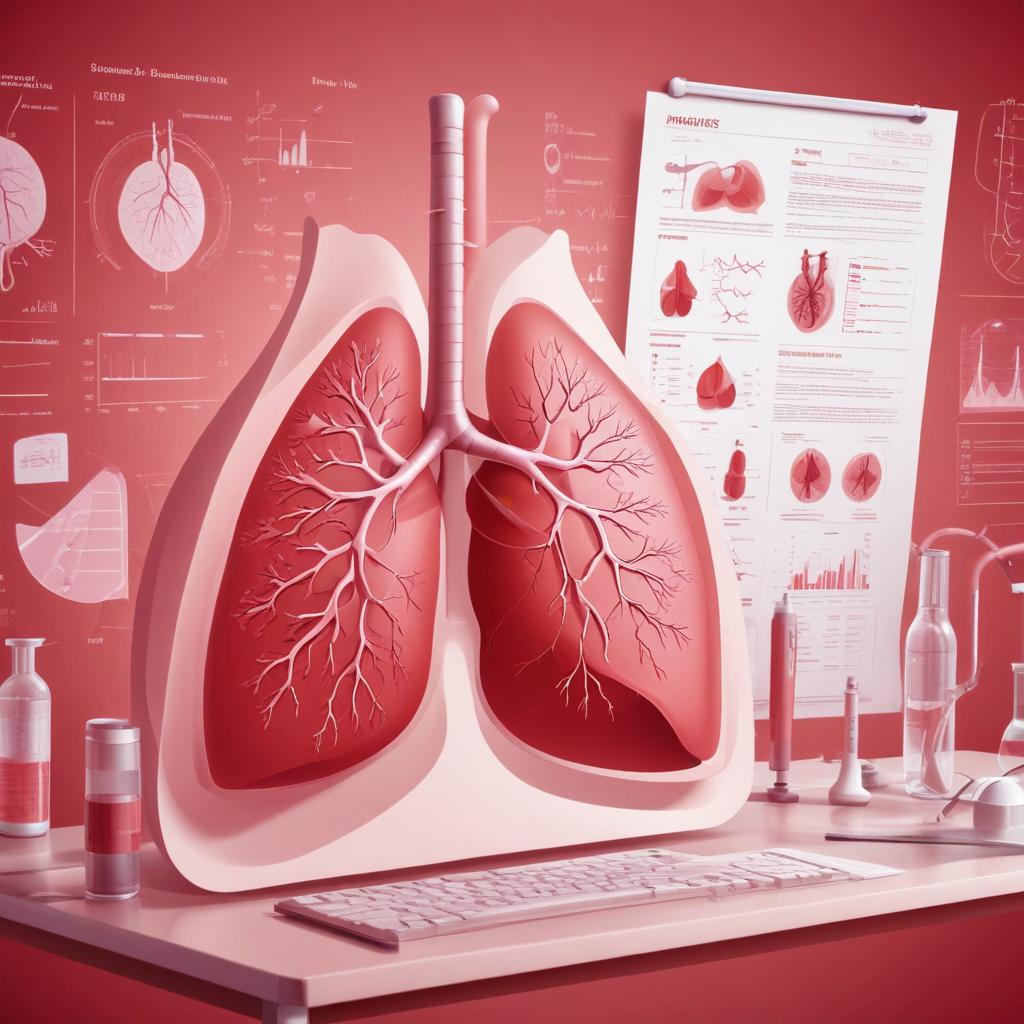
Breathing capacity refers to the total volume of air that the lungs can hold and the efficiency with which a person can inhale oxygen and exhale carbon dioxide. It is a critical indicator of lung function and overall respiratory health. Essentially, the greater the breathing capacity, the more oxygen the body can take in, which supports essential bodily functions and increases endurance and vitality.
The importance of breathing capacity cannot be overstated. Adequate lung function ensures that oxygen is effectively delivered to the bloodstream and carbon dioxide is removed, maintaining the body’s internal environment and supporting cellular processes. Improved breathing capacity enhances physical performance, aids recovery from illness, and promotes better mental clarity and energy levels by ensuring optimal oxygen intake.
Several factors can affect lung function and respiratory health. Age is a natural factor as lung capacity tends to decline over time. Smoking and exposure to pollutants can significantly damage lung tissue, reducing breathing capacity and increasing the risk of respiratory diseases. Chronic conditions such as asthma, chronic obstructive pulmonary disease (COPD), and infections can also impair lung function by causing inflammation, obstruction, and scarring. On the other hand, regular exercise, especially aerobic activities, can strengthen respiratory muscles, improve lung efficiency, and boost overall breathing capacity.
Environmental elements like air quality play a crucial role in respiratory health. Poor air quality, including high levels of allergens, dust, and industrial pollutants, can exacerbate respiratory conditions and diminish lung function. Maintaining a healthy lifestyle through balanced nutrition, avoiding harmful substances, and managing stress can further support respiratory health. Mindful practices such as controlled breathing exercises and pulmonary rehabilitation therapies have been shown to enhance breathing capacity by improving lung elasticity and optimizing oxygen intake.
Understanding the dynamics of breathing capacity, its significance, and the factors influencing lung function empowers individuals to take proactive steps towards preserving and improving their respiratory health. By focusing on preventive care and healthy habits, one can maintain strong, efficient lungs that support a high quality of life and overall well-being.
Physiology of Breathing
The respiratory system plays a crucial role in sustaining life by facilitating the exchange of gases essential for cellular function. Central to this system are the lungs, which act as the primary organs where oxygen is absorbed into the body and carbon dioxide is expelled. The process starts when air enters the respiratory tract through the nose or mouth, passing down the trachea into the lungs.
The diaphragm, a dome-shaped muscle located beneath the lungs, is vital to the mechanics of breathing. When the diaphragm contracts, it moves downward, increasing the space in the chest cavity and allowing the lungs to expand. This expansion lowers the pressure inside the lungs relative to the outside atmosphere, causing air to flow in. During exhalation, the diaphragm relaxes and moves upward, reducing lung volume and pushing air out.
Within the lungs, the process of gas exchange occurs in tiny sacs called alveoli. These alveoli are surrounded by capillaries, where oxygen from the inhaled air diffuses into the bloodstream, and carbon dioxide from the blood diffuses out to be exhaled. This exchange is vital because oxygen is needed for cellular respiration, while carbon dioxide is a waste product that must be eliminated from the body. The efficiency of this system relies on the coordinated function of the respiratory system, lungs, diaphragm, and the intricate gas exchange process.
Common Factors Influencing Breathing Capacity
Breathing capacity can be influenced by several lifestyle and environmental factors that either improve or deteriorate respiratory function. One of the most significant negative influences is smoking. Smoking damages the lungs, reduces their efficiency, and is a primary cause of chronic respiratory diseases, leading to a marked decrease in breathing capacity over time.
Conversely, regular exercise plays a vital role in enhancing breathing capacity. Physical activity strengthens the respiratory muscles, increases lung capacity, and improves overall oxygen exchange efficiency. Aerobic exercises such as running, swimming, or cycling are particularly beneficial for maintaining healthy lung function.
Environmental factors also have a substantial impact. Exposure to pollution, including smoke, chemicals, and particulate matter, can inflame and damage lung tissue, diminishing breathing capacity. Living in areas with clean air and using protective measures in polluted environments help preserve lung health.
Age is another crucial factor affecting breathing capacity. As people age, lung elasticity declines, and respiratory muscles weaken, naturally reducing breathing efficiency. While aging is inevitable, adopting healthy habits such as avoiding smoking and maintaining regular exercise can mitigate these effects and support better respiratory health throughout life.
Techniques to Improve Breathing Capacity
Improving breathing capacity is essential for enhancing overall respiratory health and physical performance. Various methods, including breathing exercises, lung training, yoga breathing techniques, and respiratory therapy, can significantly increase lung capacity and improve breathing efficiency.
One effective approach is through targeted breathing exercises such as diaphragmatic breathing and pursed-lip breathing. Diaphragmatic breathing focuses on engaging the diaphragm, which helps increase oxygen intake and strengthen respiratory muscles. Pursed-lip breathing, on the other hand, slows down the breathing rate, allowing more air to remain in the lungs for better gas exchange.
Lung training tools and techniques are also widely used. These include devices that provide resistance during inhalation or exhalation, helping to build respiratory muscle strength and endurance. Regular use of lung trainers can improve lung function, especially in athletes and individuals recovering from respiratory illnesses.
Yoga breathing, or pranayama, offers a holistic way to enhance breathing capacity. Techniques such as alternate nostril breathing, kapalabhati, and ujjayi breathing not only improve oxygen flow but also reduce stress and increase lung flexibility. These practices emphasize slow, controlled breaths, which enhance lung efficiency over time.
Respiratory therapy conducted by healthcare professionals is another valuable method. It includes personalized exercises and treatments designed to improve lung function, especially for those with chronic respiratory conditions like asthma or COPD. Techniques such as incentive spirometry, chest physiotherapy, and guided breathing exercises can help clear the airways and build lung strength.
Incorporating a combination of these methods into a daily routine can have a profound impact on breathing capacity. Consistency is key, and gradually increasing the intensity of exercises ensures ongoing improvement. By practicing these breathing exercises, lung training, yoga breathing, and respiratory therapy techniques, individuals can enjoy enhanced respiratory health and more efficient breathing.
Breathing Exercises for Beginners
Mastering breath control through deep breathing techniques can significantly improve your breathing capacity. Here are step-by-step instructions for basic breathing exercises suitable for beginners, including diaphragmatic breathing and pranayama.
- Find a comfortable seated position. Close your eyes and relax your shoulders to prepare for deep breathing.
- Place one hand on your chest and the other on your abdomen. Begin diaphragmatic breathing by inhaling slowly through your nose, directing the breath towards your diaphragm, so your abdomen rises more than your chest.
- Exhale slowly and completely through your mouth, allowing the abdomen to fall. Focus on breathing deeply and evenly to improve breath control.
- Repeat this deep breathing cycle for 5 to 10 minutes, maintaining a slow and steady rhythm.
- Next, try a basic pranayama exercise called “Nadi Shodhana” (alternate nostril breathing). Using your right thumb, close your right nostril and inhale deeply through your left nostril.
- Close your left nostril with your ring finger, release your right nostril, and exhale slowly through the right nostril. Then inhale through the right nostril.
- Close the right nostril again, release the left nostril, and exhale through the left nostril. This completes one cycle. Continue for 5 minutes, focusing on calm and controlled breath.
- Finish by returning to natural diaphragmatic breathing and sit quietly for a few moments to feel the effects.
Advanced Respiratory Training Methods
To significantly enhance lung capacity, incorporating advanced respiratory training techniques can be highly effective. Inspiratory muscle training (IMT) is a specialized method designed to strengthen the muscles involved in breathing, particularly the diaphragm and intercostal muscles. By using devices that create resistance during inhalation, IMT challenges these muscles, leading to improved endurance and overall respiratory efficiency.
In addition to IMT, aerobic exercise plays a crucial role in optimizing lung function. Activities such as running, cycling, and swimming increase the demand for oxygen, which encourages the lungs to adapt by expanding their capacity. Regular aerobic exercise promotes better oxygen uptake and carbon dioxide removal, boosting overall respiratory performance.
Interval training is another valuable method for advancing pulmonary fitness. This involves alternating between periods of high-intensity exercise and lower-intensity recovery. Interval training stimulates both aerobic and anaerobic systems, improving cardiorespiratory endurance and lung efficiency. It challenges the breathing muscles to operate under varying loads, which can translate to better respiratory control during everyday activities.
For individuals requiring structured improvement, pulmonary rehabilitation programs offer comprehensive interventions that often combine inspiratory muscle training, aerobic exercises, and education. These programs are especially beneficial for those with chronic respiratory conditions, providing tailored guidance to safely enhance breathing capacity and quality of life.
Lifestyle Changes to Support Respiratory Health
Improving and sustaining breathing capacity requires adopting several healthy habits that promote respiratory well-being. The first and most impactful change is to quit smoking. Tobacco smoke introduces harmful chemicals into the lungs, damaging delicate lung tissues and reducing the ability to breathe efficiently. Quitting smoking not only slows down lung function decline but also enhances overall lung capacity over time, allowing better oxygen exchange and reducing the risk of respiratory diseases.
Nutrition for lungs plays a crucial role in supporting respiratory health. A balanced diet rich in antioxidants, vitamins, and minerals helps protect lung tissue from oxidative stress and inflammation. Foods high in vitamin C, E, and beta-carotene, such as citrus fruits, leafy greens, nuts, and carrots, provide essential nutrients that boost lung function. Omega-3 fatty acids found in fish and flaxseeds also contribute to reducing inflammation and enhancing the elasticity of lung tissues.
Another vital lifestyle modification is to improve air quality in your environment. Breathing clean air decreases exposure to pollutants and allergens that can irritate lung tissues and exacerbate respiratory conditions. Using air purifiers, avoiding outdoor activities during high pollution days, and reducing indoor pollutants such as dust and chemicals can make a significant difference in maintaining healthy lungs. Ensuring proper ventilation in living and working spaces further helps in minimizing harmful airborne particles.
In addition to these changes, regular physical activity supports better respiratory health by strengthening the muscles involved in breathing and increasing lung capacity. Activities like walking, swimming, and yoga promote deeper breathing, which helps to maximize oxygen intake and improve respiratory efficiency. Combining these exercises with the aforementioned healthy habits creates a comprehensive lifestyle approach that maintains and enhances breathing capacity for long-term respiratory well-being.
Diet and Nutrition for Lung Health
Maintaining good lung health is greatly influenced by the nutrients you consume and your overall dietary habits. Antioxidants play a crucial role in protecting lung tissue from damage caused by harmful free radicals. Foods rich in antioxidants such as berries, leafy greens, and nuts help neutralize oxidative stress and support lung function. Vitamins, particularly vitamins C, E, and A, are essential for lung repair and maintaining the elasticity of lung tissues. These vitamins can be found in citrus fruits, seeds, and colorful vegetables.
Incorporating anti-inflammatory foods into your diet can reduce inflammation within the respiratory system, promoting easier breathing and minimizing the risk of chronic respiratory conditions. Examples of such foods include fatty fish like salmon, walnuts, and flaxseeds, which contain omega-3 fatty acids known for their anti-inflammatory properties. Additionally, spices like turmeric and ginger are natural anti-inflammatory agents that can be beneficial when added to meals.
Staying well-hydrated is equally important as it helps thin mucus in the lungs, making it easier to clear and reducing congestion. Drinking plenty of water throughout the day supports this process and helps maintain overall respiratory health. By combining a diet rich in antioxidants, essential vitamins, anti-inflammatory foods, and proper hydration, you can effectively support your lung capacity and improve respiratory function over time.
Maintaining Clean Air and Environment
To support healthy breathing and improve lung capacity, it is essential to maintain good indoor air quality. Regularly ventilate your living spaces by opening windows or using exhaust fans to allow fresh air circulation and reduce indoor pollutants. Using air purifiers equipped with HEPA filters can effectively remove allergens, dust, and harmful particles from the air, further enhancing the quality within your home.
Reducing pollution both indoors and outdoors plays a crucial role in preserving respiratory health. Avoid smoking indoors and minimize the use of strong chemical cleaners or sprays that can introduce irritants into the air. Planting trees and maintaining green spaces around your home can naturally improve outdoor air quality by absorbing pollutants and releasing oxygen.
In addition to mechanical ventilation, consider incorporating houseplants known for their air-purifying properties, as they can help absorb pollutants and increase oxygen levels. Regular cleaning to reduce dust accumulation and controlling humidity to prevent mold growth are also key to maintaining a clean air environment. By combining these strategies to improve indoor air quality, reduce pollution, and enhance ventilation, you create an environment conducive to stronger and healthier lungs.

Having spent the last decade navigating the ups and downs of strength training and mindful living, I am passionate about sharing practical strategies for holistic male wellness. My focus is on balancing physical resilience with mental clarity, drawing from personal experience to help men lead more purposeful lives.