

Men’s daily mobility routine
29/12/2025
Understanding the Importance of a Daily Mobility Routine for Men
Incorporating a daily mobility routine into your lifestyle is crucial for enhancing men’s health and overall well-being. These exercises focus on boosting flexibility, promoting joint health, and minimizing injury risks—factors that significantly impact quality of life as men age. Unlike traditional workouts that prioritize strength or endurance, daily mobility exercises highlight the functional movement of muscles and joints. This method aids in maintaining the body’s agility and resilience against the physical challenges faced in everyday activities or sports endeavors.
One major benefit of maintaining a daily mobility routine is improved muscle elasticity and joint flexibility. By regularly practicing controlled dynamic stretches, men can maintain or even increase their muscle length and flexibility. This not only enhances athletic performance but also reduces stiffness, which is a common issue as men grow older. Increased flexibility also contributes to better posture, assisting in the prevention of ongoing pain in the back, neck, and shoulders.
Joint health underscores the significance of engaging in daily mobility exercises. Joints rely on consistent movement to stimulate the production of synovial fluid—a natural lubricant that reduces friction between cartilage surfaces. Without sufficient mobility, joints can become stiff and vulnerable to deterioration, potentially leading to problems such as arthritis. Regular movement encourages nutrient flow within joint tissues, supporting repair and delaying the onset of joint-related issues.
Furthermore, keeping a regular mobility routine is vital for injury prevention. Men who perform daily mobility exercises frequently notice enhanced body awareness and muscle coordination, which helps avert strains and sprains. By preparing the muscles and joints through mobility activities, the body is more equipped for physical exertion, reducing the risk of tears and overuse injuries. Therefore, integrating daily mobility is a key component of any fitness or sports program.
To sum up, integrating daily mobility routines offers considerable benefits for men’s health by enhancing flexibility, supporting joint health, and lowering the chances of injuries. Engaging in these practices can foster enduring physical abilities, enabling men to maintain an active lifestyle and enjoy greater comfort in their daily activities.
Health Benefits of Daily Mobility Exercises
Incorporating mobility exercises into a daily routine offers numerous health benefits essential for men’s fitness. One significant advantage is improved circulation. Consistent mobility exercises boost blood flow throughout the body, delivering crucial nutrients and oxygen to muscles and joints. This enhanced circulation not only helps with faster recovery following workouts but also promotes overall heart health.
Another significant benefit of engaging in daily mobility exercises is the reduction of stiffness. As men age or stay inactive for long periods, their joints and muscles can become tight, limiting their flexibility and range of motion. Regular mobility routines help counteract this stiffness by gently stretching and moving the joints, which supports maintaining flexibility and minimizing discomfort in everyday activities.
Moreover, daily mobility routines are essential for enhancing muscular performance. By increasing joint flexibility and promoting muscle elasticity, these exercises enable muscles to function more efficiently and effectively. This can lead to better posture, reduced injury risk, and increased strength and power during workouts. For men seeking overall fitness, integrating mobility exercises into their daily regimen supports sustained muscle health and performance.
Ultimately, the benefits of participating in daily mobility workouts extend far beyond short-term physical improvements. They promote long-term joint health, help prevent injuries, and inspire a more active lifestyle—each of which is essential for maintaining optimal men’s fitness.
Common Mobility Issues in Men and How to Address Them
Men often encounter specific mobility issues that can significantly impact their daily lives and overall health. Common problems include tight hips, lower back stiffness, and general movement limitations caused by prolonged sitting, poor posture, or lack of exercise. These issues frequently lead to joint discomfort for men, particularly in the hips, knees, and lower back, making routine tasks such as bending, walking, or standing painful.
Limited hip flexibility can impede the necessary range of motion for activities like squatting, running, or climbing stairs, which increases strain on the lower back and knees. Similarly, tension in the lower back can restrict movement, causing discomfort and increasing the risk of injury. If these mobility issues are not tackled, they often worsen over time, resulting in chronic pain and further limitations on movement.
Creating a daily mobility routine designed to address these concerns can help men regain flexibility and reduce joint pain. Gentle dynamic stretches focusing on the hips, lower back, and surrounding muscles can relieve tension and enhance blood flow. It’s important to incorporate exercises that promote spinal mobility and hip openness. Over time, these activities enhance overall movement quality, reduce joint discomfort in men, and aid in restoring functional mobility.
Maintaining consistency is crucial—dedicating only 10 to 15 minutes each day to a thorough mobility routine can assist in minimizing movement limitations and preventing stiffness in the future. By addressing the root causes of mobility issues proactively, men can lead an active lifestyle free from unnecessary pain and restrictions.
Essential Components of an Effective Men’s Daily Mobility Routine
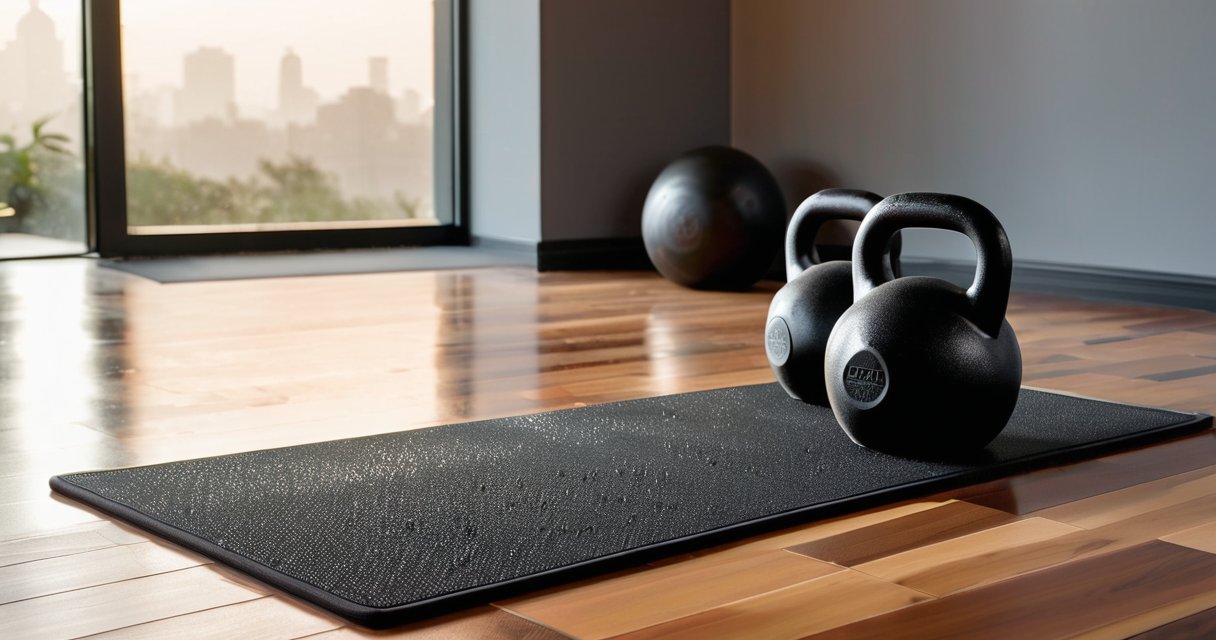
Incorporating a well-structured mobility regimen into your daily routine is crucial for maintaining joint health, improving movement efficiency, and preventing injuries. For men, an effective daily mobility routine must encompass several important exercise components that target various aspects of flexibility and strength. Identifying and utilizing these elements will maximize the benefits of your mobility regimen.
A successful mobility routine should always commence with a proper warm-up. This process prepares the body for exercise by slowly raising the heart rate and boosting blood flow to the muscles, which enhances flexibility and reduces the risk of injury. A warm-up can include light cardio activities such as brisk walking, jumping jacks, or cycling for about 5 to 10 minutes. This initial phase primes your muscles and joints for the movements ahead, thereby improving the overall effectiveness of your mobility routine.
Following the warm-up, incorporating dynamic stretching is crucial for your mobility routine. Unlike static stretches that are sustained for extended periods, dynamic stretches involve moving your body through its full range of motion. These active movements increase muscle temperature and improve joint flexibility by mimicking the exercises you will perform. Some examples are leg swings, arm circles, hip openers, and torso twists. Including dynamic stretches in your routine ensures that your body remains agile and prepared for activity throughout the day.
After performing dynamic stretches, it’s essential to add focused mobility exercises that target specific joints and muscle groups commonly tightened by daily activities or exercise routines. These exercises aim to improve the range of motion and functional strength in areas such as your shoulders, hips, ankles, and spine. Fundamental mobility drills could include deep squats to relax the hips, thoracic spine rotations to boost upper back flexibility, and ankle circles to enhance ankle mobility. Regularly engaging in these practices can significantly improve your overall movement quality.
Integrating resistance bands or foam rollers into your mobility routine can improve muscle activation and aid in myofascial release. These tools help in loosening adhesions and increasing blood flow, allowing for more efficient mobility exercises in targeted areas. Additionally, focusing on your breathing techniques during your routine can promote muscle relaxation and improve joint flexibility.
To summarize, an effective daily mobility routine for men should include a thorough warm-up, dynamic stretching, and targeted mobility exercises. Consistently integrating these components will result in better posture, reduced injury risk, and improved movement in daily tasks. Prioritizing mobility each day not only boosts physical performance but also promotes lasting joint health and overall well-being.
Warm-Up and Activation Exercises
A proper warm-up is essential for men’s daily mobility routines as it prepares the body for physical activity, improves blood flow, and reduces the risk of injuries. Start with general warm-up techniques like brisk walking, light jogging, or cycling for 5 to 10 minutes to raise your core temperature. This strategy not only boosts your heart rate but also gets your muscles and joints ready for more specific movements.
Following a general warm-up, integrate activation exercises that concentrate on the key muscle groups engaged in your daily activities. These movements aim to stimulate vital muscles, improving neuromuscular coordination and readying those muscle groups for your movements. Common activation exercises include glute bridges, banded lateral walks, and scapular push-ups, which focus on the glutes, hips, and upper back muscles, respectively.
Movement preparation ought to incorporate dynamic stretches such as leg swings, arm circles, and hip openers. These dynamic movements enhance joint mobility and activate the nervous system, leading to better movement efficiency. By combining warm-up and activation exercises, you create a comprehensive routine that improves range of motion while getting muscles and joints ready for the day’s demands.
Integrating these techniques into your daily mobility routine helps maintain your body’s flexibility and engagement, laying the groundwork for improved strength, balance, and overall functional movement. Remember that combining a warm-up with activation exercises is an important step in injury prevention and enhancing performance.
Dynamic Stretching and Mobility Drills
Dynamic stretching and mobility workouts play a crucial role in enhancing joint flexibility and overall range of motion. Unlike static stretches, dynamic stretching involves moving various body parts through their full range of motion, which effectively warms up the muscles and prepares the joints for action. This method not only increases blood flow but also improves neuromuscular function, leading to better performance and a reduced chance of injury.
Mobility drills improve dynamic stretching by targeting specific joints to increase their functional range of motion and stability. These exercises prioritize controlled movements that allow your joints to move fluidly while maintaining stability during different activities. Consistently incorporating mobility drills can help avert stiffness, enhance joint lubrication, and boost the coordination needed for daily activities and sports.
To perform dynamic stretches correctly, start with controlled, intentional movements that gradually increase in speed and intensity. Some examples include leg swings, arm circles, and hip openers. Ensure that each movement is smooth and pain-free, allowing your body to adjust naturally. Mobility exercises such as hip bridges, thoracic spine rotations, and ankle circles should be executed with precise control, emphasizing the significance of proper alignment and the activation of surrounding muscles.
Consistency is key: dedicating 5-10 minutes daily to dynamic stretching and mobility workouts can significantly improve your joint flexibility and overall range of motion. This routine primes your body for physical activities, supports recovery, and promotes enduring joint well-being.
Cooldown and Recovery Techniques
Incorporating a reliable cooldown routine is essential for men dedicated to maintaining daily mobility and overall health. An effective cooldown helps transition the body from a state of activity to one of rest, improving recovery time and reducing muscle soreness. A highly recommended cooldown method is static stretching, which involves holding stretches for 20 to 30 seconds to gradually elongate muscles and bring them back to their resting position. This method not only promotes muscle relaxation but also enhances flexibility and range of motion, both vital for sustaining mobility.
Alongside static stretching, adding relaxation techniques such as deep breathing, foam rolling, or gentle yoga can greatly enhance recovery. These methods help reduce muscle tension accumulated from exercise, enhance blood flow to fatigued areas, and promote the removal of metabolic waste from muscle fibers. Engaging in mindful relaxation also helps calm the nervous system, reducing stress levels that might impede recovery.
Consistency is crucial for effective cooldown and recovery techniques. Dedicating time each day to these routines allows men to significantly improve muscle relaxation and prevent stiffness, which helps maintain optimal mobility during their activities. Whether it’s after a workout or following a physically demanding day, prioritizing cooldown exercises can safeguard long-term joint health, enhance muscle performance, and support the recovery process for continual daily movement.
Sample Men’s Daily Mobility Routine for Beginners

Starting a mobility routine can significantly boost your flexibility, reduce stiffness, and enhance your overall movement quality. This beginner mobility routine is designed to be simple yet effective, focusing on key daily exercises that can be completed in about 10 to 15 minutes. Aim to practice this routine daily for the best results, gradually increasing both the repetitions and duration as you gain confidence and flexibility.
- Cat-Cow Stretch (2-3 minutes)
Begin on all fours with your wrists aligned under your shoulders and knees under hips. Inhale deeply as you arch your back, lifting your chest and tailbone towards the ceiling (Cow pose). Exhale while rounding your back, tucking the chin towards the chest and pulling the belly button up (Cat pose). Repeat this flow slowly for 10-15 repetitions, focusing on steady breath and controlled movement. - Hip Circles (2 minutes)
Stand with feet shoulder-width apart and place your hands on your hips. Slowly rotate your hips in a circular motion clockwise 10 times, then switch to counterclockwise 10 times. This beginner mobility exercise warms up the hip joints and improves hip flexibility. - Standing Thoracic Spine Twist (2 minutes)
Stand tall with your feet hip-width apart. Cross your arms over your chest. Slowly rotate your upper body to the right, engaging your core but keeping your hips facing forward. Hold for 2 seconds, then return to center. Rotate to the left side similarly. Repeat for 10 repetitions per side. This helps increase thoracic spine mobility and posture.’ - Neck Circles (1-2 minutes)
With a relaxed neck, gently drop your chin towards your chest. Slowly roll your head clockwise in a full circle, completing 5 rotations. Then switch to counterclockwise for 5 rotations. Perform this movement carefully to avoid strain, enhancing neck flexibility and reducing tension. - Seated Hamstring Stretch (3 minutes)
Sit on the floor with one leg extended and the other bent with the foot near the inner thigh. Slowly lean forward from your hips towards the extended leg, keeping your back straight. Hold the stretch for 20-30 seconds, then switch legs. Repeat twice per leg. This stretch complements your mobility routine by improving leg flexibility. - Ankle Mobility Circles (2 minutes)
Sit or stand and lift one foot off the floor. Circle your ankle clockwise 10 times, then counterclockwise 10 times. Repeat with the other ankle. This exercise promotes ankle joint flexibility and stability, important in everyday movements.
Incorporating these essential mobility exercises into your daily routine will establish a solid foundation for improved movement and overall physical well-being. Aim to perform this routine daily, gradually increasing the intensity and duration as your mobility improves. Regularity is crucial for making meaningful strides with any mobility regimen for men starting their fitness journey.
Morning Mobility Sequence
Starting your day with a thorough morning routine focused on mobility can greatly improve your overall health and vitality. A simple mobility sequence designed to softly engage your joints and muscles prepares your body for the challenges ahead. Incorporating daily exercises into this routine promotes flexibility, reduces stiffness, and boosts circulation.
Begin by standing tall and performing neck circles, gently rotating your head in a clockwise motion followed by a counterclockwise motion to release any tension accumulated overnight. Then, add shoulder rolls to relax the upper body, fluidly moving your shoulders backward and forward. These straightforward movements enhance blood flow and relieve stiffness, both of which are essential for a productive day.
After that, move on to dynamic stretches like hip circles and torso twists to engage your core and hips. Improving hip mobility is essential for sustaining proper posture and balance, so including these movements in your morning regimen can boost your overall performance during the day. Don’t forget to include gentle knee lifts and ankle rolls to thoroughly ready your lower body for exercise.
Wrap up your mobility routine with soft forward bends and cat-cow stretches to target the lower back and spine. These exercises help elongate the spine and improve flexibility, making them perfect for easing stiffness from sleep. Spending time on these movements daily not only gets your body ready for activity but also fosters a positive mindset for the day ahead.
Evening Mobility Routine to Relax and Recover
Incorporating a nighttime mobility routine into your daily activities can significantly enhance relaxation and promote effective recovery. These soothing evening mobility exercises are designed to ease muscle tightness built up throughout the day, improve sleep quality, and support overall recovery. Start with intentional, slow stretches targeting essential muscle groups such as the hips, shoulders, and spine.
Begin with gentle seated spinal twists to alleviate stiffness in your lower back, then move into deep hip openers like butterfly stretches or seated pigeon pose. After that, concentrate on your shoulders by performing slow arm circles or wall angels to enhance circulation and ease tightness. Incorporating neck stretches by gently tilting your head side to side can assist in reducing tension in the upper body.
Then, focus on calming recovery techniques such as diaphragmatic breathing combined with soft dynamic movements. This relaxation method promotes the activation of the parasympathetic nervous system, encouraging both mental calmness and physical comfort. Furthermore, think about adding foam rolling or self-myofascial release for any tight areas, which can improve muscle recovery overnight.
As you conclude your nighttime mobility routine, take a moment to practice progressive muscle relaxation or follow a calming yoga flow aimed at easing tension in your body. Dedicating time to this practice every evening will boost your flexibility and mobility, while also aiding in the reduction of cortisol levels, leading to better sleep and more effective recovery for the following day.

Having spent the last decade navigating the ups and downs of strength training and mindful living, I am passionate about sharing practical strategies for holistic male wellness. My focus is on balancing physical resilience with mental clarity, drawing from personal experience to help men lead more purposeful lives.