
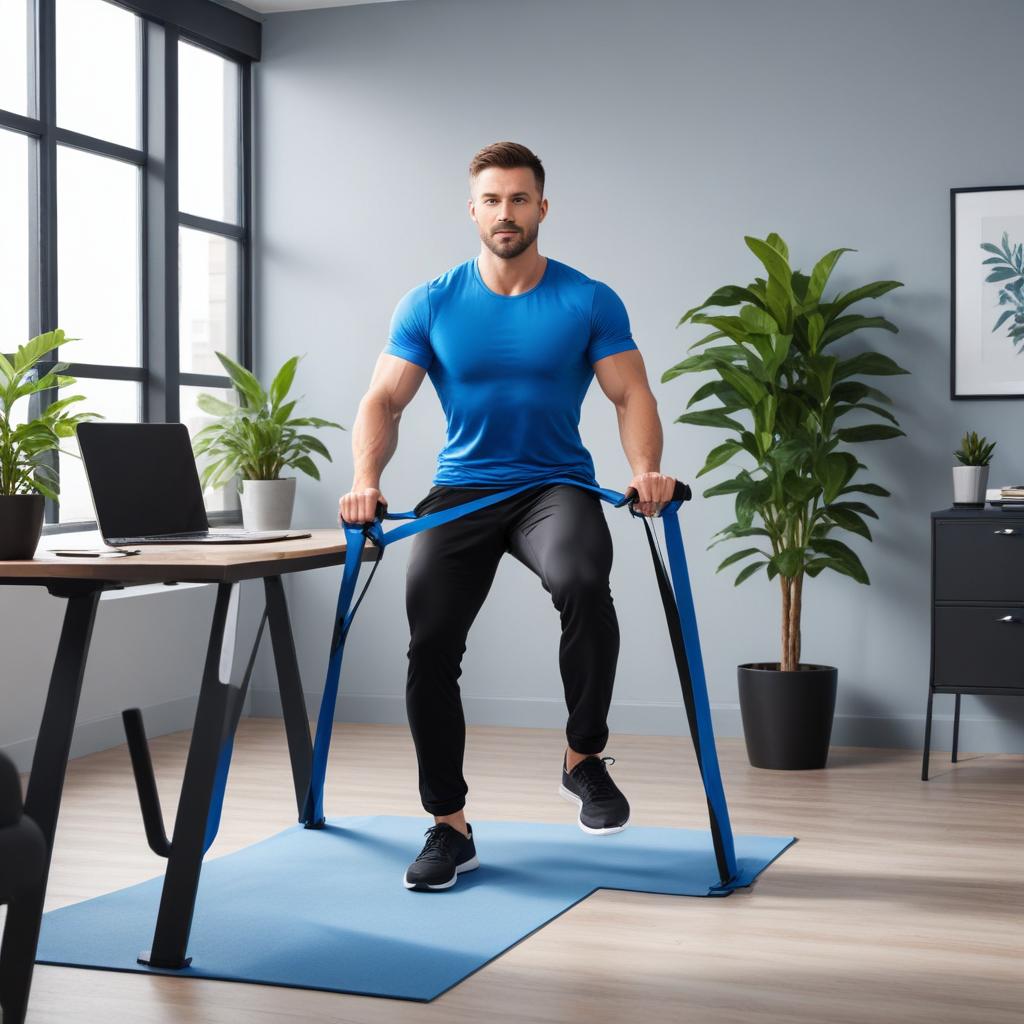
Men’s desk-friendly exercises
19/12/2025
Benefits of Desk-Friendly Exercises for Men
Incorporating desk exercises into daily routines offers remarkable advantages for men’s fitness, especially for those who spend long hours seated at work. These simple yet effective movements provide a range of physical and mental health benefits that contribute to overall office health. By consciously engaging in exercises designed to be performed at a desk, men can counteract the many negative effects of prolonged sitting.
One of the primary physical benefits of desk exercises is improved posture. Sitting for extended periods often leads to slouching and hunched shoulders, which can cause chronic pain and spinal issues. Regularly practicing targeted stretches and strength exercises helps realign the spine, strengthen core muscles, and promote a more upright posture. This not only reduces discomfort but also prevents long-term musculoskeletal problems, making it an essential component of men’s fitness routines.
Desk exercises also play a vital role in reducing stress levels at work. Mental stress is a common challenge in office environments, and physical activity is scientifically proven to alleviate anxiety and improve mood. Even short burst workouts or stretching sessions trigger the release of endorphins, natural mood enhancers, leading to a calmer, more focused mind. Men who routinely integrate desk exercises into their workday often experience better concentration and enhanced emotional well-being.
Beyond posture and stress reduction, these exercises significantly boost energy levels. Sedentary behavior often results in feelings of sluggishness and fatigue. However, simple movements such as seated leg lifts, shoulder rolls, and neck stretches increase blood flow and oxygen delivery to muscles and the brain. This surge in circulation revitalizes the body, helping men maintain their productivity and alertness throughout the demanding work hours.
Ultimately, the workout benefits of desk exercises extend far beyond momentary relief. They contribute to long-term improvements in physical health by strengthening muscles, enhancing flexibility, and supporting cardiovascular function. At the same time, improved mental clarity and decreased stress contribute to a healthier work-life balance. Embracing these desk exercises as part of a daily office routine is a smart, practical strategy for men looking to elevate their office health and men’s fitness without needing extra time or equipment.
Physical Health Improvements
Spending long hours sitting at a desk can take a toll on a man’s physical health, but desk-friendly exercises offer a practical solution to counteract these effects. One of the primary benefits is improved posture. Sitting for extended periods often leads to slouching and misalignment, which can cause discomfort and long-term spinal issues. Simple exercises that focus on stretching and activating the back, neck, and shoulder muscles help maintain proper spinal alignment and encourage a more upright posture, reducing strain and preventing chronic pain.
In addition to posture correction, desk exercises play a crucial role in strengthening muscles that tend to weaken from prolonged sitting. Targeted movements for the core, legs, and upper body help build muscle strength, providing better natural support to the spine and joints. Strengthening these muscle groups also improves overall stability and physical endurance, making everyday tasks easier and reducing the risk of injury both at work and during physical activity.
Moreover, incorporating movement into a desk routine significantly boosts circulation. Sitting still for long periods can slow down blood flow, leading to stiffness, swelling, and fatigue. Desk-friendly exercises like leg lifts, ankle rotations, and shoulder shrugs stimulate blood circulation, promoting oxygen and nutrient delivery to muscles and organs. Enhanced circulation not only relieves tension but also increases energy levels and focus, contributing to better productivity and overall well-being throughout the workday.
Mental and Emotional Well-being
Incorporating physical activity into your workday offers significant benefits for mental and emotional well-being. Desk-friendly exercises serve as effective tools for stress relief, breaking up long periods of sedentary behavior that can weigh heavily on both mind and body. Even brief bouts of movement help to activate the body’s natural stress-response system, releasing tension and promoting relaxation. This can lead to a noticeable reduction in feelings of anxiety and overwhelm that often accompany demanding workloads.
Beyond stress relief, physical activity during work hours is proven to improve focus. Engaging in simple in-place exercises or stretches refreshes the mind by increasing blood flow and oxygen delivery to the brain. This boost supports heightened concentration and alertness, allowing you to tackle tasks more efficiently. Regular movement breaks help prevent mental fatigue, making it easier to sustain productivity throughout the day.
Additionally, these desk-friendly exercises enhance overall mental clarity. They facilitate a clearer thought process by encouraging mental reset moments that interrupt the monotony of prolonged sitting. This clarity can translate into better decision-making, creativity, and problem-solving capabilities. Committing to short, manageable physical activities within your work routine is a strategic practice that nurtures your mental and emotional health, ultimately fostering a balanced and focused mindset at the office or home workspace.
Desk-Friendly Exercises to Keep You Active

Incorporating desktop workouts into your daily routine can significantly improve male fitness routines, especially for men who spend long hours seated at a desk. These easy exercises are designed to be low-impact and discreet, allowing you to stay active without interrupting your workflow. Targeting key muscle groups and enhancing mobility, desk-friendly exercises help reduce stiffness, improve posture, and boost overall energy levels during office hours.
A key advantage of exercising at work is its flexibility. You don’t need fancy equipment or a gym—just a chair and a little motivation. Begin with seated leg lifts to activate your quadriceps and hip flexors. Extend one leg, hold it parallel to the floor for a few seconds, then lower it without letting it touch the ground. Perform several repetitions on each leg to strengthen the lower‑body muscles.
For upper body engagement, try seated torso twists. Sit upright and place your hands behind your head. Slowly rotate your torso to one side, hold for a moment, then twist to the other side. This movement activates your obliques and improves spinal mobility, which is crucial for maintaining a healthy back during long hours of sitting.
Desk push-ups are another effective move. Stand a few feet away from your desk, place your hands shoulder-width apart on the edge, and perform push-ups by bending your elbows and lowering your chest towards the desk. This exercise strengthens the chest, shoulders, and arms, providing a great alternative to traditional push-ups without taking up much space.
In addition, wrist stretches and shoulder rolls help combat the tension and stiffness common in office environments. Gentle wrist circles and extending your arms in front of you to stretch can relieve the strain caused by typing and using a mouse. Shoulder rolls help improve circulation and reduce tightness around the neck and upper back.
By routinely incorporating these desktop workouts into your workday, you enhance your physical health without needing a dedicated workout time. These easy exercises are perfect for fitting into busy schedules and offer men an effective way to maintain fitness, improve posture, and increase mobility—all while staying productive at the office.
Seated Leg Raises and Extensions
Seated leg raises and extensions are excellent desk exercises designed to strengthen your lower body while promoting better circulation—a perfect solution for those long hours at a desk. These movements target important muscle groups such as the quadriceps, hip flexors, and core, helping to prevent stiffness and improve overall leg strength.
To perform a leg raise, sit upright on your chair with your back straight and feet flat on the floor. Slowly lift one leg straight out in front of you until it is parallel to the floor, keeping your knee straight but not locked. Hold this position for 5 to 10 seconds, focusing on engaging your thigh muscles. Then, gently lower your leg back down without letting your foot touch the floor completely. Repeat this motion 10 to 15 times for each leg. This controlled movement helps build lower body strength while improving blood flow to your legs.
For leg extensions, begin in the same seated posture. Raise one leg so that your thigh is parallel to the floor, then bend your knee, bringing your foot towards your body as close as comfortably possible. Extend your leg again until it’s straight out, and repeat the bending and extending motion 10 to 15 times. Switching legs after each set helps balance muscle development and encourages circulation throughout the lower body.
Incorporating these simple leg raises and extensions into your daily routine can significantly enhance your lower body strength and counteract the effects of prolonged sitting. These desk exercises require no equipment and can be discreetly performed anytime to keep your legs active and healthy.
Chair Squats and Standing Calf Raises
Incorporating chair squats and calf raises into your office routine is an excellent way to boost office fitness while engaging the glutes, thighs, and calves. Both exercises can be performed safely near your workstation without disrupting your workflow.
To perform a chair squat, start by standing a few inches in front of a sturdy chair with your feet shoulder-width apart. Keep your chest up and your core engaged. Slowly lower your body by bending your knees and hips, as if you’re about to sit down. Make sure your knees stay aligned with your toes and don’t let them cave inward. Lower down until your glutes gently touch the chair without fully sitting, then press through your heels to stand back up. This movement activates the glutes and thighs effectively. Aim for 10 to 15 controlled repetitions, maintaining a steady pace to avoid injury.
Standing calf raises are a simple yet effective exercise to strengthen your calves while standing by your desk. Stand with your feet hip-width apart and slowly raise your heels off the ground, balancing on the balls of your feet. Hold the position for a second to maximize muscle engagement, then gently lower your heels back down. For added balance, you can hold onto your desk or chair. Try to perform 15 to 20 repetitions for a solid calf workout. Both chair squats and calf raises improve circulation and help reduce stiffness from prolonged sitting.
By integrating chair squats and calf raises into your daily schedule, you’ll enhance your office fitness and maintain stronger legs and glutes, all without needing extra space or equipment.
Upper Body Stretches and Shoulder Rolls
Incorporating upper body stretches and shoulder rolls into your daily routine is essential for relieving tension and enhancing flexibility, especially when you spend long hours at your desk. These mobility exercises primarily target the neck, shoulders, and arms, areas that often become tight and stiff during prolonged sitting.
Begin with gentle neck stretches by slowly tilting your head side to side, holding each position for 15-20 seconds. This helps ease tightness and promotes better range of motion. Next, perform shoulder rolls by lifting your shoulders toward your ears and then rolling them backward in a smooth circular motion. Repeat this 10 times to increase blood flow and reduce stiffness.
For your arms and shoulders, extend one arm straight in front of you, then gently pull it across your chest with the opposite hand, holding for 20 seconds. This upper body stretch targets the shoulder joint and can alleviate built-up tension in both the shoulders and arms. Repeat on the other side to maintain balance and flexibility.
Incorporating these mobility exercises throughout the workday can dramatically improve posture, decrease discomfort, and enhance overall upper body flexibility. Making upper body stretches and shoulder rolls a routine part of your desk-friendly exercise regime is key to feeling more energized and reducing the risk of musculoskeletal issues caused by prolonged sitting.
Tips for Incorporating Exercises into Your Workday
Creating an effective exercise routine during your workday doesn’t mean sacrificing productivity. By thoughtfully integrating short bursts of physical activity into your schedule, you can maintain your focus and energy while building healthy habits. The key is to plan your desk workout tips around your existing work commitments, using natural breaks and downtime strategically.
Start by identifying natural work breaks when you can sneak in quick exercises. For example, try performing a few stretches or seated leg lifts during moments when you’re waiting for files to upload or during brief pauses between meetings. Using these small windows not only helps maintain your physical wellbeing but also gives your brain a chance to reset and reduce stress.
Consistency is crucial in forming lasting healthy habits. Set reminders on your phone or calendar to prompt you to stand up and move every hour. Even a 5-minute session of desk-friendly exercises can boost circulation and ward off stiffness. Over time, these frequent, manageable breaks become a natural part of your day without interrupting your workflow.
Another effective strategy is to incorporate movement into your routine tasks. For instance, try pacing around your office while on phone calls or doing calf raises while reading emails. This approach increases your overall daily activity without requiring extra time dedicated solely to exercise. It’s a subtle way to stay active and energized throughout the day.
Make use of ergonomic tools or standing desks to complement your exercises and promote better posture. Alternating between sitting and standing positions can help reduce sedentary fatigue and make your desk workout tips more effective. Combine this with simple stretches targeting your neck, shoulders, and back to alleviate tension caused by prolonged sitting.
Finally, enlist support from coworkers or managers to create a culture that encourages movement during the workday. Group challenges or scheduled breaks for light exercises can keep motivation high and foster accountability. When everyone prioritizes health, it’s easier to integrate an exercise routine without feeling isolated or distracted.
By implementing these practical strategies, you can successfully incorporate desk-friendly exercises into your daily work routine while maintaining productivity and developing sustainable healthy habits. The result is improved physical and mental well-being that supports both your career and personal life.
Scheduling Micro-Workouts
Incorporating micro workouts into your daily routine can be a game-changer when it comes to maintaining energy and focus, especially during long desk hours. Short bursts of exercise, even just 5 to 10 minutes, can refresh your body and mind, helping you stay productive. To get started, identify natural breaks in your schedule, such as between meetings or after completing a major task. Setting alarms or calendar reminders can be an effective way to prompt these exercise breaks without disrupting your workflow.
Another strategy is to pair micro workouts with regular activities. For example, you might do a quick set of stretches or desk exercises right after your morning coffee or before lunch. This kind of time management ensures you consistently fit movement into your day without overwhelming your schedule. Remember, micro workouts don’t require special equipment and can include exercises like chair squats, seated leg raises, or standing calf raises.
By consciously planning these short exercise breaks, you prevent the sluggish feeling that often accompanies prolonged sitting. Additionally, these micro workouts increase blood flow, reduce muscle stiffness, and improve concentration. Over time, establishing a routine around micro workouts can lead to improved health and enhanced work performance, demonstrating that even small changes in your time management can yield significant benefits.
Creating a Supportive Workspace
Designing your workspace setup with exercise in mind is key to maintaining physical health throughout your workday. Start by adjusting your chair to support proper ergonomics; your feet should rest flat on the floor, with knees at a 90-degree angle. An ergonomic chair that offers lumbar support encourages good posture, reducing strain on your back and helping you stay comfortable during movement breaks.
Your desk height should complement your chair adjustments, allowing your elbows to sit at about a 90-degree angle when typing or using the mouse. This setup minimizes tension in your shoulders and wrists, creating an exercise-friendly office environment that encourages gentle stretches and movements without disrupting workflow. Consider a sit-stand desk to alternate between sitting and standing positions, promoting circulation and reducing sedentary time.
Arrange your workspace to allow easy access to space for quick exercises or stretches. Clear the area around your chair and desk to accommodate leg lifts, seated marches, or standing stretches. Position frequently used items within arm’s reach to avoid excessive twisting or leaning, which can interfere with maintaining proper ergonomics. By consciously creating a workspace setup that supports movement, you’ll be more motivated and able to incorporate desk-friendly exercises throughout the day.

Having spent the last decade navigating the ups and downs of strength training and mindful living, I am passionate about sharing practical strategies for holistic male wellness. My focus is on balancing physical resilience with mental clarity, drawing from personal experience to help men lead more purposeful lives.