
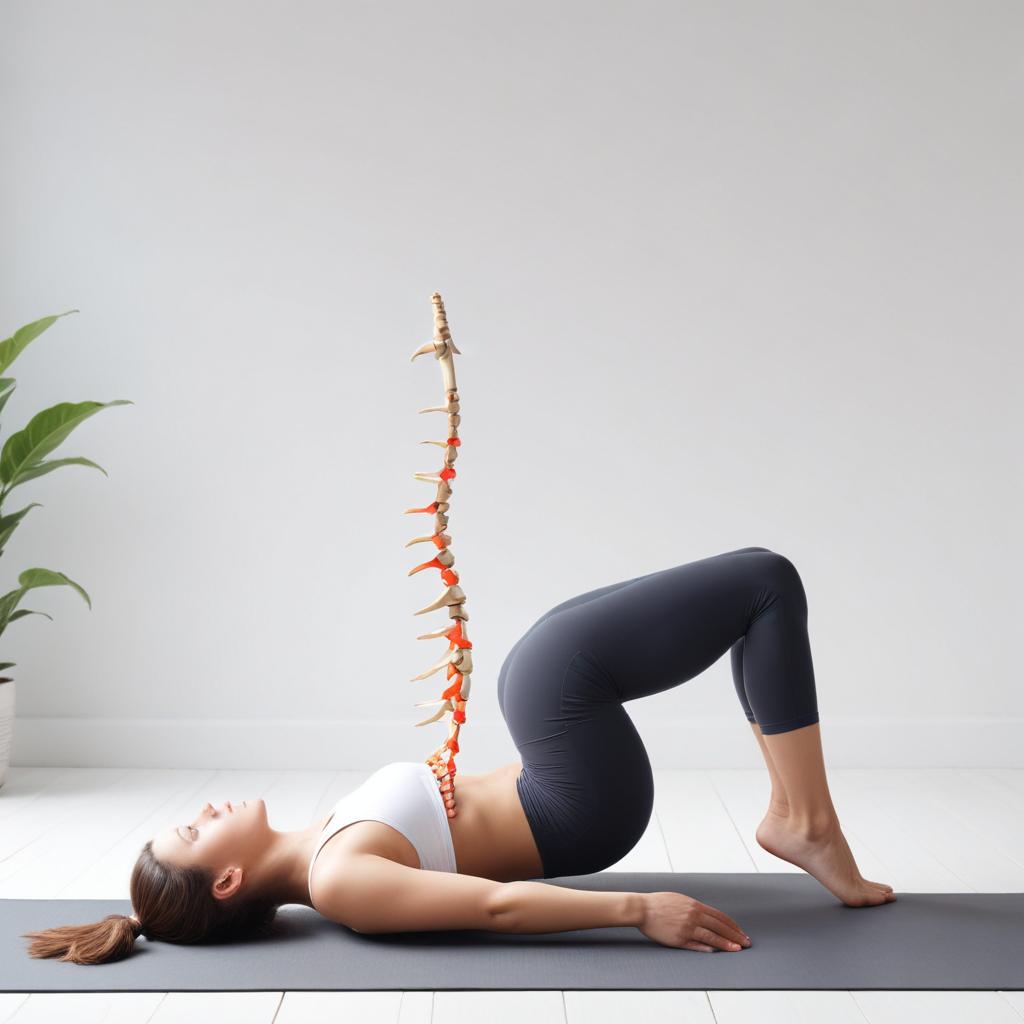
Stretching the lower back
26/01/2026
Benefits of Stretching the Lower Back
Flexible lower back routines play a key role in enhancing both physical comfort and long-term vitality. A major benefit lies in pain relief, especially since sedentary habits, improper alignment, or overused muscles often trigger persistent discomfort. By incorporating targeted stretches, individuals can loosen tight muscles, ease tension, and restore ease of movement. Over time, this practice fosters lasting relief from nagging aches and boosts functional range of motion.
Flexible and resilient lower back muscles play a key role in posture improvement. By maintaining strength and mobility in this area, you create a sturdy foundation for your spine, promoting natural alignment and reducing the tendency to slump or round the shoulders—habits that often lead to posture issues. Better posture doesn’t just look more polished; it also eases tension on the spine and adjacent muscles, cutting down on the likelihood of overuse injuries.
Lower back stretching not only eases discomfort and corrects alignment but also boosts overall flexibility. When muscles stay supple, they’re better equipped to handle stress, reducing the risk of strain and enabling smoother movement in workouts and routine tasks. Enhanced lower back mobility can sharpen athletic efficiency while making basic actions—like reaching, rotating, or hoisting—more fluid and injury-resistant.
Revitalize your daily workouts with targeted lower back stretches to fortify your spine’s long-term resilience. These moves offer more than fleeting relief—they actively strengthen connective tissues, reduce stiffness, and safeguard against recurring pain or degenerative issues by promoting flexibility and proper spinal alignment. Experimenting with diverse stretches ensures you harness their full potential for a stronger, more adaptable lower back.
In the end, the blend of reduced discomfort, better alignment, and greater range of motion gained from lower back stretching supports a more comfortable and healthy way of living. If you are healing from an injury or simply aiming to boost your overall physical well-being, incorporating these stretches into your everyday routine can yield long-term benefits and elevate your overall quality of life.
Pain Relief and Injury Prevention
Regularly stretching the lower back is a key strategy for easing discomfort and safeguarding against potential harm. Tightened muscles in this area often contribute to stiffness and a greater likelihood of sprains. Consistent stretching helps release tension, fostering better muscle ease and enhanced mobility. The result is relief from current aches while also fortifying the region against future strain.
By enhancing circulation to targeted regions, stretching promotes recovery and provides essential nutrients to the muscles. Consistent lower back exercises foster improved posture and alignment, which are vital for preventing excessive pressure on the spine and adjacent structures. This enhanced muscular efficiency helps distribute body weight more uniformly across the back, reducing localized stress and significantly lowering the risk of injury.
Daily stretching for the lower back can ease persistent discomfort and boost flexibility, offering lasting relief. Especially helpful for people with desk jobs or repetitive tasks that strain the spine, these stretches help counteract stiffness and tension. Keeping muscles supple and tension at bay supports a healthier, more stable lower back while fostering greater ease in movement and comfort throughout the day.
Improving Flexibility and Mobility
Specific stretching routines are essential for boosting flexibility and spinal mobility, especially within the lumbar region. Consistently executing these targeted exercises expands the range of motion in the lower back and adjacent muscles, thereby supporting enhanced functional movement. Gaining flexibility in this area does more than just relieve stiffness; it also fosters overall spinal health by encouraging proper alignment and lowering the likelihood of injury.
Stretching does more than just lengthen muscles—it loosens tightness in connective tissues and boosts circulation to muscle fibers, speeding up recovery and easing persistent aches. Enhanced flexibility and mobility make everyday motions smoother and less taxing, especially for people struggling with long-term lower back stiffness. By regularly adding focused stretches to your regimen, you can see a clear improvement in spinal mobility and help preserve your joint flexibility as you age.
Targeting the lower back, hips, and hamstrings through specific stretches allows these spinal support muscles to function together in harmony, promoting greater stability. This comprehensive method of flexibility training builds resilience in the lower back, improving general mobility while reducing the likelihood of stiffness. In the end, these stretching advantages cultivate a supple and agile spine that can handle daily tasks and athletic pursuits with a significantly lower chance of strain or injury.
Effective Lower Back Stretching Exercises
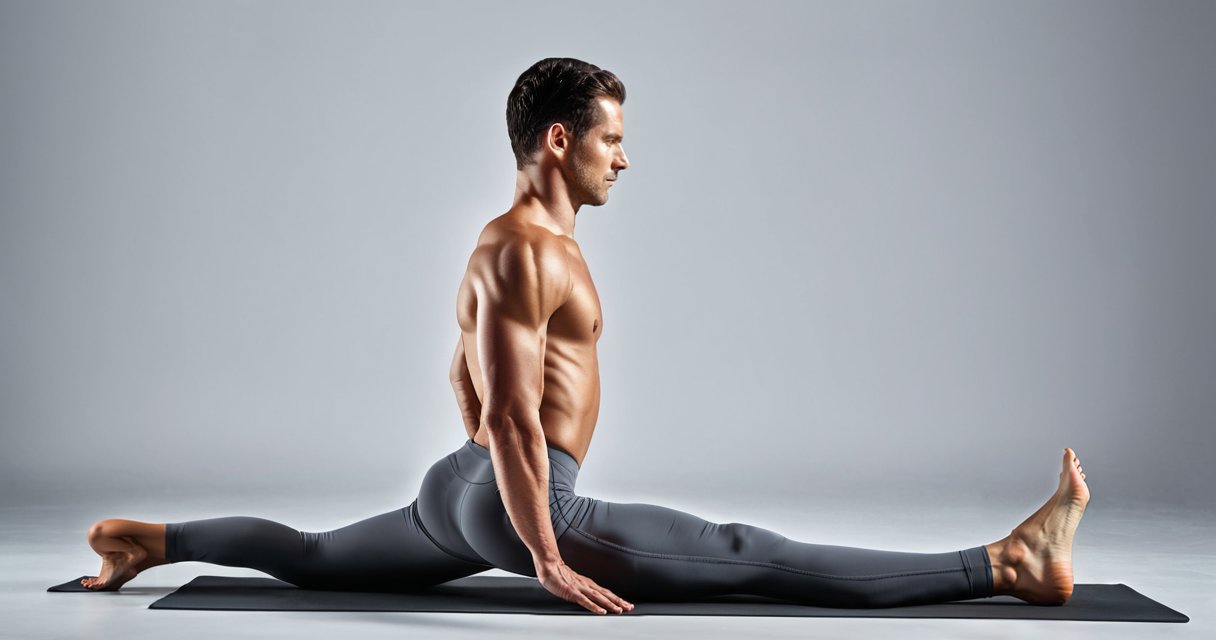
Adding lower back stretches to your regular workout can greatly boost flexibility, alleviate discomfort, and improve general mobility. The following section provides detailed explanations and step-by-step instructions for several of the most effective stretching techniques, specifically chosen to target your lower back muscles with safety and precision.
- Child’s Pose Stretch:
- Begin by kneeling on the floor with your big toes touching and knees spread apart.
- Lower your torso forward to rest between your thighs and extend your arms forward on the ground.
- Maintain a relaxed neck and breathe deeply, feeling a gentle stretch along your lower back.
- Hold this position for 20-30 seconds, then slowly return to the starting position.
- Knee-to-Chest Stretch:
- Lie flat on your back with both legs extended on the floor.
- Slowly bring one knee towards your chest, gripping it with both hands.
- Keep the other leg straight and firmly on the floor as you pull your knee closer to your chest.
- Hold the stretch for 20-30 seconds, then switch legs and repeat.
- Seated Lower Back Twist:
- Sit on the floor with your legs extended in front of you.
- Bend your right knee and cross it over your left leg, placing your right foot flat on the floor.
- Rotate your torso to the right, placing your left elbow outside your right knee for support.
- Hold this twisting stretch for 20 seconds, focusing on elongating the lower back muscles.
- Repeat on the opposite side.
- Pelvic Tilt Stretch:
- Lie on your back with your knees bent and feet flat on the floor, hip-width apart.
- Tighten your abdominal muscles to press your lower back into the floor.
- Hold for 5 seconds, then relax and allow your back to arch slightly.
- Repeat this sequence 8-10 times to improve lower back flexibility and strength.
- Cat-Cow Stretch:
- Start on your hands and knees with your wrists aligned under shoulders and knees under hips.
- Inhale as you arch your back, lifting your head and tailbone towards the ceiling (Cow pose).
- Exhale as you round your back, tucking your chin and pelvis under (Cat pose).
- Repeat these movements slowly for 10-15 cycles, emphasizing fluidity and breathing.
Incorporating these lower back stretches into your everyday workout regimen boosts flexibility while easing tension and discomfort. By following consistent practice of these stretching techniques and examples, you can cultivate a stronger, more resilient lower back.
Child’s Pose Stretch
Position yourself on the floor in a kneeling stance, ensuring your toes gently meet while keeping your knees hip-width apart for stability. From here, ease your hips backward until you rest on your heels, then fold forward at the waist, reaching your arms out to extend them fully along the mat. This restorative pose gently stretches the lower back, helping to unwind tightness and promote relaxation in the spine.
Press your chest toward the mat, allowing your forehead to rest softly on the floor or a yoga block for extra support. This posture naturally elongates the lower back and encourages spinal relaxation. Be sure to breathe deeply throughout the stretch, directing your breath into the lower back to deepen the release and ease any tension in the region.
Gently easing tension in the lower back, Child’s Pose offers a restorative yoga stretch that’s both soothing and accessible for all levels. By settling into this posture for anywhere from 30 seconds to a few minutes, you’ll notice your spine unwinding naturally as the muscles along your back release. Beyond its physical benefits—like easing tightness and reducing stiffness—this pose fosters a quiet mental shift, turning it into an ideal way to unwind and support back health in your daily routine.
Knee-to-Chest Stretch
The Knee-to-Chest movement serves as a beneficial lower back stretch that simultaneously engages the hip flexors to alleviate lumbar discomfort. By gently releasing tension in the lower spine, this exercise also enhances overall hip flexibility.
- Lie flat on your back on a comfortable surface, such as a yoga mat.
- Bend both knees with your feet flat on the floor.
- Slowly bring one knee toward your chest, clasping your hands around your shin or behind the thigh to hold the position.
- Keep the other leg relaxed and either bent with the foot on the floor or extended straight on the ground depending on your flexibility.
- Gently pull the bent knee closer to your chest until you feel a stretch in your lower back and hip flexor area, but avoid any sharp pain.
- Hold this position for 20 to 30 seconds, breathing deeply and allowing the muscles to relax.
- Slowly release your hands and lower your leg back to the floor.
- Repeat the stretch with the opposite leg to ensure both sides are evenly stretched.
- For a deeper hip flexor stretch, try pulling both knees towards your chest at once, holding for the same duration.
Relieving stiffness in the lower back often starts with simple yet effective movements like the knee-to-chest stretch. By incorporating this gentle routine, you can ease pressure on the lumbar spine and tight adjacent muscles, promoting better flexibility and pain reduction over time.
Tips and Precautions for Lower Back Stretching
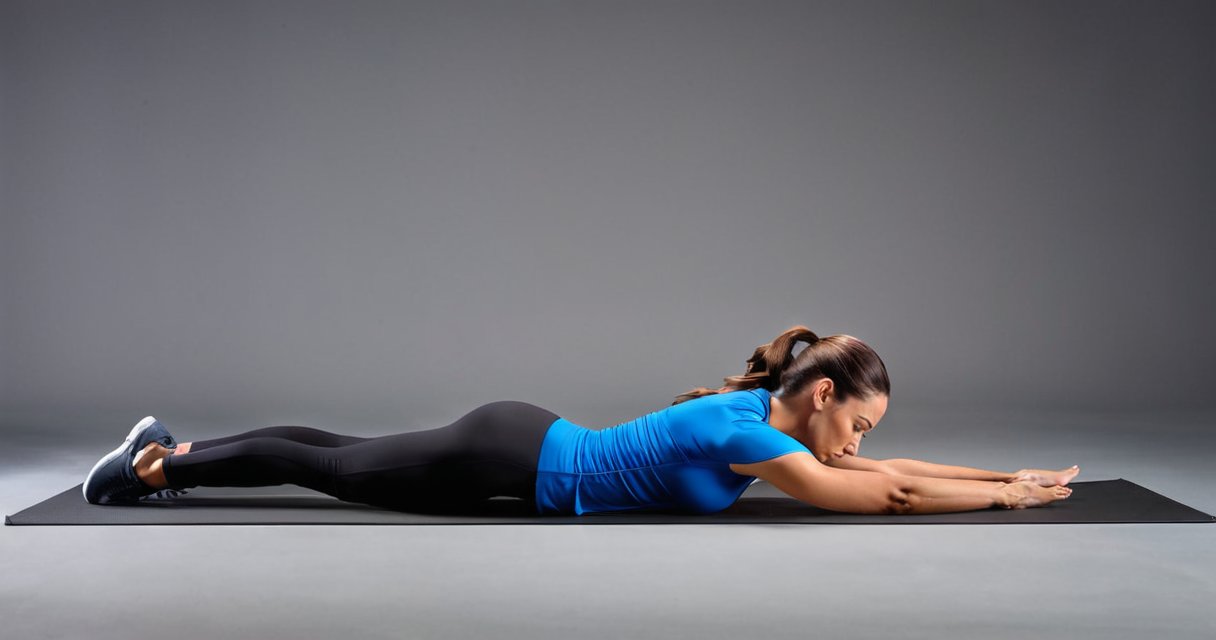
Prioritize safety whenever you engage in lower back stretching exercises. By maintaining correct form and respecting your physical boundaries, you can minimize the risk of injury while maximizing the benefits of your routine. Consider these essential guidelines and precautions to ensure a secure stretching experience.
Begin your stretching session by easing into a light warm-up to get your body ready. Try a few minutes of low-intensity movement, like brisk walking or gentle marching, to boost circulation and loosen up your muscles and joints. Skipping this step can make your muscles more prone to pulls or other setbacks, so take the time to prep properly.
Apply correct form when stretching your lower back by steering clear of abrupt, jerky motions that might strain muscles or ligaments. Rather, transition smoothly and intentionally into each stretch, maintaining the position for 20 to 30 seconds without bouncing. This approach allows the muscles to elongate safely while minimizing the risk of injury.
Your body often signals when to slow down—pay attention to those cues. A gentle pull or mild tightness while stretching is expected, but sudden or sharp discomfort could mean you’re overdoing it. When pain arises, back off or halt the movement right away to prevent injury.
Hold a correct posture while stretching. Move with control and alignment to prevent undue stress on your spine and nearby muscles. For instance, during seated or supine lower back exercises, keep your spine in a neutral position instead of arching or rounding it excessively.
Consciously integrating controlled breathing can deepen relaxation and amplify the benefits of your routine. Slow, deliberate inhalations ease tightness in the muscles while fostering greater ease in gentle lower back movements.
Before starting any stretching routine with pre-existing lower back issues or past injuries, it’s wise to seek guidance from a healthcare provider first. Some movements could worsen your symptoms, so expert advice helps ensure you choose safe, effective options tailored to your needs.
Ensuring a balanced approach is essential. Incorporating consistent lower back stretches can enhance mobility and ease tension gradually, but pushing too hard or applying undue pressure may hinder progress. Focus on controlled movements and sound form to protect your body while unlocking the full rewards of your routine.
Warm-Up Before Stretching
Preparing your muscles and joints with a proper warm-up is key to making your stretching routine both safe and productive. Warm-ups boost circulation, warming the muscles and making them more pliable, which directly reduces the chances of overstretching or injury. Skipping this step can leave your muscles stiff and less prepared, heightening the likelihood of strains or tears when you stretch.
Begin warming up your lower back and adjacent muscles with a 5 to 10-minute session of low-impact cardio, like a brisk walk or slow jog. This boosts blood flow and gradually activates the tissues. Next, add fluid motions—such as leg swings, controlled hip rotations, or gentle pelvic tilts—to enhance joint flexibility and ease stiffness in the lumbar region.
Preparing your muscles with targeted warm-up drills prior to stretching sets the stage for greater flexibility and a broader range of motion. This foundational step helps soften tightness and lowers injury risk, ensuring your stretching sessions remain both efficient and sustainable for maintaining strong, resilient back health.
Avoiding Common Mistakes
Stretching the lower back requires mindful movement to avoid unnecessary tension or harm. A common pitfall involves rushing into a stretch or bouncing, which can overstress muscles and connective tissues. Instead, gradual, controlled motions paired with steady holds help muscles relax and extend naturally over time. Patience during each stretch ensures a safer and more effective experience.
Proper alignment while performing lower back stretches is key to maximizing benefits and minimizing risk. Steer clear of overarching or slouching, since these moves can strain sensitive regions. Opt for a balanced spine posture, activating your core muscles to maintain stability. By doing so, you reduce unnecessary tension and allow the stretch to engage the intended muscle groups effectively.
Giving your muscles a proper warm-up before stretching is often overlooked, yet it significantly reduces the risk of strain or tightness. Start with slow, controlled motions or a brief, low-impact cardio session to loosen up. Pay close attention to how your body feels—any sudden or sharp discomfort means you should pause and adjust your technique immediately.
Master proper form and alignment to prevent overstretching and protect your lower back during exercises. When done correctly, these stretches can ease tension and improve mobility without strain. Building a regular practice with attention to detail will help maintain spinal strength and reduce discomfort over time.

Having spent the last decade navigating the ups and downs of strength training and mindful living, I am passionate about sharing practical strategies for holistic male wellness. My focus is on balancing physical resilience with mental clarity, drawing from personal experience to help men lead more purposeful lives.