
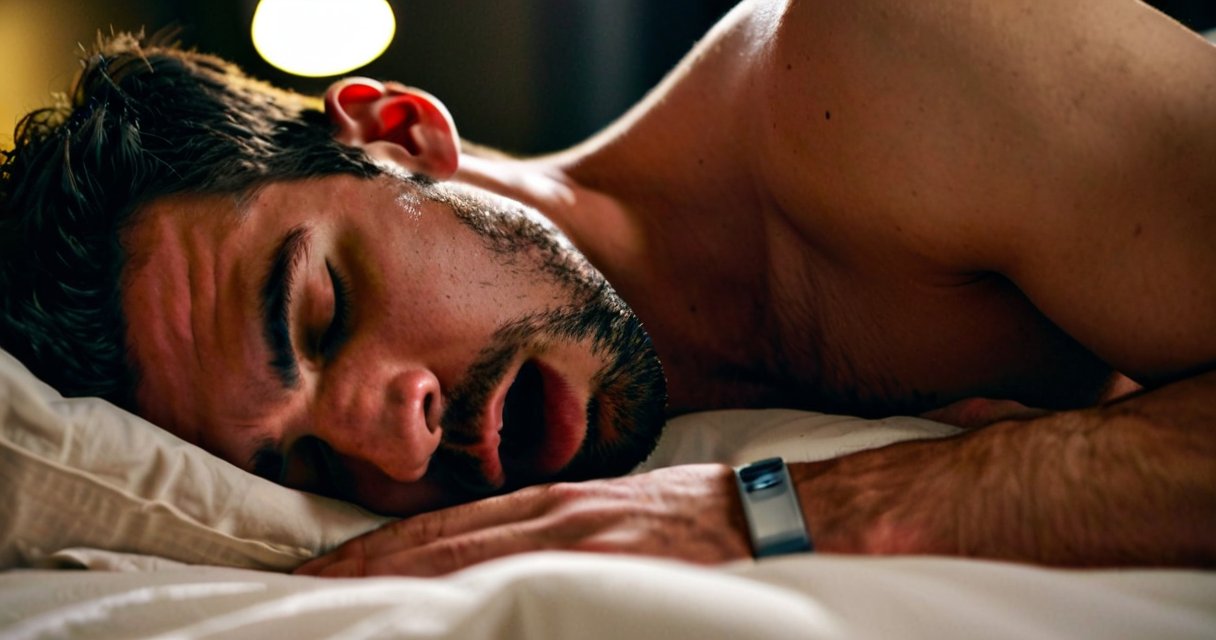
Chronic snoring in men: causes, risks, and solutions
24/10/2026
Chronic snoring in men isn’t just an annoyance—it signals deeper health issues tied to poor Sleep hygiene, silently draining vitality and long-term well-being. What starts as occasional nighttime rumbling often escalates into a persistent problem, one that experts link to everything from cardiovascular strain to hormonal imbalances and sexual health complications. The good news is that understanding the mechanics behind it, and recognizing when it crosses into something more serious, can turn a frustrating habit into a manageable condition. For men already navigating prostate health, stress, or metabolic challenges, chronic snoring may feel like one more layer of complexity, but addressing it could be a key step toward reclaiming better sleep and overall equilibrium.
The anatomy of chronic snoring: how airflow obstruction creates the sound
The noise of chronic snoring originates in the throat, where relaxed tissues, particularly the soft palate, uvula, and base of the tongue, vibrate as air passes through during breathing. In men, this is often exacerbated by anatomical differences, such as a narrower airway due to larger tongue size or a receding jawline, which become more pronounced with age. Alcohol, sedatives, or even sleeping on your back can further relax these muscles, worsening the vibration. Over time, the repeated strain on the throat can lead to inflammation or even structural changes, like the formation of polyps or a condition called laryngomalacia, where the tissues collapse inward. What might begin as mild snoring can evolve into obstructive sleep apnea (OSA), where breathing briefly stops and starts, depriving the body of oxygen and disrupting sleep cycles. This isn’t just about loudness, it’s about how the airway itself functions under stress, a process that’s closely tied to how men’s bodies respond to fatigue, weight gain, or hormonal shifts.
Men with chronic snoring often describe a cycle where fatigue during the day feels unavoidable, not because they didn’t sleep enough, but because their sleep was fragmented by interruptions in breathing. Studies show that even mild OSA, where breathing pauses last just a few seconds, can reduce deep sleep by up to 30%, leaving men groggy and irritable. The body’s natural recovery processes, which happen most effectively during these deeper sleep stages, are compromised, creating a feedback loop of poor sleep quality and daytime exhaustion. This is particularly relevant for men dealing with conditions like prostatitis or metabolic syndrome, where inflammation and stress hormones are already elevated. The throat’s role in this process isn’t just about noise; it’s a critical checkpoint for how well the body transitions between sleep stages and how efficiently it processes oxygen.
Why chronic snoring in men is more than just a partner’s complaint
The social and relational fallout of chronic snoring is well-documented, but the health risks it poses to men are often underestimated. Research from the American Medical Association highlights that persistent snoring is a strong indicator of obstructive sleep apnea, a condition where the airway collapses during sleep, leading to oxygen deprivation. Over time, this strain on the cardiovascular system can raise blood pressure, increase the risk of heart disease, and even contribute to strokes. For men already at higher risk due to factors like age, obesity, or a family history of hypertension, chronic snoring becomes a silent accelerant of these risks. The repeated drops in oxygen levels trigger inflammatory responses, which can damage blood vessels and promote the buildup of plaque, further compromising heart health. Research confirms men with untreated sleep apnea face nearly double the risk of heart failure—an alarming statistic.
Beyond the heart, chronic snoring disrupts hormonal balance, particularly testosterone levels. Poor sleep quality is linked to lower testosterone production, which can exacerbate issues like low libido, erectile dysfunction, or muscle loss, a triple threat for men already concerned about vitality. The connection isn’t direct, but the cumulative effect of fragmented sleep on the endocrine system creates a vicious cycle. Men who snore heavily often report fatigue, mood swings, and reduced motivation, symptoms that can be mistaken for stress or depression. What’s less obvious is how these hormonal disruptions interact with other male health concerns, such as prostate inflammation or metabolic syndrome. The body’s stress response, already taxed by poor sleep, may amplify inflammation, making conditions like prostatitis harder to manage. This is why addressing chronic snoring isn’t just about comfort, it’s about breaking a chain that ties sleep, hormones, and systemic health together.
The hidden link between chronic snoring and prostate health
While the connection between snoring and prostate health isn’t as widely discussed as its links to heart disease or diabetes, emerging research suggests a subtle but significant relationship. Chronic snoring and obstructive sleep apnea are associated with increased levels of inflammatory markers like C-reactive protein (CRP), which are also linked to prostate inflammation and benign prostatic hyperplasia (BPH). The repeated oxygen deprivation and stress on the body from sleep interruptions may contribute to a low-grade inflammatory state, making the prostate more susceptible to irritation and swelling. For men already dealing with BPH or chronic prostatitis, this added strain could worsen symptoms like frequent urination or discomfort, creating a compounded challenge. The link isn’t causal, but the overlap in inflammatory pathways suggests that improving sleep quality, by addressing chronic snoring, could indirectly support prostate health by reducing systemic inflammation.
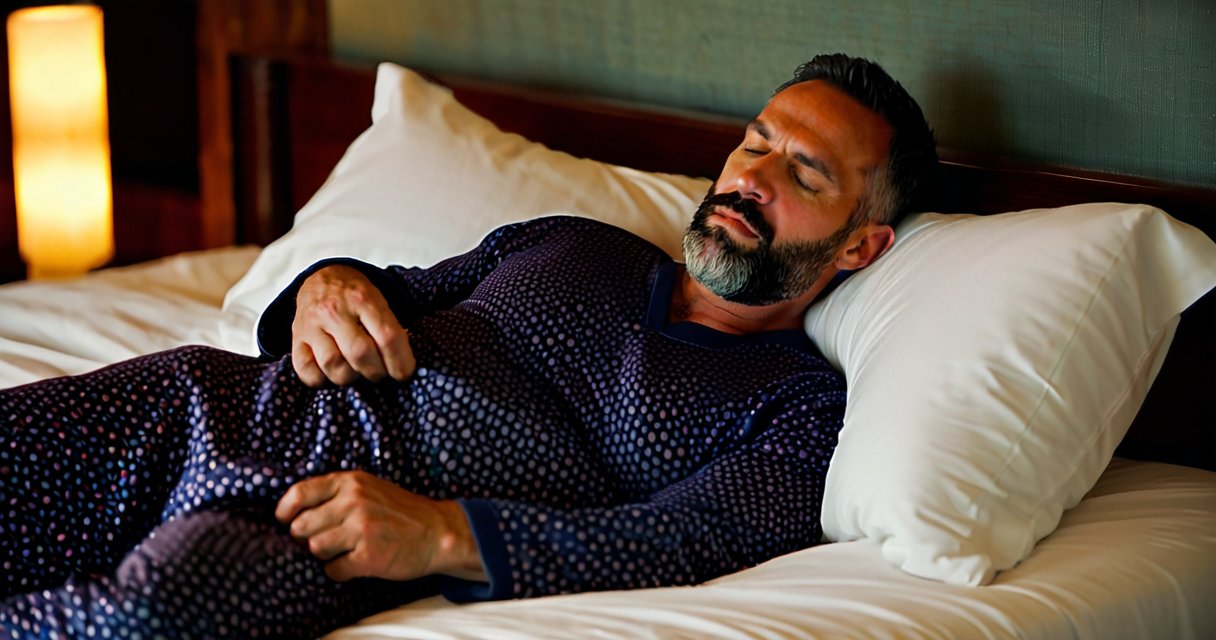
One critical factor is how sleep influences testosterone regulation, a key aspect of men’s health. Testosterone, which declines with age, plays a crucial role in prostate function and overall male vitality. Poor sleep disrupts the body’s circadian rhythm, which in turn affects the hypothalamus-pituitary-gonadal axis, the system responsible for testosterone production. Men with chronic snoring often experience lower morning testosterone levels, a critical time when testosterone peaks naturally. This hormonal dip can exacerbate symptoms of low testosterone, such as fatigue, reduced muscle mass, and even mood disorders, all of which can indirectly impact prostate health by lowering resilience to stress and inflammation. While more research is needed to fully map this connection, the evidence points to a holistic approach: treating chronic snoring may not directly cure prostate issues, but it could help mitigate some of the underlying factors that worsen them.
Lifestyle tweaks that can quiet chronic snoring, without medical intervention
Instead of rushing to medical fixes, men with chronic snoring can adopt effective evening rituals to improve their sleep. Losing excess weight, particularly around the neck and abdomen, reduces pressure on the airway and can drastically cut down on snoring. Even a 10% reduction in body weight has been shown to improve sleep apnea symptoms in many cases, as fat deposits in the throat tighten the airway. Diet also plays a role, avoiding alcohol, sedatives, and heavy meals before bedtime can prevent throat relaxation and reduce snoring. Small changes, like sleeping on your side instead of your back (which helps keep the airway open) or elevating the head of your bed by 4-6 inches, can make a noticeable difference. These adjustments are low-risk, cost-effective, and often effective enough to eliminate chronic snoring entirely for men whose condition stems from modifiable habits.
Another underrated factor is nasal congestion, which can force men to breathe through their mouths, worsening snoring. Using saline nasal sprays, humidifiers, or even over-the-counter decongestants before bed can help keep airways clear. For those with allergies or chronic sinus issues, managing these conditions with antihistamines or allergy shots may also reduce snoring. Even simple habits like avoiding smoking or vaping can improve throat health over time, as these habits irritate the airway and contribute to inflammation. The key is consistency, these changes work best when integrated into a long-term routine rather than treated as short-term fixes. For men who’ve tried these adjustments without success, it’s a clear sign that a more targeted approach, like medical devices or therapy, may be necessary.
When to seek help: recognizing the signs of obstructive sleep apnea
Not all chronic snoring is created equal. While occasional snoring is normal, persistent, loud snoring, especially when paired with gasping, choking, or pauses in breathing, could indicate obstructive sleep apnea (OSA), a condition that requires professional attention. Men with OSA often experience excessive daytime sleepiness, morning headaches, or difficulty concentrating, symptoms that can be mistaken for stress or burnout. If chronic snoring is accompanied by high blood pressure, frequent nighttime urination, or erectile dysfunction, these red flags suggest a deeper issue that needs evaluation. A sleep study, either at home or in a lab, can confirm OSA by measuring how often breathing stops and how severely oxygen levels drop during sleep. Early intervention is critical, as untreated OSA is linked to a 20-30% higher risk of cardiovascular events like heart attacks or strokes.

The first step is consulting a healthcare provider, who can assess symptoms and recommend next steps. For mild cases, lifestyle changes may suffice, but more severe OSA often requires continuous positive airway pressure (CPAP) therapy, oral appliances, or even surgery in extreme cases. CPAP, though initially uncomfortable for some, has been proven to reduce the risk of heart disease and improve overall sleep quality. Oral appliances, which reposition the jaw to keep the airway open, are another effective option for men who struggle with CPAP compliance. The goal isn’t just to stop snoring, it’s to restore healthy sleep patterns and prevent the long-term health consequences of untreated OSA. Ignoring these signs can turn a manageable condition into a chronic health burden, so recognizing the difference between garden-variety snoring and OSA is essential.
Solutions that work: from over-the-counter aids to professional treatments
For men who’ve exhausted lifestyle changes but still struggle with chronic snoring, a variety of solutions exist, ranging from simple over-the-counter aids to advanced medical treatments. Nasal strips, which gently lift the nostrils to improve airflow, are a low-cost option that can reduce snoring by up to 50% in some cases. Mouthguards designed to keep the jaw forward (like those from the Sleep Foundation’s top-rated list) can also help by preventing the tongue from blocking the airway. These devices are custom-fitted by dentists and are particularly effective for men whose snoring stems from jaw misalignment or tongue position. While not a cure for OSA, they can significantly reduce symptoms for those with mild to moderate cases. The key is finding the right fit, ill-fitting devices can worsen snoring or cause discomfort, so professional guidance is important.
More advanced treatments include positional therapy, where men use devices like the Sleep Positioner app or a weighted vest to prevent sleeping on their backs. For severe cases, surgical options like uvulopalatopharyngoplasty (UPPP), which removes excess tissue from the throat, or implanting a hypoglossal nerve stimulator (like the Inspire device) can be life-changing. However, these procedures carry risks and aren’t suitable for everyone. Before considering surgery, men should explore less invasive options, as the goal is to address the root cause, whether it’s airway obstruction, muscle relaxation, or structural issues, rather than just masking the symptoms. Consulting an ear, nose, and throat specialist or a sleep medicine physician can help determine the best approach based on individual anatomy and lifestyle.

Having spent the last decade navigating the ups and downs of strength training and mindful living, I am passionate about sharing practical strategies for holistic male wellness. My focus is on balancing physical resilience with mental clarity, drawing from personal experience to help men lead more purposeful lives.