
Healthy habits for long workdays
27/01/2026
Importance of Maintaining Healthy Habits During Long Workdays
Maintaining healthy habits plays a vital role in maintaining peak performance and long-term vitality throughout demanding workdays. When shifts drag on, stress accumulates, energy wanes, and physical strain takes its toll—all of which can erode focus and diminish output. Adopting consistent wellness practices establishes a strong baseline, sharpening mental acuity, sustaining motivation, and fortifying your defenses against chronic exhaustion.
Maintaining healthy routines during extended workdays is essential because they directly boost performance. Taking scheduled pauses, eating nourishing meals, and staying properly hydrated keep your energy levels consistent. Skipping these fundamentals leads to waning focus and higher error rates. Simple practices like gentle movement or short stretches alleviate the toll of prolonged sitting, easing tension and improving blood flow—both of which sharpen mental clarity and enhance overall output.
Healthy habits offer profound advantages for mental well-being that are hard to overlook. Techniques like mindfulness or short breathing exercises for managing stress can help reduce anxiety levels while fostering greater emotional resilience, making even the busiest workdays feel more manageable and supportive. By weaving these practices into a structured daily schedule, individuals gain a stronger sense of autonomy and equilibrium—key elements for keeping energy and focus steady during extended periods of work.
Healthy habits form the backbone transforms workday wellness by integrating physical and mental vitality into daily routines. This balanced strategy doesn’t just ward off exhaustion—it equips people to handle workloads with resilience and focus. When organizations and workers alike champion health-focused practices, the results speak for themselves: stronger team spirit, reduced absences, and sharper productivity. Adopting these habits during demanding workdays keeps energy levels high while safeguarding your well-being for years ahead.
Effects of Long Work Hours on Health and Productivity
Exhaustive work schedules often take a toll on both body and mind. On a physical level, prolonged work without breaks can trigger weariness, persistent headaches, and joint or muscle strain—especially in the spine and shoulders—due to sedentary habits, awkward postures, and lack of recovery time. Over time, these habits disrupt the body’s natural balance, leaving it vulnerable to discomfort and fatigue. Psychologically, long hours can heighten stress levels, pushing individuals toward burnout, heightened anxiety, and mental fog. The relentless pressure of extended work shifts can erode focus, impair judgment, and destabilize emotional resilience, creating a cycle of diminished performance and well-being.
Longer work hours create a counterintuitive challenge for output. Though they might appear to boost early results, the toll of extended shifts—both physically and mentally—gradually erodes performance and precision. Under persistent strain, workers often lose focus, make more mistakes, and grow disengaged, weakening the quality of their contributions. Chronic stress also drives absenteeism and higher turnover, creating instability within teams. For leaders seeking lasting success, addressing these health risks isn’t just ethical—it’s a strategic way to sustain both employee health and organizational growth.
Benefits of Healthy Routines at Work
Balancing wellness into daily work schedules unlocks measurable advantages for both mind and body. A key benefit is sharper concentration—practicing simple yet effective habits like timed pauses, staying hydrated, and brief mindfulness moments sharpens focus. The result? More sustained attention, higher output, and smoother workflow execution.
maintaining healthy routines also delivers significant mental clarity by easing daily pressures. Office routines can pile up tension, sometimes straining focus and well-being. Simple habits—like gentle stretches, mindful breathing, or short breaks outside—help regulate stress responses, fostering a calmer mindset. With reduced mental fatigue, teams can approach tasks with sharper judgment and renewed energy.
energy levels can be sustained while reinforcing vitality through mindful daily habits. Fueling the body with wholesome bites, maintaining proper hydration, and weaving in regular movement can ward off that afternoon energy dip so many encounter. Such practices sustain a consistent energy current, ensuring focus and motivation remain sharp even during extended work stretches. Ultimately, weaving wellness into the workday doesn’t just uplift personal well-being—it cultivates a brighter, more efficient collaborative environment for everyone.
Practical Healthy Habits to Adopt for Long Workdays

Balancing productivity and wellness during grueling workdays demands deliberate effort and mindful self-practice. Simple yet effective routines can transform your focus, stamina, and long-term vitality. The following straightforward strategies are effortless to adopt and can create lasting improvements in how you navigate demanding work schedules.
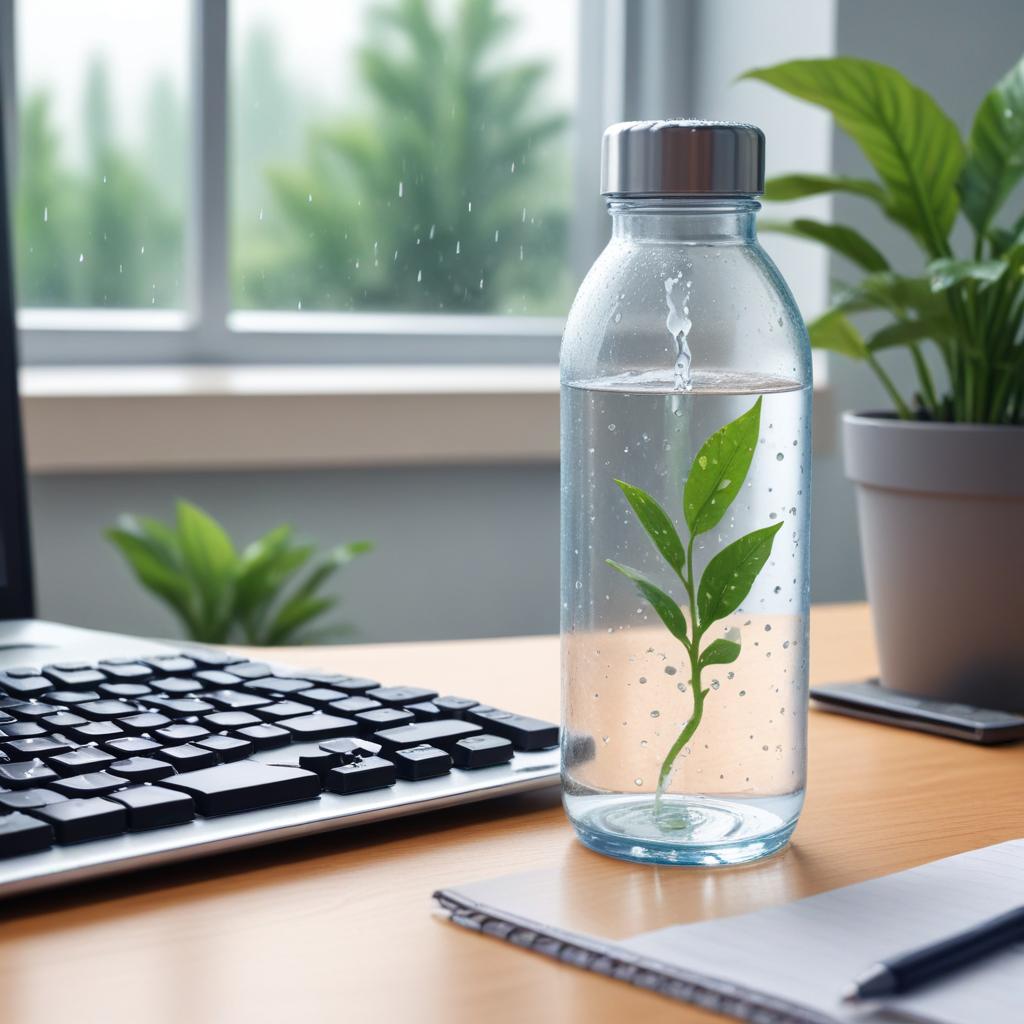
- Stay Hydrated: Drinking enough water throughout the day is essential. Dehydration can lead to fatigue and decreased concentration. Keep a water bottle at your desk and set reminders to sip regularly.
- Regular Movement Breaks: Sitting for prolonged periods can harm your posture and circulation. Schedule short breaks every hour to stretch, walk around, or do light exercises. This practice revitalizes your body and mind, preventing stiffness and burnout.
- Mindful Eating: Opt for balanced meals and snacks that provide sustained energy without causing sluggishness. Avoid heavy, processed foods that may lead to energy crashes. Plan your meals ahead to include fruits, nuts, and whole grains.
- Manage Screen Time: Constant screen exposure can strain your eyes and increase fatigue. Follow the 20-20-20 rule: every 20 minutes, look at something 20 feet away for 20 seconds to reduce eye strain and maintain focus.
- Create a Comfortable Workspace: Ergonomics plays a vital role in health during long workdays. Adjust your chair, desk, and monitor height to reduce physical stress and promote good posture. A well-organized space also helps minimize distractions and increase productivity.
- Practice Deep Breathing or Meditation: Taking a few moments for deep breathing exercises or brief meditation can reduce stress and improve mental clarity. Incorporate this habit during breaks to refresh your mind and sustain concentration.
- Prioritize Sleep: Quality sleep is foundational for a healthy workday. Ensure you get enough rest at night to recover fully and maintain high performance during long work hours.
- Set Boundaries: Define clear work hours and include self-care time in your schedule. Avoid the temptation to overwork by creating a healthy balance between professional responsibilities and personal well-being.
Consistently weaving these actionable habits into your daily flow ensures you’re nurturing both your body and mind, fostering resilience and balance. The key lies in treating each workday as an opportunity to prioritize self-care—small, steady efforts compound into sharper focus, deeper fulfillment, and a more sustainable rhythm throughout demanding hours.
Incorporating Regular Movement and Stretching
regular movement and stretching seamlessly integrated into your daily routine can drastically reduce stiffness and boost circulation, especially during extended work hours. Even minor movements at your desk—like quick stretches or mobility drills—can sustain energy levels and keep your body active. Pause every hour to rise, extend your limbs, and loosen your shoulders and spine; Gentle neck rotations can further ease the tightness from sitting too long.
Effortless seated stretches like lifting your legs, circling your ankles, or gently twisting your torso can be seamlessly integrated into your workday routine. These simple motions enhance circulation and help prevent stiffness or strain in your muscles. For example, slide your legs out straight beneath your desk, hold them there for 10 seconds, then lower them slowly. Performing this movement a few times will engage and strengthen your lower-body muscles effectively.
Gently loosening your wrists and fingers is essential for anyone who spends long hours typing or using a mouse. Try pressing your palms together or slowly extending each finger to ease stiffness. Incorporating shoulder rolls or lifting your arms above your head can also help relax your upper body and correct posture.
Staying active with simple daily stretches and movements boosts your vitality while cutting down on tension and discomfort. When you build motion into your workday, you’ll maintain sharper concentration, more sustained energy, and a stronger foundation for lasting health.
Staying Hydrated and Nourished
Staying adequately hydrated during extended work sessions is key to keeping your energy levels steady and sharpening mental focus. Consistent water intake helps ward off exhaustion and ensures your body operates at its peak. Instead of gulping down big amounts sporadically, focus on taking small, frequent sips, and place a water bottle within easy reach to stay on track.
Beyond staying hydrated, your diet plays a key role in maintaining energy levels. Opt for nutrient-dense meals and snacks that combine lean proteins, heart-healthy fats, and fiber-rich carbs to sustain focus and prevent the energy slump that typically hits midday. Smart picks like almonds, berries, Greek yogurt, or quinoa deliver lasting power while keeping you alert and engaged.
Choose whole, nutrient-dense options over refined or sugary items to prevent sharp blood sugar swings, which can leave you feeling sluggish and mentally foggy. Shift toward balanced meals featuring fresh produce, unprocessed proteins, and proper hydration to maintain steady energy and sharper focus throughout long workdays. Small dietary adjustments can make a noticeable difference in your daily performance and overall vitality.
Managing Breaks and Mental Wellness
Short, focused pauses are key to keeping your mind sharp through demanding workdays. These moments of pause lower stress levels and sharpen focus when you return. Instead of lingering at your desk, try moving—stretch, take a short walk, or just close your eyes for a few minutes to reset. Small shifts in routine can make a big difference.
Mindfulness exercises taken during short breaks offer a powerful way to reduce stress. The technique centers on fully engaging with the current moment while letting go of criticism or distraction. Simple methods like controlled breathing, short meditation sessions, or simply noticing details around you can ease tension and restore clarity before diving back into tasks.
Recognizing when to pause and establish clear boundaries is key to handling stress during extended work stretches. Instead of juggling multiple tasks at once, focus on tackling one priority at a time to maintain clarity and reduce mental fatigue. Simple daily practices—such as writing in a journal or repeating uplifting phrases—can strengthen your ability to bounce back and stay centered under pressure.
Balancing breaks thoughtfully alongside mindful practices does more than support your mental health—it sharpens your focus and keeps you steady under pressure. By making these routines a priority, you’ll maintain steady energy and efficiency, making every hour of your workday more effective.
Creating a Supportive Work Environment for Long Shifts

Creating an ergonomic and supportive workspace is key to sustaining both health and efficiency, especially during extended work hours. Thoughtful design minimizes strain and fosters habits that combat weariness while enhancing vitality and focus.
A well-thought-out workspace starts with ergonomics, ensuring every element aligns with your body’s natural movements. Prioritize a setup that keeps posture aligned and reduces unnecessary tension. Choose a chair with adjustable height and strong lumbar support to prevent back discomfort over time. Pair it with a desk height that lets your arms bend naturally at ninety degrees when working. Finally, align your screen so it meets your eyes directly—this simple adjustment can drastically cut neck fatigue.
Well-designed lighting sets the tone for a productive workspace. Sunlight remains the best choice, as it naturally cuts down on eye fatigue while boosting energy levels. When natural light isn’t available, choose warm, dimmable fixtures to illuminate your area smoothly without reflecting harshly off displays. Keeping essential supplies within arm’s reach also cuts down on constant reaching, which helps streamline workflow and reduces mental clutter, making it easier to stay sharp and composed.
Adjusting your workspace to prioritize mobility and ergonomic support makes a meaningful difference. A height-adjustable desk converter lets you seamlessly shift between seated and standing positions, boosting blood flow and easing muscle tension. Pair it with a sturdy footrest to keep your legs aligned if your feet don’t naturally touch the ground. Periodically stepping away to stretch or walk just a few steps keeps stiffness at bay and revitalizes focus throughout the day.
Encourage a workplace culture that values well-being and proactive support. By promoting honest discussions about workspace needs and offering tools like ergonomic evaluations, teams can thrive in a more inclusive setting. Small enhancements—such as adding greenery or letting employees personalize their space—can elevate energy and foster a welcoming atmosphere.
Ensuring your workspace is tailored for both ergonomic efficiency and comfort helps cultivate habits that minimize weariness while maximizing output over extended hours. When your surroundings actively support you, your overall vitality improves, and your ability to maintain concentration remains steady—turning even the busiest days into manageable challenges with renewed stamina.
Ergonomic Workspace Setup
Ensure your workstation is designed for comfort and efficiency to reduce discomfort and prevent stiffness after extended hours. Begin by positioning your chair so your legs extend straight down with your soles fully on the ground and your thighs parallel to the floor. A supportive backrest is key—it should cradle your lower back to preserve its natural alignment.
Adjust your desk so your arms form a straight line parallel to the floor while typing or navigating with your mouse. Keep the keyboard and mouse within easy reach to avoid straining your arms, ensuring your wrists stay naturally straight and loose. For optimal comfort, explore ergonomic solutions like a keyboard tray or a height-adjustable desk to customize your workspace.
Positioning your display correctly is a key aspect of ergonomic workspace setup. Aim to align the top of your screen with your natural eye line, roughly one arm’s distance from your face, to minimize neck tension. If needed, elevate your monitor with a stand or a flexible arm to achieve the right height. Investing in well-designed office furniture that allows these height and angle adjustments can dramatically lower strain and help prevent repetitive stress injuries over time.
Consistently pause to move around and shift your posture as the day progresses. Even minor tweaks to your seating, desk height, or screen angle can ease tension, sharpen focus, and safeguard your well-being over time.
Encouraging a Healthy Work Culture
A thriving workplace culture is foundational to nurturing well-being, particularly for employees managing extended hours. By normalizing and celebrating health-focused behaviors, organizations create spaces where self-care isn’t just encouraged but expected. When leaders champion wellness programs, they strengthen team cohesion and reinforce the idea that collective well-being matters as much as individual performance.
Workplaces that prioritize wellness by fostering habits like scheduled breaks, healthier meal choices, and movement opportunities build a strong framework for lasting employee health. This supportive environment helps lower stress levels, prevents burnout, and boosts efficiency by making sure staff feel valued and energized during demanding work schedules.
A vibrant workplace culture goes well beyond physical well-being—it actively nurtures emotional and social connections among team members. By fostering transparent dialogue, celebrating individual contributions, and providing adaptable work arrangements, organizations can significantly boost morale and strengthen employee dedication. When companies prioritize this comprehensive well-being strategy, they cultivate a supportive environment that naturally drives long-term engagement and loyalty.
Fostering a vibrant workplace environment built on sustainable routines and genuine support is key to keeping teams motivated and effective through demanding schedules. When companies invest in employee well-being, they lay the foundation for higher performance and lasting organizational growth.

Having spent the last decade navigating the ups and downs of strength training and mindful living, I am passionate about sharing practical strategies for holistic male wellness. My focus is on balancing physical resilience with mental clarity, drawing from personal experience to help men lead more purposeful lives.