
Reducing sedentary time
11/02/2026
Understanding Sedentary Behavior
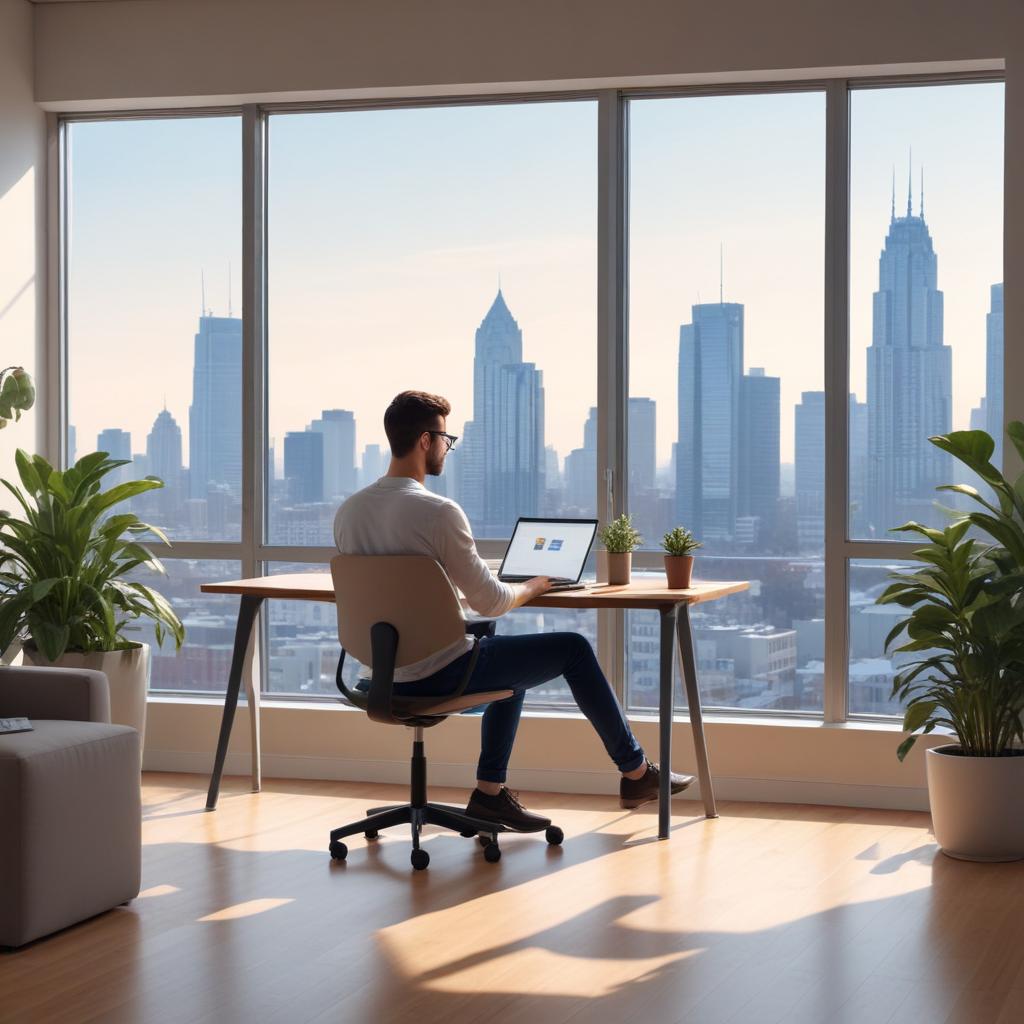
Modern sedentary habits encompass any awake activities that involve minimal physical exertion while seated, lounging, or resting. Today’s fast-paced, tech-driven world has made such inactivity a widespread norm, with digital tools and urban conveniences fostering extended periods of stillness. Typical examples include long stretches at a workstation, binge-watching shows, scrolling through devices, or commuting by car—all of which steadily erode daily movement and deepen sedentary routines.
Modern desk-based occupations and office routines dominate daily schedules, leaving most people confined to chairs for extended periods. On top of that, binge-watching series, gaming sessions, and endless social media scrolling compound idle hours. Even daily commutes—whether by car or transit—add to the mounting time spent stationary. Together, these habits shrink opportunities for movement and make regular physical activity harder to fit into a busy day.
Research consistently highlights the significant health impacts of prolonged health risks associated with sedentary behavior. Studies show that extended periods of reduced activity correlate with higher risks for heart disease, obesity, type 2 diabetes, and specific cancers. Beyond physical concerns, inactivity can also take a toll on mental well-being, often exacerbating stress and depressive symptoms. Additionally, a lack of movement weakens muscle and skeletal strength over time, diminishing flexibility and raising the chances of developing long-term health issues in later years.
Staying active despite modern lifestyles demands a deeper grasp of how prolonged sitting impacts health, paving the way for smarter interventions. Short, intentional movement during work, prioritizing physical activity, and cutting back on excessive screen use can help offset the hazards tied to extended periods of inactivity. When people pinpoint the causes and outcomes of a sedentary routine, they’re better equipped to make intentional changes that enhance vitality and lower long-term health risks.
Health Risks of Prolonged Sedentary Time
Extended periods of inactivity pose a range of serious health threats that can undermine long-term vitality. A primary concern is the heightened chance of heart-related illnesses, as prolonged sitting restricts circulation, allowing harmful plaque to accumulate in the arteries—elevating the danger of life-altering cardiac events. Beyond cardiovascular strain, a lack of movement accelerates weight gain by cutting caloric expenditure, often leading to obesity. Carrying excess pounds, particularly around the midsection, worsens metabolic dysfunction, creating a compounded risk for systemic health complications.
A growing health issue tied to prolonged inactivity is the rising prevalence of type 2 diabetes. Extended periods of sitting negatively impact how the body processes glucose and insulin, raising insulin resistance and destabilizing blood sugar regulation. Over time, these imbalances can escalate into long-term conditions like diabetes, demanding consistent care to avoid severe health setbacks. Beyond diabetes, a lack of movement is also connected to other persistent illnesses, such as specific cancers and joint-related disorders, underscoring the need to reduce sedentary habits and prioritize movement at regular intervals.
Recognizing how prolonged inactivity affects overall well-being underscores the importance of weaving movement into everyday life. By cutting back on sitting, individuals can mitigate the hazards linked to extended periods of stillness, fostering stronger heart health, maintaining a healthier weight, and optimizing how the body processes energy. These benefits collectively reduce the likelihood of developing long-term health conditions.
Common Causes of Sedentary Behavior
Modern lifestyles have made prolonged inactivity a growing concern, with work environments playing a major role. Today’s jobs—particularly those centered around desk tasks, screen-based responsibilities, and limited physical engagement—frequently demand long stretches of sitting. When employees remain seated for hours without breaks, these patterns become deeply ingrained, perpetuating a cycle of reduced activity.
Digital screen dependence has become a key driver of prolonged inactivity, with smartphones, laptops, and streaming devices shaping modern routines. From scrolling through feeds to binge-watching content, extended periods spent in front of screens frequently displace active pursuits. Over time, this shift has turned passive screen use into one of the most common sedentary habits in everyday life.
Research shows that beyond work and tech-driven tasks, prolonged sitting is common during daily commutes—whether by car or public transit. Many people also spend leisure hours engaged in sedentary hobbies like binge-watching TV, gaming, or reading books while seated. Over time, these repeated patterns collectively lead to a sedentary lifestyle.
Exploring the underlying factors behind prolonged inactivity—such as workplace limitations, digital tool reliance, and routine desk-bound routines—sets the stage for meaningful change. Once these primary drivers are recognized, people and teams can implement strategies to encourage more movement and cultivate more balanced daily behaviors.
Effective Strategies to Reduce Sedentary Time

Regularly engaging in Reducing sedentary time plays a critical role in enhancing both physical and mental vitality. By strategically weaving short bursts of movement and dynamic pauses into your schedule, you can mitigate the negative effects of extended periods of inactivity. Here are actionable techniques and habit adjustments designed to minimize prolonged sitting while fostering greater daily mobility and energy.
Standing up and moving periodically is an easy way to cut down on prolonged sitting. Use an alarm to prompt yourself to stand up and move at intervals of 30 to 60 minutes. Simple activities like gentle stretches, pacing the room, or a quick workout session work well. Short bursts of activity can enhance circulation, ease tension in muscles, and give your energy a natural lift.
Adjusting your daily routine with simple motion-based tweaks can boost productivity and well-being. Swap your seated setup for a height-adjustable desk or a flexible workstation, letting you shift between sitting and standing positions. For calls or meetings that don’t demand a screen, opt for a walk-and-talk session instead of staying fixed in one place. Even minor shifts—like taking the stairs or parking a block away—help accumulate movement throughout your day without disrupting workflow.
Lifestyle changes are essential for cutting down on prolonged inactivity. Adding consistent movement—like walking, biking, or swimming—helps offset long stretches of sitting. Weave in active pastimes such as gardening or dancing to boost daily motion. Stay aware of screen habits; curtail marathon TV sessions or device use by taking regular pauses.
Building a strong support system is essential for keeping momentum in your wellness journey. Open up to loved ones about your objectives or find community events that inspire you to keep moving. Leverage technology—like fitness trackers or apps—to log your progress and set reminders for movement breaks. With consistent effort, these small adjustments will cut down on inactivity while helping you cultivate a more vibrant, energetic routine.
Incorporating Movement into Daily Routine
Standing up and moving regularly keeps you energized and lowers the health risks tied to sitting too long. Small tweaks at work can make a big difference—like switching to a standing desk to stand more often and cut through extended periods of inactivity. Pairing that with timed breaks to walk around a few minutes at a time boosts your daily movement without disrupting your workflow.
Incorporating movement into your routine can be effortless with small, intentional adjustments. Opt for the staircase over the elevator, choose a parking spot a little farther out, or pause for a few minutes of stretching midday. These minor tweaks add up, fostering better muscle tone and blood flow over time.
Incorporating small, movement-based routines—such as pacing during calls or opting for walk-and-talk meetings—can seamlessly boost your daily activity levels. The real secret lies in making motion a natural part of your day, prioritizing steady, enjoyable movement over structured workouts. Small, intentional shifts keep energy up without relying on scheduled exercise blocks.
Transforming your daily routine with adjustable desks, scheduled movement pauses, and weaving physical activity into your workflow helps break prolonged sitting habits while enhancing vitality and long-term wellness.
Technology and Tools to Track and Reduce Sitting
Today’s digital tools deliver innovative ways to track and cut back on prolonged sitting. Wearable gadgets like fitness trackers and smartwatches continuously log movement habits, flagging extended periods of inactivity to prompt users to shift positions. Paired with companion apps, these systems enable users to monitor their activity, establish achievable targets, and engage with tailored feedback and interactive challenges to maintain consistency.
With these innovative tools, individuals can track their posture and pinpoint prolonged periods of inactivity with precision. Devices monitor daily movement—counting steps, tracking active minutes, and calculating energy expenditure—to build a detailed overview of physical engagement. Built-in alerts prompt users to break up long stretches of sitting, fostering brief, regular movements that are essential for overall well-being and reducing the dangers of prolonged inactivity.
Wearable tech paired with fitness apps creates a supportive ecosystem that boosts commitment and drive through personalized goals, milestone tracking, and peer-sharing capabilities. When woven into daily habits, these solutions help users transition away from inactivity, fostering sustained vitality and a more dynamic approach to health.
Benefits of Reducing Sedentary Time

Cutting back on prolonged inactivity unlocks a broad spectrum of wellness advantages, strengthening both body and mind. A key benefit lies in bolstering long-term health—when sitting less and moving more, the likelihood of developing serious conditions like heart disease, type 2 diabetes, or excess weight drops significantly. Active habits also keep blood flowing smoothly, rev up energy expenditure, and fortify muscles, creating a foundation for lasting vitality.
Active movement extends beyond physical gains—it significantly boosts mental resilience. Staying engaged in light activity triggers endorphins and brain chemicals that naturally ease tension, helping to manage anxiety and lift mood. Short bursts of movement throughout the day sharpen focus, strengthen memory, and keep thinking sharp, which together create a clearer mind and steadier emotions. Over time, these small shifts build lasting mental strength, making stress feel more manageable and promoting a more balanced outlook.
Cutting back on sitting too much doesn’t just help your health—it can also give your energy a noticeable lift. Many assume resting more saves energy, but sitting for too long often leaves you feeling sluggish and drained instead. Small, consistent movements like standing, pacing, or gentle stretches keep blood flowing and oxygen circulating, which naturally sharpens your alertness and keeps you feeling more alive. With more energy, you’ll likely find tasks—whether at work or home—easier to tackle and your overall drive staying stronger throughout the day.
Cutting back on prolonged sitting or inactivity offers clear advantages for both physical and emotional health, fostering greater vitality and mental clarity. Even minor adjustments—like standing more or taking short movement breaks—can lead to sharper focus, sustained energy, and a stronger sense of overall wellness. These shifts aren’t just temporary fixes; they build a foundation for lasting vitality, reinforcing both daily satisfaction and long-term well-being.
Physical Health Improvements
Staying active cuts down on long periods of sitting, which boosts physical health and enhances your overall vitality. A major advantage is stronger heart health—regular movement keeps your cardiovascular system running smoother, supports better circulation, and lowers the chances of developing heart conditions. Active lifestyles also promote healthier blood flow, making it easier to control blood pressure and cholesterol naturally.
Staying active is a key benefit of reducing time spent sitting still. Moving more throughout the day naturally boosts calorie expenditure, making it easier to keep weight in check or shed extra pounds. This proactive approach also lowers the risk of serious health issues tied to obesity, like metabolic dysfunction and chronic diseases.
Staying active significantly boosts muscle strength by minimizing prolonged sitting. Consistent movement engages core and major muscle fibers, enhancing both stamina and definition. Well-developed muscles help maintain proper alignment and lower the risk of accidents, especially for older adults.
Regular movement becomes effortless with these adjustments, as active routines help ease stiffness and enhance joint range of motion. This smoother, more adaptable motion makes everyday activities feel lighter and more natural. For seniors, greater mobility often means greater freedom—both in daily routines and overall well-being.
Moving beyond prolonged inactivity strengthens overall well-being by aiding weight control, boosting heart function, increasing muscle endurance, and sharpening flexibility—ultimately fostering a dynamic, vibrant daily routine.
Mental and Emotional Wellbeing
Cutting back on prolonged sitting does wonders for your mental state by easing tension and lifting your spirits. Short breaks to move help your brain by boosting circulation and oxygen, sharpening clarity and mental sharpness. This keeps mental exhaustion at bay and keeps your thoughts crisp. Gentle exercise also triggers endorphins and serotonin, easing anxiety and lifting low moods. By shifting from stillness to motion, your body and mind settle into a quieter, more centered state—boosting focus and work efficiency. With time, this habit strengthens emotional balance, helping you handle stress and stay steady. Small changes in movement can reshape your mental edge, cutting stress while sharpening focus and energy for a more vibrant, engaged life.

Having spent the last decade navigating the ups and downs of strength training and mindful living, I am passionate about sharing practical strategies for holistic male wellness. My focus is on balancing physical resilience with mental clarity, drawing from personal experience to help men lead more purposeful lives.