
Improving circulation naturally
22/01/2026
Stress is a known factor that negatively impacts circulation by causing blood vessels to constrict, which can lead to elevated blood pressure and reduced blood flow to essential organs. Massage therapy helps counteract these effects by activating the parasympathetic nervous system, encouraging relaxation and lowering cortisol levels. This relaxation response dilates blood vessels, improves heart rate variability, and encourages healthier blood flow patterns.
Incorporating regular relaxation practices such as deep breathing, meditation, or progressive muscle relaxation alongside massage therapy creates a holistic approach to managing stress-related circulatory issues. These techniques reduce muscle tension and promote a state of calm, which indirectly supports better vascular function. Over time, individuals may experience reduced symptoms of circulatory imbalance, such as cold extremities, swelling, or fatigue, leading to improved wellbeing and vitality.
Avoiding Habits That Hinder Blood Flow
Several circulation inhibitors can significantly impair blood flow, leading to various health complications. Among the most harmful is smoking. The smoking effects disrupt the inner lining of blood vessels, causing them to narrow and harden, which reduces circulation efficiency. Quitting smoking is one of the most effective ways to improve blood flow and overall cardiovascular health. Additionally, a sedentary lifestyle is another major circulation inhibitor. Long periods of inactivity restrict muscle contractions that help pump blood back to the heart, resulting in sluggish circulation.
To combat these harmful habits, it is crucial to adopt healthy habits such as regular physical activity. Even moderate exercise like walking or stretching can stimulate blood flow and prevent stagnation. Incorporating short breaks to stand and move during long sitting hours helps to mitigate the effects of a sedentary lifestyle. Furthermore, maintaining a balanced diet rich in antioxidants, healthy fats, and vitamins supports vascular health.
In summary, avoiding common circulation inhibitors such as smoking and prolonged inactivity, while embracing healthy habits, can greatly enhance blood circulation. Prioritizing these lifestyle changes not only improves circulation but also contributes to overall well-being and long-term health. Consistency in these efforts is key to reducing the negative impacts on your circulatory system.
Understanding Circulation and Its Importance
Circulation refers to the continuous movement of blood throughout the body, which is essential for delivering oxygen, nutrients, and hormones to cells and organs while removing waste products. This process is fundamental to maintaining vascular health and supporting the body’s overall function.
Blood flow begins when the heart pumps oxygen-rich blood into the arteries. These arteries branch out into smaller blood vessels called capillaries, where the exchange of gases, nutrients, and waste occurs at the cellular level. Afterward, the blood returns to the heart through the veins, carrying carbon dioxide and other metabolic waste to be expelled from the body.
Understanding circulation basics helps us appreciate how crucial this system is for sustaining life. Proper blood flow ensures that all parts of the body receive adequate oxygen and nutrients, enabling tissues to function efficiently, heal, and regenerate. It also helps maintain body temperature and supports immune system responses.
Maintaining healthy circulation is vital for overall wellness. Poor circulation can lead to a range of health issues, including fatigue, numbness, cold extremities, and even serious conditions such as cardiovascular disease and stroke. Good vascular health supports not only physical vitality but also mental sharpness and emotional balance.
In summary, the importance of circulation cannot be overstated. It is the lifeline of the body, enabling all organs and systems to function harmoniously. By understanding how blood flow works and prioritizing vascular health, individuals can take significant steps towards enhancing their quality of life and long-term health.
How Blood Circulates Through the Body
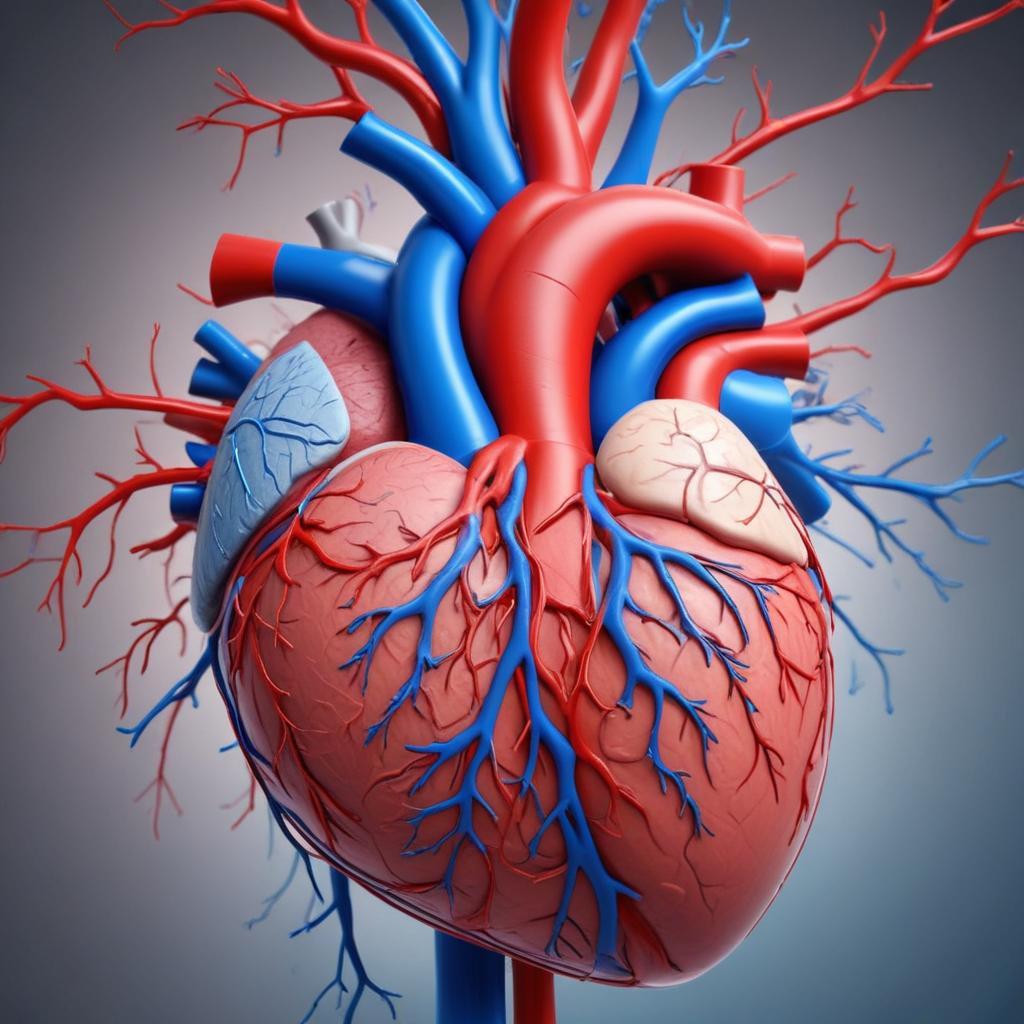
The blood flow process is essential for sustaining life, as it delivers oxygen and nutrients to tissues and removes waste products. Central to this process is the heart, a powerful muscular organ that functions as the pump of the circulatory system. The heart’s rhythmic contractions push blood through the vascular system, which consists of arteries, veins, and capillaries.
The journey of blood begins when the heart’s left ventricle contracts, sending oxygen-rich blood into the aorta, the largest artery in the body. From there, blood travels through progressively smaller arteries until it reaches the capillaries, where gas and nutrient exchange occurs at the cellular level. After delivering oxygen and collecting carbon dioxide, the blood flows into tiny veins called venules, which merge into larger veins that return the oxygen-poor blood to the heart.
The heart then pumps this deoxygenated blood to the lungs via the pulmonary arteries, where it picks up fresh oxygen and releases carbon dioxide. This oxygenated blood returns to the heart’s left atrium, completing the cycle. The vascular system plays a crucial role in maintaining this continuous flow, regulating blood pressure and distribution based on the body’s needs. Altogether, the heart function and vascular system work seamlessly to sustain the circulatory system, ensuring that every tissue receives adequate blood supply for optimal function.
Common Circulatory Problems and Causes
Circulation issues are often caused by a combination of lifestyle factors and underlying medical conditions, leading to poor blood flow and various vascular problems. One of the most common circulatory system disorders is peripheral artery disease (PAD), which results from narrowed arteries that reduce blood flow to the limbs. This condition often stems from atherosclerosis, where plaque builds up inside the arteries due to unhealthy dietary habits, smoking, or lack of exercise.
Other circulatory problems include varicose veins and chronic venous insufficiency, conditions resulting from weakened vein walls or valves, often linked to prolonged sitting or standing, obesity, and pregnancy. Medical conditions such as diabetes and hypertension also significantly increase the risk of poor blood flow and vascular problems by damaging blood vessels over time.
These circulatory system disorders impact overall health by limiting oxygen and nutrient delivery to tissues, which can cause pain, fatigue, and in severe cases, tissue death or cardiovascular events like heart attack and stroke. Addressing these root causes through healthier lifestyle choices, such as regular physical activity, balanced nutrition, and managing chronic diseases, is essential in improving circulation and preventing long-term complications.
Natural Methods to Improve Circulation

Improving circulation naturally involves a combination of lifestyle and dietary changes that promote healthy blood flow throughout your body. Adopting these natural remedies can help boost blood flow, reduce discomfort, and enhance overall wellness.
One of the most effective circulation exercises you can do is regular physical activity. Activities such as walking, cycling, swimming, and yoga increase heart rate and stimulate blood flow. Even simple habits like taking short breaks to stretch or walk during long periods of sitting can significantly improve circulation naturally. Aim for at least 30 minutes of moderate exercise most days of the week to keep your circulatory system in top shape.
Incorporating certain foods and natural remedies into your diet is another powerful way to boost blood flow. Focus on foods rich in antioxidants, vitamins, and minerals that support vascular health. Dark leafy greens like spinach and kale, citrus fruits, berries, nuts, garlic, and turmeric are all great choices. Omega-3 fatty acids found in fatty fish such as salmon and flaxseeds also help reduce inflammation and improve circulation.
Hydration plays a crucial role in maintaining good circulation. Drinking plenty of water throughout the day helps keep blood flowing smoothly and prevents it from becoming too thick or sluggish. Herbal teas like ginger and ginkgo biloba may also assist by relaxing blood vessels and improving blood flow naturally.
Additionally, lifestyle habits such as quitting smoking, managing stress, and maintaining a healthy weight contribute to better circulation. Smoking constricts blood vessels and damages arterial walls, while chronic stress can increase blood pressure and negatively impact circulation. Mindfulness practices and relaxation techniques can support a healthy cardiovascular system and promote balanced blood flow.
By concentrating on these practical strategies—such as consistent circulatory workouts, dietary adjustments incorporating natural solutions, maintaining proper hydration, and embracing positive lifestyle choices—you can naturally enhance your blood flow and experience greater energy and overall health.
Effective Exercises for Better Blood Flow
Improving circulation naturally can be effectively achieved through regular circulation exercises, which help promote better blood flow throughout the body. Cardio workouts, such as brisk walking, jogging, cycling, and swimming, are excellent choices as they elevate the heart rate, stimulating blood vessels and enhancing oxygen delivery to tissues. Incorporating at least 30 minutes of moderate cardio activity most days of the week can lead to significant improvements in vascular health.
In addition to cardio, stretching exercises play a vital role in improving circulation. Stretching helps relax muscles and reduce tension, which can obstruct blood flow. Incorporate gentle stretches targeting major muscle groups, especially before and after cardio sessions, to enhance flexibility and promote steady blood circulation.
Other forms of physical activity, such as yoga and resistance training, also contribute to circulation benefits by improving muscle tone and encouraging healthy blood pressure levels. For those with busy schedules, small habits like standing up and walking around every hour, taking the stairs, or doing brief stretching breaks can integrate circulation exercises into daily routines easily.
To maximize the benefits of these exercises, consistency is key. Start with manageable sessions and gradually increase intensity and duration. Combining varied exercises ensures comprehensive cardiovascular and muscular engagement, supporting overall circulation and contributing to improved health and vitality.
Diet and Hydration Tips to Support Circulation
Maintaining a healthy circulation diet is essential for promoting optimal blood flow throughout the body. Incorporating a variety of nutrient-rich foods can naturally enhance vascular health and improve circulation. Focus on foods for blood flow such as leafy green vegetables, rich in nitrates that help dilate blood vessels, and berries, which contain antioxidants that protect arteries from damage. Including sources of omega-3 fatty acids, like fatty fish, flaxseeds, and walnuts, supports the reduction of inflammation and promotes smooth blood circulation.
Whole grains, nuts, and legumes are also important as they contribute to healthy nutrition by providing fiber and important vitamins that aid in maintaining clean and flexible arteries. It’s beneficial to limit processed foods and excessive salt intake, which can negatively impact circulation by causing high blood pressure and arterial stiffness.
Hydration benefits circulation significantly. Drinking enough water keeps the blood thin and easier to flow, reducing the risk of clotting and improving nutrient transport. Aim for at least 8 glasses of water daily, and consider hydrating with herbal teas or water-rich fruits and vegetables like cucumbers and watermelon. Avoid excessive caffeine and sugary drinks, which may lead to dehydration and impair circulatory function.
By consistently integrating these dietary choices and hydration habits into your lifestyle, you can support a healthy circulatory system and promote overall wellness naturally.
Lifestyle Changes and Alternative Therapies

Improving circulation naturally can be greatly enhanced through specific lifestyle changes and the incorporation of alternative therapies. These strategies not only boost blood flow but also promote overall well-being, making them essential for those looking to support their cardiovascular health without medication.
One of the most effective lifestyle changes for better circulation is increasing physical activity. Regular exercise helps the heart pump blood more efficiently and encourages the development of new blood vessels. Simple activities like walking, cycling, or swimming can make a significant difference, especially when done consistently. Alongside exercise, maintaining a balanced diet rich in fruits, vegetables, and healthy fats supports vascular health by reducing inflammation and improving artery function.
Stress reduction is another crucial factor in improving circulation naturally. Chronic stress causes blood vessels to constrict and increases blood pressure, which can severely impair circulation over time. Practices such as meditation, deep breathing exercises, and yoga can significantly lower stress levels, leading to more relaxed blood vessels and better blood flow throughout the body.
Massage therapy stands out as a popular alternative therapy to promote circulation. By physically manipulating soft tissues, massage helps stimulate blood flow to different parts of the body, easing muscle tension and enhancing oxygen delivery to tissues. Regular massage sessions can improve lymphatic drainage and reduce swelling, making it an excellent complementary therapy for overall circulatory health.
Other alternative therapies that have gained recognition for supporting healthy circulation include acupuncture and hydrotherapy. Acupuncture involves the stimulation of specific points on the body to improve energy flow and blood circulation. Hydrotherapy, which uses water at varying temperatures, helps to dilate and constrict blood vessels, thus encouraging better blood movement. Both therapies can be tailored to individual needs and used alongside conventional treatments for optimal results.
In conclusion, adopting positive lifestyle changes such as regular exercise, stress management, and a nutritious diet combined with alternative therapies like massage therapy can significantly enhance circulation naturally. These approaches not only improve blood flow but also contribute to a healthier and more balanced life overall.
Benefits of Massage and Relaxation Techniques
Massage therapy and relaxation techniques offer significant circulatory benefits, playing a vital role in stress management and overall cardiovascular health. These methods work by stimulating blood flow through the gentle manipulation of muscles, which helps to dilate blood vessels and improve oxygen and nutrient delivery to tissues. Enhanced circulation not only supports muscle recovery but also promotes the removal of metabolic waste, reducing inflammation and soreness.

Having spent the last decade navigating the ups and downs of strength training and mindful living, I am passionate about sharing practical strategies for holistic male wellness. My focus is on balancing physical resilience with mental clarity, drawing from personal experience to help men lead more purposeful lives.