
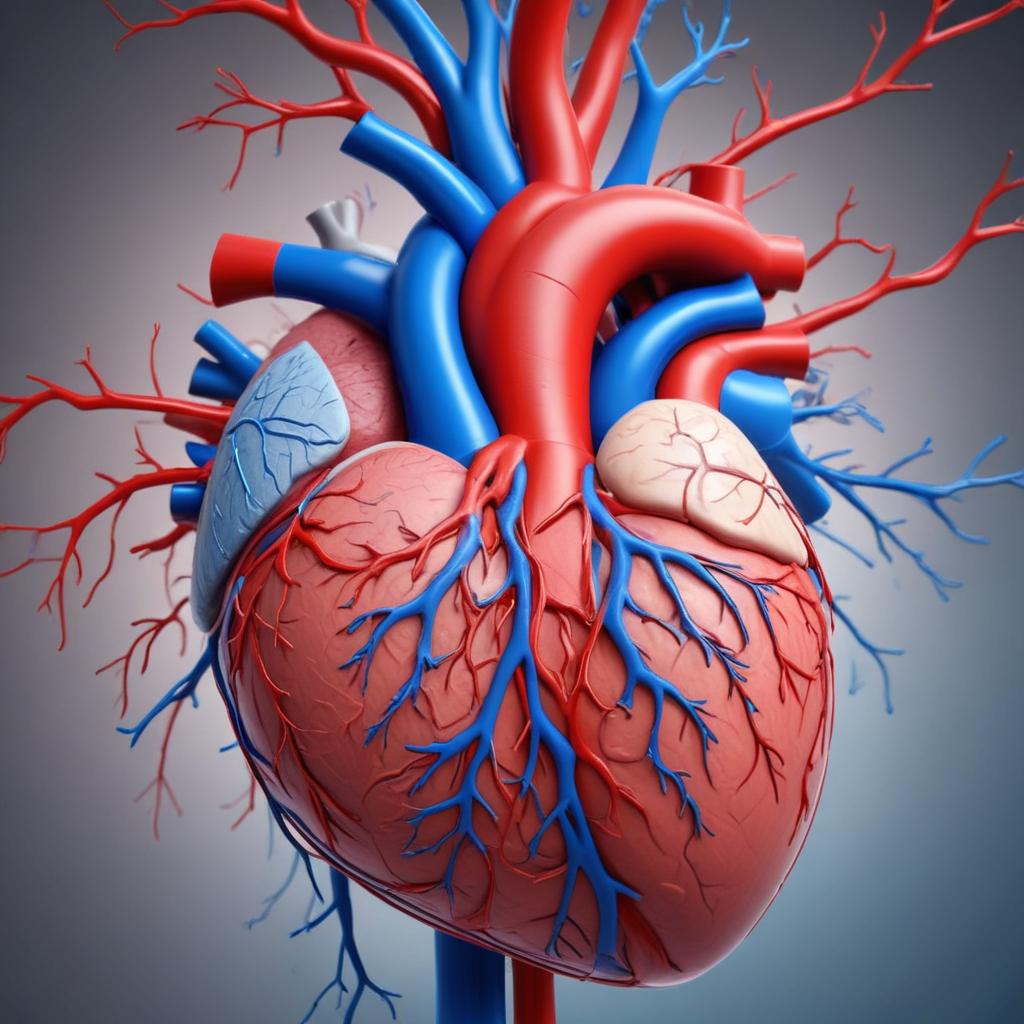
Improving circulation naturally
22/01/2026
Stress is recognized as a contributor to poor circulation, as it causes blood vessels to narrow, potentially resulting in higher blood pressure and decreased blood flow to vital organs. Massage therapy works to mitigate these issues by stimulating the parasympathetic nervous system, promoting relaxation and decreasing cortisol levels. This response to relaxation widens blood vessels, enhances heart rate variability, and fosters more effective blood flow patterns.
Including consistent relaxation methods like deep breathing, meditation, or progressive muscle relaxation in conjunction with massage therapy offers a comprehensive strategy for addressing stress-related circulatory problems. These practices help alleviate muscle tightness and foster a sense of tranquility, which in turn enhances vascular performance. Gradually, people may notice diminished signs of circulatory disturbances, such as chilly limbs, swelling, or tiredness, resulting in enhanced health and energy.
Avoiding Habits That Hinder Blood Flow
Numerous factors can hinder circulation, severely affecting blood flow and resulting in a range of health issues. One of the most detrimental is smoking. The impact of smoking damages the interior lining of blood vessels, leading to narrowing and hardening, which diminishes circulation effectiveness. Stopping smoking is among the best methods to enhance blood flow and boost overall heart health. Furthermore, a lack of physical activity is another significant barrier to circulation. Extended periods of being inactive limit the muscle contractions necessary for returning blood to the heart, causing sluggish circulation.
To counteract these detrimental behaviors, it’s important to embrace healthier routines, including consistent physical activity. Even light exercises, such as walking or stretching, can enhance circulation and avoid stagnation. Taking brief breaks to stand and move around during prolonged periods of sitting can reduce the impact of a sedentary way of life. Additionally, following a nutritious diet filled with antioxidants, healthy fats, and essential vitamins promotes vascular well-being.
To sum up, steering clear of typical circulation blockers like smoking and extended periods of inactivity, along with adopting healthier habits, can significantly boost blood flow. Focusing on these lifestyle adjustments not only benefits circulation but also supports overall health and well-being in the long run. Maintaining consistency in these practices is essential for minimizing harmful effects on your circulatory system.
Understanding Circulation and Its Importance
Circulation is the ongoing flow of blood throughout the body, crucial for supplying oxygen, nutrients, and hormones to cells and organs, as well as eliminating waste products. This process is vital for preserving vascular health and ensuring the body’s overall functioning.
Blood circulation starts as the heart propels oxygen-laden blood into the arteries. These arteries further divide into tiny vessels known as capillaries, where the transfer of gases, nutrients, and waste takes place at the cellular level. Subsequently, blood makes its way back to the heart via the veins, transporting carbon dioxide and other metabolic byproducts to be removed from the body.
Grasping the fundamentals of circulation allows us to recognize the vital role this system plays in supporting life. Adequate blood flow guarantees that every area of the body gets enough oxygen and nutrients, which is essential for tissues to operate effectively, recover, and renew. Additionally, it aids in regulating body temperature and bolsters immune responses.
Keeping healthy circulation in good condition is essential for overall health. Inadequate circulation may result in various health problems, such as tiredness, numbness, cold hands and feet, and even severe issues like heart disease and stroke. Healthy blood vessels contribute to not just physical energy but also cognitive clarity and emotional stability.
To sum up, the significance of circulation is paramount. It serves as the body’s vital support, allowing all organs and systems to operate in unison. By grasping the mechanics of blood flow and focusing on vascular well-being, people can make meaningful strides in improving their overall quality of life and sustaining their health in the long run.
How Blood Circulates Through the Body
The circulation of blood is vital for maintaining life, as it supplies oxygen and essential nutrients to tissues while eliminating waste materials. At the core of this system is the heart, a robust muscular organ that acts as the circulatory system’s pump. The heart’s steady beats propel blood throughout the network of arteries, veins, and capillaries.
The path of blood starts when the left ventricle of the heart contracts, pushing oxygenated blood into the aorta, the body’s largest artery. Blood then moves through increasingly smaller arteries until it arrives at the capillaries, where gases and nutrients are exchanged at the cellular level. Once oxygen is delivered and carbon dioxide is gathered, the blood moves into small veins known as venules, which combine into larger veins that carry the deoxygenated blood back to the heart.
The heart subsequently sends this deoxygenated blood to the lungs through the pulmonary arteries, where it absorbs new oxygen and expels carbon dioxide. This oxygen-rich blood then flows back to the left atrium of the heart, finishing the cycle. The vascular system is essential for maintaining this ongoing circulation, adjusting blood pressure and distribution according to the body’s requirements. Together, the heart’s function and the vascular system operate in harmony to support the circulatory system, guaranteeing that all tissues receive sufficient blood flow for their proper functioning.
Common Circulatory Problems and Causes
Circulation problems frequently arise from a mix of lifestyle choices and existing health issues, resulting in inadequate blood flow and a range of vascular complications. A prevalent disorder of the circulatory system is peripheral artery disease (PAD), characterized by narrowed arteries that limit blood flow to the extremities. This condition is often a consequence of atherosclerosis, which occurs when plaque accumulates within the arteries due to poor eating habits, smoking, or insufficient physical activity.
Additional circulatory issues encompass varicose veins and chronic venous insufficiency, which arise from weakened walls or valves of the veins. These conditions are frequently associated with extended periods of sitting or standing, obesity, and pregnancy. Furthermore, medical issues like diabetes and hypertension considerably elevate the risk of inadequate blood circulation and vascular complications by causing gradual damage to blood vessels.
Circulatory system disorders can significantly affect overall health by restricting the flow of oxygen and nutrients to tissues, potentially leading to discomfort, tiredness, and in extreme situations, tissue damage or serious cardiovascular incidents such as heart attacks and strokes. Tackling these underlying issues by adopting healthier habits, including consistent exercise, nutritious eating, and controlling chronic conditions, is crucial for enhancing circulation and avoiding lasting health problems.
Natural Methods to Improve Circulation

Enhancing circulation typically requires a blend of lifestyle adjustments and dietary modifications that encourage proper blood flow across your body. Embracing these natural solutions can aid in increasing blood flow, alleviating discomfort, and improving overall health.
A highly effective exercise for circulation is regular physical activity. Engaging in activities like walking, cycling, swimming, and yoga can elevate your heart rate and enhance blood flow. Additionally, incorporating small habits like taking brief pauses to stretch or walk while sitting for extended periods can greatly boost circulation naturally. Strive for at least 30 minutes of moderate exercise on most days to maintain a healthy circulatory system.
Adding specific foods and natural remedies to your meals is an effective method to enhance blood circulation. Emphasize foods rich in antioxidants, vitamins, and minerals that promote vascular wellness. Excellent options include dark leafy greens like kale and spinach, citrus fruits, berries, nuts, garlic, and turmeric. Additionally, omega-3 fatty acids present in fatty fish like salmon and flaxseeds can aid in reducing inflammation and boosting circulation.
Hydration is essential for promoting healthy circulation. Staying active during the day with Drinking plenty of water supports smooth blood flow and helps avoid thick or sluggish circulation. Herbal teas such as ginger and ginkgo biloba can further aid this process by naturally relaxing blood vessels and enhancing blood flow.
Moreover, lifestyle choices like stopping smoking, handling stress effectively, and keeping a healthy weight enhance circulation. Smoking narrows blood vessels and harms arterial walls, whereas persistent stress can elevate blood pressure and adversely affect circulation. Mindfulness techniques and relaxation techniques can help maintain a healthy cardiovascular system and encourage optimal blood flow.
Focusing on these effective approaches—like regular cardiovascular exercises, dietary changes that include natural remedies, ensuring adequate hydration, and adopting healthy lifestyle habits—can help you improve your blood circulation naturally, leading to increased energy and better overall well-being.
Effective Exercises for Better Blood Flow
Enhancing circulation naturally can be successfully accomplished with consistent circulation exercises that foster improved blood flow across the body. Cardiovascular activities like brisk walking, jogging, cycling, and swimming are great options since they raise the heart rate, activating blood vessels and improving oxygen transport to tissues. Engaging in at least 30 minutes of moderate cardio exercise on most days of the week can result in notable advancements in vascular health.
Alongside cardiovascular workouts, stretching exercises are essential for enhancing blood circulation. They help to ease muscle tightness and alleviate tension that may hinder blood flow. Include gentle stretches that focus on major muscle groups, particularly before and after your cardio routines, to improve flexibility and support consistent blood circulation.
Alternative types of physical activity, like yoga and strength training, also enhance circulation by boosting muscle tone and supporting healthy blood pressure. For individuals with hectic lifestyles, simple practices such as standing up and moving around each hour, opting for the stairs, or incorporating short stretching breaks can seamlessly incorporate circulation-boosting exercises into everyday life.
To fully reap the advantages of these workouts, maintaining consistency is essential. Begin with sessions that are easy to handle and slowly ramp up the intensity and length. Incorporating a mix of different exercises promotes thorough cardiovascular and muscular involvement, enhancing circulation and boosting overall health and energy.
Diet and Hydration Tips to Support Circulation
Keeping a circulation-friendly diet is crucial for ensuring proper blood flow across the body. By adding a diverse range of nutrient-dense foods, you can naturally boost vascular health and enhance circulation. Prioritize foods that benefit blood flow, such as leafy greens packed with nitrates that aid in widening blood vessels, and berries, which are rich in antioxidants that safeguard arteries from harm. Incorporating omega-3 fatty acid sources, including fatty fish, flaxseeds, and walnuts, helps minimize inflammation and encourages efficient blood circulation.
Whole grains, nuts, and legumes play a crucial role in promoting good nutrition by supplying fiber and essential vitamins that help keep arteries clear and flexible. It is wise to reduce the consumption of processed foods and limit salt intake, as these can adversely affect circulation by leading to high blood pressure and stiff arteries.
Staying hydrated greatly enhances circulation. Consuming sufficient water helps maintain thin blood, facilitating smoother flow, lowering the chances of clots, and boosting nutrient delivery. Strive for a minimum of 8 glasses of water each day, and think about incorporating herbal teas or fruits and vegetables with high water content, such as cucumbers and watermelon. Limit your intake of caffeine and sugary beverages, as they can contribute to dehydration and hinder proper circulation.
Regularly incorporating these food selections and hydration practices into your daily routine can help maintain a healthy circulatory system and foster overall well-being in a natural way.
Lifestyle Changes and Alternative Therapies

Enhancing circulation naturally can be significantly improved by adopting certain lifestyle modifications and integrating alternative treatments. These approaches not only increase blood flow but also foster overall wellness, making them vital for individuals aiming to maintain their cardiovascular health without relying on medication.
A highly effective way to enhance circulation is by boosting physical activity. Engaging in regular exercise allows the heart to circulate blood more effectively and promotes the formation of new blood vessels. Everyday activities such as walking, cycling, or swimming can lead to notable improvements, particularly when practiced regularly. In addition to exercise, consuming a well-rounded diet that includes plenty of fruits, vegetables, and healthy fats aids vascular health by lowering inflammation and enhancing artery performance.
Managing stress is an essential element in enhancing circulation naturally. Prolonged stress leads to the narrowing of blood vessels and elevated blood pressure, which can greatly hinder circulation over time. Engaging in activities like meditation, deep breathing techniques, and yoga can markedly reduce stress, resulting in more relaxed blood vessels and improved blood flow across the body.
Massage therapy is recognized as a favored alternative treatment for boosting circulation. Through the physical manipulation of soft tissues, massage encourages blood flow throughout the body, relieving muscle tightness and improving oxygen supply to various tissues. Consistent massage sessions can enhance lymphatic drainage and minimize swelling, making it a valuable complementary approach for overall circulatory well-being.
Alternative treatments that have become well-known for enhancing healthy circulation include acupuncture and hydrotherapy. Acupuncture works by targeting specific points on the body to boost energy flow and improve blood circulation. Hydrotherapy utilizes water at different temperatures to expand and contract blood vessels, promoting better blood flow. Both approaches can be customized to meet personal needs and can complement traditional treatments for the best outcomes.
In summary, embracing healthy lifestyle modifications like consistent physical activity, effective stress relief techniques, and a balanced diet, along with complementary therapies such as massage, can greatly boost circulation in a natural way. These methods not only promote better blood flow but also lead to a more vibrant and harmonious life overall.
Benefits of Massage and Relaxation Techniques
Massage therapy and relaxation practices provide important advantages for circulation, contributing significantly to stress relief and cardiovascular well-being. These approaches function by encouraging blood flow through the gentle handling of muscles, aiding in the widening of blood vessels and enhancing the transport of oxygen and nutrients to various tissues. Improved circulation not only assists in muscle recovery but also facilitates the elimination of metabolic waste, helping to lessen inflammation and discomfort.

Having spent the last decade navigating the ups and downs of strength training and mindful living, I am passionate about sharing practical strategies for holistic male wellness. My focus is on balancing physical resilience with mental clarity, drawing from personal experience to help men lead more purposeful lives.